
How Local Conditions Play In
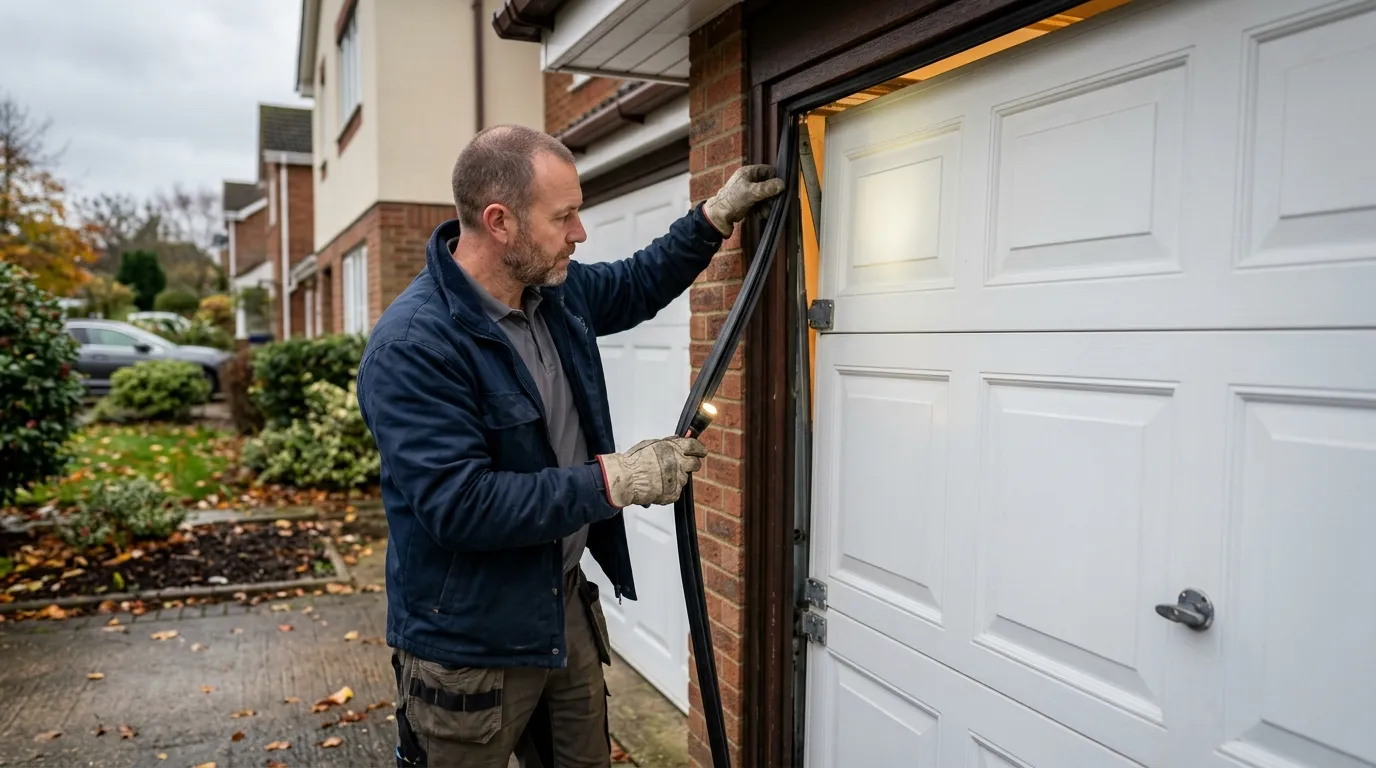
Miami sits in a mild temperate band, but mild doesn't mean gentle on a garage door. Humidity works on uninsulated steel year-round, and a single-layer panel with no vapor barrier sweats on the inside face when the AC runs against outside air. Over decades that shows up as rust starting from the inside out, along the bottom panel and around roller stems, not just at the weather seal like you'd expect.
Houses built before insulation rules also tend to have lighter-gauge track and hardware, since the door itself was lighter. When an owner in one of these older homes upgrades to a heavier insulated door later without upgrading the track, springs, and opener mount, the new door outlives the old hardware fast. We see this pattern most in the older stock concentrated in the 1960s-70s pockets around the service area, less so in newer sections built after 2000.
What to Look At First
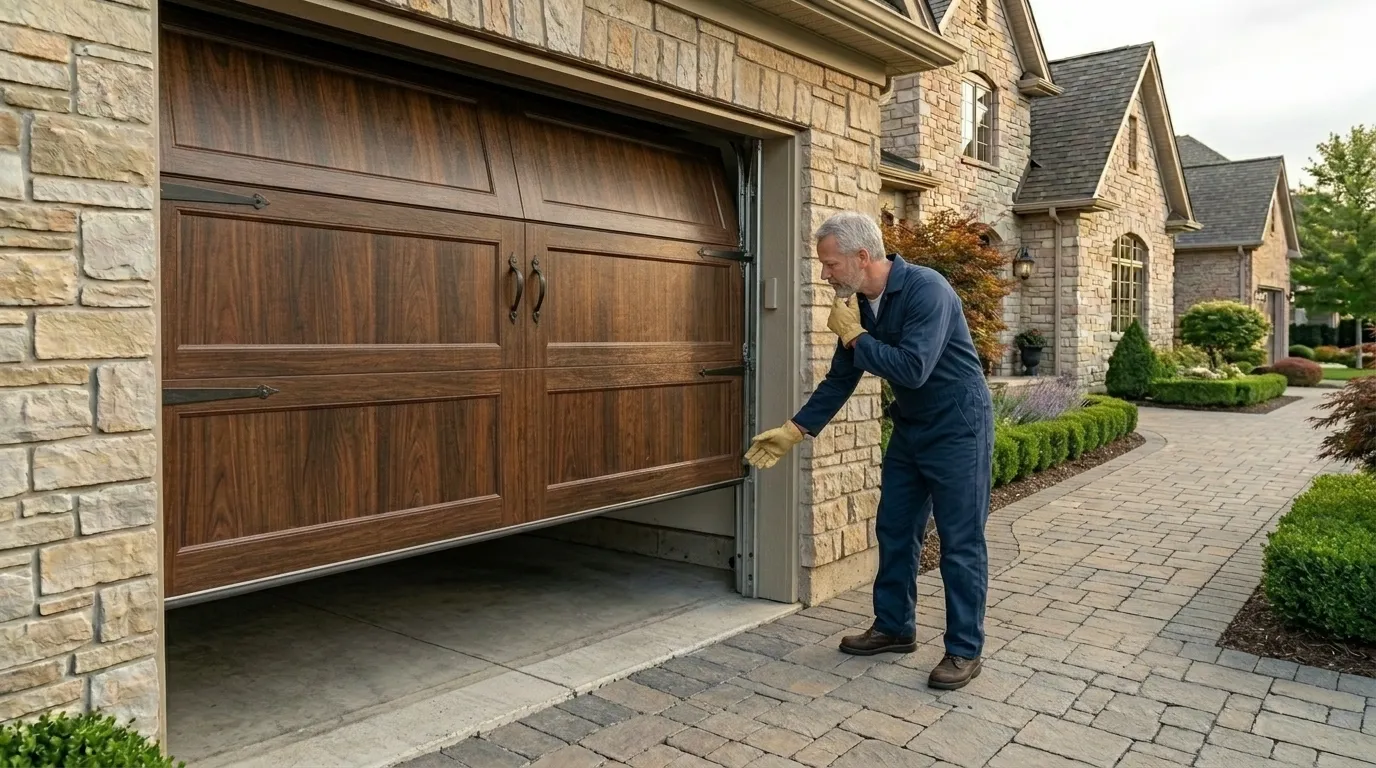
Start with the panel itself. Press on the bottom section - if it flexes a lot or feels cool and slightly damp to the touch on a humid day, it's uninsulated single-layer steel, which is what you'd expect from a pre-code house. Next check the inside of the bottom panel and the roller brackets for rust that started from the interior, not the outside edge. That's the humidity-against-cold-steel pattern specific to older, uninsulated doors in this climate.
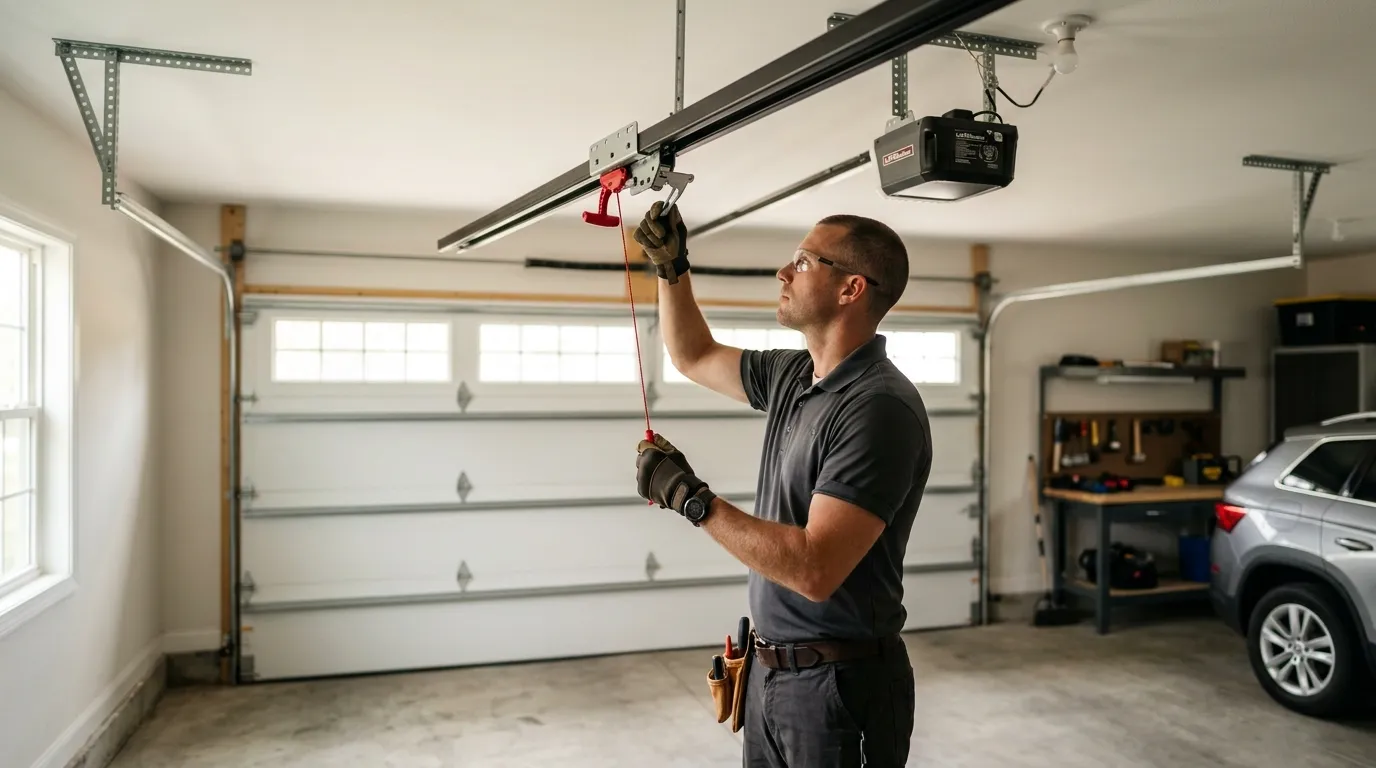
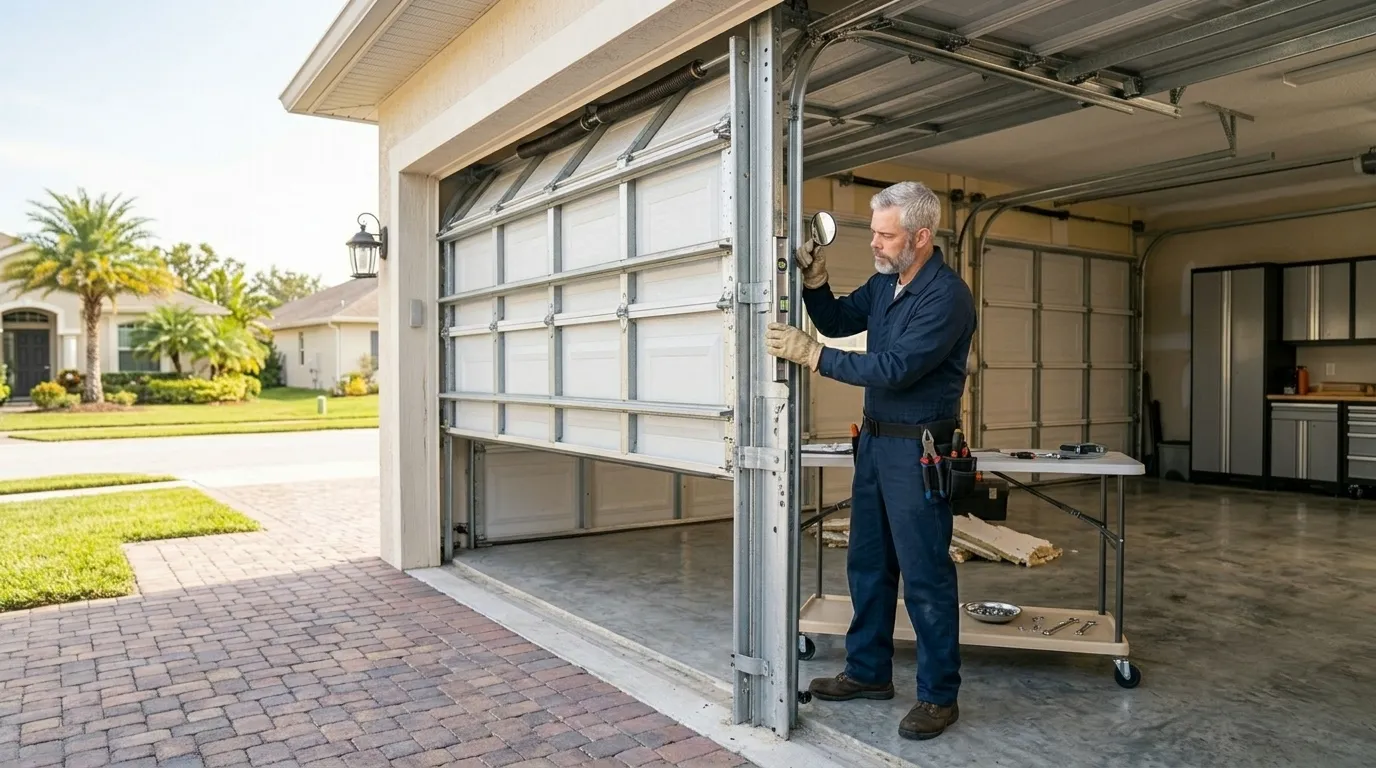
Also look at the track gauge and spring size relative to the door. If a heavier insulated door was swapped in at some point but the track still looks thin and the spring still looks original, that's a mismatch worth having checked before it fails on you. One thing we won't do is tell you a torsion spring is fine just because it's not broken yet - if it's original to a 1970s install, it's decades past its rated cycle count regardless of appearance.