Most houses in Miami Gardens went up around 1969, the median year for the neighborhood's housing stock. That's a decade before insulated steel panels became the standard product line, so what's mounted on these doors now is single-layer steel, not the two-layer insulated panel you'd get today. Sizes run standard for the era - a 16x7 double or a 9x7 single - but the panel profile itself is often a discontinued groove pattern that current manufacturers don't stock off the shelf.
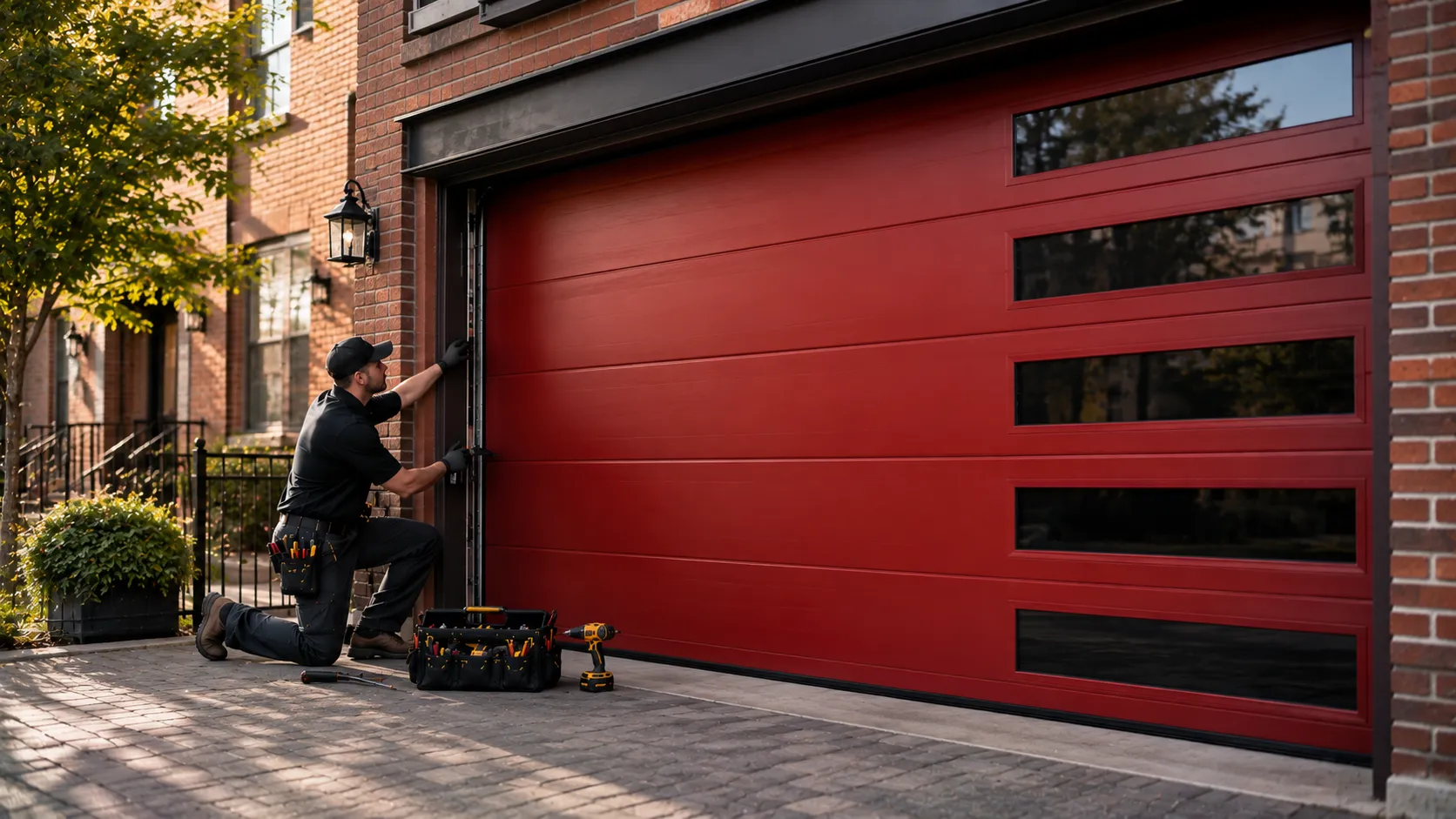
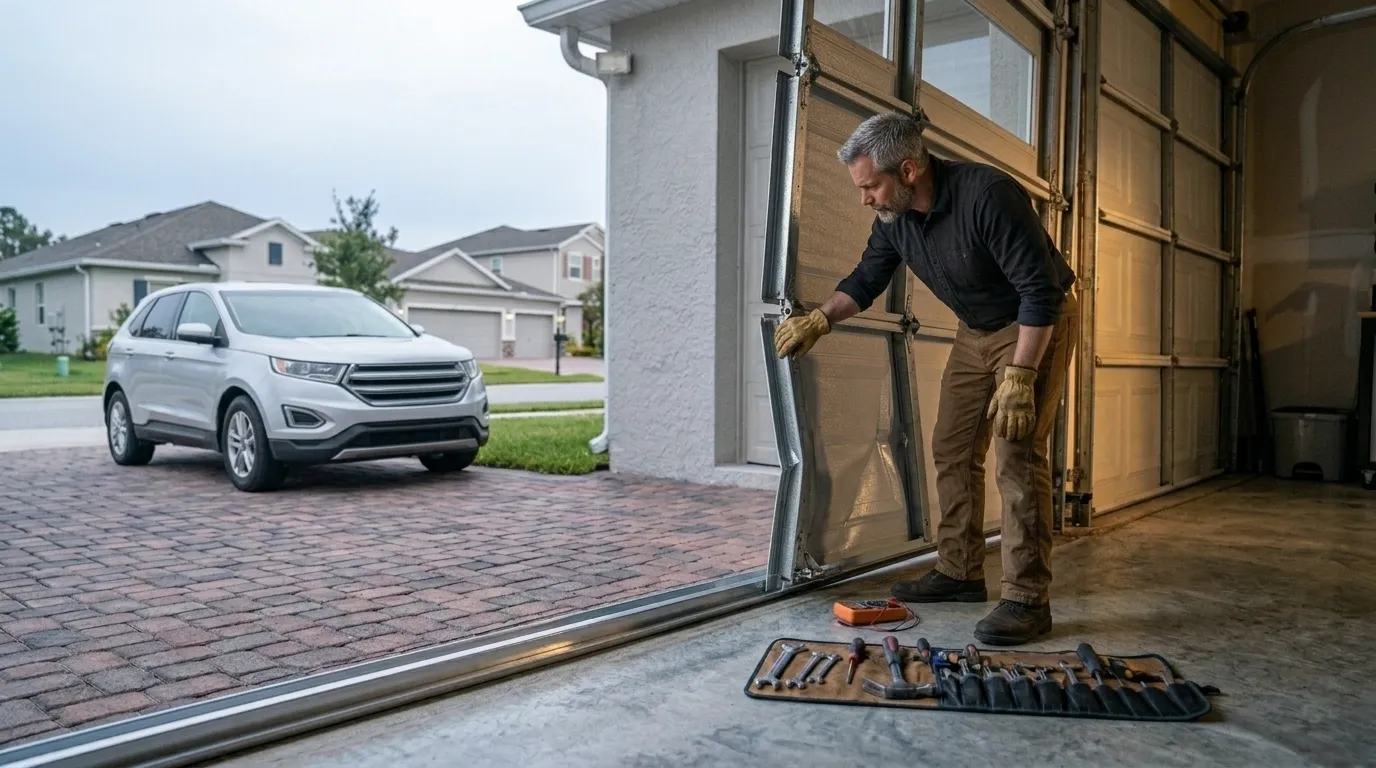
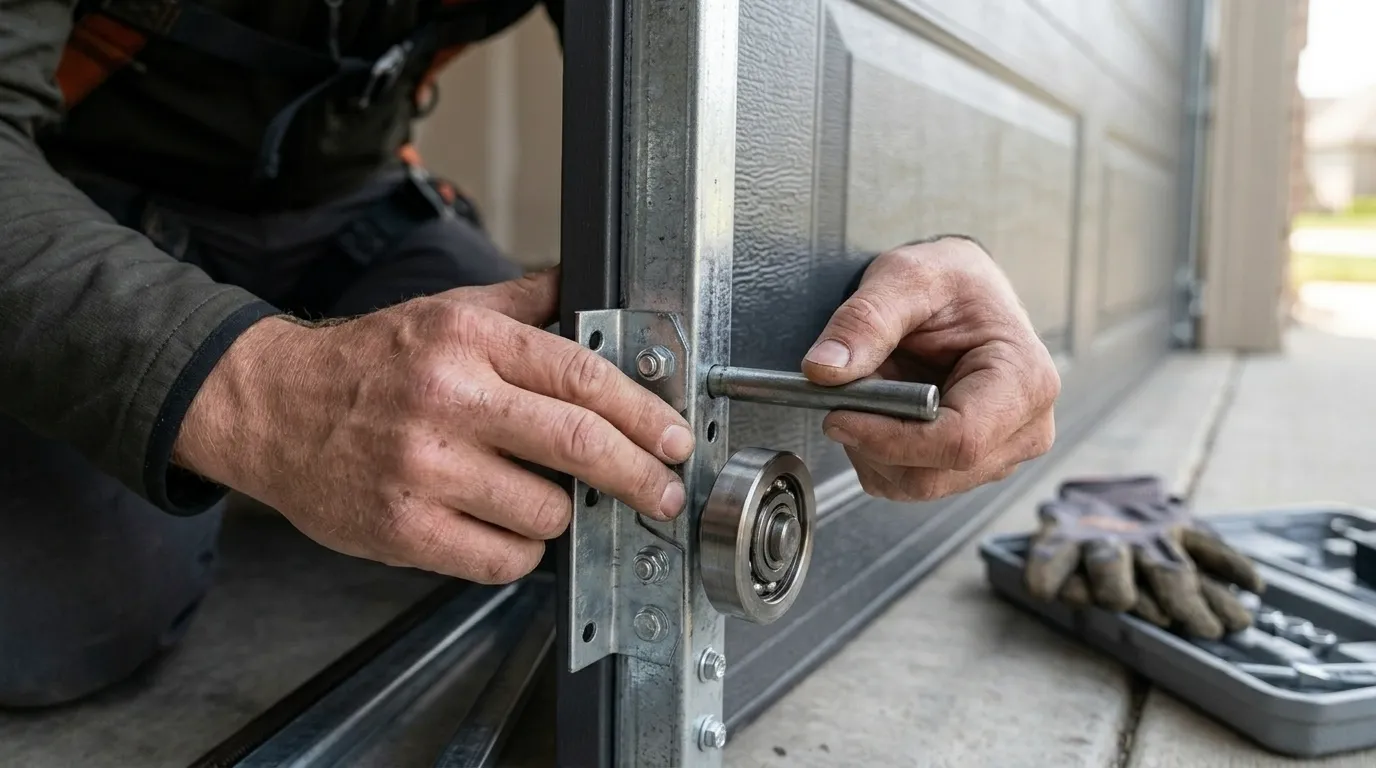
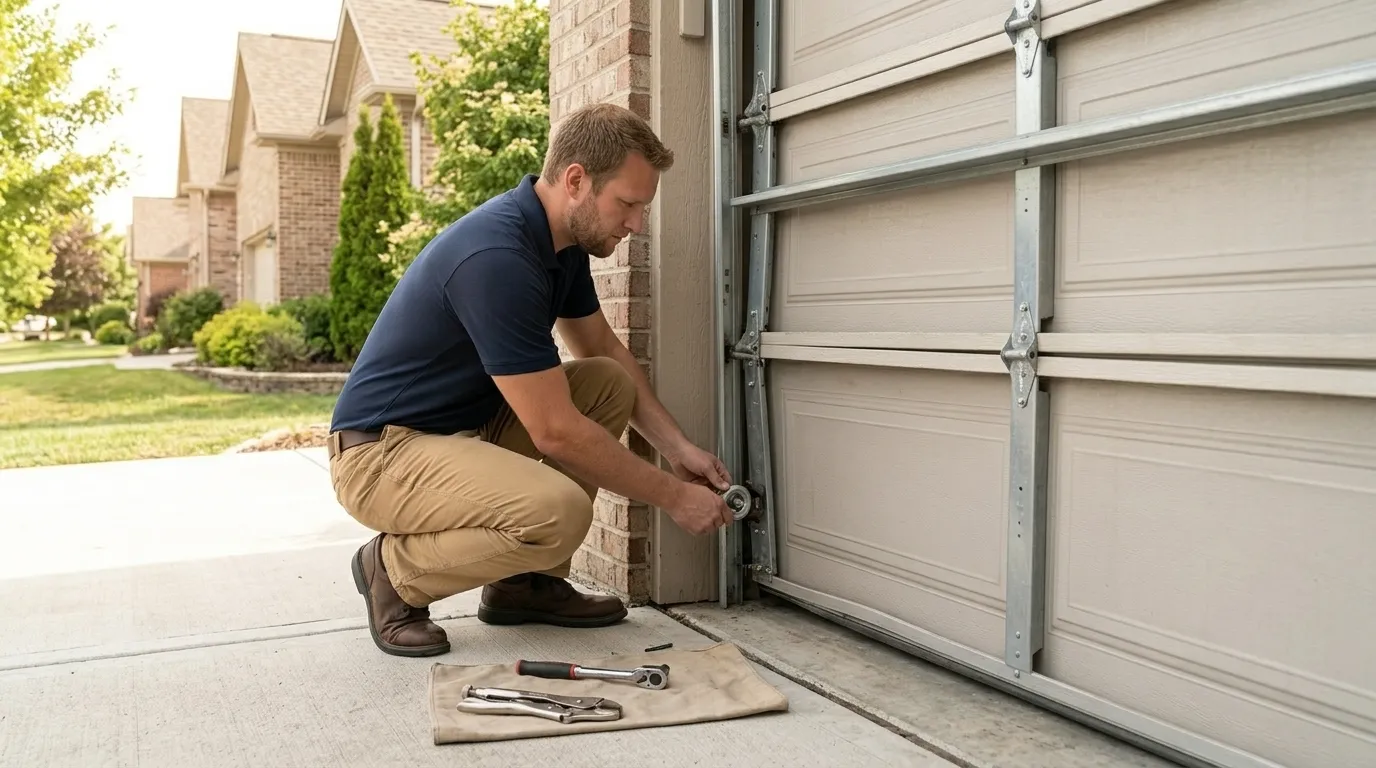
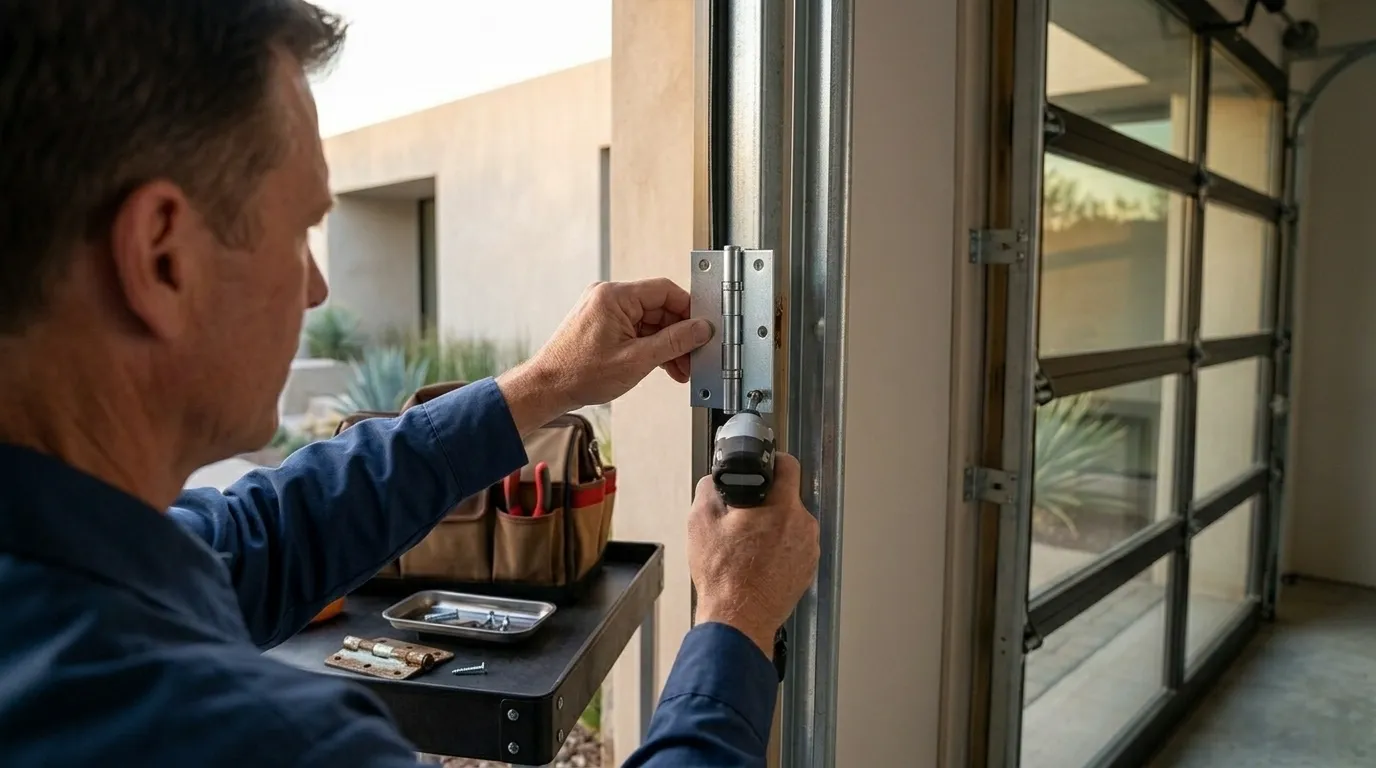
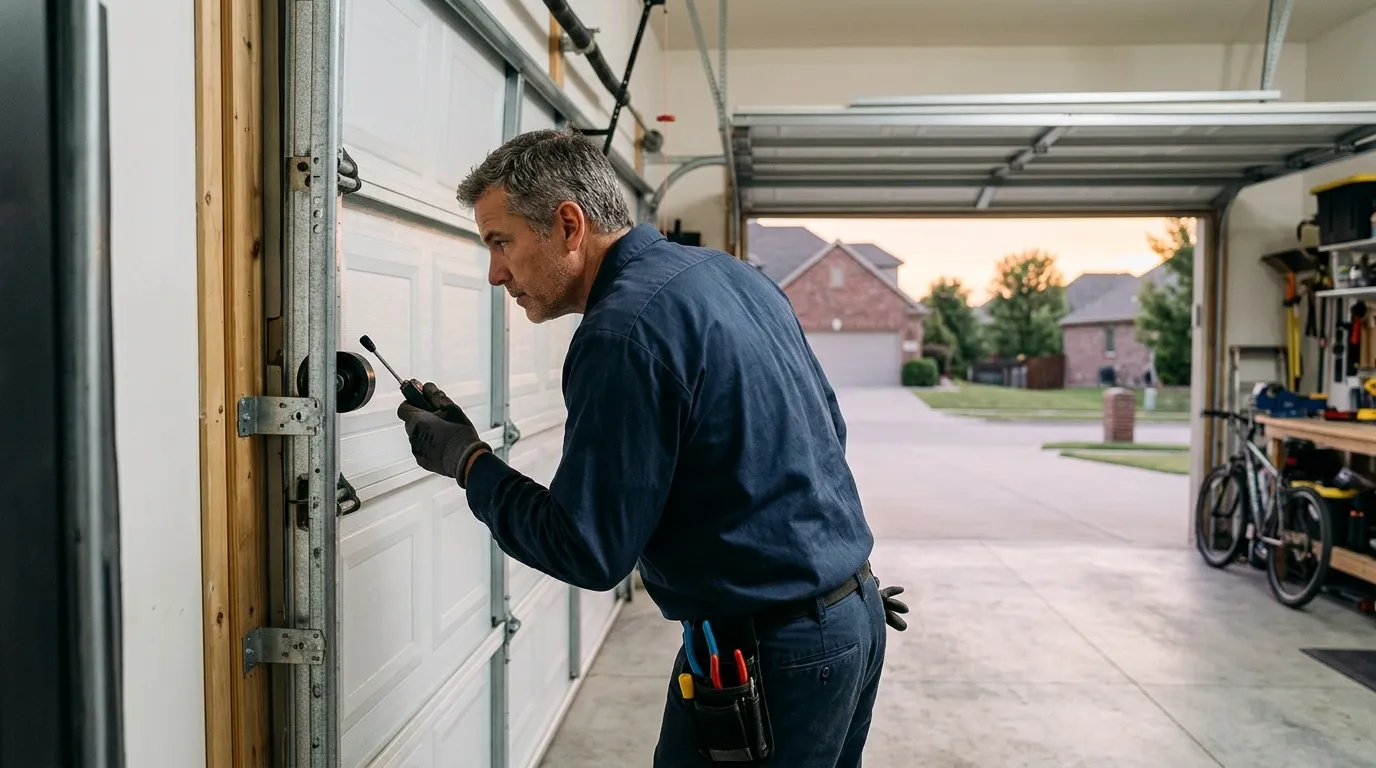
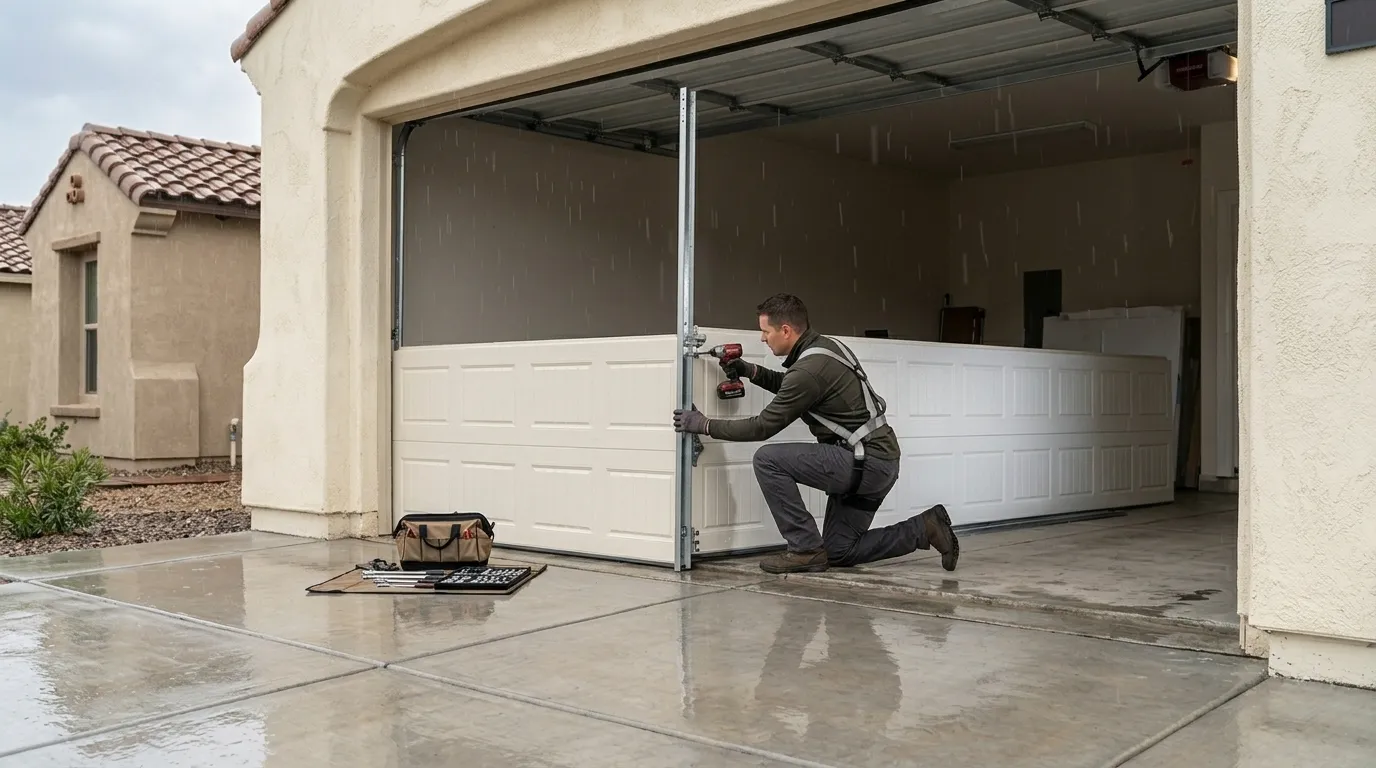
Panel replacement here means pulling the damaged section, matching the groove width and panel height to what's still hanging on either side, and reattaching it to hinges and rollers that have usually never been swapped since the door went up. If the track or hinges are original, we sometimes have to adjust hardware spacing to get a replacement panel to sit flush, since panel dimensions weren't standardized as tightly then as they are now. A dented bottom panel from a car bumper or a cracked section from wind is the most common call. We replace the section, not the whole door, when the rest of the panels and hardware are sound.
Can You Do This Yourself
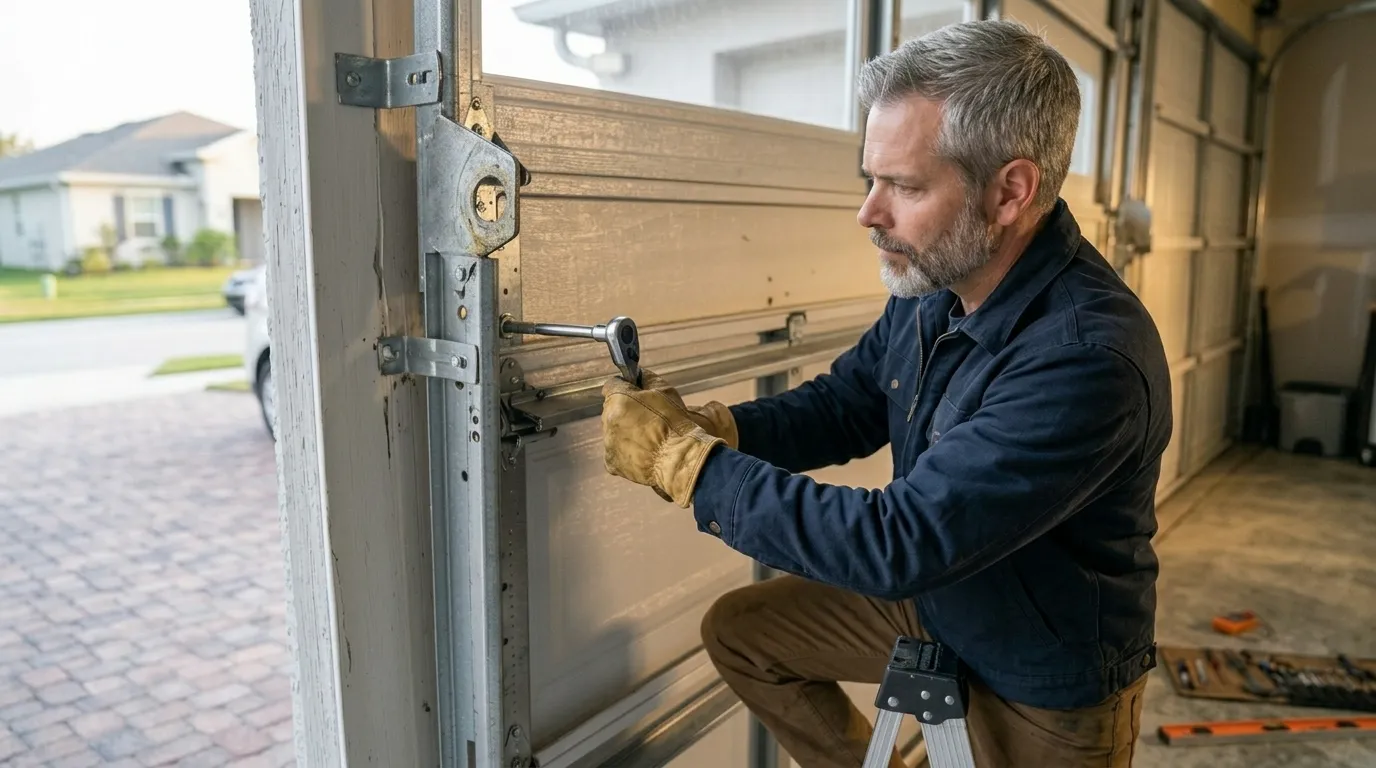
Pulling a single steel panel isn't the hardest garage door job, but on a door this age it's rarely a clean swap. You need to find a panel that matches an obsolete groove profile and color, which usually means special order rather than a shelf pull from a supply house. Get the width wrong by even a little and the panel won't sit flush against its neighbors, which throws off the roller alignment for the whole door.
If your door is under spring tension - and most double doors are - that's the part we'd tell you to leave alone regardless of your comfort with tools. A torsion spring lets go with enough force to break bones, and on a door this old the spring itself may be original and already fatigued. Swapping a single bottom panel with the door in the down position and the opener disconnected is manageable for someone comfortable with a socket wrench. Anything involving the spring, the track, or more than one panel is where we'd rather you call than guess.
Why This Fails Locally
The service area sits in a mild temperate climate, which spares Miami Gardens the freeze-thaw cracking that splits panels in colder places. What it doesn't spare is steady humidity, and steel panels from the late 1960s and 1970s were built without the galvanized coatings and factory finishes that came later. Rust starts at the seam where panel meets hinge, and once it's eaten through the steel there, the panel won't hold screws anymore - that's usually when a homeowner calls us rather than when the dent first happened.
Median household income in Miami Gardens sits at $60,979, noticeably below the $71,020 average across the broader service area. That gap shows up in the repair decisions we see: owners here replace the one failed panel far more often than they replace the whole door, which is the right call when the rest of the panels and hardware are still sound, but it means we're matching old profiles more often here than in newer parts of the service area.
The Cost of This Job
We don't have a set price to quote here, and honestly, panel replacement cost swings more on this housing stock than on newer doors. A discontinued groove profile can mean a longer wait for the panel to arrive, and if the hinge spacing on an original 1969 door has shifted over the decades, fitting the new panel takes more adjustment time than a straight swap would on a newer door.
The truck comes from Miami, about 12 miles south - Miami Gardens isn't served from a local branch, and we don't pretend otherwise. What we can tell you honestly: if two or more panels on the same door are damaged, or the door is original from 1969 and hasn't had a spring service in years, replacing one panel to keep an otherwise tired door running is sometimes money spent to delay the inevitable. We'll tell you that on site rather than sell you a panel we don't think is worth it.
How it works
From “it’s stuck” to “it’s fixed”
01
Tell us what’s wrong
Describe the symptom - won’t open, loud bang, opener runs but the door won’t move.
02
On-site diagnosis
A technician tests the door under power and by hand and finds what actually failed.
03
Clear, up-front plan
You get the fix that’s needed and what drives the cost - before any work starts.
04
Repaired & tested
The repair is done, the door is set true and tested, and the work area left clean.
Next step
Serving Miami, FL - tell us what your door’s doing and we’ll take it from there.
We do our best to match the groove profile and color, but doors from 1969 often used profiles no longer manufactured. Sometimes we can source a close match; sometimes the honest answer is that the new panel will be visibly newer until the whole door is repainted or replaced. We'll tell you which situation you're in before we order anything.
Do you have a branch in Miami Gardens
No. We run out of Miami, about 12 miles away, and travel to Miami Gardens for panel jobs. There's no local depot here, so we're upfront that we're a service call, not a walk-in shop.
How do I know if I need one panel or the whole door
If the rest of the panels are straight, the track is aligned, and the spring is holding tension evenly, one panel usually solves it. If the door already sags, binds, or the spring looks original from 1969, we'll likely tell you a full door makes more sense than chasing panels.
Ready to get your garage door sorted?
Tell us what it’s doing and where you are in Miami - we’ll take it from there.