Miami Beach homes have a median build year of 1969, older than the area's 1976 median, which means more of the original extension-spring cable setups. We travel from Miami for the fix.
A garage door cable is not a DIY part, and that's true whether you own a house built last year or one built when Nixon was in office. Miami Beach's median home dates to 1969, which puts a lot of these garages in the era of exposed lift cable running straight off a drum with an extension spring on each side - no torsion bar cage, no safety loop most of the time. That setup means the cable is under load the second the door is off the ground, and a cable that's already frayed can snap and let the door drop or let a spring fly loose. We won't tell you it's impossible to do at home. We will tell you that the margin for error on an older extension-spring door is thin, and the parts that fail on a 1969-era track - the pulleys, the drum flanges - are often not the same gauge as what's sold at a hardware store today. If your door is stuck shut or hanging crooked, leave it alone and call rather than force it open on the opener.
One honest limit here: we don't do cable work over the phone. We need to see the drum and the spring before we know if it's a cable job or something bigger.
How Long It Takes
We're not going to put a number on how fast a truck gets to a specific address in Miami Beach - we run out of Miami, about 4 miles away, and traffic on any given day is traffic. What we can tell you is how the job itself tends to go once a tech is looking at the door. A straight cable swap on a newer torsion setup is usually the fastest kind of call we make. A Miami Beach door built closer to that 1969 median, running the older drum-and-extension-spring style, usually takes longer, not because the cable itself is harder to install but because we're often re-tensioning a spring system that hasn't been touched in years and checking that the drum and pulley haven't worn to the point they need replacing too. If the cable size on an older door isn't something we carry on the truck, that adds a return trip - it's not common, but it happens on doors this age, and we'd rather tell you that up front than promise a same-visit fix we can't guarantee.
What Can Go Wrong
The failure we see most on a door from this era is a cable that's worn thin at the drum groove long before it looks bad anywhere else - you get slack on one side, the door racks in the track, and the opener starts straining or reversing on its own. On the older extension-spring doors common to Miami Beach's 1960s-70s-heavy stock, a frayed cable paired with a spring that's lost tension is a worse combination than either problem alone, because the door can come down unevenly and jam a roller in the track on the way. We also see drums that have worn oval instead of round after enough years of a cable riding the same groove, which will chew through a brand-new cable fast if nobody replaces the drum at the same time. What we don't see as often here - because the climate band is mild rather than freeze-thaw - is the kind of ice-jam failure that snaps cables in colder parts of the country. That's one thing working in this area's favor, even with older hardware.
What the Fix Involves
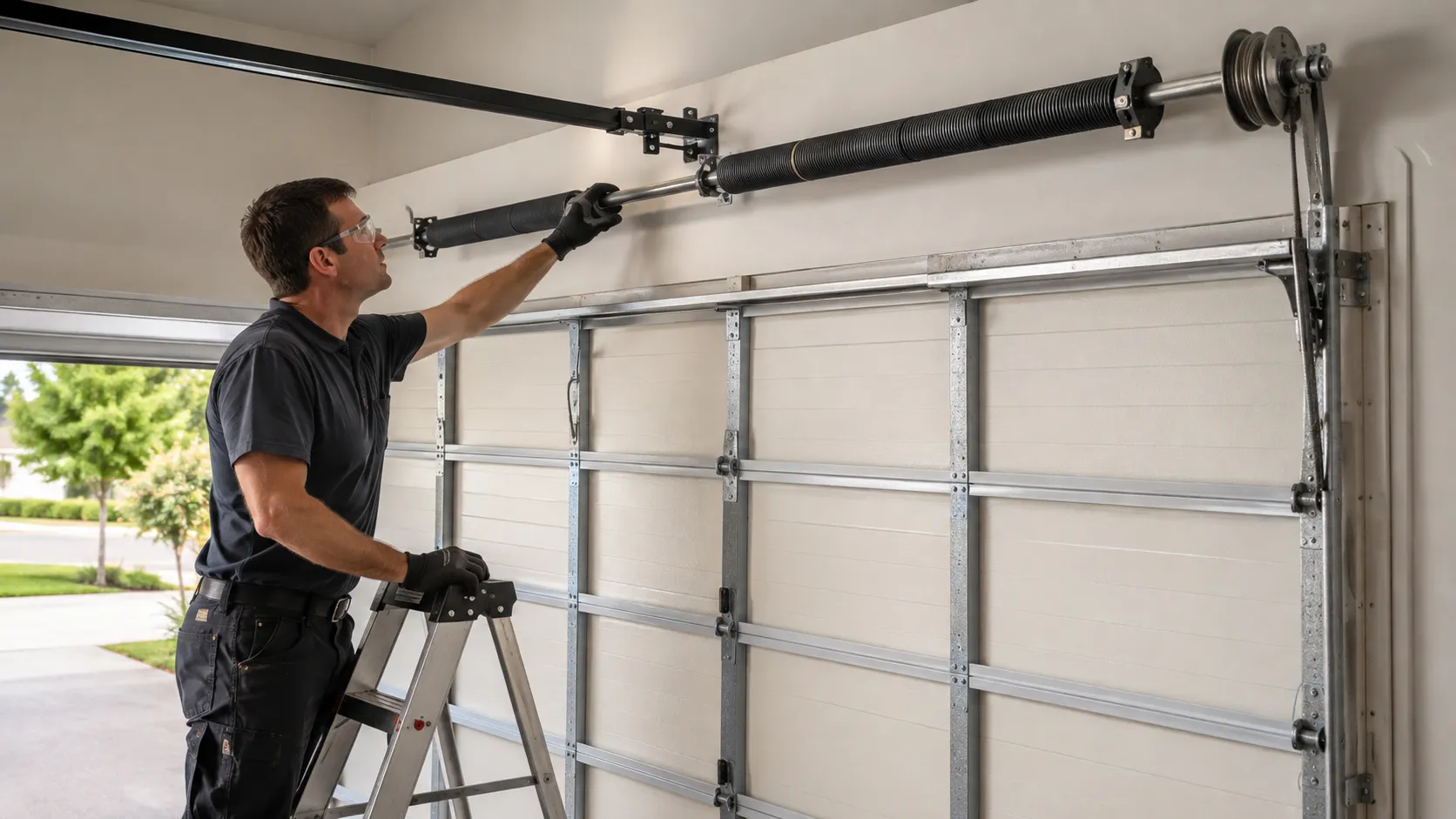
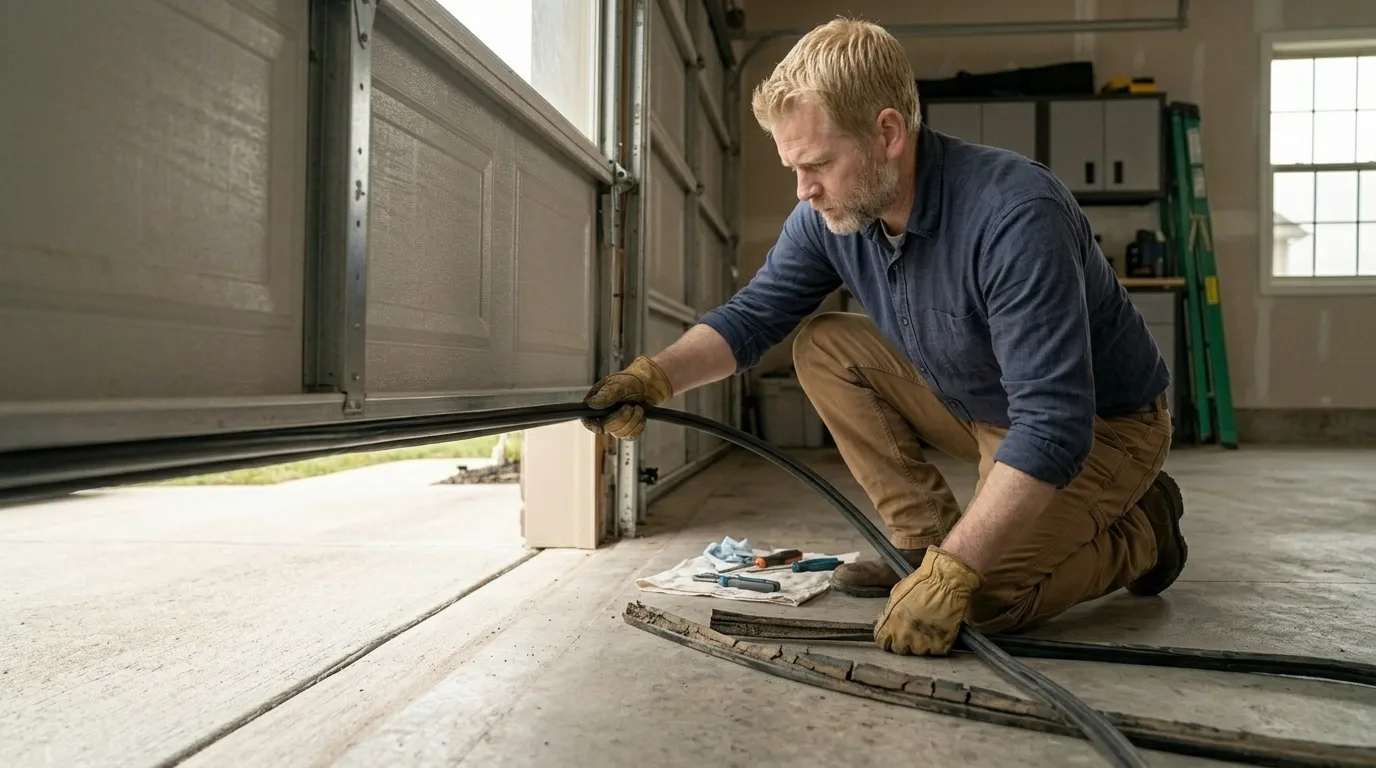
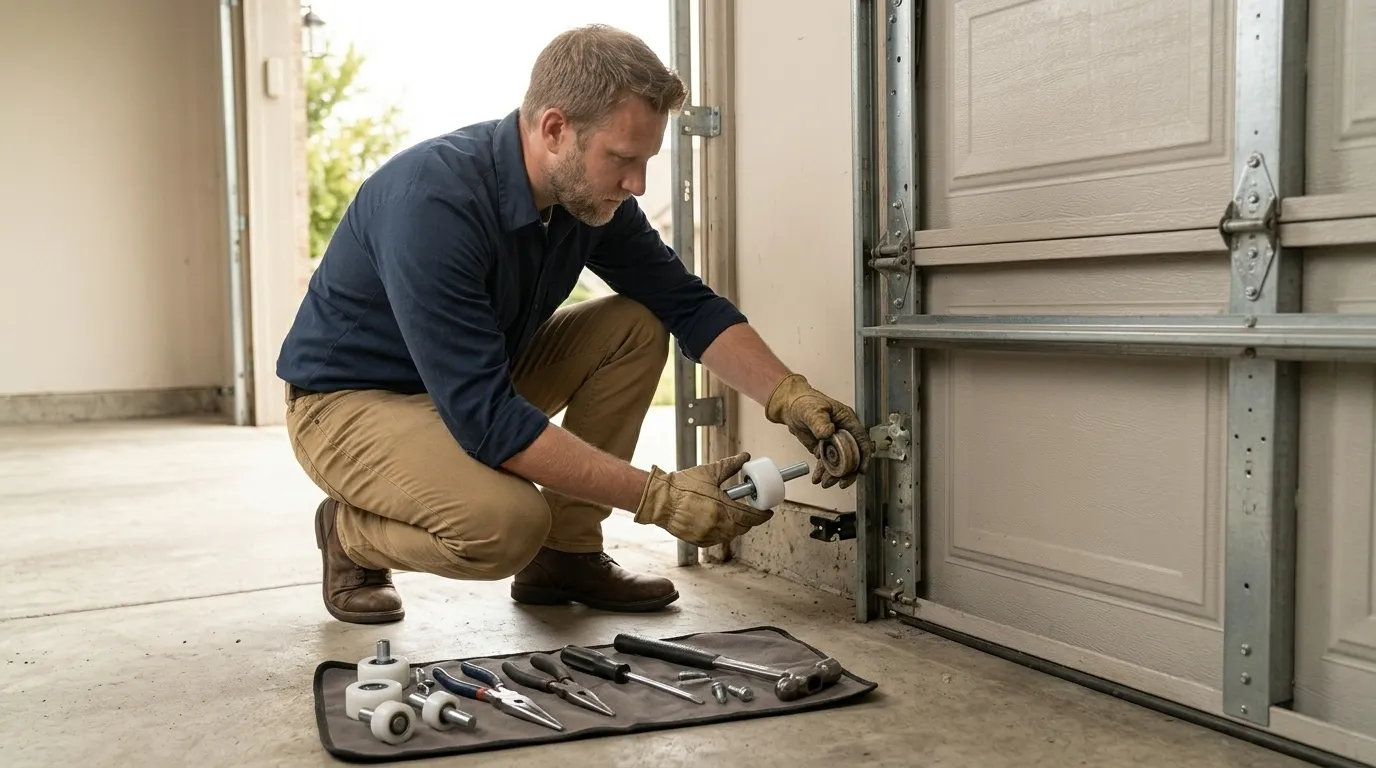
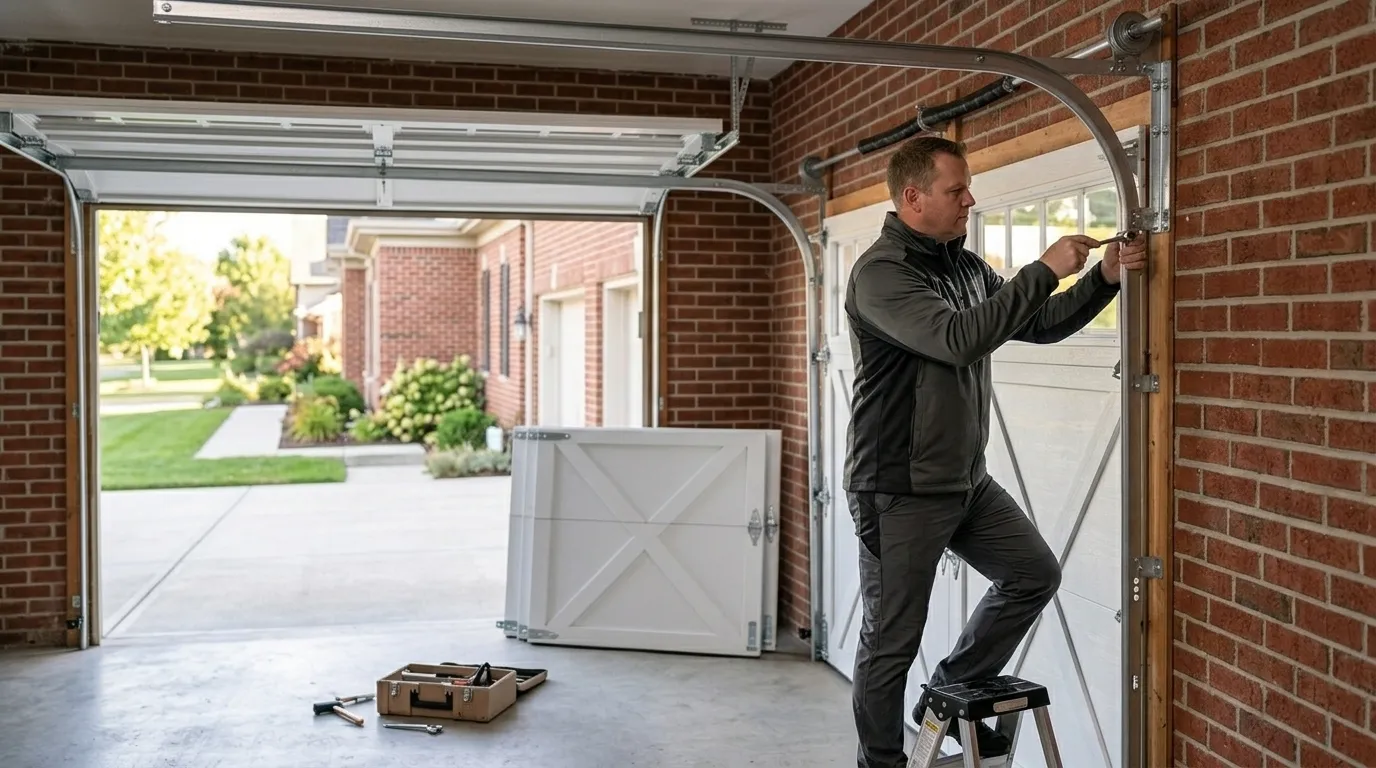
The job starts with releasing tension safely - on an extension-spring door that means clamping the spring before anything touches the cable, not just unhooking it. We pull the old cable off the drum, check the drum and pulleys for wear or an out-of-round groove, and match the new cable to the gauge and length the door actually needs rather than whatever's closest on the shelf. On a 1969-era door that's still running its original hardware, that often means the cable size doesn't match what current doors ship with, so we measure rather than assume. Once the new cable is on, we re-tension the spring, run the door up and down by hand to check it travels evenly on both sides, and only then let the opener take over. If the drum or the springs are shot along with the cable, we'll say so before starting - replacing a cable on hardware that's about to fail somewhere else isn't a repair, it's a delay, and we'd rather tell a homeowner that than send a truck back out in a month.
How it works
From “it’s stuck” to “it’s fixed”
01
Tell us what’s wrong
Describe the symptom - won’t open, loud bang, opener runs but the door won’t move.
02
On-site diagnosis
A technician tests the door under power and by hand and finds what actually failed.
03
Clear, up-front plan
You get the fix that’s needed and what drives the cost - before any work starts.
04
Repaired & tested
The repair is done, the door is set true and tested, and the work area left clean.
Next step
Serving Miami, FL - tell us what your door’s doing and we’ll take it from there.
Why does my Miami Beach garage door use a different cable setup than newer houses?
Miami Beach's median home was built around 1969, which is earlier than the area's overall median of 1976. Houses from that stretch typically got extension-spring doors with exposed lift cable riding on a drum, rather than the torsion-spring setups that became standard in newer construction. The hardware still works, but the cable gauge and drum size often don't match what's sold as a generic replacement today.
Can a broken cable damage anything else on the door?
Yes. If a cable snaps while the door is partway up, the door can drop unevenly, jam a roller sideways in the track, or put sudden load on the opposite spring. On older extension-spring doors common in Miami Beach, we check the drum, pulleys, and both springs whenever we replace a cable, since the parts wear as a set.
Do you keep a truck stationed in Miami Beach?
No. We run out of Miami, about 4 miles away, and drive over for cable calls. We don't have a branch or depot in Miami Beach, so we're not going to promise a fixed response window here - just that the job itself, once we're on site, follows the same process regardless of where we started from.
Ready to get your garage door sorted?
Tell us what it’s doing and where you are in Miami - we’ll take it from there.