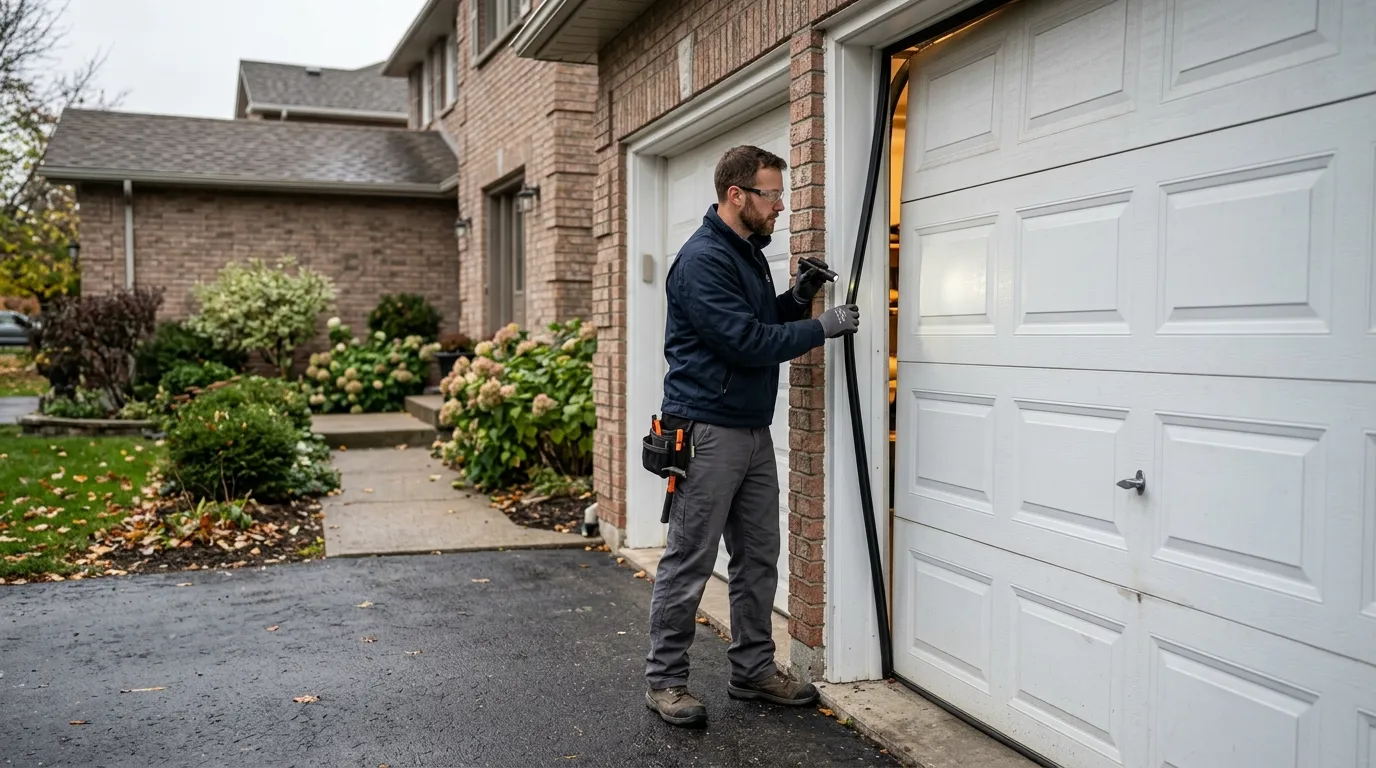
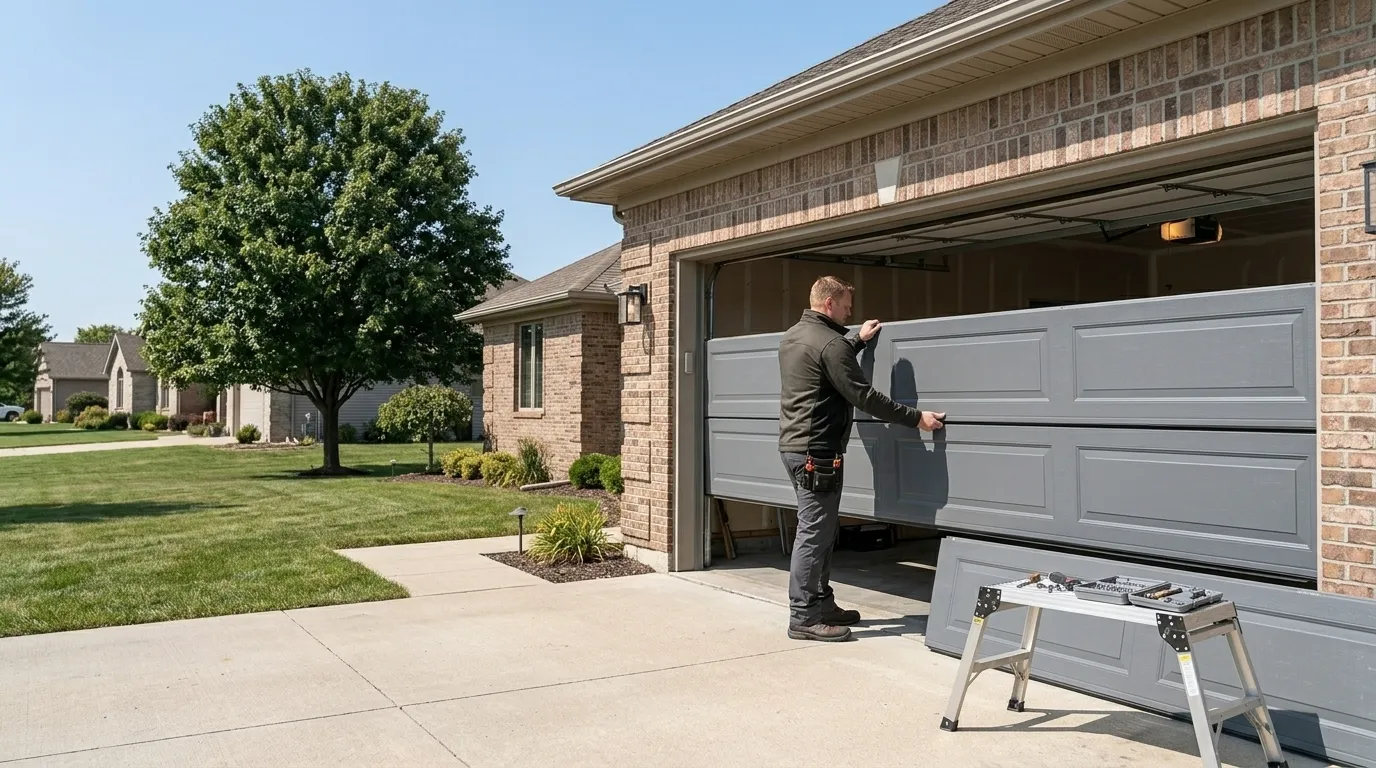
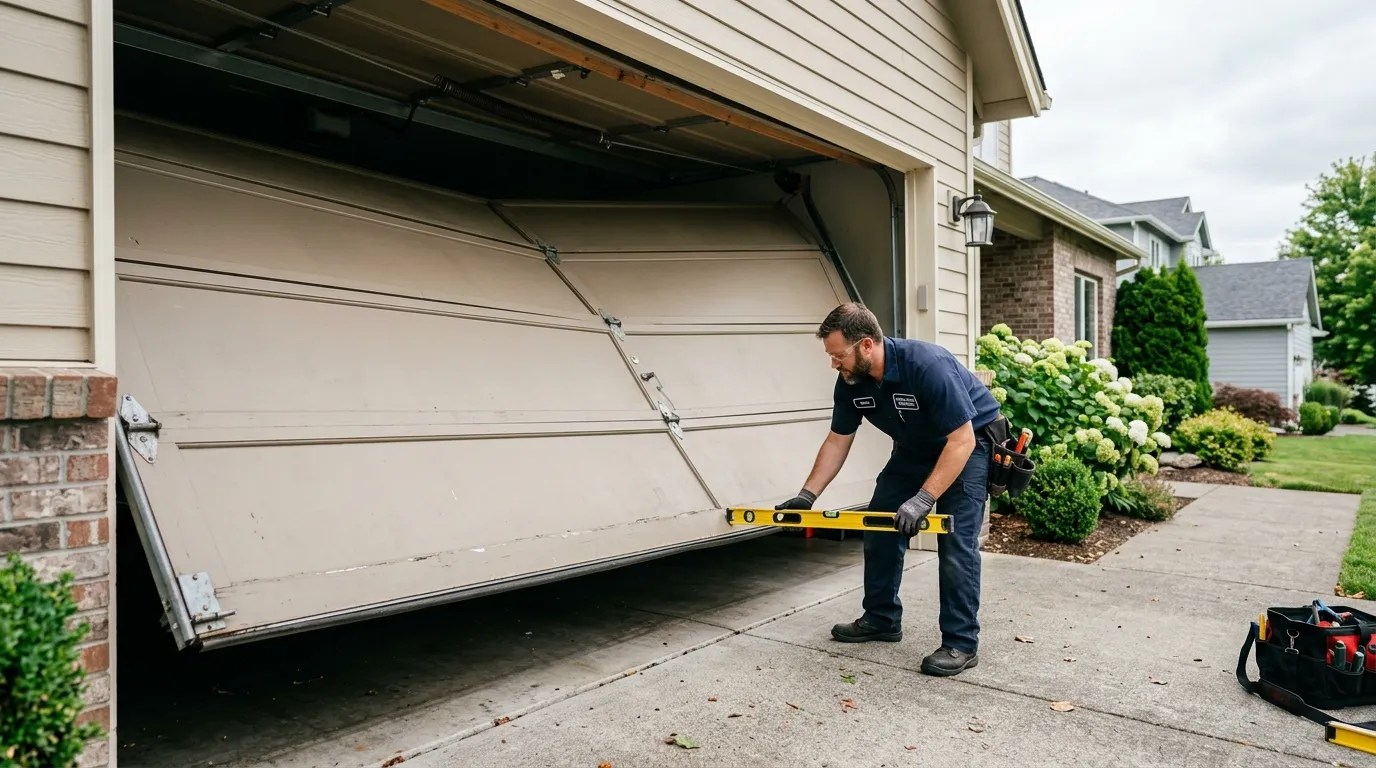
Miami Beach's garage doors mostly date to the late 1960s. Our Miami-based crew knows that era's spring and opener hardware and drives the 4 miles out for the call.
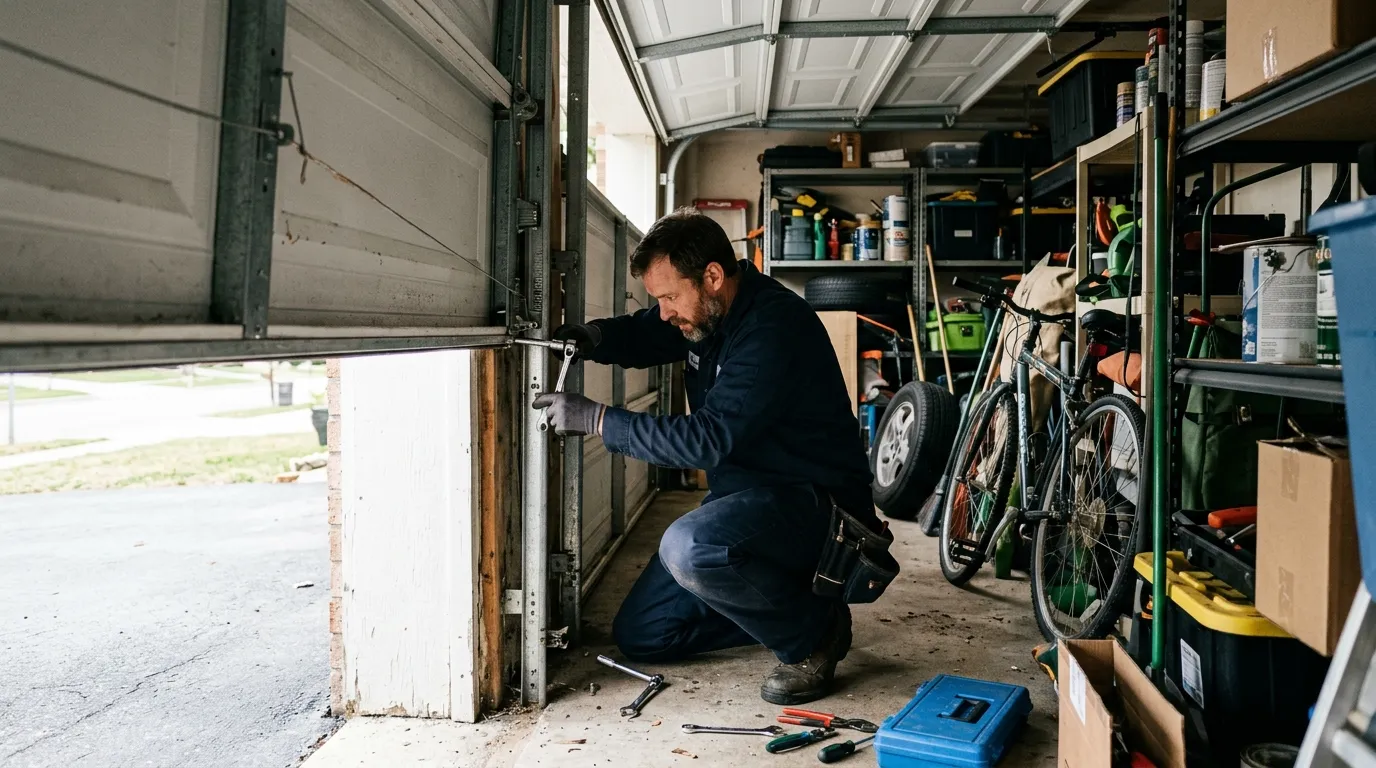
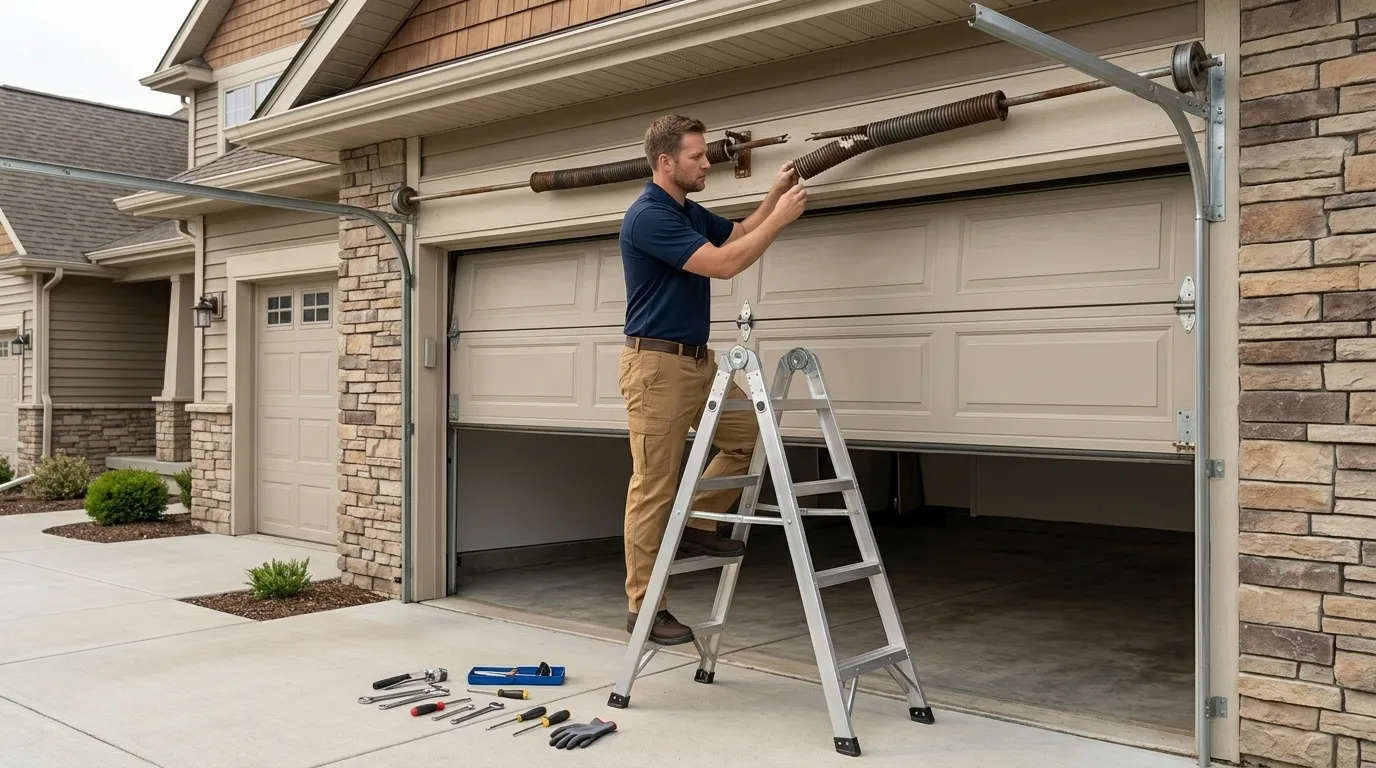
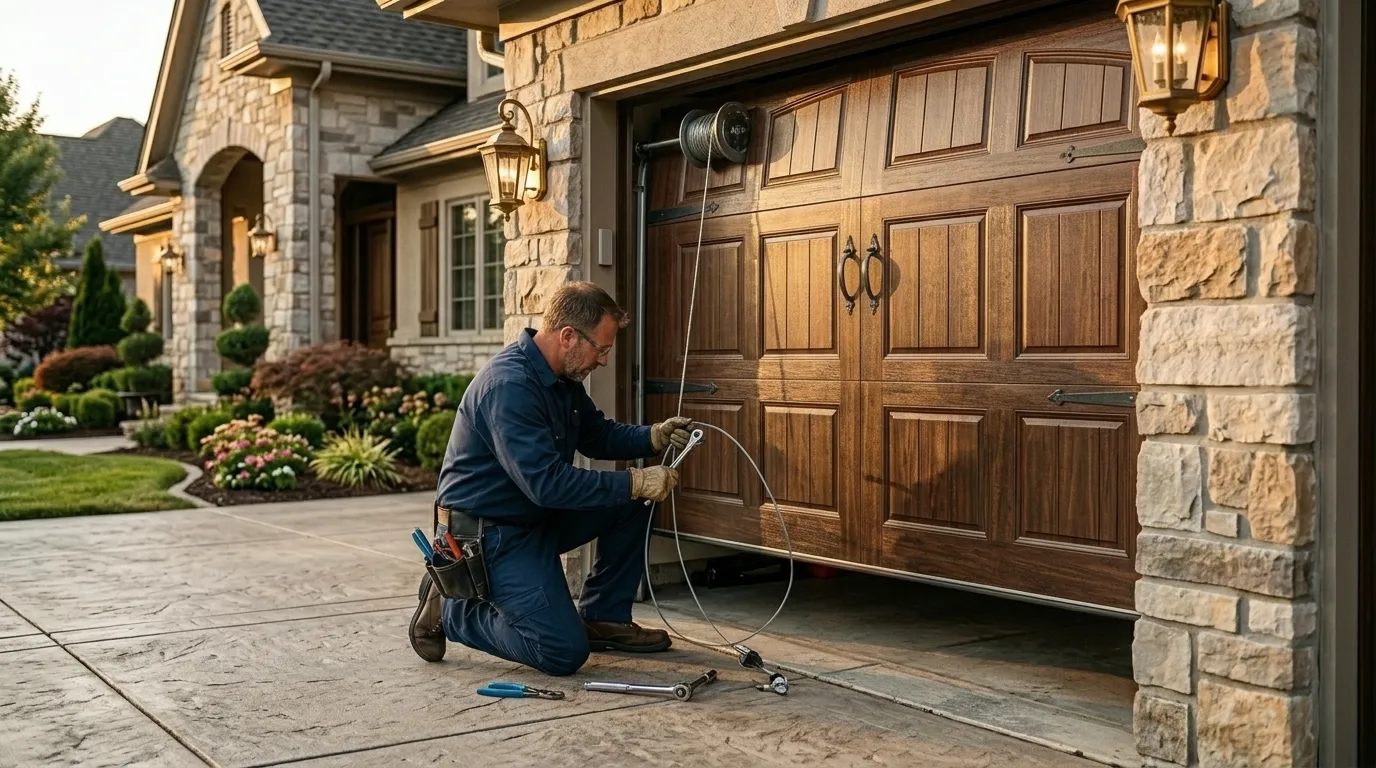
A lot of Miami Beach houses still have the door and opener that went in around 1969, the median build year for this stretch of the county. That's the year that decides what you're dealing with when something breaks. If your door is original or close to it, you're likely looking at a single-layer steel panel on a torsion or extension spring setup that predates the safety cable retrofits standard on newer doors. Swapping a broken extension spring on that kind of unit without a safety cable is how people end up in the ER, not the garage. You can safely do the small stuff yourself: tightening loose roller brackets, lubricating hinges, replacing weatherstripping, cleaning track debris. What you should not do yourself is anything involving a wound torsion spring, a cable under tension, or an opener's electrical connections on a door this old, because the hardware wasn't built with today's release mechanisms in mind. If the door came with the house and nobody's touched the spring system since, treat it as a two-person, tools-you-don't-own job and call it in.
How Long It Takes
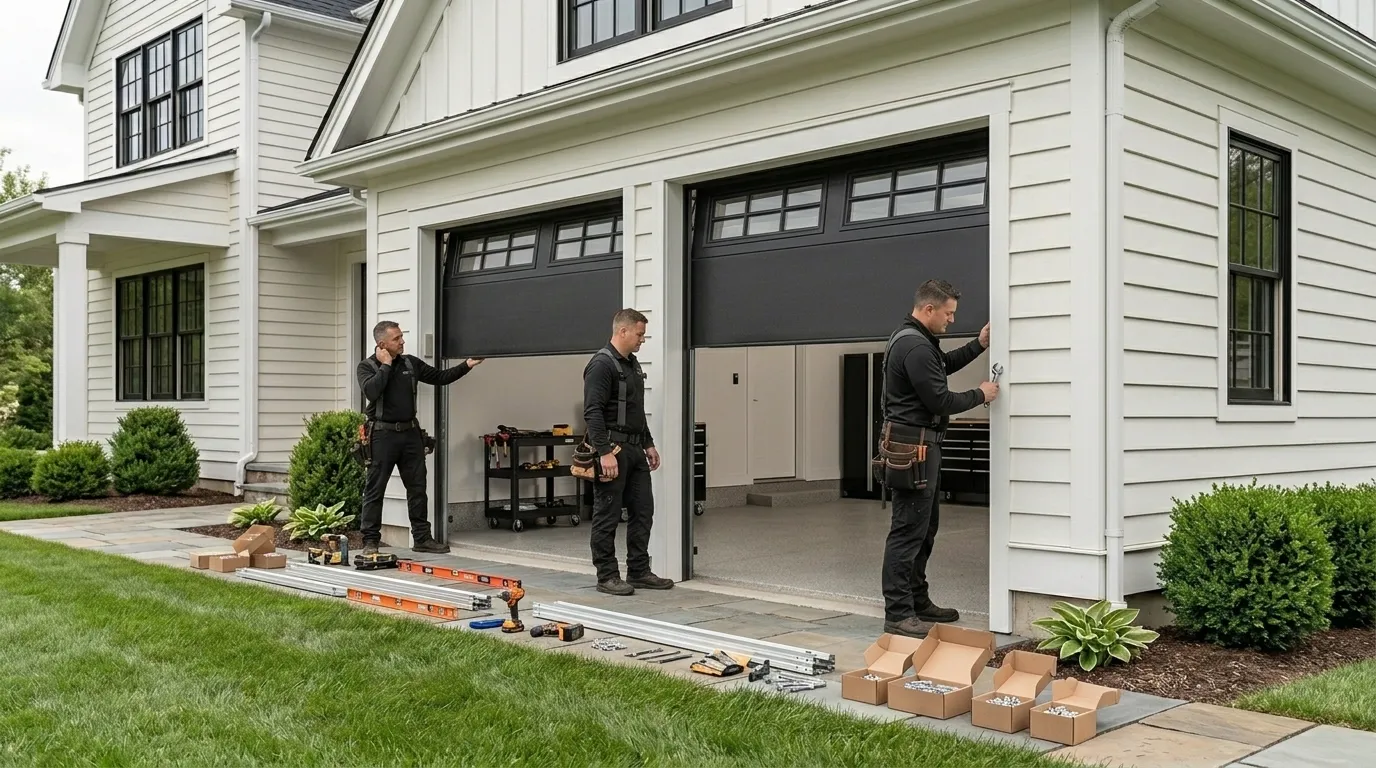
We're a Miami-based operation and Miami Beach sits about 4 miles out, so the drive itself isn't the variable - the door's age usually is. A straightforward spring swap or roller replacement on a door from the 1969 era runs about the same as it would on any door once we're on site, but diagnosis takes longer when the hardware is original: sizing a torsion spring correctly on an older track means matching wire gauge and wind direction that current doors don't use, and that's not a guess we make quickly. If the opener is original too, we're often troubleshooting a system with no modern safety reversal, which adds time before any repair starts. We don't quote a fixed turnaround here because we haven't logged local response times for this suburb specifically - what we can tell you is that older hardware means more diagnostic time than a same-era repair on a newer development.
What Can Go Wrong
With a median build year of 1969, the doors we see out here are old enough that the springs have usually cycled past their rated life more than once, and the failure shows up as a door that won't lift, or one that slams down fast when the cable finally lets go. Steel panels from that generation weren't insulated the way current doors are, and in a mild coastal climate that doesn't mean freeze damage - it means the panels have simply flexed and fatigued over five decades of daily use, and the seams and hinges wear at the bolt holes. Openers from the same era, if they haven't been replaced, tend to fail at the drive gear or the wall switch wiring rather than the motor itself. We don't see much rust-through on these doors specific to storm damage, since we don't have local weather-event data to point to - what we do see is ordinary wear on hardware built when Nixon was in office and nobody expected it to still be running.
What the Fix Involves
On a door from this era, the fix usually starts with matching the spring to the door's actual weight rather than assuming a standard size, since manufacturers changed spring specs several times between 1953 and the 2000s and a mismatched spring either won't lift the door or will over-stress the opener. If the track or rollers are original, we're often working around drilled holes and bracket spacing that don't match current stock parts, which means more fitting and less swapping-in-a-box. Openers get evaluated separately: if the unit predates modern auto-reverse safety standards, we'll walk you through why replacement is usually the better call over patching a decades-old motor, since parts for those older openers are getting harder to source. One honest limit: we don't stock every obsolete bracket size for pre-1980s doors on the truck, so a repair on a fully original setup sometimes means a return trip once the part is in hand rather than a same-visit fix.
How it works
From “it’s stuck” to “it’s fixed”
01
Tell us what’s wrong
Describe the symptom - won’t open, loud bang, opener runs but the door won’t move.
02
On-site diagnosis
A technician tests the door under power and by hand and finds what actually failed.
03
Clear, up-front plan
You get the fix that’s needed and what drives the cost - before any work starts.
04
Repaired & tested
The repair is done, the door is set true and tested, and the work area left clean.
Next step
Serving Miami, FL - tell us what your door’s doing and we’ll take it from there.
Is my garage door original to the house in Miami Beach?
If your house was built around the area's median year of 1969 and nobody's mentioned a door replacement, there's a real chance the panel, track, and spring system are original. A tech can confirm this on site by checking the spring wind and bracket style, which look different from anything installed in the last 20 years.
Do you have a branch in Miami Beach?
No. We're based in Miami and cover Miami Beach as part of our service area, about 4 miles out. We don't have a local depot here, so we don't quote a fixed response time for this suburb specifically.
Why does my opener need replacing instead of repairing?
If the opener predates modern auto-reverse safety standards, which is common on houses built in the late 1960s, parts get harder to find and the safety features don't meet what's expected today. We'll tell you honestly when patching an old motor isn't worth it versus swapping the unit.
Will the mild climate here affect my garage door?
The area sits in a mild temperate band, so we're not dealing with freeze-related spring failures the way colder regions do. Most of what we see on older doors here is straightforward mechanical fatigue from decades of daily cycles, not weather damage.
Ready to get your garage door sorted?
Tell us what it’s doing and where you are in Miami - we’ll take it from there.