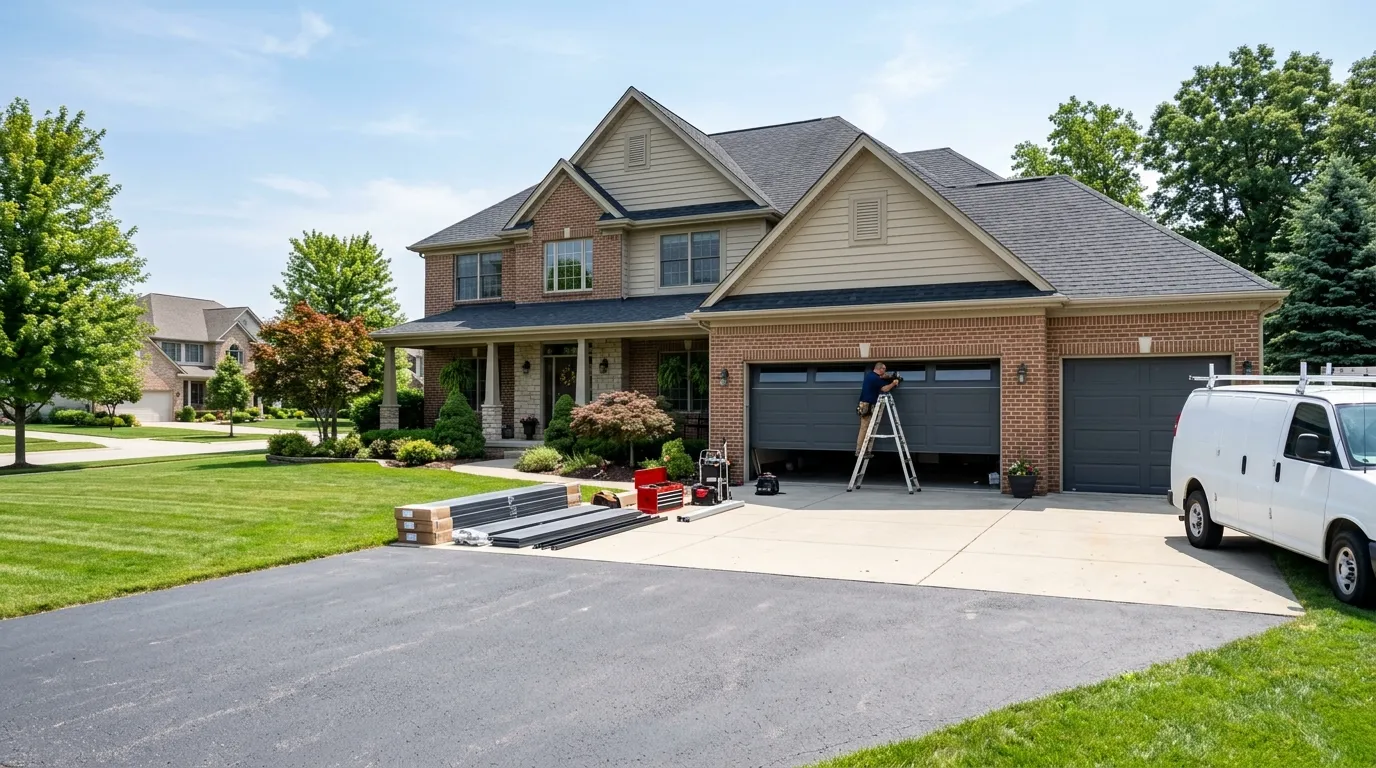
Emergency garage door repair for Miami Beach homes, most built around 1969. We travel the 4 miles from Miami to fix what that era's hardware actually breaks.
Miami Beach is a short run for us, about 4 miles from Miami, so the drive isn't the bottleneck on a stuck or off-track door - the hardware is. Houses here mostly went up around 1969, which puts a lot of this area's garage doors on older extension or torsion setups that have been serviced, patched, or partly replaced more than once over fifty-plus years. That history matters when you're deciding whether to touch it yourself.
A door that won't open because the opener lost power or the remote battery died - fine, check that first. A door that's off its track, a spring that's let go with a bang, or cables that have frayed and jumped the drum are not weekend fixes. On a torsion setup from this era, the spring is wound under enough force to break bones if it's handled wrong, and a lot of 1960s-era brackets are original, meaning they're not rated to modern hardware if someone's swapped in a newer spring without checking the drum and shaft together. If the door won't move, or moves unevenly, stop and call rather than force it.
One honest limit: we don't do a same-day fix sight unseen. We have to see the drum, the cable path, and the bracket before we know if it's a repair or a full swap.
How Long It Takes
Because the trip from Miami is short, the time that actually varies is diagnosis and parts, not the drive. A broken torsion spring or a snapped cable on a standard double door is usually a same-visit repair once we're on site - the parts are common sizes. What slows things down in Miami Beach specifically is hardware tied to the housing stock: doors and openers original or near-original to houses built around 1969 sometimes use track widths, drum sizes, or mounting patterns that newer parts don't match without an adapter or a full replacement of the section they're bolted to.
A straightforward spring or cable job runs a single visit. A job where the opener, track, and door are all original to a 1960s install often turns into a conversation about whether to patch one more part onto old hardware or replace the assembly outright, because patching adds cost without adding much life. We'll tell you which one you're looking at once we've opened the door up, not before.
What Can Go Wrong
South Florida's mild, temperate climate means we don't get the deep freezes that snap springs from cold contraction the way colder regions do - that's not what's driving Miami Beach calls. What we do see more of in a mild, humid year-round climate is corrosion creep on exposed springs, cable ends, and roller bearings that never get a hard freeze to keep moisture out, plus fatigue failure on springs and cables that have simply been cycling for decades on houses built in the 1960s and 70s.
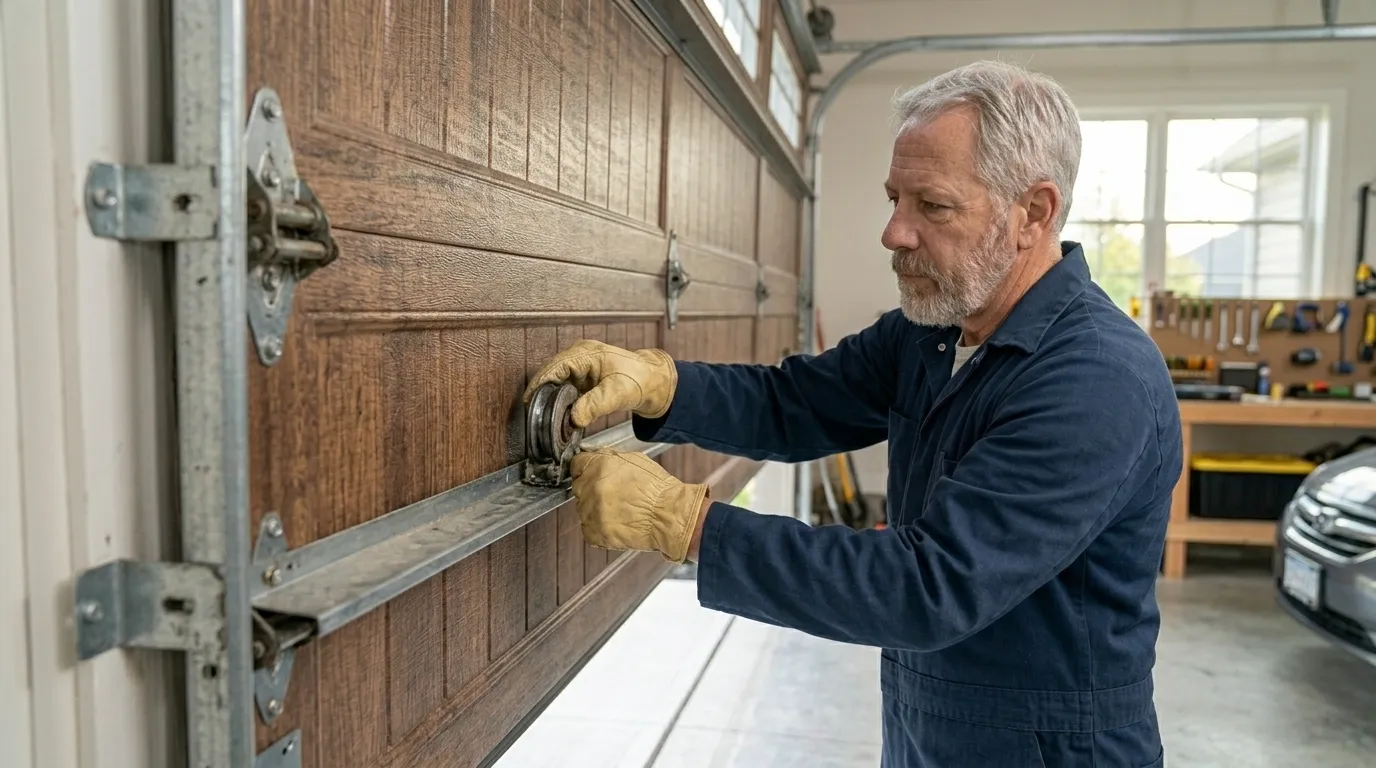
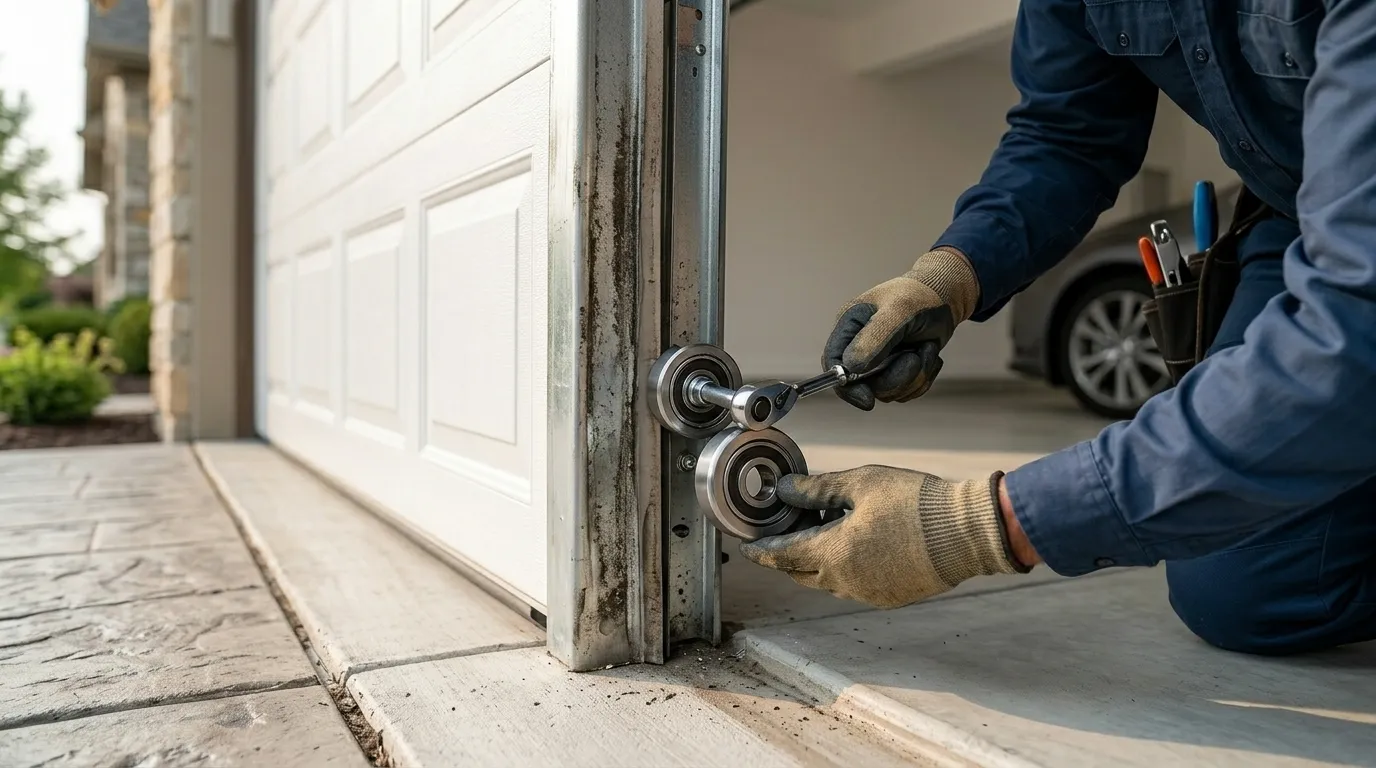
On a house from this era, the usual failure points are a torsion spring that's finally reached the end of its wind count, a cable that's frayed from years of drum wear, or rollers that have worn oval instead of round and started binding in an old steel track. Openers installed as retrofits on these doors sometimes don't match the door's weight rating either, which shows up as a chain that skips or a motor that strains and eventually burns out. None of this is dramatic - it's slow wear catching up with hardware that's outlasted its original install by decades.
What the Fix Involves
On most Miami Beach calls, the fix starts with pulling the spring or cable that failed and checking what it's bolted to before replacing anything. If the drum, shaft, and brackets are original to a house from around 1969 and still sound, we match new hardware to that setup rather than tearing it all out. If the bracket's cracked or the shaft's pitted from corrosion, patching one part isn't worth it - that's the point where we talk about replacing the section rather than the part.
For a door that's binding on worn rollers or an old steel track, the fix is usually a track realignment and roller swap, not a new door. For an opener that's underpowered for the door it's lifting, matching the unit to the door's actual weight matters more than the brand. We'll walk you through what we're replacing and why before any of it happens, so you're not guessing at the invoice.
How it works
From “it’s stuck” to “it’s fixed”
01
Tell us what’s wrong
Describe the symptom - won’t open, loud bang, opener runs but the door won’t move.
02
On-site diagnosis
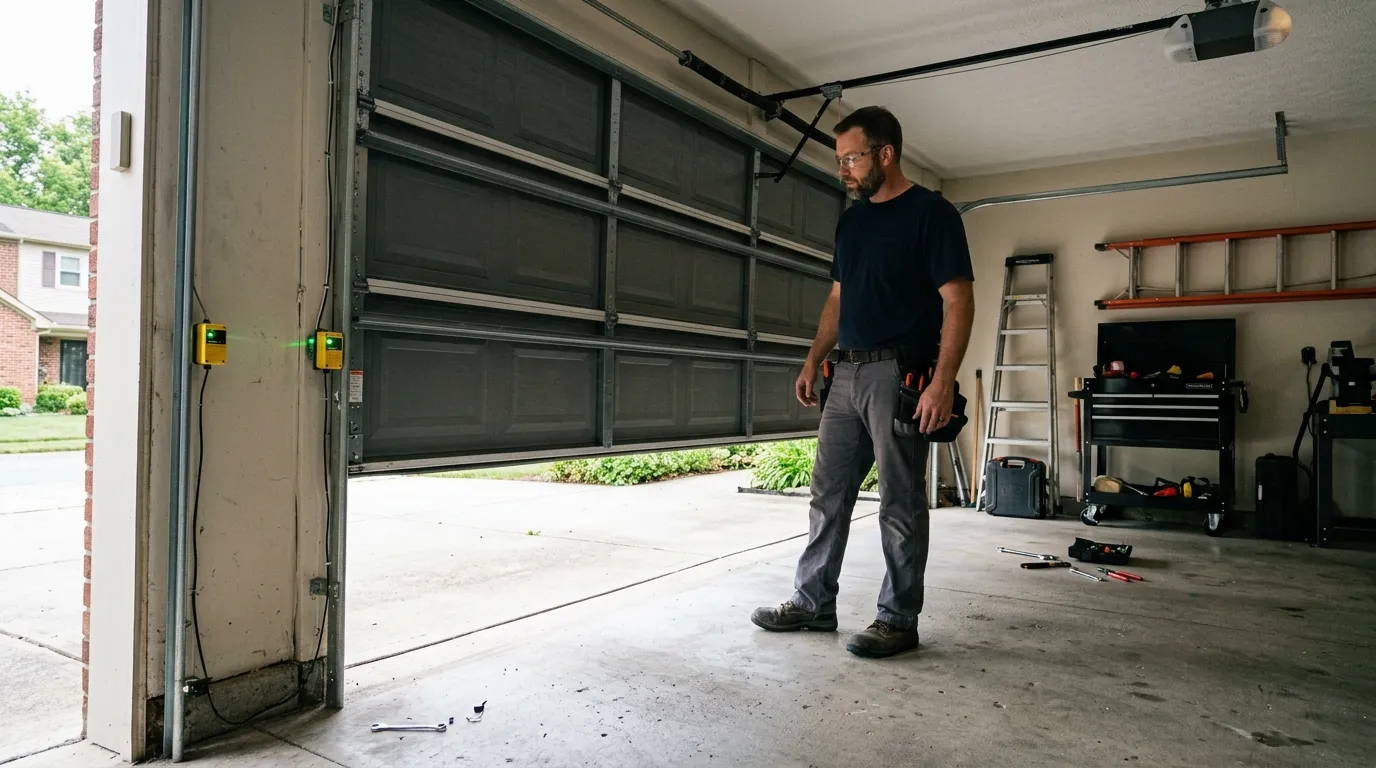
A technician tests the door under power and by hand and finds what actually failed.
03
Clear, up-front plan
You get the fix that’s needed and what drives the cost - before any work starts.
04
Repaired & tested
The repair is done, the door is set true and tested, and the work area left clean.
Next step
Serving Miami, FL - tell us what your door’s doing and we’ll take it from there.
How fast can you get to Miami Beach for a broken spring?
We run from Miami, about 4 miles out, so travel time isn't the long part of the job - diagnosing what a 1960s-era door needs usually takes longer than the drive. We don't quote a fixed response time here without seeing the door first.
Why does my door in Miami Beach keep breaking cables?
A lot of houses in this area date to around 1969, and original hardware from that period has been cycling for decades in a humid, mild climate that doesn't get a hard freeze to keep corrosion in check. Cables and springs from that era fatigue and corrode faster than the door itself wears out.
Is it worth repairing an old door instead of replacing it?
Depends what's failed. A spring or cable swap on sound original hardware is worth repairing. If the drum, shaft, or bracket is corroded or cracked, patching one part rarely holds - that's when replacing the section makes more sense than repeated small fixes.
Can I use my remote to force the door if it's stuck?
No. If the door won't move smoothly, forcing it with the opener can snap a cable or strip the drive gear. On older torsion setups common in this area, a stuck door usually means a spring or cable issue that needs to be checked by hand before anything gets powered again.
Ready to get your garage door sorted?
Tell us what it’s doing and where you are in Miami - we’ll take it from there.