How Long It Takes
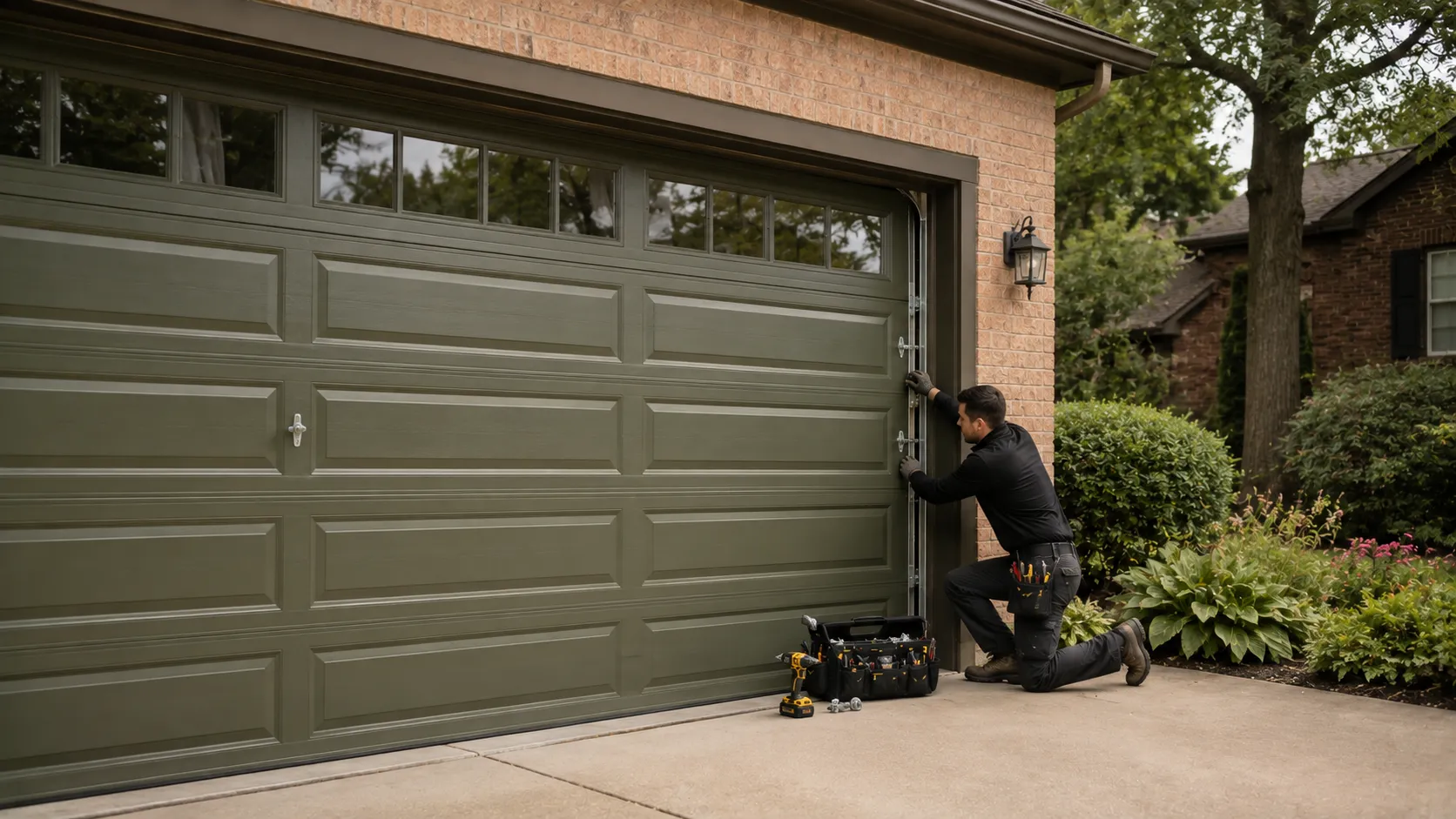
We work out of Miami, and North Miami sits about 9 miles out, which we factor into scheduling rather than promising a fixed arrival window we can't back up from that distance. Once a truck is on site, most single-spring jobs on a door this era run through in an afternoon slot - the extra time isn't in the wrench work, it's in matching replacement hardware to a torsion system that predates a lot of the parts stocked for newer doors.
Opener repairs run faster if the unit is a newer add-on to an older door, which is common here - plenty of 1966-built garages got a chain-drive opener bolted onto original track decades after the house was built. Diagnosing whether the fault is the opener logic board or the door hardware underneath it takes longer than replacing either part once we know which one it is. We don't quote same-day guarantees for this suburb specifically, since every trip starts as a drive from Miami, not a local dispatch.
Why This Fails Locally
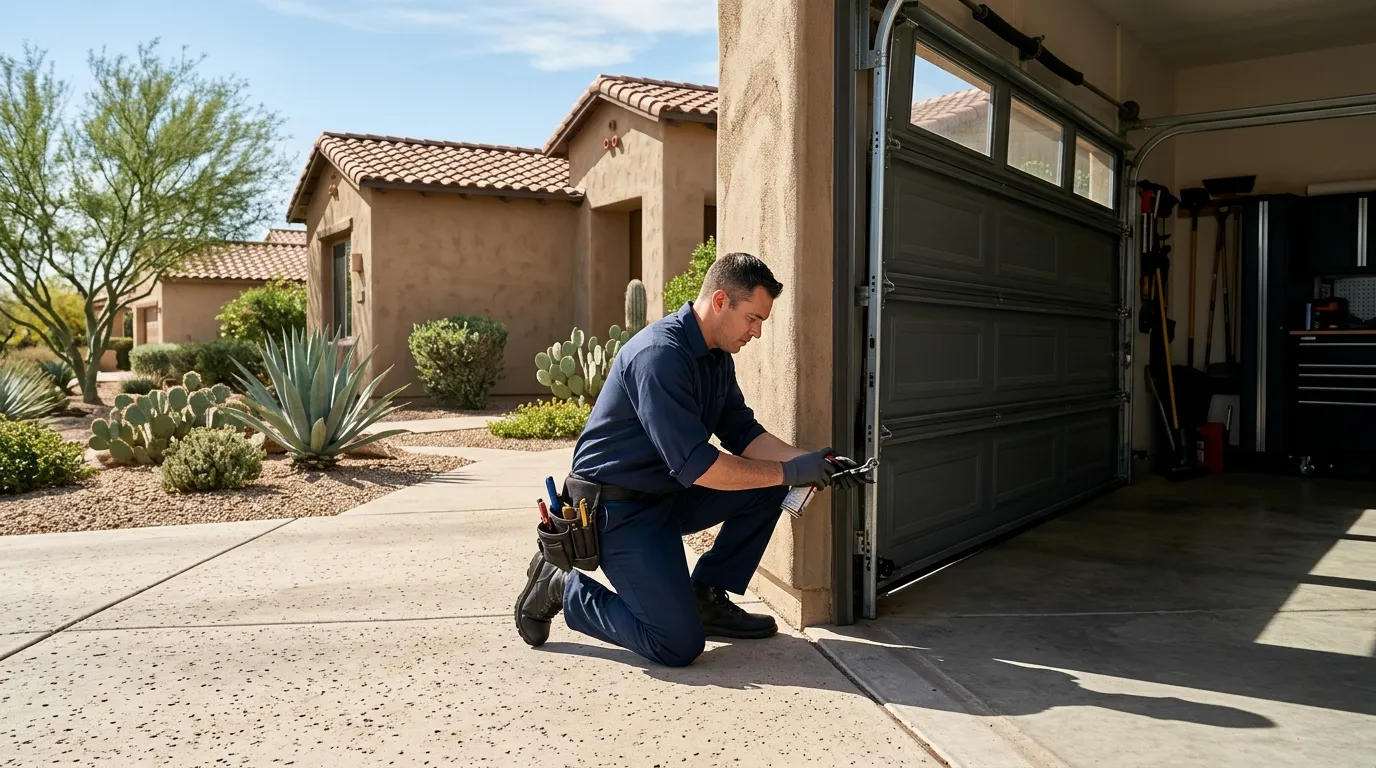
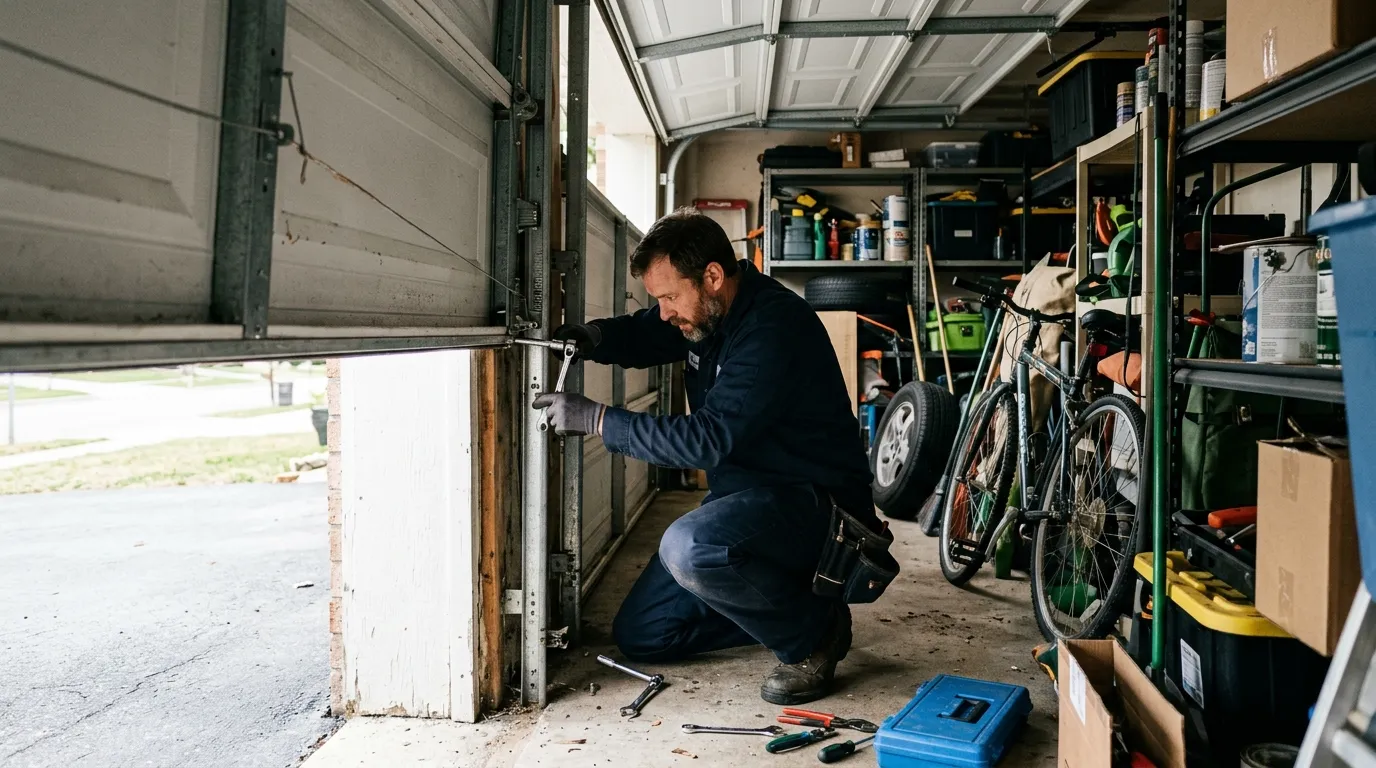
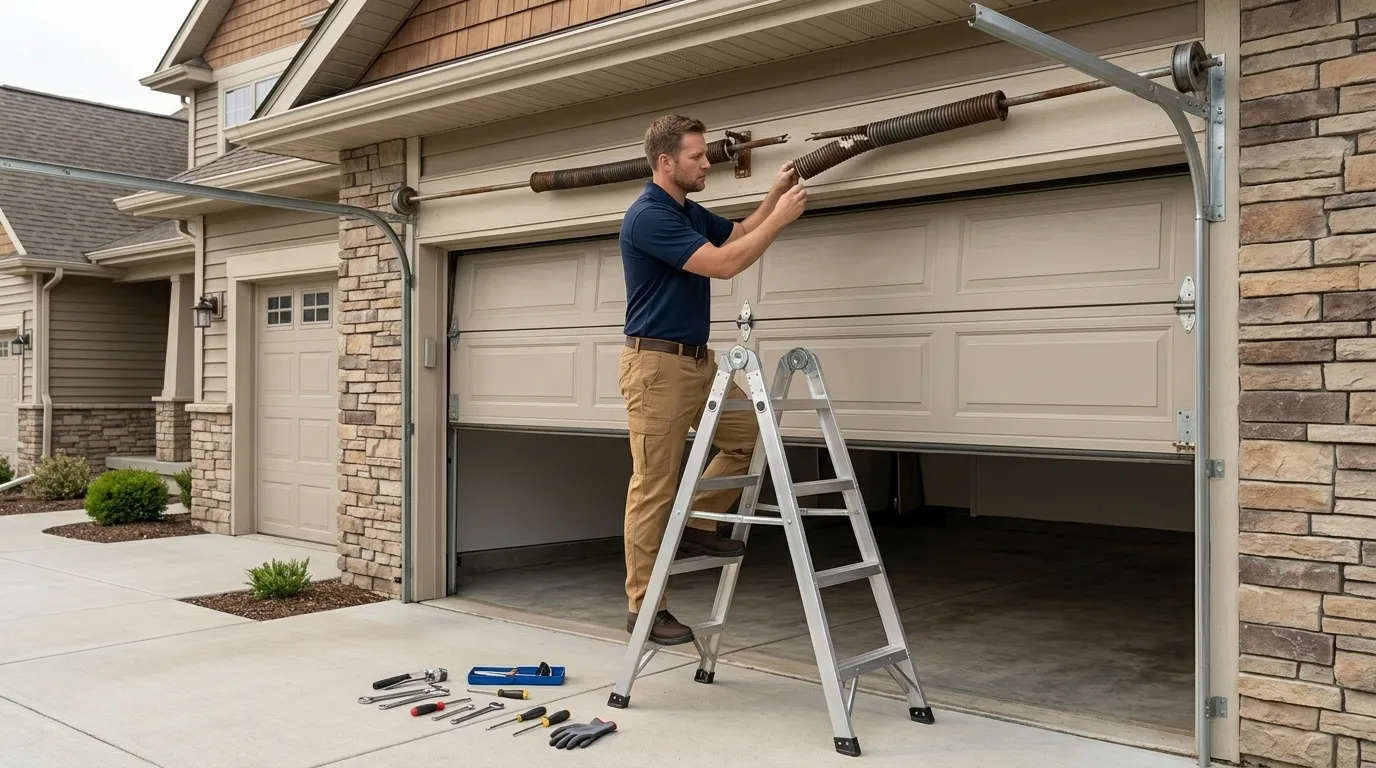
South Florida's mild, humid climate doesn't do old galvanized hardware any favors, and North Miami's older housing stock means more of that hardware is still original. Torsion springs coated decades ago start to pit and lose tension unevenly rather than snapping clean, which shows up as a door that struggles halfway up or drifts closed on its own. Track brackets fastened to wood framing from the 1960s work loose over time in ways that steel-stud construction from later decades doesn't.
Across the wider area we serve there are 616,237 households and 183,376 owner-occupied houses, spread over dozens of named neighborhoods with very different build eras - some going up as late as 2005. North Miami's 20,077 households sit on the older end of that range, which is exactly why the common failure here isn't opener electronics or sensor misalignment, the newer-door problems. It's fatigue in hardware that's outlived its warranty by forty years.