How Long It Takes
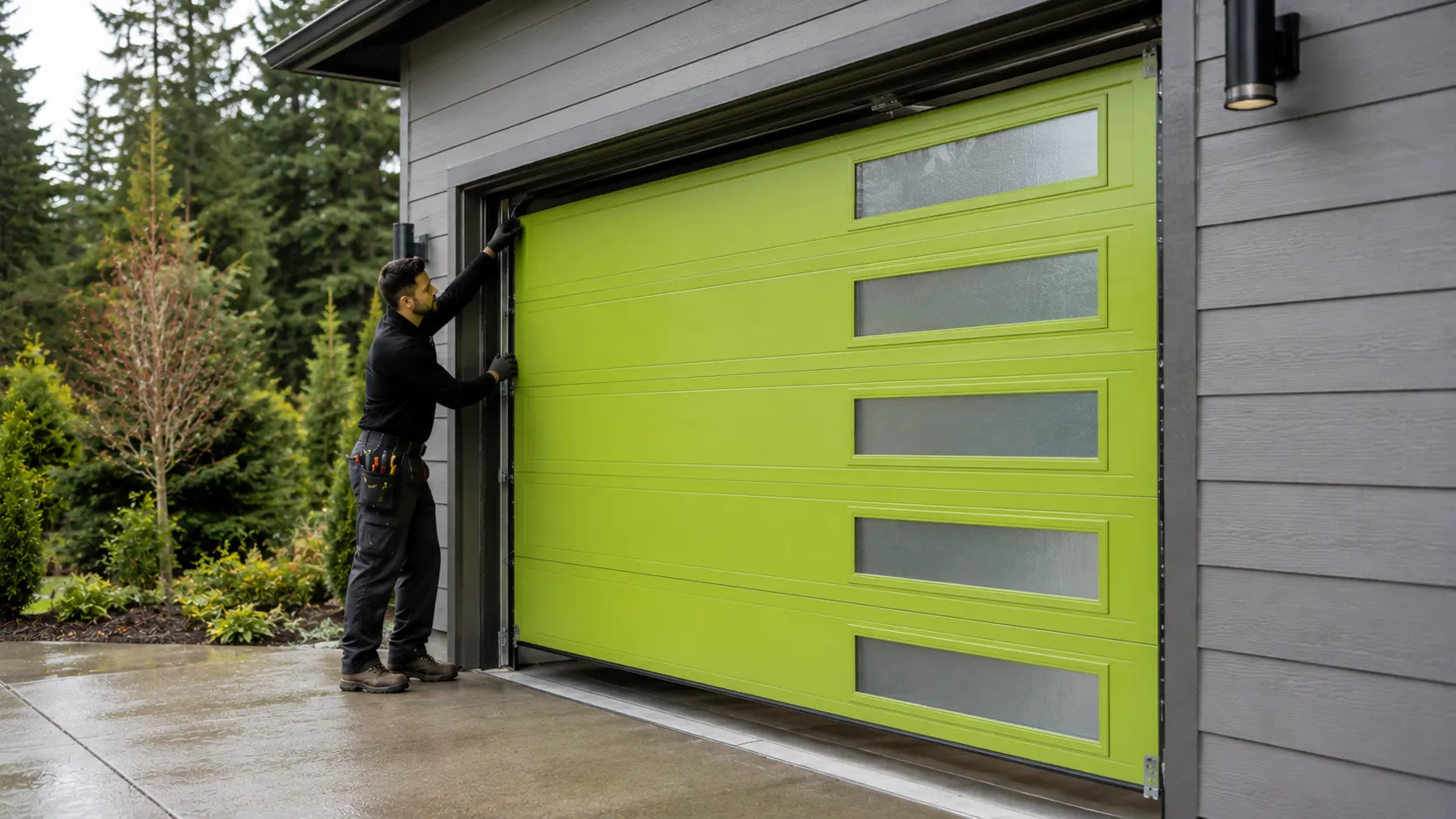
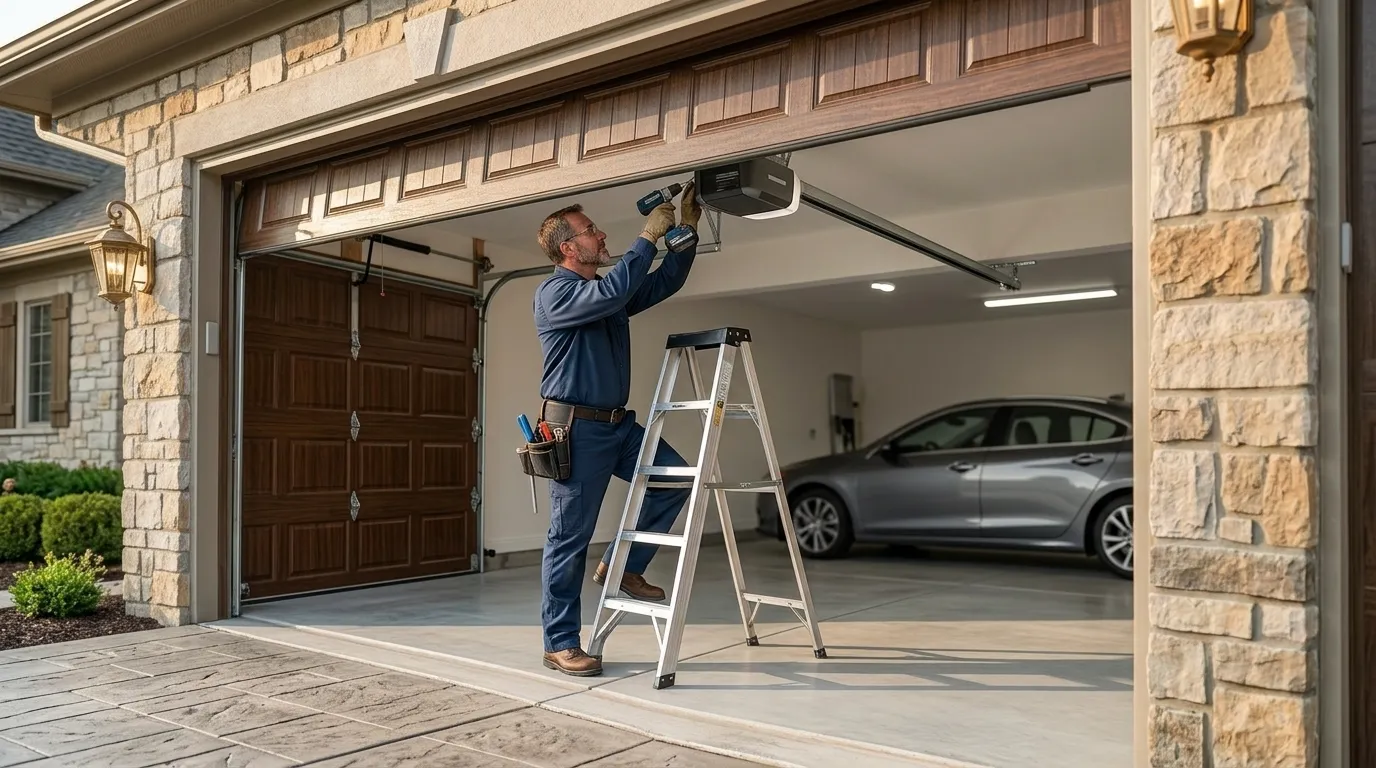
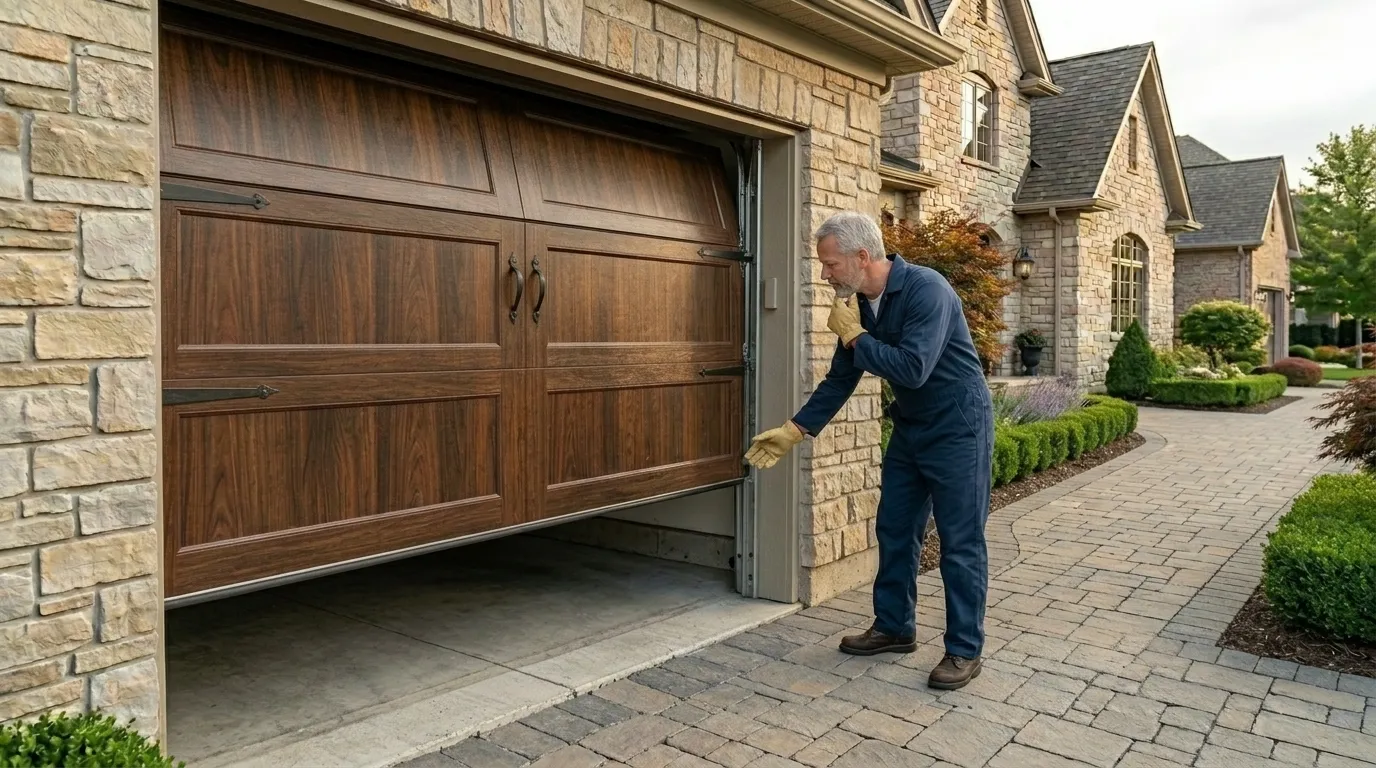
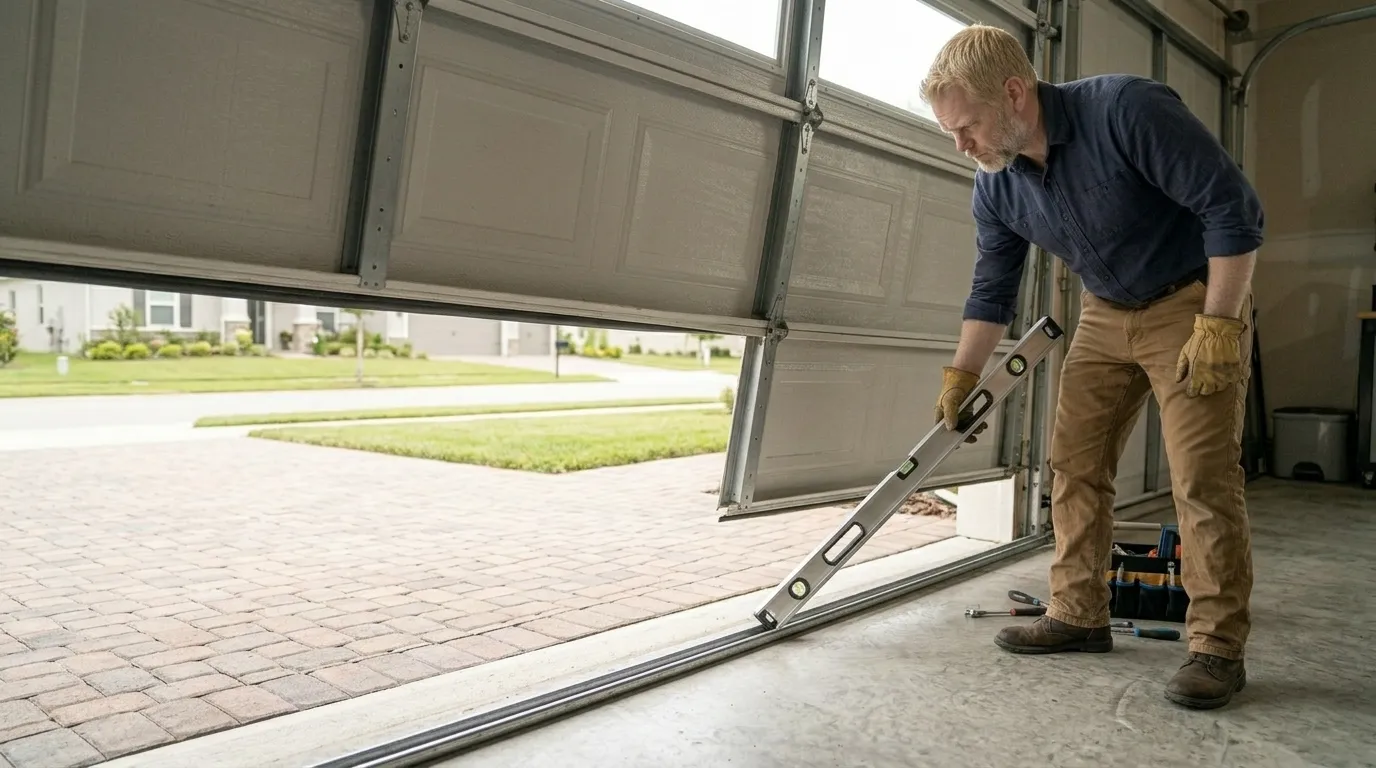
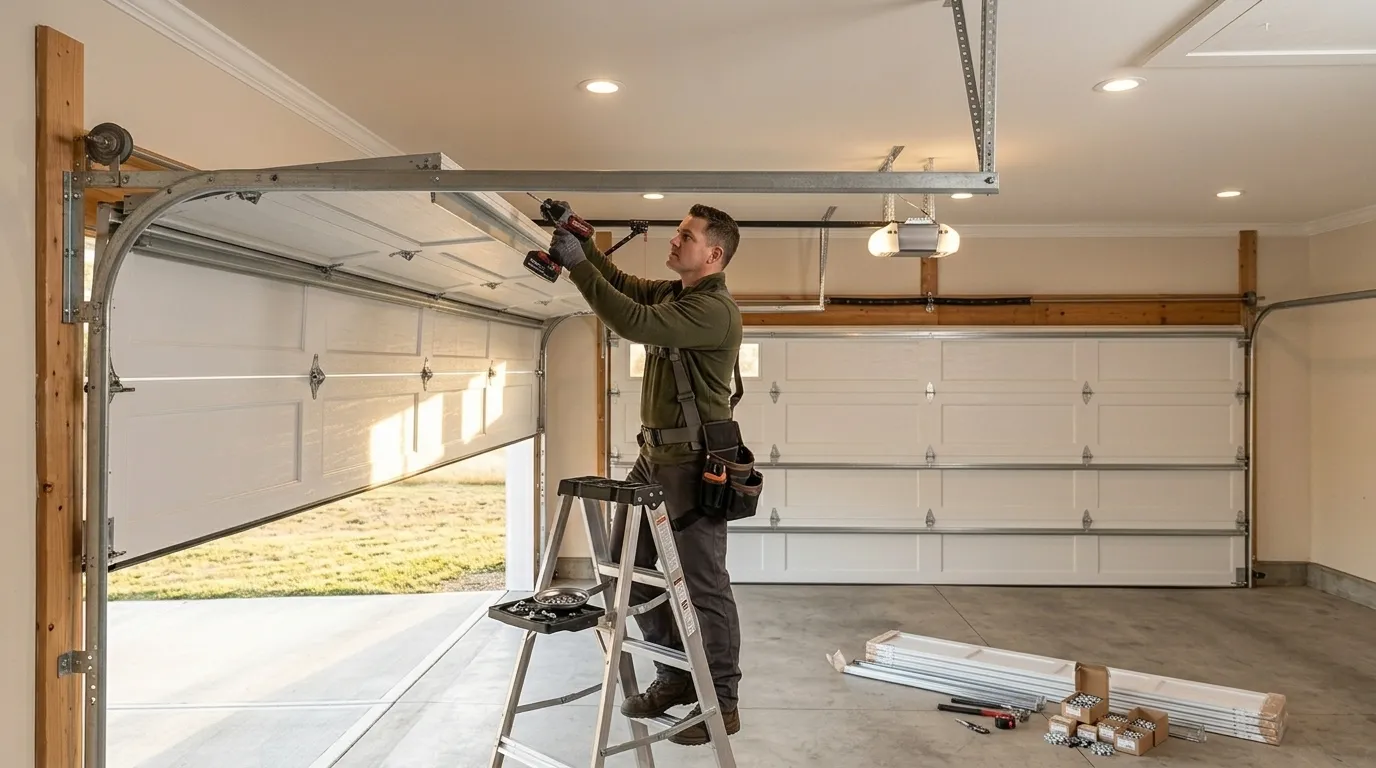
Most off-track calls are a single-visit fix: realign or replace the bent section of track, reset the rollers, check the cable and spring tension, and cycle the door a few times to confirm it's tracking true. On a standard double door that's usually the whole visit.
What stretches it out is what's underneath the symptom. On the older stock common in North Miami, a door that's off-track sometimes has a worn roller carriage or a stretched cable that let it wander in the first place, and finding that adds time to the diagnosis, not just the repair. We're driving in from Miami for this call - there's no branch or depot sitting in North Miami - so travel time is part of scheduling, but the repair itself doesn't run longer because of distance.
If a section of track needs full replacement rather than just re-bending, and the door is old enough that matching hardware isn't something we carry on the truck, that's the one point where a same-visit fix can turn into a return trip for parts. We won't pretend that never happens on houses built in the 1960s.
Why This Fails Locally
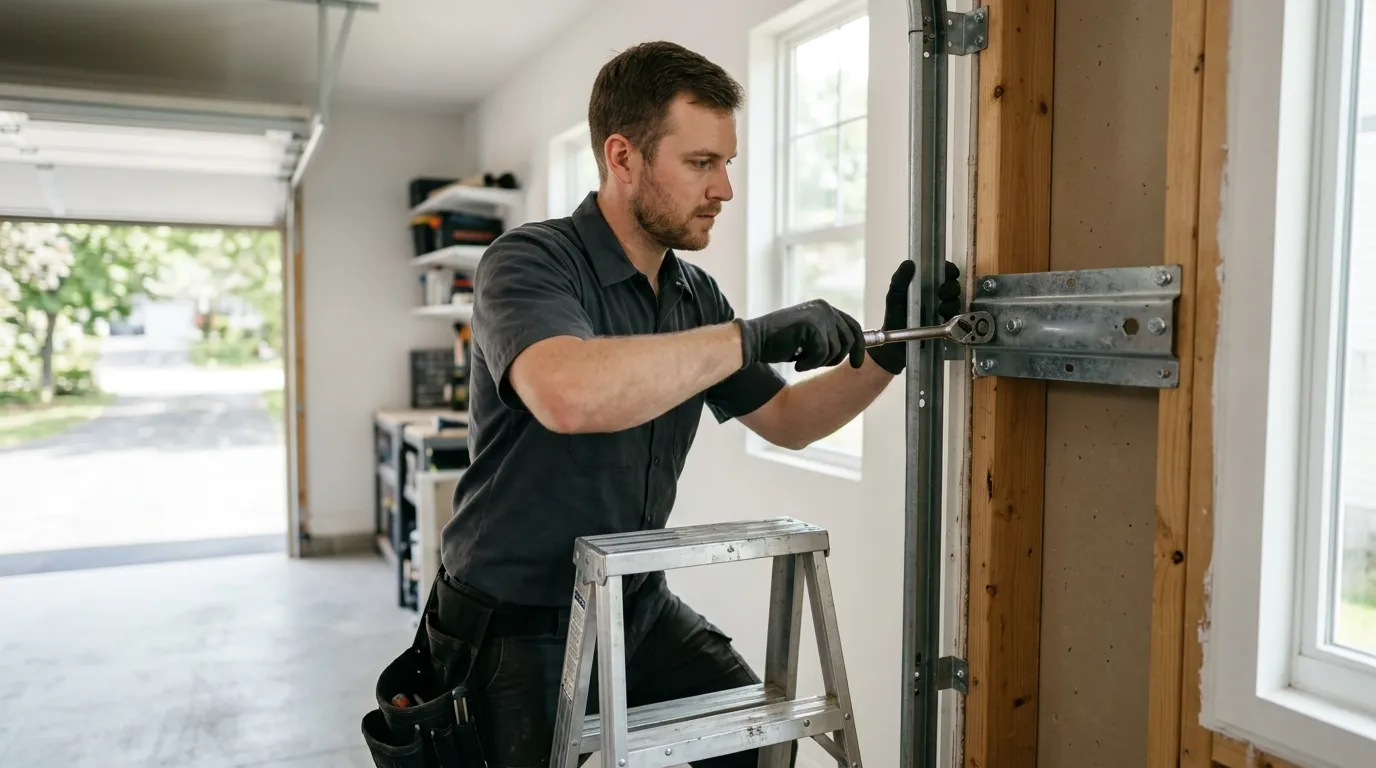
Off-track failures aren't random. They come from a track that's lost its alignment to the door, and a few things push that along on houses this age. With a median build year of 1966, a lot of North Miami garages still have the original track brackets fastened straight to framing that's shifted slightly over sixty years - enough to throw the track's plumb by a fraction of an inch, which is all it takes for a roller to walk out under repeated cycling.
The climate here is mild temperate rather than harsh freeze-thaw, so we're not dealing with ice heaving foundations the way colder markets do. What we do see is track brackets that have loosened from decades of daily use and humidity working on the fasteners, plus rollers original to a house built before nylon rollers were standard - steel-on-steel wear that eventually lets a roller ride loose in the channel until it jumps.
Across the wider area we serve, most housing sits in the 1960s-70s range, but North Miami's own median year sits close to that older end, so the failure mode here - bracket movement plus aged rollers - shows up more often than it would in a newer-built pocket.