What Can Go Wrong
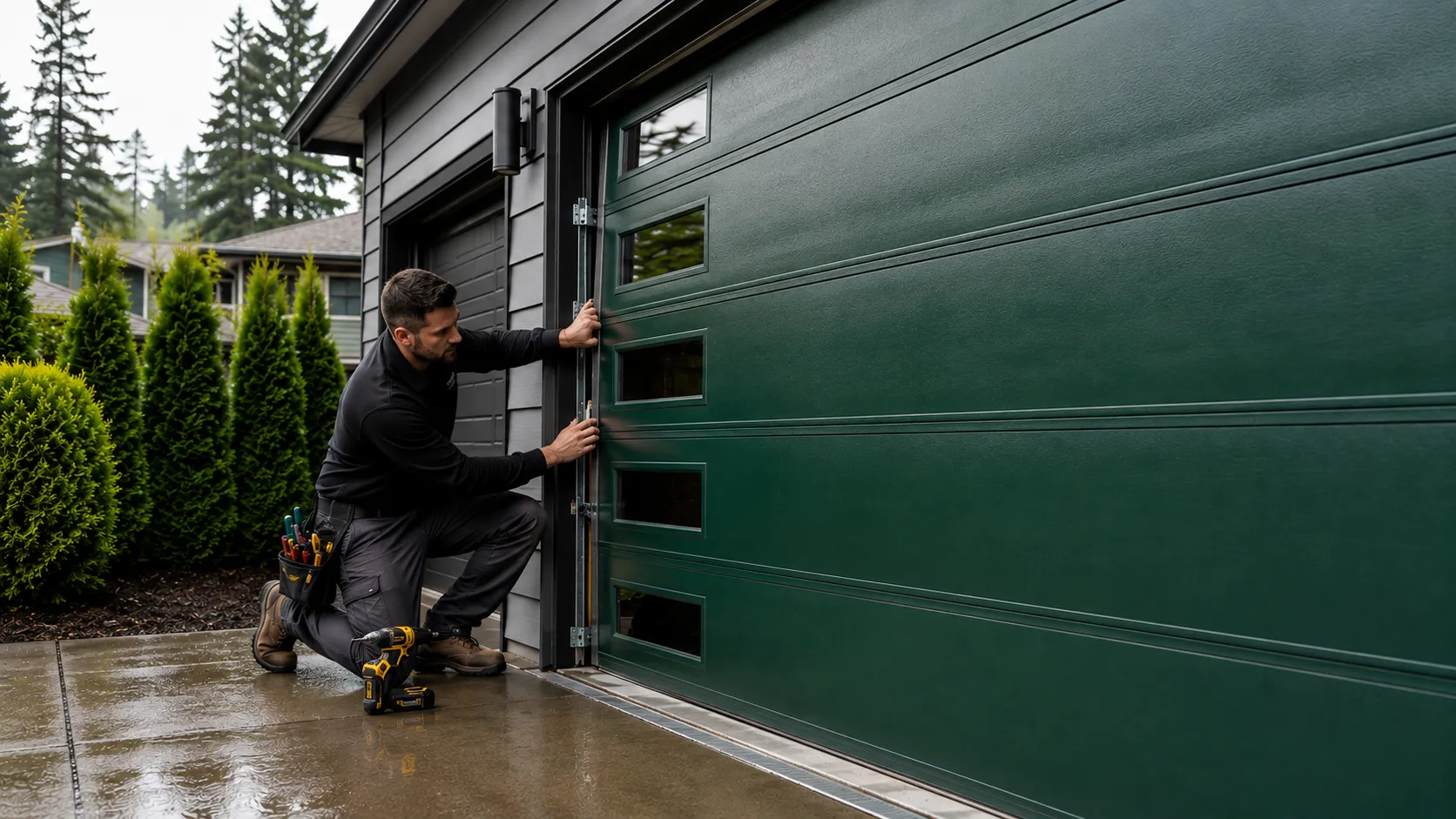
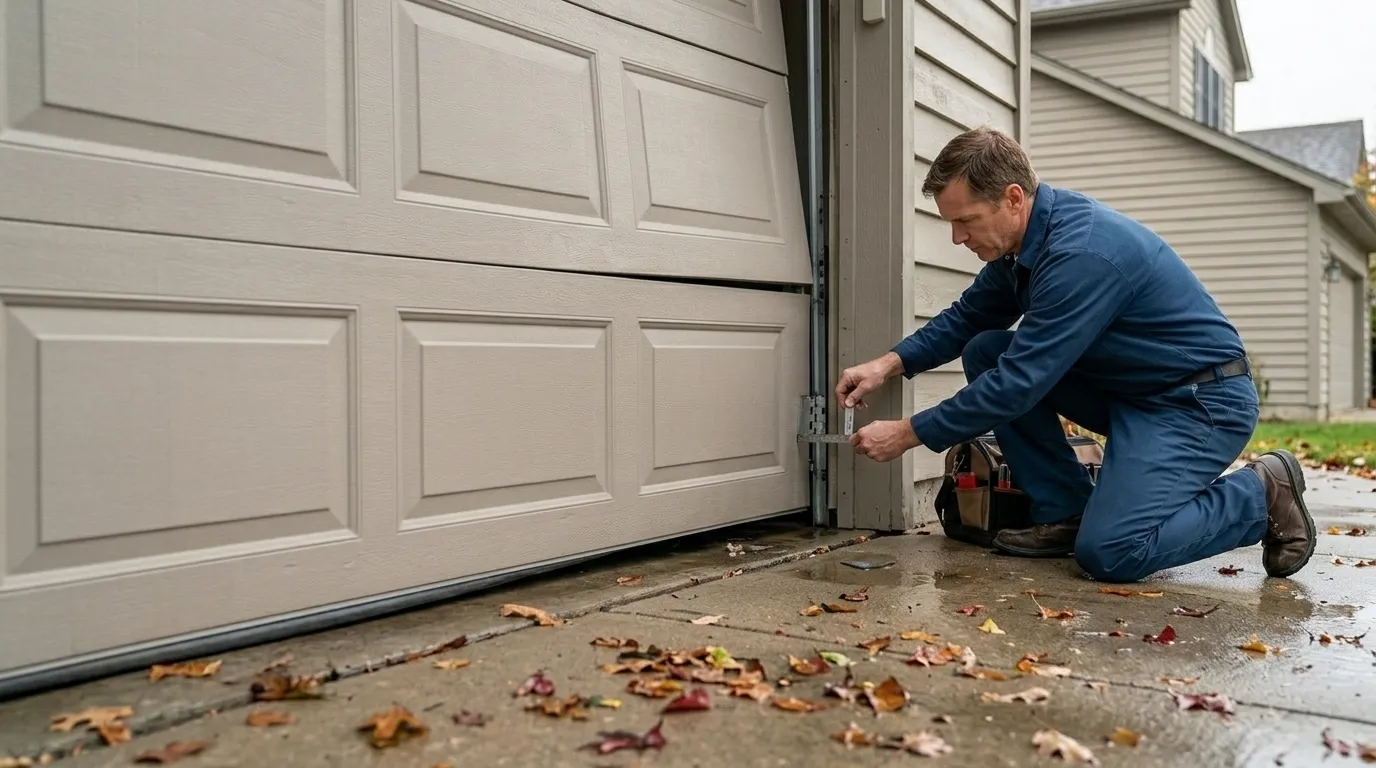
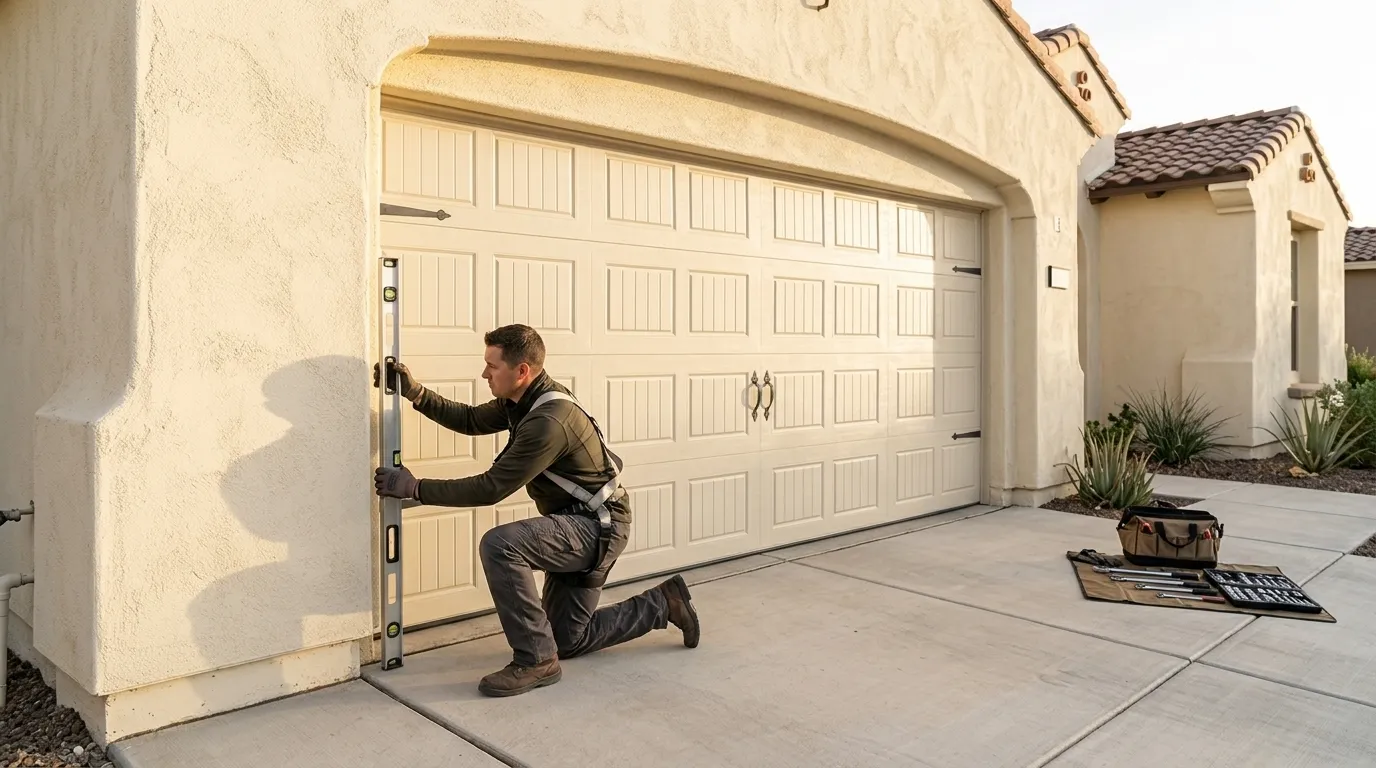
The most common failure on Palmetto Bay's older extension-spring doors is a cable that frays where it wraps the pulley, usually on the side that takes more weight from an off-balance door. Once a few strands go, the rest follow fast, and the door drops crooked on one side while the other stays up - that's a cable failure, not a spring failure, and the two get mistaken for each other constantly.
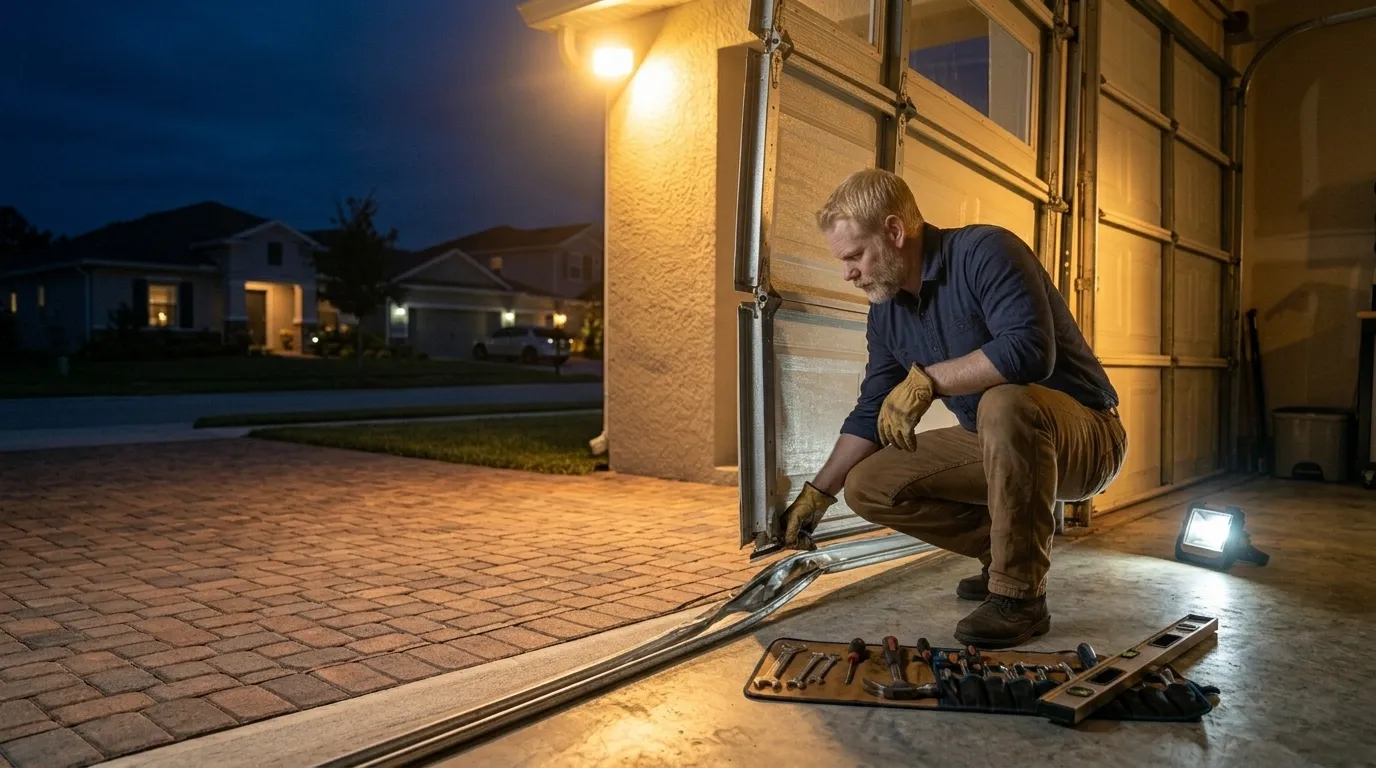
On torsion setups, which you'll find on doors replaced more recently than the original 1976-era build, the cable can jump the drum groove if a roller binds in the track, or it can wear thin at the bottom fixture from years of the door settling on it. Either way, a door that drops unevenly, that reverses on the opener without warning, or that comes off track on one side is telling you a cable is compromised, not that the opener is broken. Trying to force the door up manually at that point usually finishes the job the cable started - bent track, cracked panel, sometimes a hinge torn loose.
The Cost of This Job
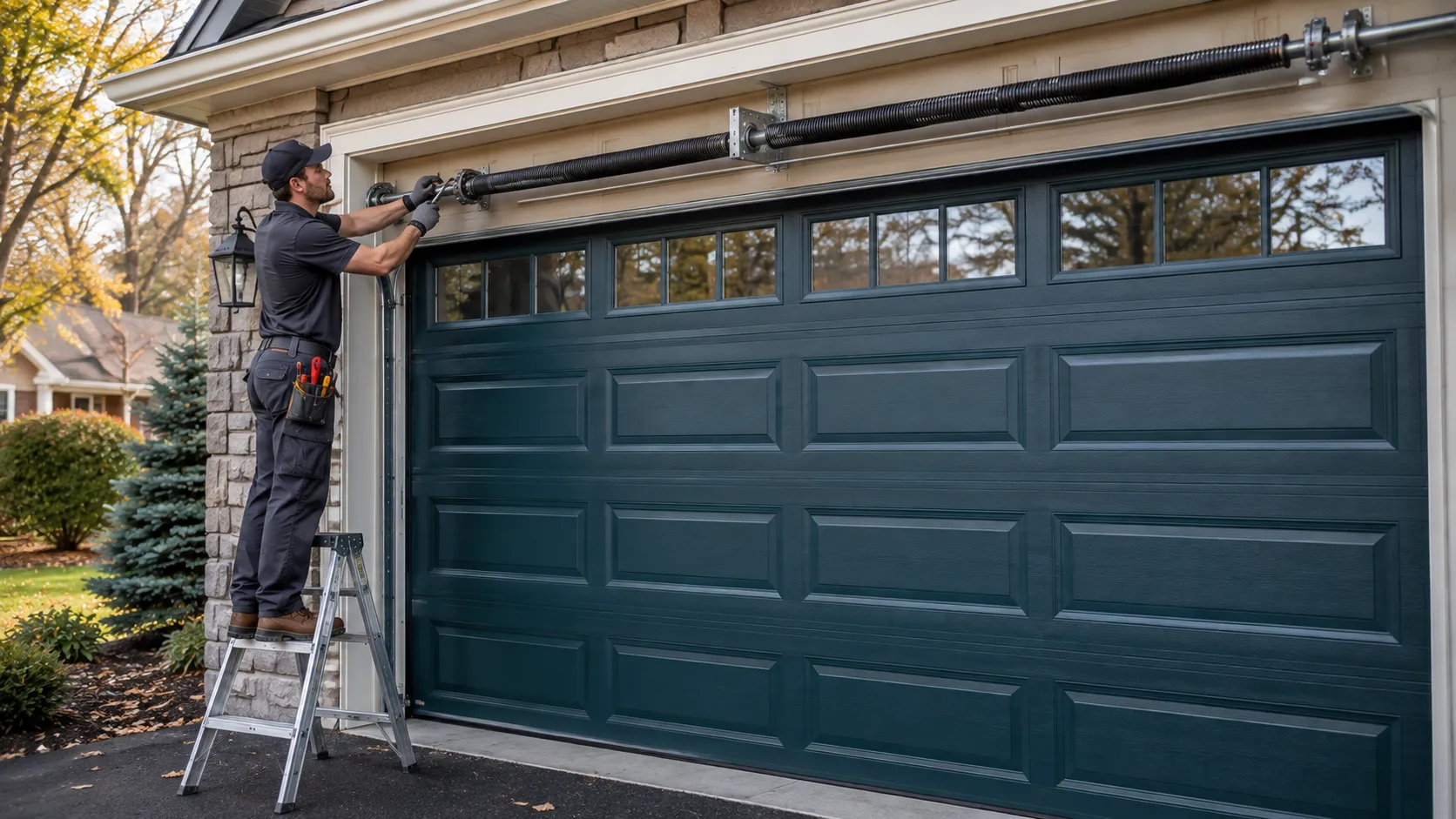
We don't post a flat number for cable work because what a house in Palmetto Bay needs depends on which hardware it's running. Extension-spring cables on an older door are a different part, a different pulley setup, and a different labor time than the torsion cables on a newer install.
What we will say: Palmetto Bay's median household income sits well above the wider Miami service area, and in practice that shows up as more owners here choosing to replace both cables and upgrade to a heavier insulated panel in the same visit rather than patch one side and leave the other original cable to fail next year. That's a choice, not a requirement - a single cable repair on its own is a smaller job, and we'll quote it as one if that's what the door needs. The honest limitation is that we can't price it over the phone with any accuracy; cable length, drum size, and whether the drums or pulleys are also worn all change the number once we're looking at the door.
What the Fix Involves
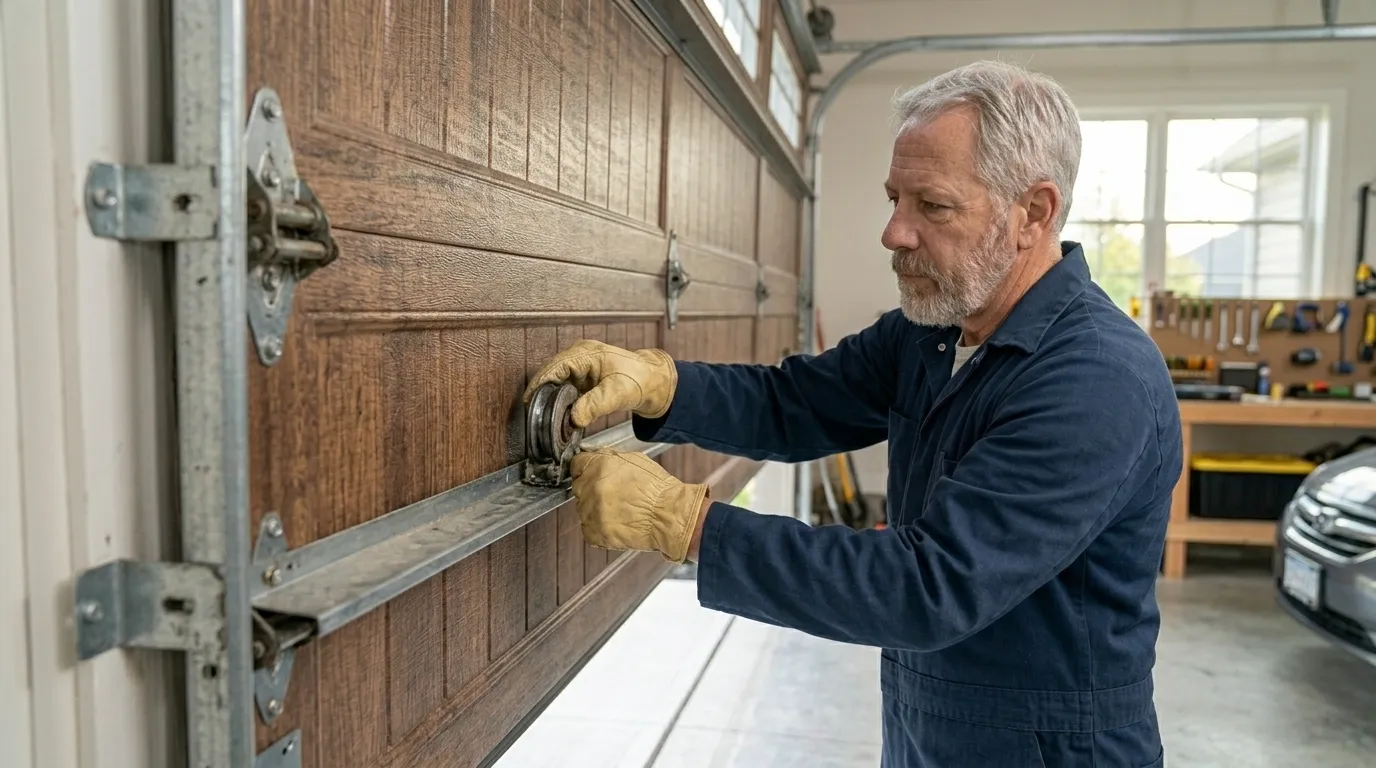
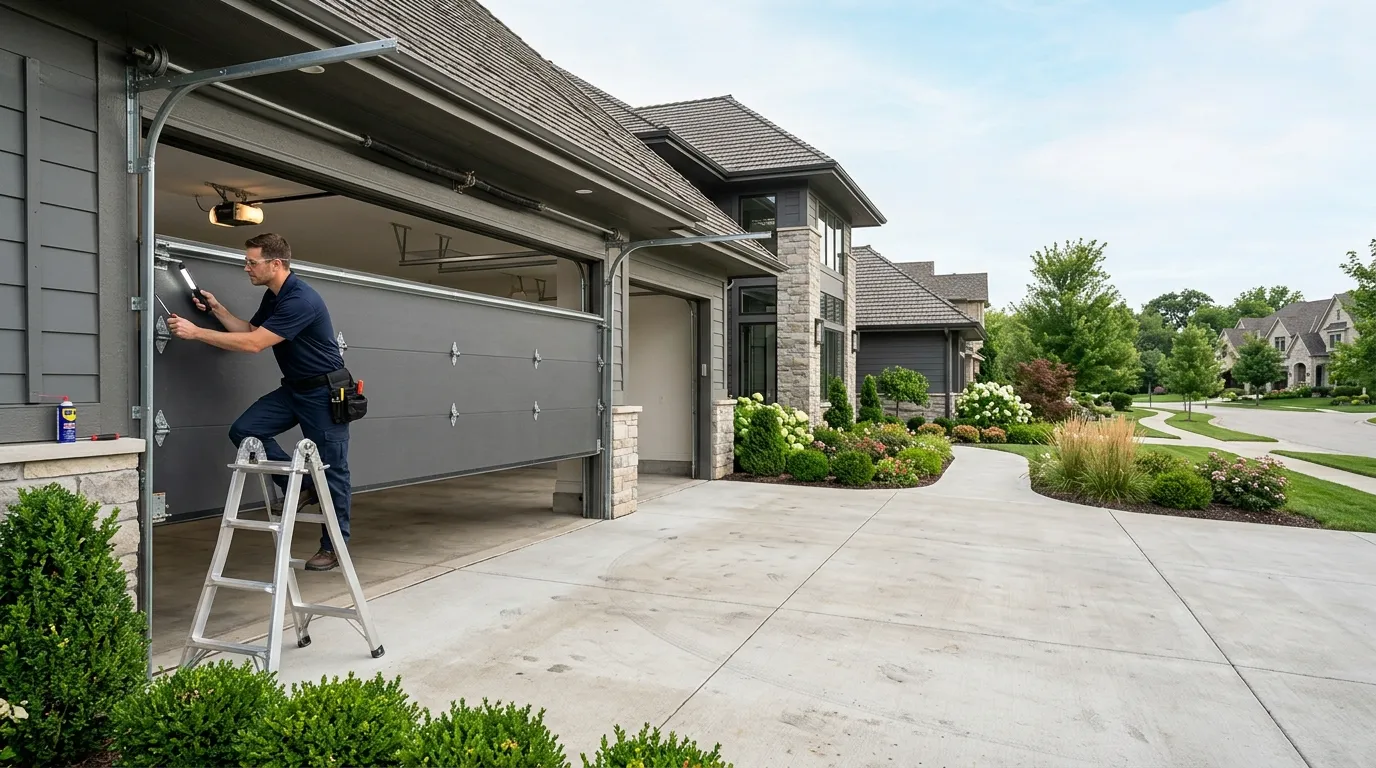
We start by releasing tension safely - on extension-spring doors that means clamping the springs before touching a pulley, since Palmetto Bay's older stock runs that setup more often than a torsion bar. We pull the worn cable, check the drum or pulley it rode on for grooving or rust, and replace those parts too if they're cut or out of round, since a new cable on a damaged pulley just frays again.
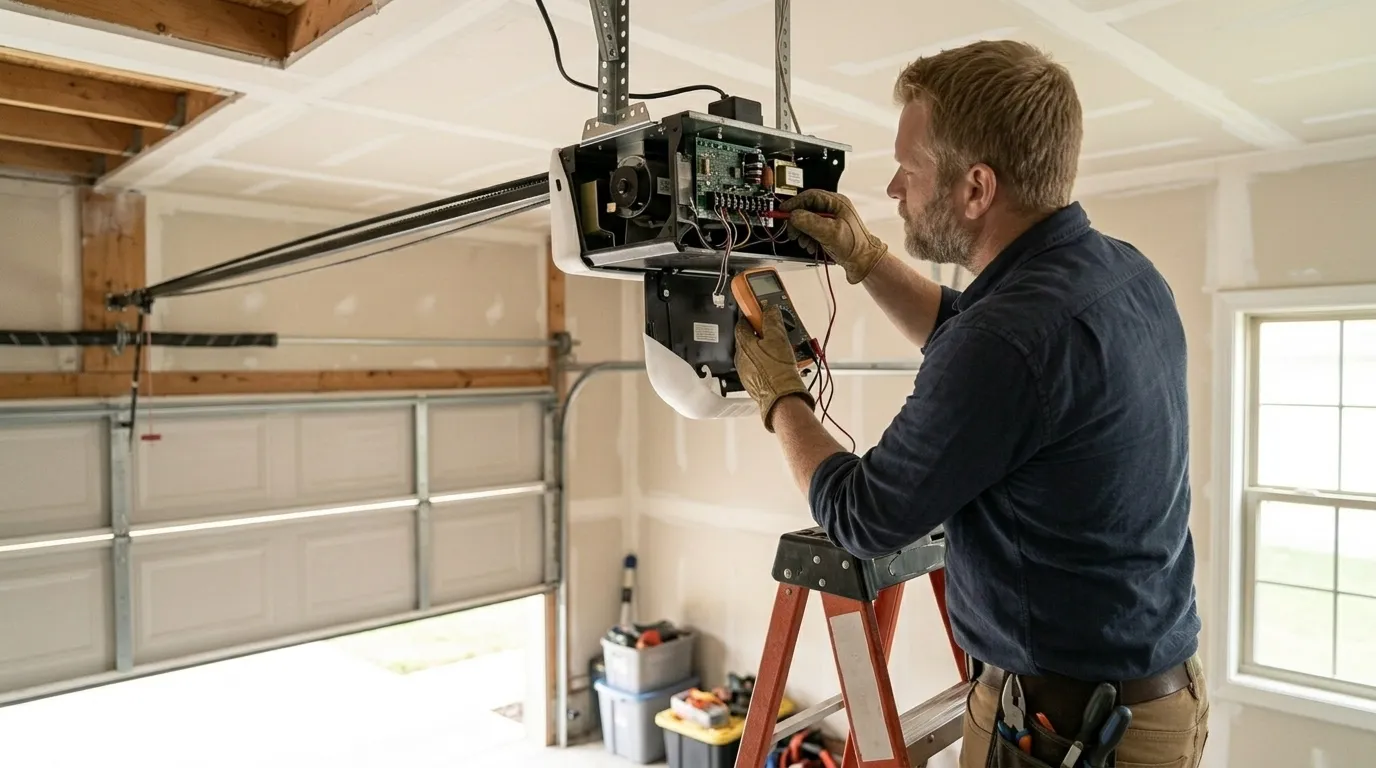
We run the replacement cable through its full path, seat it correctly at the bottom bracket, and re-tension the spring system before testing the door through a full open-close cycle by hand and then on the opener. If the other side's cable is close behind it in wear - which it usually is, since both took the same years of use - we'll point that out and let you decide whether to do both now or come back for the second side later. We check track alignment and roller condition on the same visit, since a bound roller is often what wore the cable down in the first place.
How Long It Takes
This job runs about the same length whether it's a straightforward extension-spring cable swap on an older door or a torsion cable replacement on something newer - figure a focused hour or two on site once we're set up, longer if a drum or pulley needs replacing alongside the cable.
The honest part: we're driving out from Miami, roughly 13 miles for a Palmetto Bay call, so we can't promise a same-hour arrival the way a branch based in town could. We schedule the trip and give you a window, and once we're there, the repair itself doesn't drag - cable work is mechanical and known, not exploratory. Where it does take longer is if the door's been run on a snapped cable and the track or a panel took damage in the process; that's a second problem stacked on the first, and we'll tell you honestly if it's worth fixing versus replacing that section.