What Can Go Wrong
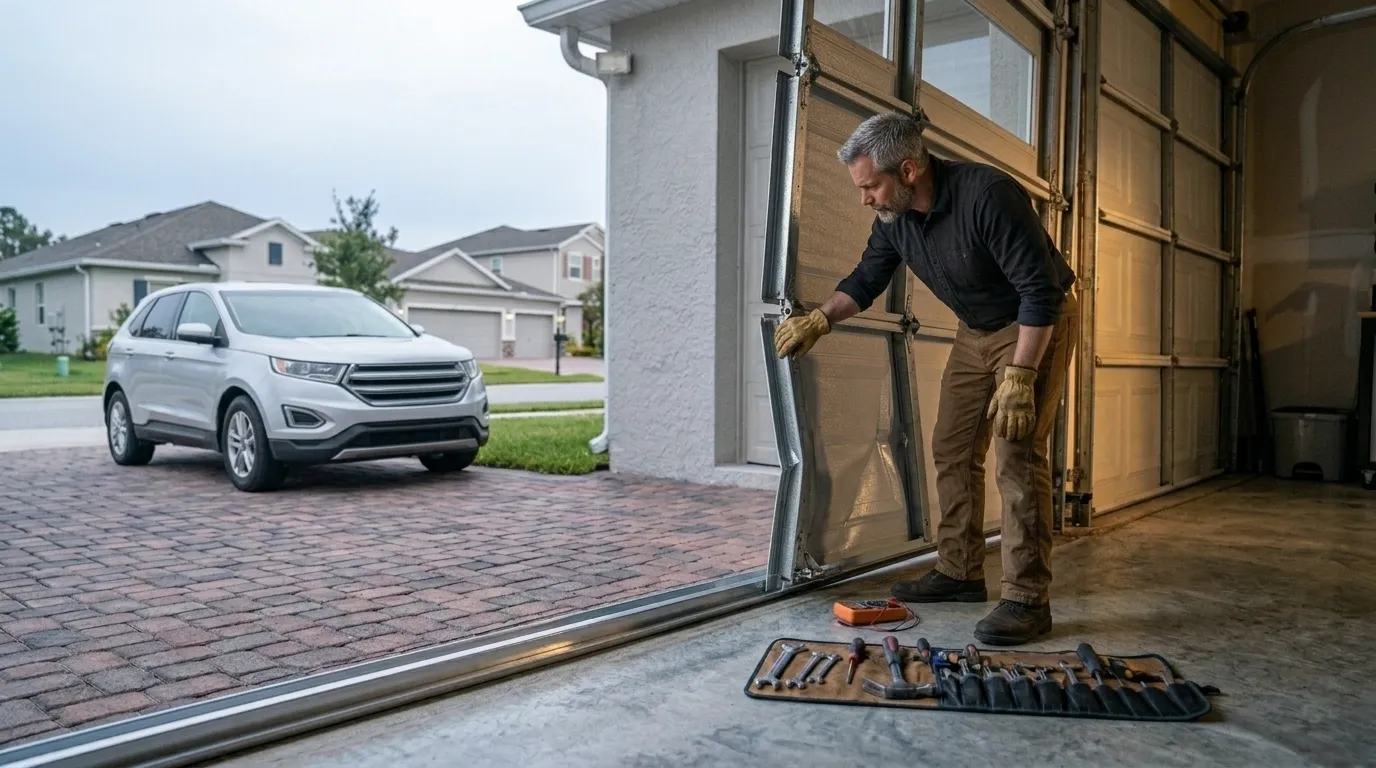
Houses in Palmetto Bay run to a median build year around 1976, which is right in the stretch where steel panel doors were becoming standard but hardware and section sizing hadn't settled into what's sold today. That means a lot of doors out here have panels that were fine when they went in but are now discontinued lines. A cracked or caved-in panel on one of these doors usually isn't a standalone problem either - the track and hinges have absorbed 40-plus years of the same door opening and closing, and a panel replacement on one section can expose play in the hinge or roller next to it that was masked by the panel holding things square. The other failure mode is corrosion, not impact. South Florida's mild but humid air works steadily on the bottom two panels of any steel door, and by the time bubbling paint shows up, the steel underneath is usually already thin enough that a patch won't hold.
The Cost of This Job
We're not going to quote a number here that doesn't hold up once someone actually looks at the door, so this is about what moves the cost, not a price. The biggest swing factor is whether the existing panel line is still in production. A matching in-stock panel is a straightforward swap. A discontinued line means either a custom order with a wait, or a conversation about whether replacing the whole door makes more sense than chasing one panel. Palmetto Bay's median household income runs well above the wider service area's, and in practice that shows up in which choice people make - more owners here go with the full-door replacement over a patched match, even when the patch would technically work, because they don't want a visible seam on the front of the house. Section count matters too: a double-wide door has more panel to replace than a single, and insulated panels cost more than hollow steel ones. None of that is a Palmetto Bay-specific number, but it's the honest shape of what drives the bill.
What the Fix Involves
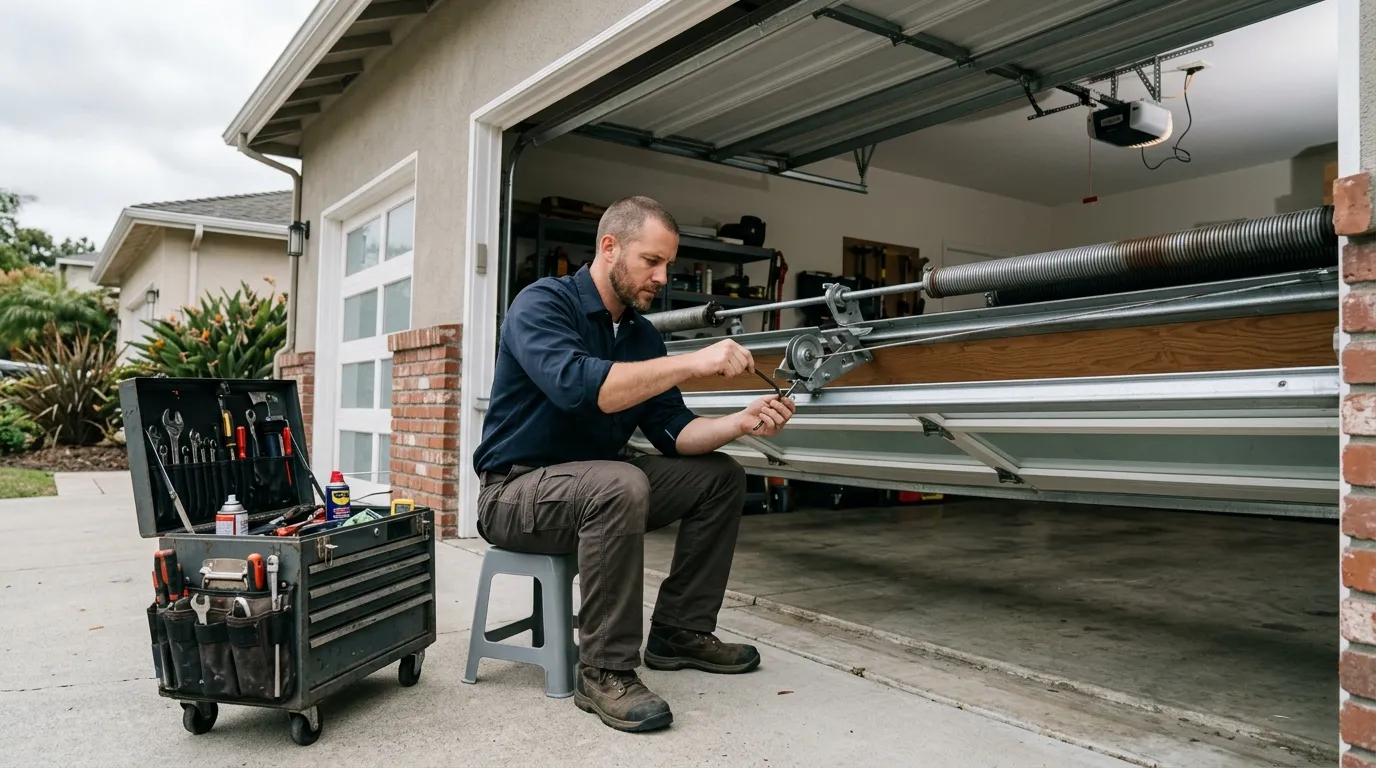
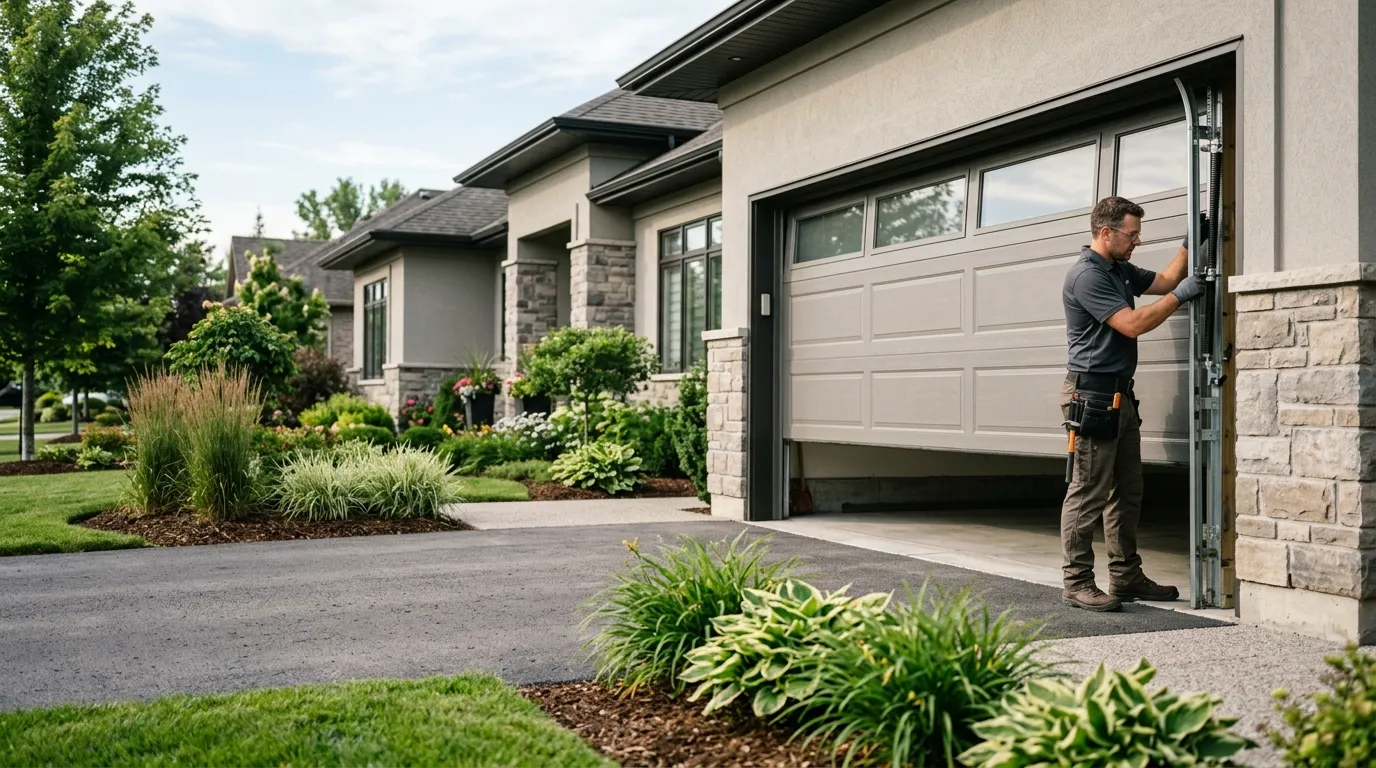
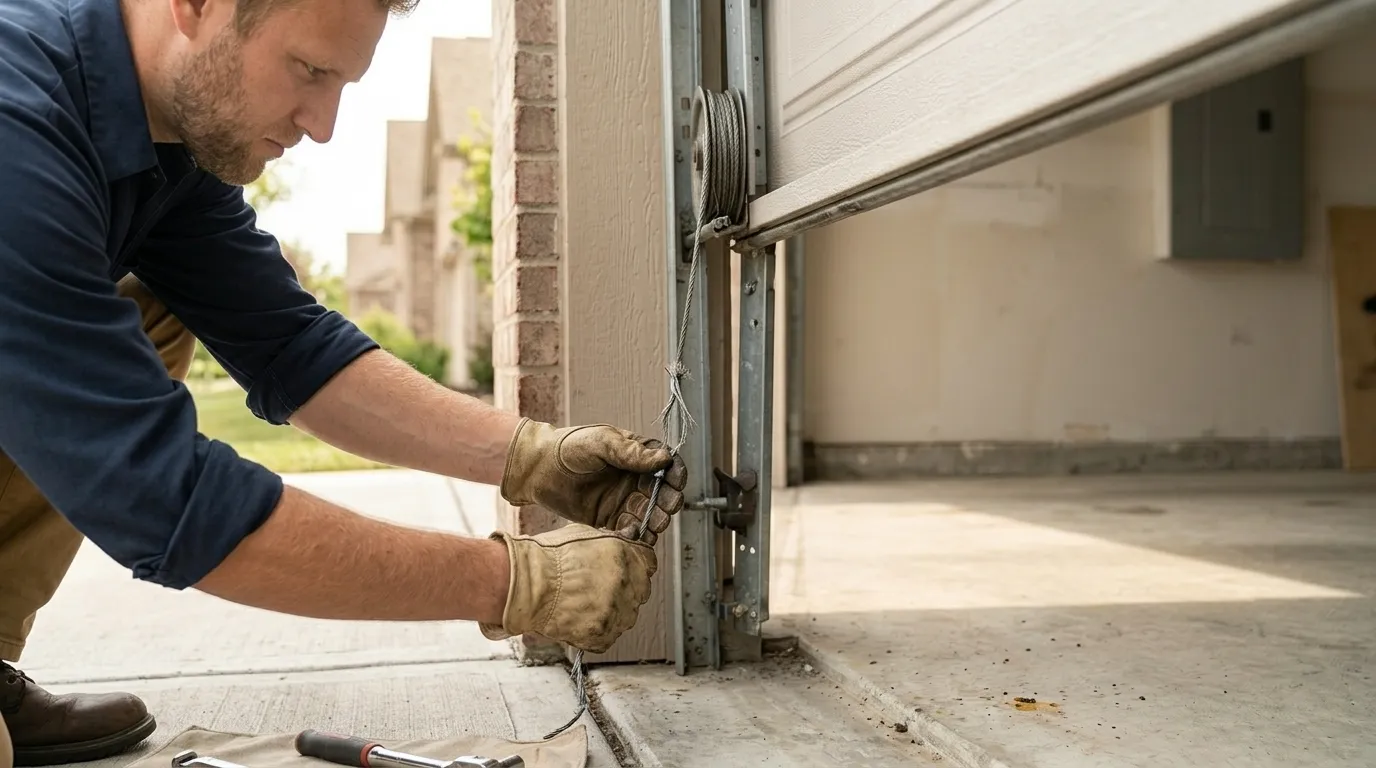
The visit starts with pulling the section that's damaged and checking whether it's an isolated panel or part of a run that shares a hinge point with its neighbors. If it's a bolt-on replacement, the door comes down enough to unbolt the damaged section, the new panel goes in, hinges and rollers get reset, and the door gets run through a full cycle to check it tracks straight and the opener isn't fighting it. If the panel line is discontinued, which is common on 1976-era stock, the options are a close-match panel from a compatible profile or moving to a full door replacement - we'll say which one applies before ordering anything. Balance and spring tension get rechecked at the end regardless, since swapping panel weight even slightly can throw off a door that was already close to the edge of its spring adjustment.
How Long It Takes
Once a matching panel is confirmed and on hand, the physical swap is a same-visit job - pulling the old section, fitting the new one, and running the door through several full cycles to check the track and opener don't fight it. What actually sets the timeline is the panel itself. In-stock panels move fast. A discontinued line off a 1970s-era door means an order and a wait before a second visit can happen, and that lead time is set by the supplier, not by us. Given how much of Palmetto Bay's housing sits in that same build era, discontinued-panel jobs come up here more often than in newer parts of the service area, so it's worth asking up front whether the panel is common or not before you plan around a single-visit fix.