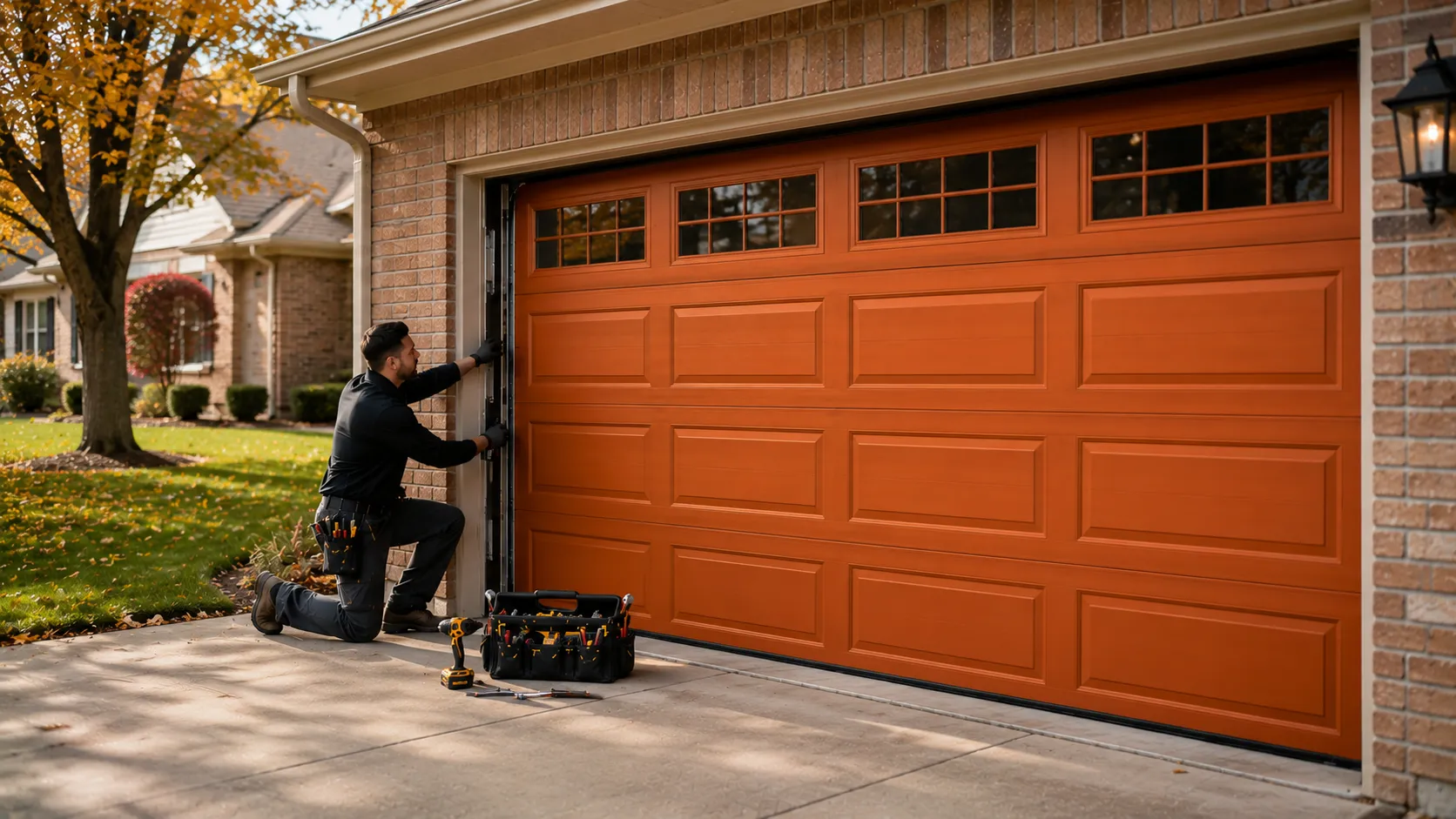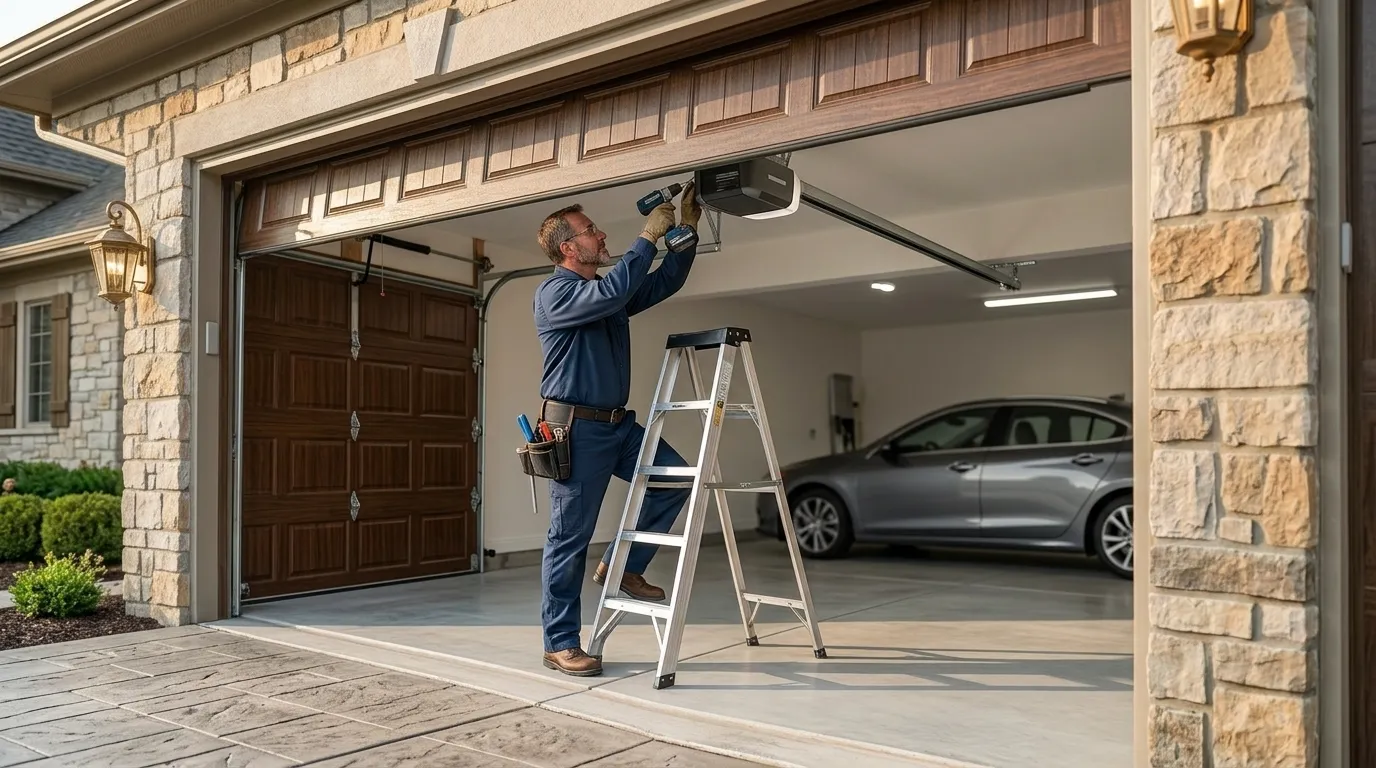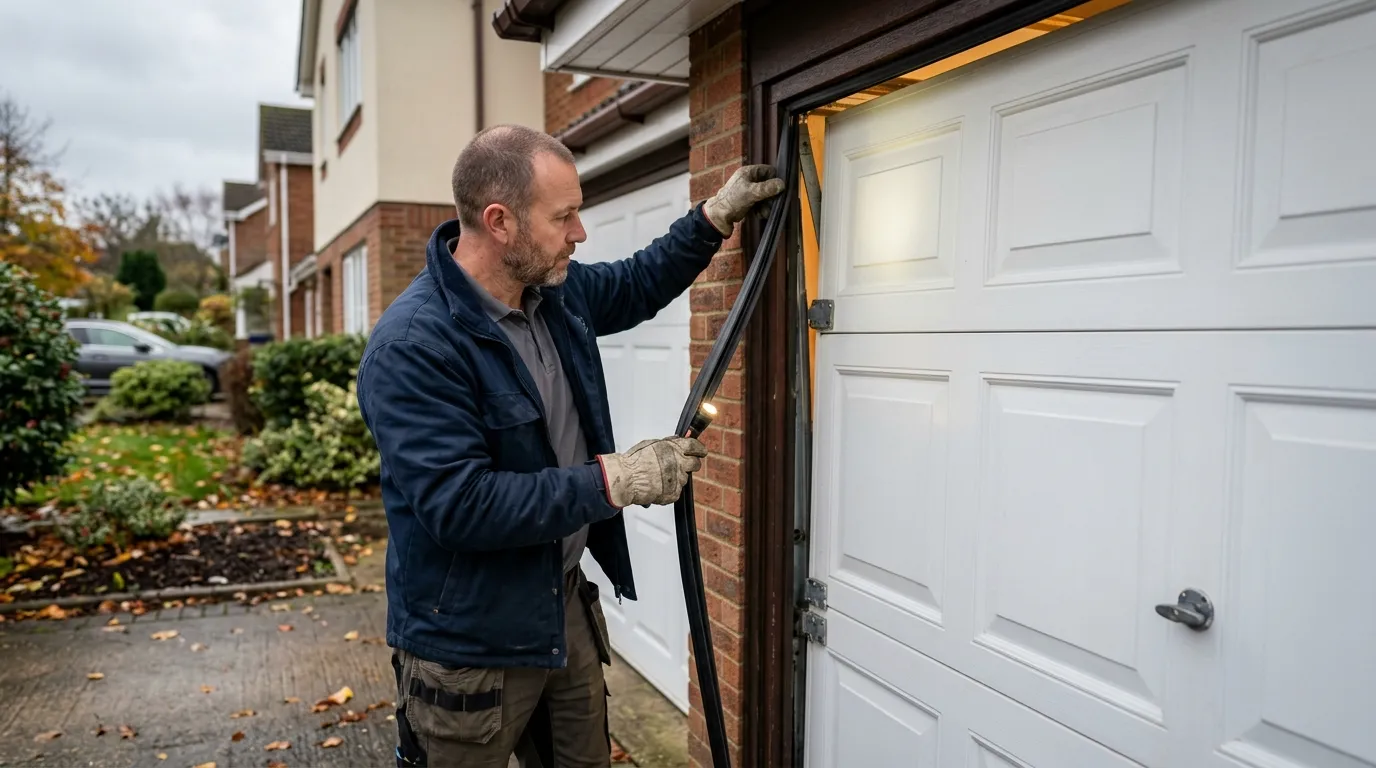
Can You Do This Yourself
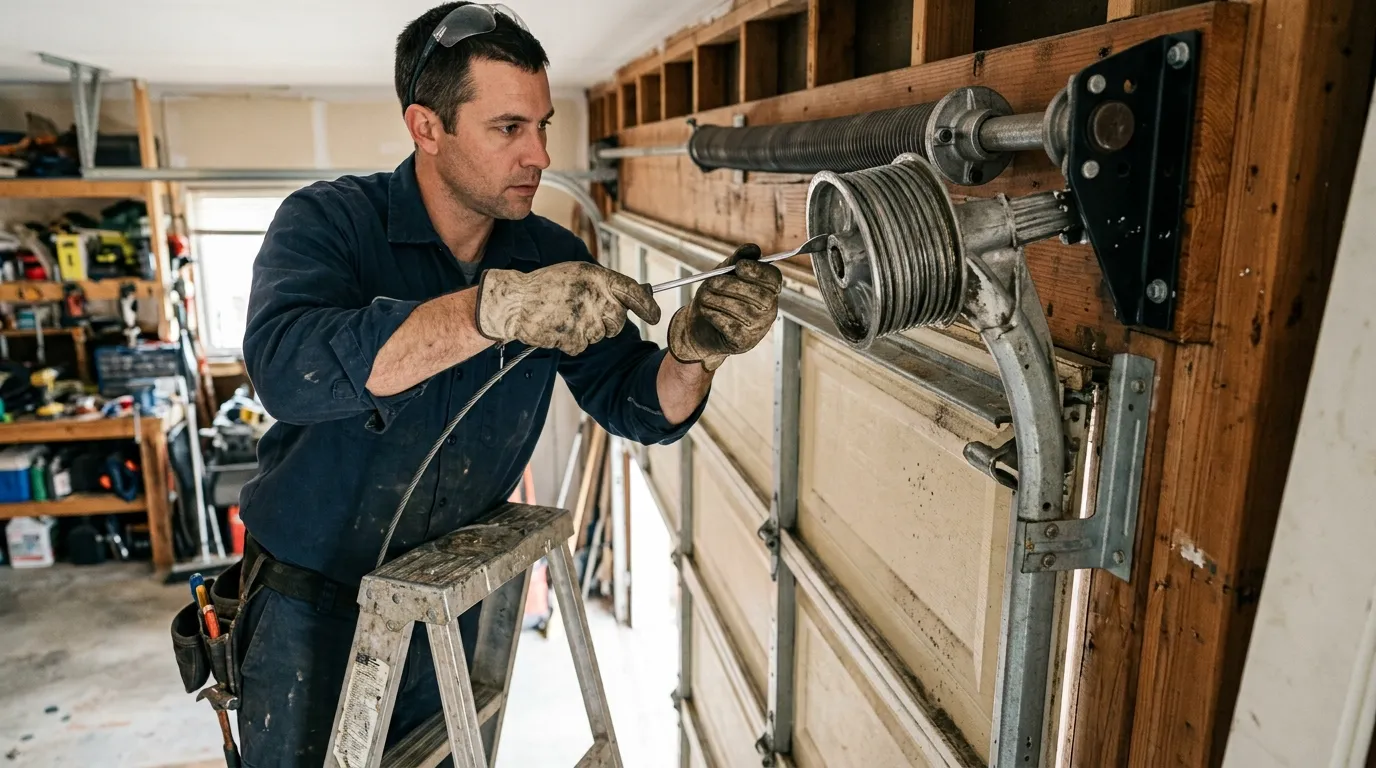
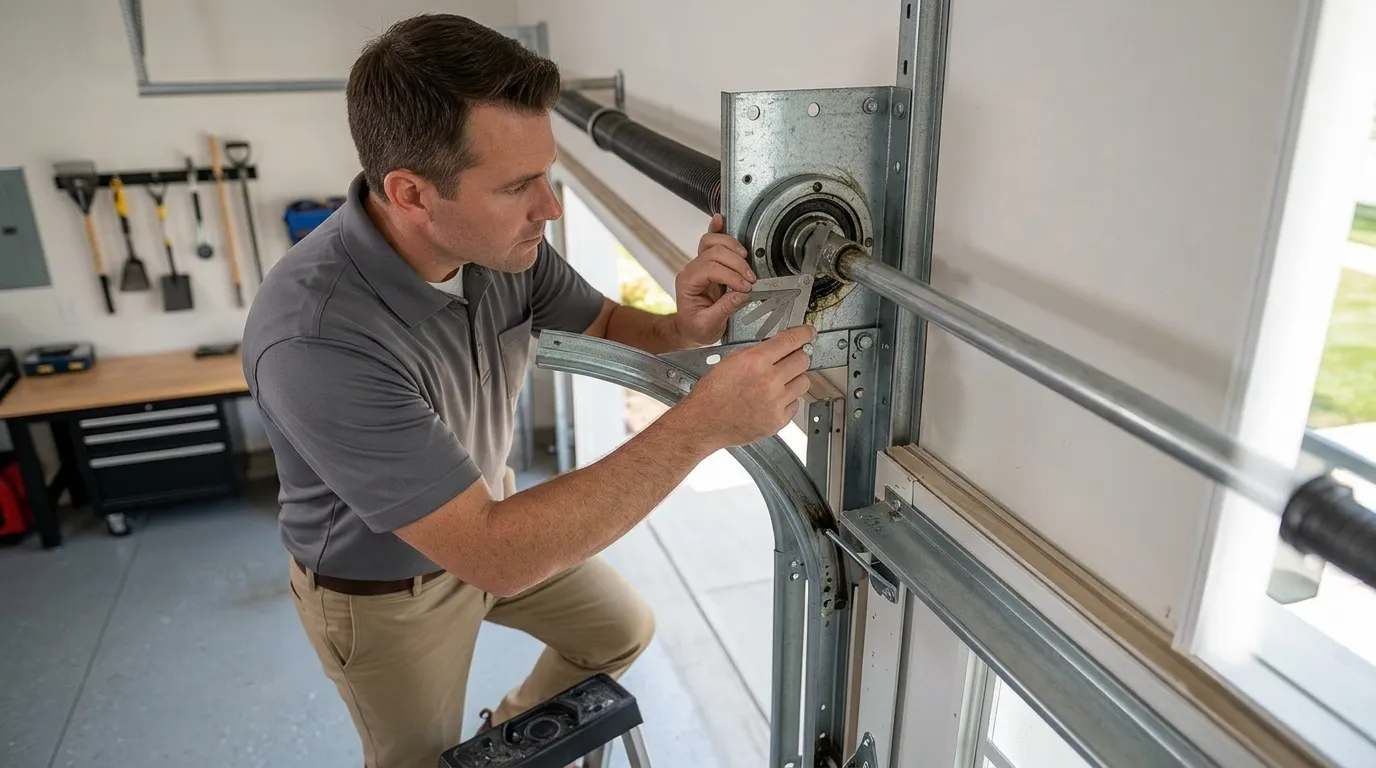
A torsion spring under tension can break a wrist or worse, and on doors this old, the winding cones and center bracket have often corroded or been repainted over enough times that you can't tell how much bite the set screws still have. That's the honest limit here: we don't walk homeowners through torsion spring swaps over the phone, and we wouldn't recommend it even with a video guide.
Extension springs are a little more forgiving to look at, but on a door built in 1958 there's a decent chance the safety cables - the ones that keep a broken spring from launching across the garage - were never added, since they weren't standard when the door went in. If you're checking your own door, that's the first thing worth knowing before you do anything else: look, don't lift, and don't unscrew anything holding a spring under tension. Cleaning tracks, tightening loose hinges, and lubricating rollers are fine DIY jobs. Springs and cables are not.
What Can Go Wrong
The most common call is a snapped spring - usually loud, usually sudden, and the door either won't budge or drops fast when someone tries the opener anyway, which strains the motor and sometimes strips the gear inside it. On older extension-spring doors without safety cables, a broken spring can also whip loose and dent a fender or a wall.
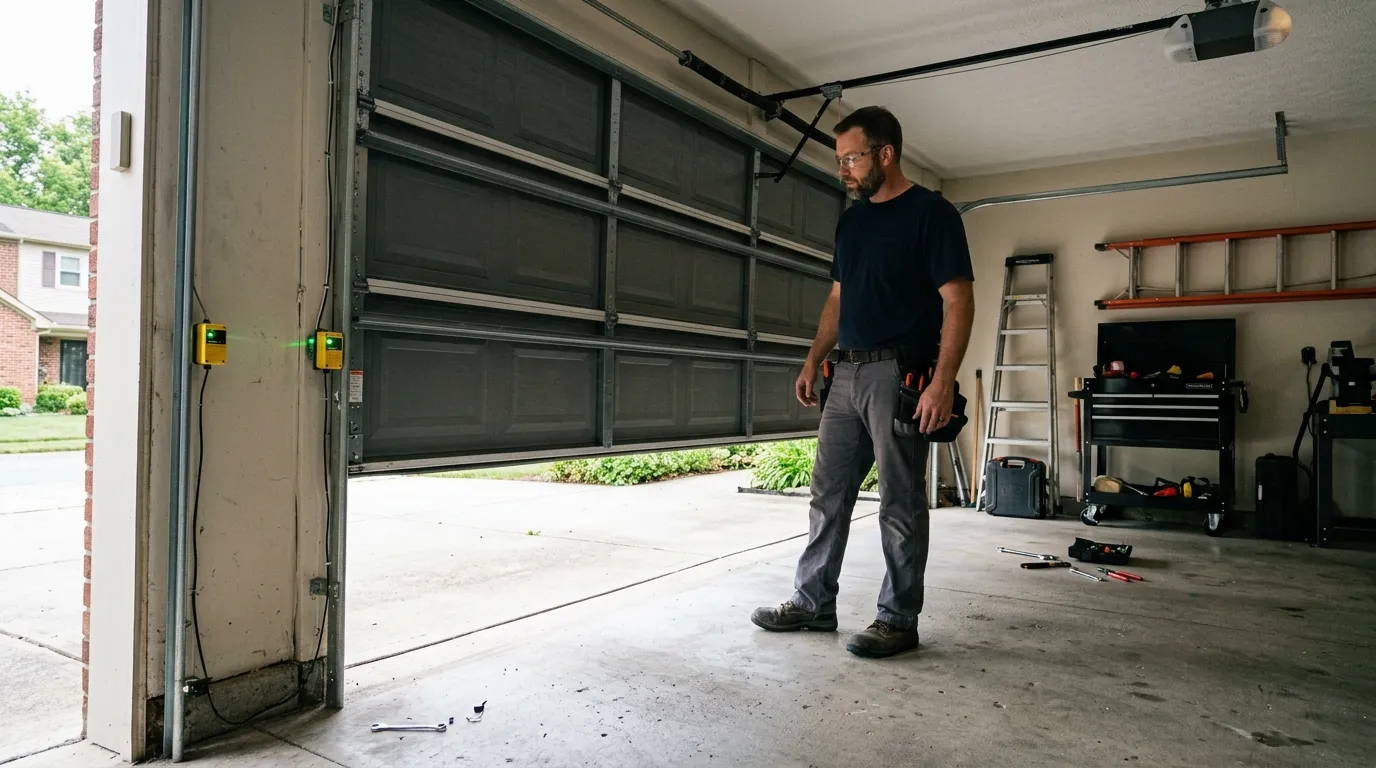
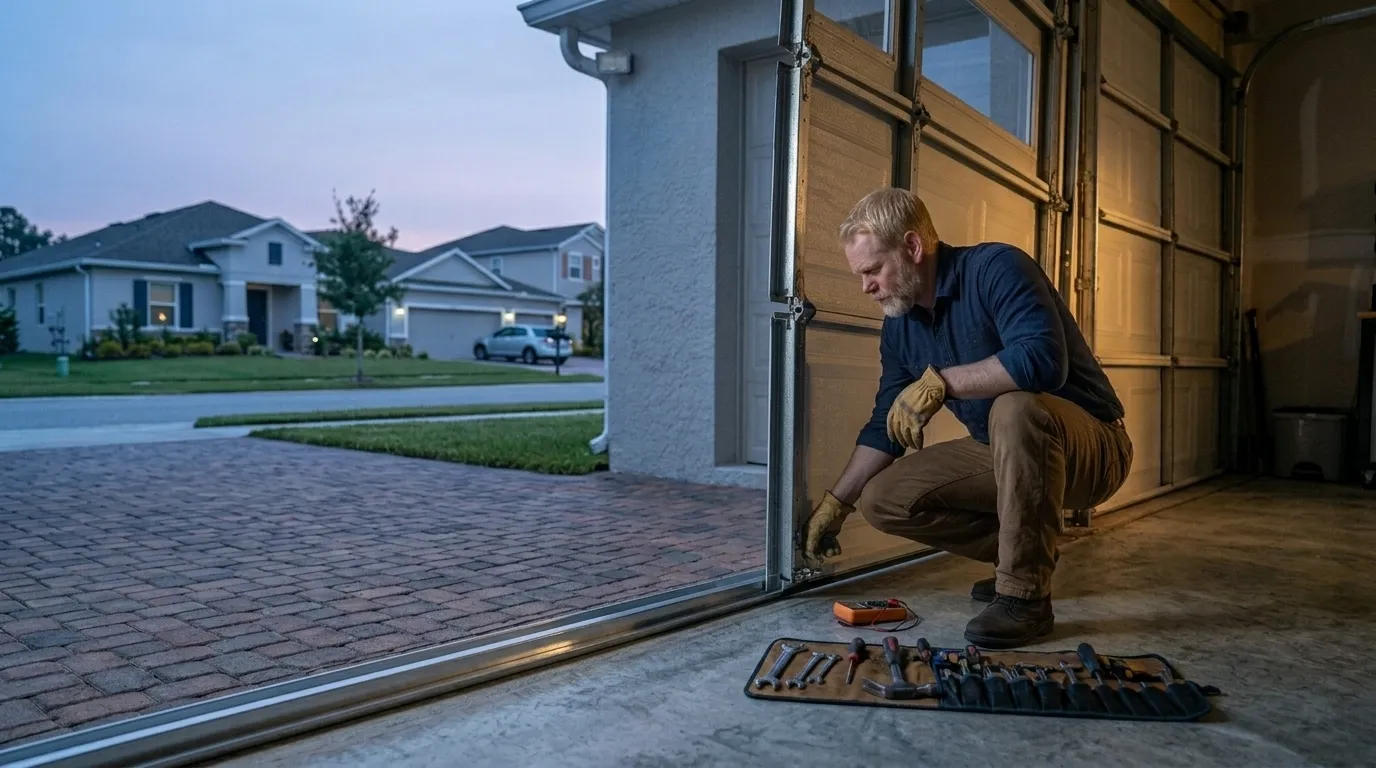
Rust is the other recurring issue on hardware this age, especially where a track bracket has loosened over the years and started rubbing against the frame. Rollers wear oval instead of round, which throws the door off track even when the springs are fine. Cables fray at the drum where they wind and unwind thousands of times over decades, and on a door original to a 1958 build, that cable has usually been replaced at least once already, sometimes with the wrong gauge. None of this is unusual for hardware this age - it's just what wears out first.
How Long It Takes
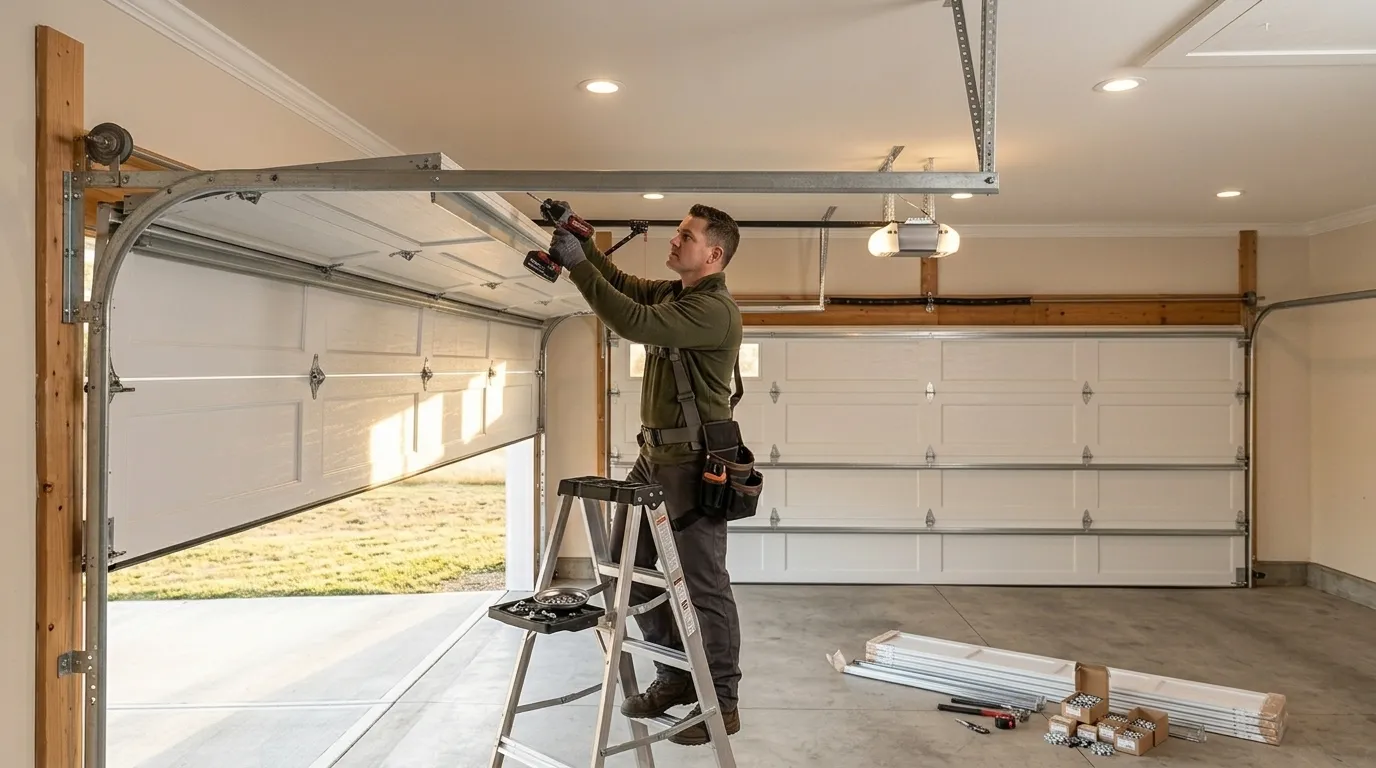
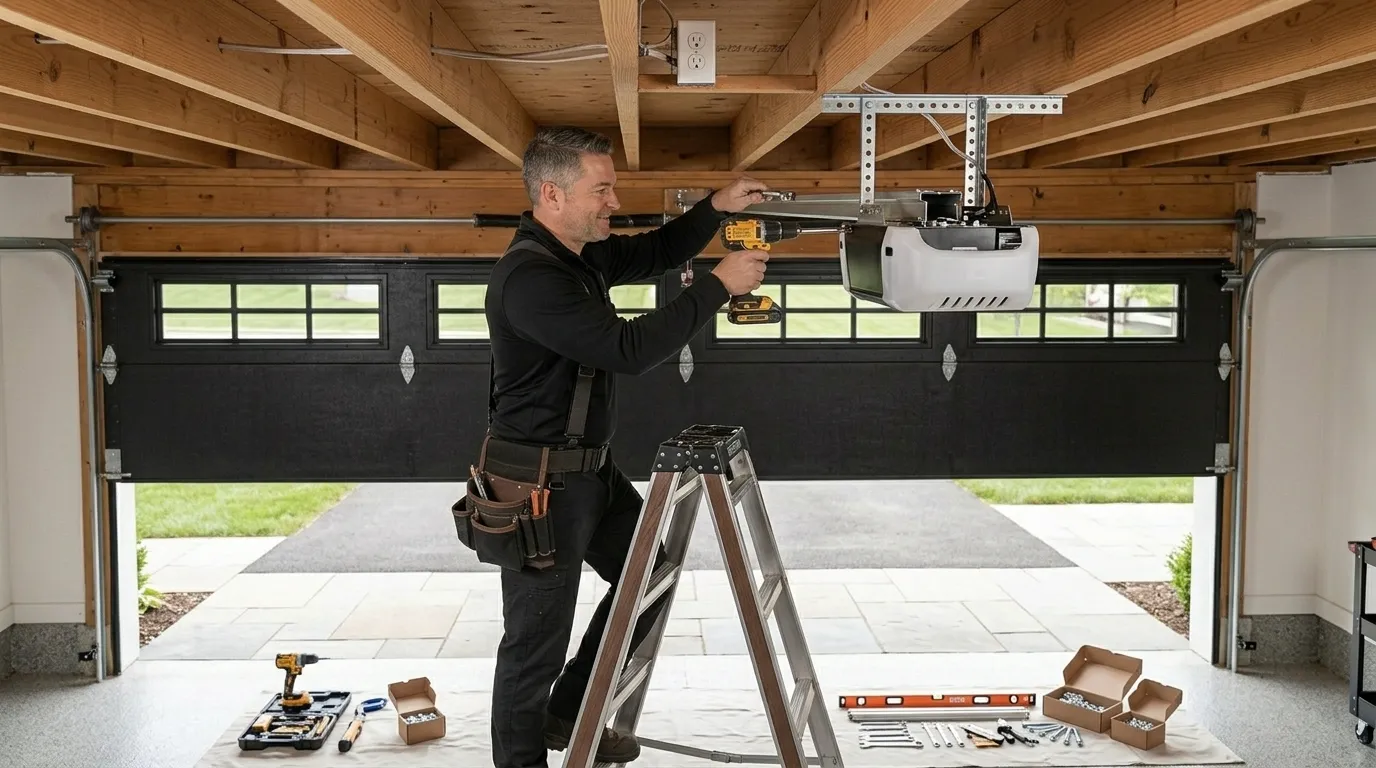
A straightforward spring replacement, once we're on site and have confirmed the spring size and door weight, typically runs under an hour. Cable replacement is similar. A full track realignment or a job where rollers, cables, and a bent section all need attention at once takes longer, since each piece has to be checked before the door is cycled again.
With roughly 10,256 households in West Little River, a lot of those garage doors are original to homes built in the late 1950s, running on spring and track hardware nobody has manufactured in decades, which sometimes means matching a spring by hand rather than pulling a standard size off the truck. That adds time on some jobs and not others - it depends on what's actually on the door.
What Is on the Truck
The truck comes six miles from Miami, not from a branch inside West Little River, so parts get chosen and loaded before the drive out, not picked up on a second trip. That means having a decent range of torsion and extension spring sizes on hand, along with cable, rollers, and track hardware sized for the older single and two-panel steel doors common to houses from this era.
With a median household income of $51,834 here, well under the $71,020 median across the broader service area, a full door swap is money a lot of homeowners weigh carefully against a repair, so the truck is stocked with the parts that make a repair possible rather than pushing straight to replacement. What isn't always on the truck is an exact factory match for a discontinued panel design - if a door's original panel is cracked beyond a patch, that's a case where we're honest that a repair may not hold, and replacement is the better call.