
Can You Do This Yourself
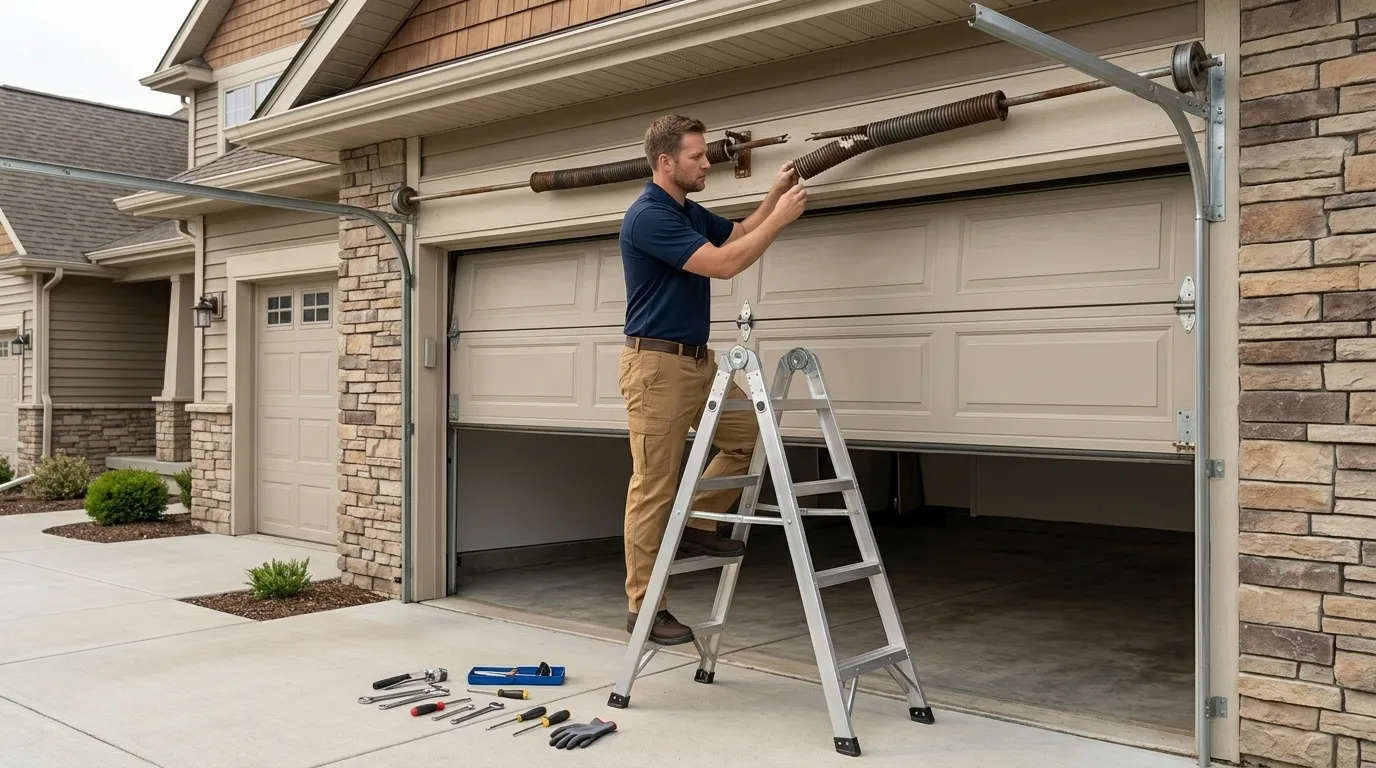
Anything involving the spring - torsion or extension - is not a homeowner job, on a 1958 door or a new one. Extension springs, which is what a lot of houses in this area still run, store less force per spring than a torsion setup but they're often paired two-to-a-door with no drum to control the recoil, and an old, rusted hook can let go without warning.
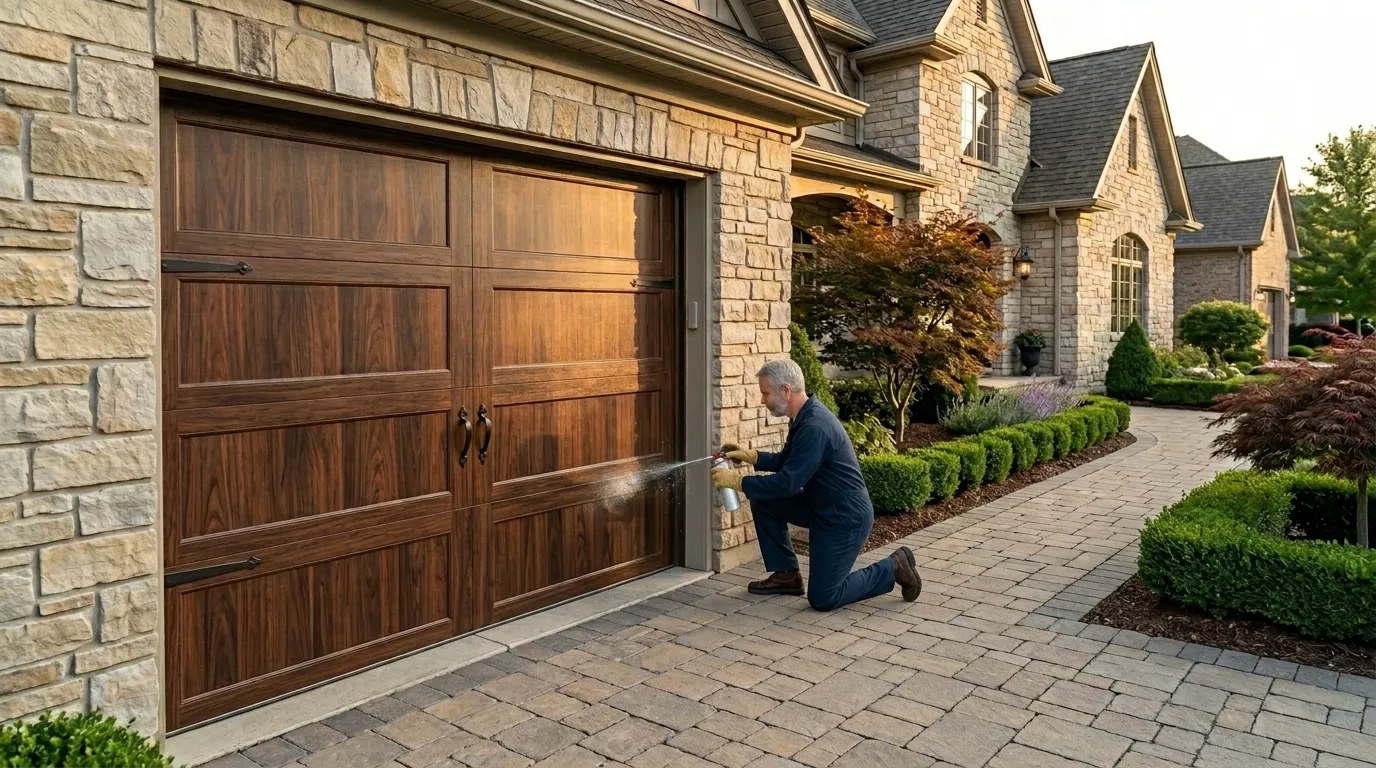
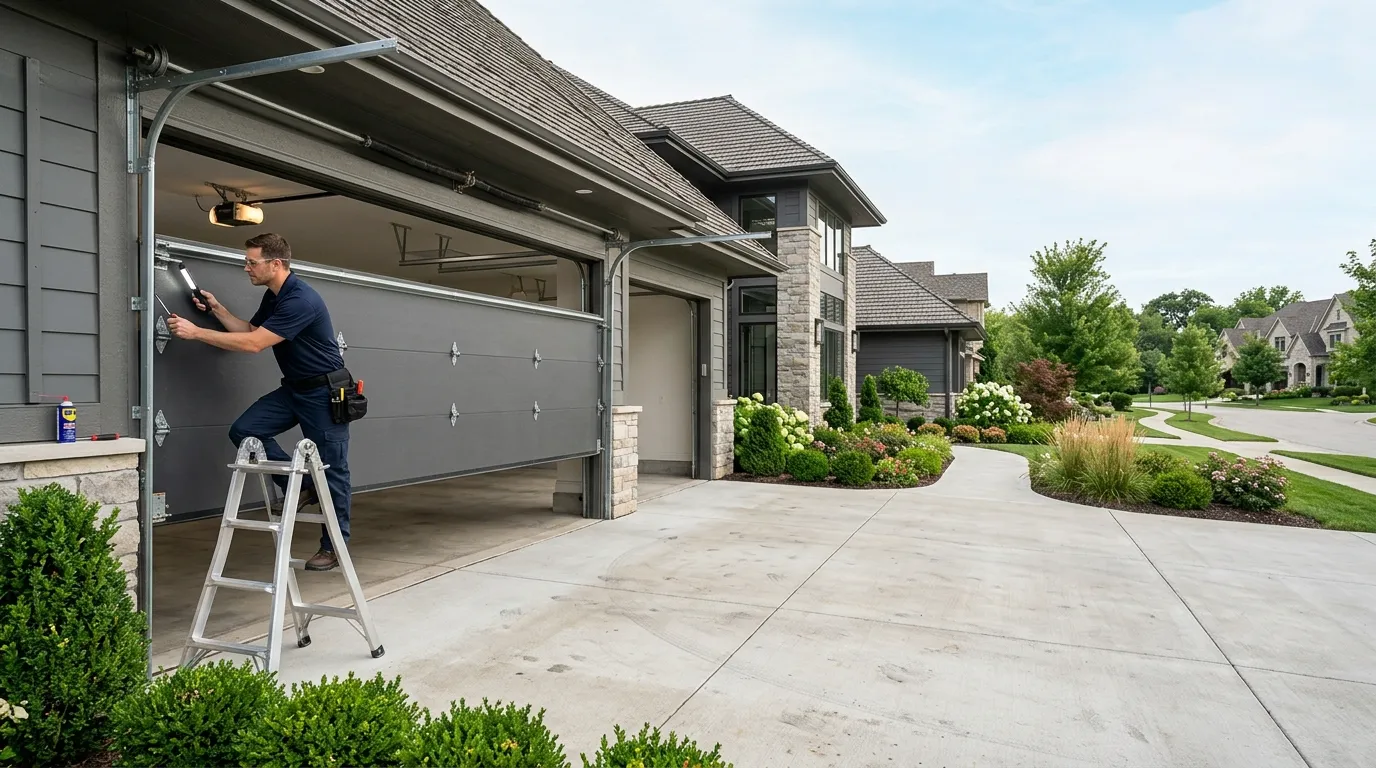
What you can reasonably check yourself: the track for visible dents or gaps at the wall bracket, the bottom weatherstrip for cracking, and whether the door binds at the same spot every time it opens - that's usually a bent track section, not a spring problem, and knowing which one it is before you call saves a diagnostic trip. Lubricating rollers and hinges with a light garage-door lubricant is safe and worth doing every few months regardless of the door's age.
We'll tell you plainly when a job isn't worth doing at all - if the door itself is original steel from the late 1950s and has rusted through at the bottom panel, patching it usually costs more over a year than replacing that section once.
What Can Go Wrong
On doors this age, the fault we see most is a spring that's outlived its coil life combined with rollers that were never swapped, so the two failures show up together - a snapped extension spring plus a track already scored from years of a worn roller riding it off-center. Fix one without the other and the new spring is doing extra work against a track it shouldn't have to fight.
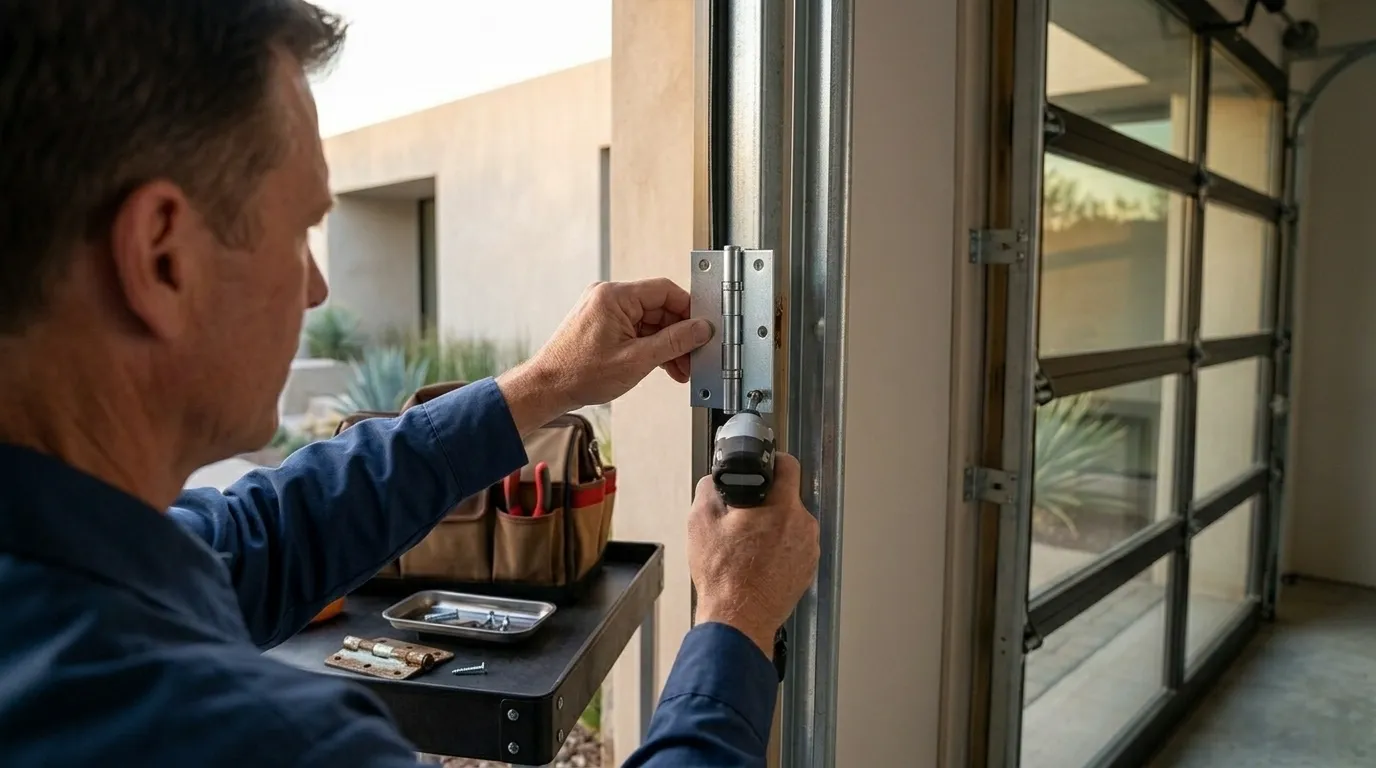
Mild South Florida temperatures don't stress steel the way freeze-thaw climates do, so we're not chasing cracked concrete anchors or ice-jammed tracks here. What we do see is corrosion on original hardware - hinges and end bearing plates on a 1958 door have had decades of salt-air humidity to work on, and that shows up as a hinge pin that's seized rather than one that's simply loose.
Openers are usually the newer piece of the system even on an old door, since most get replaced at least once in a house this age, so opener faults here tend to be ordinary - a worn drive gear or a failing capacitor - rather than tied to the building's era.
How Long It Takes
We don't quote a fixed turnaround here, because it depends on what's actually wrong and whether the part on the door is a standard size or one we need to match to older hardware. What we can say is that the six-mile drive from Miami is short enough that travel isn't the bottleneck - the diagnosis and the part are.
A broken spring or a cable snap on a door where the track and drums are still original size is usually a single visit once we've confirmed the size on-site. A door where the track has been bent for years and the opener force has been cranked up to compensate takes longer, because we're correcting two problems that have been masking each other, not one.
We'd rather take the extra few minutes to check roller wear and track alignment on every call here than replace a spring and get called back in a month for the same symptom with a different cause.
What Is on the Truck
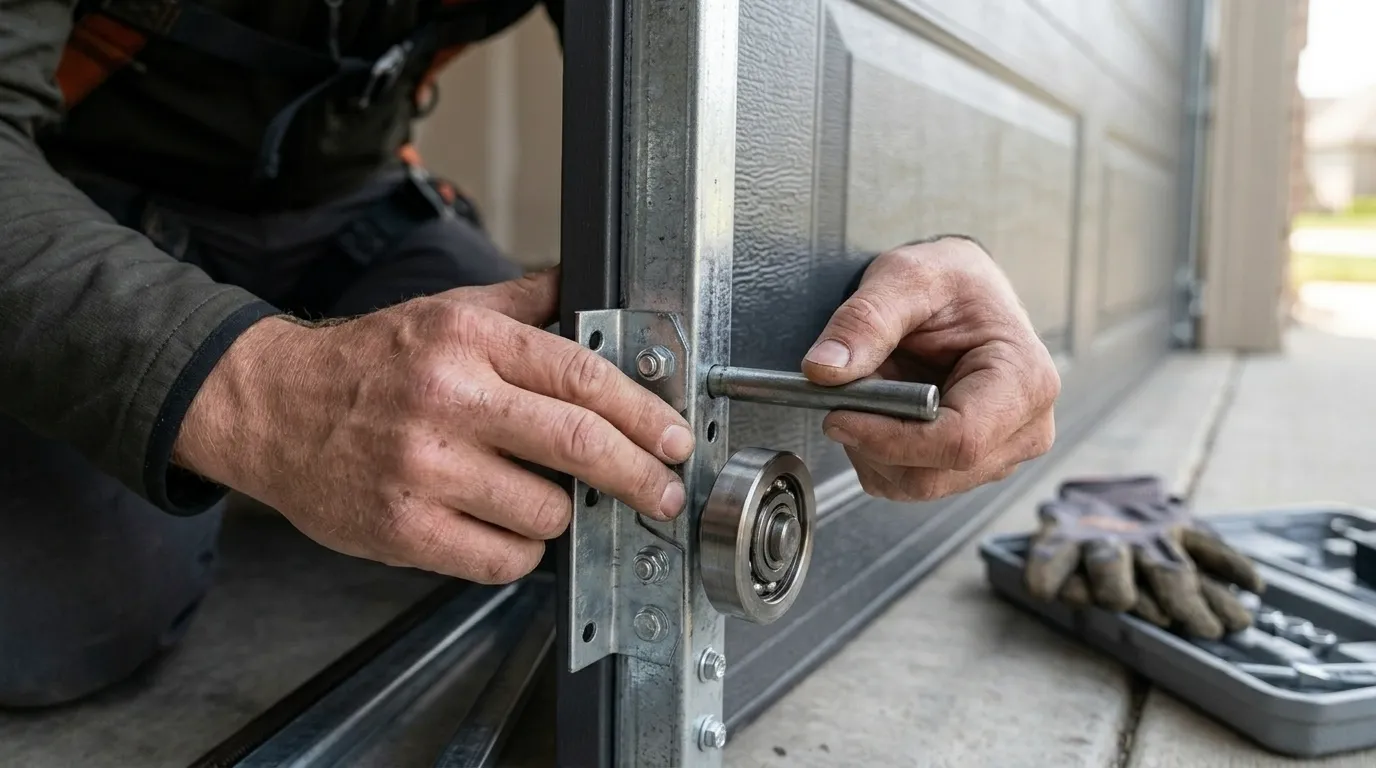
Given how many houses in this stretch date to around 1958, the truck carries extension spring stock in the lengths and wire gauges that fit older single and double doors, not just the torsion springs standard on newer construction. We also carry narrow-track roller and bracket hardware sized for older door openings, since a modern wide-track roller won't seat right on a 1958 frame.
Beyond that it's the usual: cables, hinges in the common gauges, bottom weatherstrip, and a range of opener drive gears and circuit boards for the makes we see most. What we don't carry as standard stock is replacement steel door sections in older discontinued profiles - if a panel on an original 1958 door needs replacing rather than repairing, that's sometimes a part we have to source rather than pull off the truck, and we'll tell you that up front rather than stall the job pretending otherwise.