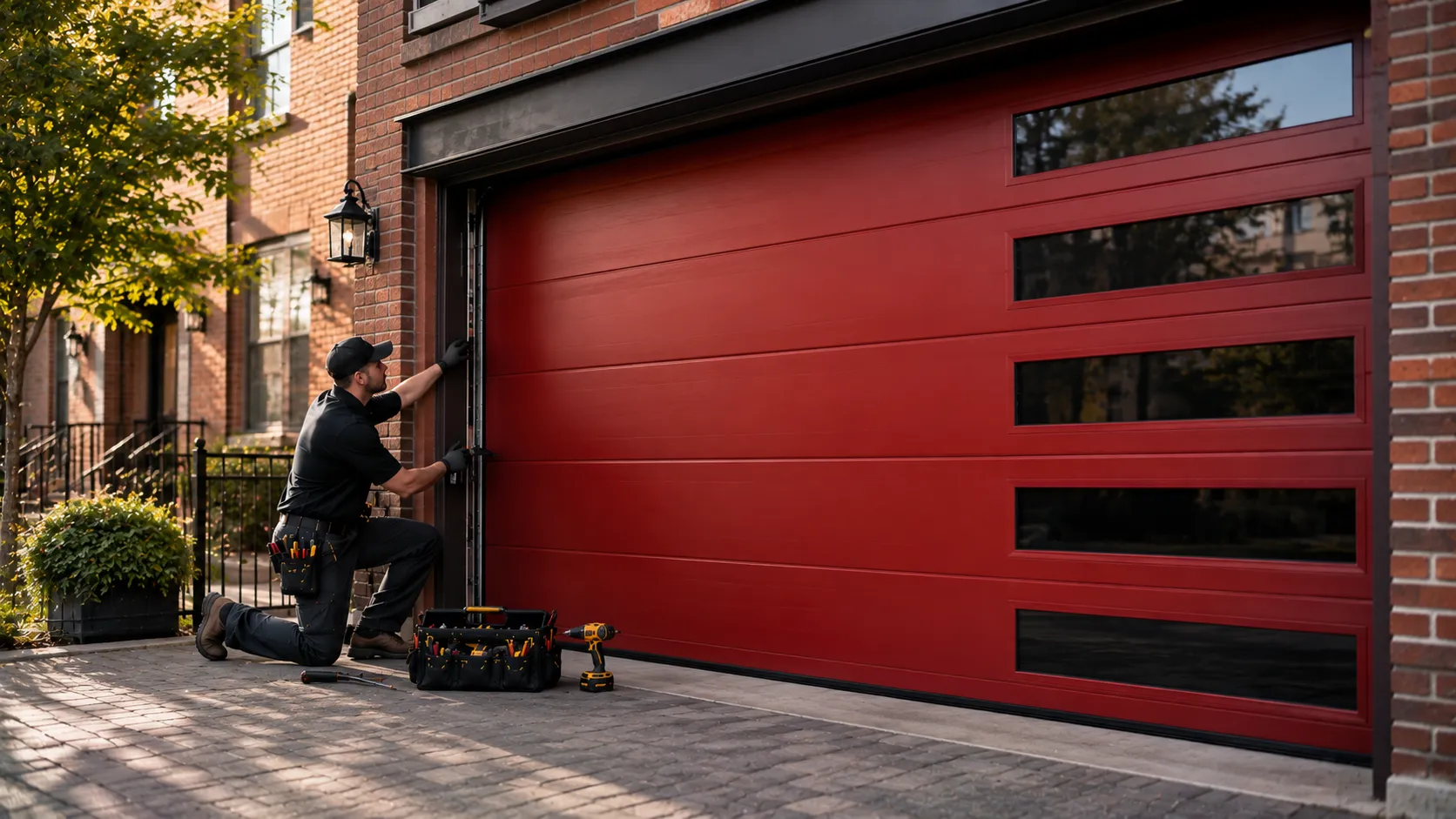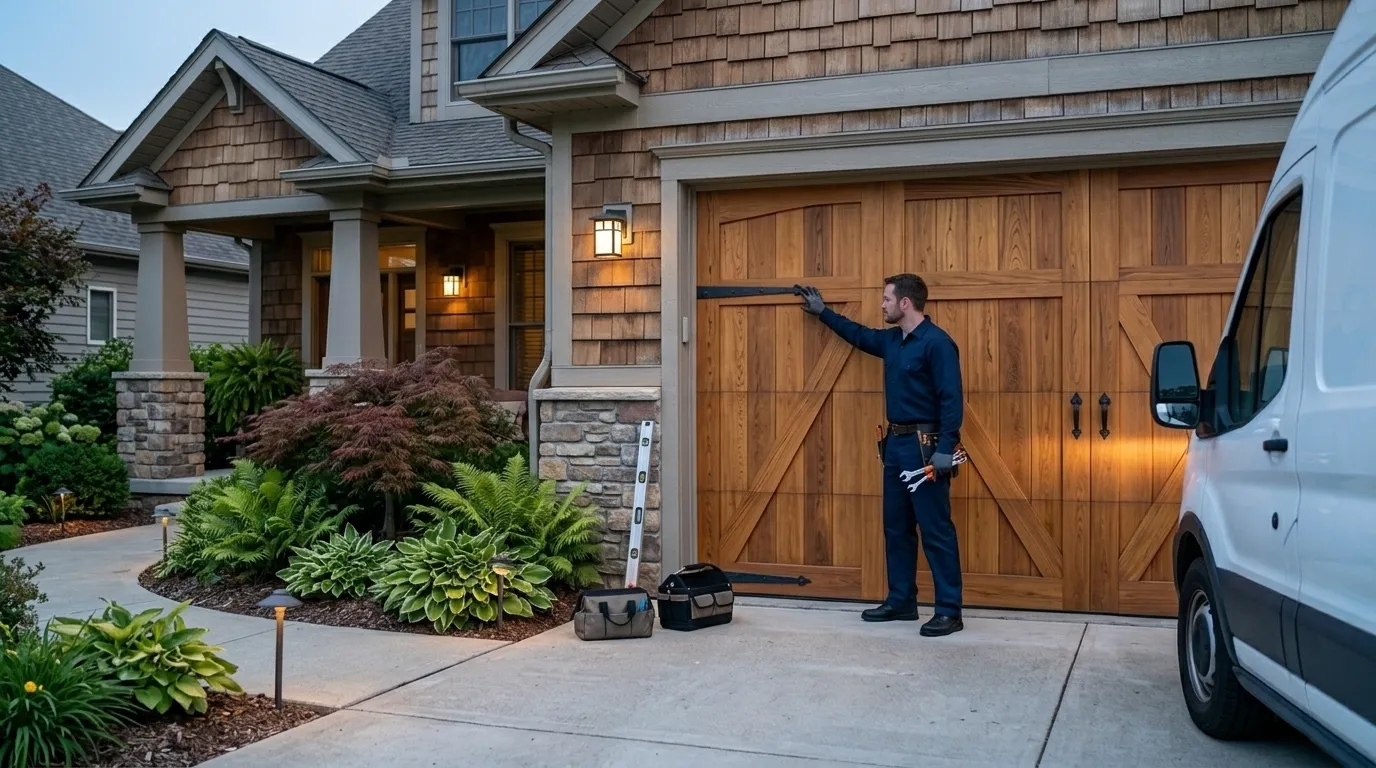
Can You Do This Yourself
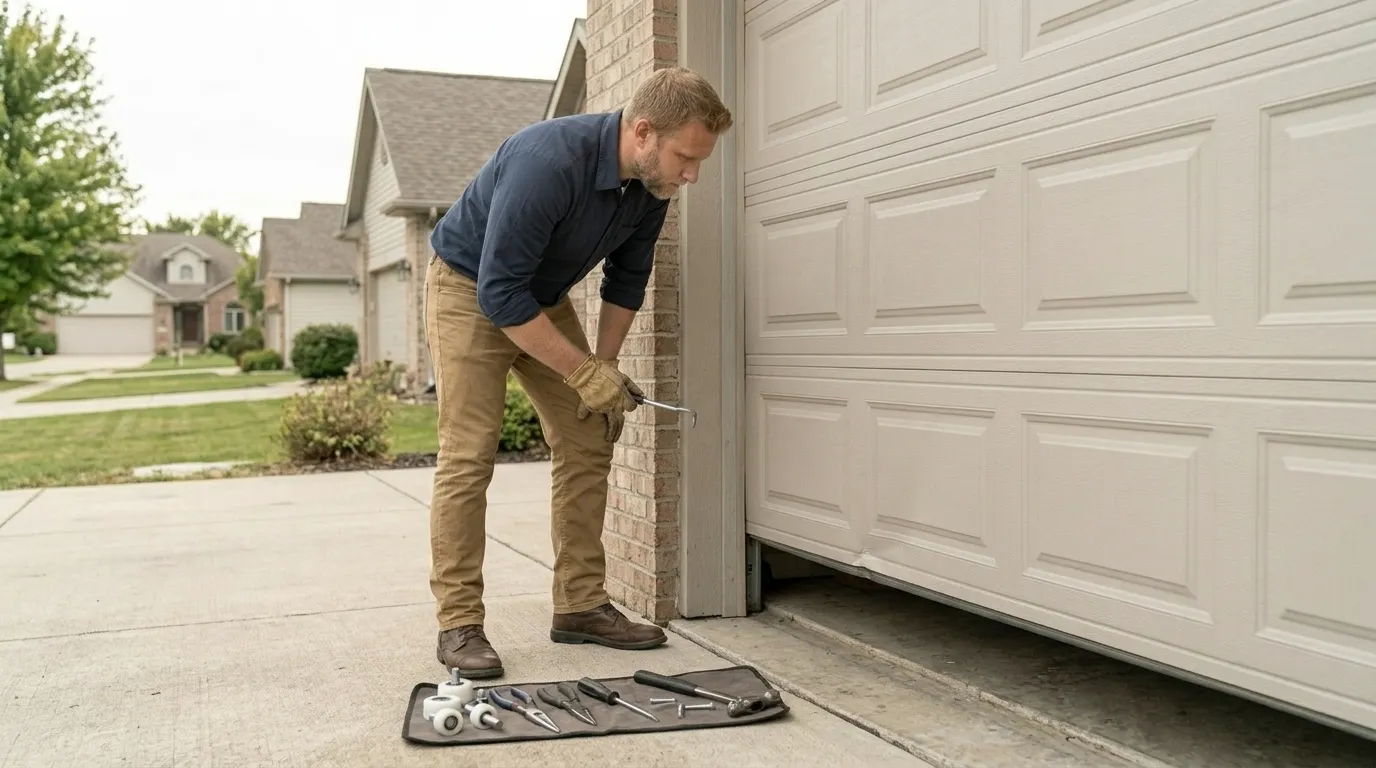
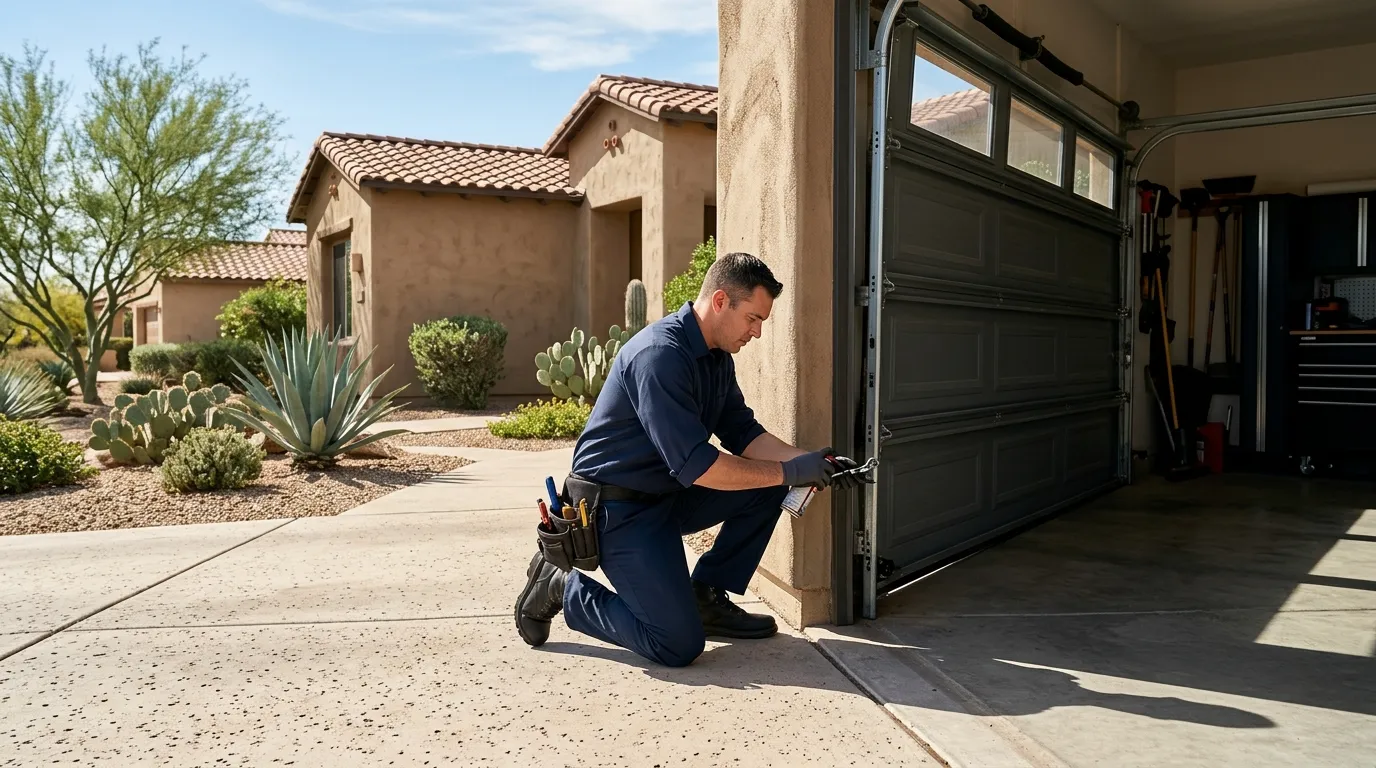
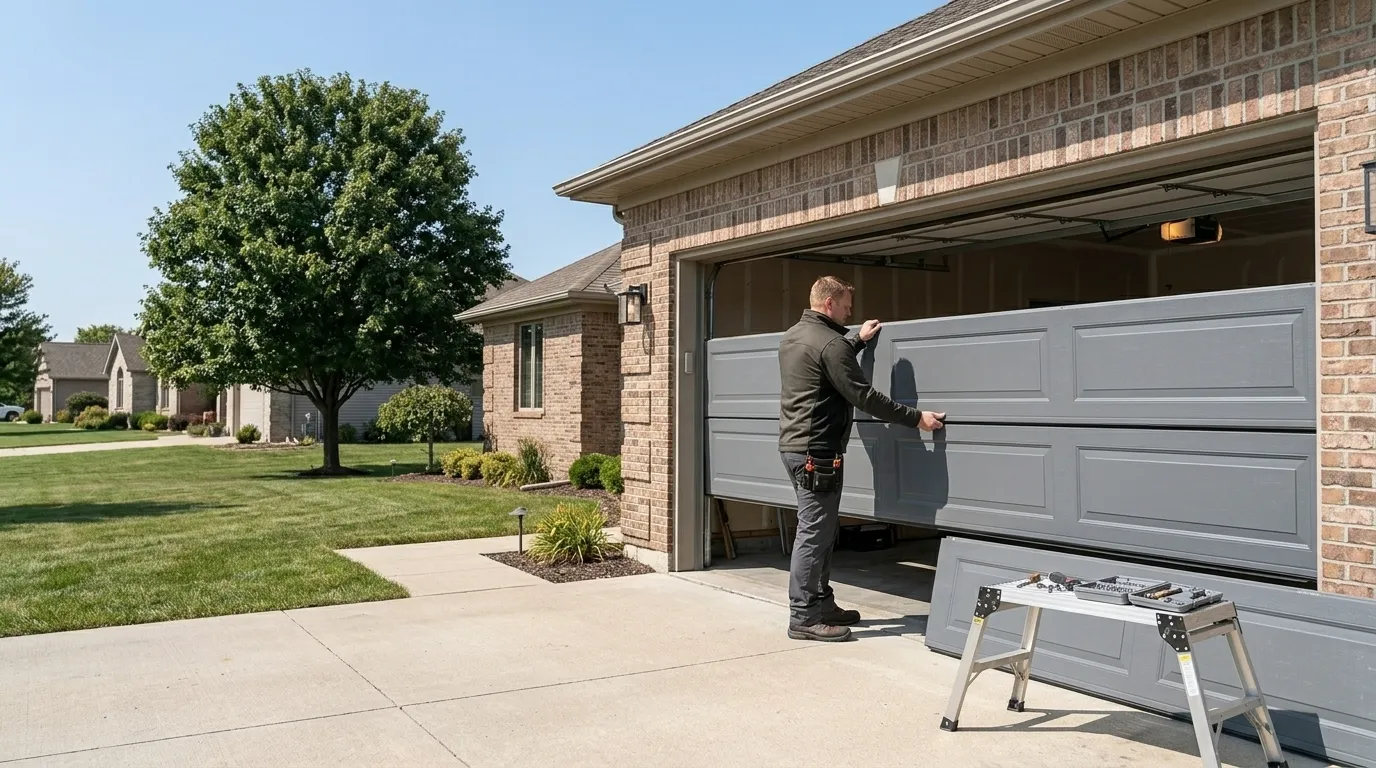
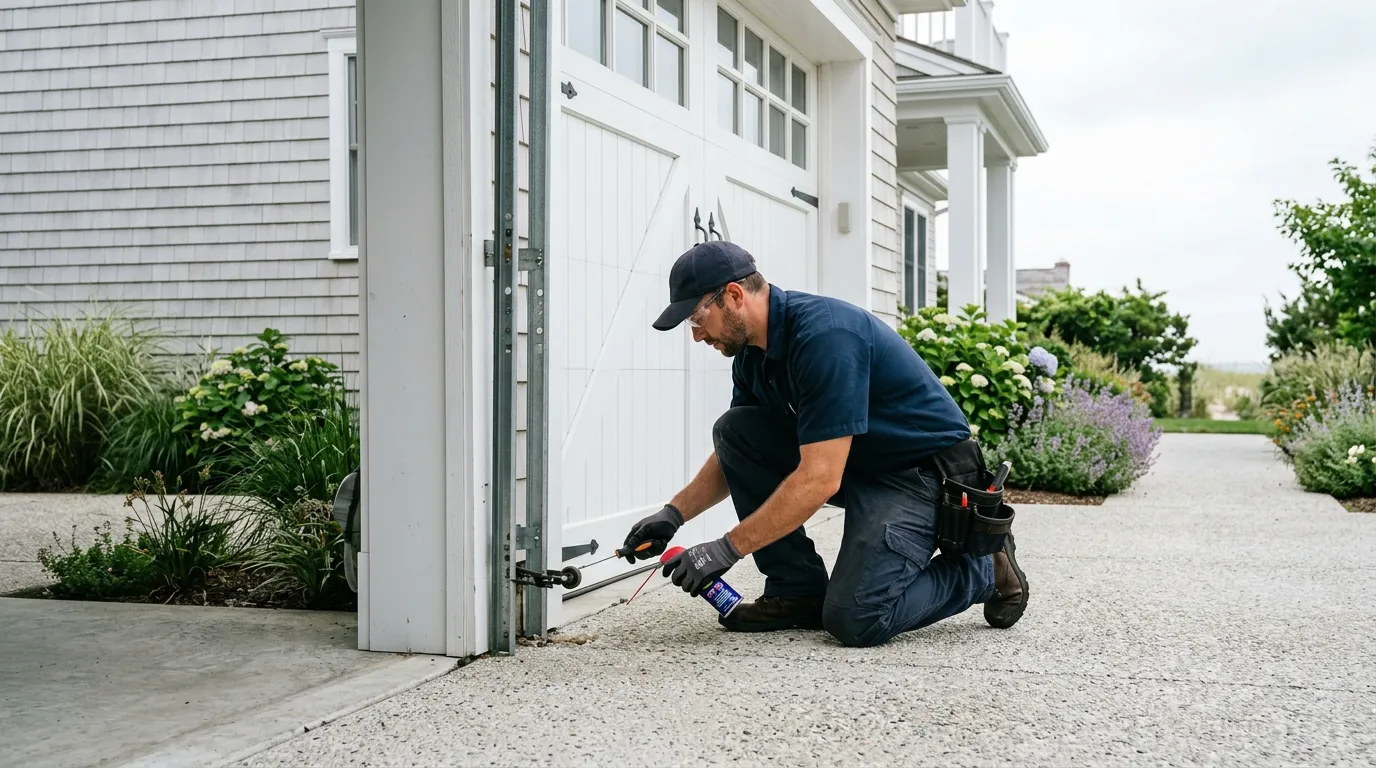
You can handle the parts that don't involve tension. Wipe down the tracks, check that the weatherstripping at the bottom of the door still seals, and listen for grinding when the door runs - that tells you a roller is going. Lubricating hinges and rollers with a proper garage door lubricant, not household oil, is fine for a homeowner to do twice a year in this mild climate. What you should not touch on a door this old is the torsion spring. A spring that's been under load since 1958 or thereabouts is under more stored energy than a newer one that's cycled less unevenly, and the winding cones on original hardware weren't built to modern safety spec. If your door has never had the spring replaced, treat any spring work as a call, not a project.
What Can Go Wrong
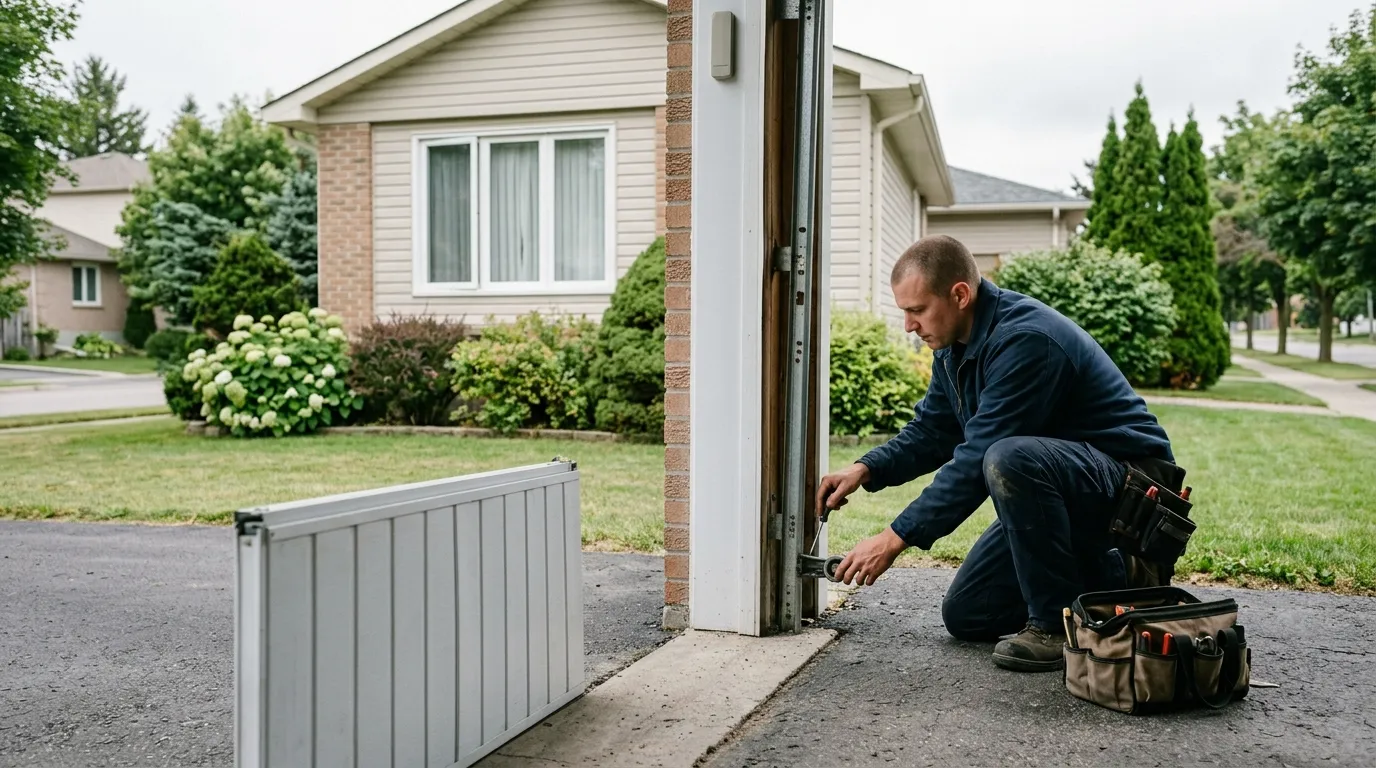
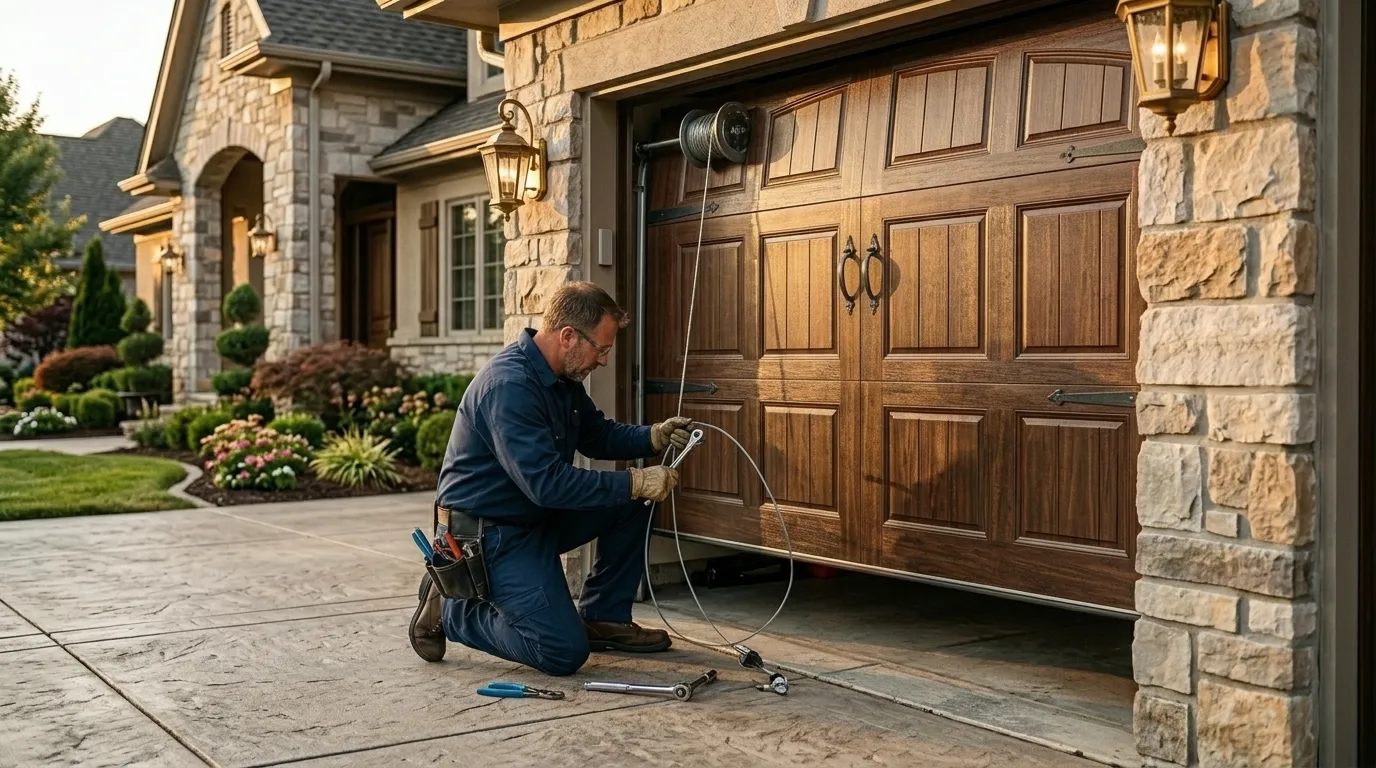
On original hardware from the late 1950s, the failure we see most is a torsion spring that finally gives out after decades of cycling, sometimes taking a cable with it. The second most common issue is a bottom bracket that's rusted or cracked at the weld point, which on a door this age has usually never been inspected, let alone replaced. Track alignment drifts over sixty-plus years of settling, especially on a slab that's shifted slightly, and that shows up as a door that binds partway through its travel. Openers added after the fact sometimes have brackets that were never rated for the door's actual weight, which is a mismatch that shows up as strain on the motor rather than the door itself. None of this is dramatic until it fails - a spring under that much stored tension can let go with real force, which is the honest limitation here: we don't recommend DIY spring work on hardware this old, full stop.
How Long It Takes
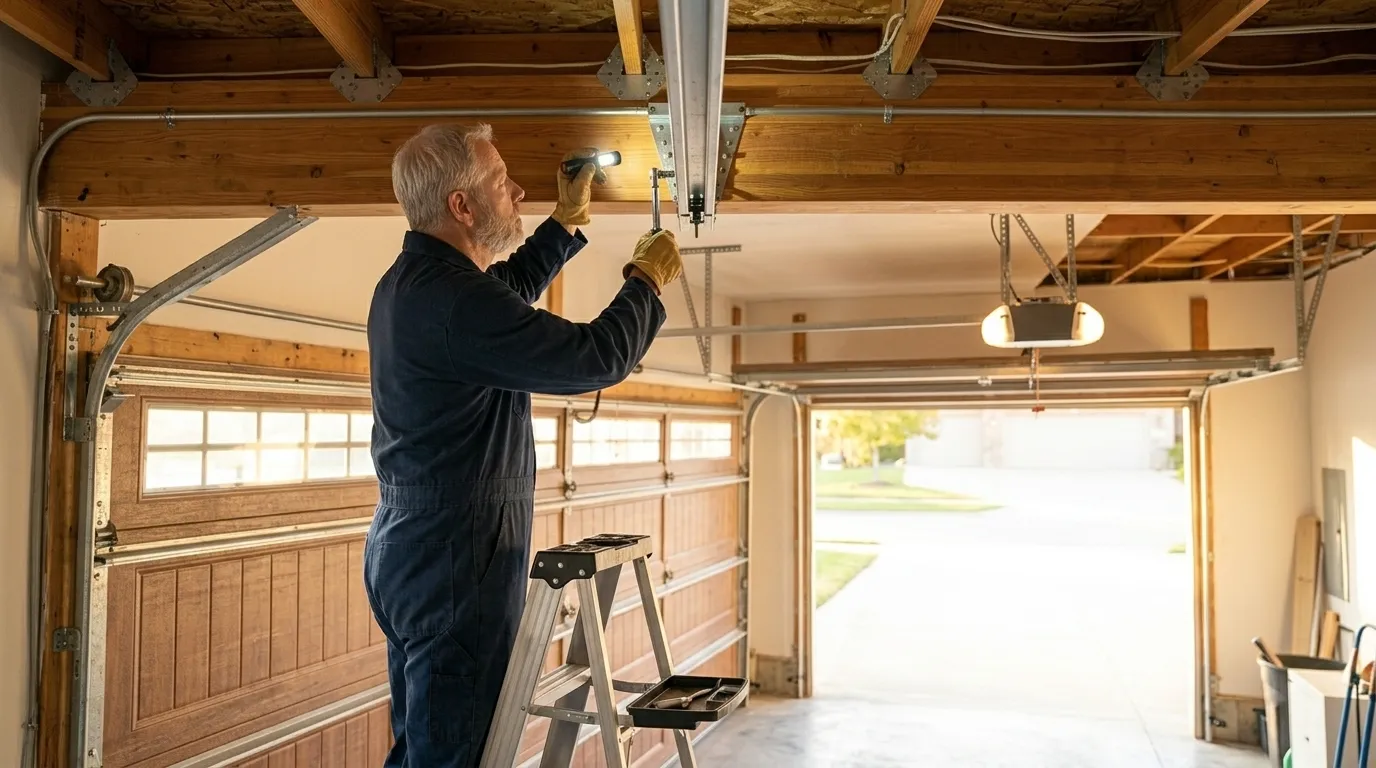
A standard maintenance visit - inspection, lubrication, hardware check, and adjustment - runs about the same length of time whether the door is old or new, but doors from this era often take longer because more needs a second look. Expect the visit itself to take longer than a routine check on a newer door, since we're inspecting hardware that's rarely been touched and may need photos or measurements to source a matching part. If a part needs replacing - a spring, a cable, a bracket - that's usually a second trip, since parts for older gauge track or vintage brackets aren't always something we carry stocked on the truck for a first visit.
What Is on the Truck
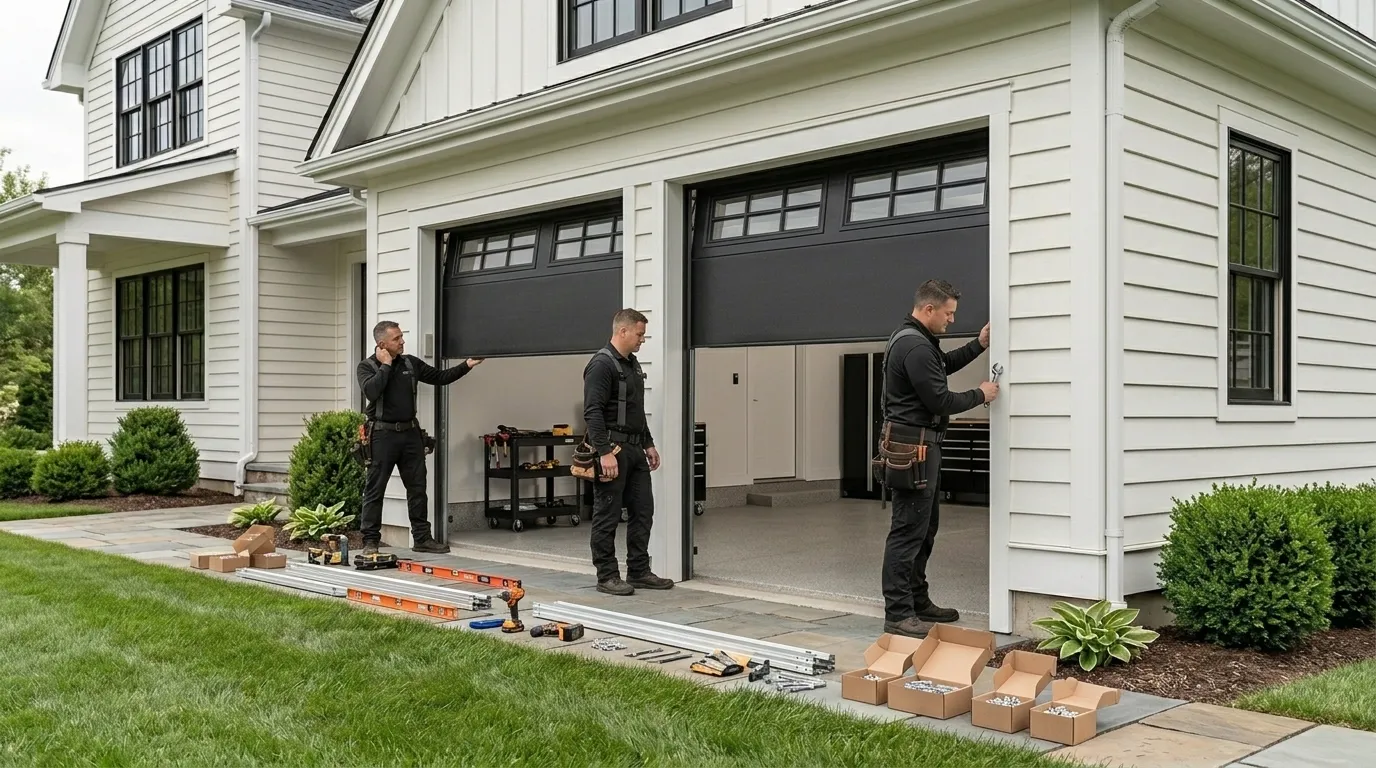
We carry common spring sizes, standard-gauge cable, rollers, and hinges that cover most residential doors built from the 1950s through today. What we don't always carry is the exact narrow-gauge track or the specific bracket hardware used on some of the oldest builds in West Little River, since that hardware predates a lot of the standardized parts made today. When we hit that, we measure on-site and order the closest match, which is the honest limitation on a same-visit fix for houses this old. We travel to West Little River from our Miami location, about six miles out, so we plan the truck load around what the visit calls for rather than guessing.