Serving Miami, FL & nearby
(786) 358-3031
Miami, FL

Garage Door Service for West Little River's 1958-Era Housing Stock

West Little River's 10,256 households sit on housing built mostly around 1958. We travel 6 miles from Miami to work on the original hardware that era left behind.

Garage Door Service for West Little River's 1958-Era Housing Stock
Miami, FL
8 services
8 service areas
Diagnosis first, then the fix

What the Fix Involves

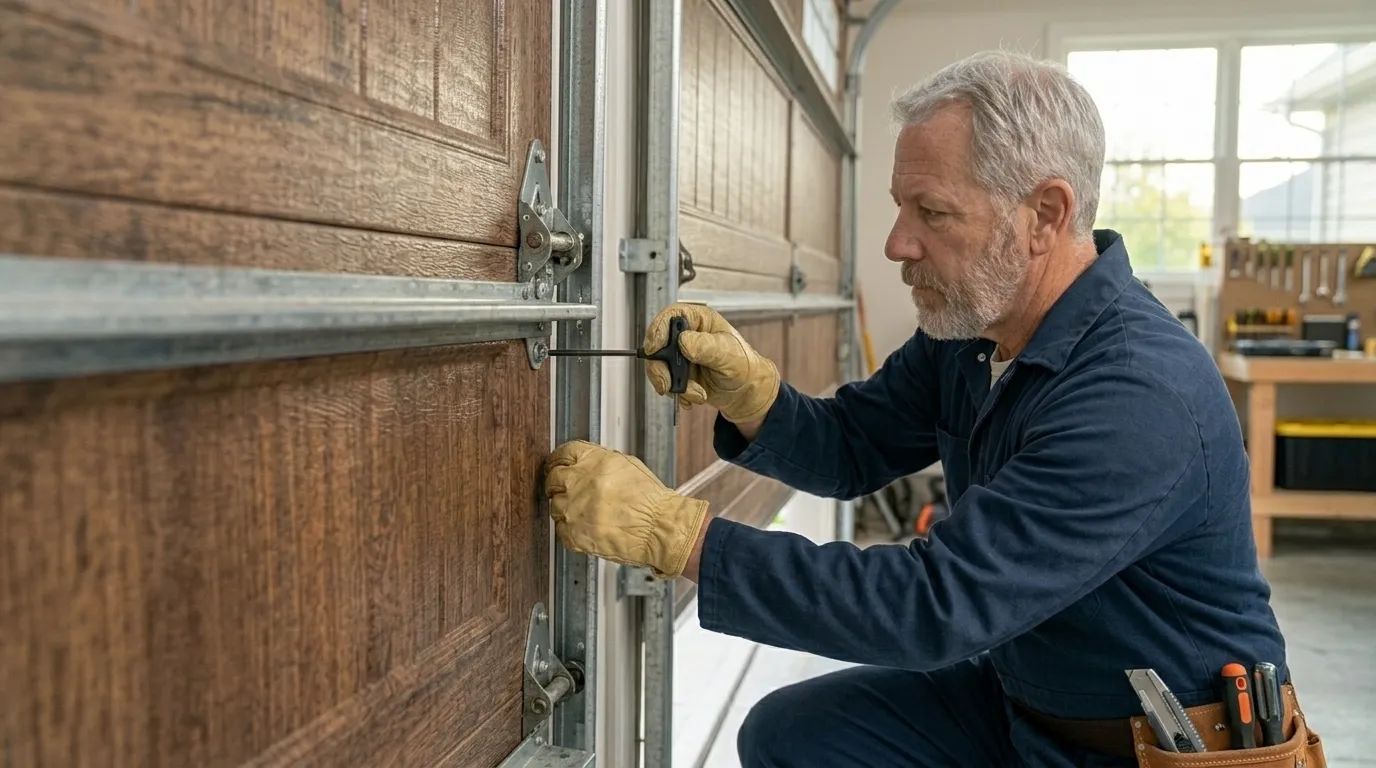
West Little River is a small area as these things go - about 10,256 households, tight and residential, not spread thin like the bigger named areas further out. That size matters for the work: it's mostly single-family garages built around the same year, 1958, which means the fixes we see repeat themselves. A torsion spring dies. A roller seizes in a track that's never been lubed. An opener from a decade or two back finally gives out. The fix itself is standard garage door work - pull the failed part, check the rest of the system for wear, replace what's gone and adjust what's tired. What's different here is what's under the door: original hardware from a build era that predates almost everything Miami has added since, per the region's 1953-2005 housing span with a median around 1976. Fixing a 1958 door means working with brackets and drums that don't match anything on a newer install, so the job starts with figuring out exactly what's actually installed before ordering a part.

Can You Do This Yourself

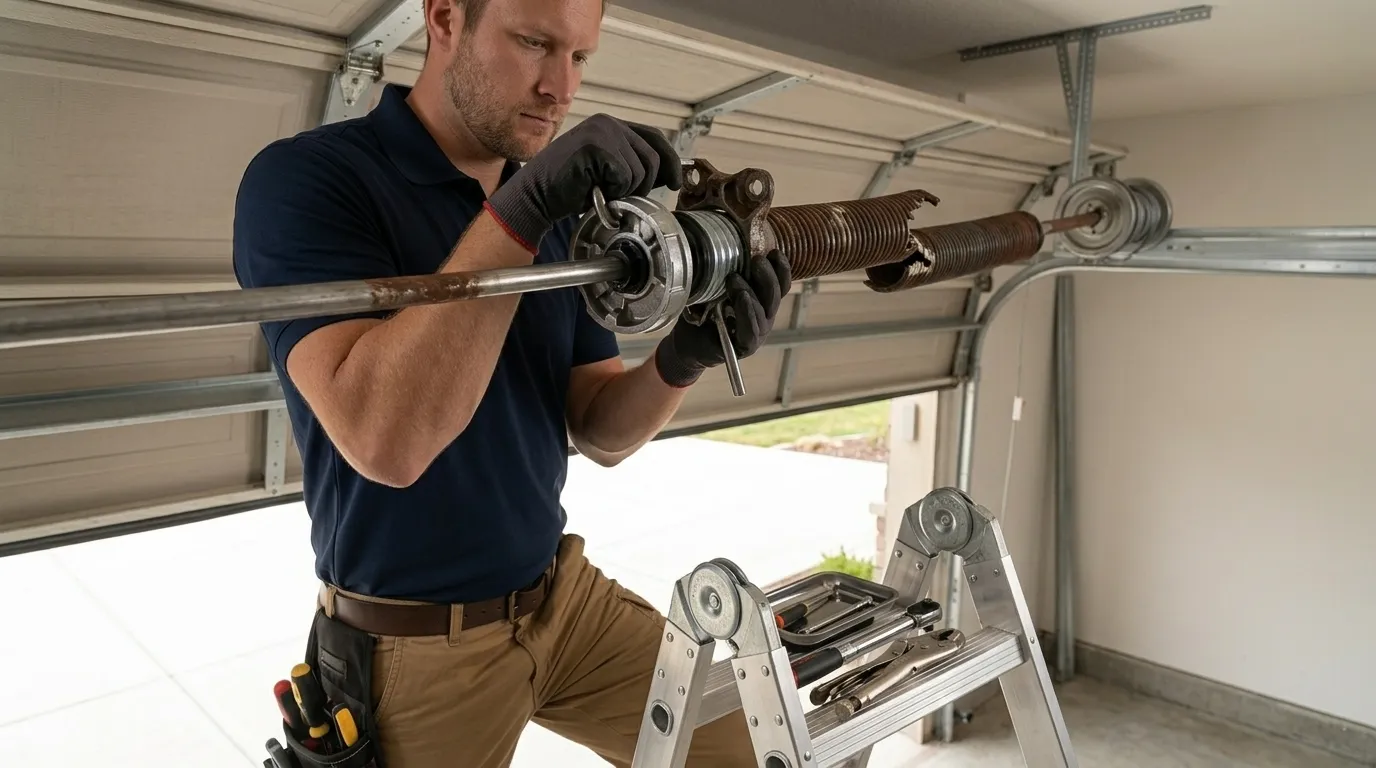
Some of it, yes. Lubricating rollers and hinges, tightening loose hardware, clearing the track of debris - a homeowner can do that safely with the door closed and the opener unplugged. What you shouldn't touch is the torsion spring. On a door this old, the spring and its winding cones may be original or a mismatched replacement from years ago, and the tension stored in that coil can break a wrist or worse if you don't know exactly how it's would supposed to release. Cable work is the same story - one slipped drum under load and the door comes down fast. If the door won't move, or moves crooked, or the spring looks stretched or gapped, that's a call, not a project. We'd rather tell you that now than after.

What Can Go Wrong

On housing from around 1958, the failures cluster around age, not accidents. Torsion springs rated for a certain cycle count simply wear out - nobody logs 65 years of openings, but the spring wears anyway. Track brackets loosen from decades of vibration and shift the whole rail out of true. Openers installed as retrofits on older doors sometimes don't match the door's actual weight, so the motor strains and burns out early. South Florida's mild temperate climate is gentler on doors than a freeze-thaw region would be - no ice splitting seals, no snow load - but humidity still gets into unsealed steel over that many years, and rust at the bottom panel or hinge points is common on original doors that were never replaced. None of this is dramatic. It's just what six-plus decades does to hardware nobody's swapped.

What You Are Seeing

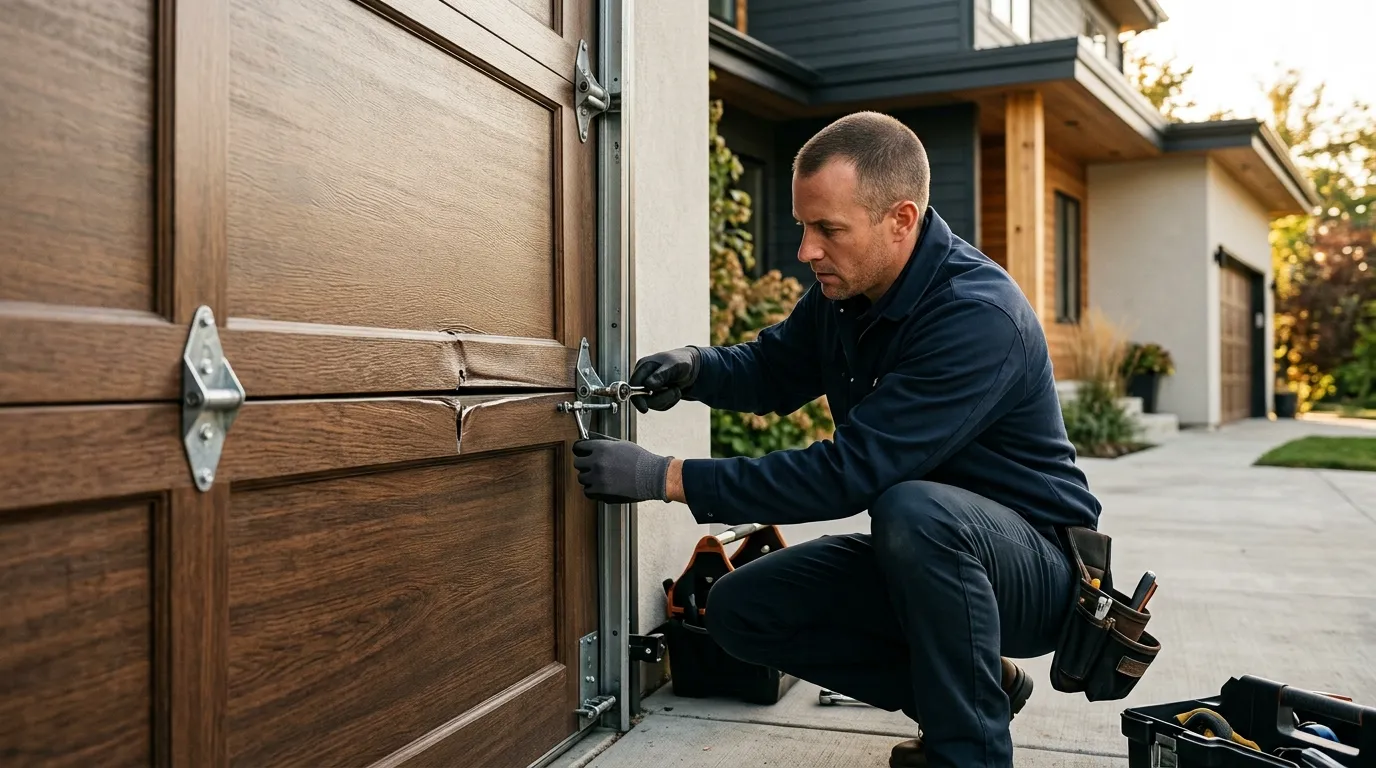
A door that groans or shudders partway up, then stalls - that's usually a spring losing its tension gradually rather than snapping outright. A door that drops fast on the last foot, almost slamming, points to a cable or drum problem, not the opener. If one side of the door looks lower than the other when it's shut, a bracket or track has shifted out of alignment, likely from age rather than a single impact. Grinding or squealing on the way up is rollers that have gone dry or worn down to bare metal. And if the opener runs but the door doesn't move, or moves an inch and reverses, that's the safety sensors or the drive gear, both common failure points on units that have been in service a long time on an older door that's heavier than the motor was sized for.

How Long It Takes

A spring or cable replacement on a standard residential door is usually a same-visit job once the truck is on-site - an hour or two depending on what else turns up once the door's open. Track realignment can run longer if the bracket itself needs replacing rather than just adjusting. We travel from Miami, about 6 miles to reach West Little River, so timing on any given day depends on the route and what's ahead of the job, not on distance alone - 6 miles isn't far, but it's not a same-block callout either. We won't quote a response window here because we don't run a depot in West Little River itself; we come from Miami for every job.

What Is on the Truck

Standard stock: torsion springs in common sizes, replacement cables and drums, rollers in steel and nylon, hinges, and track sections for straight-run repairs. What's harder to stock is a bracket or drum built to match a genuinely original 1958 setup - some of those parts were phased out of production decades ago, and if the door's never been touched, we may need to source or fabricate a fit rather than pull it off the shelf. That's the honest limitation: we carry what covers most jobs, but a fully original door sometimes means a second trip once we've confirmed exactly what's installed. Better that than force a part that's close but wrong.
How it works

From “it’s stuck” to “it’s fixed”

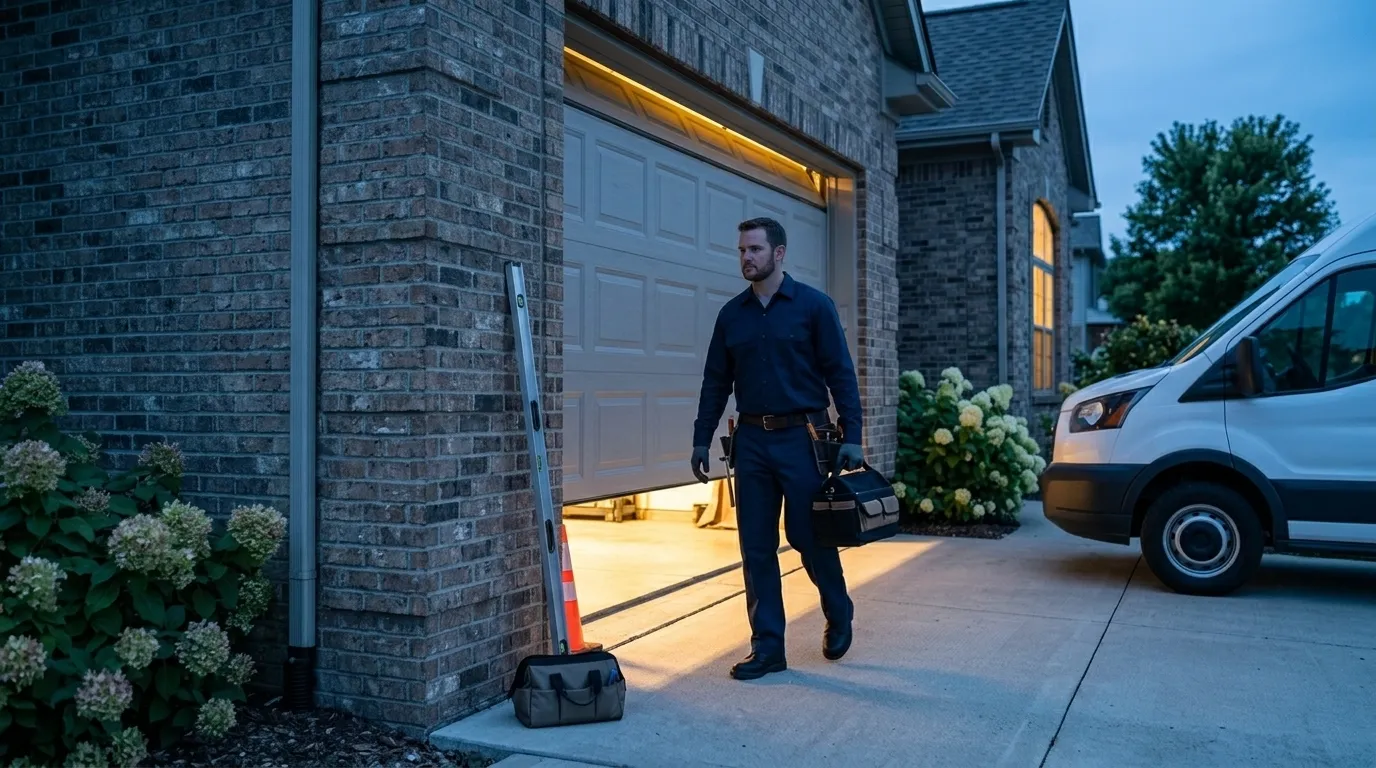
Tell us what’s wrong - Miami garage door service

Tell us what’s wrong

Describe the symptom - won’t open, loud bang, opener runs but the door won’t move.

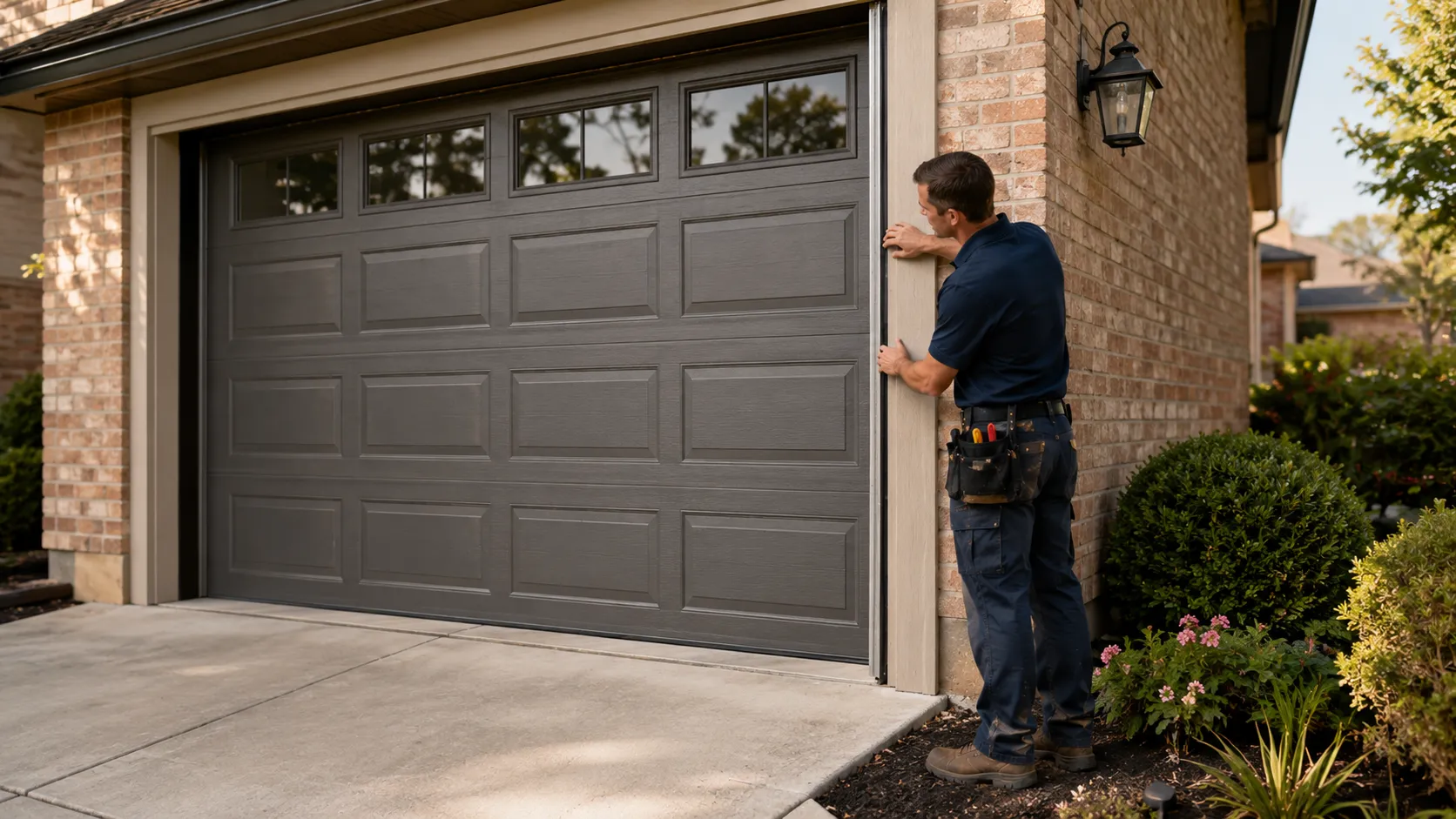
On-site diagnosis - Miami garage door service

On-site diagnosis

A technician tests the door under power and by hand and finds what actually failed.

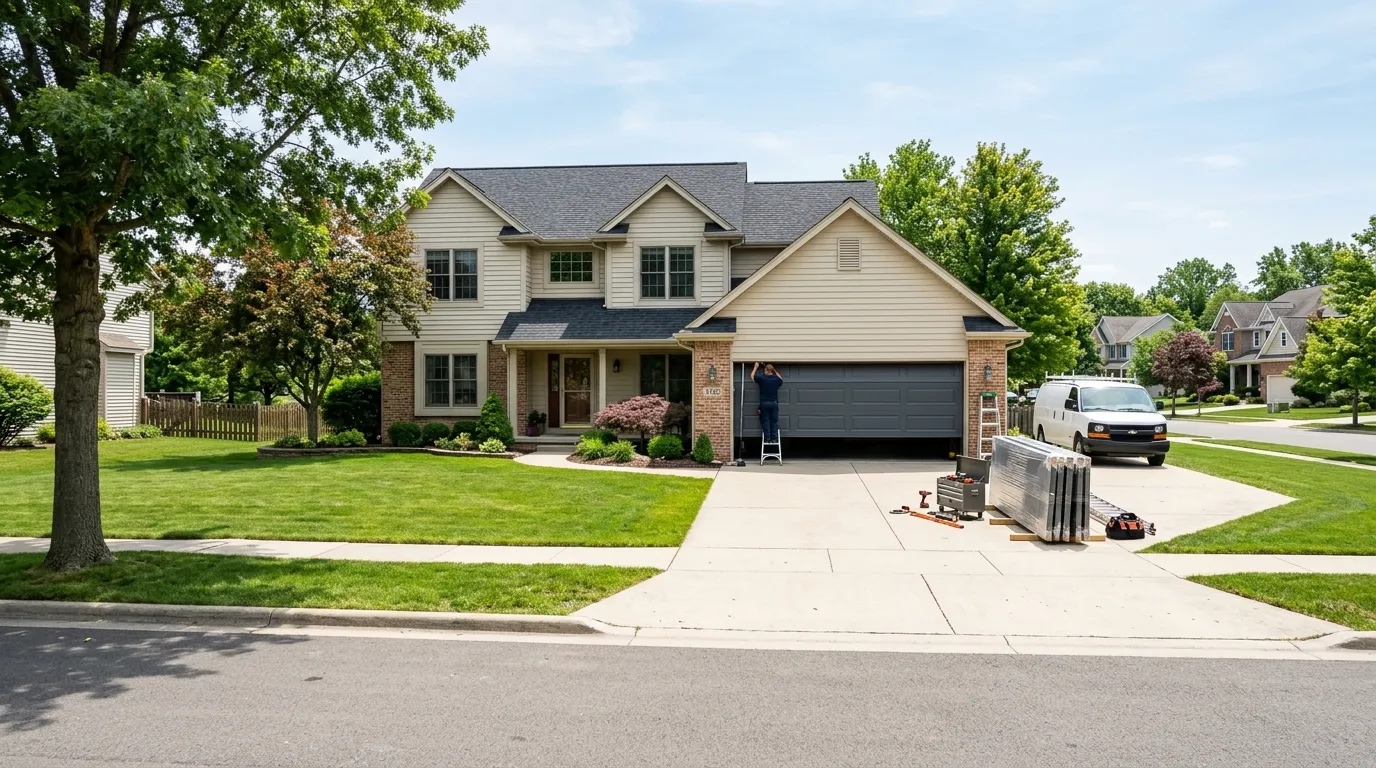
Clear, up-front plan - Miami garage door service

Clear, up-front plan

You get the fix that’s needed and what drives the cost - before any work starts.

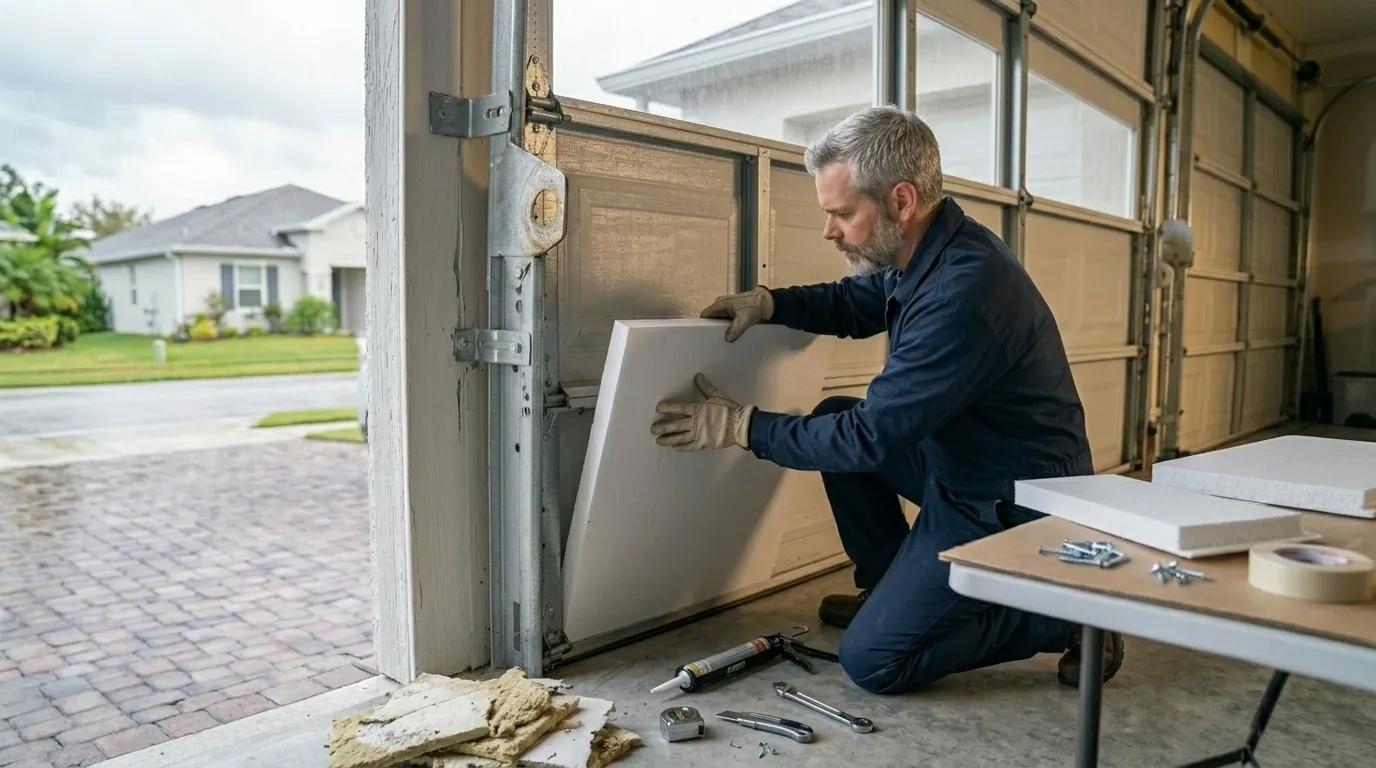
Repaired & tested - Miami garage door service

Repaired & tested

The repair is done, the door is set true and tested, and the work area left clean.

Next step

Serving Miami, FL - tell us what your door’s doing and we’ll take it from there.

How we work

What to expect

Diagnosis firstEvery visit starts by finding what actually failed - not a pre-written parts list.
The right part for the doorSprings and openers matched to the door’s weight and age, so the fix holds up.
Straight answersWhen a repair makes more sense than a replacement - or the reverse - you hear it plainly.
Clean, careful workTension released safely, hardware set true, the door tested under power before we leave.
487,014Residents in Miami
8Garage door services
8Neighborhoods & suburbs
FLServing Miami, FL
Questions

Frequently asked

Straight answers about garage door repair in Miami. Still unsure? Ask us directly.

Why does a house built in 1958 need different garage door parts than a newer one?

Hardware sizing and mounting styles changed over the decades. A door and track built for a 1958 house often uses bracket spacing, drum sizes, or spring specs that don't match what's sold as standard today, so a repair on original equipment sometimes takes more diagnosis before we can order the right part.

Do you have a branch in West Little River?

No. We work out of Miami and travel about 6 miles to reach West Little River for service calls. There's no local depot here, so scheduling depends on the day's route, not proximity.

Does Miami's mild climate mean less garage door wear here?

It means fewer of the freeze-related failures other regions deal with, but not none. Humidity still corrodes unsealed steel over decades, and on housing from the late 1950s that adds up even without hard weather to blame.

Is it worth fixing an original 1958 garage door instead of replacing it?

Depends on what's actually failed. A worn spring or cable is a straightforward repair. But if the track or panel is rusted through or the bracket mounts are failing, replacement usually costs less over time than chasing repeated fixes on hardware that old.

Ready to get your garage door sorted?

Tell us what it’s doing and where you are in Miami - we’ll take it from there.

Request a QuoteCall