
Serving Miami, FL & nearby
(786) 358-3031
Miami, FL

Cable Repair for Coral Gables' 1960s Garage Doors

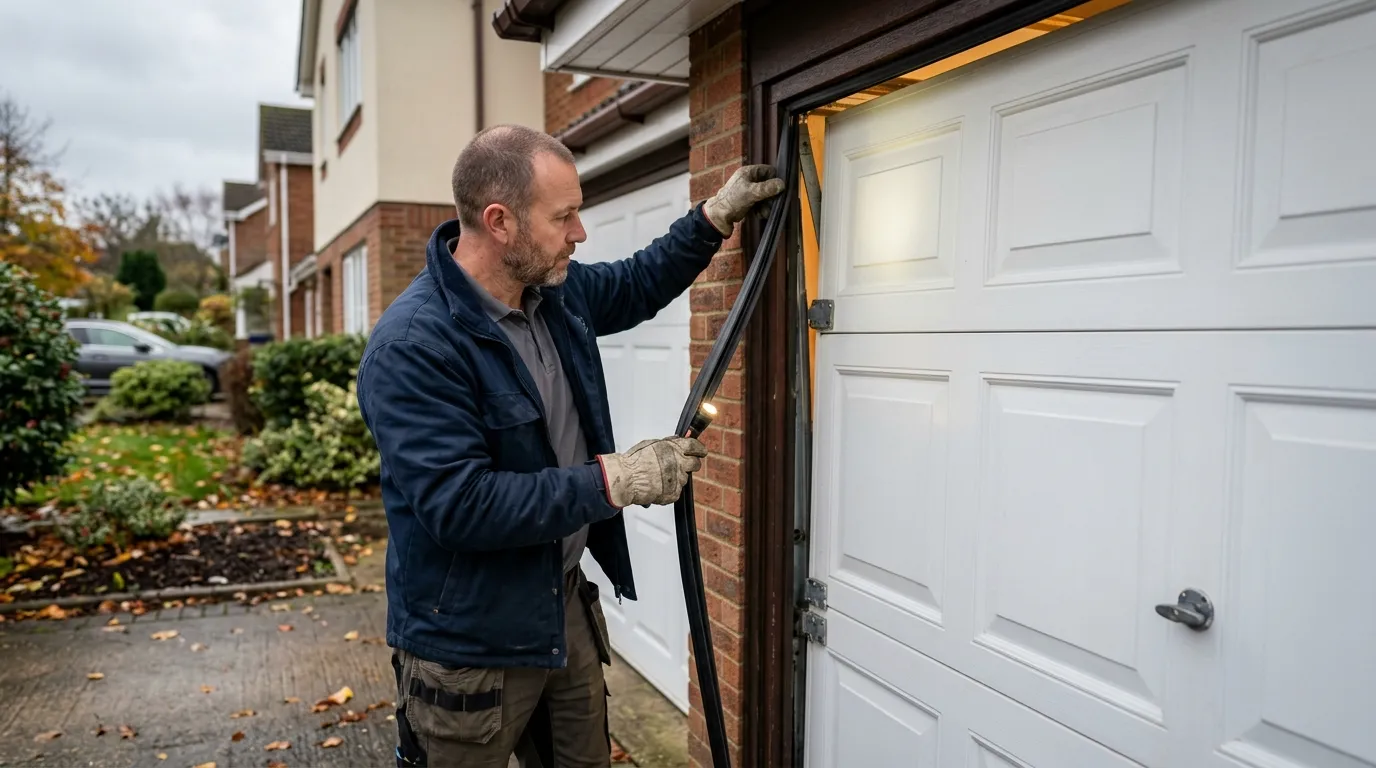
Cable repair for Coral Gables homes built around 1968, where extension-spring cables and pulley drums are still common on original two-car doors.

Cable Repair for Coral Gables' 1960s Garage Doors
Miami, FL
8 services
8 service areas
Diagnosis first, then the fix

How Long It Takes

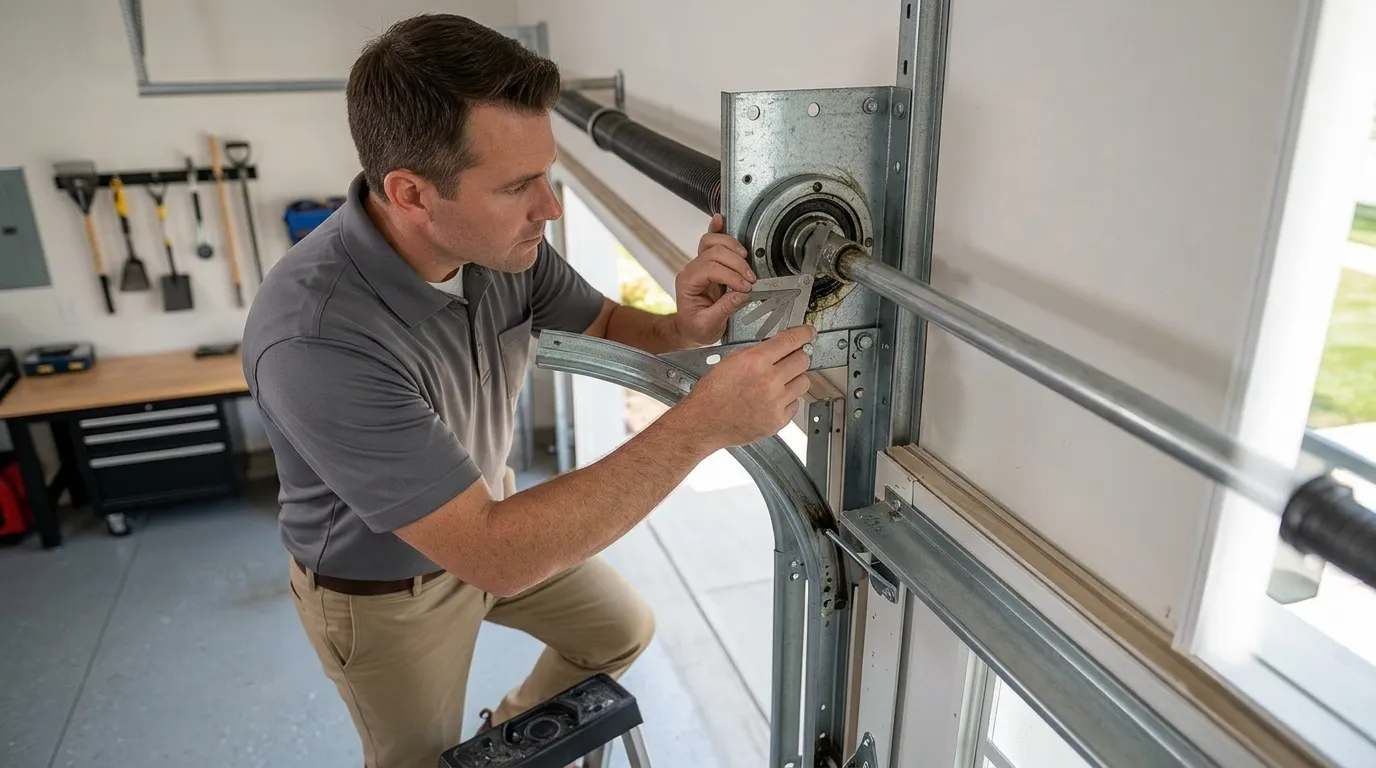
A snapped lift cable on a two-car door is usually a same-visit fix once the truck is on site - the job is mechanical, not electrical, and the parts are small. What adds time in Coral Gables specifically is the drive out: we cover this area from Miami, about 7 miles east, so factor that into when you call rather than when the wrench actually turns. On homes with the original 1968-era hardware, we also budget extra minutes to inspect the drum and pulley the cable rode on, because a cable rarely breaks on its own - something wore it first, and replacing the cable without checking the drum just buys you a second call. If both cables on a double door need replacing (which is the safer move when one has already gone), plan on the visit running longer than a single-cable job on a lighter one-car door.

What Is on the Truck

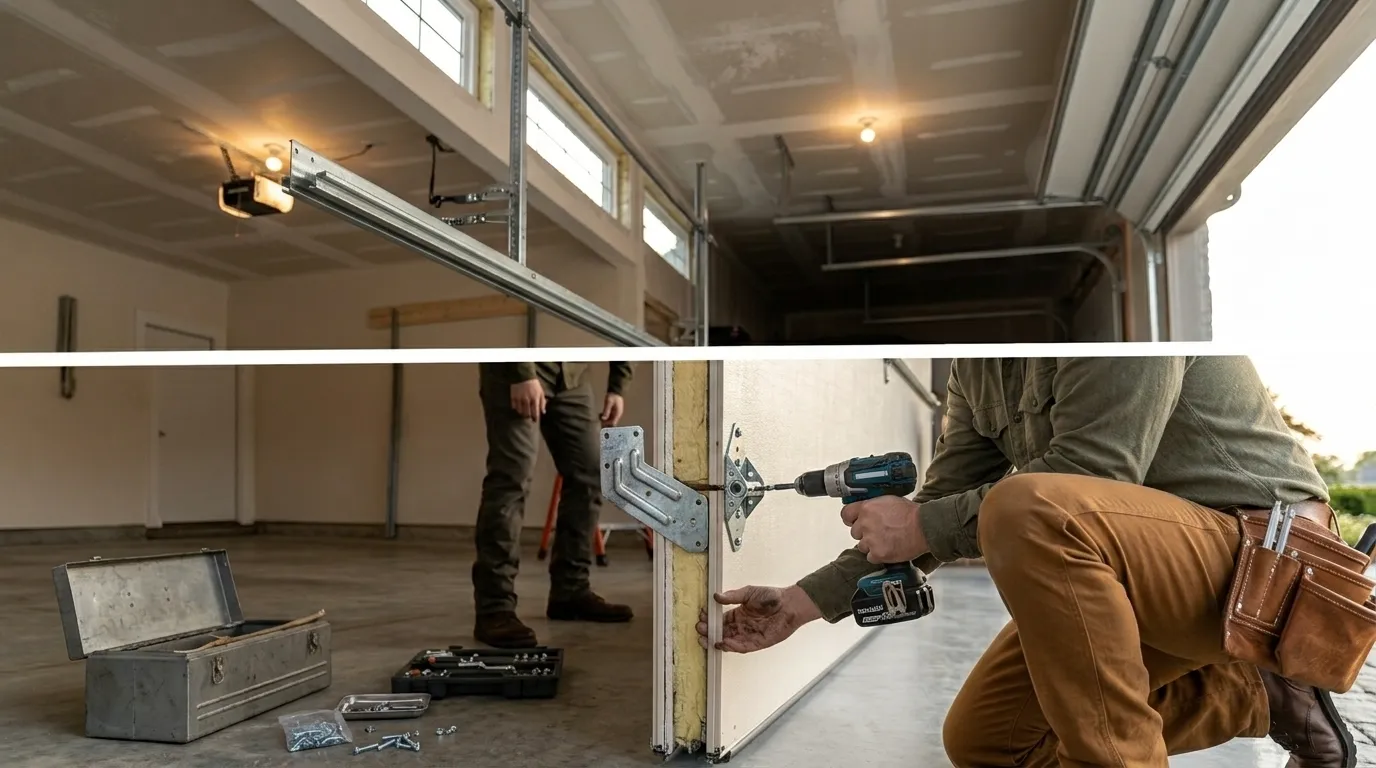
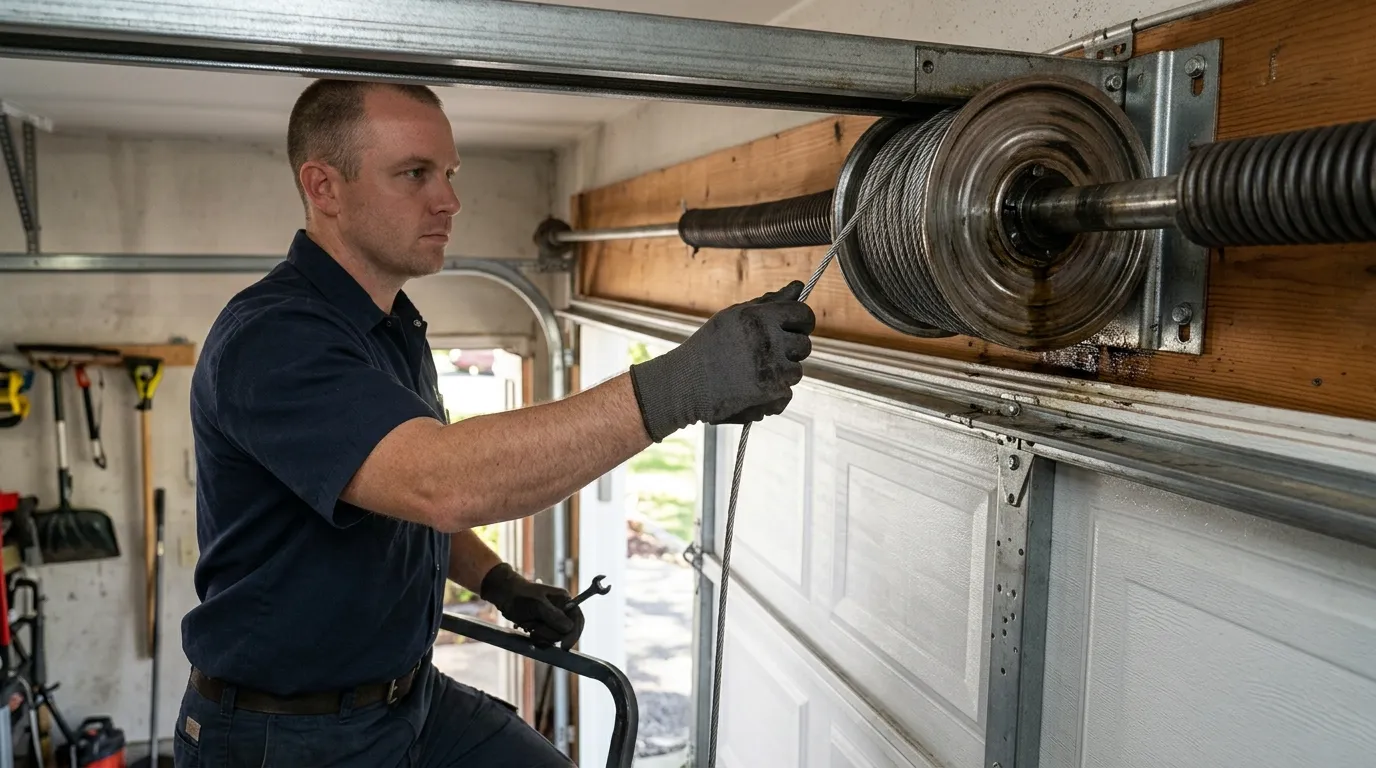
For cable work we carry lift cables in the lengths that match extension-spring doors from the 1960s-70s building wave, not just the torsion-drum cable sized for newer construction - that distinction matters here because Coral Gables' housing stock centers on 1968, well ahead of the torsion-spring era that became standard on most new residential doors later. We stock pulleys, cable drums, and the S-hooks and safety cables that pair with extension springs, along with the sectional door rollers that tend to wear out on the same schedule as the cables on a door this age. What we don't carry as a stock item is a match for a custom or imported door track - if your house has had a specialty door installed since 1968, we may need to order that part, and we'll tell you that on site rather than pretend otherwise.

What Can Go Wrong

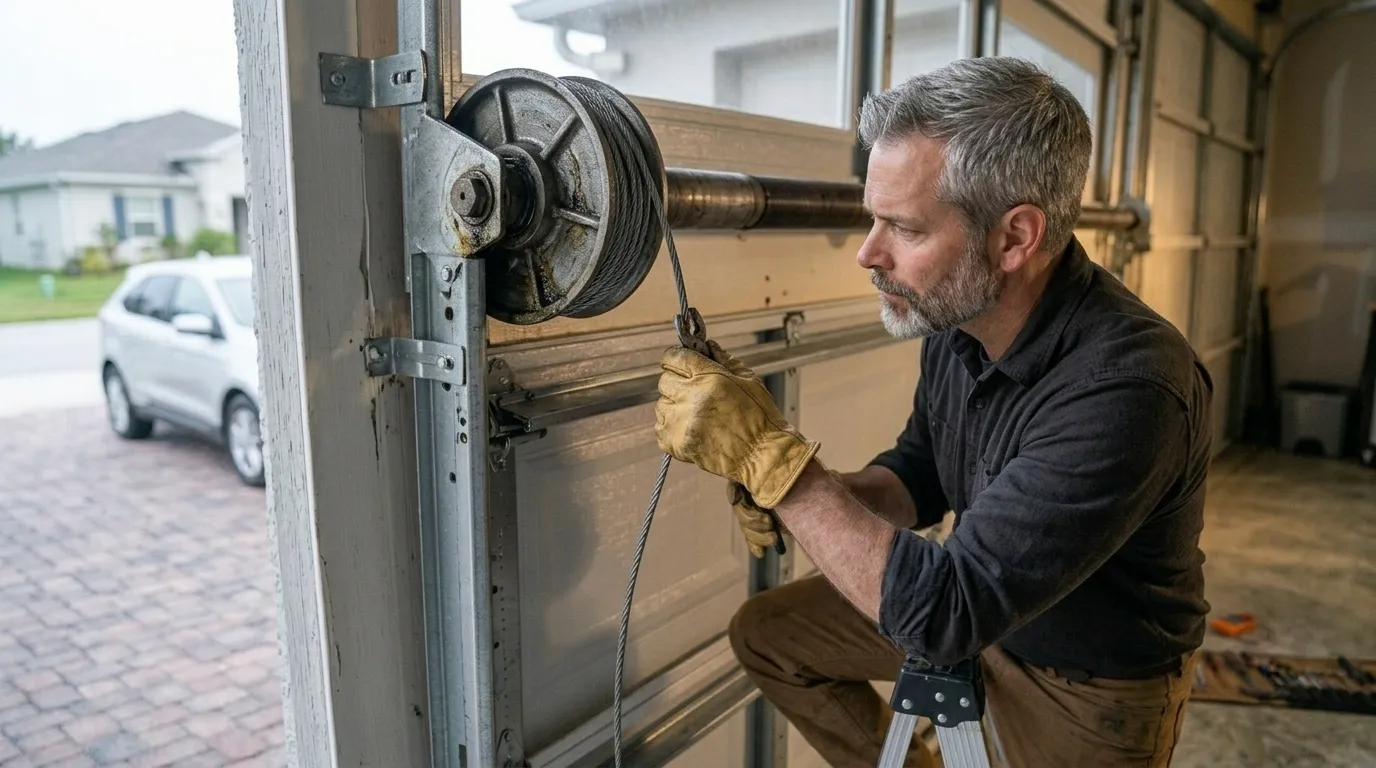
On a door running extension springs and side cables, the failure usually starts at the pulley, not the cable itself. The cable rides in a groove, and once that groove wears unevenly or the pulley bearing seizes, the cable starts fraying against metal that's no longer moving with it. Left alone, that frayed cable eventually lets go - often when the door is halfway up, and often on the same side twice because the person only replaced the cable and not the pulley that chewed through it the first time. A second common failure on 1968-era doors is the safety cable being missing entirely; a lot of these installs predate the hardware code changes that make it standard practice now. We treat that as something to fix while we're in there, not something to leave for later.

Why This Fails Locally

Coral Gables' housing runs older than a lot of the newer subdivisions further out in the service area - median build year here sits around 1968, which puts most original garage doors on extension springs with side-mounted cables and pulleys rather than the torsion-drum cable setup that's more common on doors installed in the last couple of decades. That older hardware simply has more wear points: two pulleys, two cables, springs stretching along the horizontal track instead of sitting compressed on a shaft. Add South Florida's mild but humid year-round climate, and the steel in an original 1968 pulley or cable has had roughly five and a half decades of exposure without ever seeing a true hard freeze to slow corrosion - it just wears steadily instead. None of that means the door is due for replacement on age alone, but it does mean a cable failure here is more likely to trace back to a corroded pulley than to a single bad cable.

Can You Do This Yourself

Don't. A lift cable on an extension-spring door is under tension the whole time the door is closed, and disconnecting it wrong can let a spring snap forward with enough force to break a hand or worse. If a cable has already broken and the door is stuck, the safe move is to leave the door where it is, unplug or disengage the opener so nobody tries to run it, and call for the repair rather than climb up to inspect the pulley yourself. The one thing you can safely do is look - from the ground, with the door closed, check whether a cable is visibly frayed or a spring is stretched unevenly on one side compared to the other. That tells us what to bring before we even arrive, which is useful, but it's the extent of what should happen without a torsion bar and winding bars in hand.

What You Are Seeing

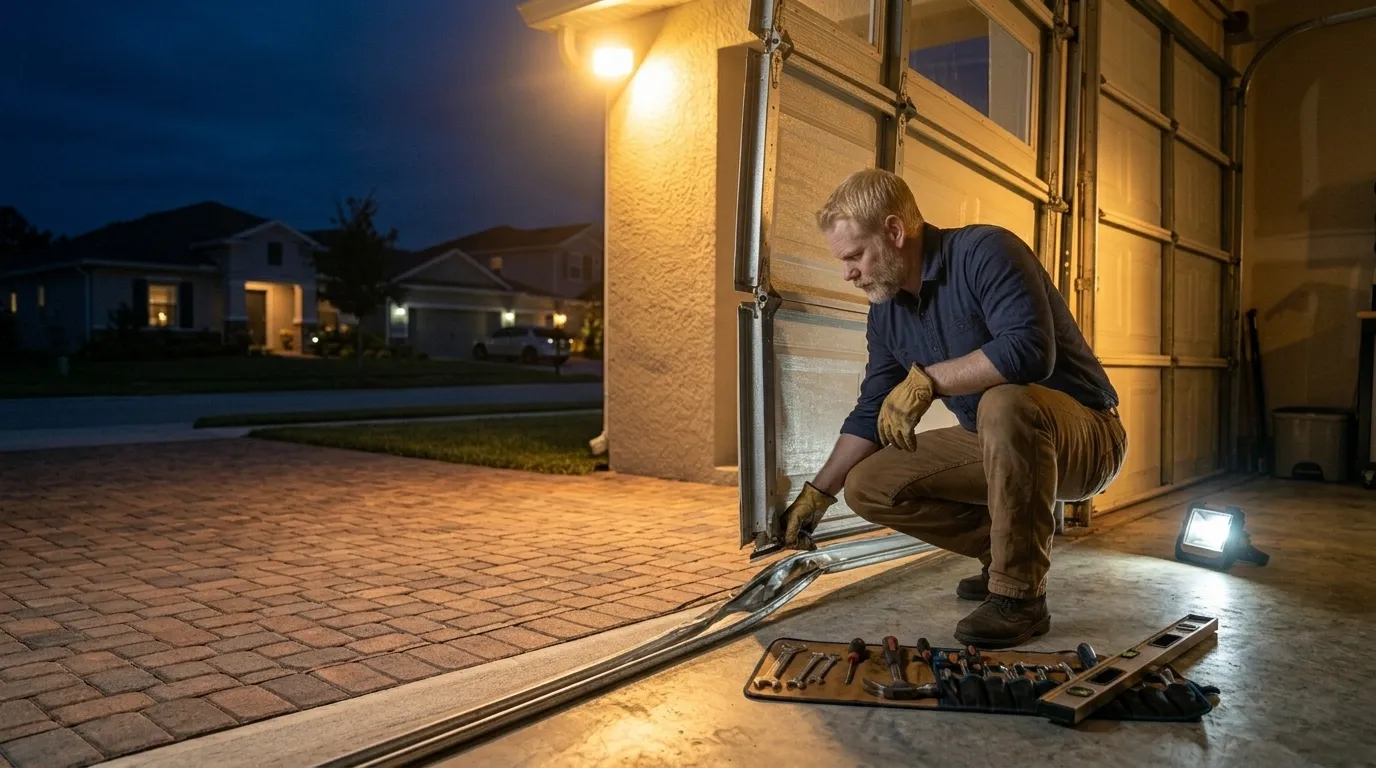
If the door drops unevenly, jerks partway up, or one corner sags lower than the other when it's closed, that's usually a cable or pulley problem, not the opener. A door that reverses itself right after the opener starts pulling is often a cable that's slipped its drum or pulley groove rather than a motor issue - the opener is doing its job and sensing resistance it wasn't built to fight. If you hear a loud bang followed by the door refusing to move at all, that's consistent with a cable or spring letting go outright, and it's the point where you stop trying to force the door and call. On a 1968-built house in Coral Gables, we'd rather see the frayed cable before it breaks than after, so if a garage door here has started sounding rougher than it used to, that's worth a look before it becomes a stuck door.

How it works

From “it’s stuck” to “it’s fixed”

Tell us what’s wrong - Miami garage door service

Tell us what’s wrong

Describe the symptom - won’t open, loud bang, opener runs but the door won’t move.

On-site diagnosis - Miami garage door service

On-site diagnosis

A technician tests the door under power and by hand and finds what actually failed.

Clear, up-front plan - Miami garage door service

Clear, up-front plan

You get the fix that’s needed and what drives the cost - before any work starts.

Repaired & tested - Miami garage door service

Repaired & tested

The repair is done, the door is set true and tested, and the work area left clean.

Next step

Serving Miami, FL - tell us what your door’s doing and we’ll take it from there.

How we work

What to expect

Diagnosis firstEvery visit starts by finding what actually failed - not a pre-written parts list.
The right part for the doorSprings and openers matched to the door’s weight and age, so the fix holds up.
Straight answersWhen a repair makes more sense than a replacement - or the reverse - you hear it plainly.
Clean, careful workTension released safely, hardware set true, the door tested under power before we leave.
487,014Residents in Miami
8Garage door services
8Neighborhoods & suburbs
FLServing Miami, FL
Questions

Frequently asked

Straight answers about garage door repair in Miami. Still unsure? Ask us directly.

Is a broken cable the same repair as a broken spring?

No, though they're related. The spring stores the force that lifts the door; the cable transmits that force to the door itself. A broken cable on a door with intact springs is usually a contained repair. If the spring goes at the same time, or if a worn pulley caused the cable to fail, the job gets bigger - that's why we inspect the whole lift assembly, not just the cable.

Why did my cable snap when the door is only a few years newer than the house?

Cables and pulleys wear from cycling, not calendar age. A door built around 1968 that's been opened and closed daily for decades puts far more wear on the original hardware than a newer replacement door sees in a few years. If the surrounding pulley or drum is original too, it's often the real reason a cable finally lets go.

Do you carry parts for older extension-spring doors on the truck?

Yes - cables, pulleys, and drums sized for the extension-spring setups common on houses built through the 1960s and 70s are stock items on our truck, since that hardware is still common across the areas we cover from Miami, including Coral Gables.

Ready to get your garage door sorted?

Tell us what it’s doing and where you are in Miami - we’ll take it from there.

Request a QuoteCall