
What Is on the Truck
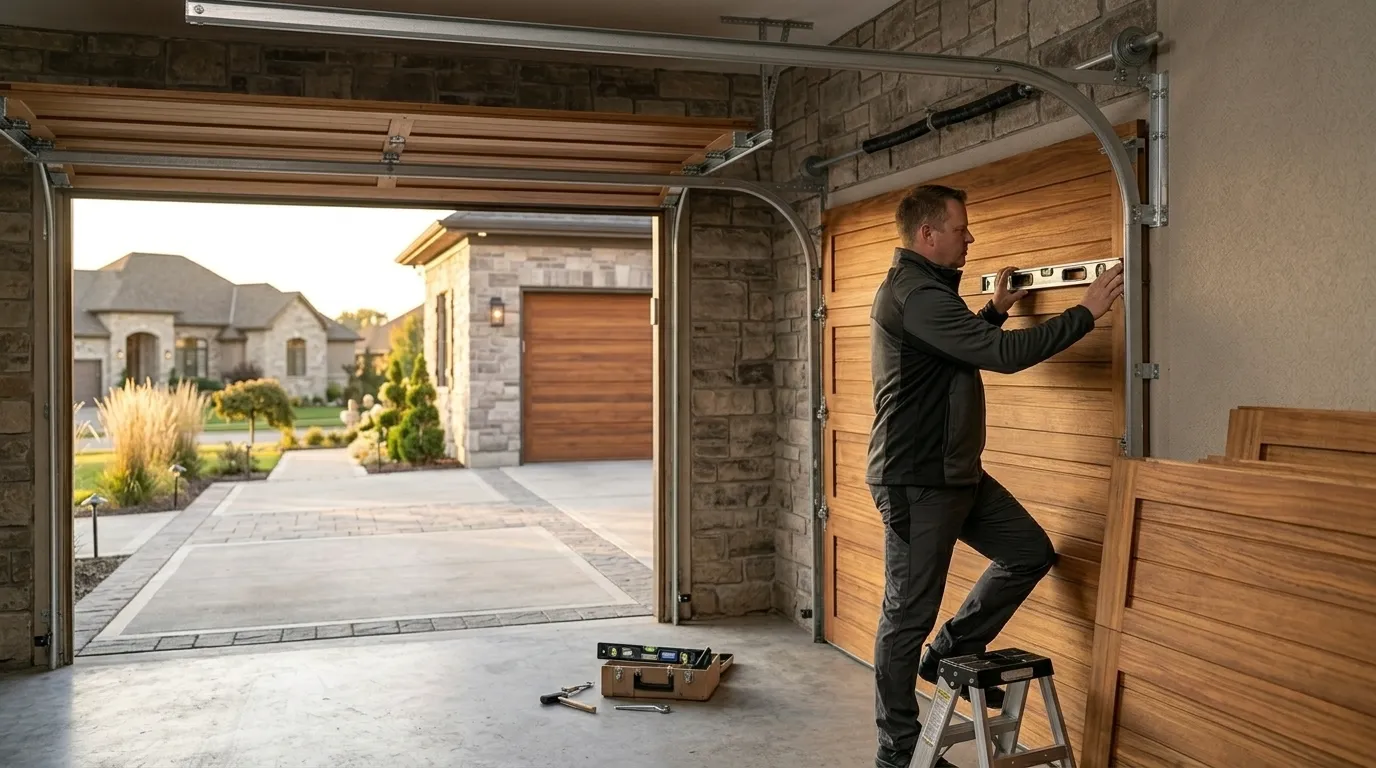
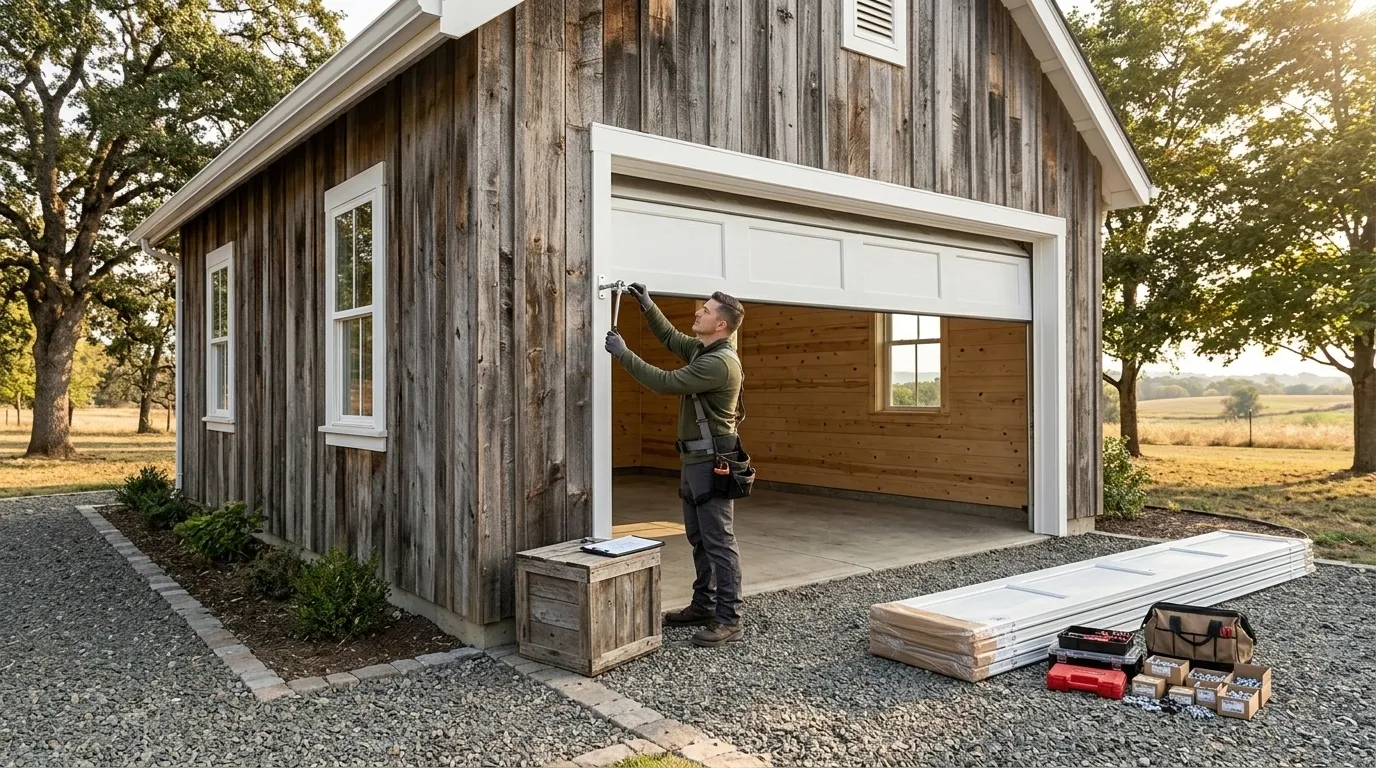
For a neighborhood built mostly around 1968, we carry parts sized for that era: extension springs in the lengths that fit older low-headroom track, plus the torsion conversion kits we use when a homeowner wants off the extension system for good. We stock a range of galvanized cable and drum sets, since Coral Gables' age of housing means more original hardware still in place than you'd find in a subdivision built in the 2000s. We also carry standard steel replacement panels for the wood and wood-composite doors that were common on higher-end builds from this period - those don't always match, and we'll say so before we order anything custom. Opener boards and logic circuits for older chain-drive units round out what's on the truck, since a lot of these homes still run openers original to a 1970s or 1980s install.
What Can Go Wrong
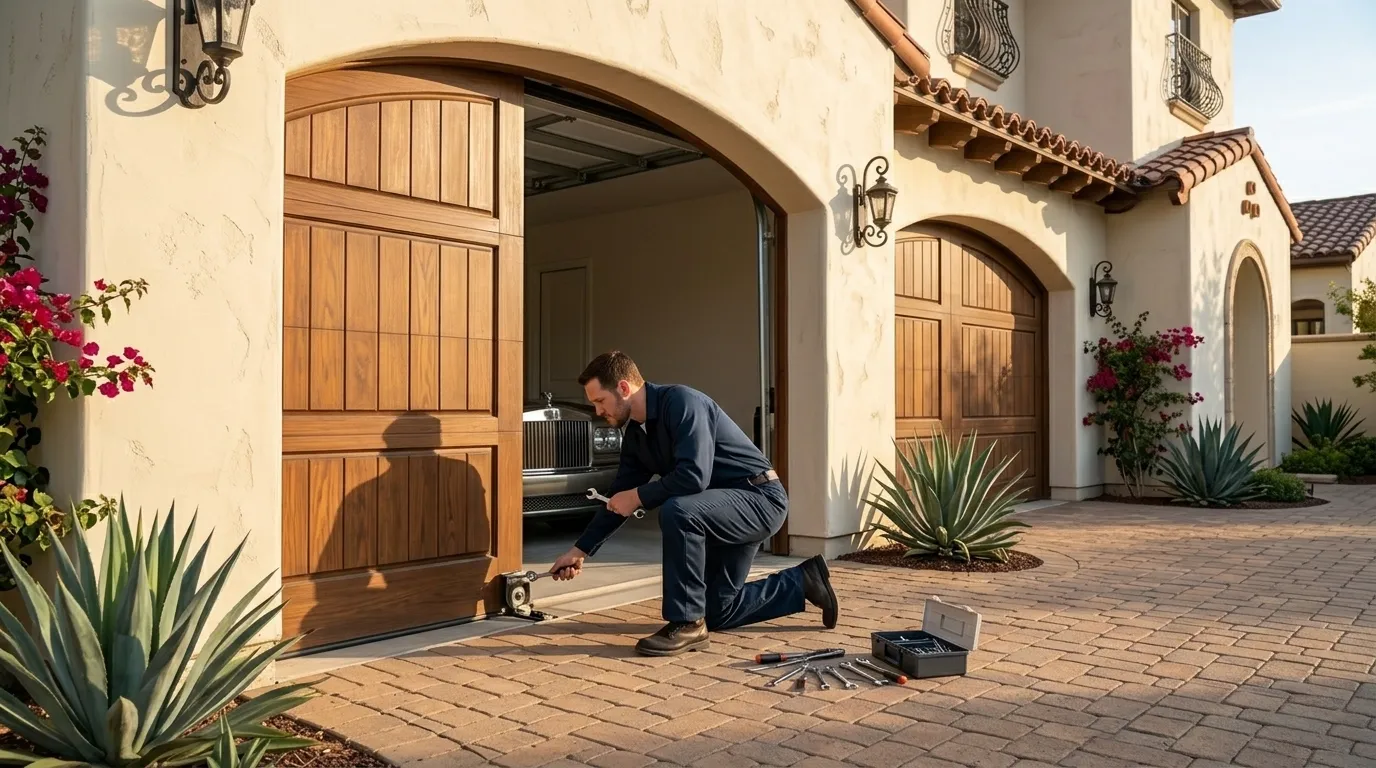
On a door built to 1968 specs, the most common failure is a snapped extension spring pulling loose from a rusted pulley bracket - a setup that's been phased out of new construction for decades but is still common here. Second most common: a torsion spring installed later as a retrofit but sized for a lighter door than the one actually mounted, which shortens its life to a fraction of what it should be. We also see cable fraying where the drum was never upgraded when the door itself was replaced at some point over the decades, and rollers seized in track that's slightly out of true because the frame has settled since the house went up. None of this is dramatic, but it adds up to more moving-part failures per service call than we'd see on a door installed in the last fifteen years.
Can You Do This Yourself
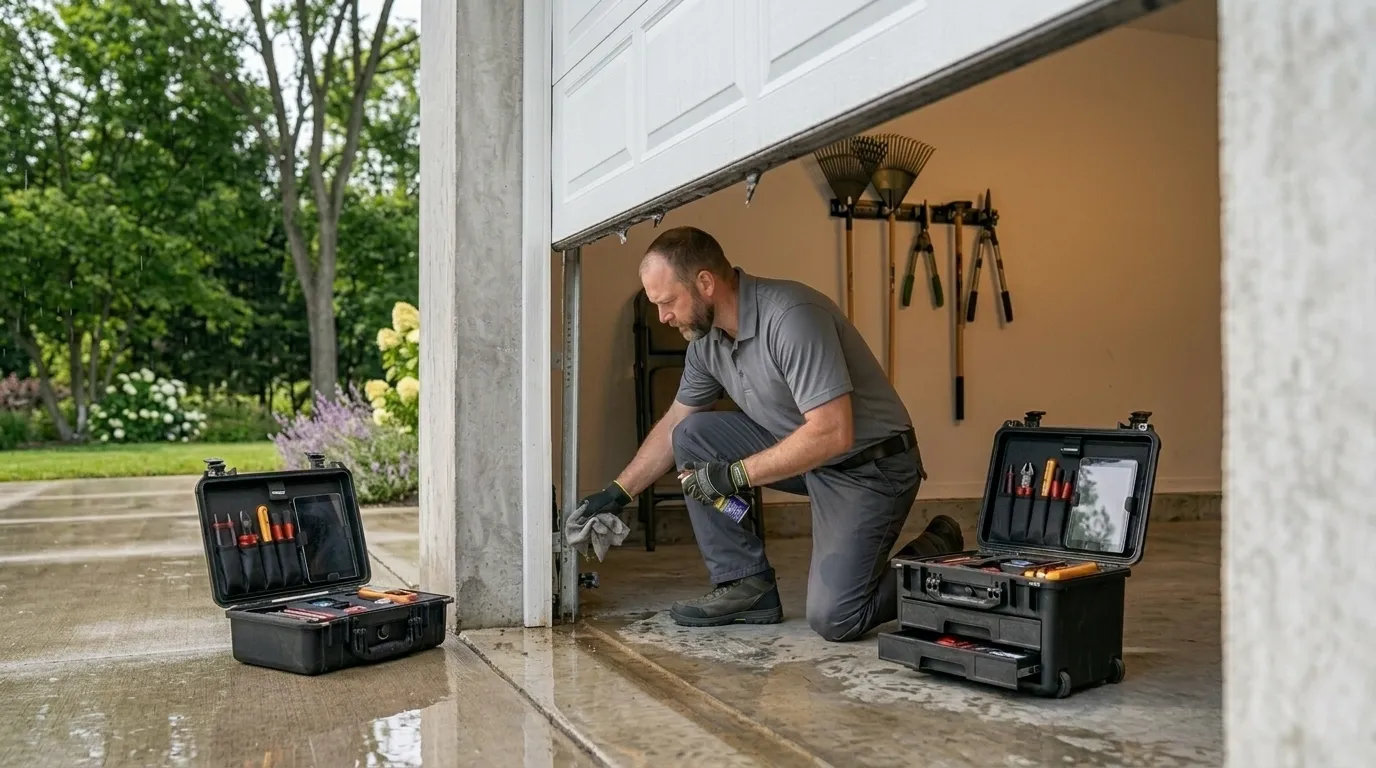
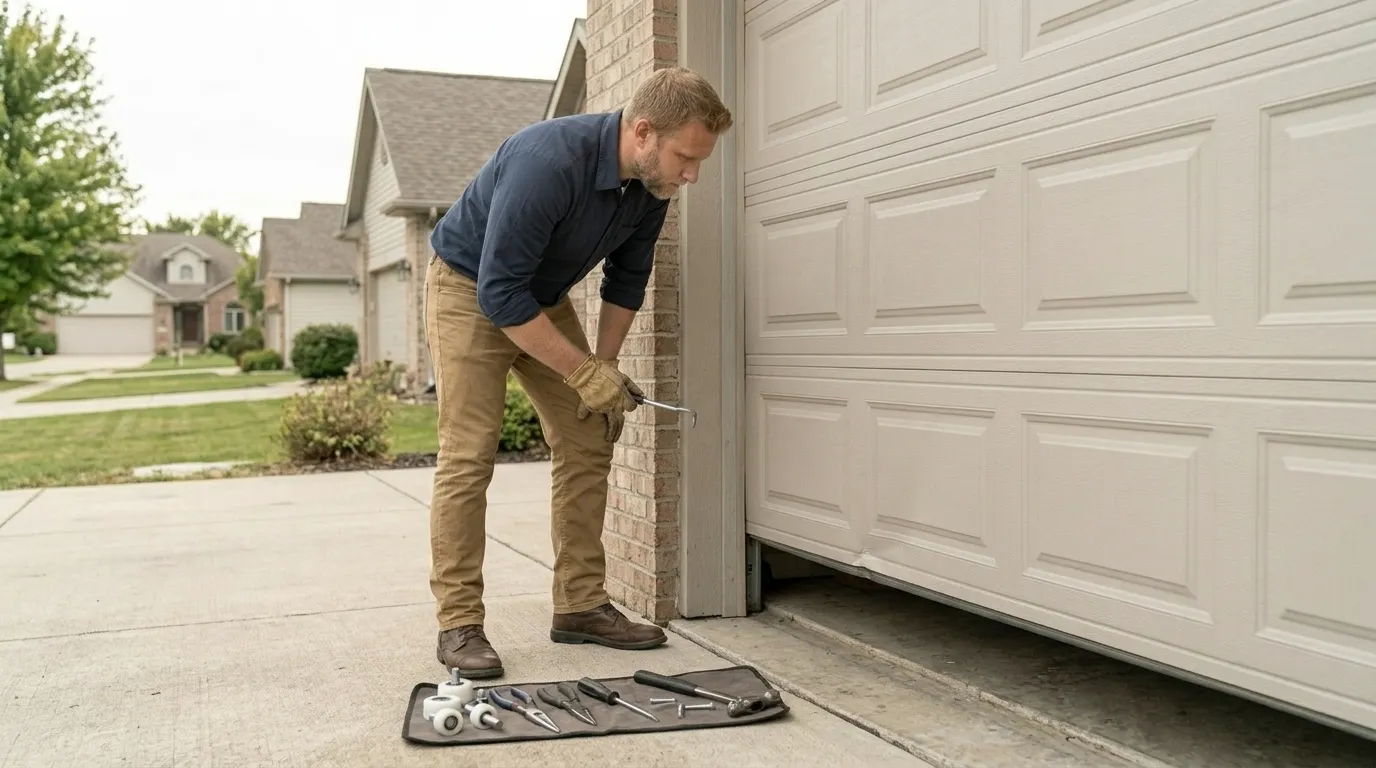
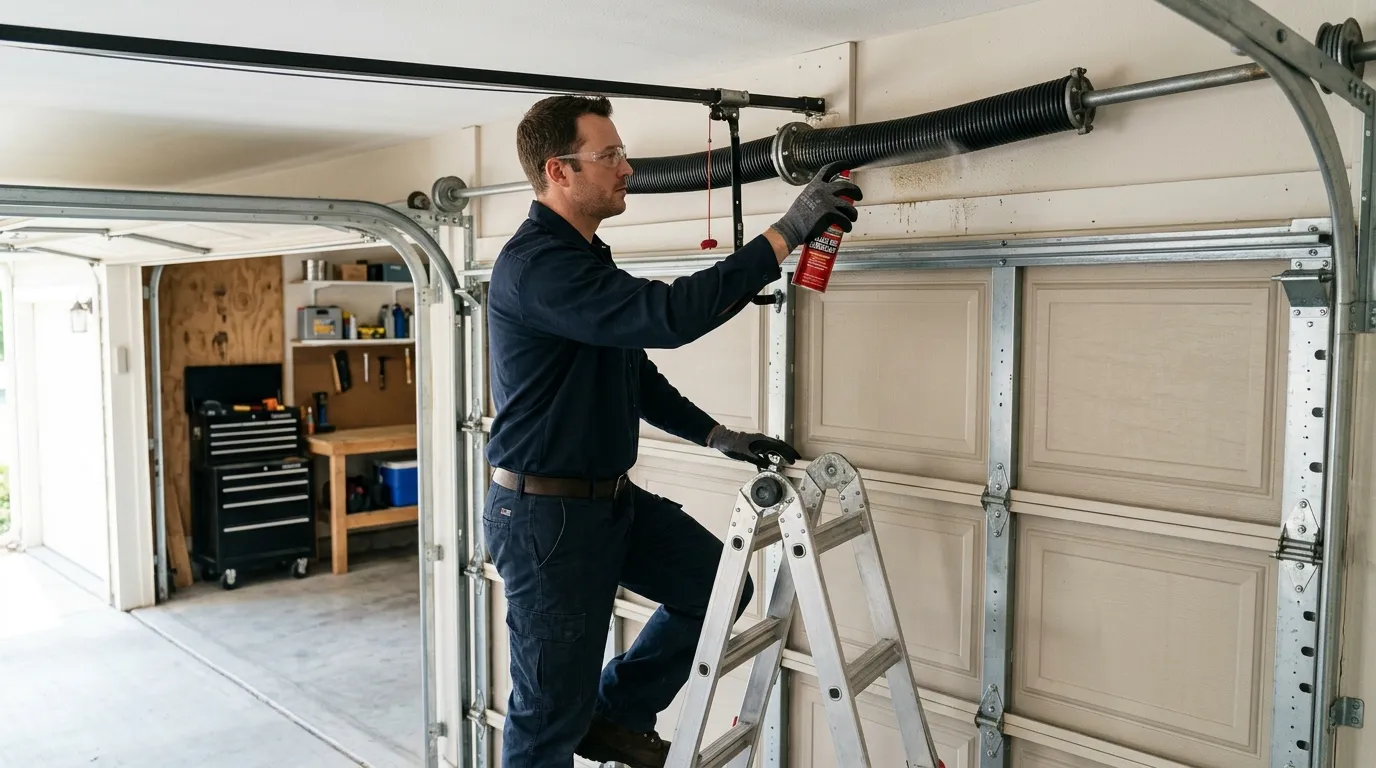
Swapping a broken extension spring on an older door is not a beginner repair - the wound-up spring under tension can put you in the hospital, and on a heavier wood-panel door from this era the load is higher than on a standard steel one. Lubricating hinges and rollers, tightening loose track bolts, and clearing debris from the bottom seal are all fine to do yourself and worth doing regularly. Testing balance - lifting the door halfway and seeing if it holds - is also safe and tells you a lot before you call anyone. Anything involving the spring, the cable, or the drum on a door this old, leave alone. If a wood panel has swollen or rotted, that's a replacement conversation, not a repair we'd try to talk you out of avoiding.
What You Are Seeing
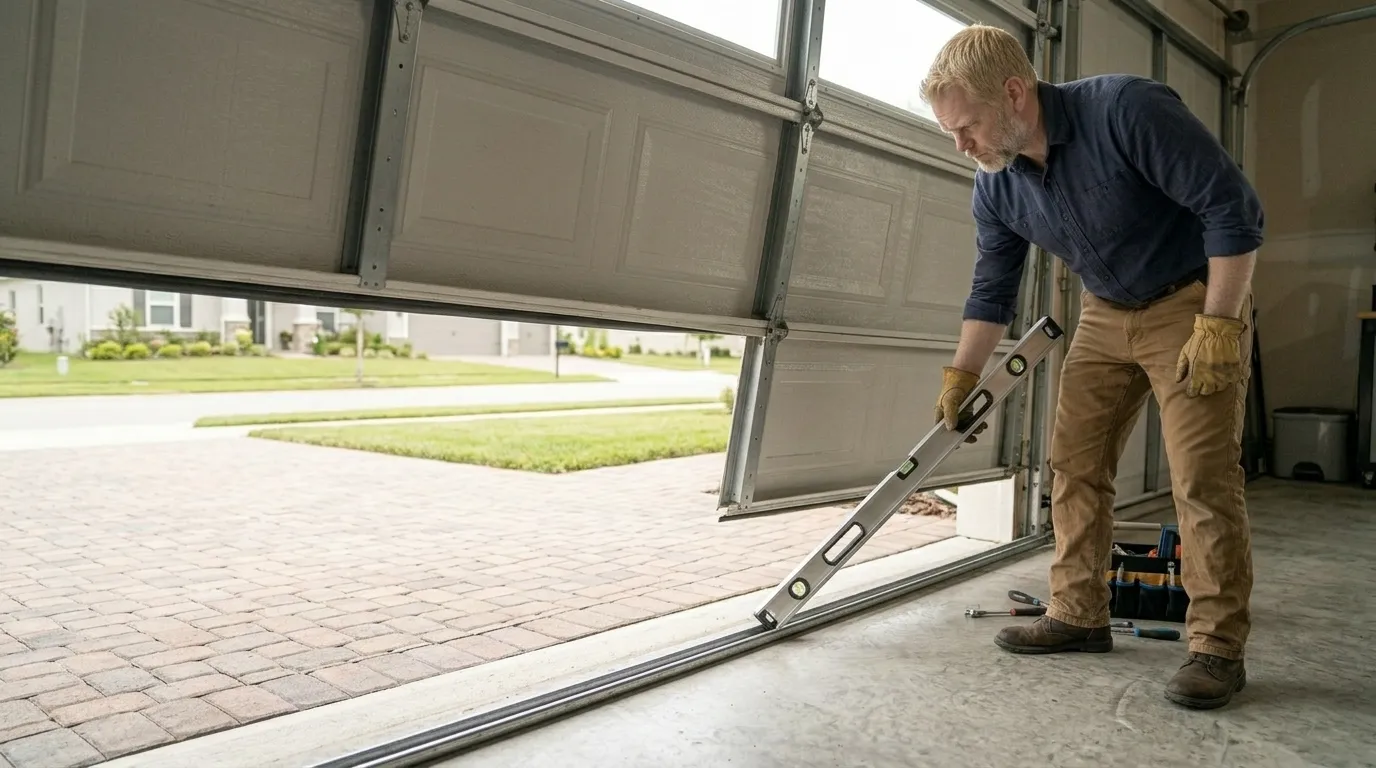
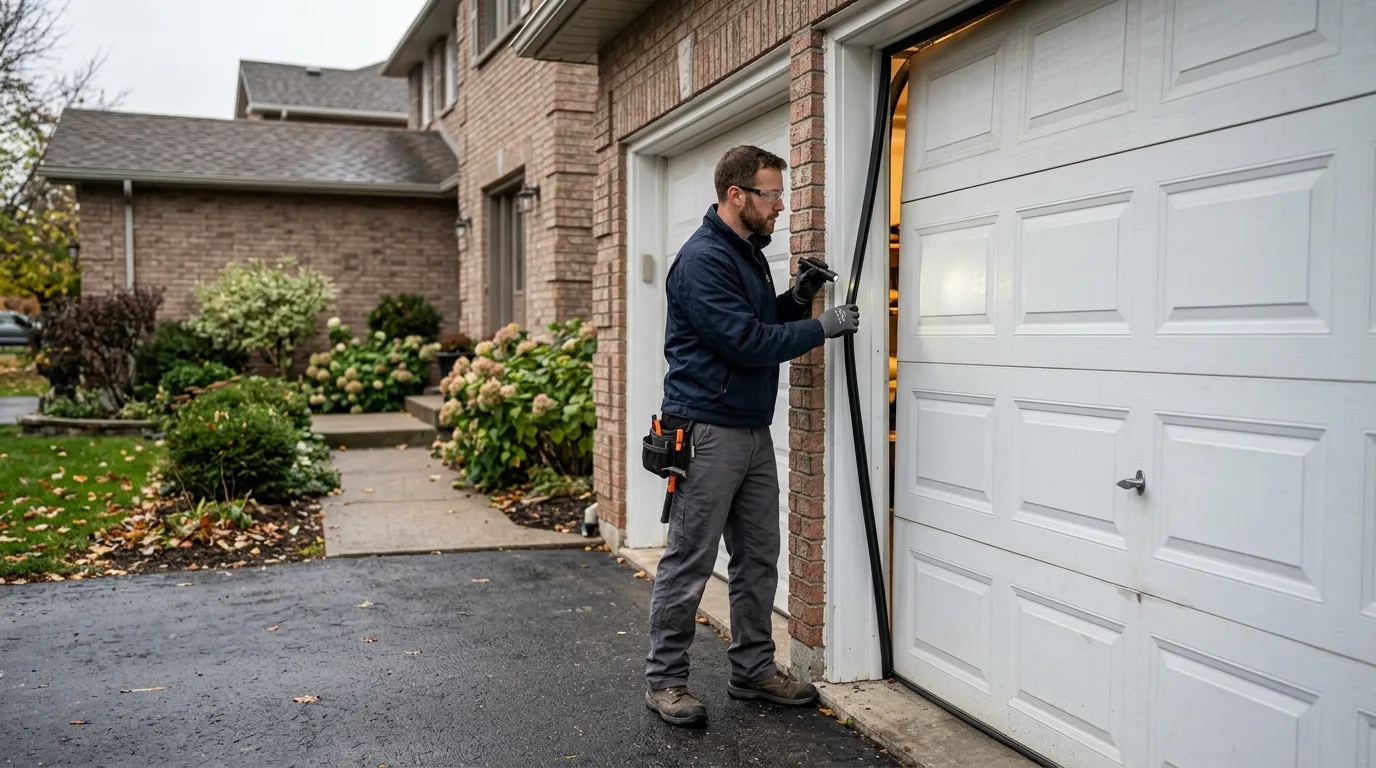
If your door in Coral Gables is sagging on one side, that's usually an extension spring stretched unevenly or a cable that's slipped off its drum - common on doors that haven't had the springs replaced since the original install. A door that reverses right after touching the floor often points to a limit switch on an opener old enough to predate today's safety sensor standards. Grinding or popping when the door moves is almost always a roller in a bent or slightly rusted track section, which happens more here given the age of the bracket hardware. If the door won't budge at all and the opener motor is humming, that's very likely a snapped spring - don't force it by hand, and don't run the opener again until it's fixed.