What Is on the Truck
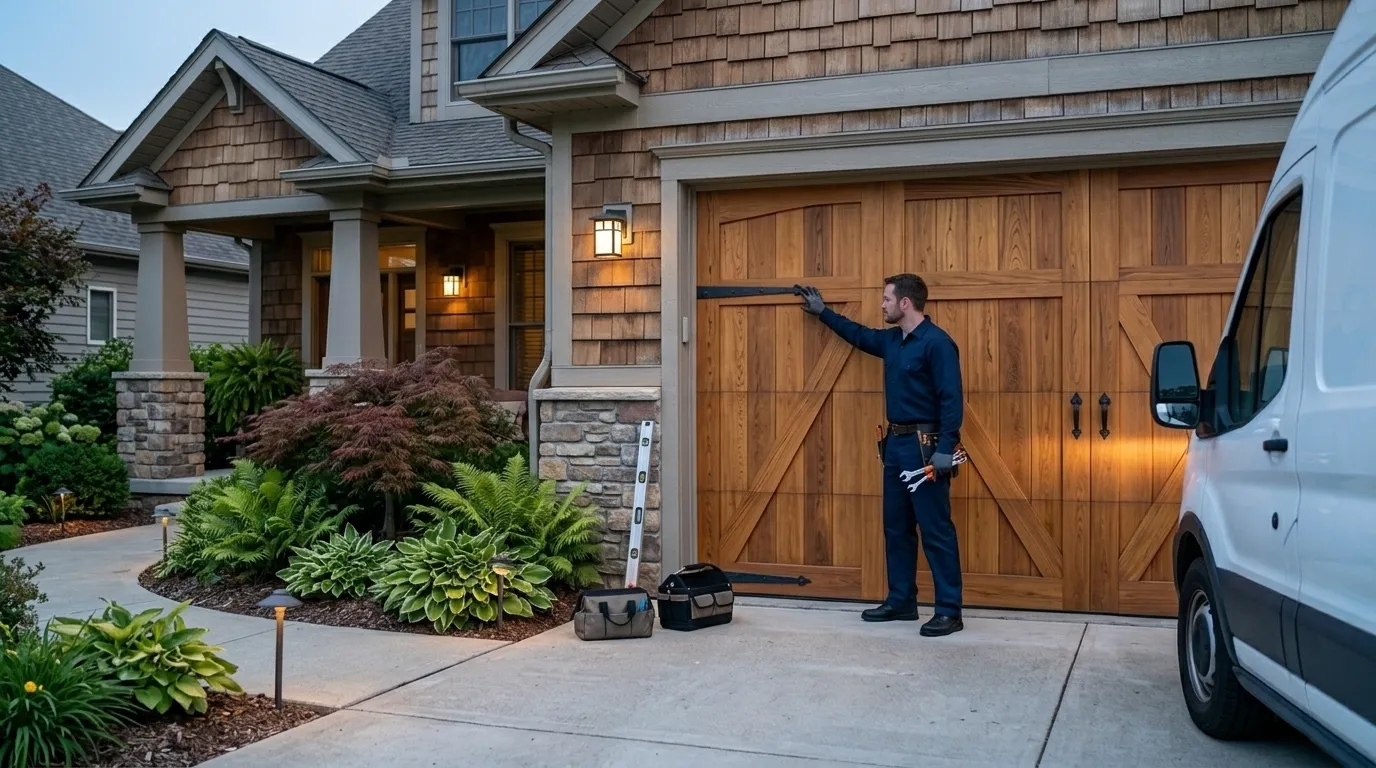
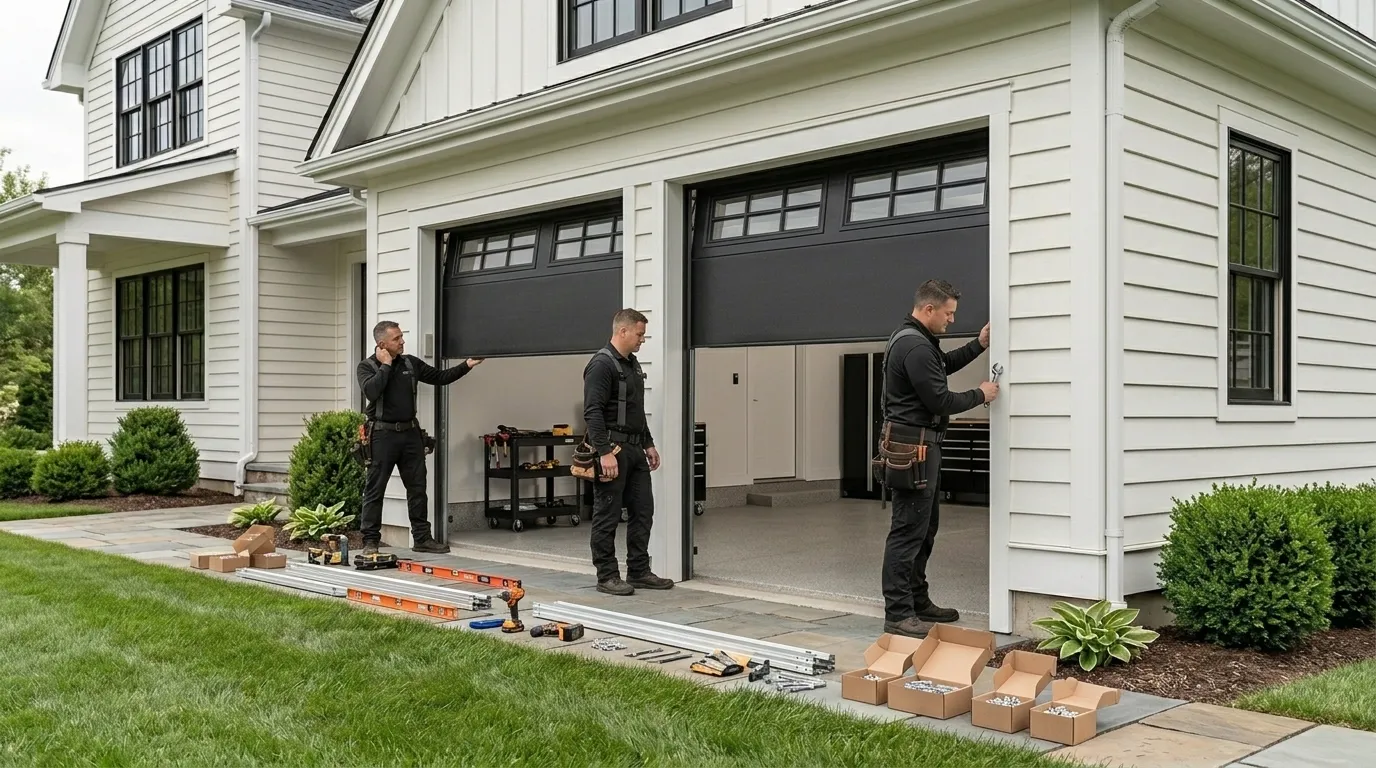
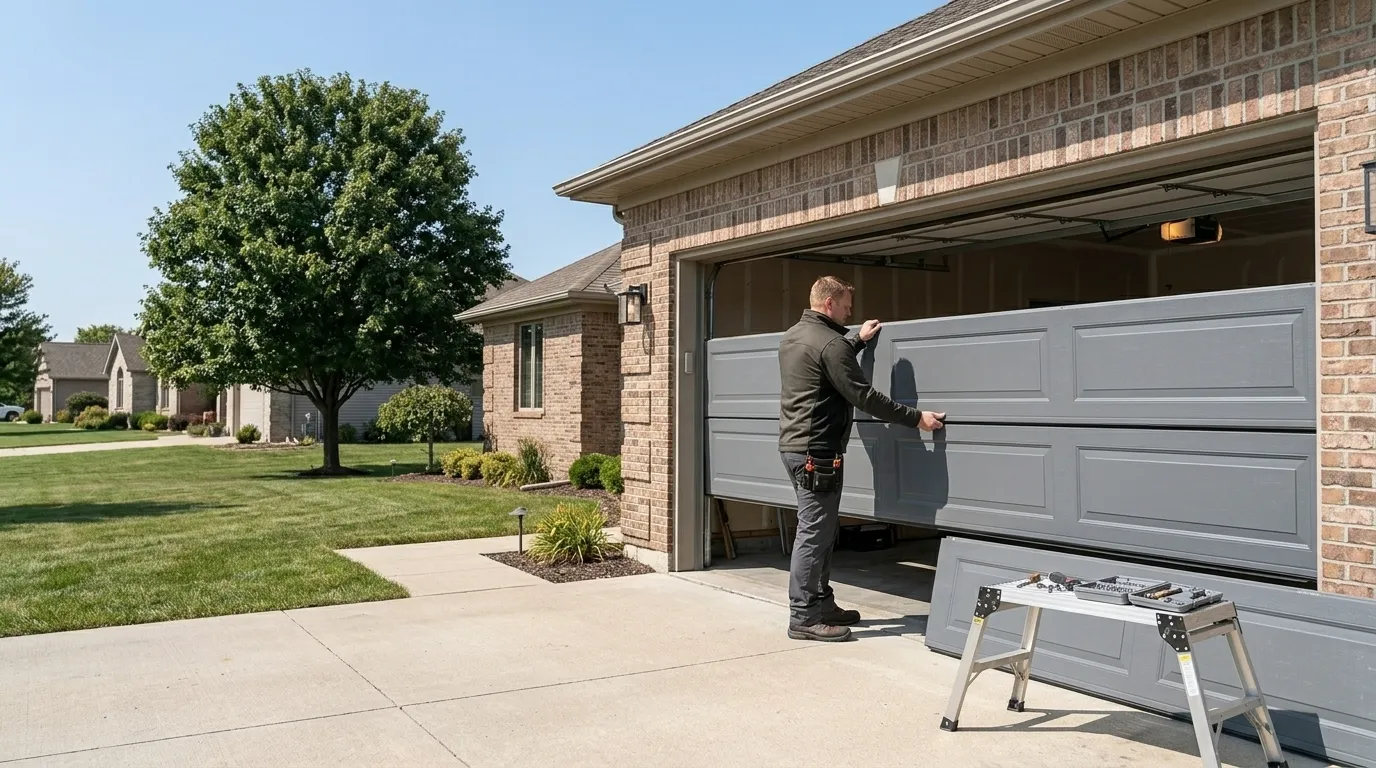
The truck carries stock panels sized for the door widths and section heights most common across the area's housing stock, plus the fasteners, hinges, and end stiles that go with them. For a house closer to the 1976 median, that's usually enough to finish in one visit. For a Coral Gables door dating closer to 1968, the panel on the truck may not match the original run exactly - steel gauge, rib pattern, or overlay texture can differ enough that a mismatched panel looks wrong sitting next to the rest of the door. When that happens, we tell you straight rather than install something that won't match. Some older panel profiles simply aren't made anymore, and ordering the closest match can take longer than the repair itself. That's the honest limit here: we can fix or replace a panel fast when stock covers it, and we can't manufacture a discontinued profile on the spot.
What Can Go Wrong
The most common failure on an older door here is a cracked or bowed panel that doesn't match anything currently stocked, forcing a choice between special-ordering one section or replacing more of the door than the damage alone would require. Rust at the hinge points is another one we see on steel panels from this era, especially where a rock chip or a bumped car door broke the coating years ago and moisture worked in slowly since. Wood-composite cores from the same period can delaminate at the bottom panel, where splash and standing water do the most damage over the decades. None of this is unique to any one house, but it shows up more often on doors built when Coral Gables was going up than on the newer stock elsewhere in the service area.
Can You Do This Yourself
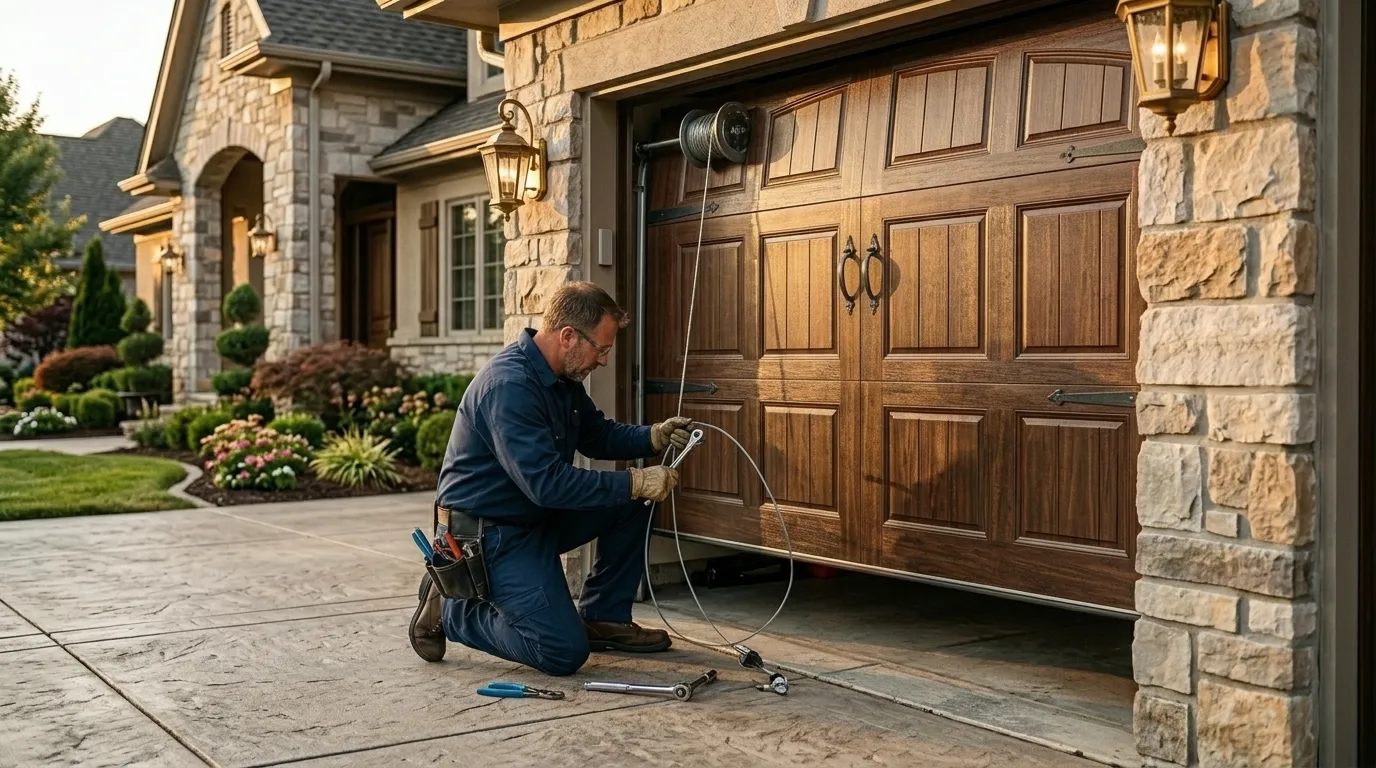
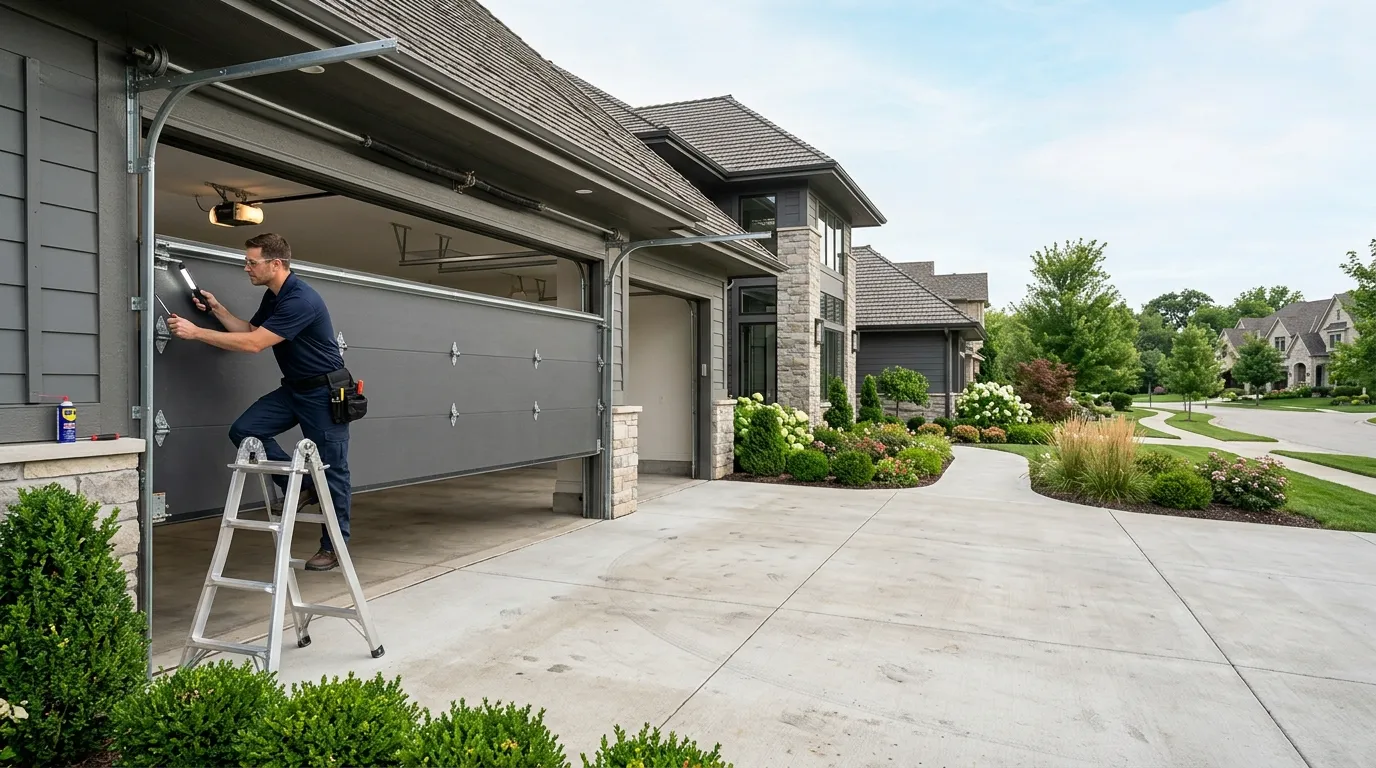
Replacing a single panel is within reach for a homeowner who's comfortable with basic tools, if the door is newer and the hardware is in good shape. On a door from this area's older stock, it gets harder. The end stiles and hinges on a 1968-era door have often been bent, re-drilled, or patched once already, and a new panel bolted to hardware that's slightly out of true will bind, bow, or throw the door off balance in a way that isn't obvious until the opener starts straining. If the track is original and the hinges are brittle rather than just rusty, that's past a panel swap and into a job where getting it wrong risks the whole door. We'll tell you when it's a fifteen-minute fix and when it isn't.
What You Are Seeing
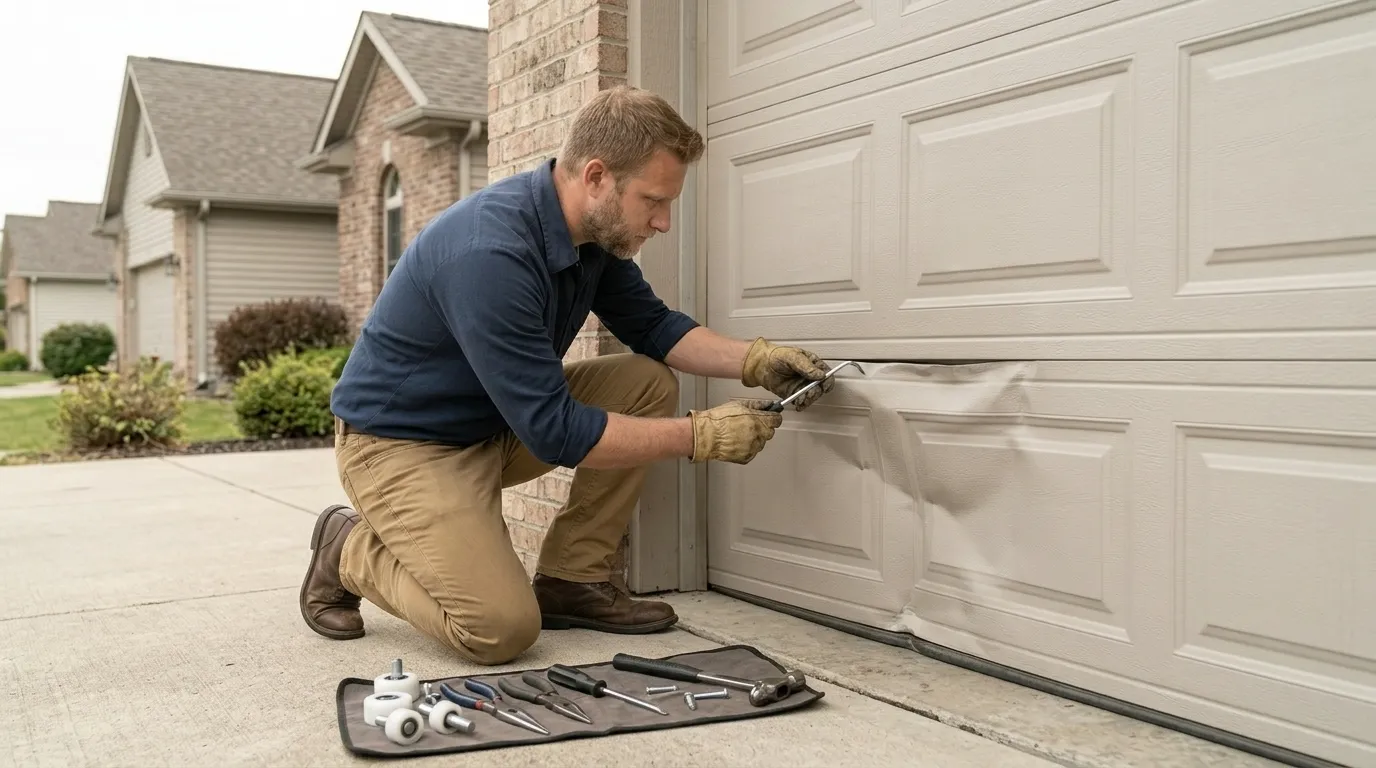
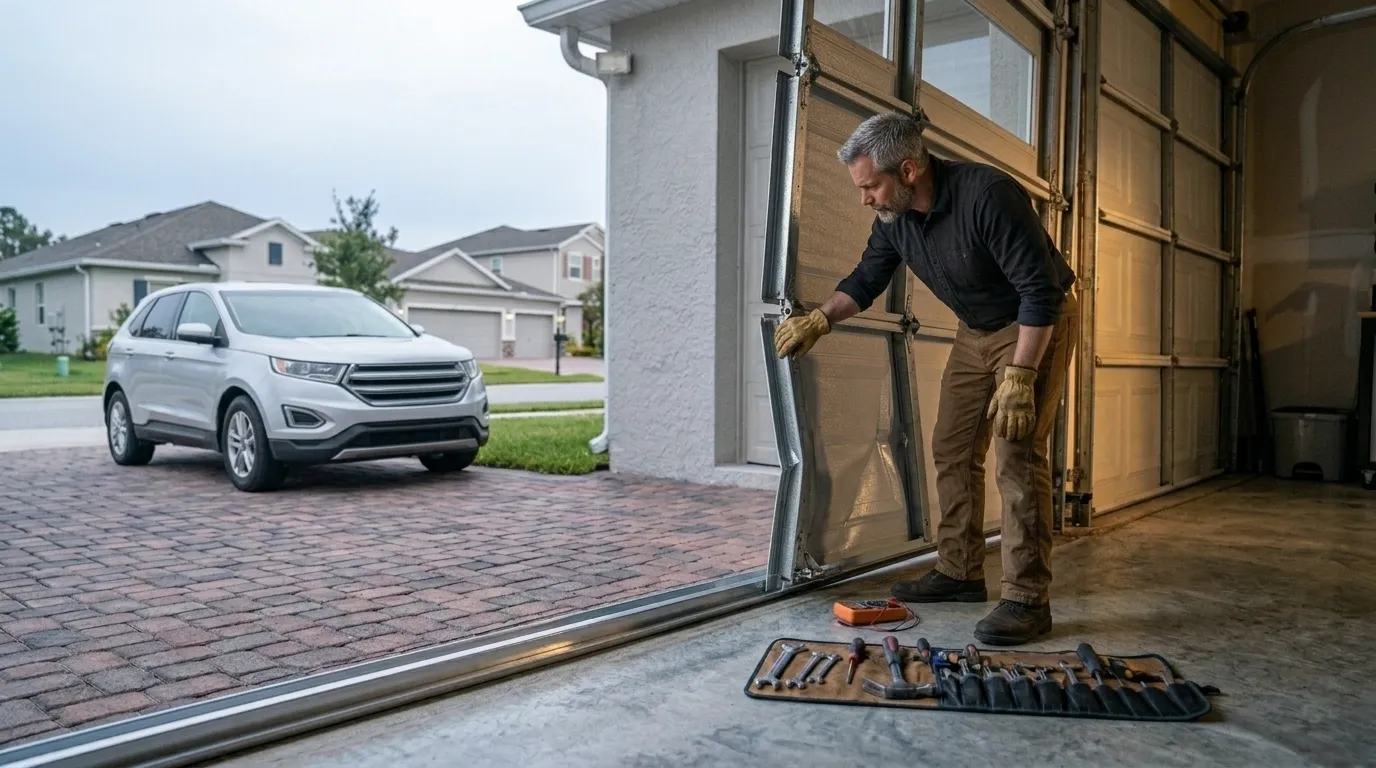
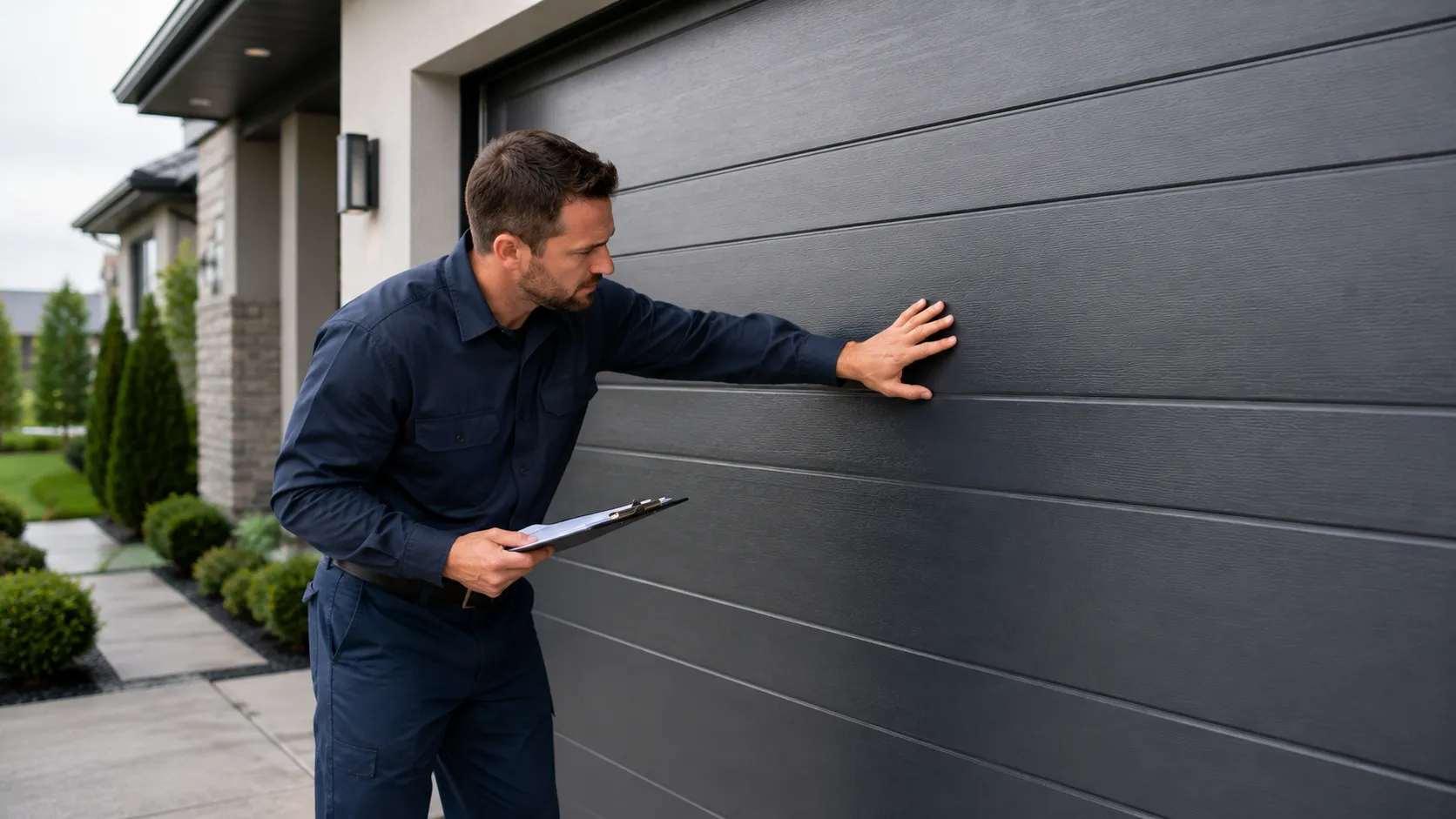
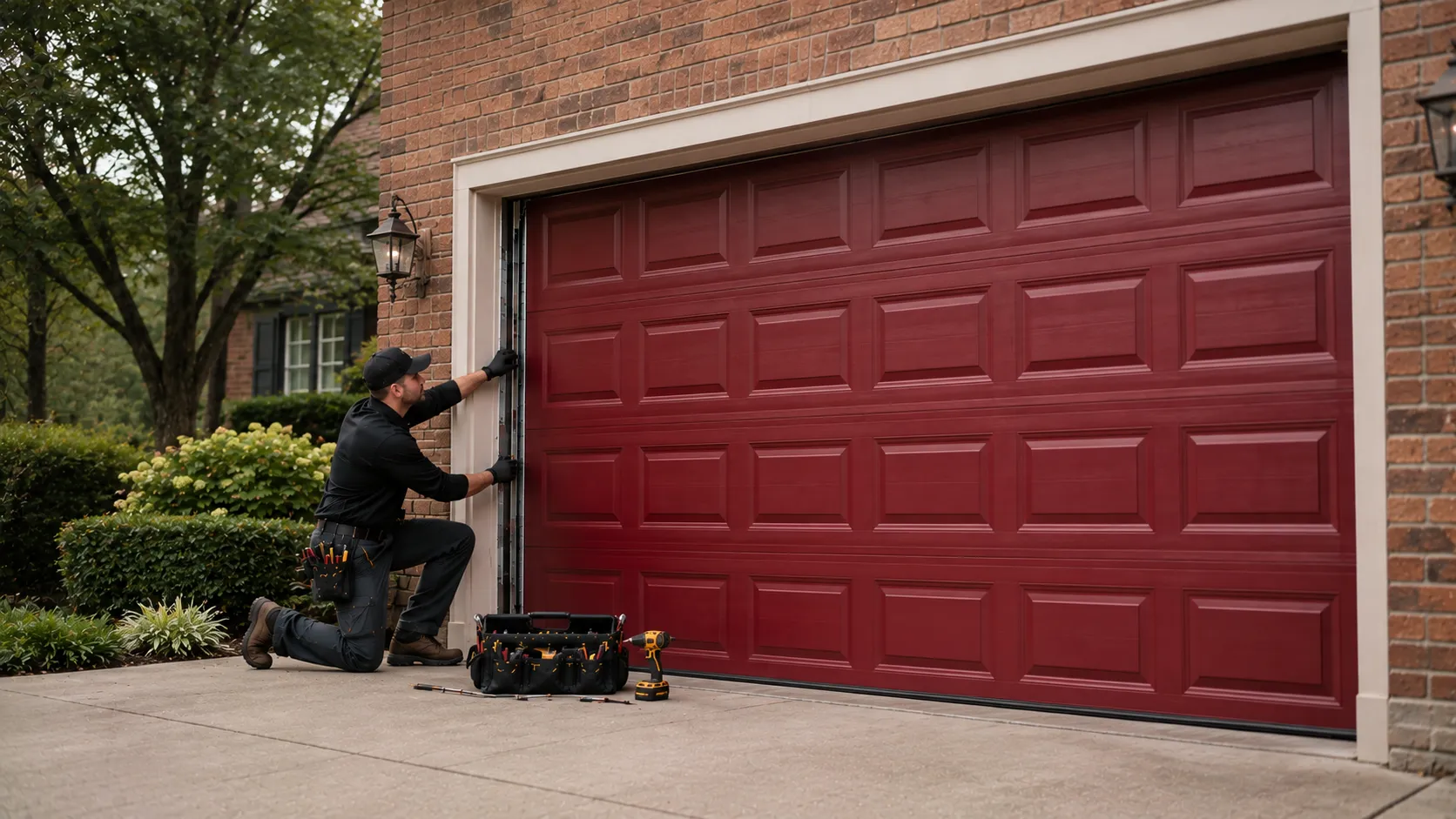
A dented panel usually shows as a visible dish or crease across one section, most often at bumper height on the bottom panel. Bowing looks different - the whole section curves outward or inward along its length, usually from age and weather rather than one impact, and it's more common on the older panels typical of this area's 1968-era houses. Cracking along the bottom edge of a wood-composite panel, especially where it's been in contact with standing water, is another pattern we see here. Gaps at the seams between sections, or a panel that no longer sits flush with its neighbors, point to hardware that's shifted rather than the panel itself failing. If the color or texture of one section has faded differently from the rest, that's often the tell that a previous owner already replaced it once and it didn't quite match.