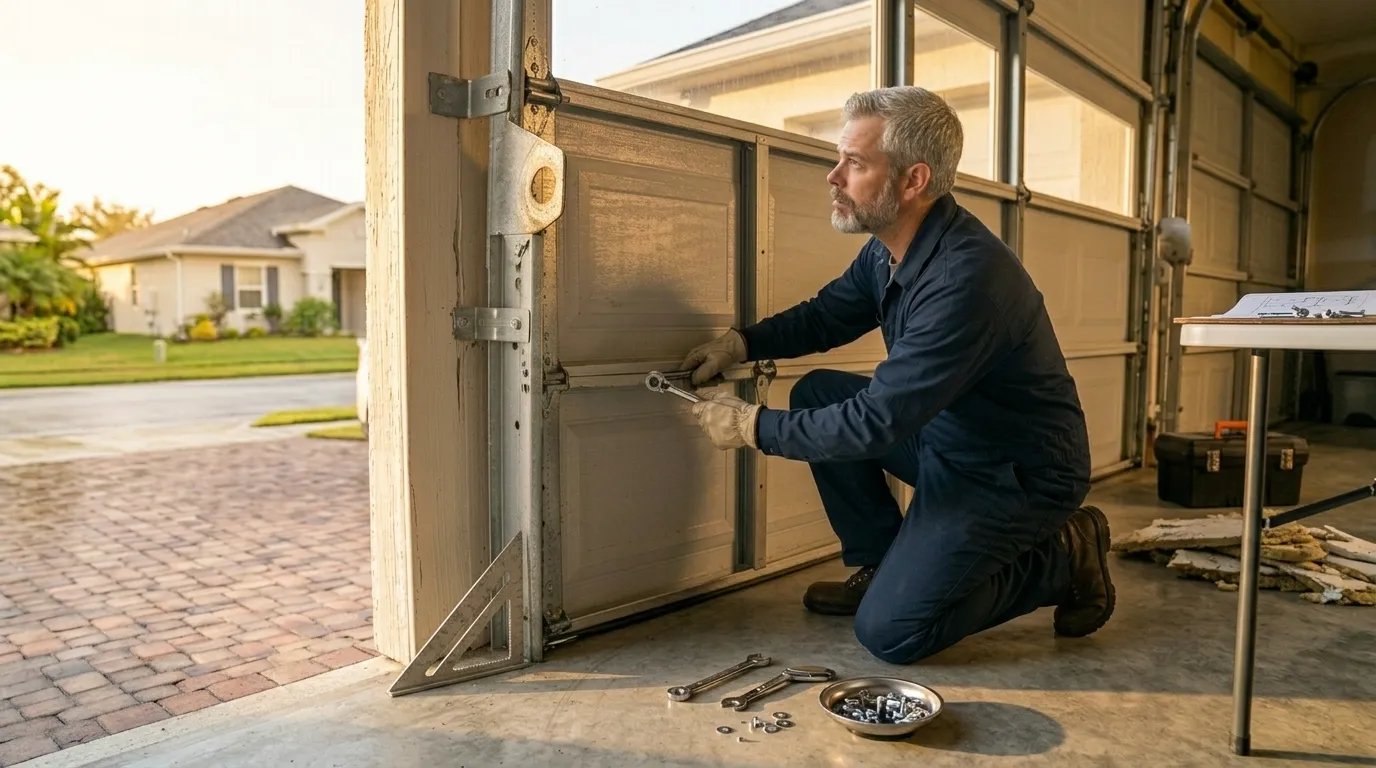

What Is on the Truck
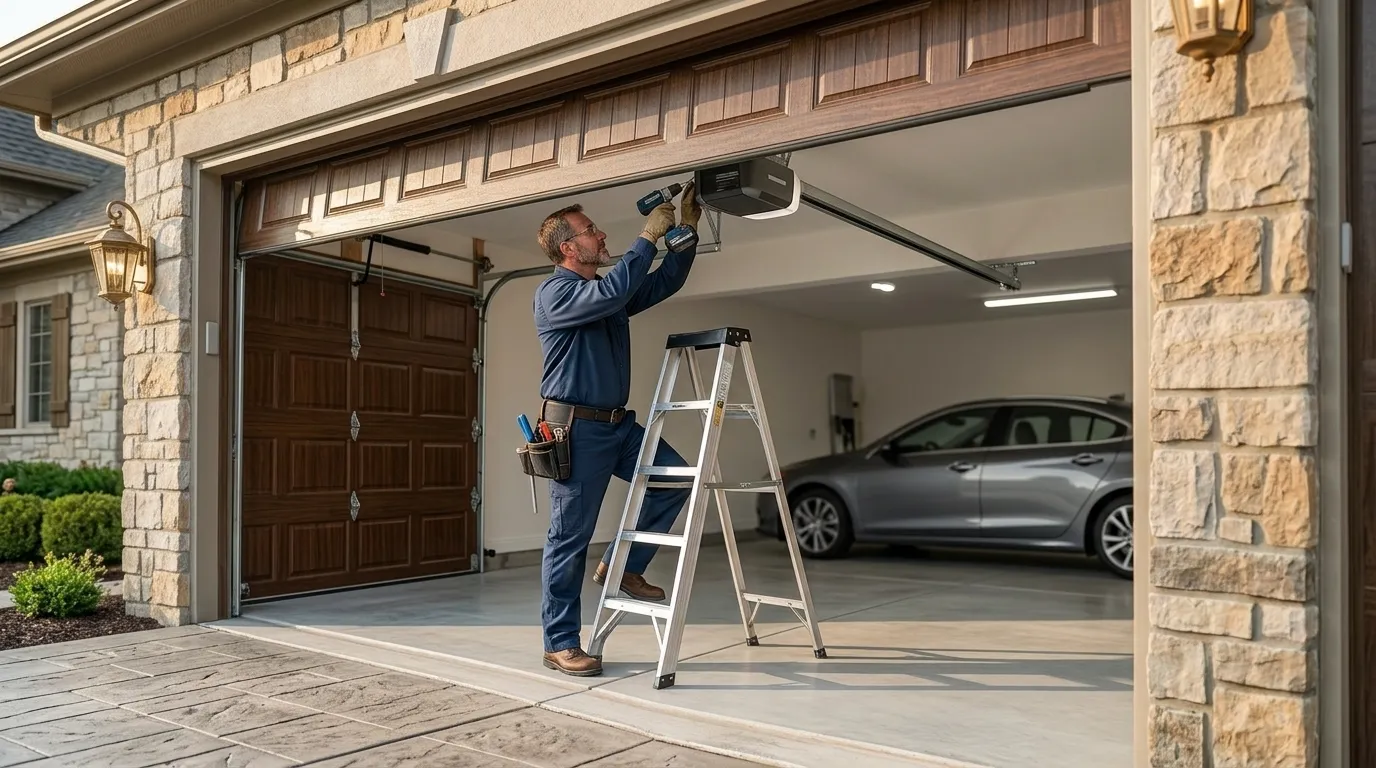
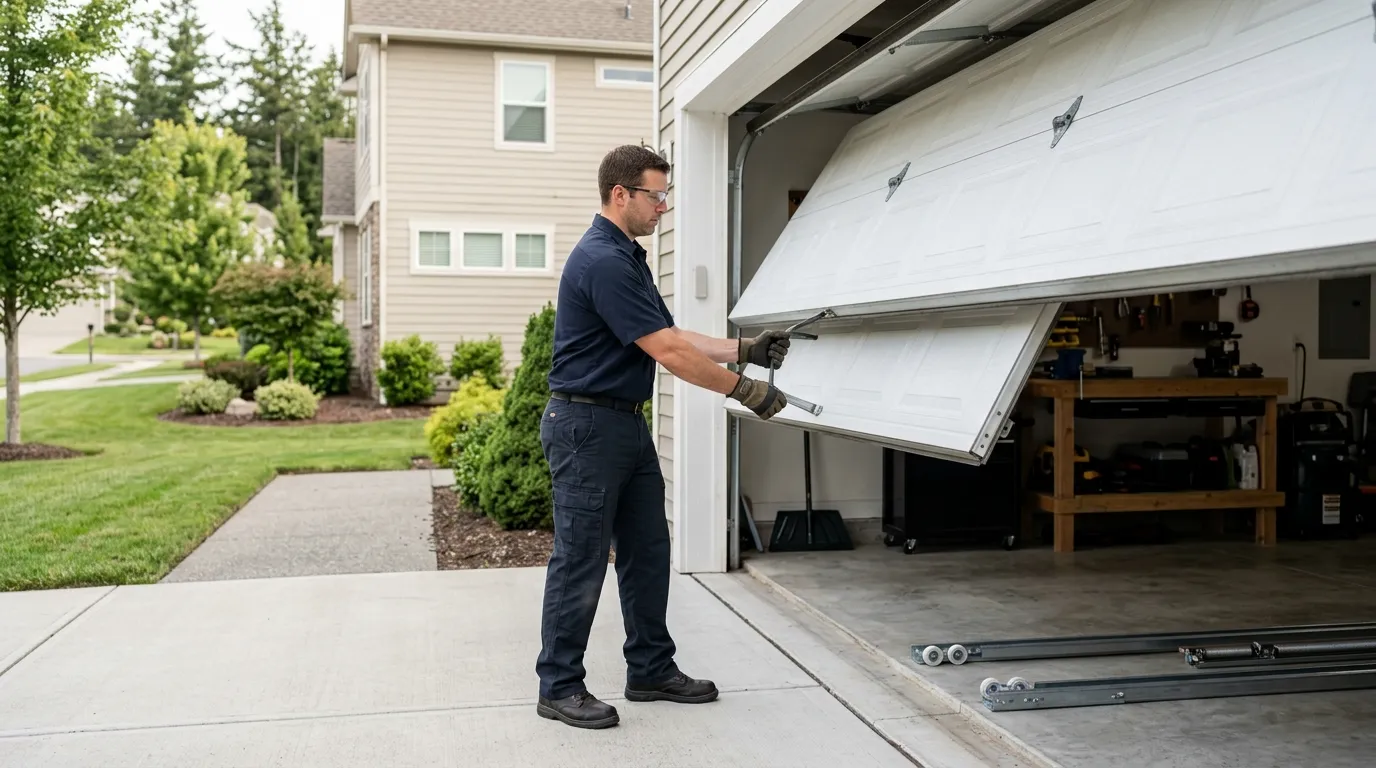
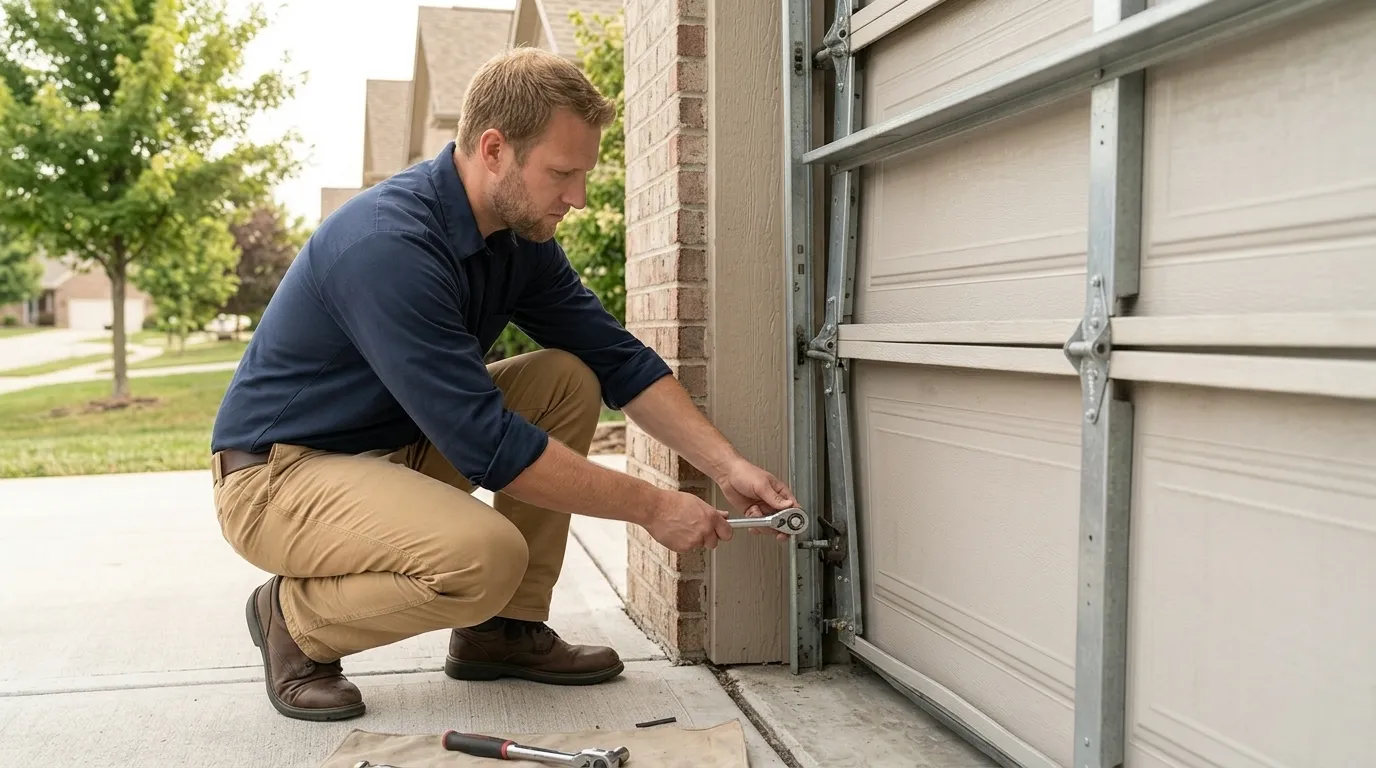
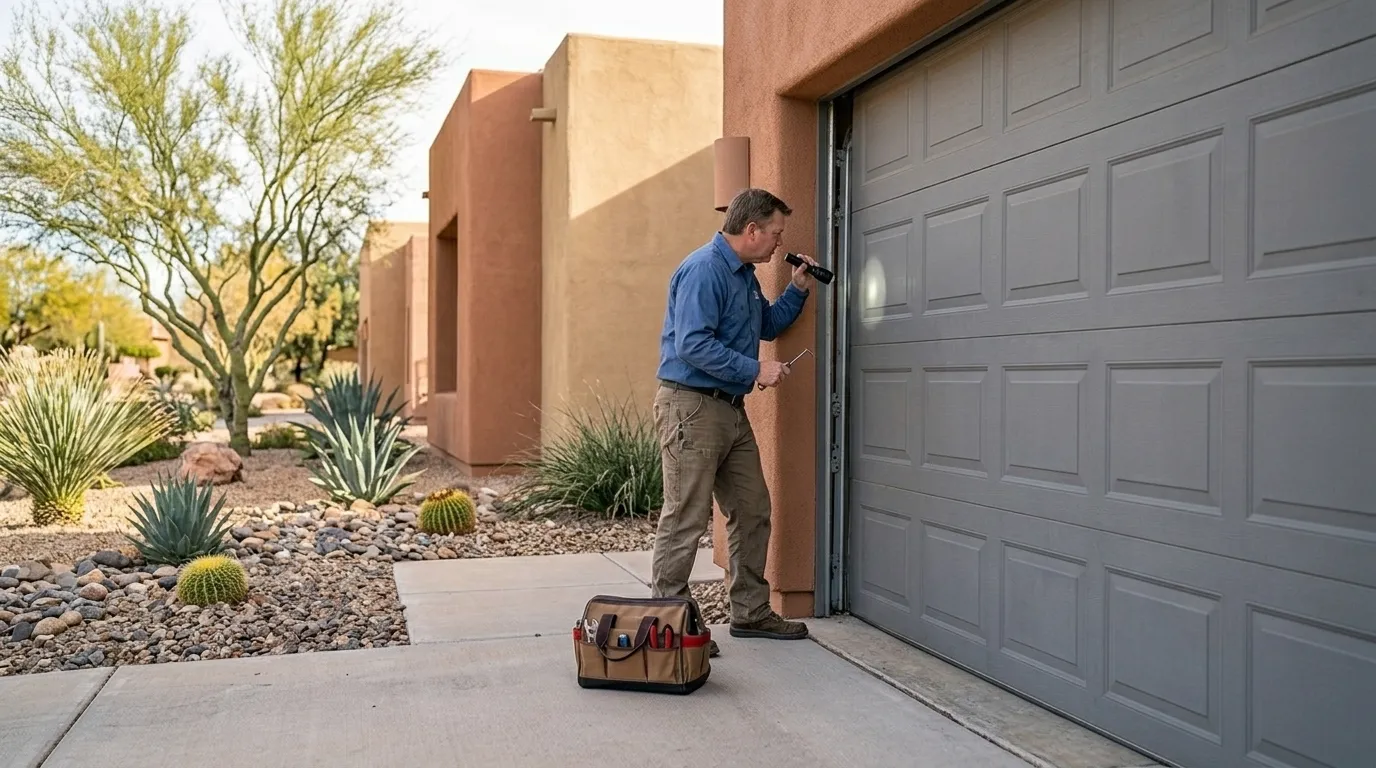
For a town where the median house was built around 1968, the truck carries torsion springs sized for older lift systems, not just the newer extension-spring kits you'd stock for newer construction. Original hardware from that era was built to lighter, single-layer wood or steel panels, so the springs, cables, and drums that came with the house are often undersized for whatever door is on it now - especially once a homeowner has swapped in a heavier insulated panel over the decades.
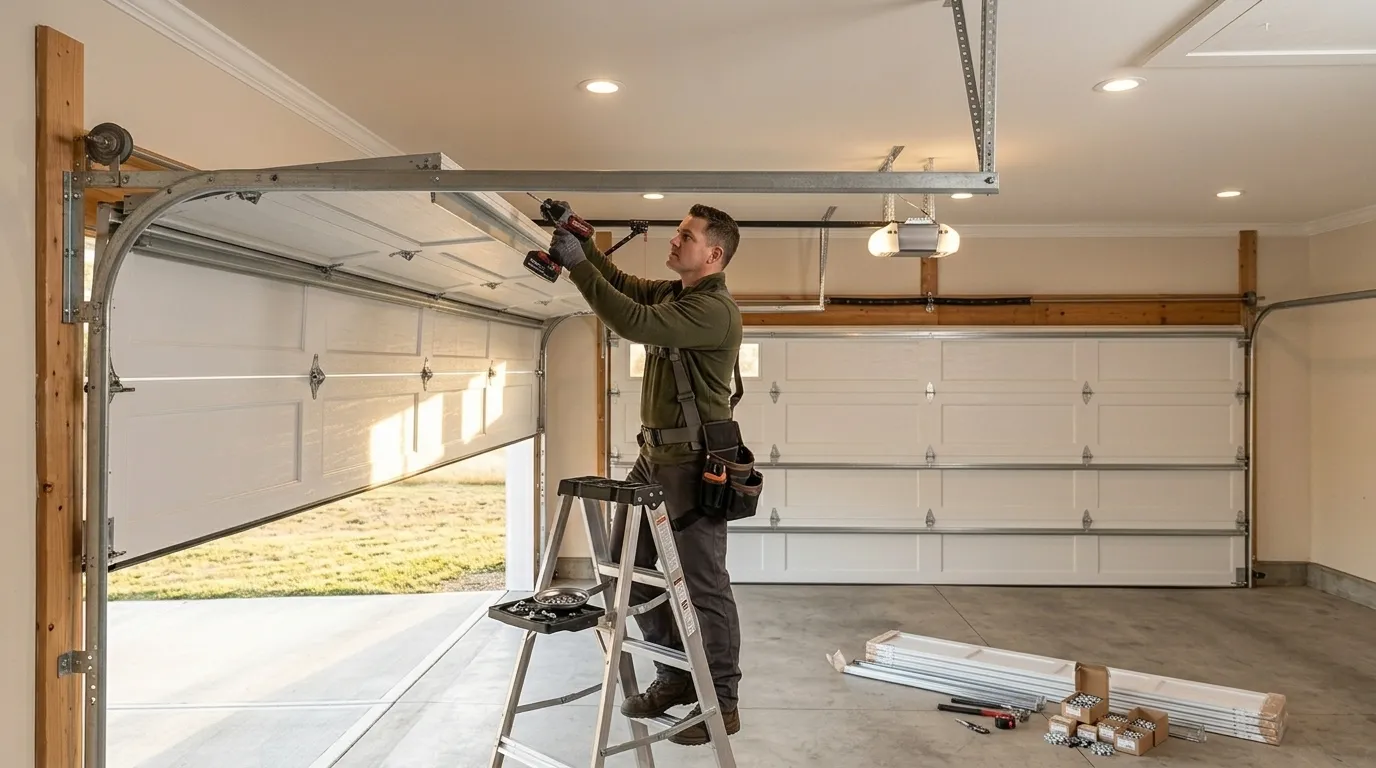
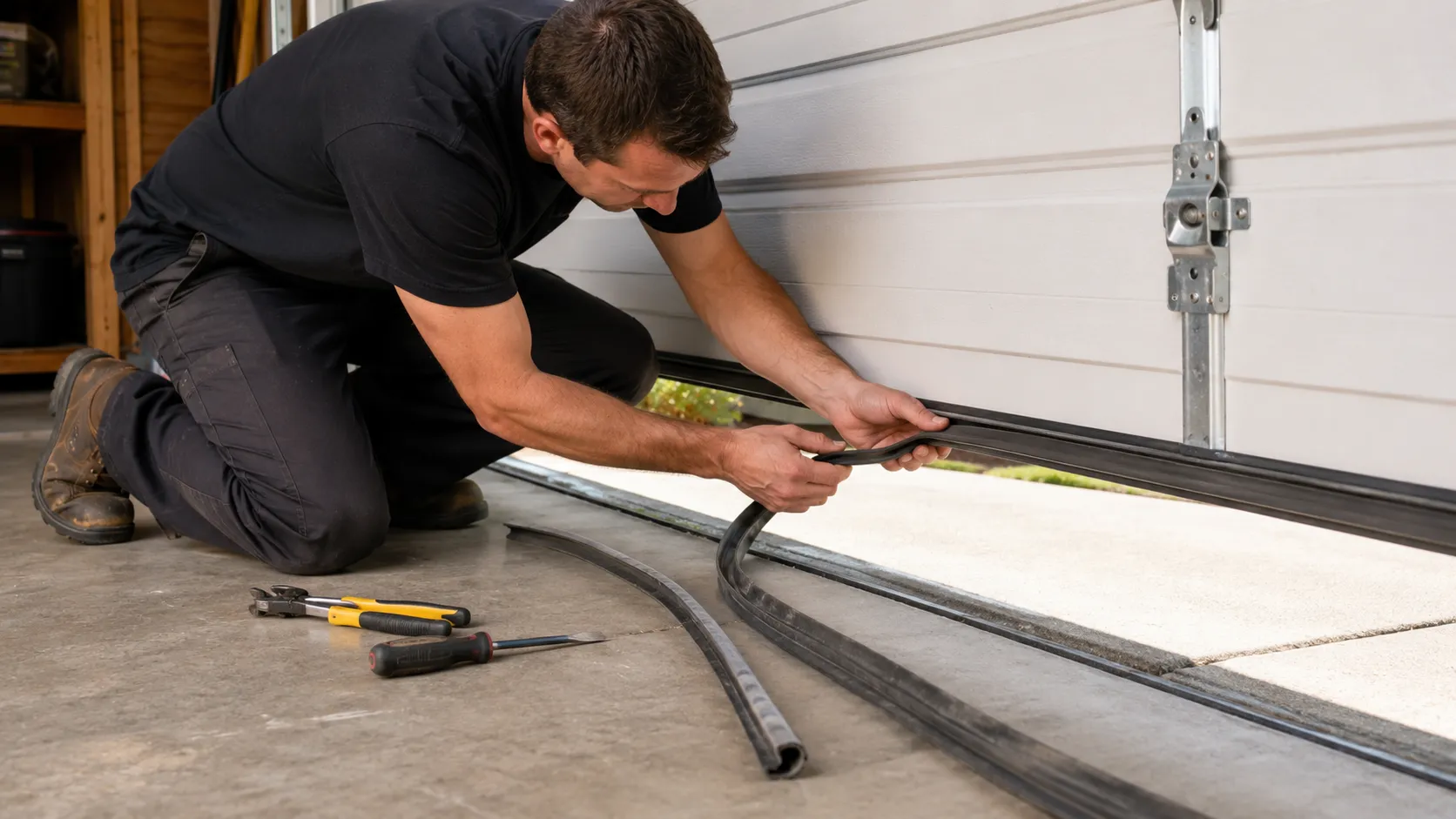
That's the practical reason the crew carries a spread of spring weights and both spring types rather than one default kit. Rollers get restocked in nylon and steel both, since houses this age have usually had at least one roller replacement already and the sizing isn't always consistent from one panel section to the next. Lubricant, lag bolts and hinges for stripped-out wood jambs, and a torque wrench that can handle springs wound tighter than what a 1990s door would need.
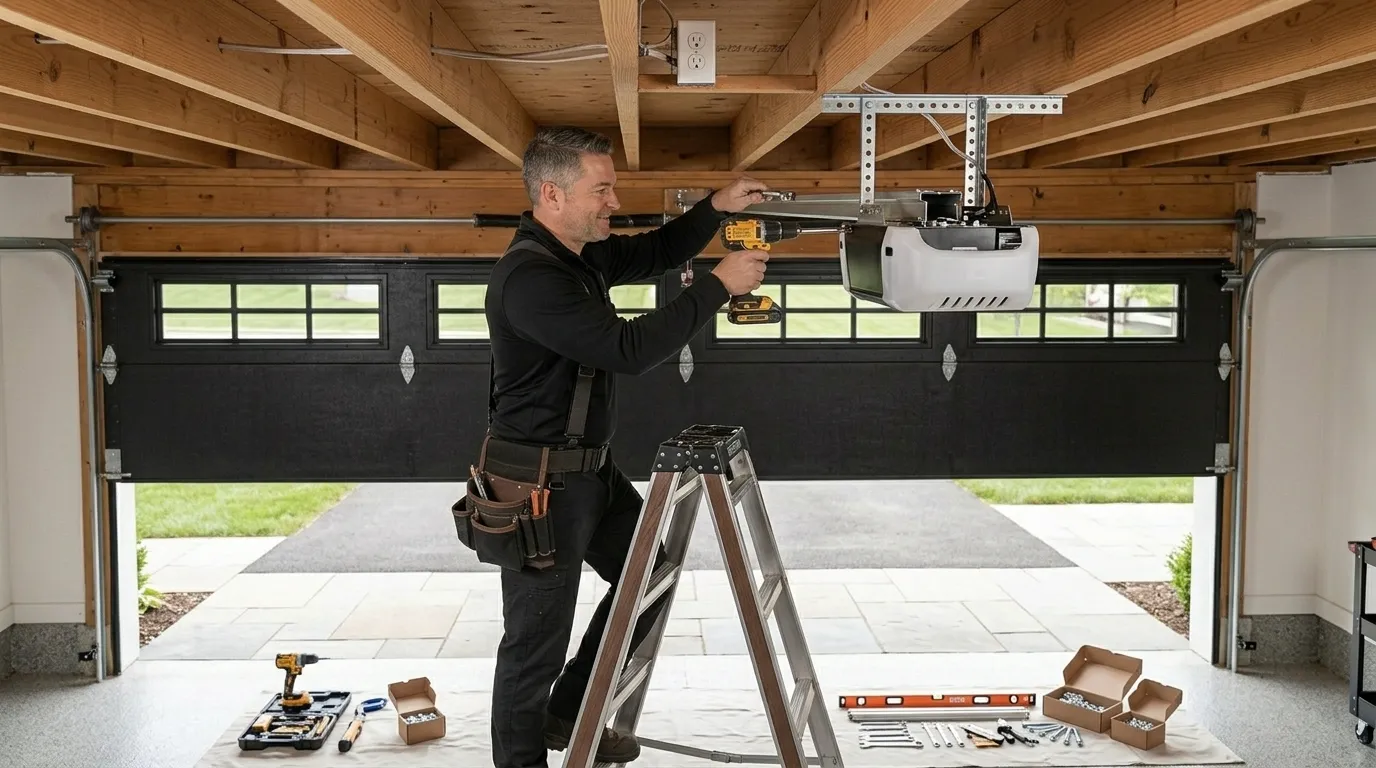
One honest limit: this is a maintenance visit, not a parts warehouse. If a track is bent badly enough to need a full replacement section, or an opener board has failed outright, that part usually isn't sitting on the truck and gets ordered rather than swapped same-day.
What Can Go Wrong
On a house built near 1968, the most common finding isn't a broken spring - it's a spring that's still holding but was never rated for the door currently hanging on it. Owners in Coral Gables have had more than fifty years to upgrade panels, and median household income here runs well above $130,000, well past the $71,020 median across the rest of the service area. That income difference tends to show up as heavier doors: solid wood, insulated steel, sometimes custom-faced panels that weigh more than the torsion hardware underneath them was ever sized for.
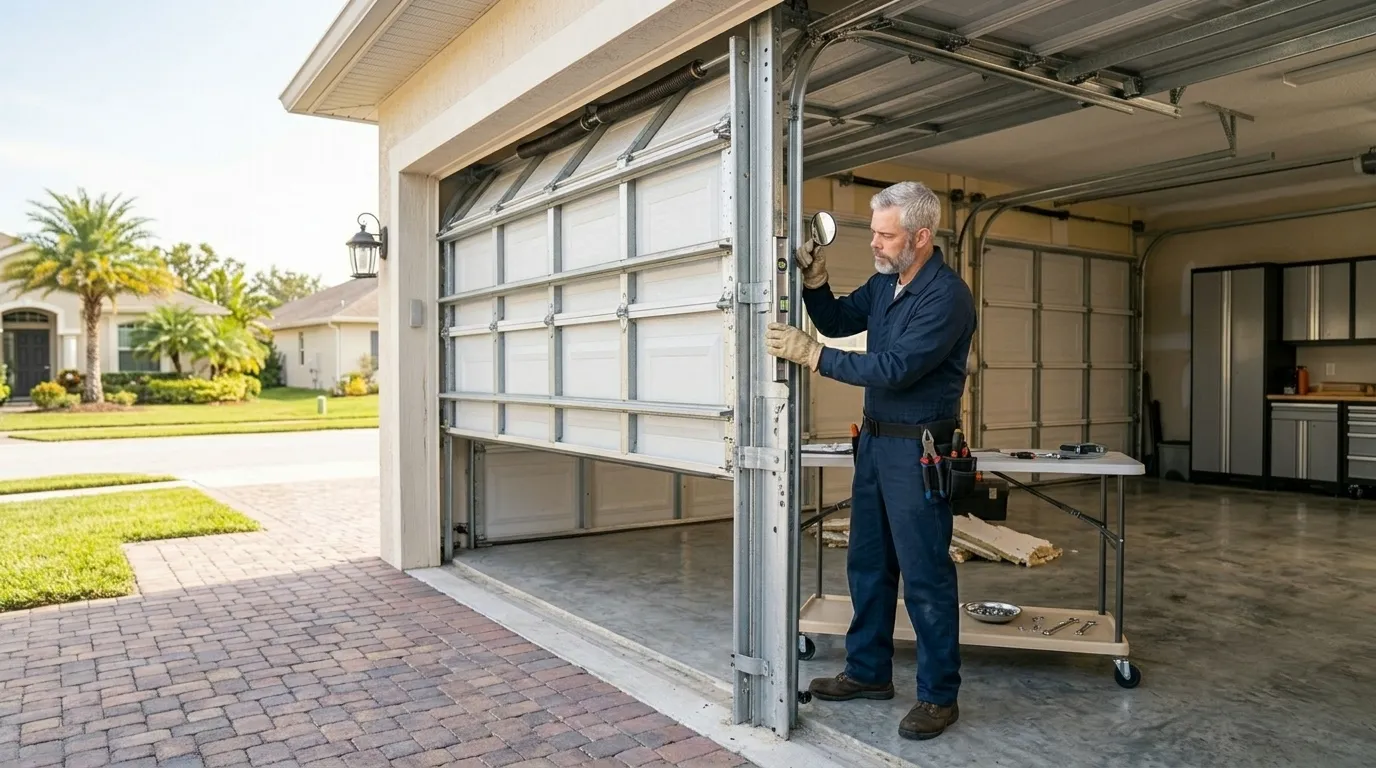
Cables fray at the drum end first, usually invisible until the door is run up and down slowly by hand. Rollers on original steel track wear an oval groove into themselves over decades rather than snapping outright, so the door starts to shudder on the way up long before anything fails completely. Opener drive gears from an added-later system strip quietly, and the owner notices the door struggling before the noise gives it away.
None of this is exotic. It's just what fifty-plus years of the same hardware, carrying a heavier door than it was built for, tends to do.
Can You Do This Yourself
Some of it, yes. Wiping down and lubricating tracks, checking for loose lag bolts on the wall bracket, listening for grinding versus smooth rolling, visually checking cable strands for fraying - a homeowner can do all of that on a weekend afternoon without special tools.
What's harder to judge from the ground is spring load, especially on a house where the door itself has been upgraded since the springs were installed. There's no simple visual test for