What Is on the Truck
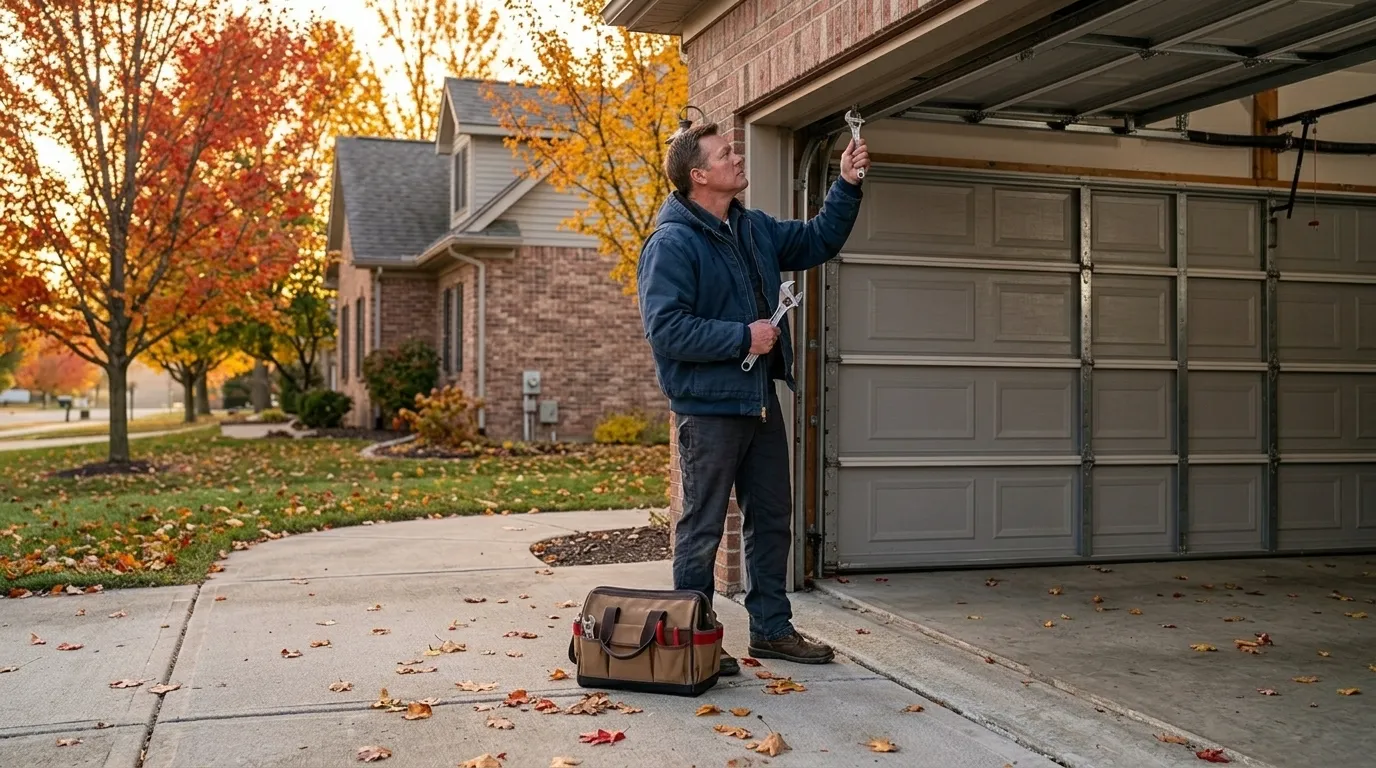
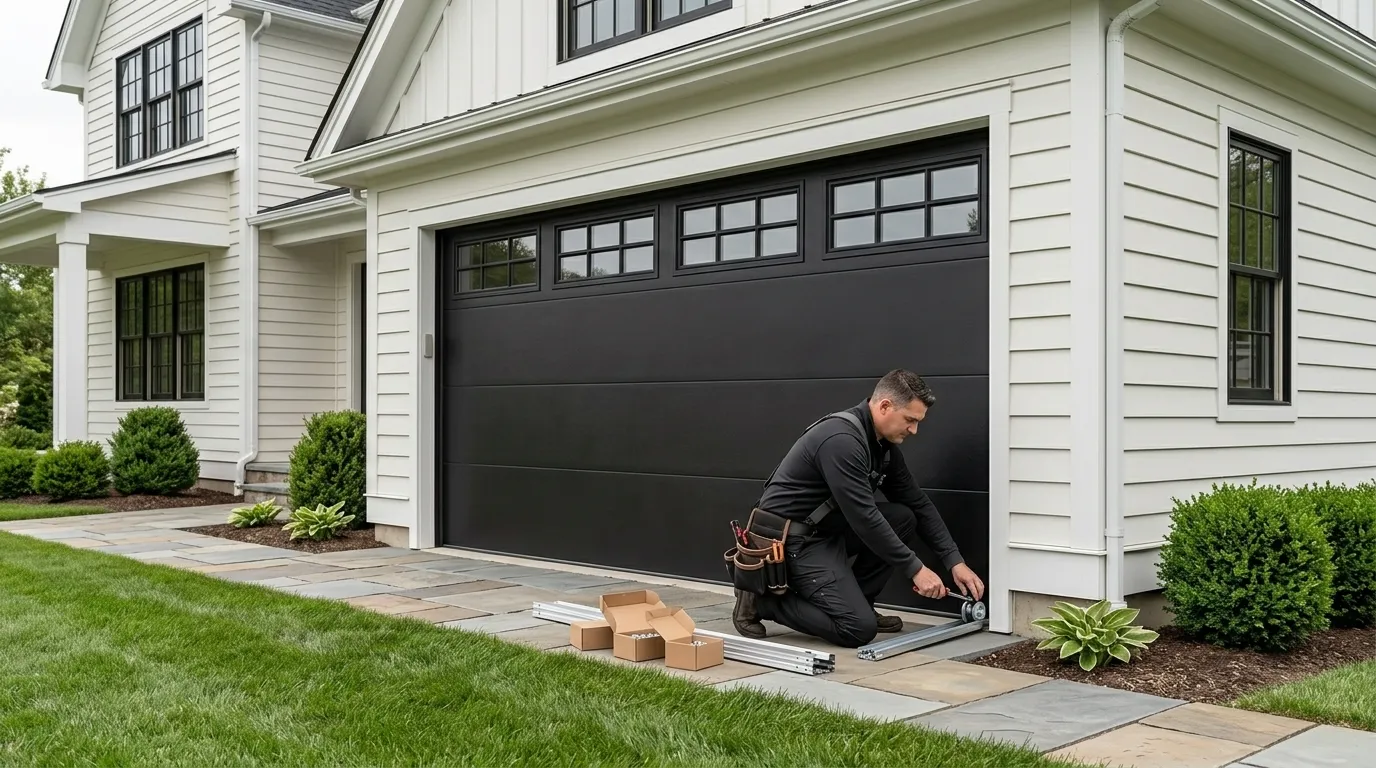
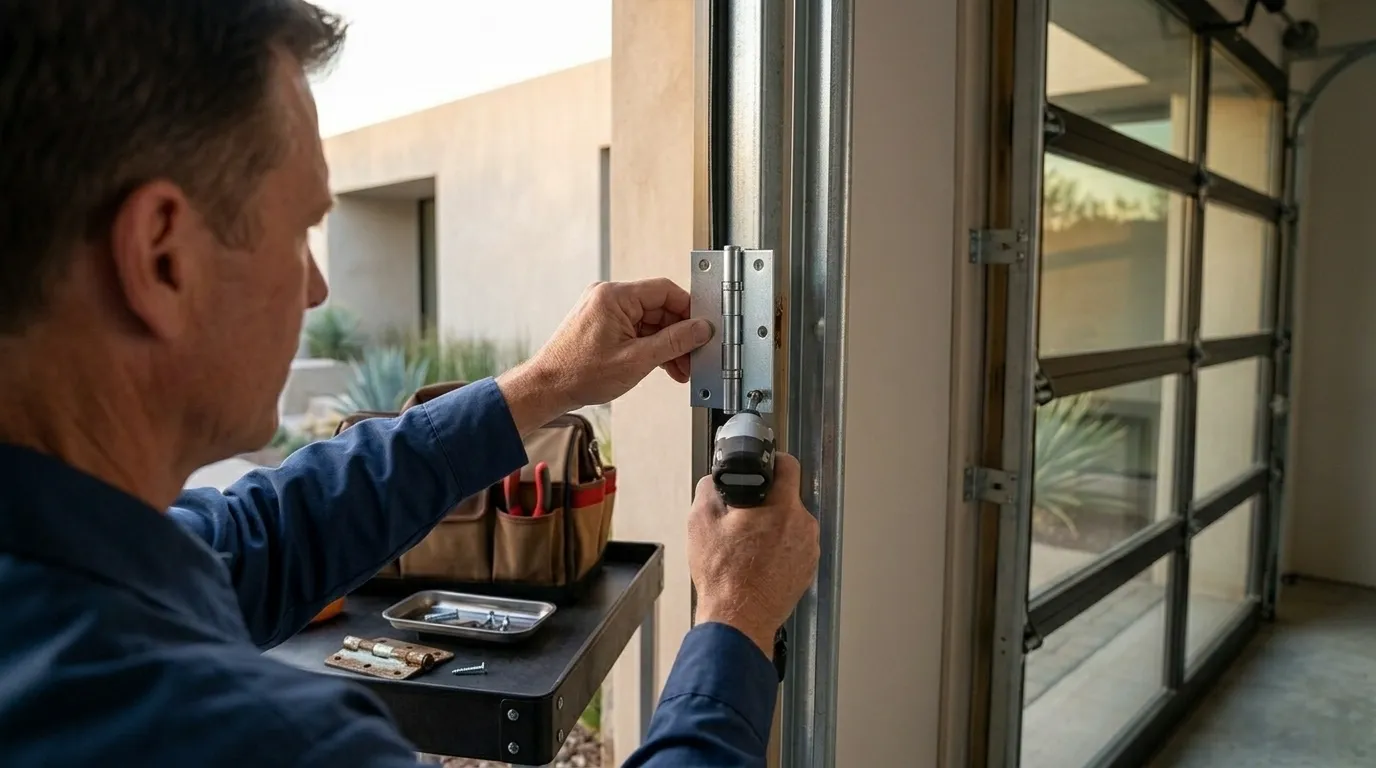
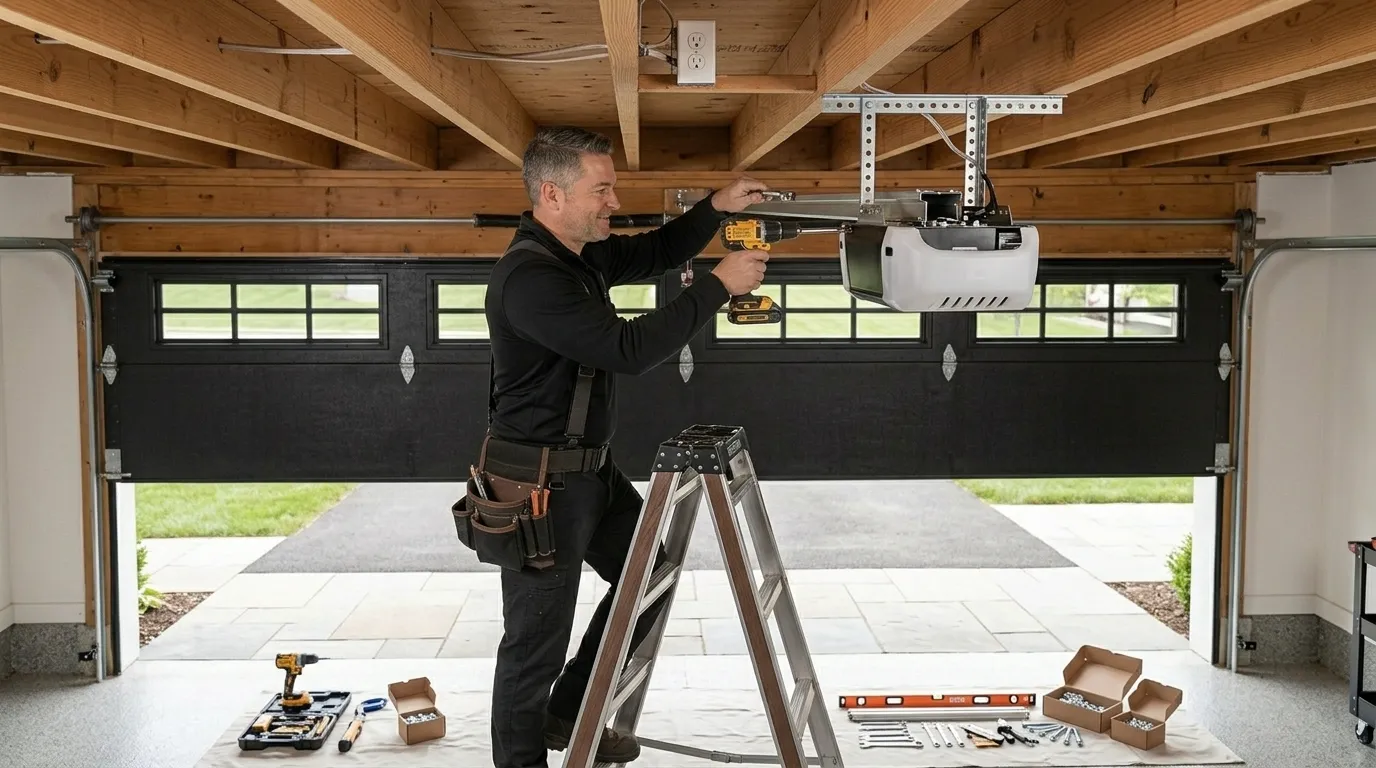
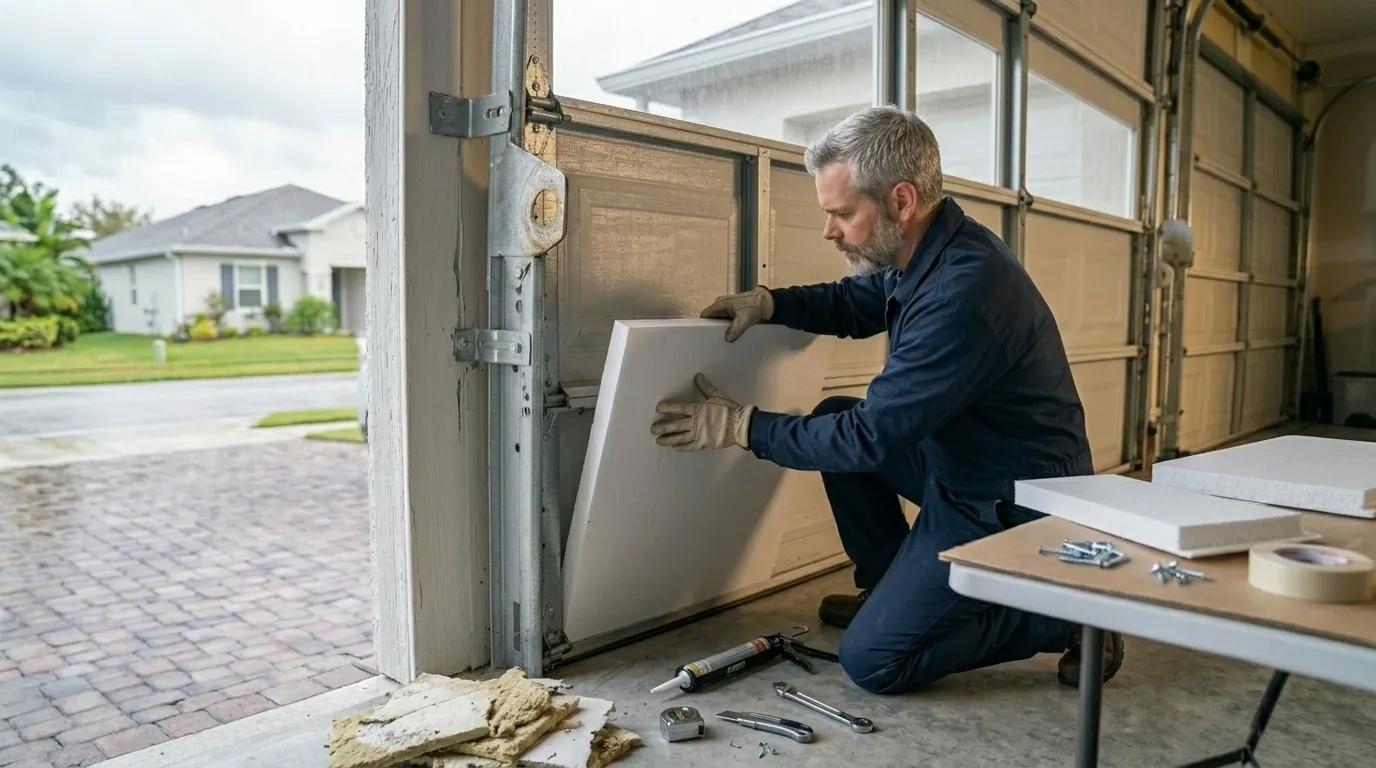
The truck carries what actually breaks on doors from this part of the service area: torsion springs in the sizes that fit doors built from the 1960s through the 1970s, extension springs for the older two-spring setups some of those houses still run, rollers, cables, and hinges. Openers get stocked too, since a dead opener and a broken spring get called in as the same complaint - "door won't open" - and look identical from the driveway. What doesn't ride along as standard stock is a replacement panel matched to a discontinued color or a specific vintage steel profile; those get special-ordered once we've actually looked at the door, and that can mean a second visit. We'd rather say that now than promise a same-visit fix we can't deliver.
What Can Go Wrong
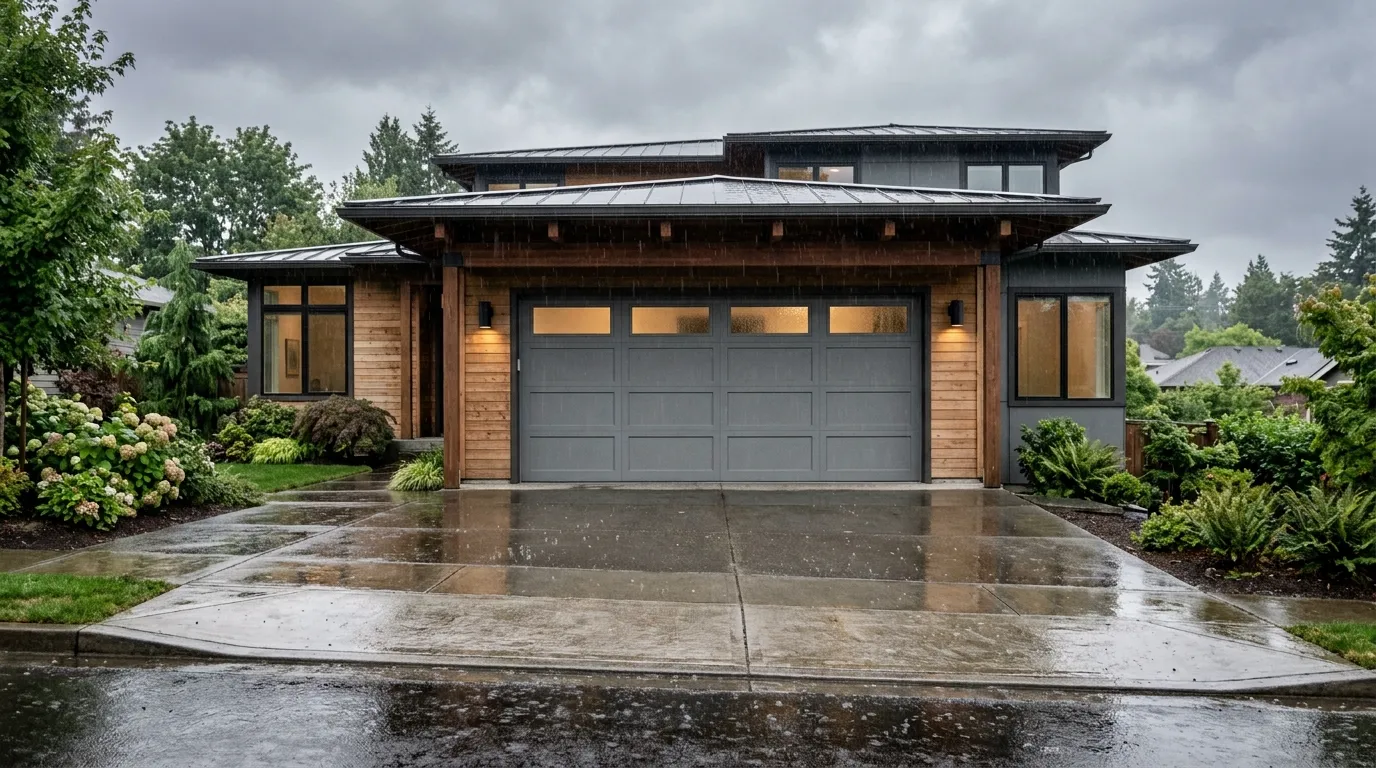
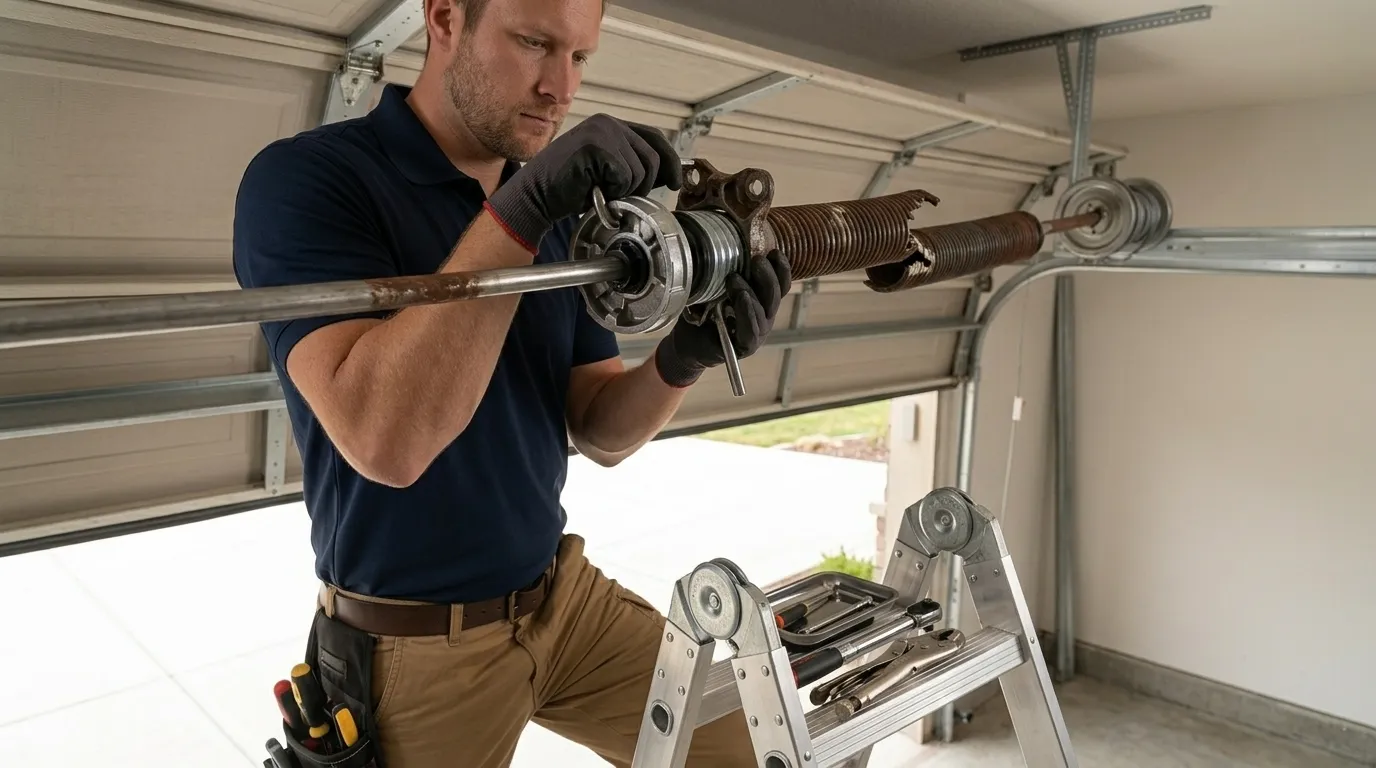
With a median build year around 1968, a lot of Coral Gables garages are running original or near-original hardware, even if the door face has been swapped once along the way. That means torsion springs mounted on a shaft that's been in place for decades, track brackets fastened to framing that's settled slightly since the house was built, and rollers that were never upgraded from steel to nylon. The failure that shows up most on houses this age is a spring that finally lets go after years of small stretch, taking the cable or a bottom bracket with it. On newer doors elsewhere in the service area you see more opener and sensor trouble; here it skews mechanical - springs, cables, the track itself pulling loose from an old bracket.
Can You Do This Yourself
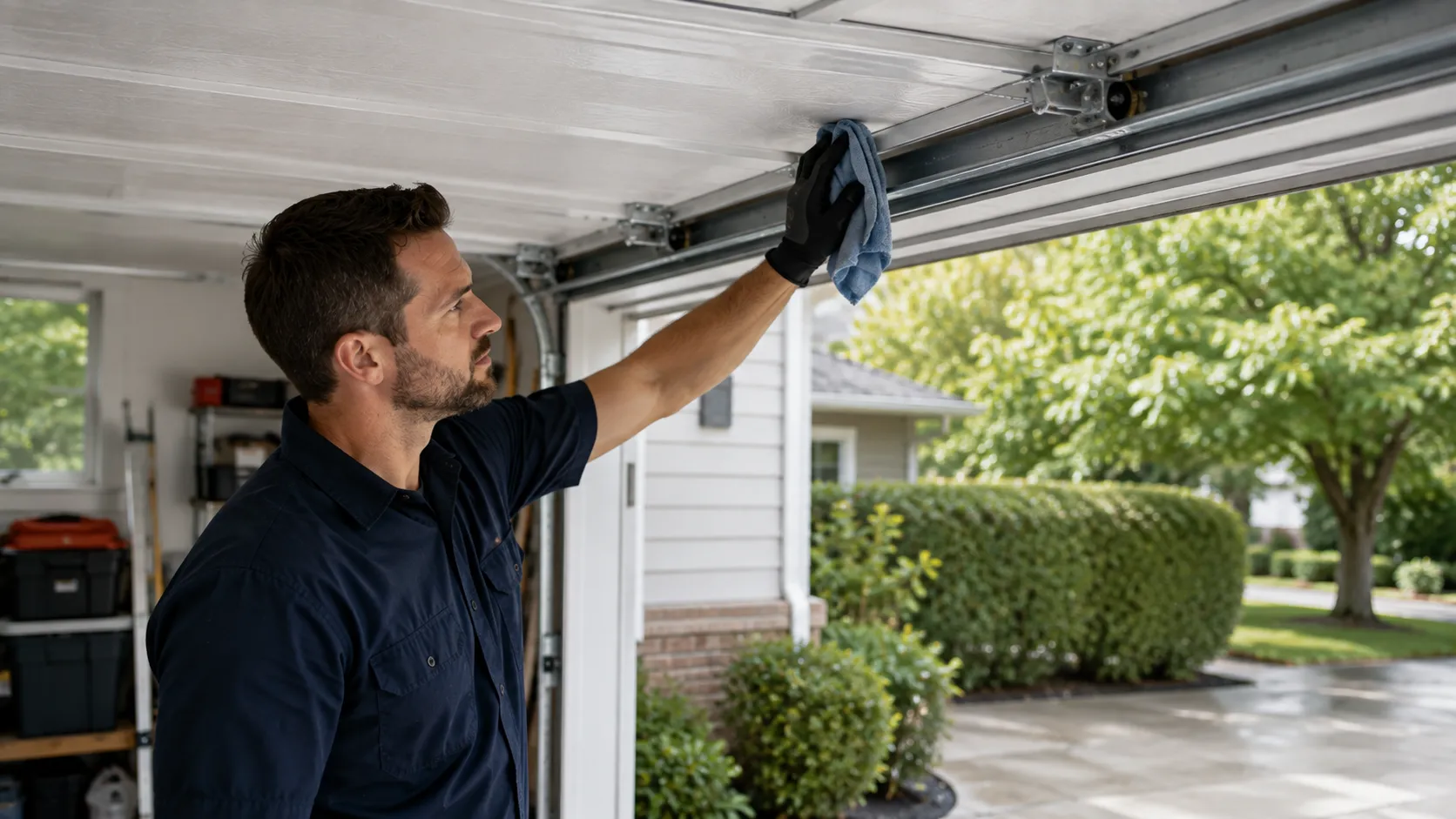
A stuck sensor or a door that won't respond to the remote is often something you can check yourself - clean the sensor eyes, check the batteries, make sure nothing's blocking the beam. A broken spring is not that job. Torsion springs are under real tension, and on a door old enough to have the original hardware, the bracket and shaft can be worn in ways that aren't obvious until something moves wrong. We won't talk anyone through a spring swap over the phone, and we'd be doing you no favors if we did. If the door is off its track or a cable has snapped, leave the door where it is and call - don't force the opener.
What You Are Seeing
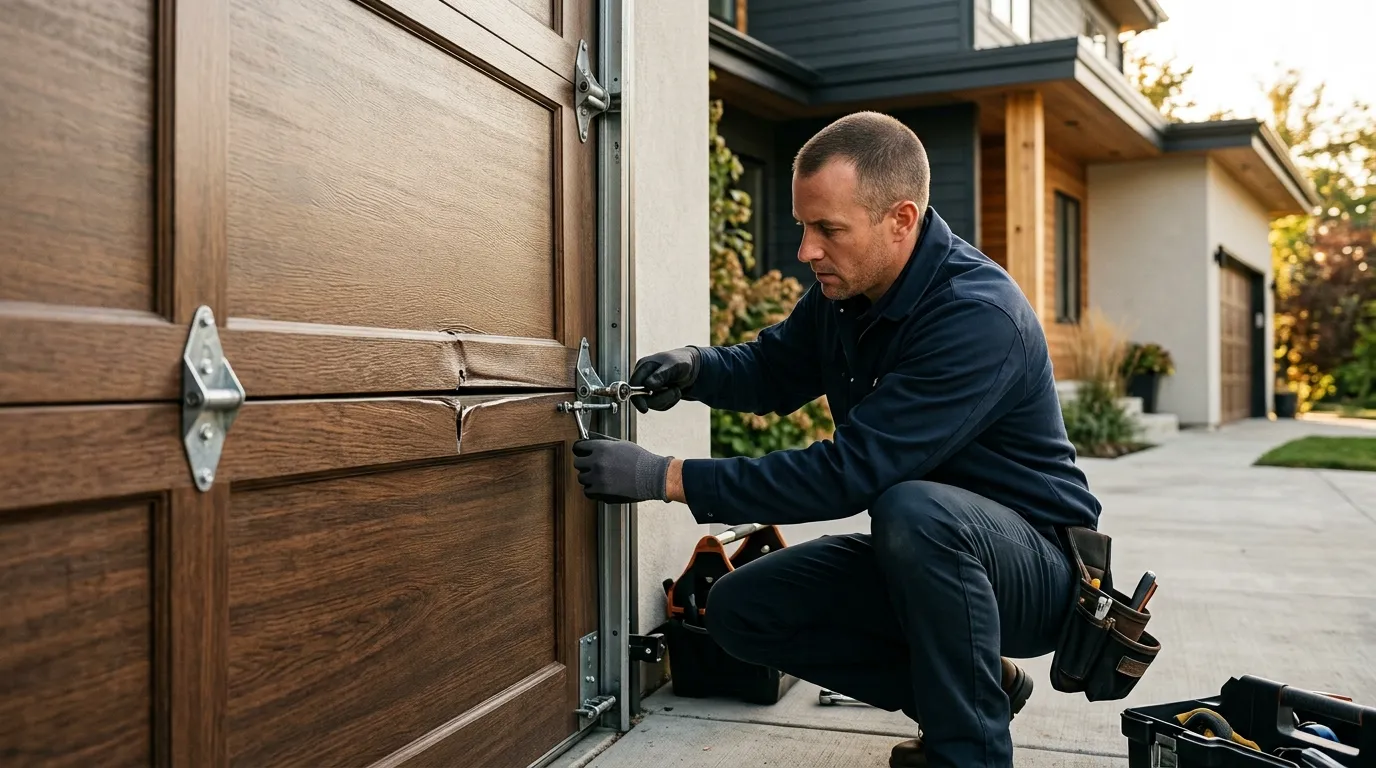
The door won't open, or it opens a few inches and stops. One side hangs lower than the other. You hear a loud bang from the garage and the door won't move afterward - that's almost always a spring. The door looks crooked in the frame, or a cable is visibly slack or snapped at the bottom bracket. On older setups, sometimes it's simpler: the door is heavy to lift by hand and the opener strains audibly before giving up. Any of these on a house from this era usually traces back to original hardware finally reaching the end of its run, not something the household did.