What Is on the Truck
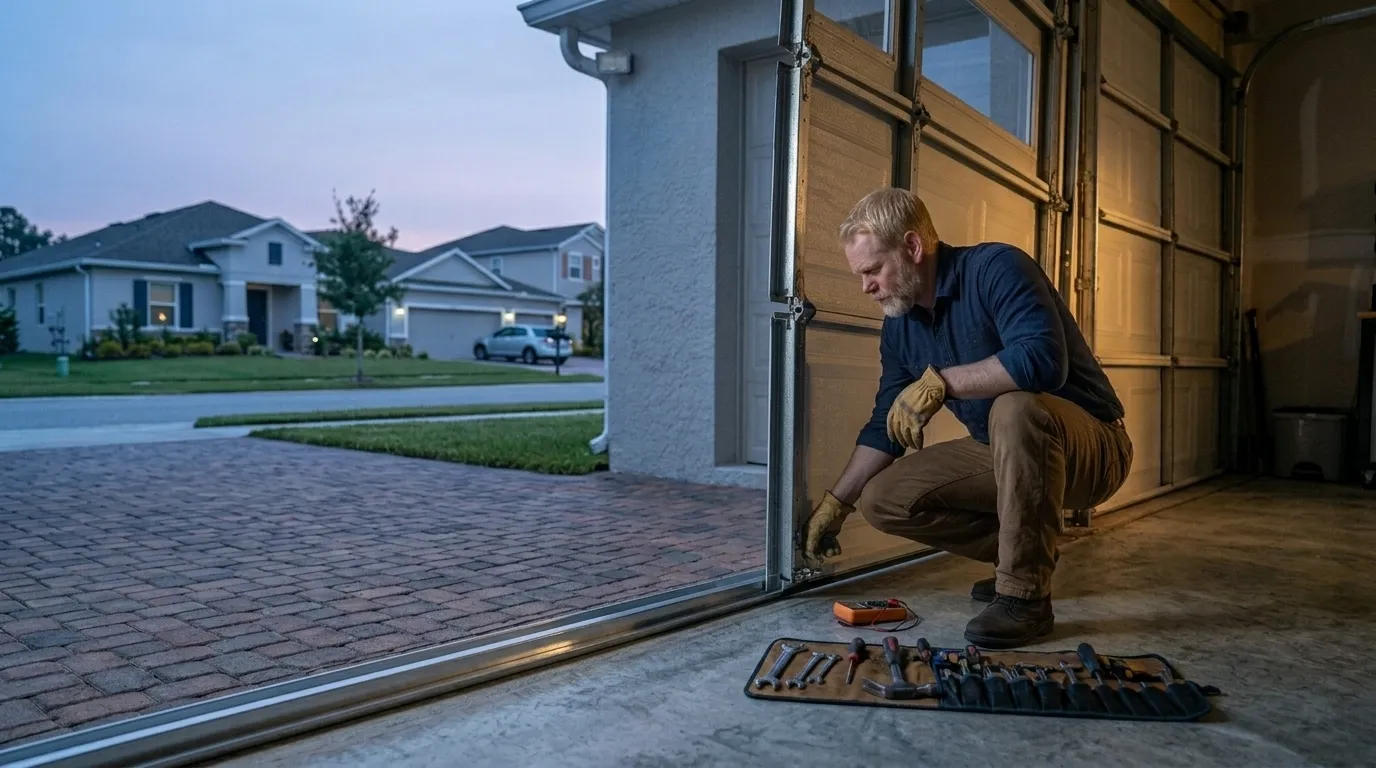
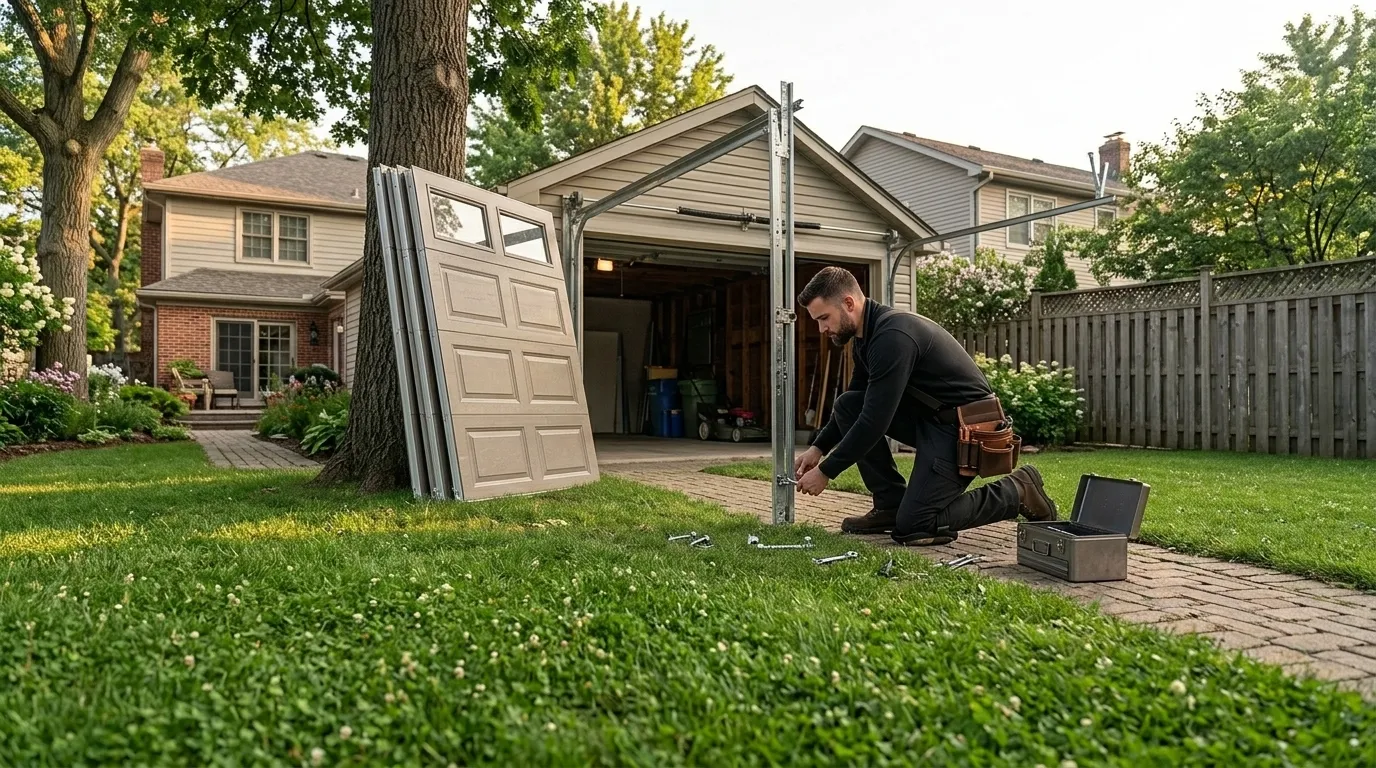
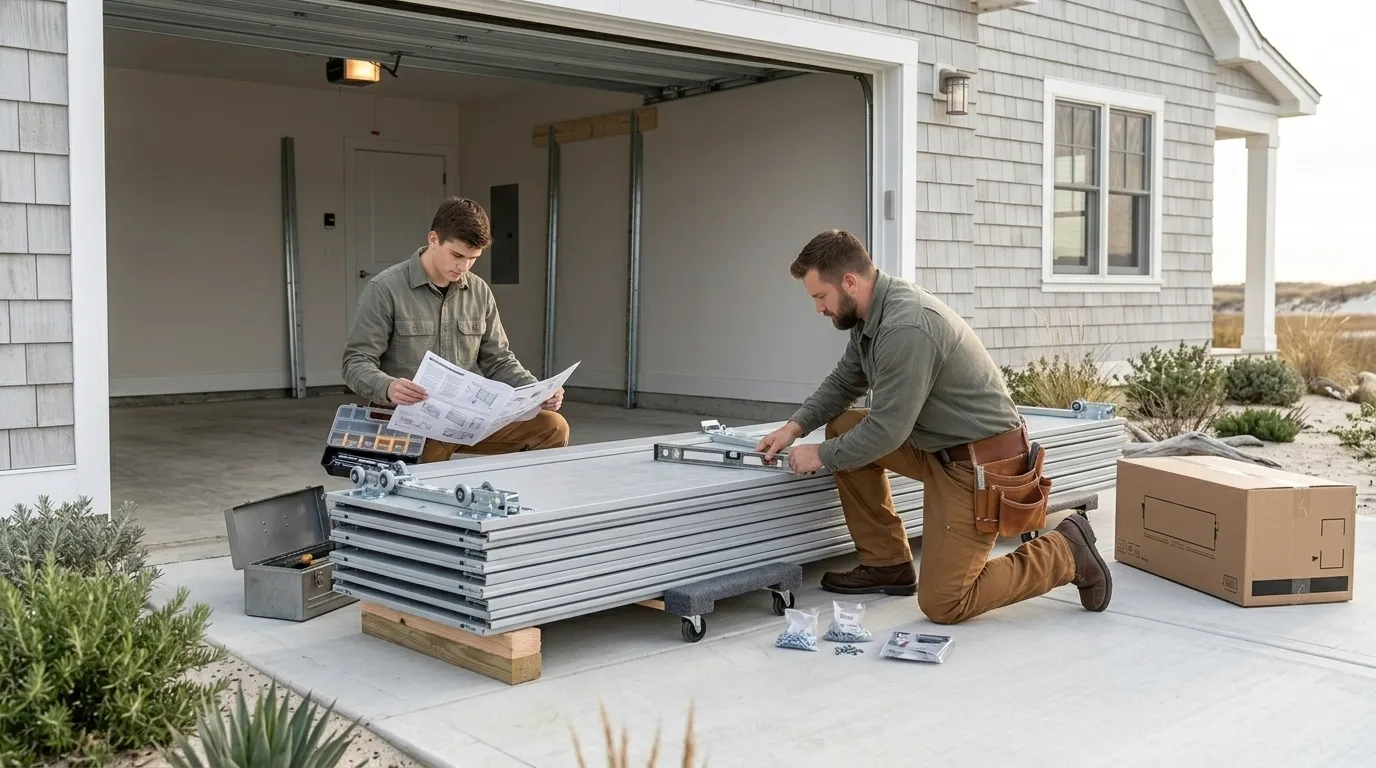
For a neighborhood where the median home dates to 1968, we carry the parts that era actually used: torsion springs sized for older wind on the drum, standard-lift cable in the gauges that shipped before galvanized upgrades became common, and steel rollers to replace the ones worn oval from decades of use. We also carry newer opener units for houses where the original chain-drive unit has finally quit, since parts for openers that old usually aren't stocked anywhere anymore, including on our truck. What we don't carry is custom millwork - if a wood panel door needs a replacement panel matched to a specific finish, that's a special order, not a same-visit fix.
What Can Go Wrong
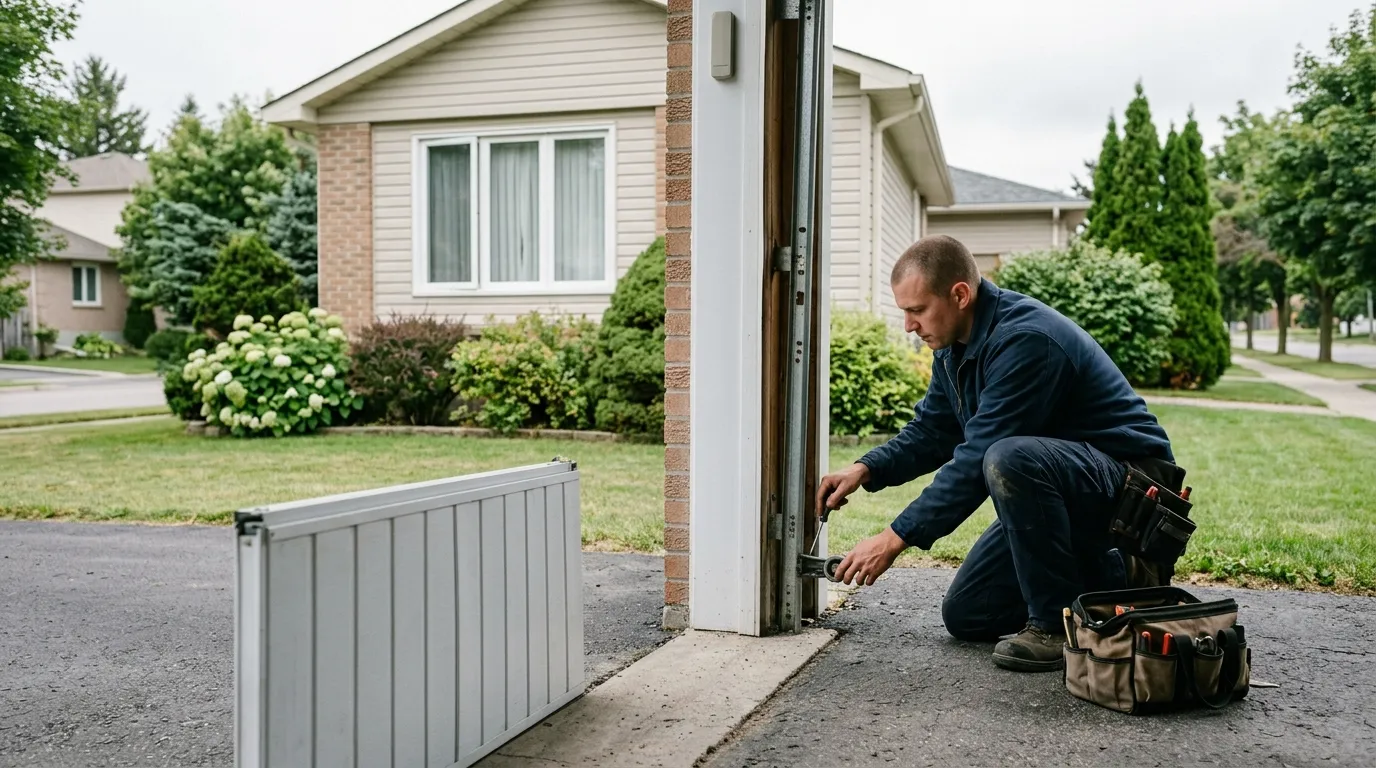
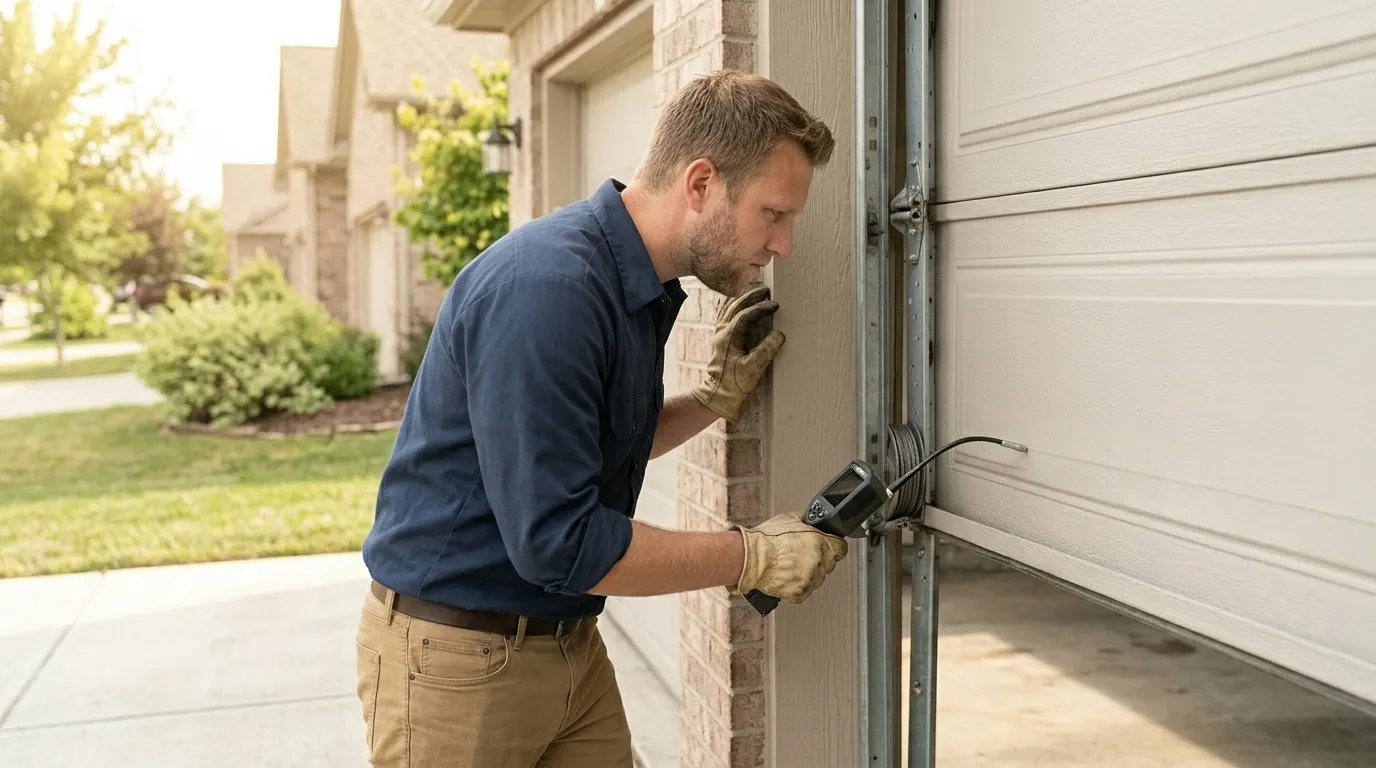
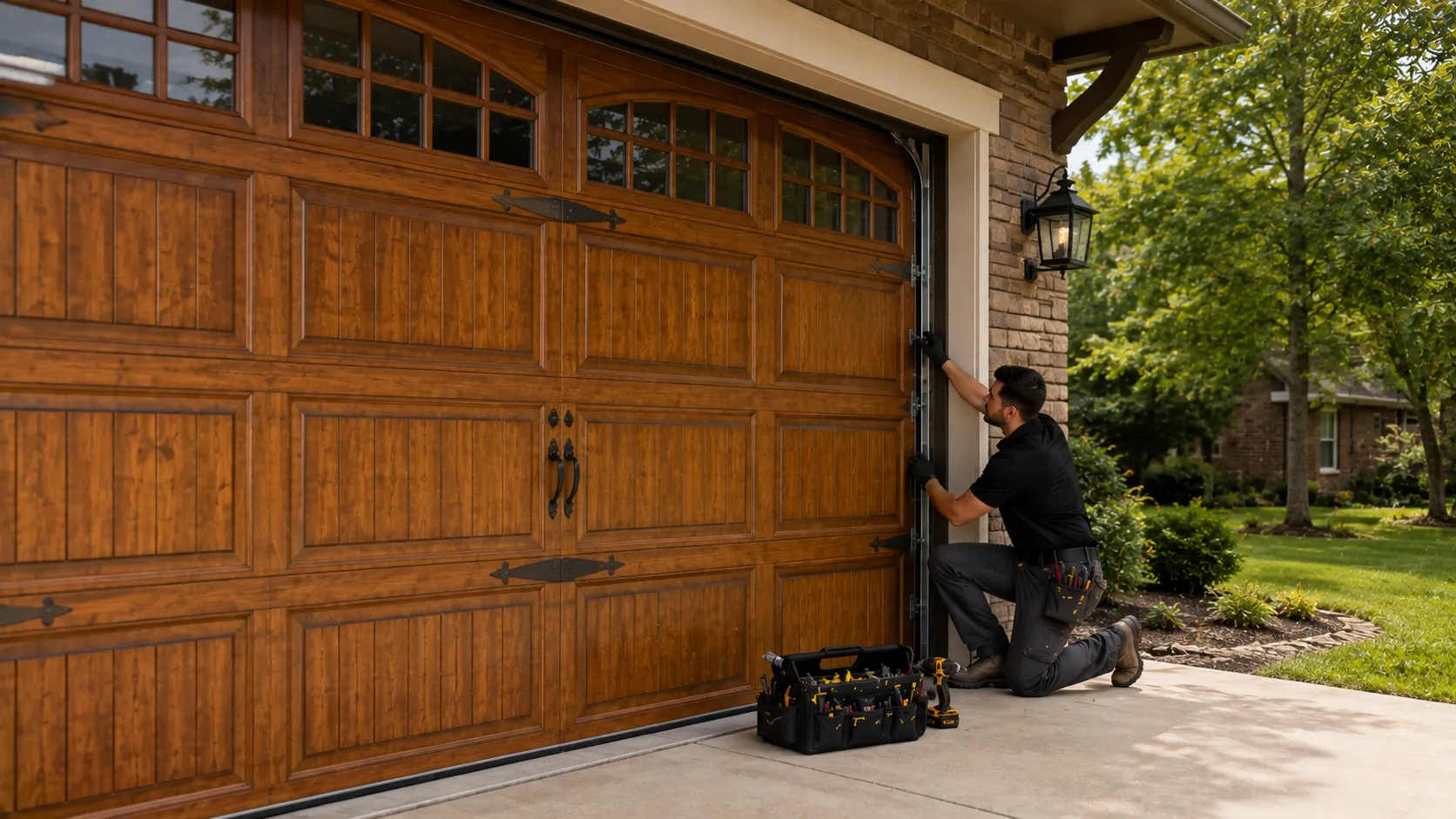
A door installed around 1968 has usually had one thing replaced - the opener, maybe - and nothing else. That means the torsion spring is original, the track is original, and the cable is original, all pushing past fifty years of cycles. Springs that old don't always break clean; they can lose tension slowly, so the door feels heavier every month until it stops moving at all. Track brackets on houses from this build era were often fastened straight into old jamb wood, and after enough seasons of a MILD but humid coastal climate, that wood softens enough that the bracket pulls loose under load rather than the door simply going off-track. Cable fraying is the other common failure - thin strands catching on a drum groove worn from decades of the same spring rubbing the same spot.
Can You Do This Yourself
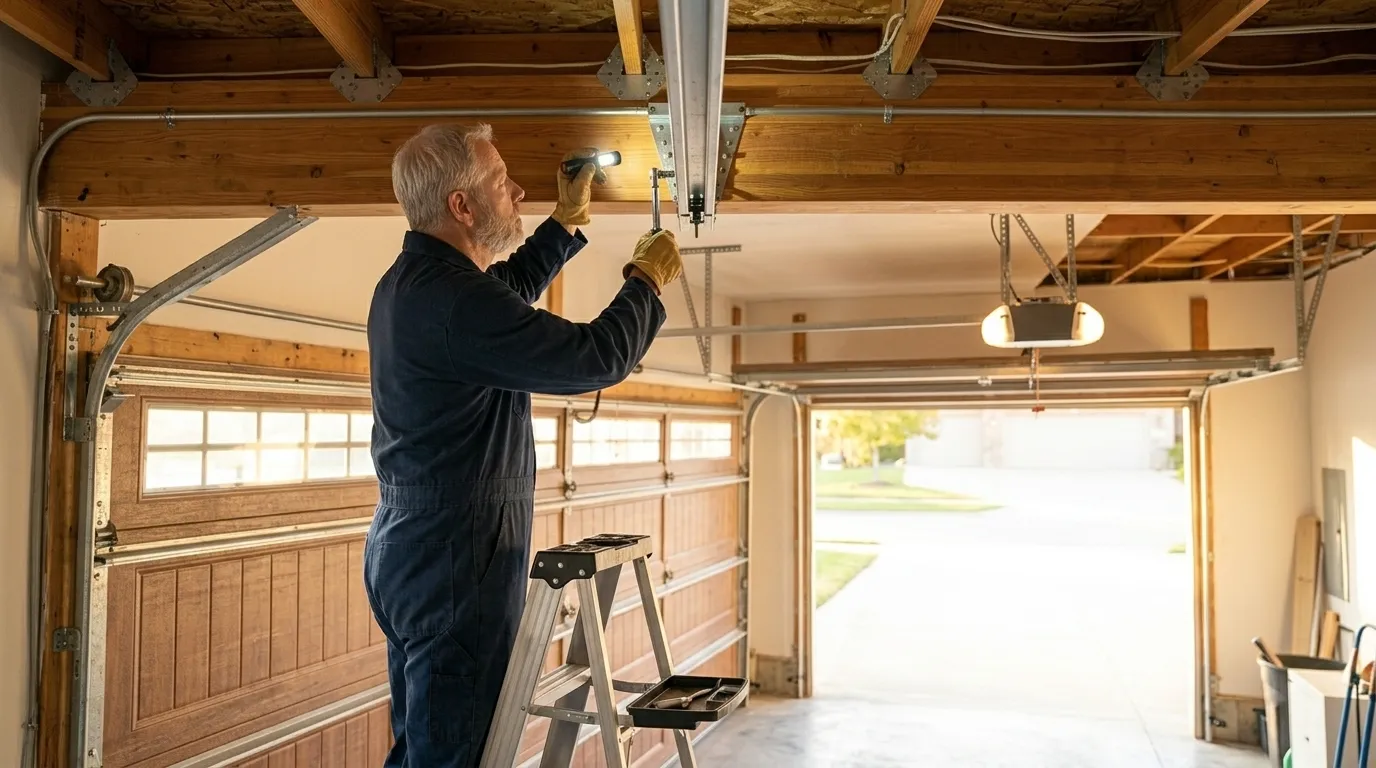
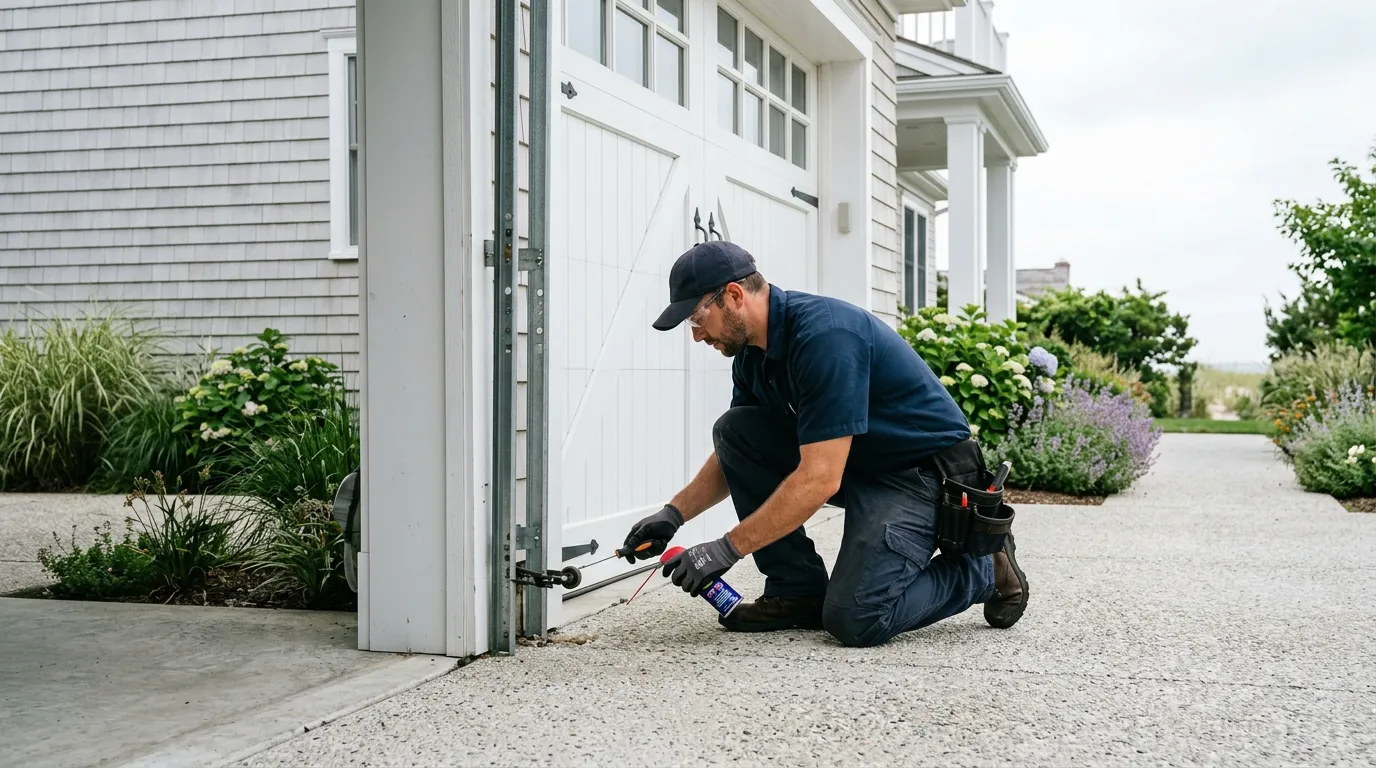
Tightening a loose roller bracket or lubricating a track is fine to do yourself, and cheap to skip if you're not comfortable with a ladder. Torsion spring work is not something to attempt solo - a spring under tension from 1968, never serviced, releases with enough force to break bones, and there's no way to know from the outside how much stored energy is actually in it. If your door is sagging on one side, stop opening it and call rather than trying to muscle it back into track; a bent track on an old header is a bigger repair than a spring that just needs replacing. We'll tell you honestly on the phone if what you're describing sounds like a ten-minute fix you could do yourself.
What You Are Seeing
If the door creaks and drops the last six inches before hitting the floor, that's usually spring tension going, not the opener. If it opens fine but the top corner shudders on the way up, that's a roller or a bent track section, both common on doors this age. A door that's suddenly heavier to lift by hand, even slightly, means the spring is losing tension gradually rather than snapping - worth a call before it does snap. Rust streaking near the bottom bracket points to water sitting at the base longer than it should, which over fifty years in this climate softens the wood the bracket is screwed into.