Getting It Booked In
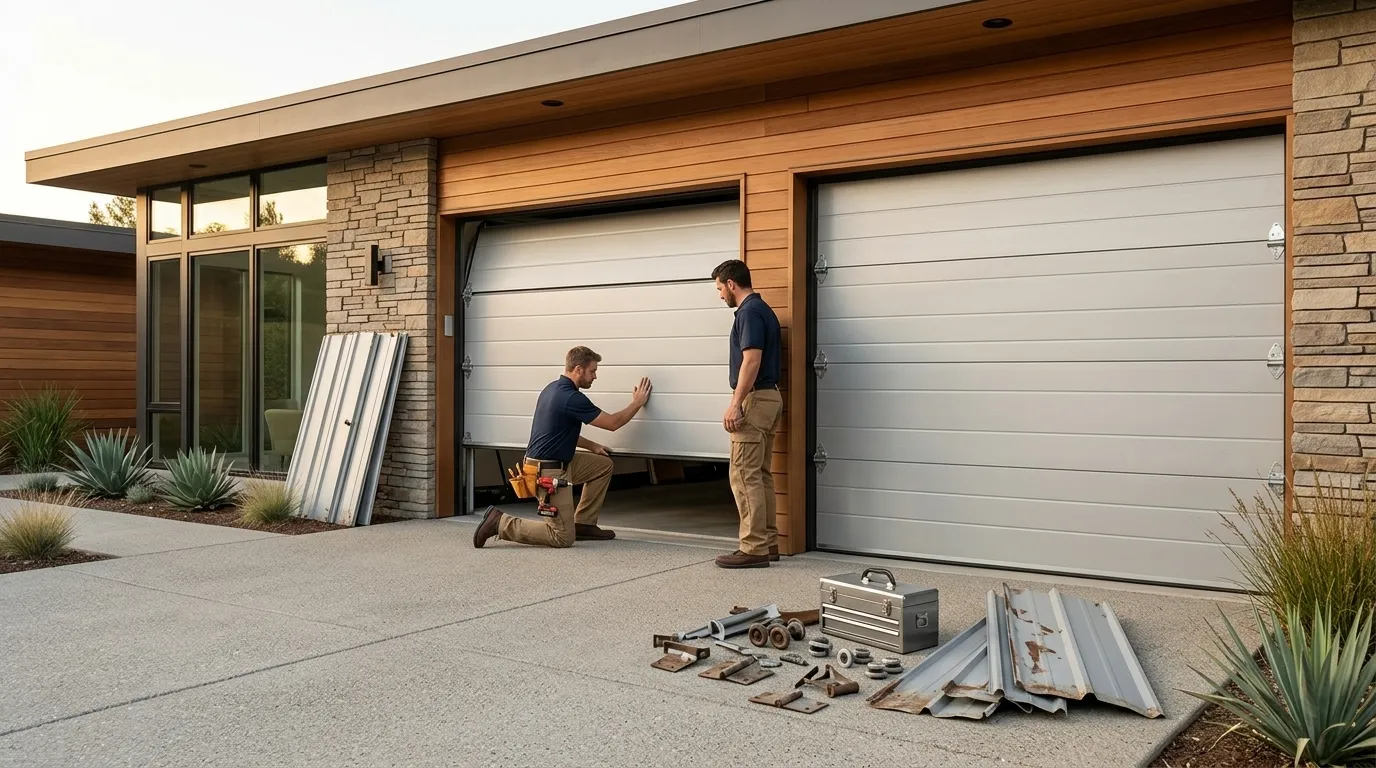
There's no branch in Coral Terrace - the truck comes out of Miami, about six miles in. When you call, tell us what the door is doing: cable hanging loose off the drum, door sitting crooked in the track, or a full drop where one side let go and the other didn't. That detail decides what gets loaded on the truck before it leaves, because cable gauge and drum fit aren't universal across the doors we see on this side of the service area.
If you can, note the door's rough age or whether it's ever had spring or cable work done before. On a street where most houses trace back to the late 1950s, that's often enough for us to guess at hardware type before we're on site, which cuts down on a second trip for a part we didn't know we needed.
Why This Fails Locally
Miami's service area as a whole runs on housing built between 1953 and 2005, with a median around 1976. Coral Terrace sits well below that median - its own housing centers on 1958, nearly two decades older than the area-wide midpoint. That gap matters because cable and drum hardware from the late 1950s was built to different specs than what went into the 1970s and 80s wave of construction that makes up more of the wider service area.
Older single-drum setups wear differently than later double-drum designs, and after this many decades of use, the failure point is almost always the same: the cable frays where it wraps the drum, or the drum grooves wear enough that the cable jumps track under tension. Add in a mild, temperate climate that stays humid year-round rather than freezing and drying out, and the thin zinc coating on an original-era cable corrodes slowly but steadily rather than snapping outright - until it does. That's a different failure pattern than a newer door with fresher galvanized cable, and it's why a cable call here often turns into a drum inspection too.
What the Fix Involves
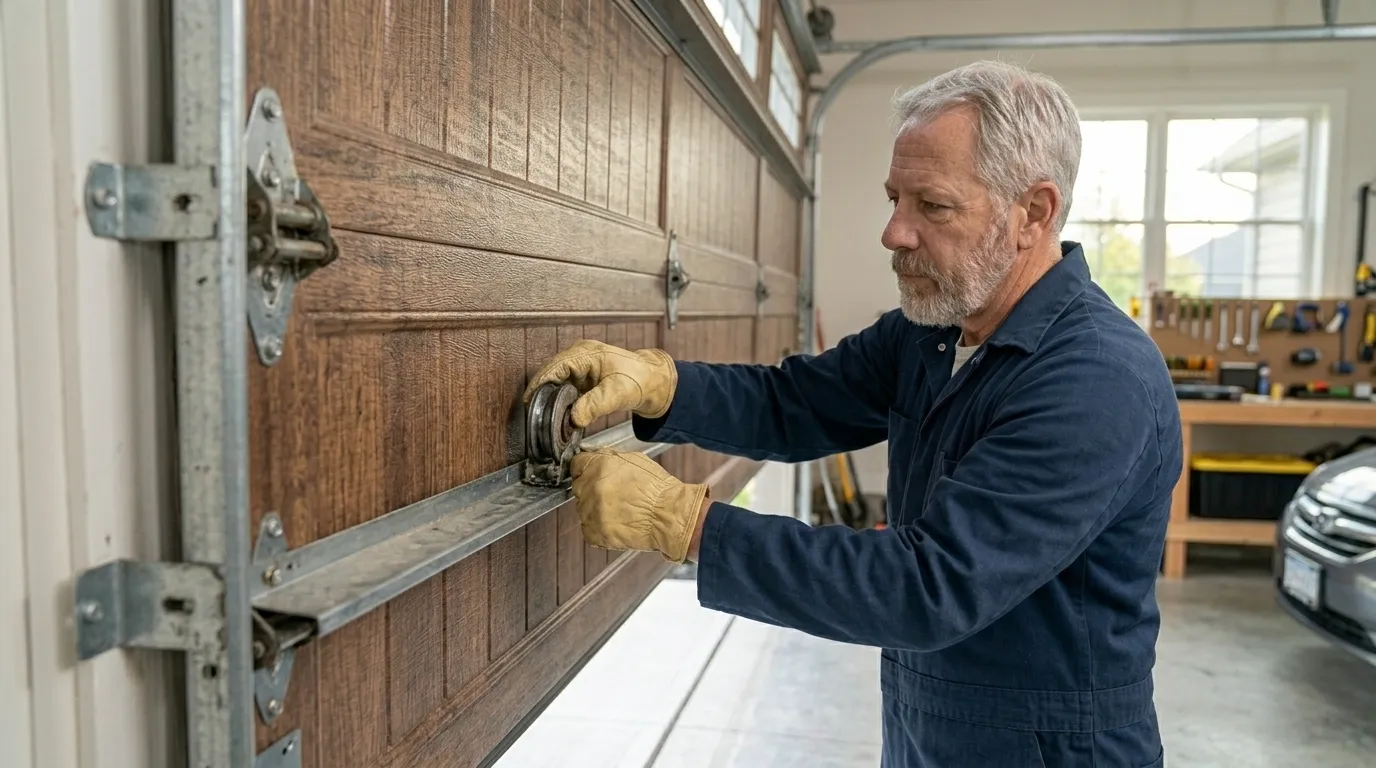
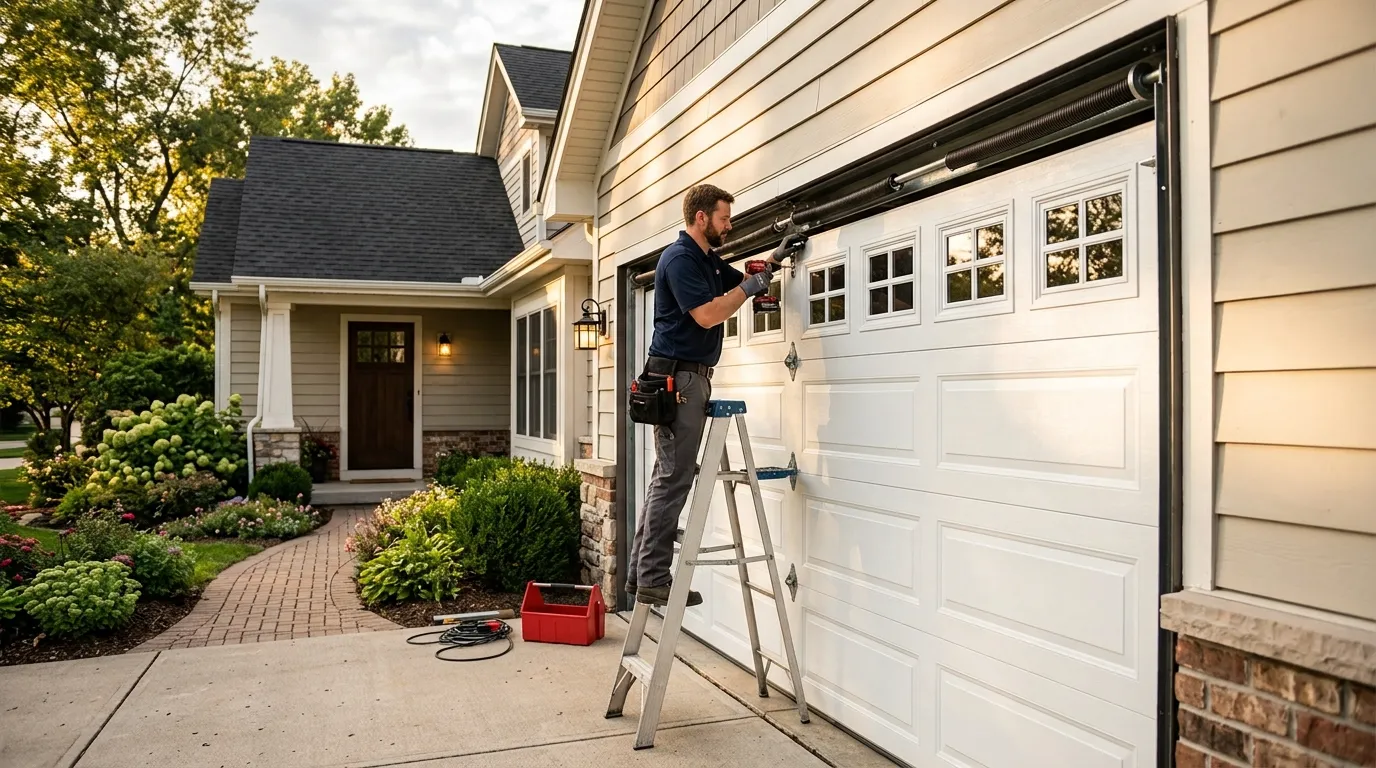
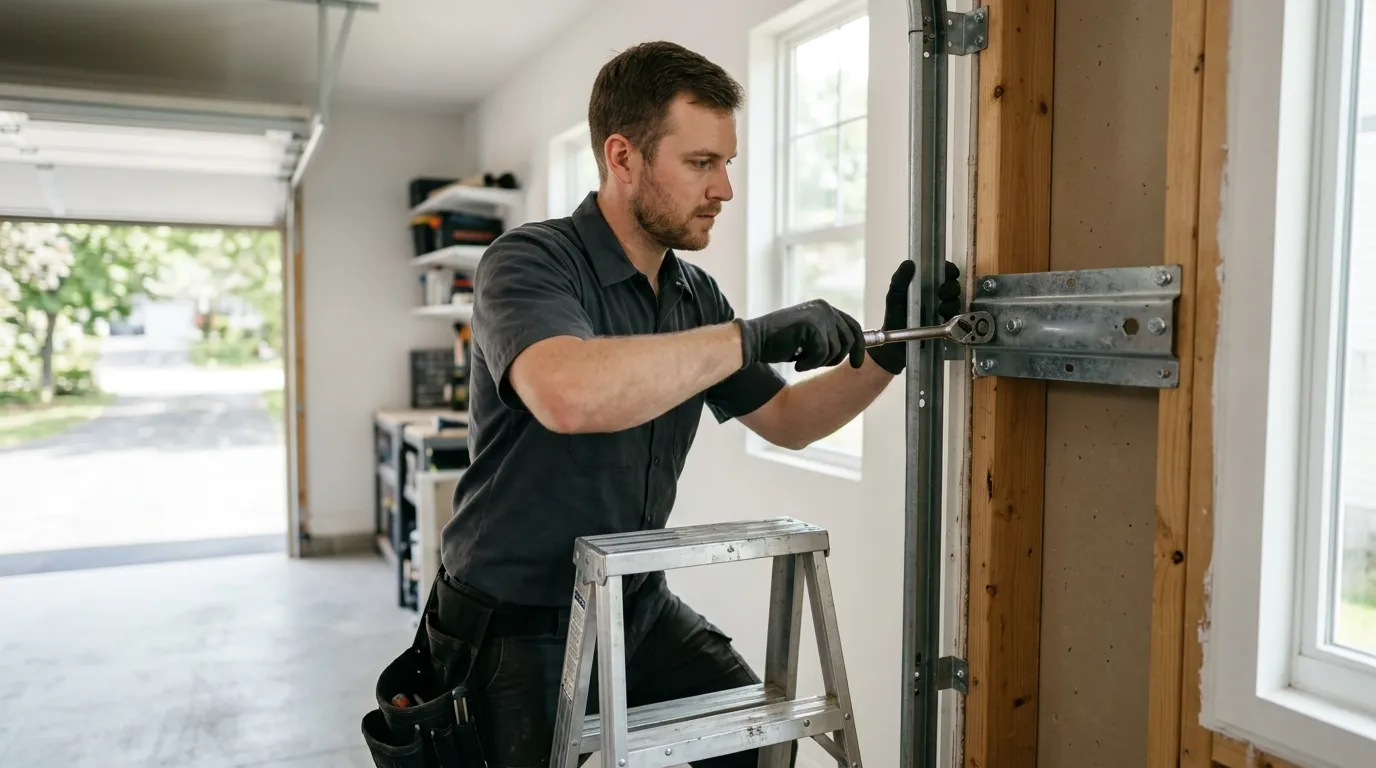
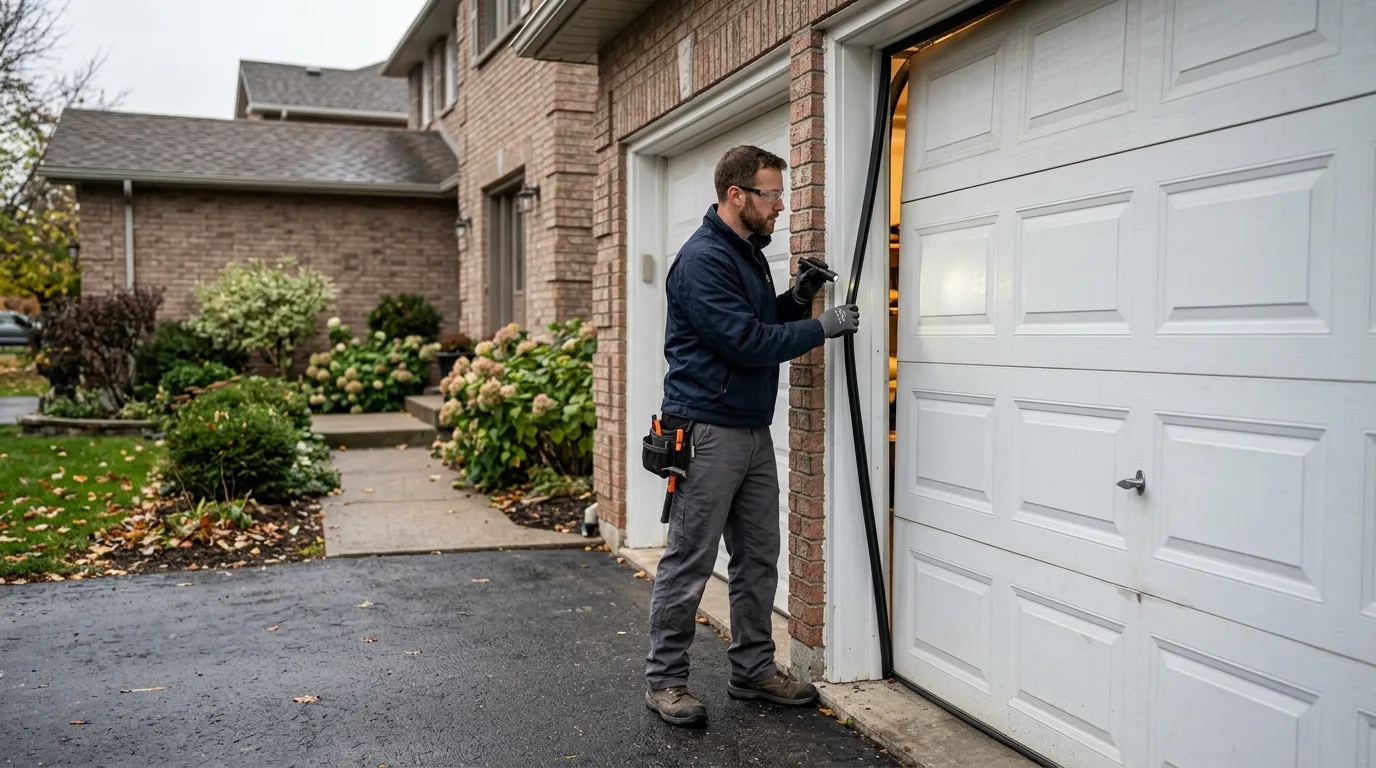
First step is releasing tension safely - a broken cable often means the opposite side is still under load, and that's not something to work around without locking the door down first. Once it's secure, we pull the failed cable, check the drum groove it rode in for burrs or wear, and check the other cable even if it looks fine, since matched-age cables on the same door tend to fail close together.
For doors from the 1958-era stock common in Coral Terrace, we're matching cable gauge and drum fit to older hardware rather than assuming a current stock cable drops straight in - sometimes it does, sometimes the drum or shaft needs swapping alongside it. After the new cable's on, we re-balance the door against the spring so it's not fighting itself on the next open. We test full travel a few times before we call it done, watching for the door drifting off-track, which is the tell that something upstream - a bent track, a worn roller - is still off and needs its own look.
What You Are Seeing
The signs are usually obvious once you know what to look for. The door hangs crooked in the opening, higher on one side than the other. One cable is visibly loose or frayed where it wraps the drum, sometimes with strands sticking out. The door drops suddenly partway through a cycle instead of moving smoothly, or it stalls and the opener strains against it. In the worst version, the door comes down hard and uneven because one cable let go entirely while the other held.
On the older single-cable-drum doors common to Coral Terrace's 1958-era housing, the fray point is almost always right at the drum, where decades of wrap and unwrap cycles wear a groove into both the cable and the metal underneath it. If you're hearing a scraping or popping sound before the cable finally goes, that's usually this same wear announcing itself early - worth a call before it becomes a full drop.