Getting It Booked In
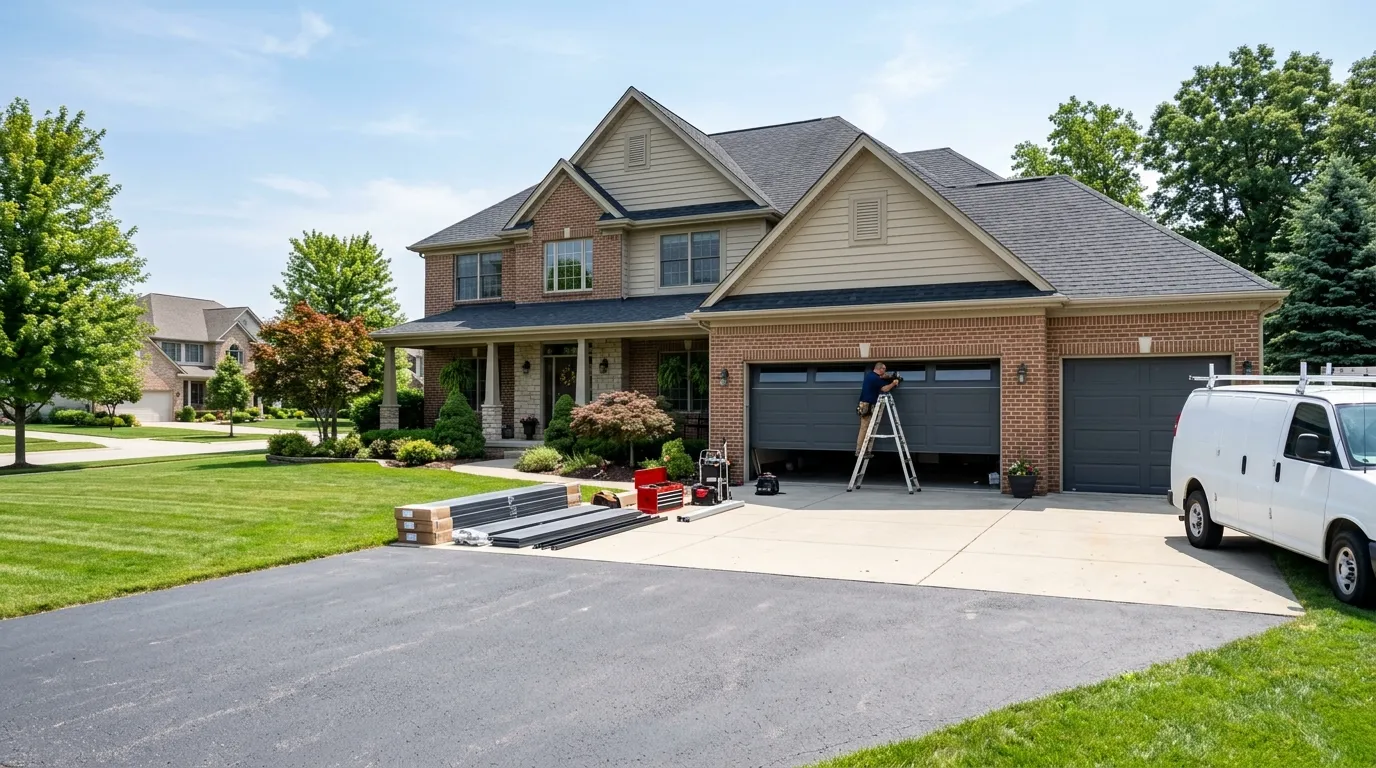
The truck runs from Miami, about 6 miles out, so a Coral Terrace call typically gets scheduled alongside other stops on that side of the service area rather than as a standing local route. There's no branch or depot in Coral Terrace itself - we're clear about that up front so nobody expects a truck parked around the corner.
When you call, tell us which side of the door is off the track and whether the door will move at all. A door that's jammed halfway is a different job than one that's simply hanging loose on one roller, and knowing which one you've got helps us bring the right parts the first time instead of making a return trip. With 8,099 households in Coral Terrace, most on similar-era lots, we see this same failure pattern often enough that a short description over the phone usually tells us most of what we need to know before we arrive.
Why This Fails Locally
Because Coral Terrace's own housing stock centers on 1958, a decade earlier than the 1976 median across the wider service area, the track hardware on a lot of these garages predates the rollers and lift cables that most supply trucks carry as default stock. The original brackets were sized for a lighter one-piece door on a single-car opening, and over sixty-plus years those mounting points work loose in the wood framing behind them - that's usually what lets the track kick sideways in the first place.
A roller that's worn thin, or a cable that's stretched unevenly on one side, will walk a door off its rail gradually before it happens all at once. On a single-car door, the door doesn't have to travel far off-line before it binds against the frame or drops a corner. It's a narrower margin for error than on a wider double door, which is part of why these calls tend to be sudden - the owner hears a bang and the door won't move, rather than noticing a slow drift over weeks.
What the Fix Involves
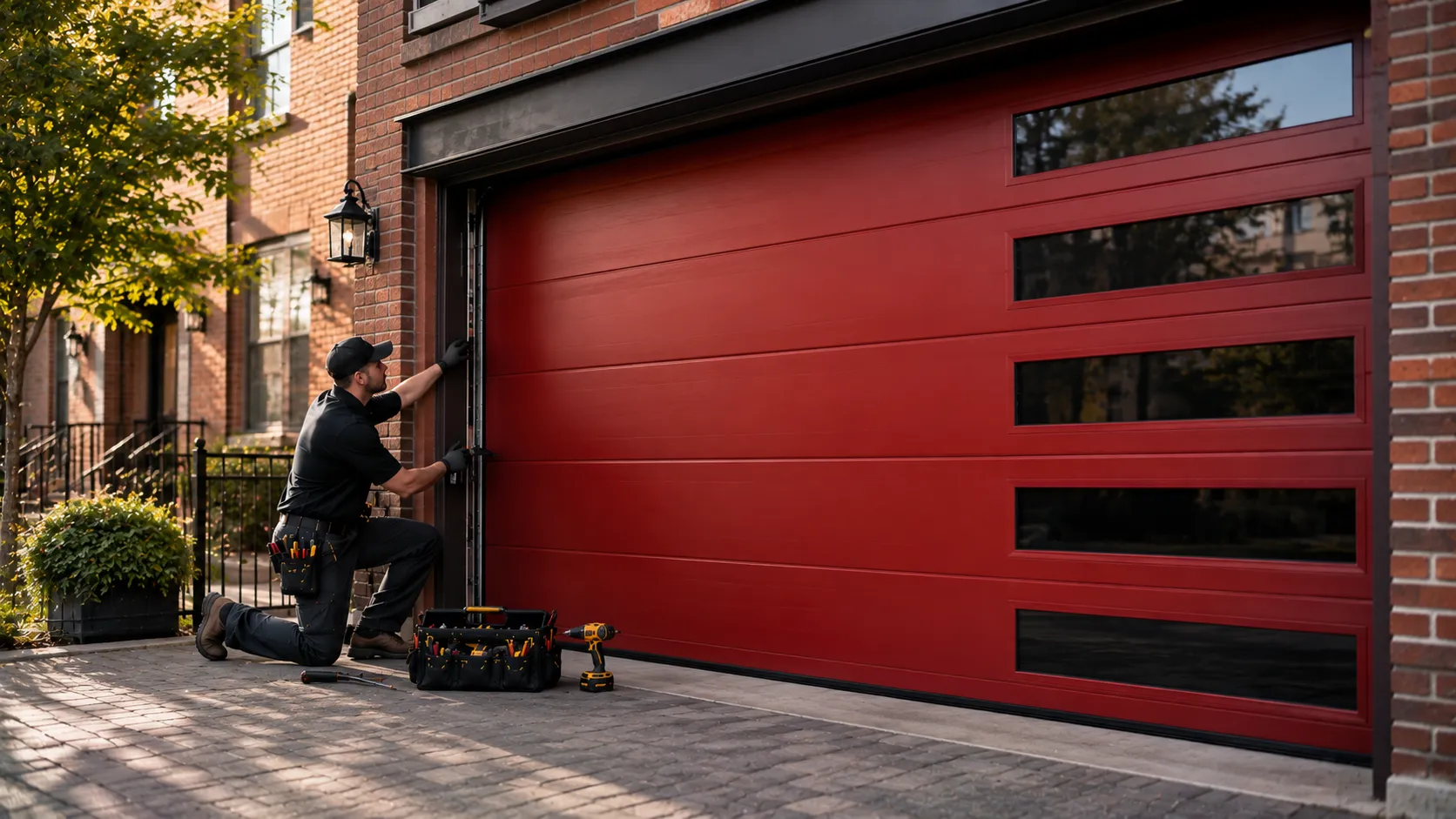
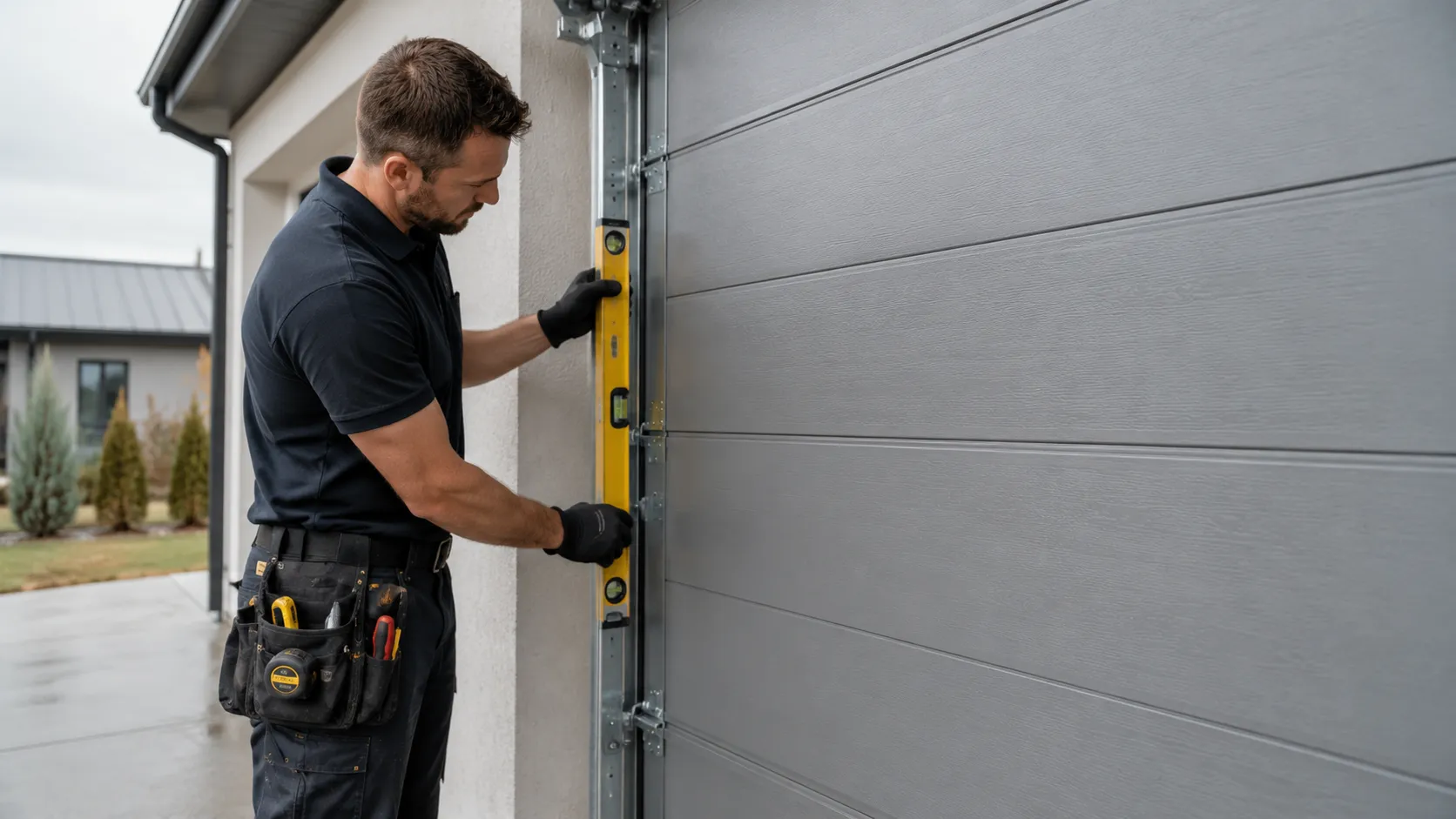
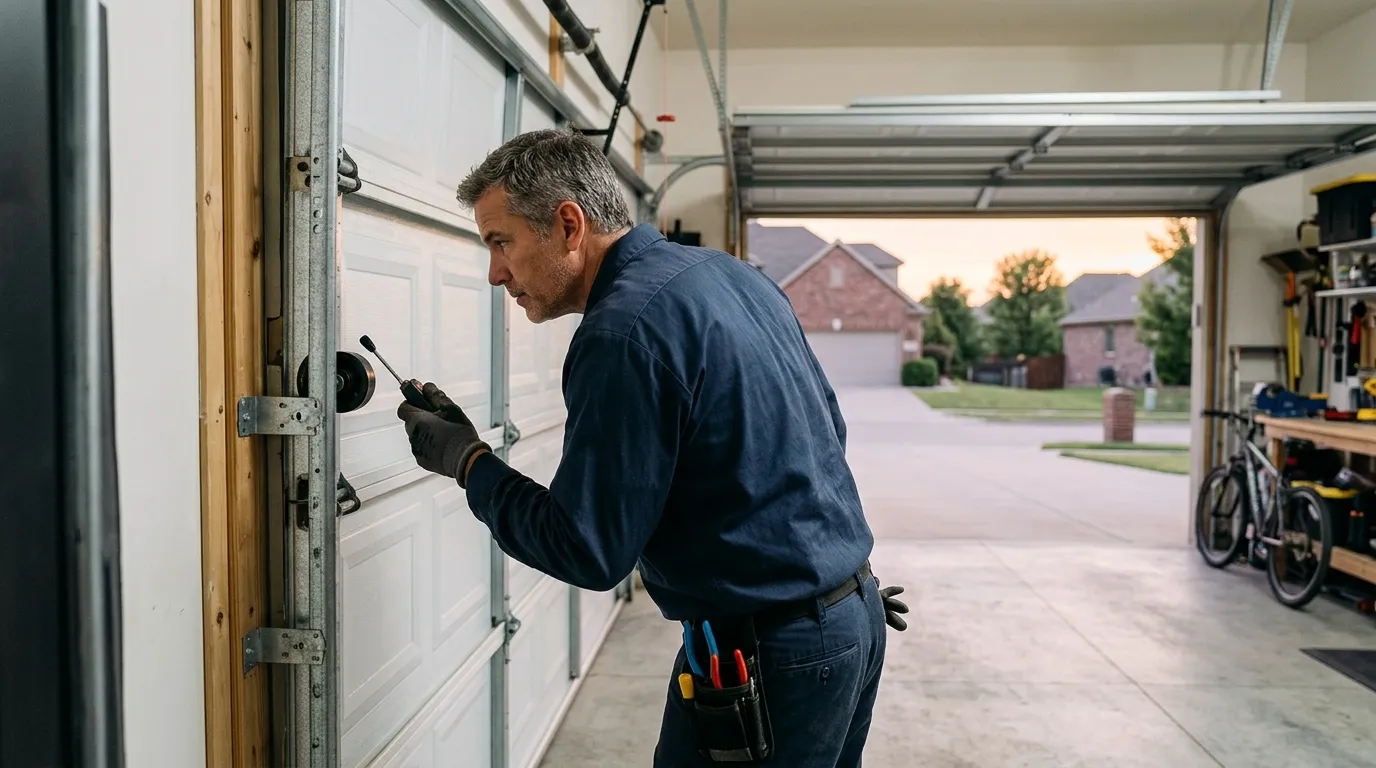
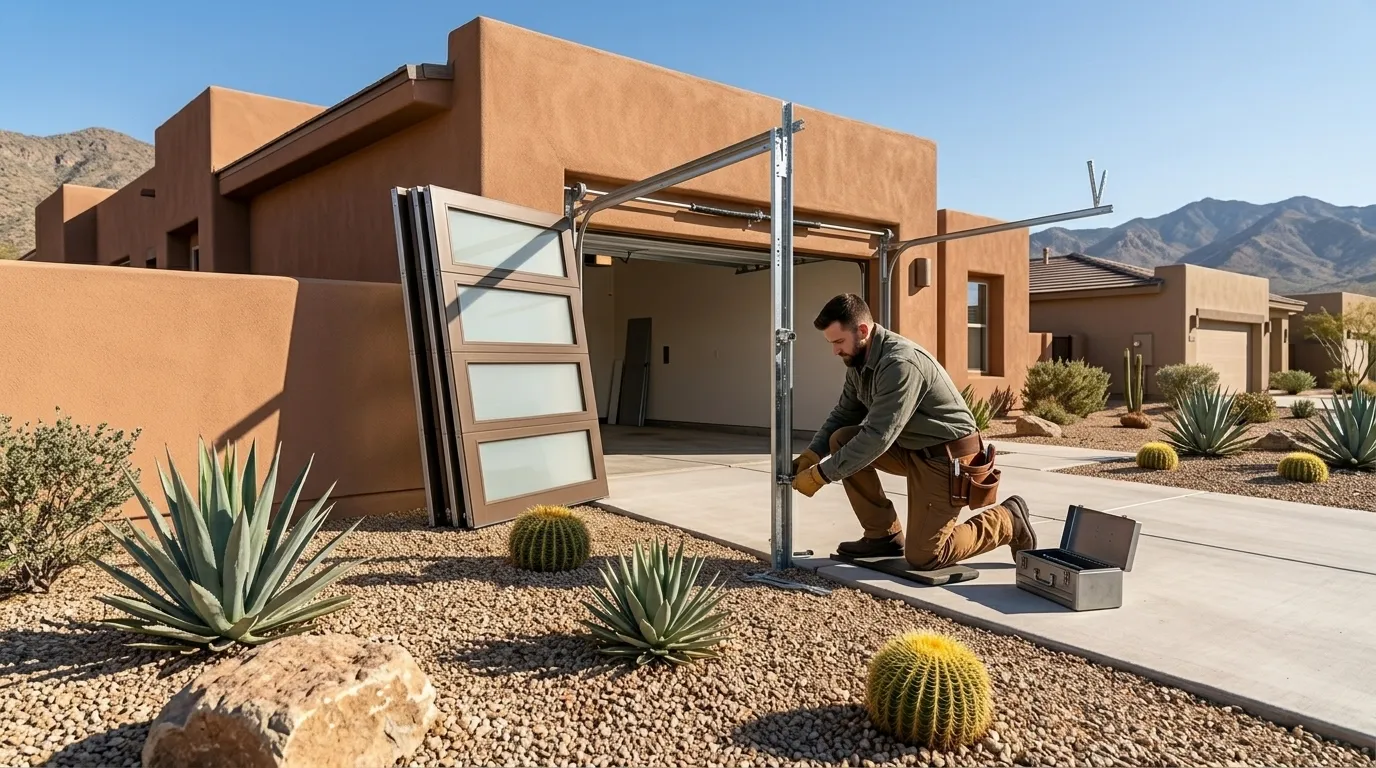
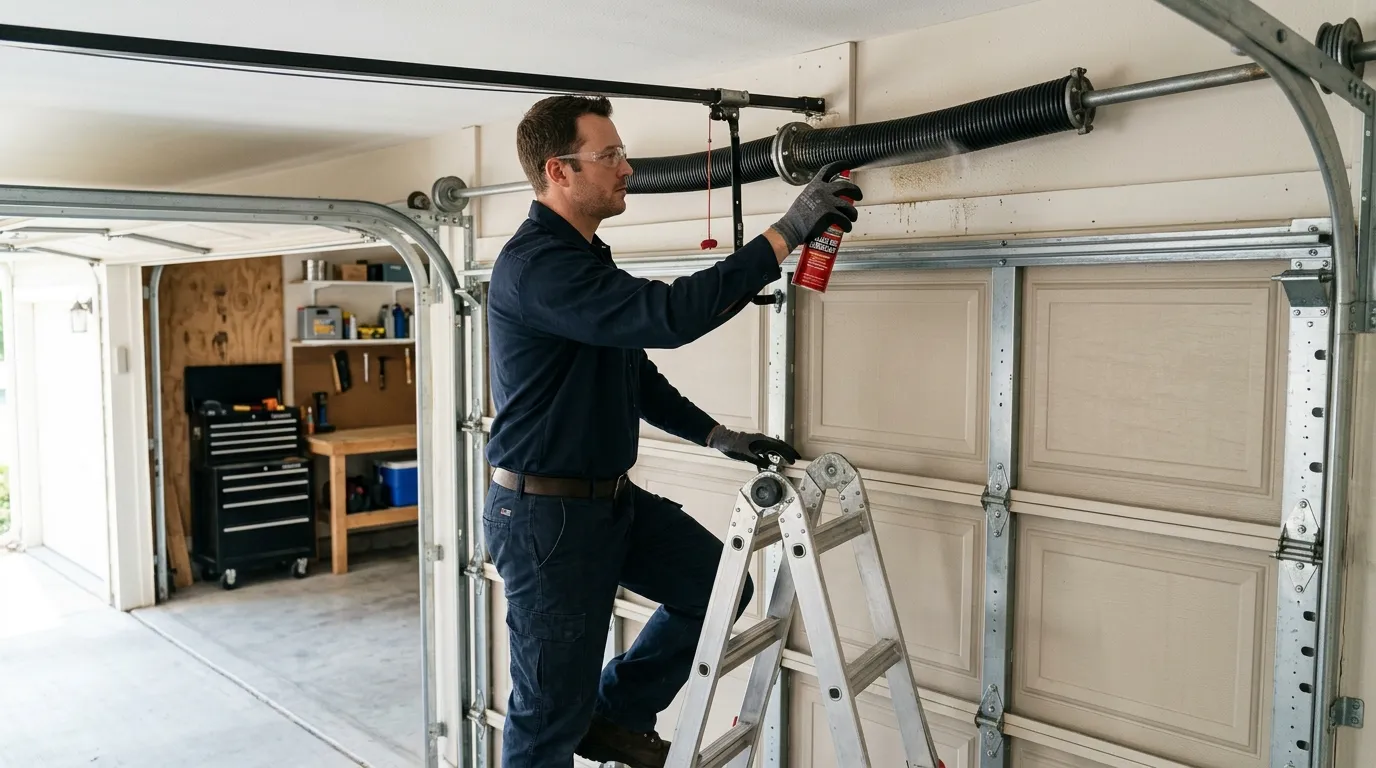
First step is getting the door secured so it can't drop further - on a single-car door that's usually a matter of clamping the track and relieving spring tension before anything else moves. From there we check the rollers on both sides, the cable runs, and the bracket that anchors the track to the framing, since on houses from this era that bracket is the part most likely to have worked loose over time.
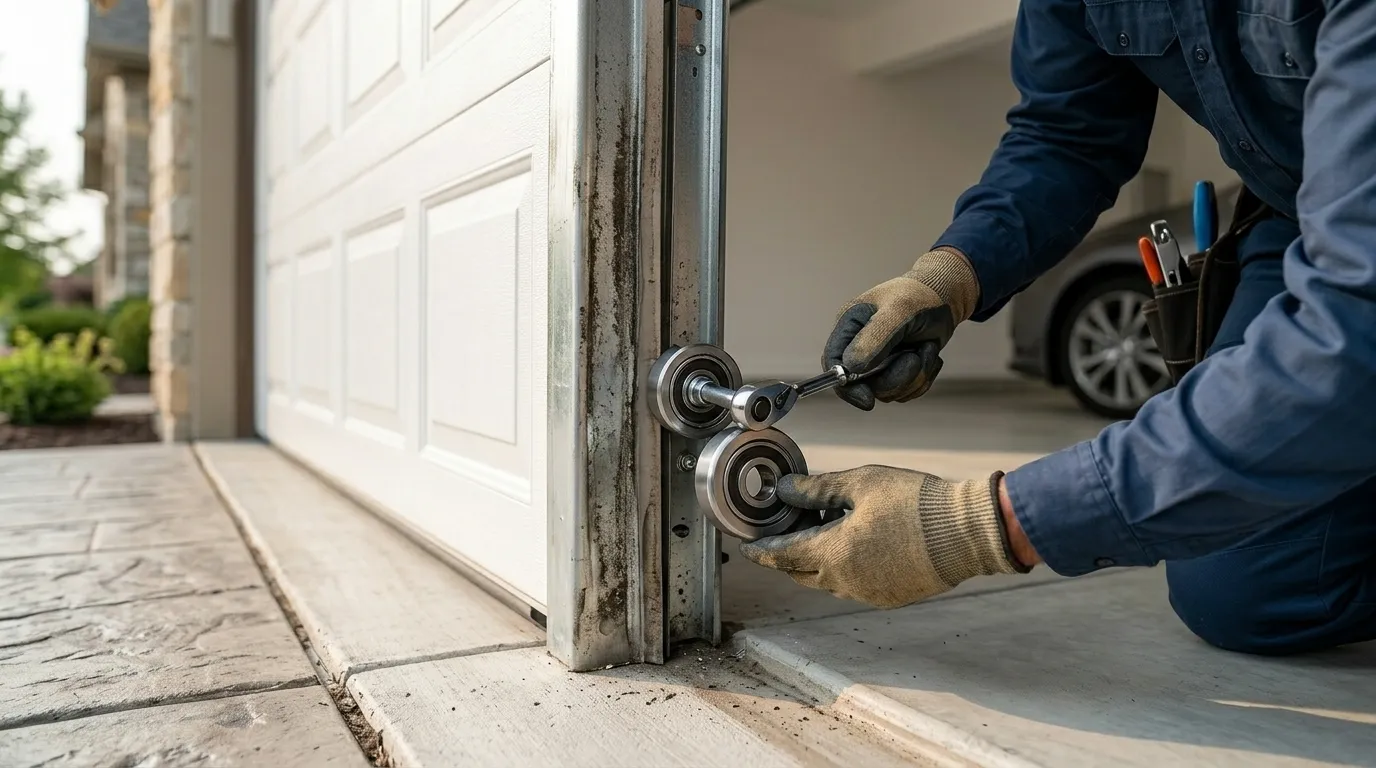
If the track itself is bent, it gets replaced rather than hammered back into shape - a track that's been reshaped once tends to let go again sooner. If it's a worn roller or a loose bracket, that's a more contained fix: swap the roller, re-anchor the bracket, realign the door on the rail, and run it through a full open-close cycle to confirm it's tracking straight before we call the job done.
What You Are Seeing
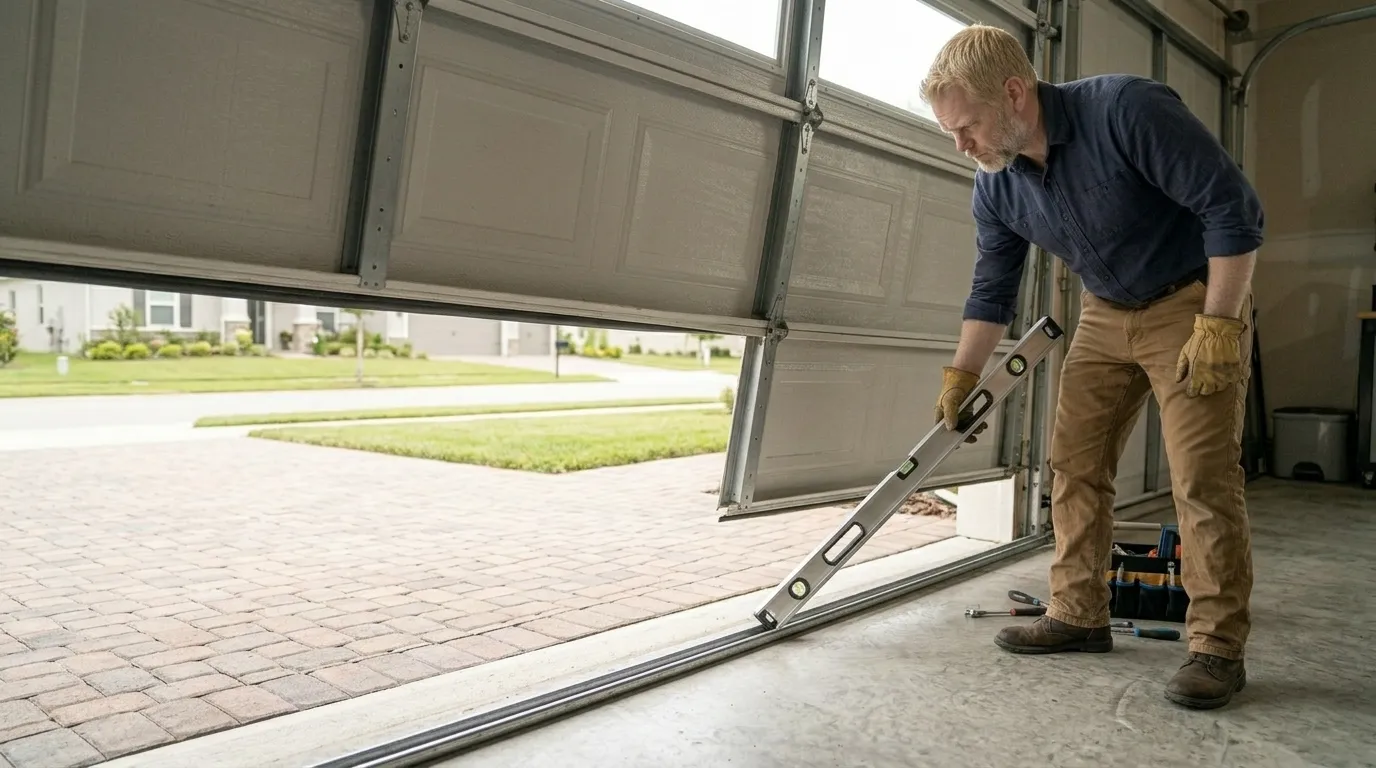
The usual signs: the door hangs unevenly, tilted at one corner, or it simply won't move past a certain point without grinding or binding. Sometimes there's a visible gap between the roller and the track on one side, or the door has come fully off the rail and is resting against the frame. You may hear a bang at the moment it happens, followed by the opener straining against a door that won't lift.
On Coral Terrace's older single-car doors, this often shows up as a sudden jam rather than a slow drift, because there's less width for the door to wander before it binds. If the opener keeps trying to run after the door has stopped moving, shut it off at the wall - running the motor against a jammed door strains the opener and can bend the track further before anyone gets a look at it.