Getting It Booked In
We run this job out of Miami, and Coral Terrace sits about six miles out, so factor a short drive into scheduling rather than expecting a walk-up same-hour fix. The wider service area we cover includes well over 600,000 households; Coral Terrace itself is a much smaller slice at roughly 8,099 households, which means we're not running a dedicated route through the neighborhood daily. Booking ahead, even by a day, makes it easier to have the correct panel already in the truck instead of ordering after the first visit. If you know the door is a single-panel swing-up or has the narrower sectional width common to homes built in the late 1950s, mention that when you call - it changes what we bring. You can also check general service details on our Coral Terrace page before booking.
Why This Fails Locally
With a median build year around 1958, most original garage openings in Coral Terrace predate the switch to insulated, wider steel sections that became common by the 1970s and 80s. Panels from that older run are thinner gauge, narrower, and often paired with hardware never designed for the heavier foam-core sections sold today. When one section dents or rusts through, homeowners sometimes get quoted for a full door replacement because the installer doesn't stock anything close to the original width. That's not always necessary - a matched or near-matched panel can extend the door's life for years - but it does mean the job takes more legwork than pulling a stock panel for a 2005-built house. Coral Terrace's median household income, at $77,396, runs above the broader service area's $71,020, and in practice that means more owners here choose a proper custom-matched panel over a mismatched economy fix, since the door usually isn't due for full replacement yet.
What the Fix Involves
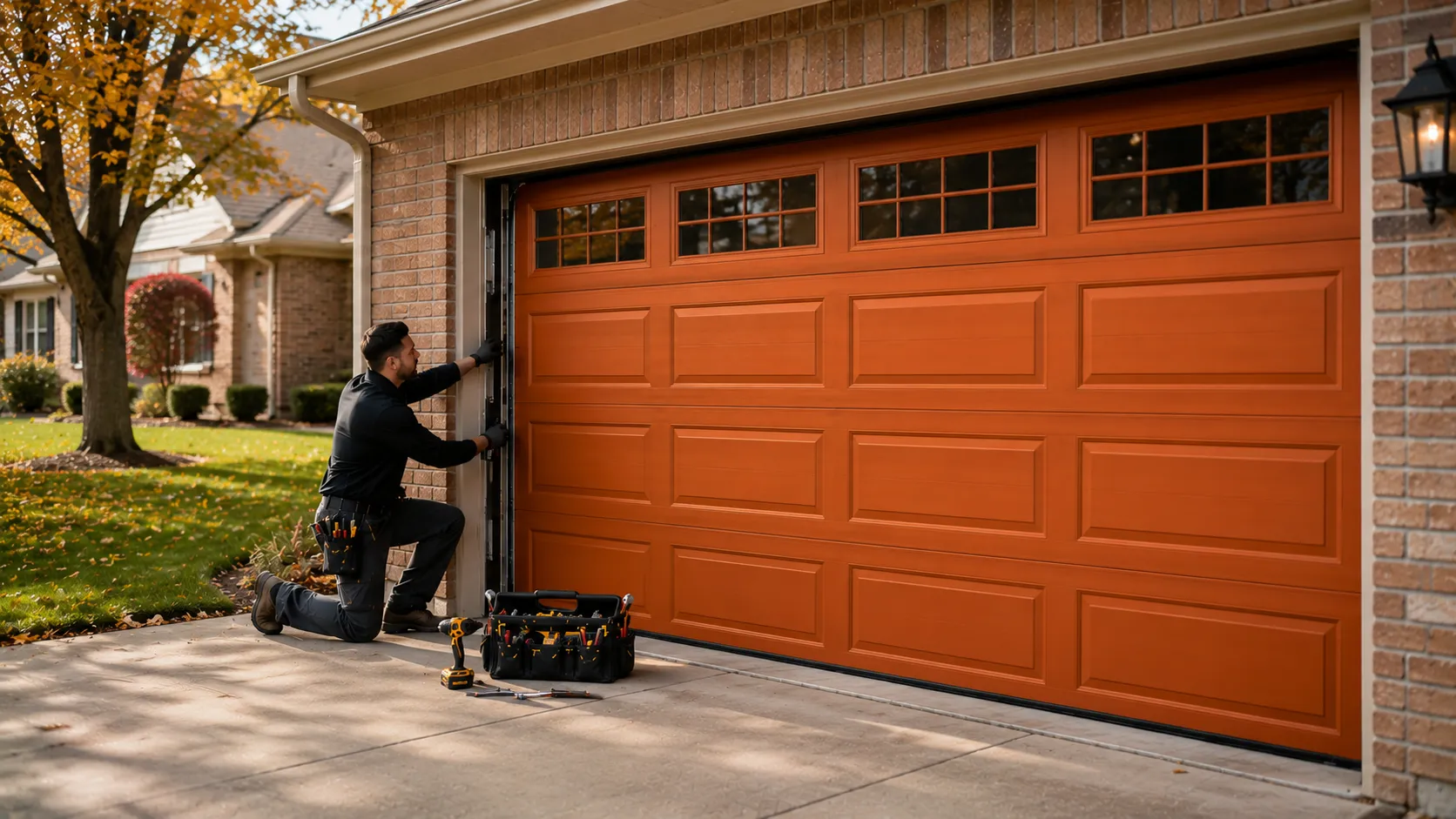
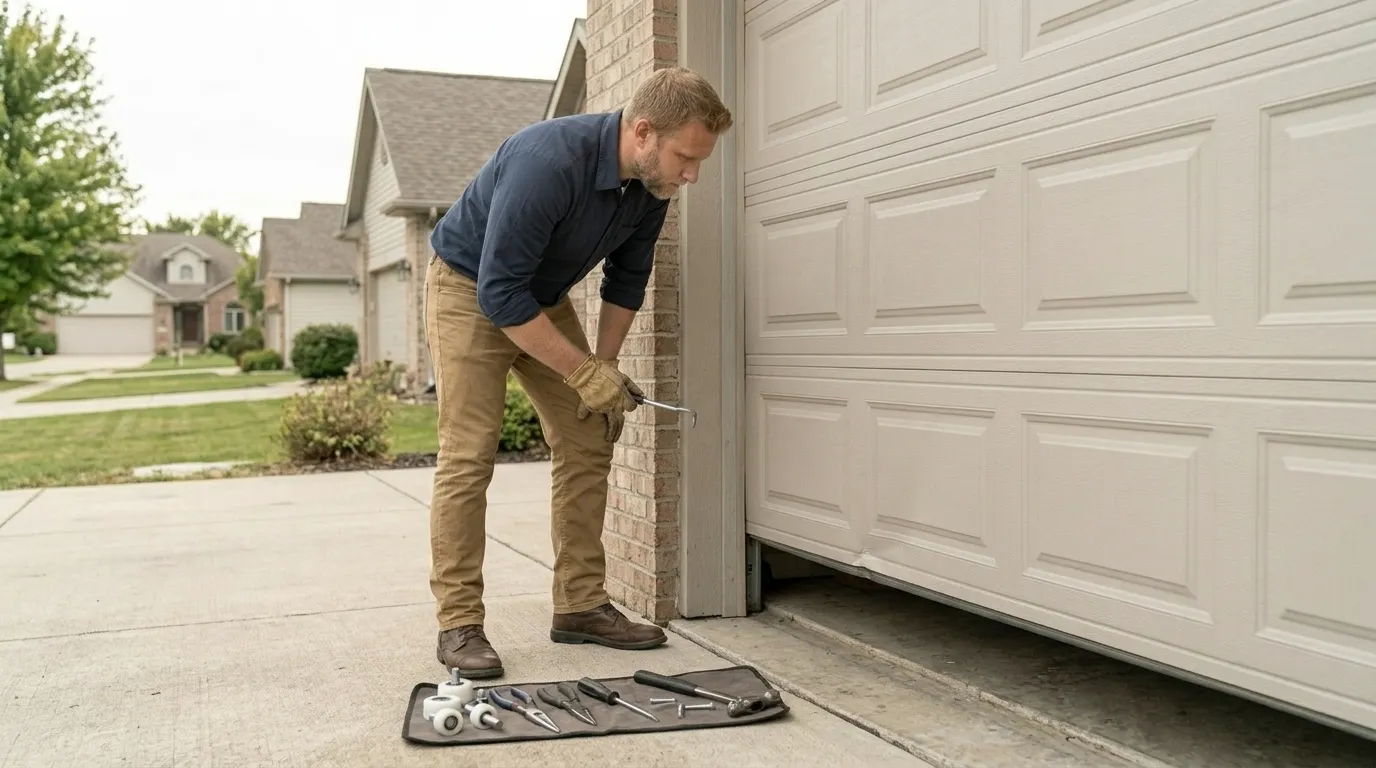
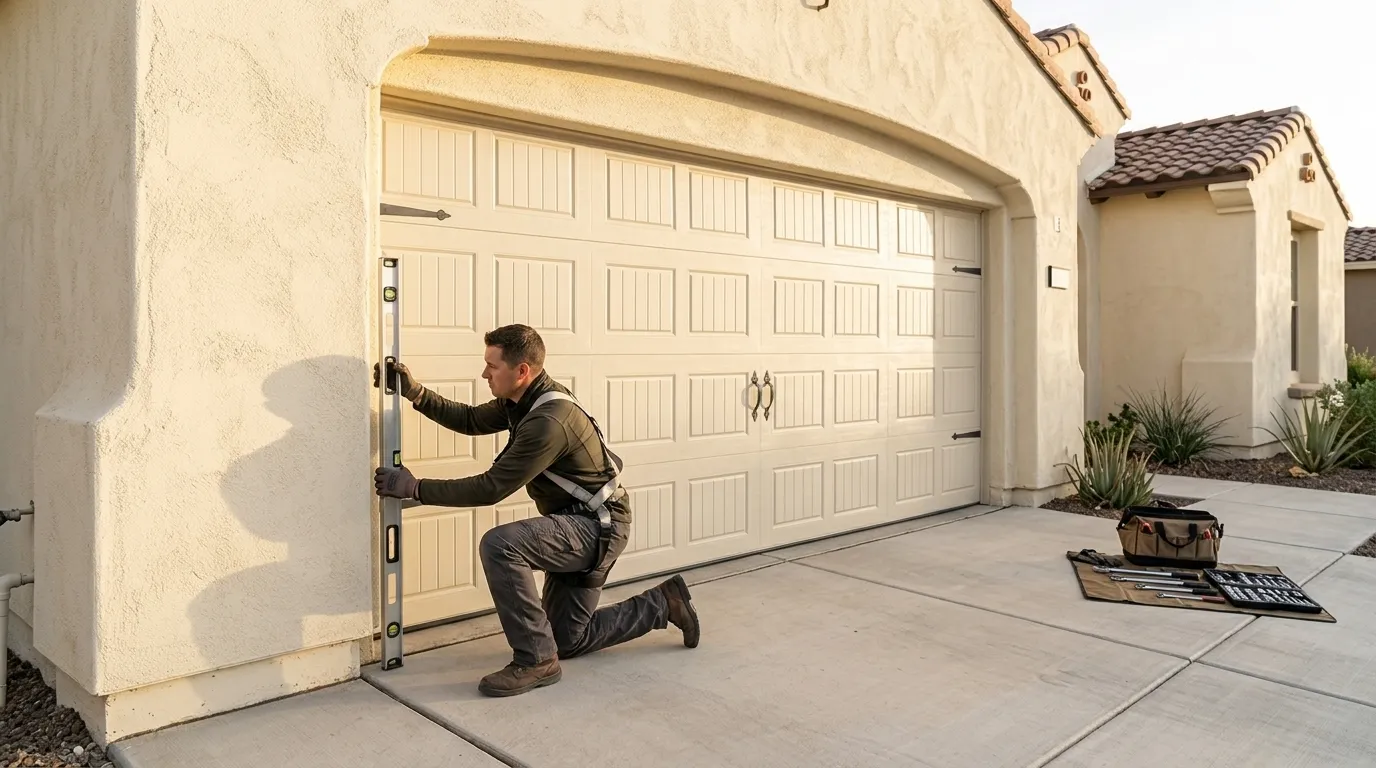
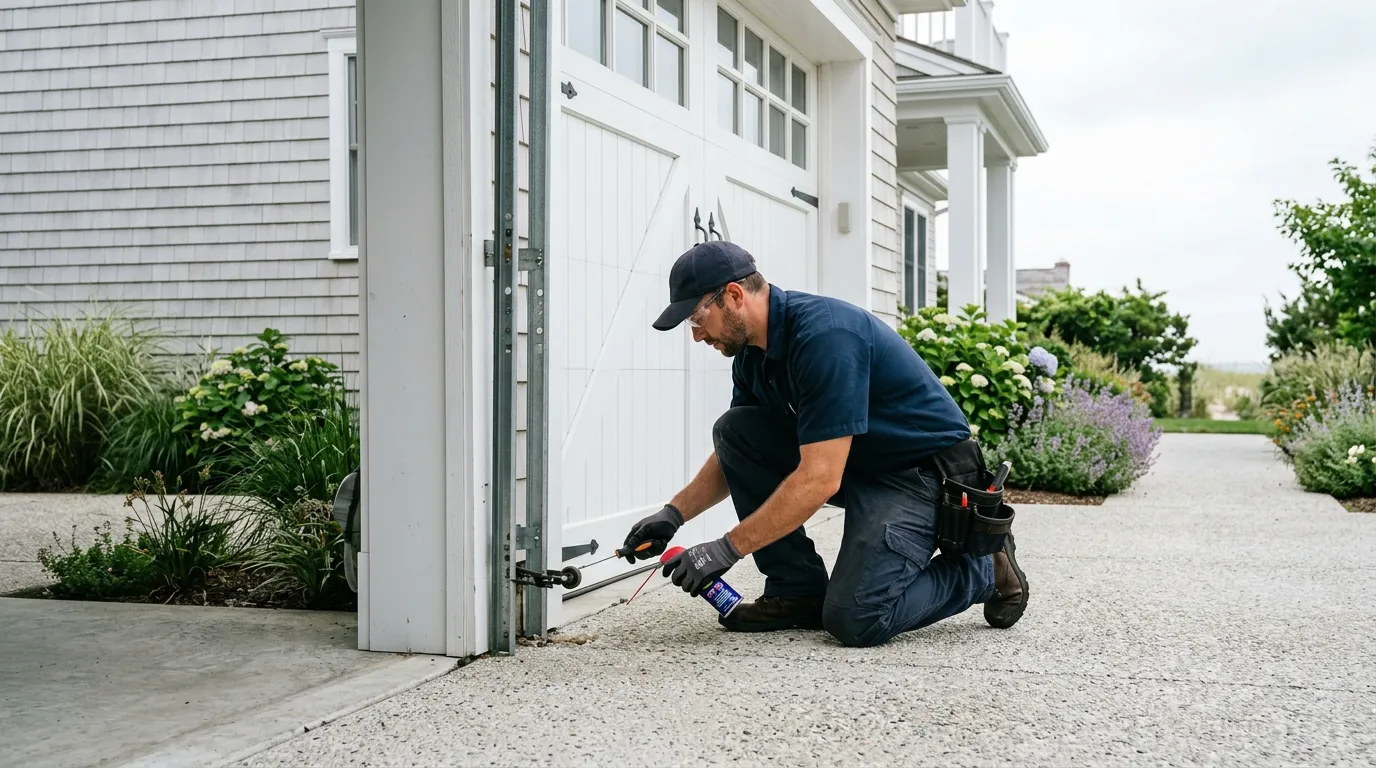
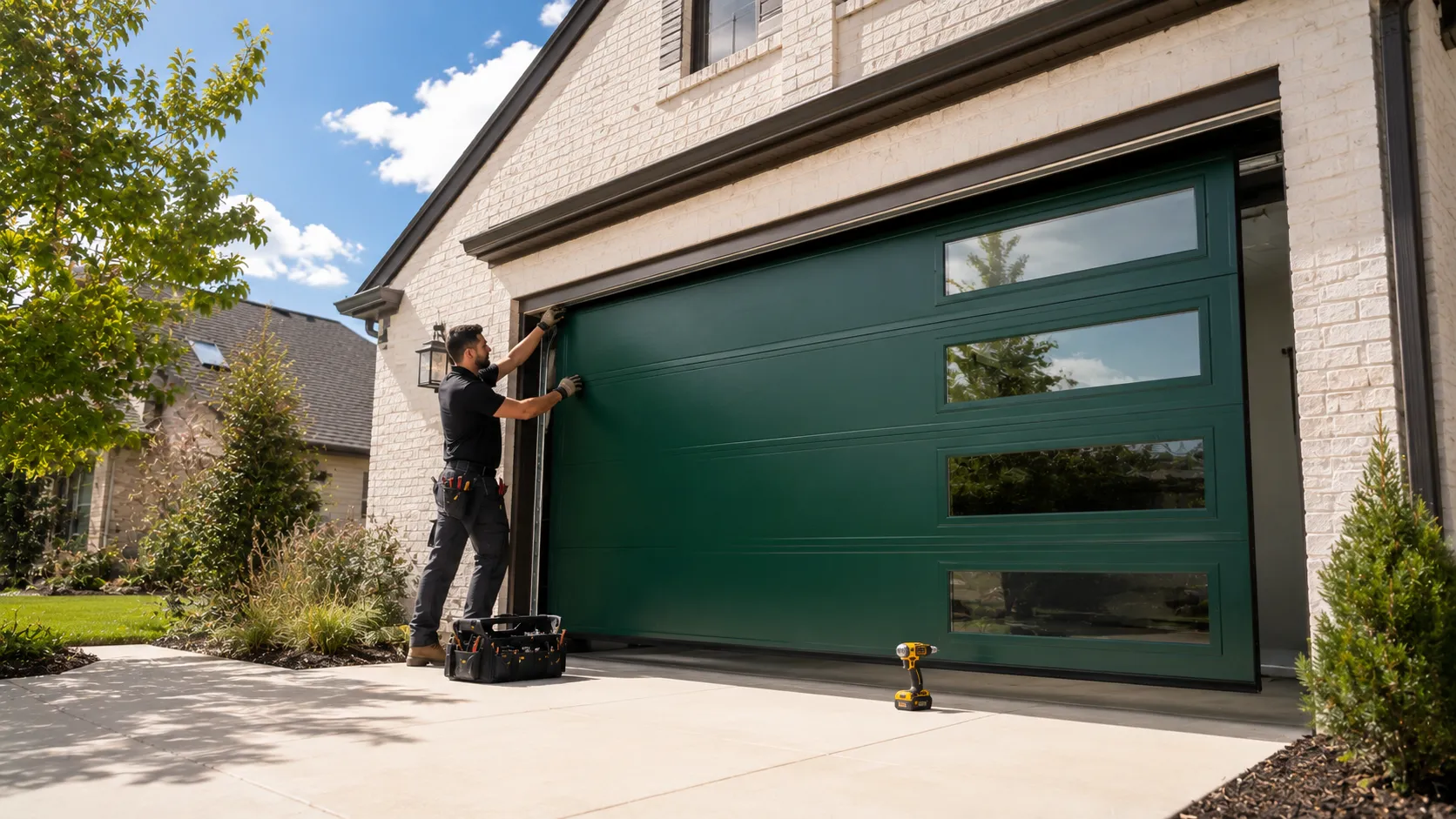
First step is identifying whether the door is true single-panel swing-up construction or an early narrow sectional - they get fixed differently. On a sectional door, we disconnect the damaged section from the track rollers and hinges, unbolt it from the adjoining panels, and swap in the replacement, reusing hardware where it's still sound. On an older single-panel door, the whole leaf is one piece, so a damaged section usually means patching or reinforcing that panel rather than swapping a section, since there's nothing to unbolt it from. Either way, we check the track alignment and spring tension afterward, because a heavier or differently balanced replacement panel can throw off a spring set that's been running for decades. We don't force a modern insulated panel onto hardware that was never built to carry that extra weight - that's the shortcut that leads to a second call within a year.
What You Are Seeing
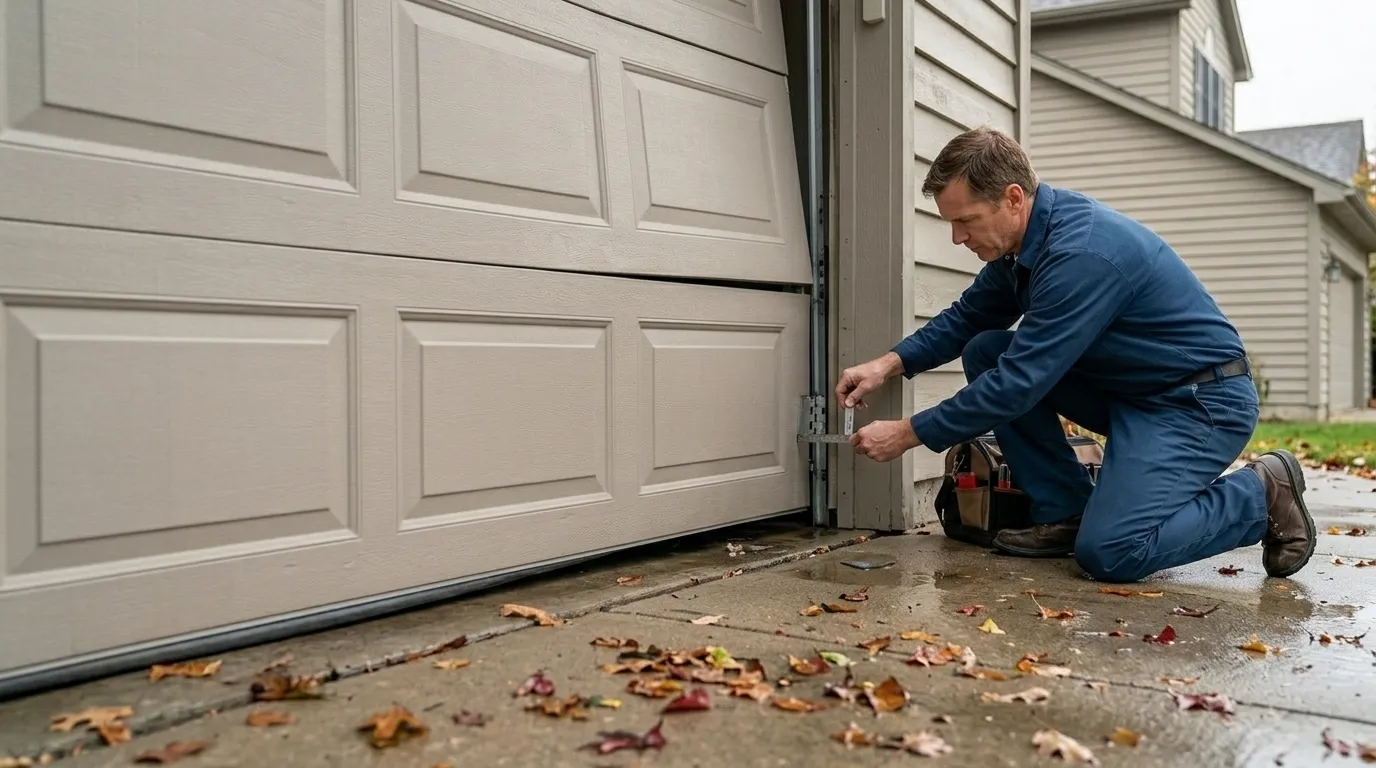
Rust bubbling along a seam, a dent that's cracked the paint down to bare steel, or a section that's visibly bowed compared to the panels next to it - these are the usual signs in a Coral Terrace panel call. On the older single-panel swing-up doors common to 1958-era construction, look for warping across the whole face rather than a single dented section, since there's only the one panel to warp. On narrow early sectionals, a common failure is the hinge pulling loose from thinner gauge steel that's fatigued over the decades. If a panel is buckled enough that the door binds in the track or won't seat flush at the bottom, that's past a cosmetic issue - it's putting uneven load on the springs and opener. See our general panel replacement guide for photos of what different failure types look like.