
Getting It Booked In
There's no branch or depot sitting in Coral Terrace - the truck comes out of Miami, about six miles east, the same way it does for the rest of the service area. That means booking is the same process whether you're calling from here or from three towns over: we ask what the door is doing, what it sounds like, whether the opener still lights up, and we get a truck moving toward you. We don't hold a standing crew idle in this specific town waiting on work, so a same-day slot depends on what the route already looks like that morning. For the town-specific service page with more on what we cover here, see Coral Terrace Garage Doors; for the full rundown of every service we run out of Miami, that's /garage-door-service-miami-fl.
Why This Fails Locally
Coral Terrace's housing stock centers on 1958, roughly eighteen years ahead of the 1976 median for the wider service area. That gap matters on a garage door call. Doors and openers installed on a house built in the late 1950s have usually been replaced at least once by now, but the framing and header height they were fit to hasn't moved, and later hardware doesn't always sit square on an original opening without shimming. Add the mild, temperate climate this part of Florida sits in - no hard freeze-thaw cycle stressing the metal, but steady humidity working on unprotected springs and hinges year-round - and the failure pattern here tends to be corrosion-driven wear on hardware that's outlived at least one door, rather than sudden storm damage. It's a slower failure, which is also why it gets ignored until the door won't move at all.
What the Fix Involves
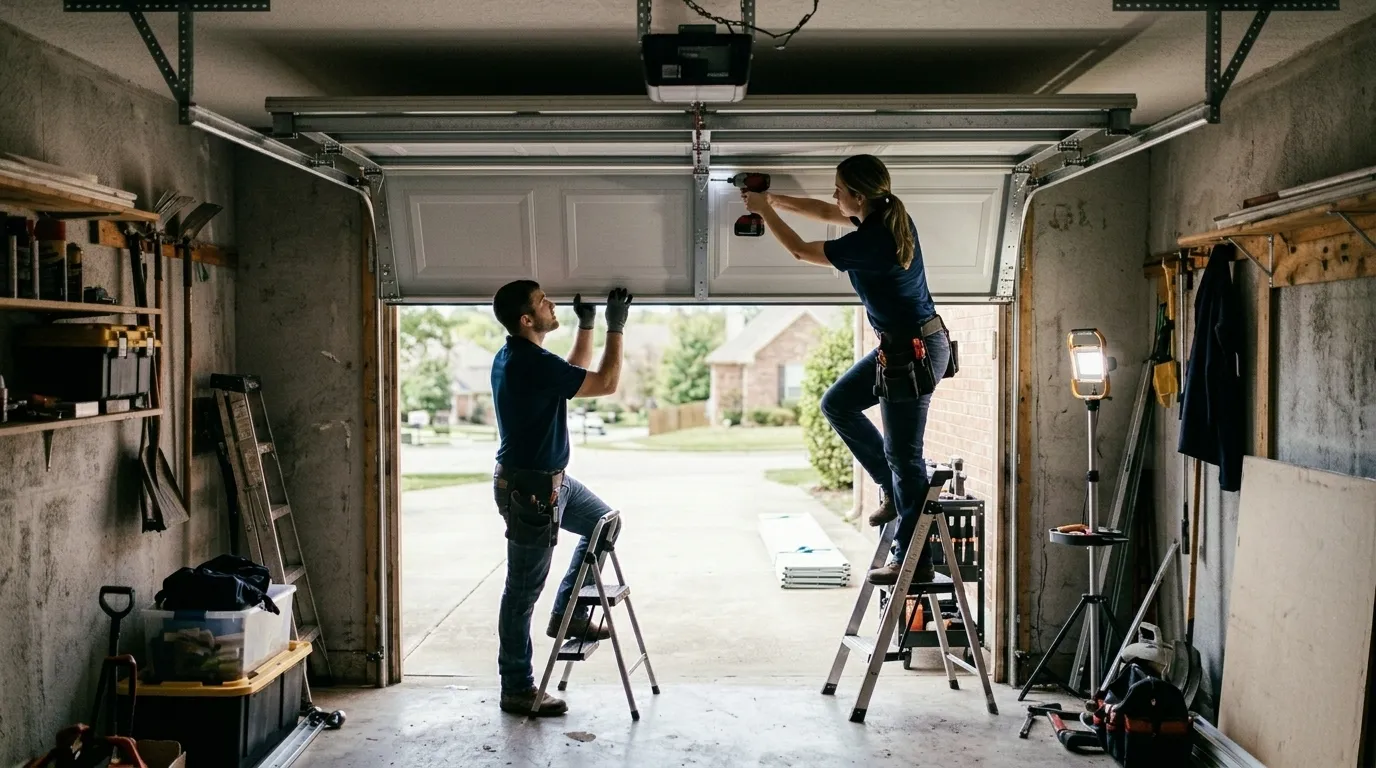
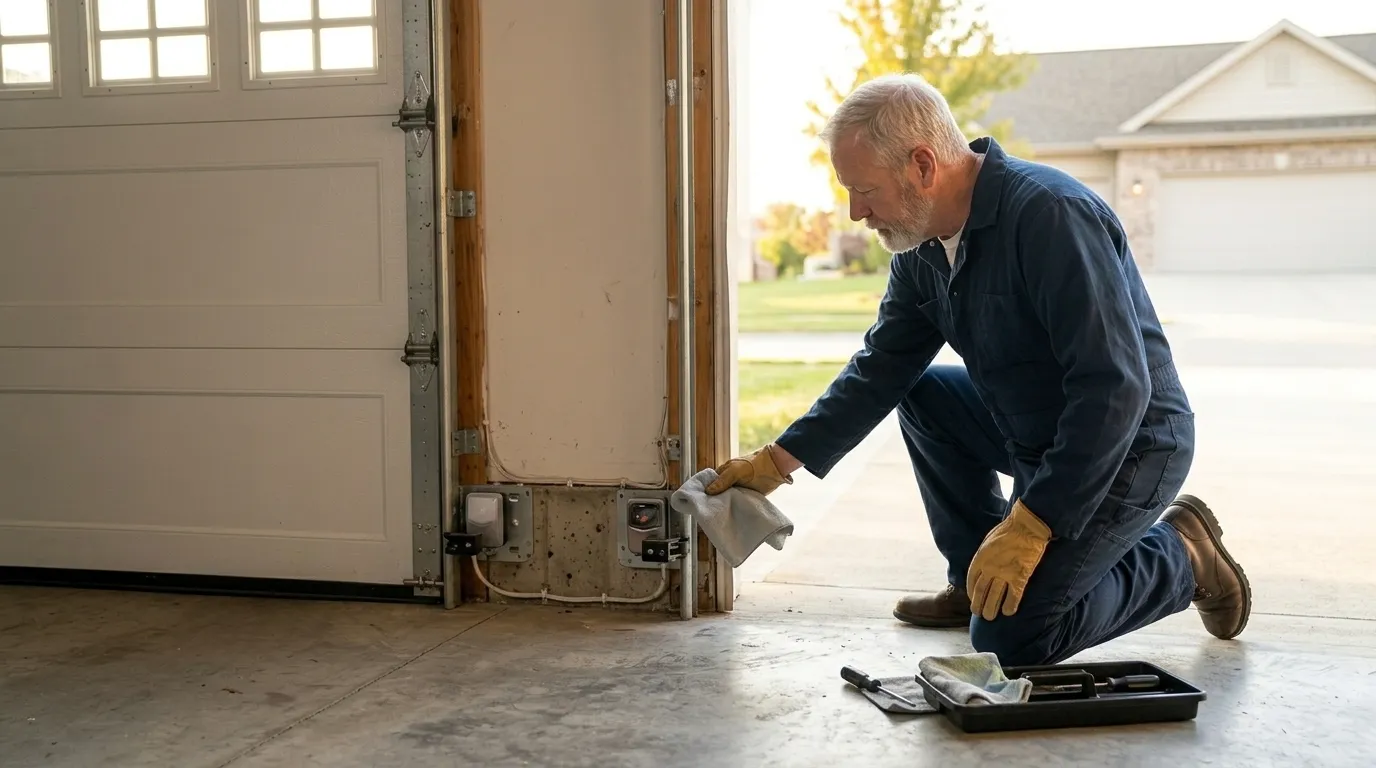
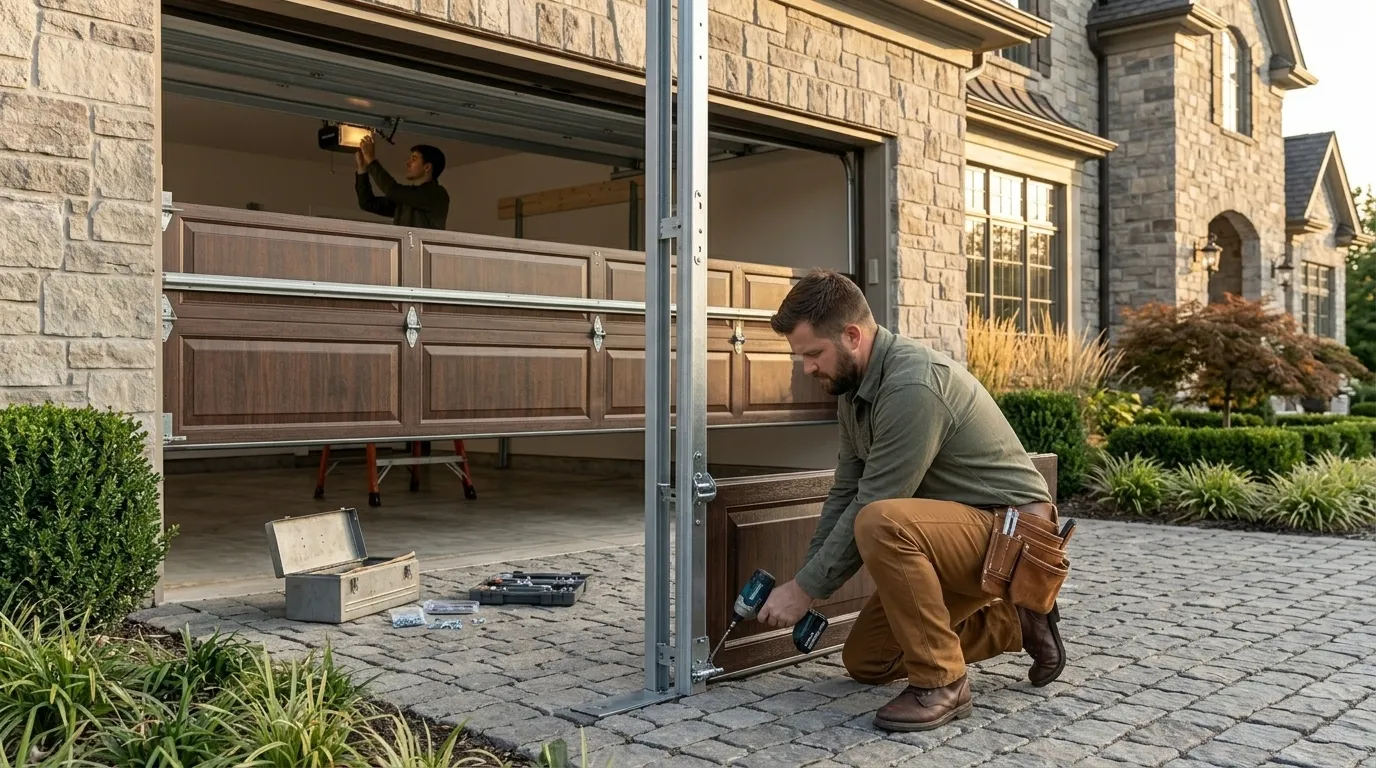
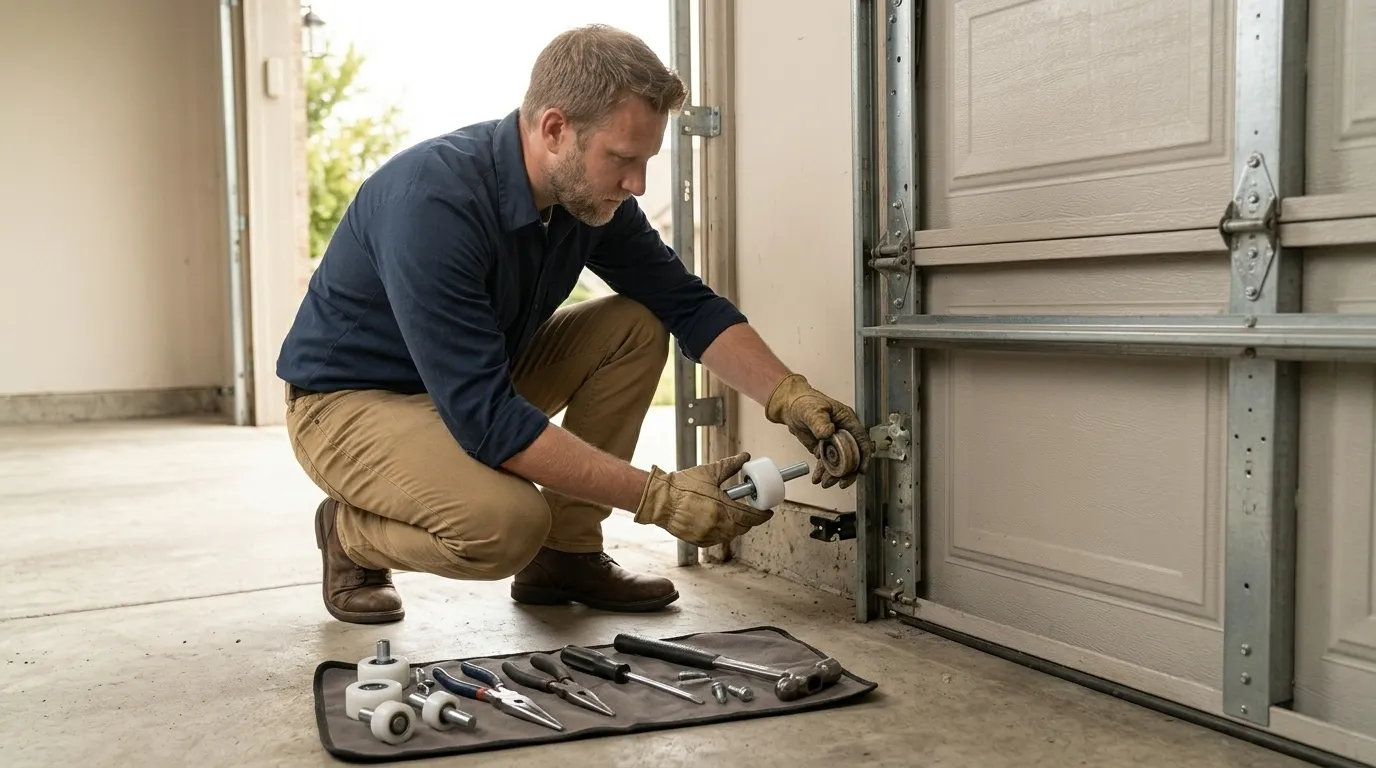
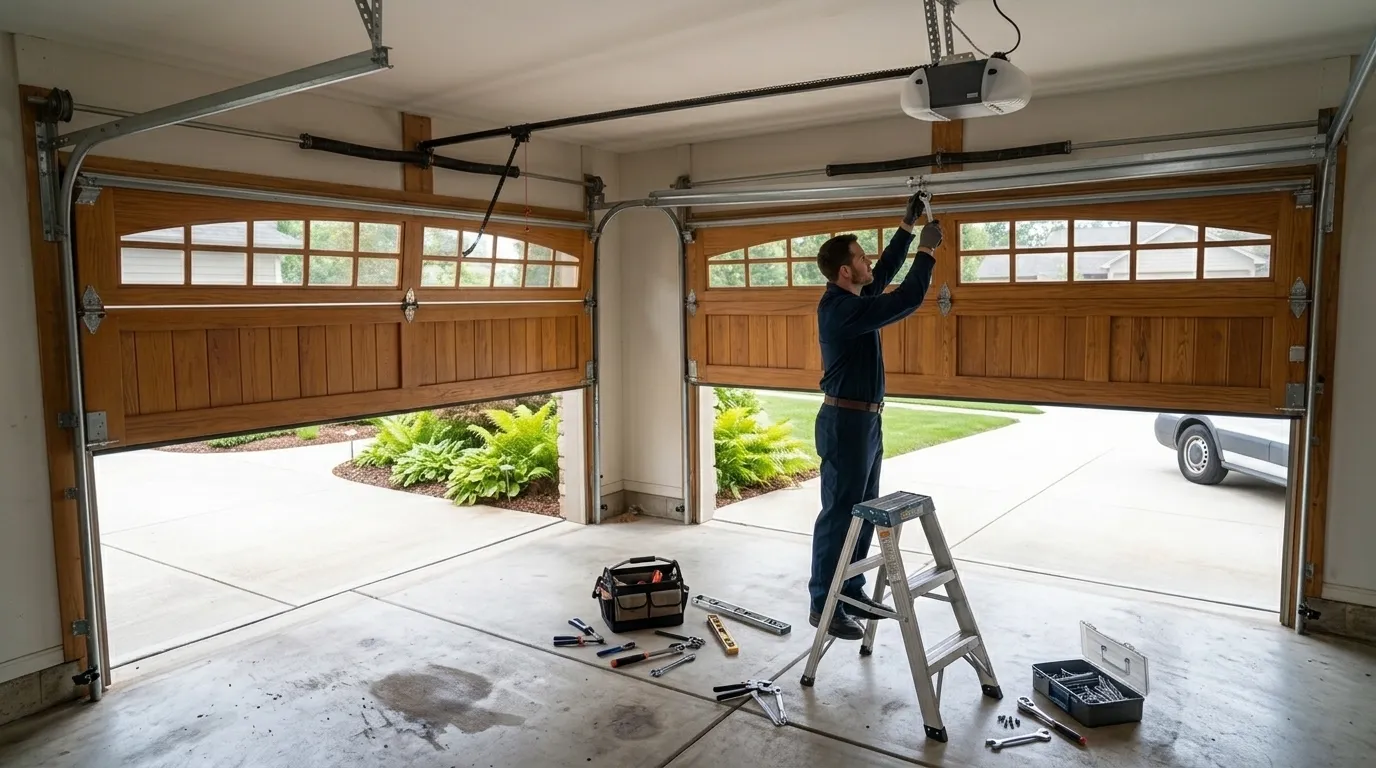
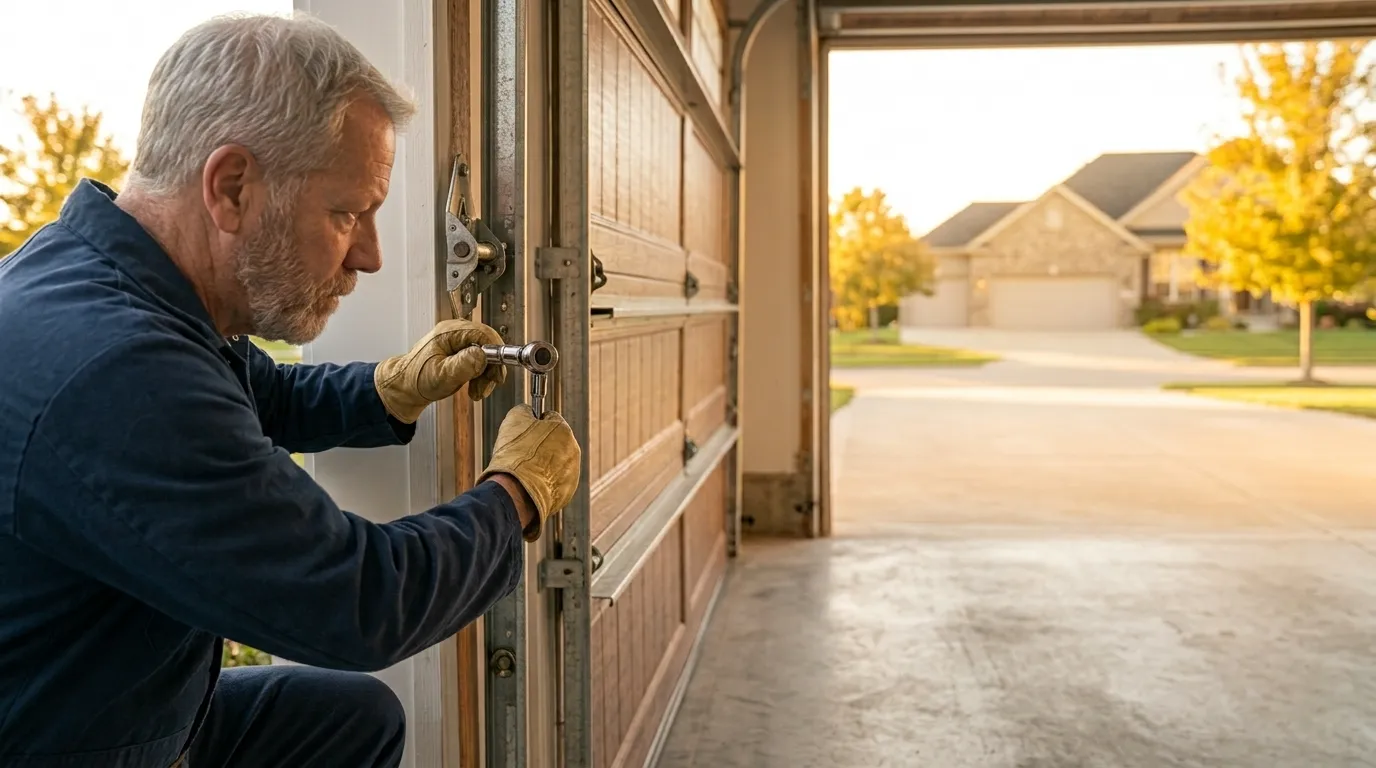
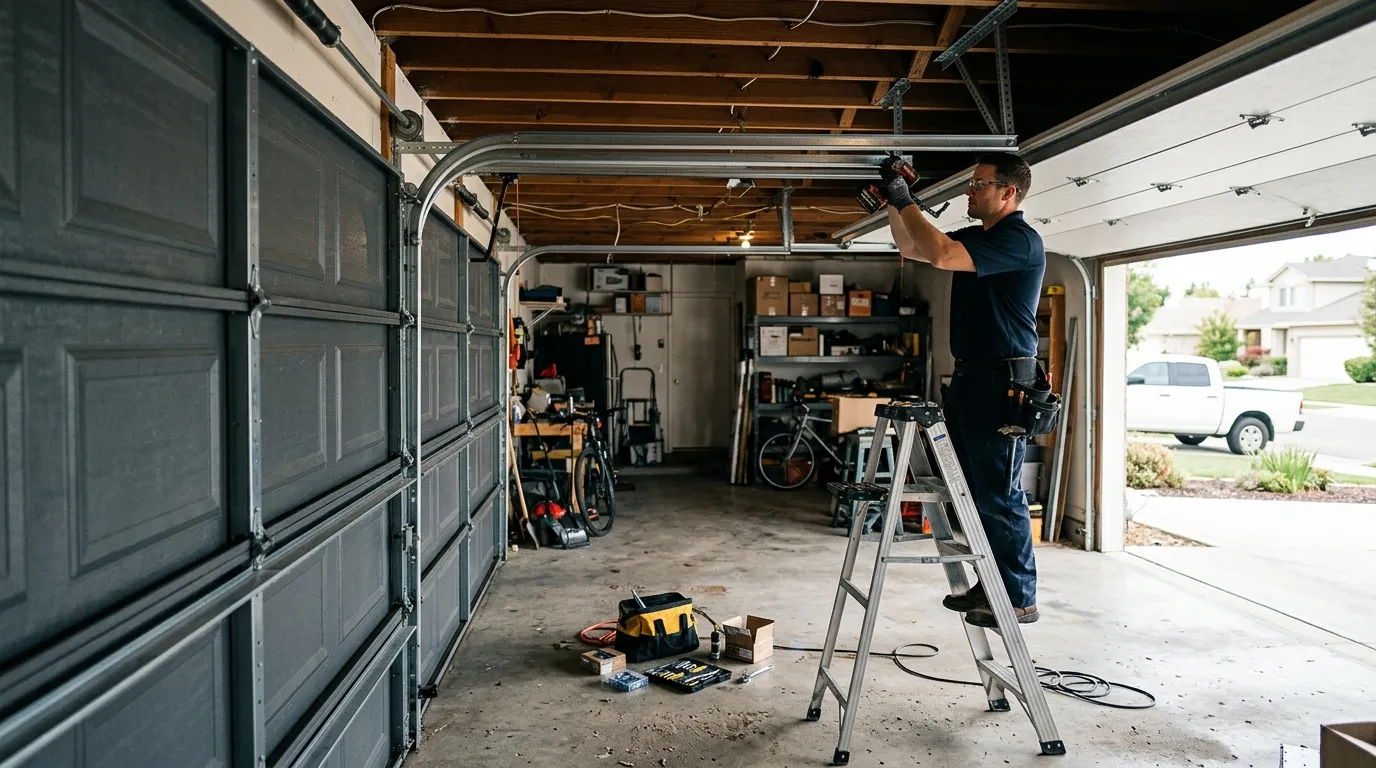
Most calls break down into one of three jobs. A broken torsion spring means the door is disconnected from the opener, the old spring is unwound and pulled, and a matched replacement goes on the same shaft with the cable drums reset - this is not a job to do yourself, a torsion spring under load can put someone in the hospital. A worn opener means checking the drive gear, the sensors, and the logic board before replacing the unit outright, since a fifteen-year-old chain drive usually isn't worth rebuilding piece by piece. A bent track or a slipped roller means pulling the door off its hinges enough to true up the rail and swap the roller, then running the door through a full cycle to make sure it's not binding anywhere along the length. Each of these gets checked against the door's actual condition before we start, not assumed from the symptom alone.
What You Are Seeing
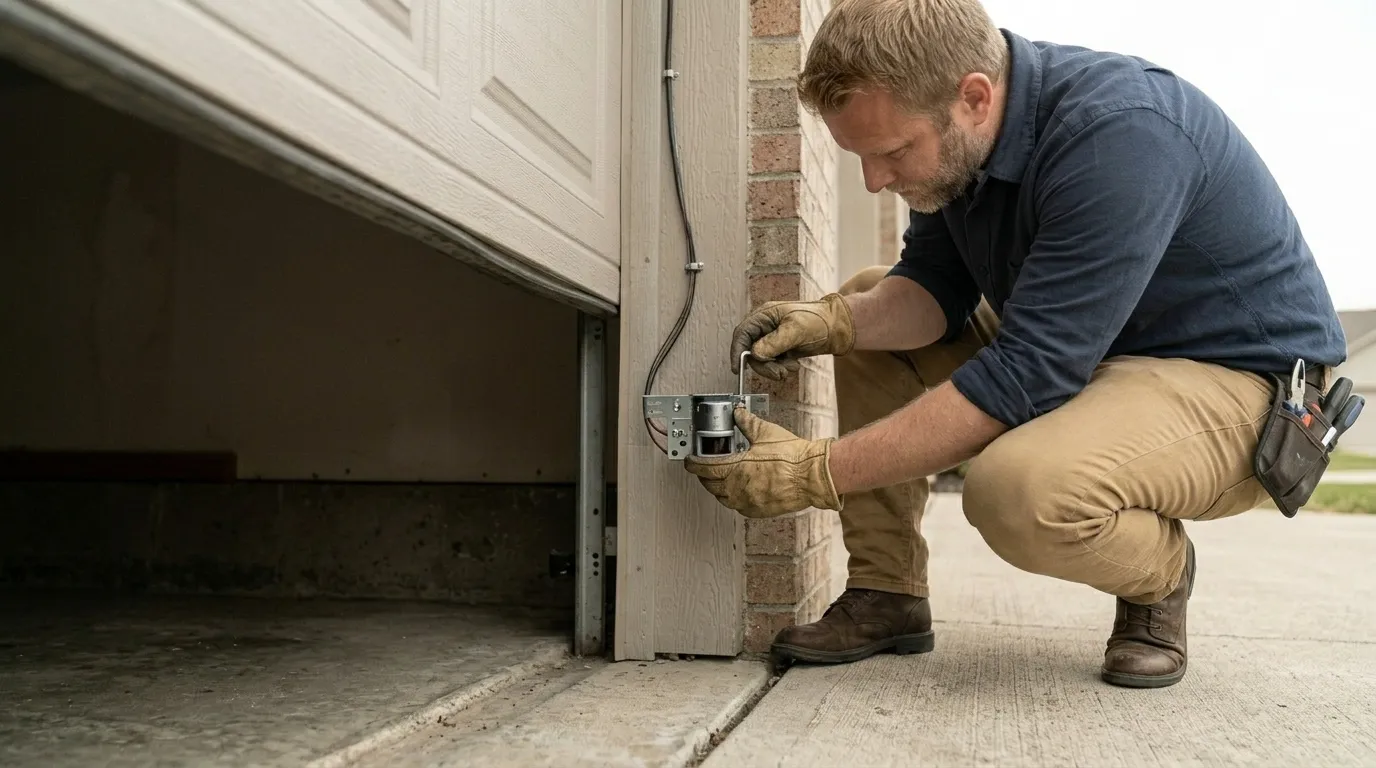
On a door installed anywhere near 1958-era framing, the complaints tend to sound alike: the door starts up and stalls partway, or it slams the last foot instead of settling, or one side visibly drops before the other. That's almost always a spring that's lost tension unevenly, not an opener problem, even though the opener is what people blame first. A grinding or popping sound on the way up, especially on a door that hasn't been serviced in years, usually means a roller that's worn through its bearing. If the door reverses right after it touches the floor, check the sensors near the bottom of the track before assuming it's mechanical - a spider web or a shifted bracket can trigger that just as easily as a real obstruction. None of these are exotic problems. They're just what shows up on hardware that's been running quietly for a long time and finally hits its limit.