How Local Conditions Play In
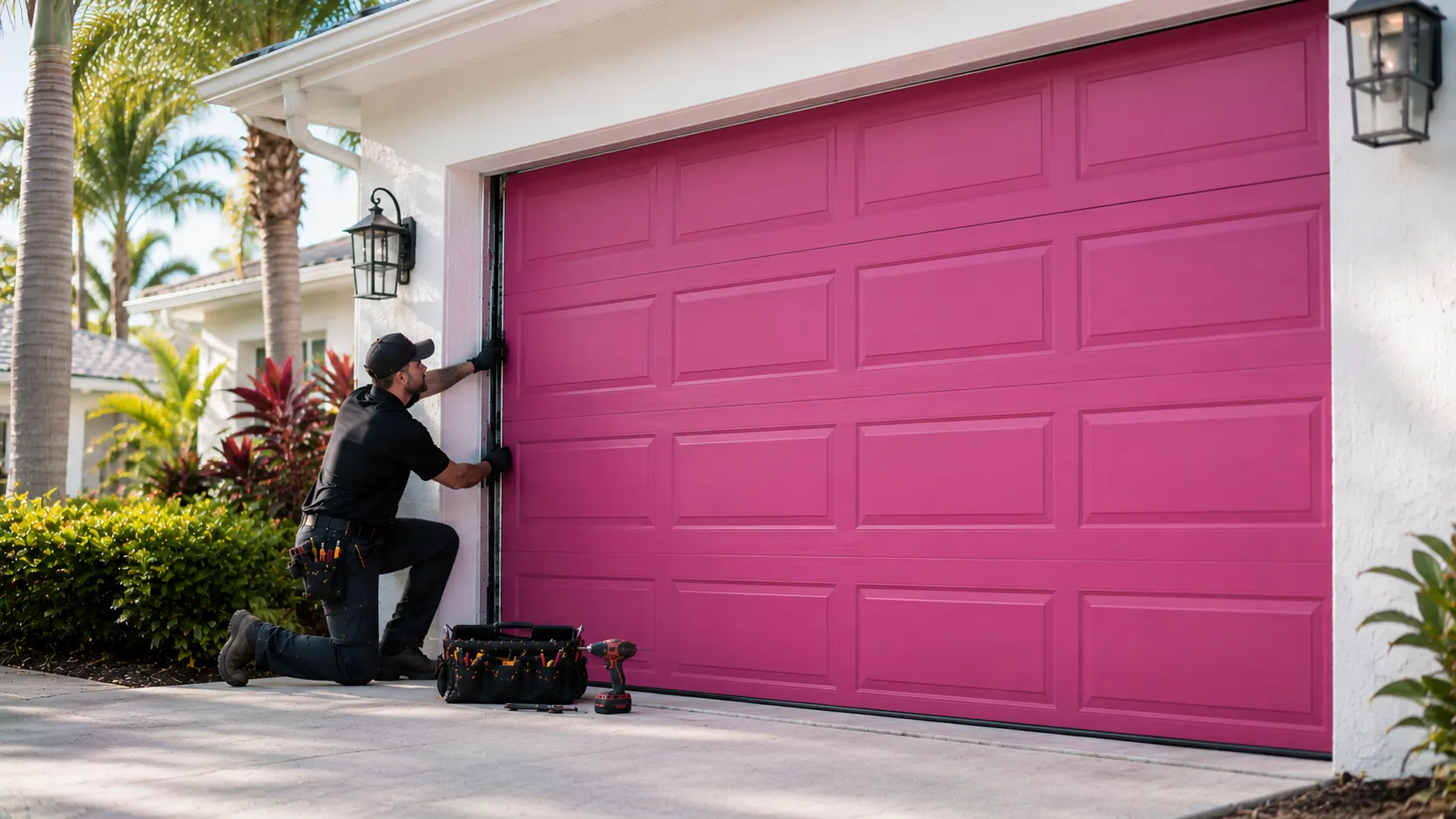
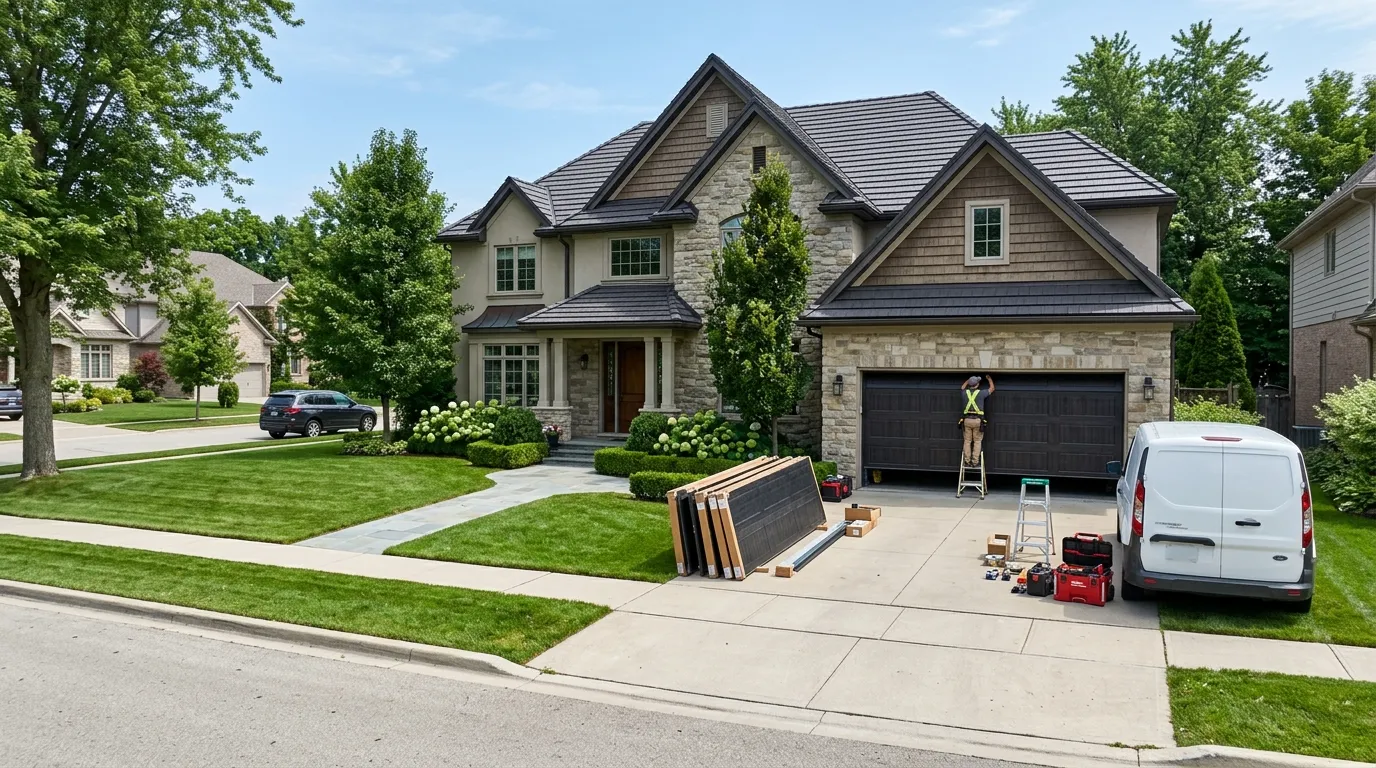
The mild temperate climate here means no freeze-thaw cycle chewing up hardware, but it also means near-constant humidity and, for the neighborhoods within a few miles of the water - Miami Beach, Key Biscayne, Bal Harbour, North Bay Village - real salt exposure in the air. A detached garage door takes that on all four sides with no house mass to shield it, so tracks and hinges corrode faster and torsion springs lose their coating quicker than the manufacturer's chart assumes. An attached door only has its exterior face and the two side jambs exposed, with the interior wall staying dry and stable. That difference shows up as pitting on hardware five or ten years sooner on a detached unit in the same zip code. It's also why we see more panel delamination on detached doors in Riverside and Little Havana, where the structures sit close to grade with less runoff clearance than the newer attached-garage builds further out toward Westchester or Kendall.
What to Look At First
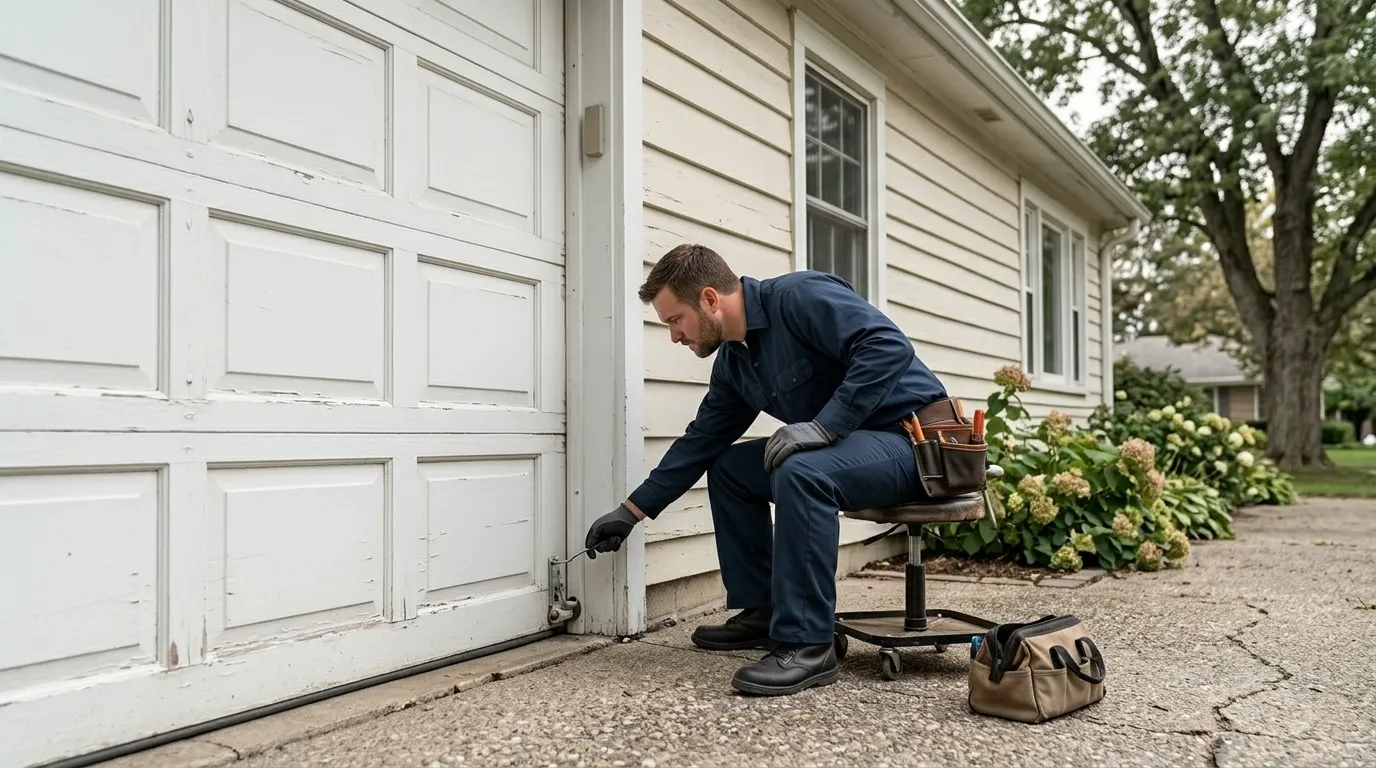
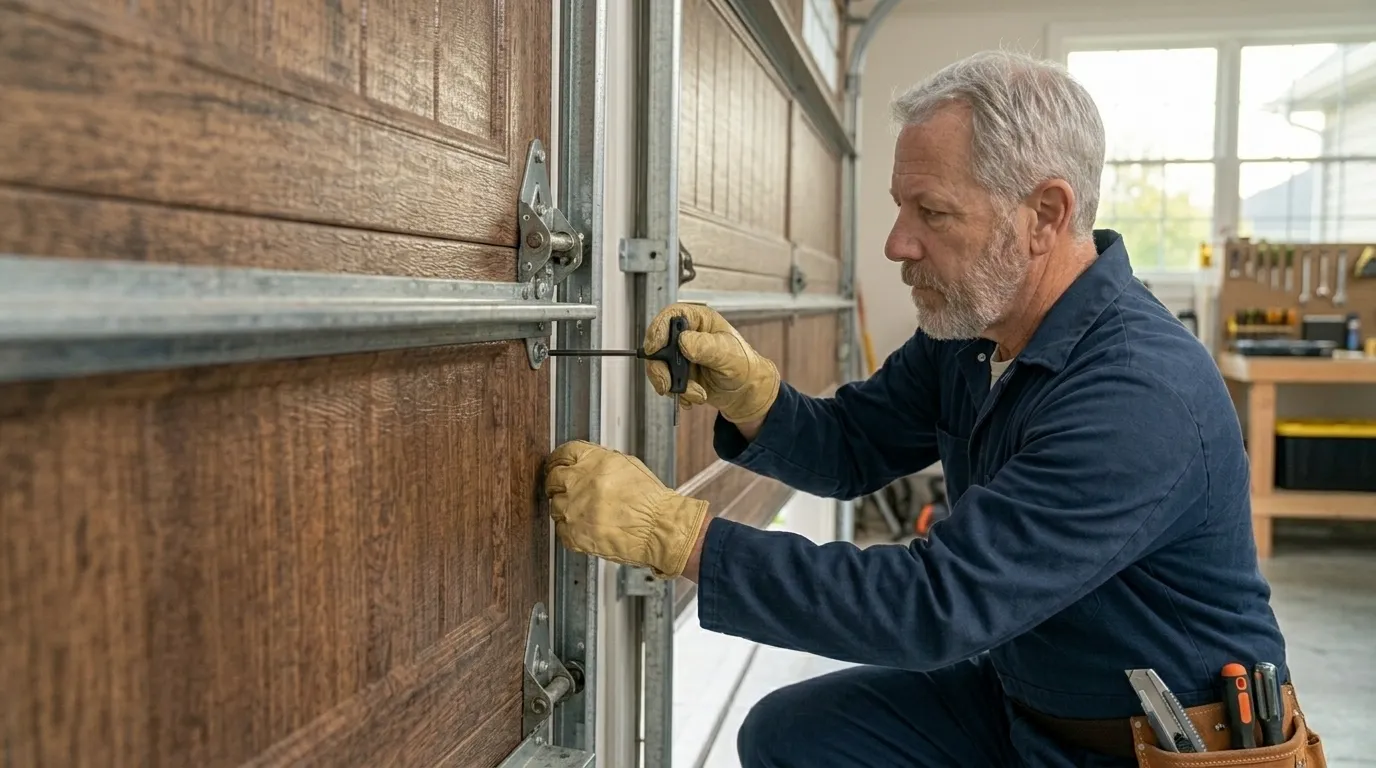
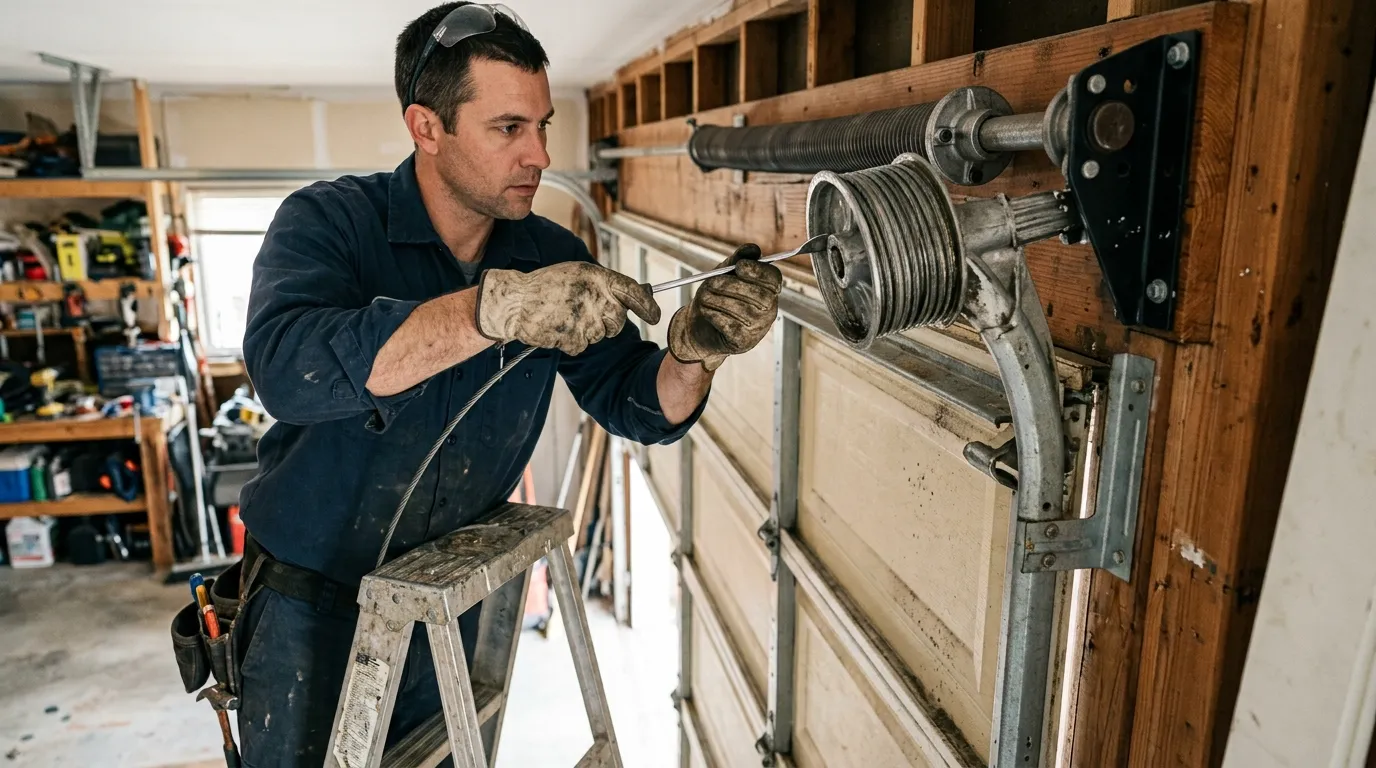
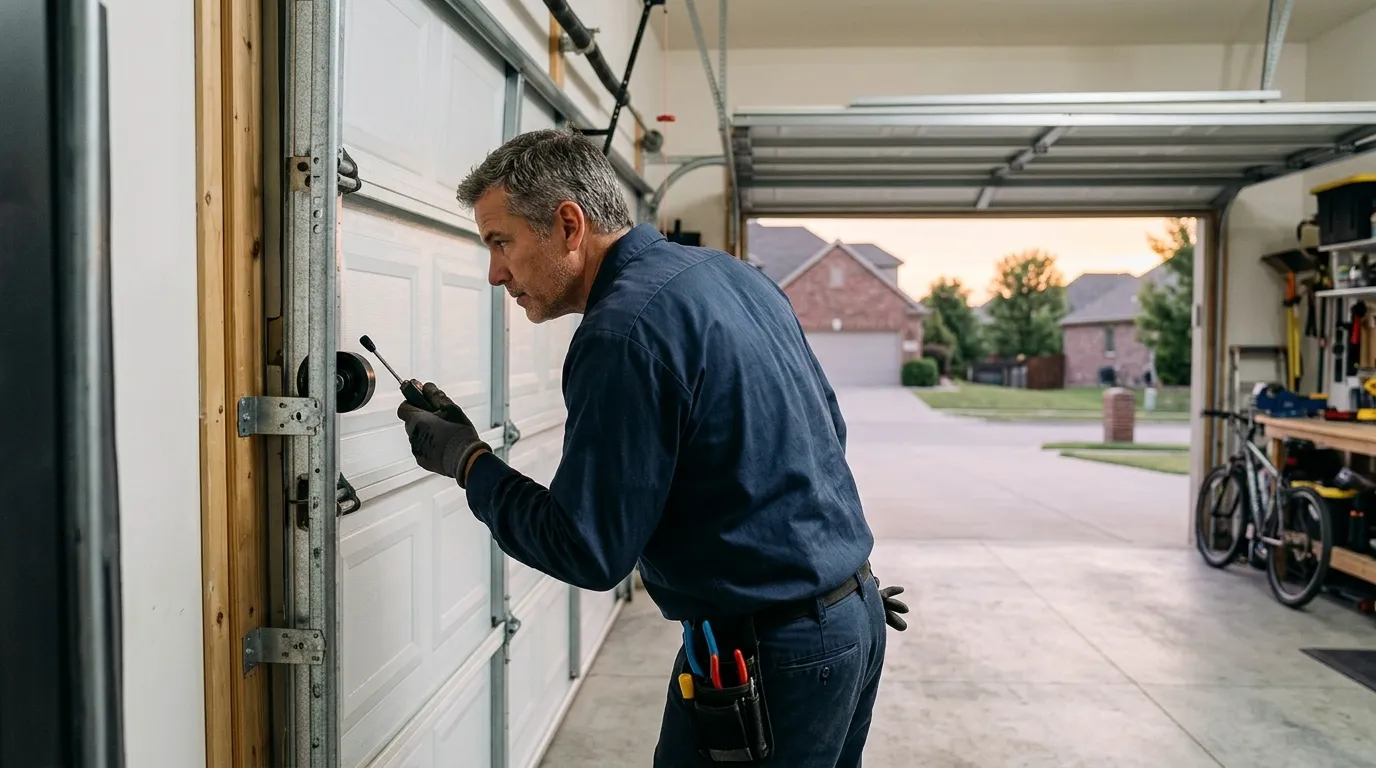
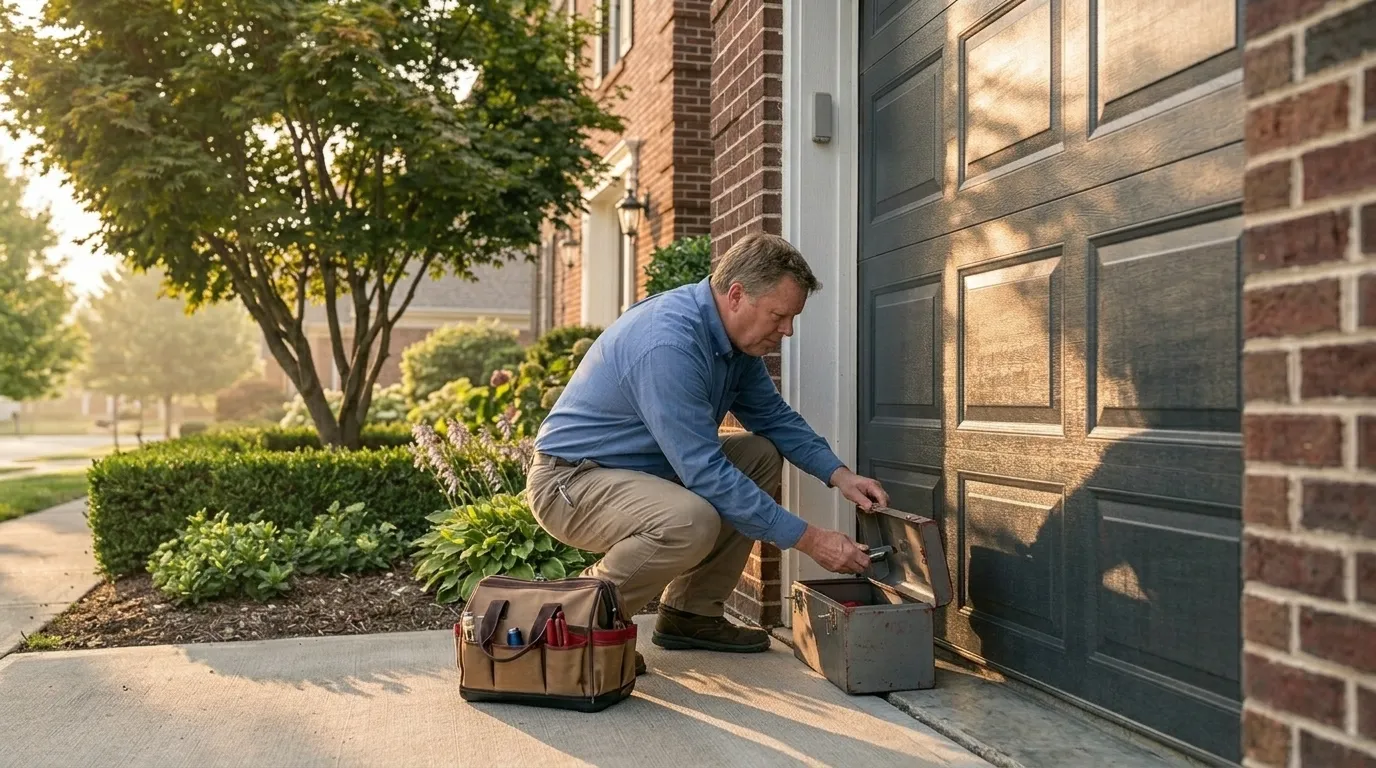
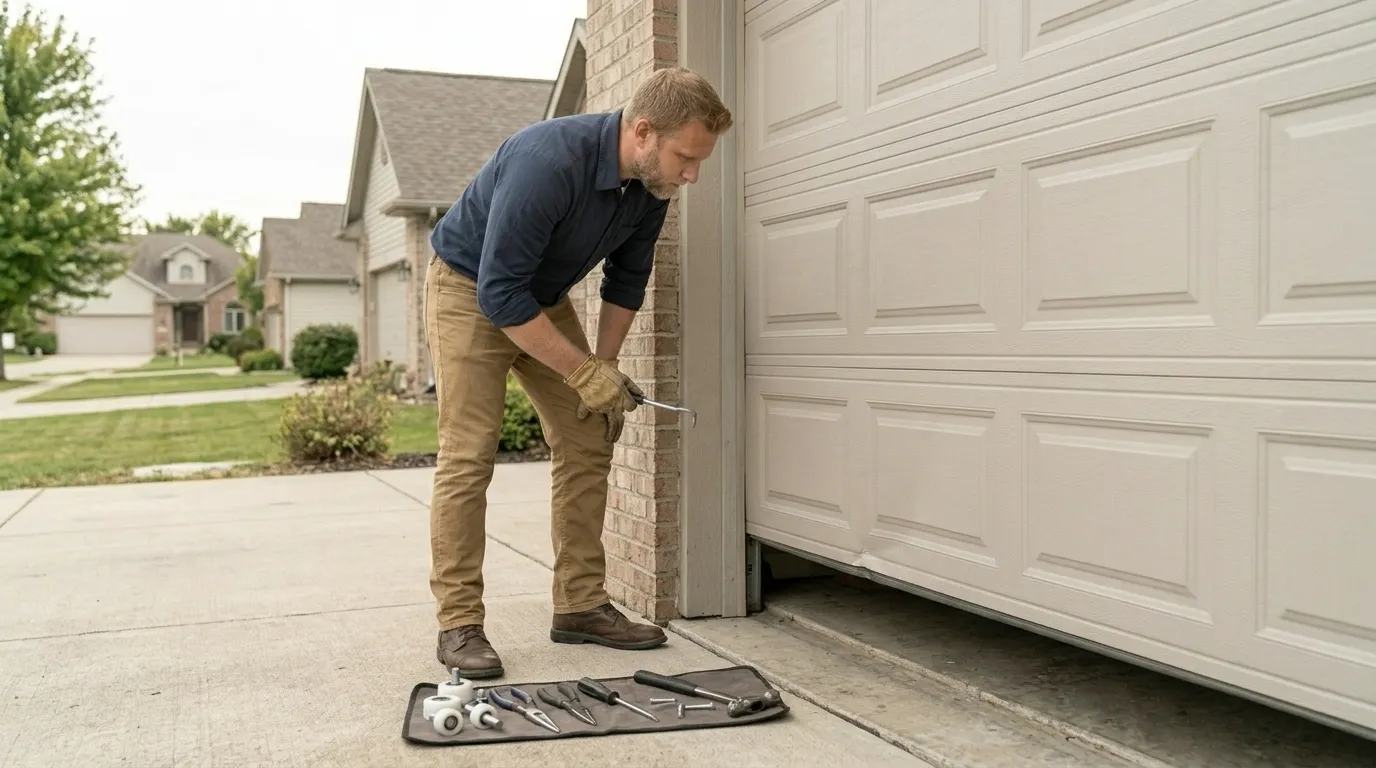
On a detached garage, start at the bottom panel and the track brackets closest to the ground - that's where standing moisture and splashback do the most damage over a 1976-median-age structure. Check for rust bleed at the roller stems and any give in the jamb where the track bolts in; a detached structure flexes independently of the house, so that jamb takes more repeated stress than one built into a shared wall. On an attached garage, the first thing to check is the opener's mounting to the ceiling joist and the seal where the door meets the house wall, since that's the gap that lets humid air into the space above a bedroom or laundry room. We also look at spring type - a lot of the 1960s-70s stock still runs original extension springs rather than torsion, and that's true whether the garage is attached or not, so we check both housings before assuming which era's hardware we're dealing with.