Straight Answers
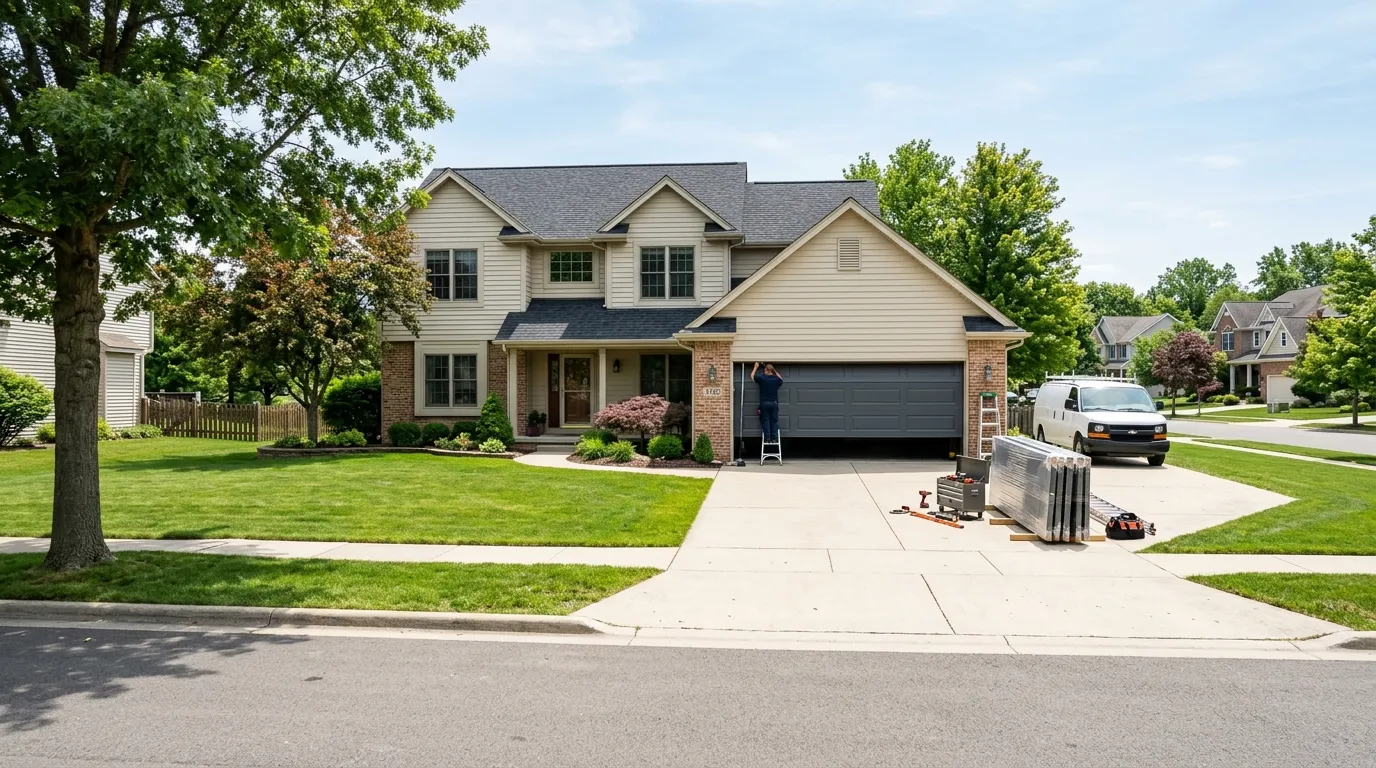
The service area around Flagami covers 616,237 households and 183,376 owner-occupied houses, with a median household income of $71,020. That's a wide mix of housing ages and budgets, and it means we don't quote one flat price for every job - a spring job on a two-car door built in 1978 is not the same job as a cable replacement on something from 2001.
The climate here is mild year-round, which is a genuine advantage compared to places that deal with hard freezes. Springs and openers don't get the winter stress that cracks plastic gears or seizes up steel up north. But mild doesn't mean maintenance-free - humidity and salt in the air off the coast still corrode springs, hinges, and unpainted track faster than a dry inland climate would. If your hardware looks rusted and you haven't had it serviced in a few years, that's usually why.
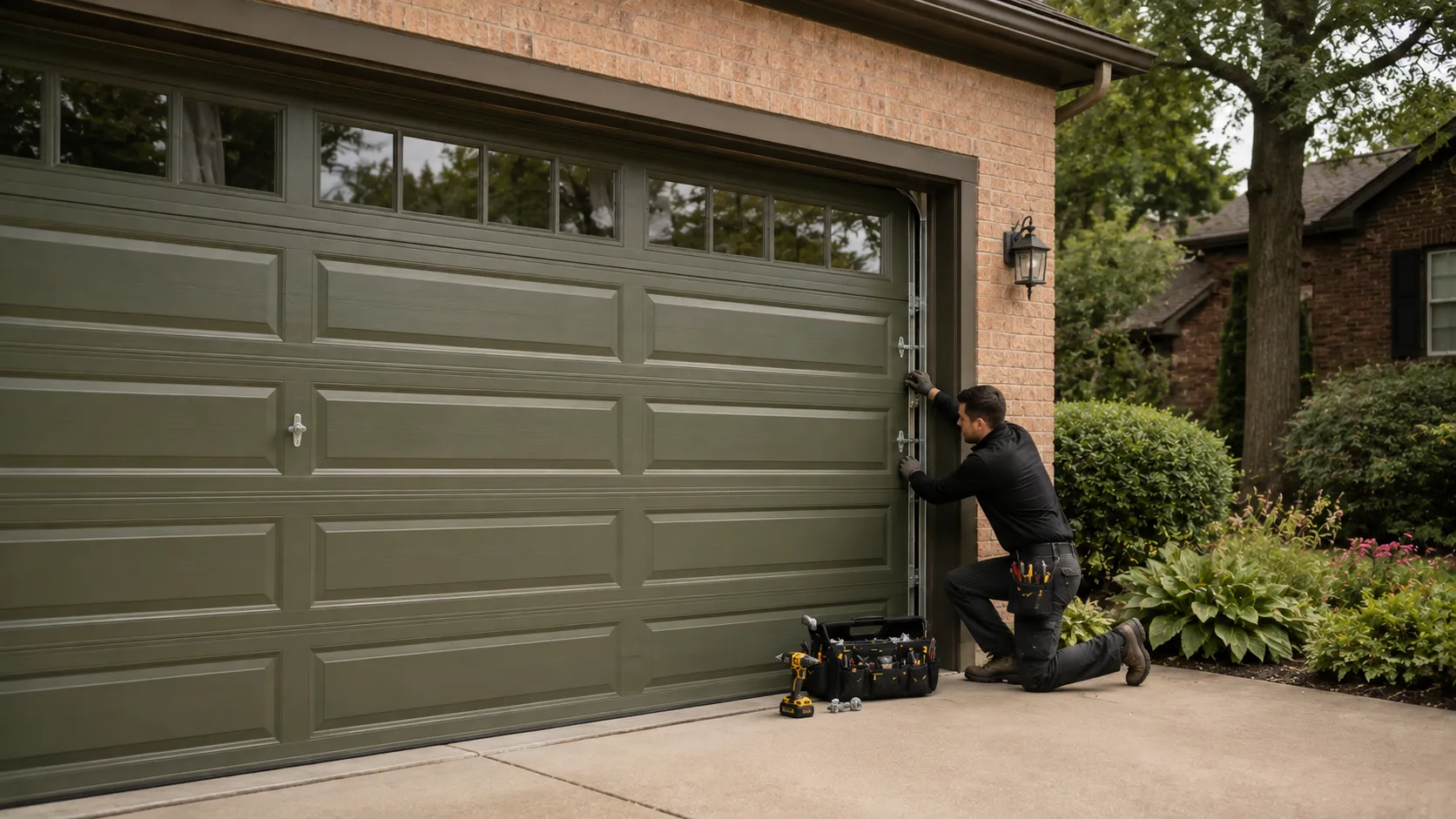
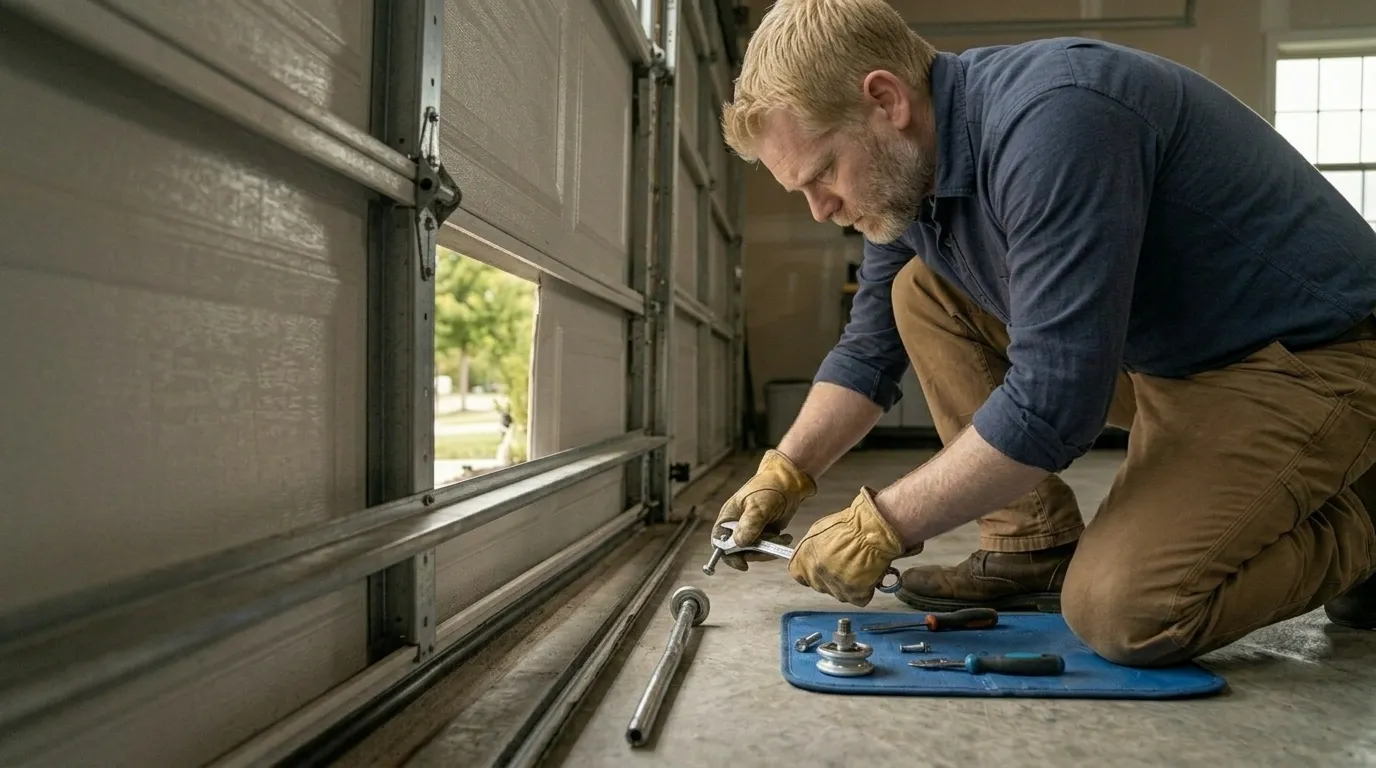
We don't do cosmetic work - repainting or re-skinning a door that's structurally fine is outside what we handle. And we're not going to sell you a full replacement when a spring and a set of rollers will get the door back to running quiet and level. If the door's beyond that, we'll tell you plainly rather than let you guess.
Where This Is
Flagami sits about four miles west of downtown Miami. Little Havana is the closer neighbor, about a mile in toward the bay, and West Flagler runs along the same corridor roughly three miles out. Coral Terrace is about six miles off, and Westchester sits around nine. Grapeland Heights, at roughly three miles to the northwest, shares a lot of the same housing-age pattern as Flagami itself.
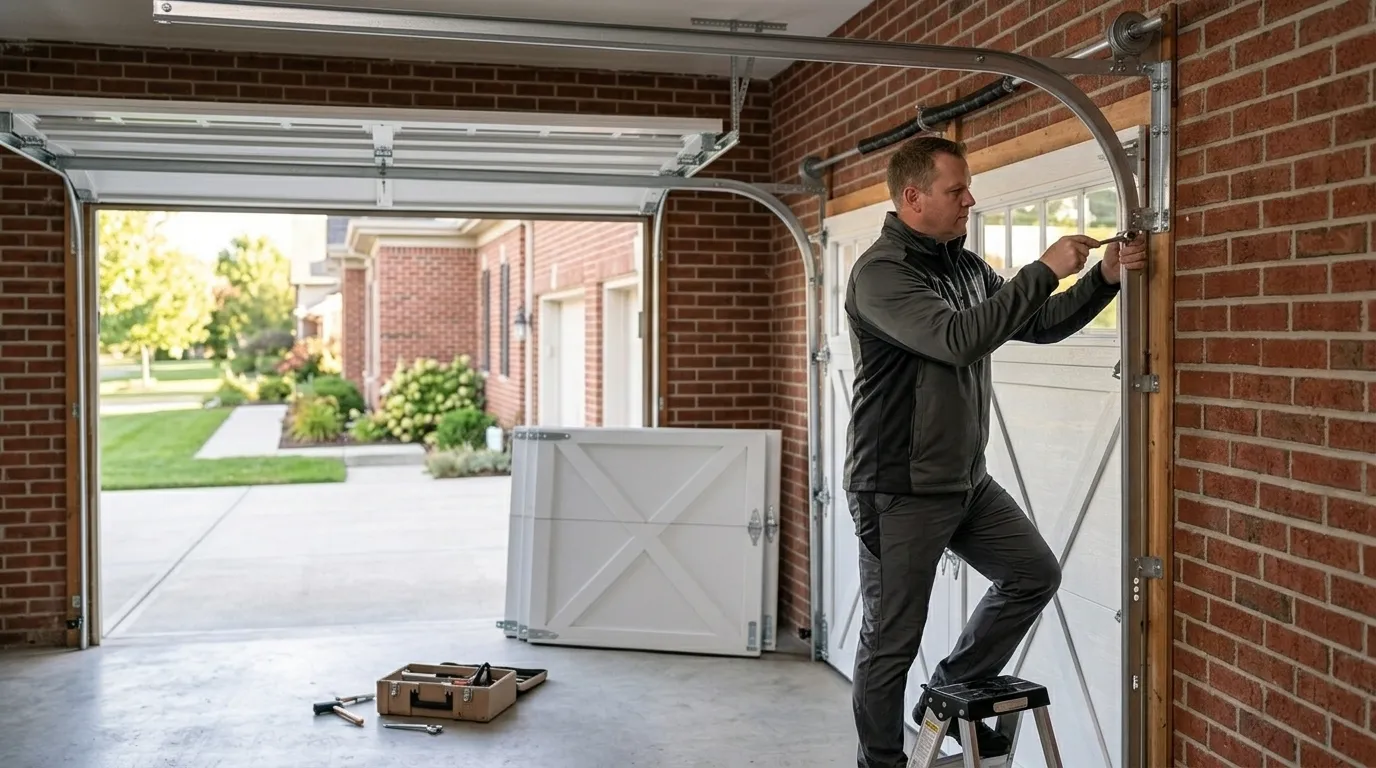
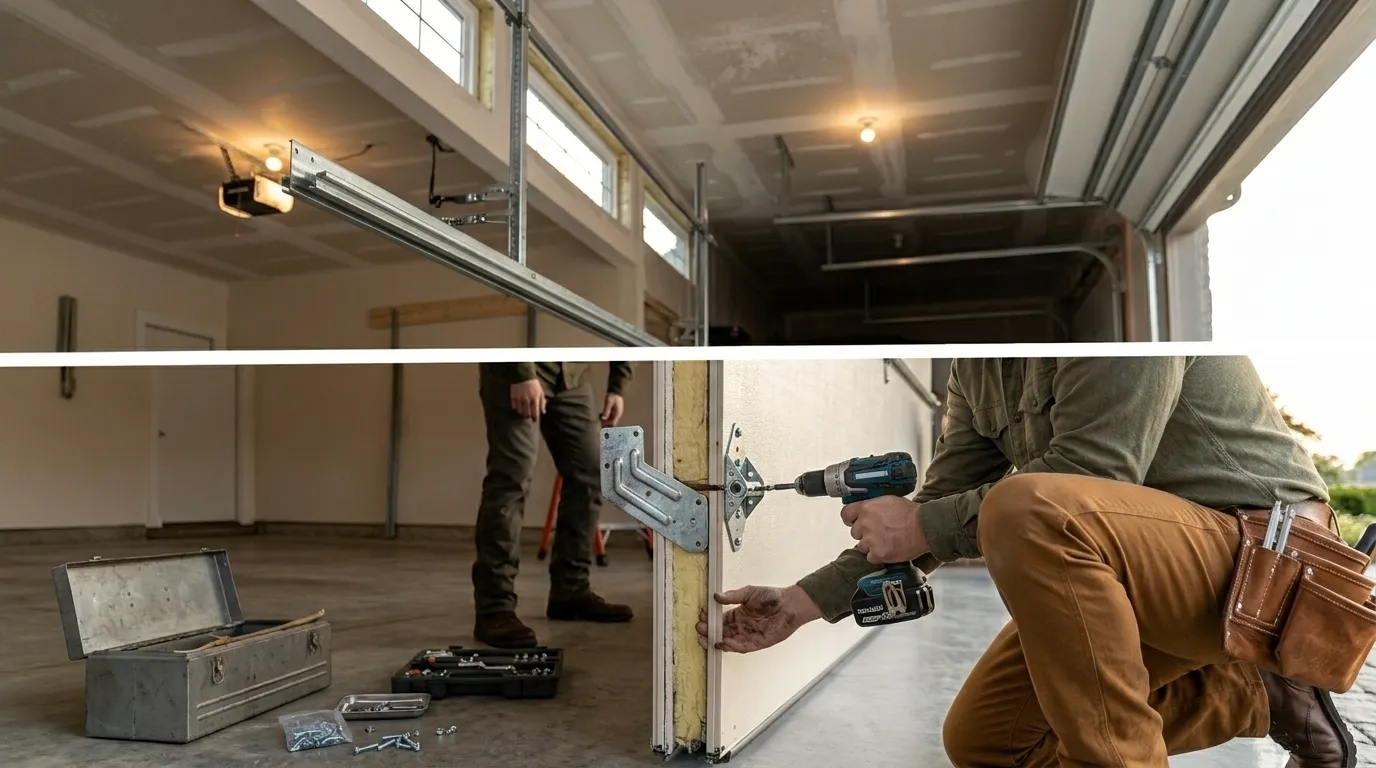
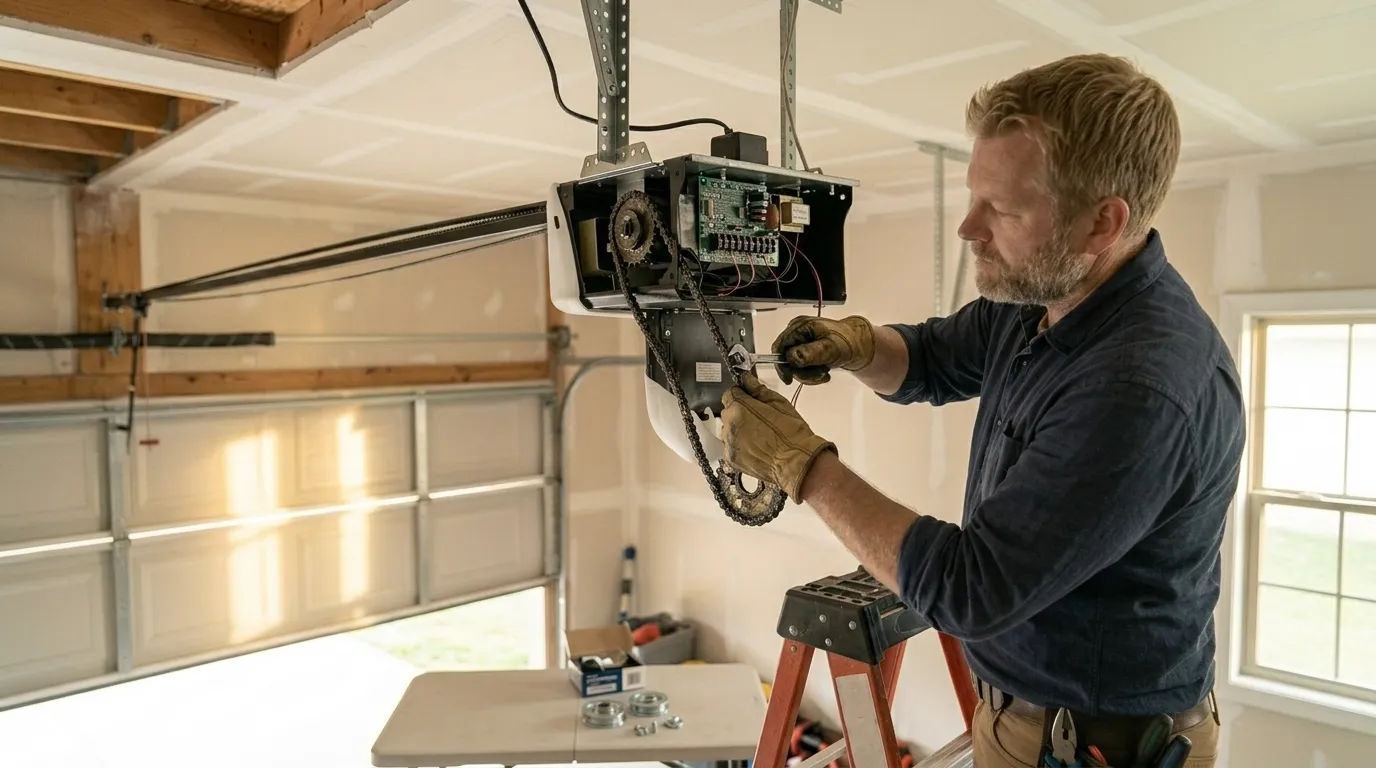
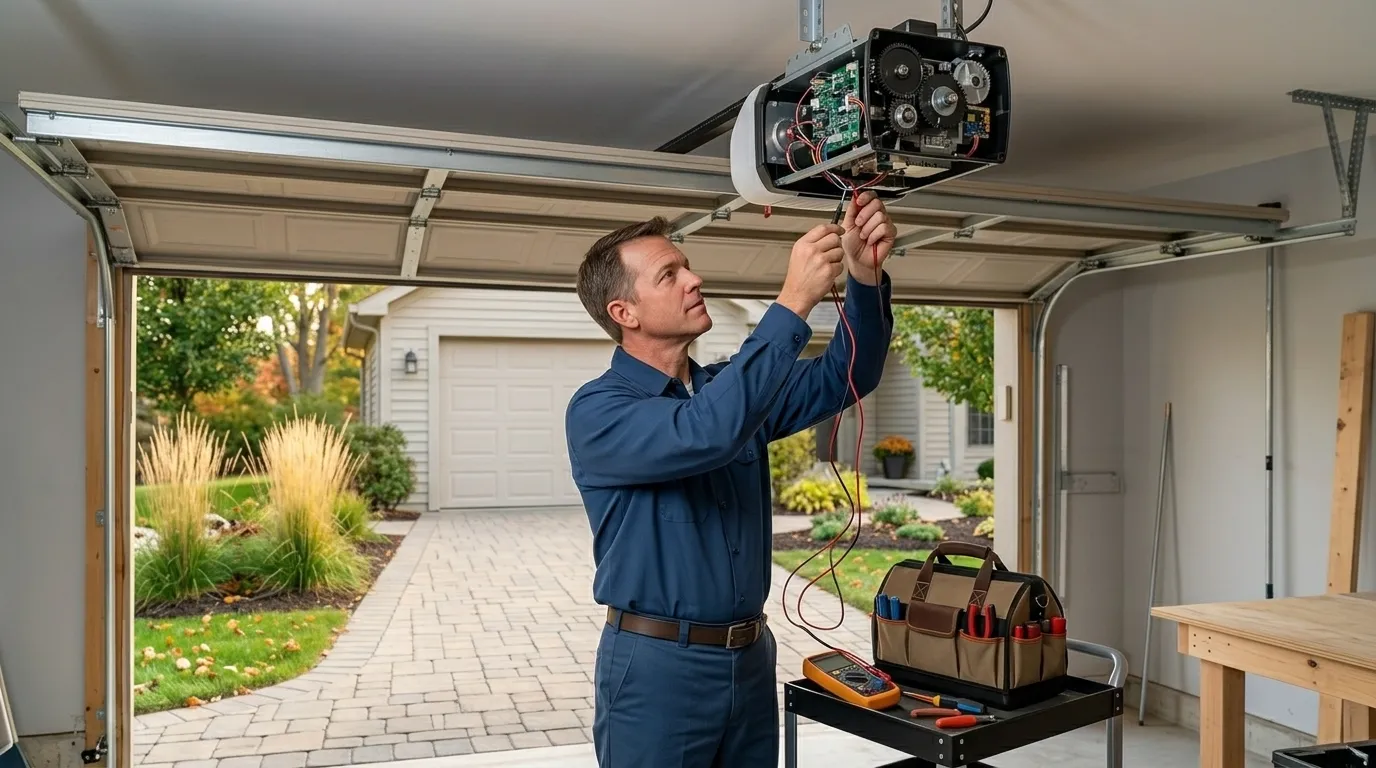
We don't have street-level landmarks to point to here, and we're not going to invent any - but the geography matters for the kind of work we see. This stretch of Miami, from Little Havana out through Flagami and toward West Flagler, was largely built out in that same mid-century to late-century window, so the garage doors and openers we run into tend to cluster around the same handful of problems: original torsion springs at the end of their cycle life, tracks bent from decades of cars backing in at an angle, and openers that have been swapped once or twice but never matched properly to the door's weight.
If you're not sure whether your house falls into that older bracket, the door itself is usually a good clue - heavier steel, narrower track, and a spring system mounted differently than what goes into new construction.