How Local Conditions Play In
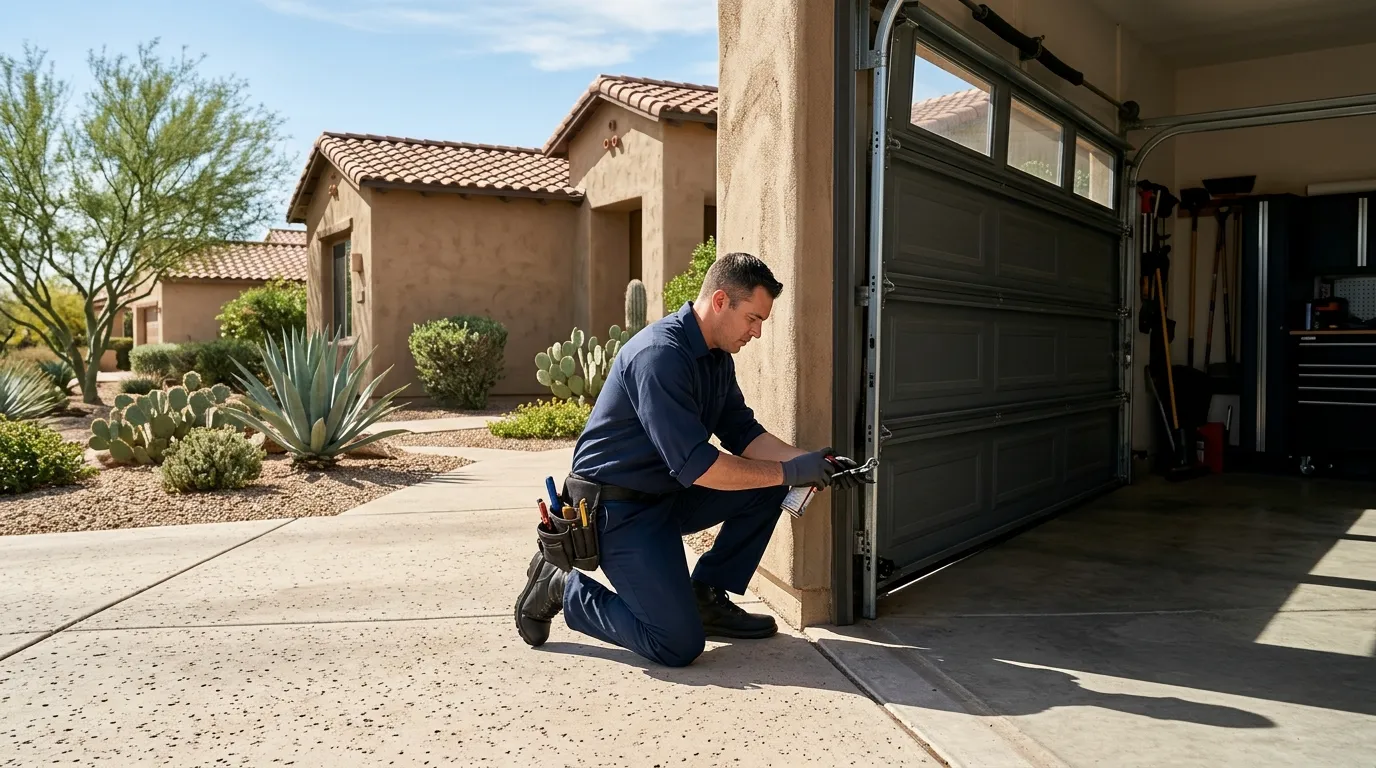
Miami sits in a mild temperate band, no hard freezes, so we don't see the frozen-track calls that shops up north deal with all winter. What we do see is humidity and salt air doing slow work on hardware, especially closer to the water side of the service area. Springs and cables corrode from the inside of the coil out, which looks fine until it isn't. Lubricant that would last two years inland gets gummed up faster here, and bare steel fasteners rust through paint faster than most owners expect. None of this is dramatic weather damage, it's just steady wear that a dry-climate door wouldn't get, and it's the second thing the tech checks after he's placed the house by build year.
What to Look At First
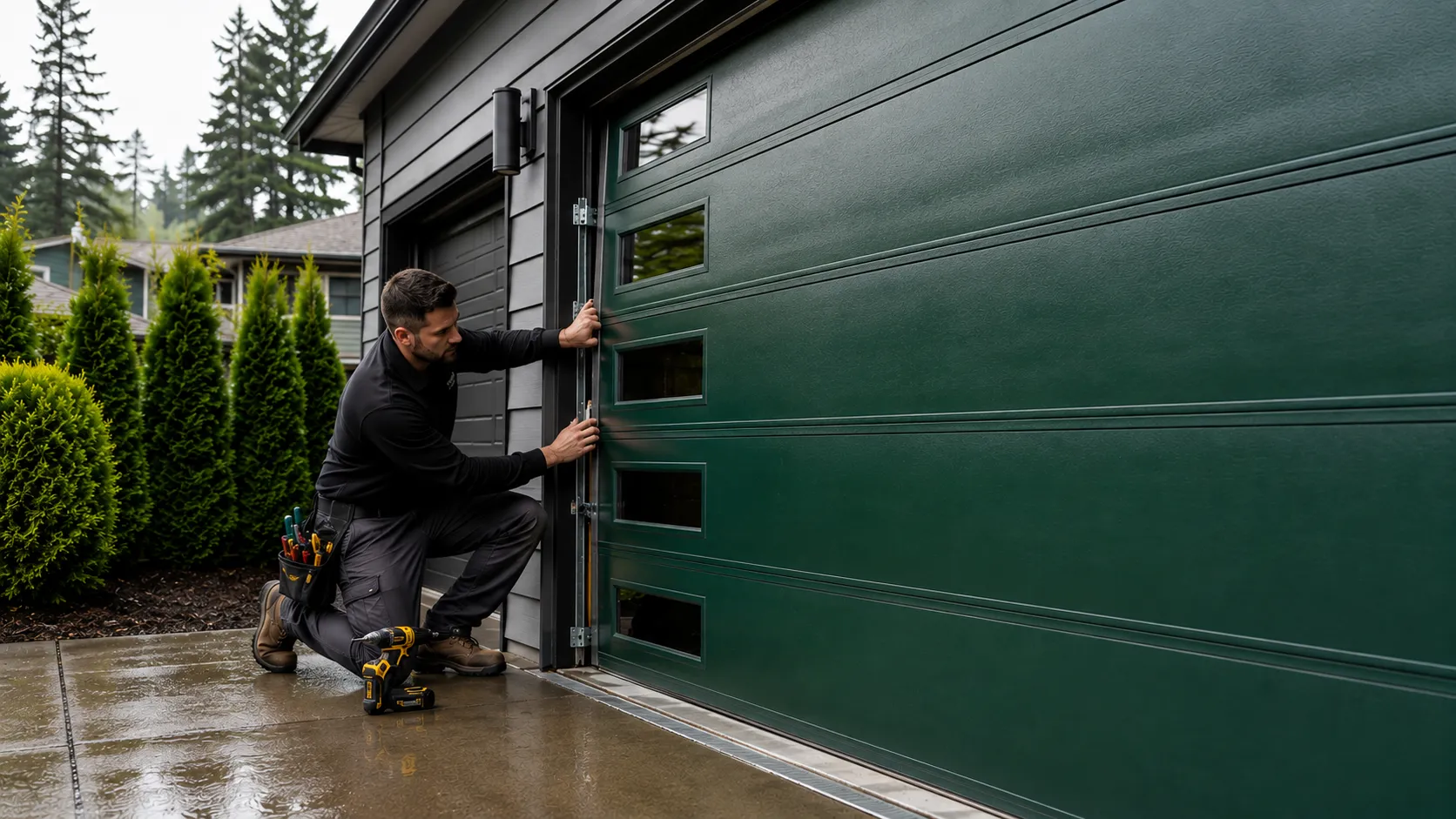
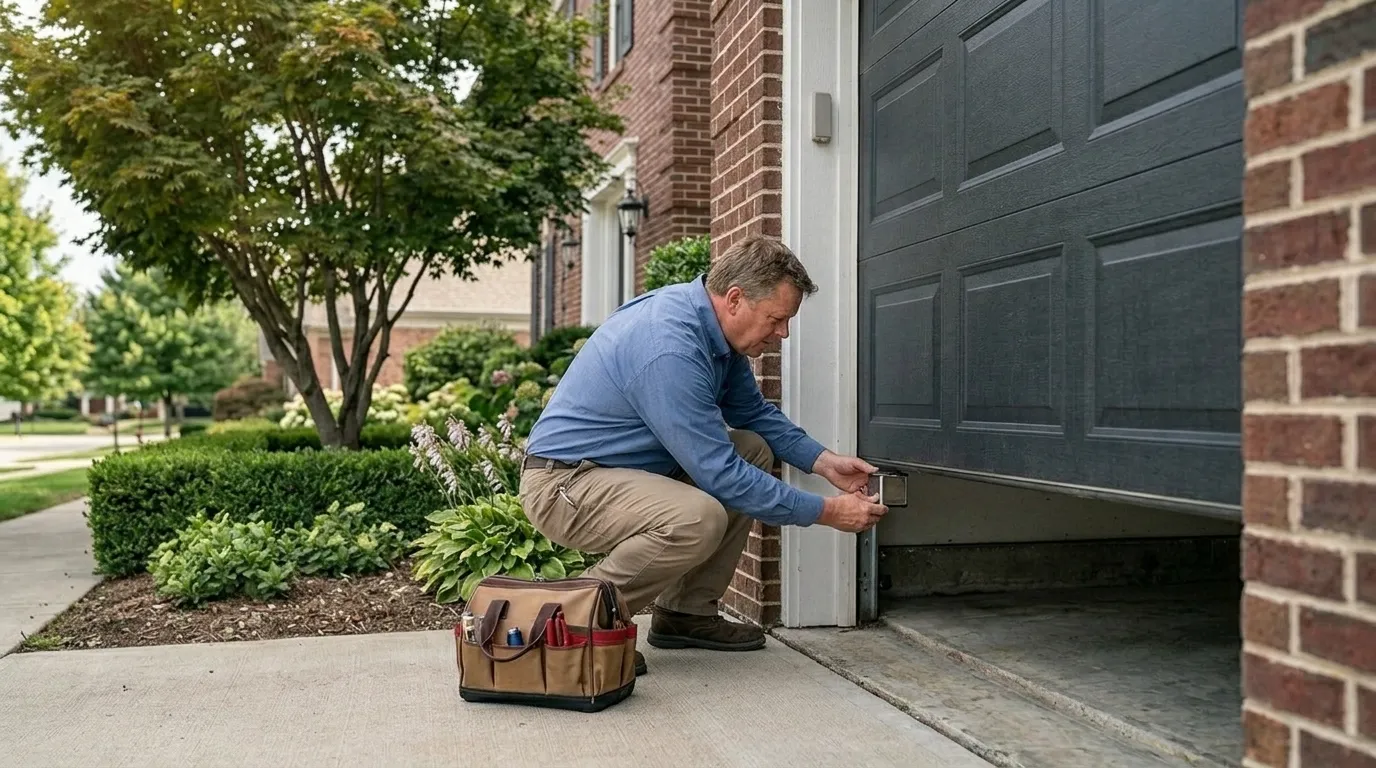
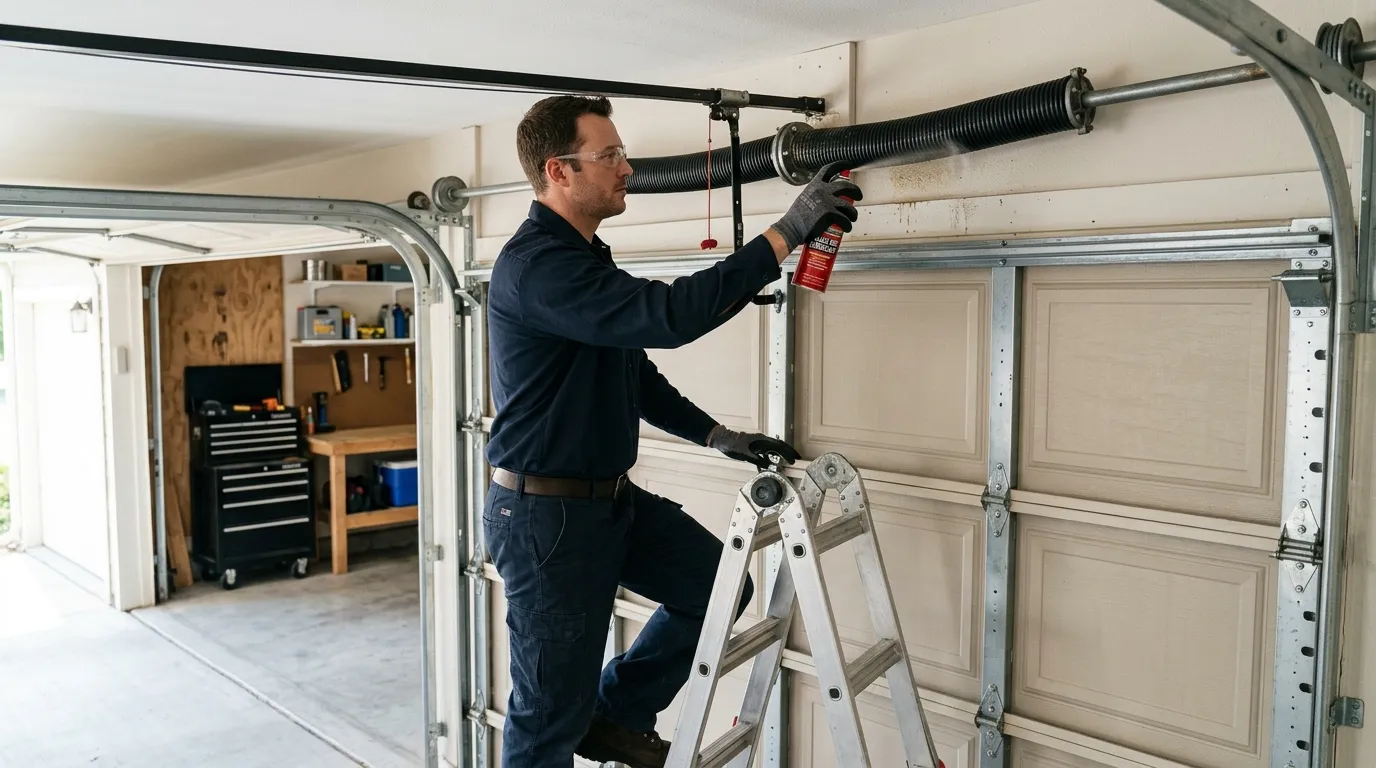
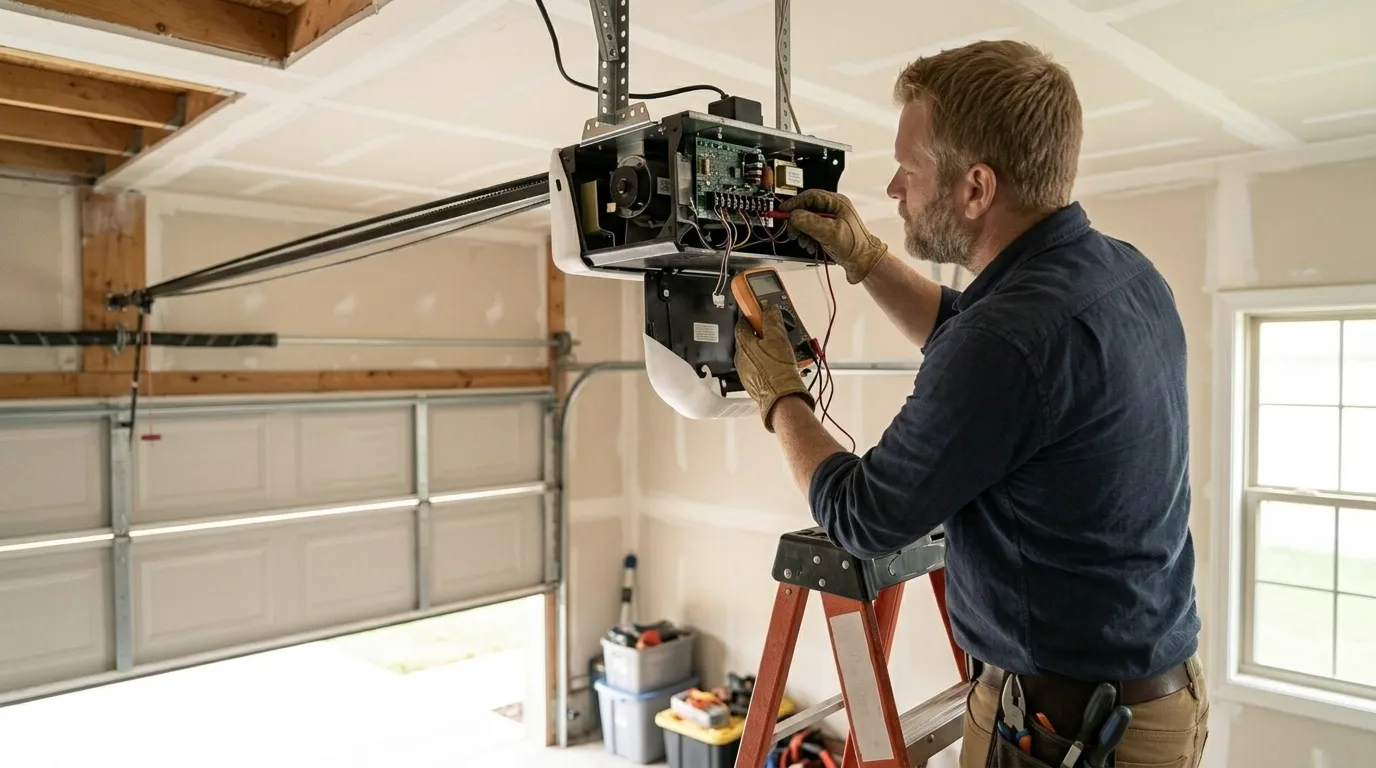
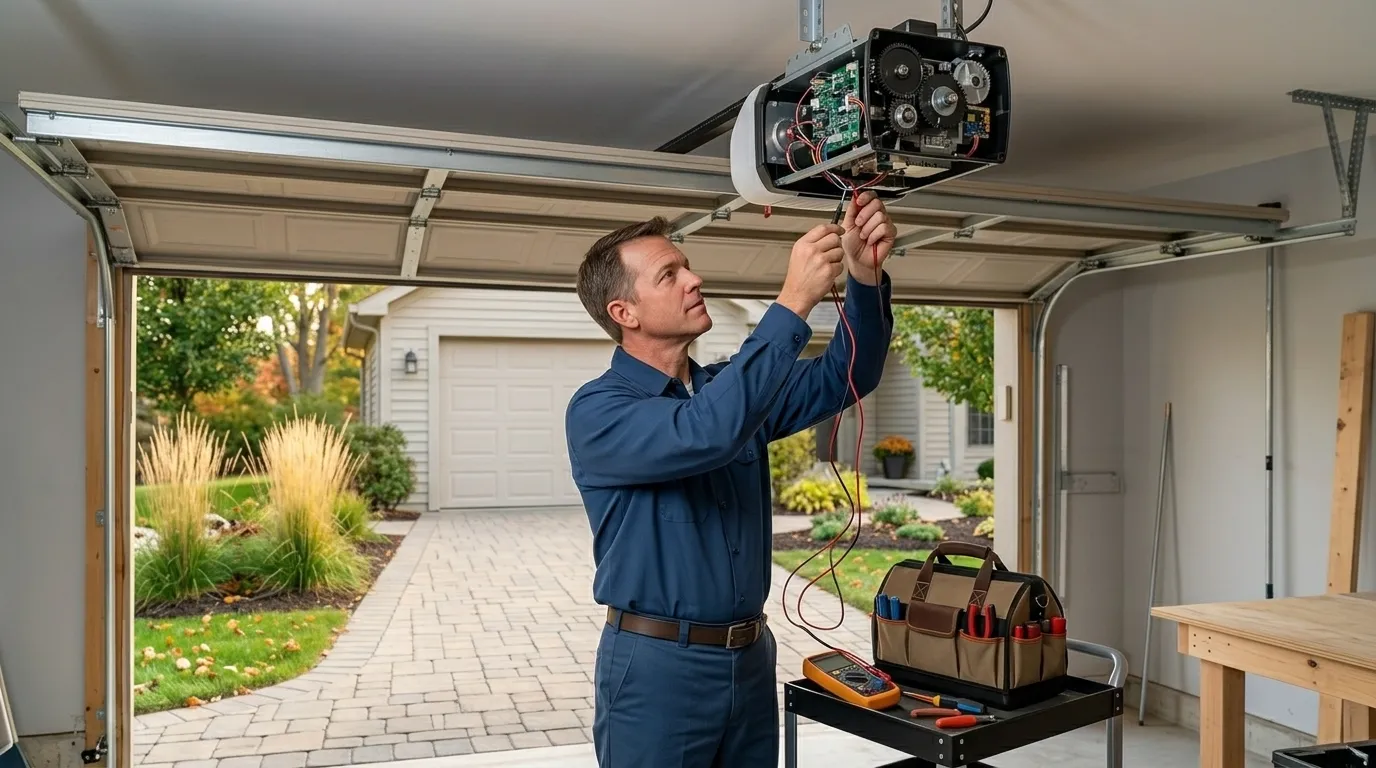
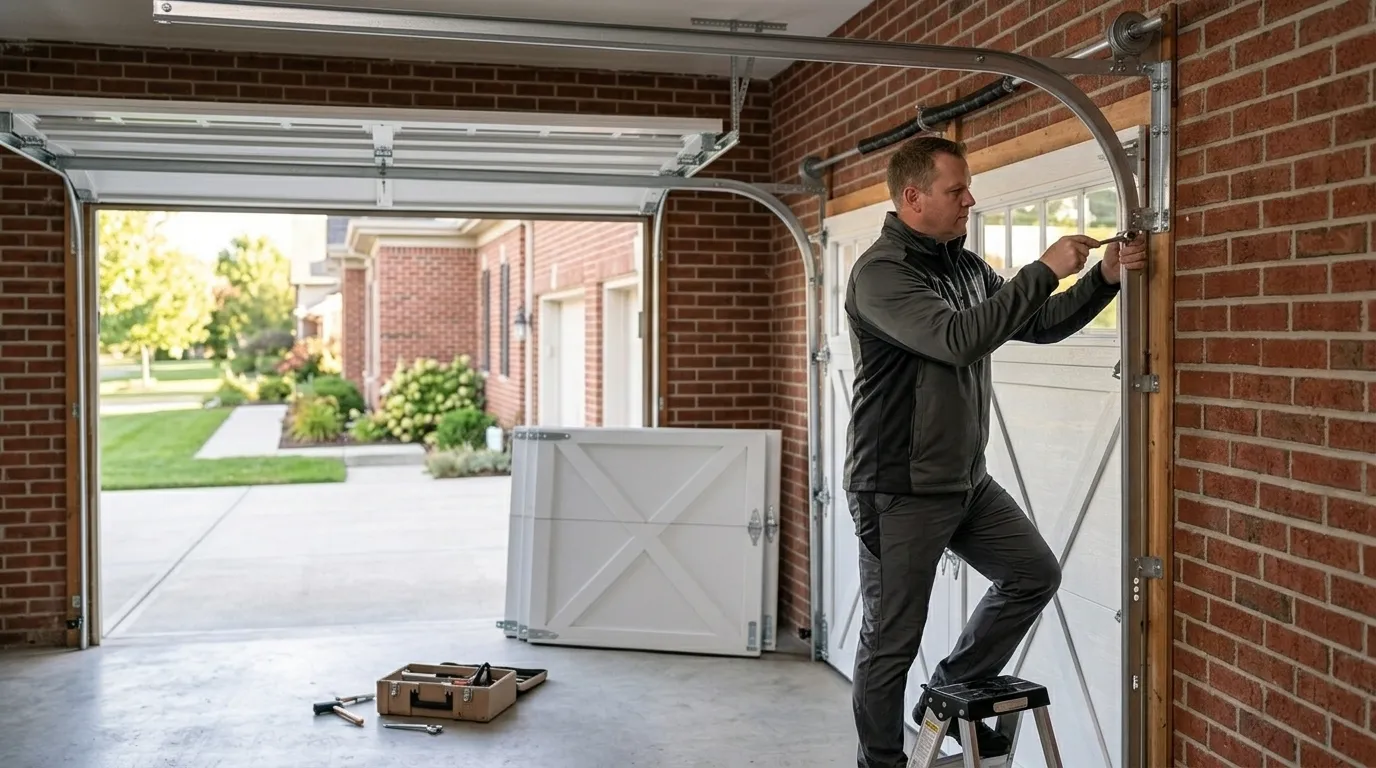
With the age and the climate both on the table, the tech starts at three points. First, the torsion spring and its winding cones, since older houses in this range often still run original one-piece doors on hardware nobody stocks anymore, and rust from humidity shows up on the coil before it shows up anywhere visible. Second, the track alignment at the rollers, because settling slabs on older lots and thermal expansion on newer ones both throw tracks out over decades. Third, the opener's force settings and safety sensors, since a door that reverses randomly or won't close is very often a sensor knocked out of line rather than a motor problem. In that order: spring, track, sensor. It's rare that the real issue is anywhere else.