How Local Conditions Play In
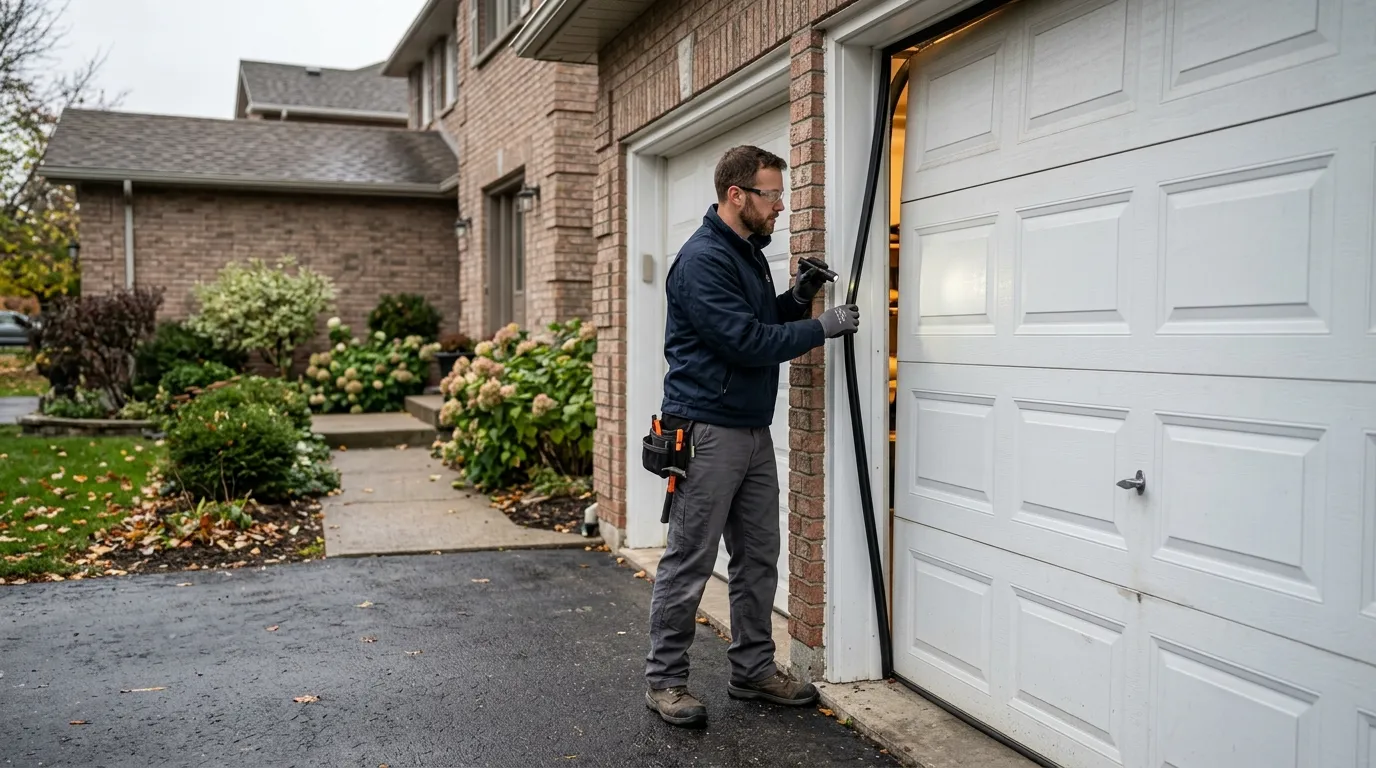
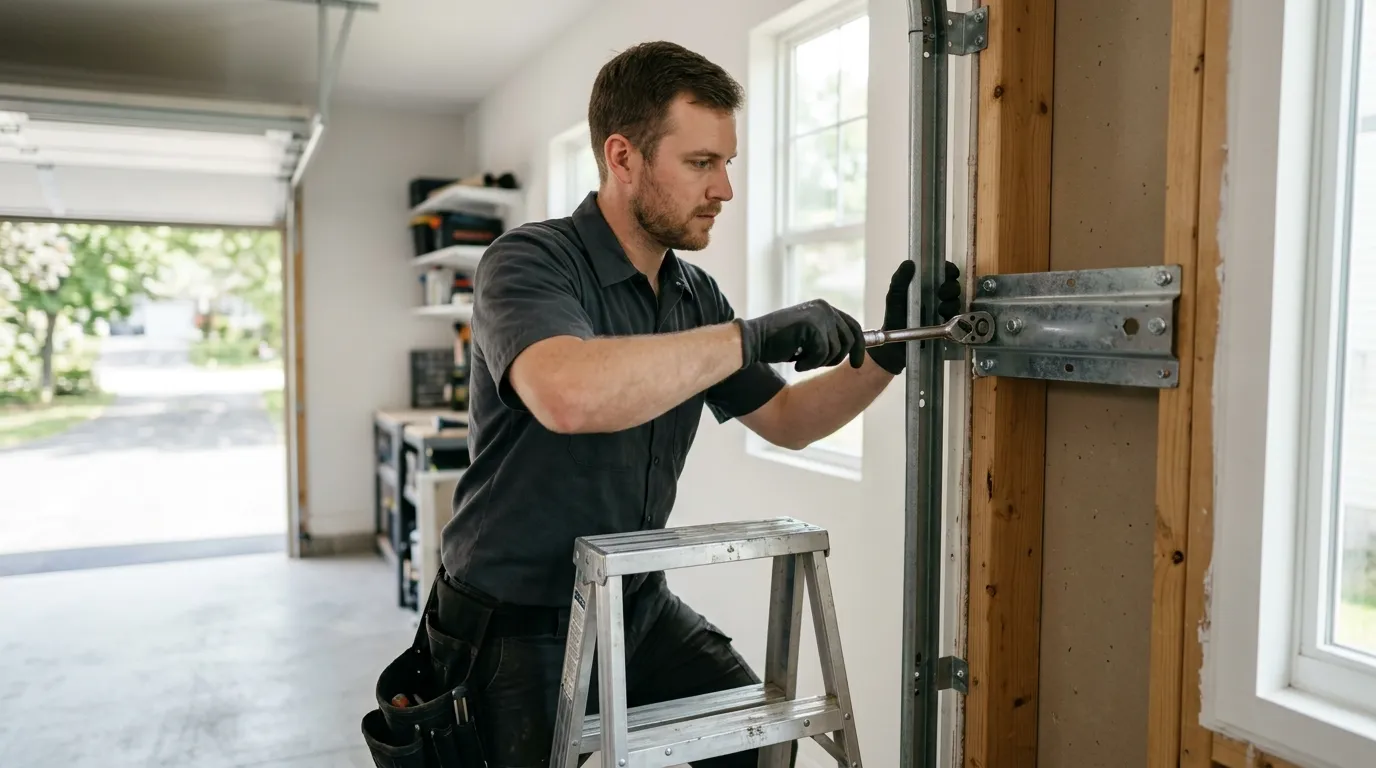
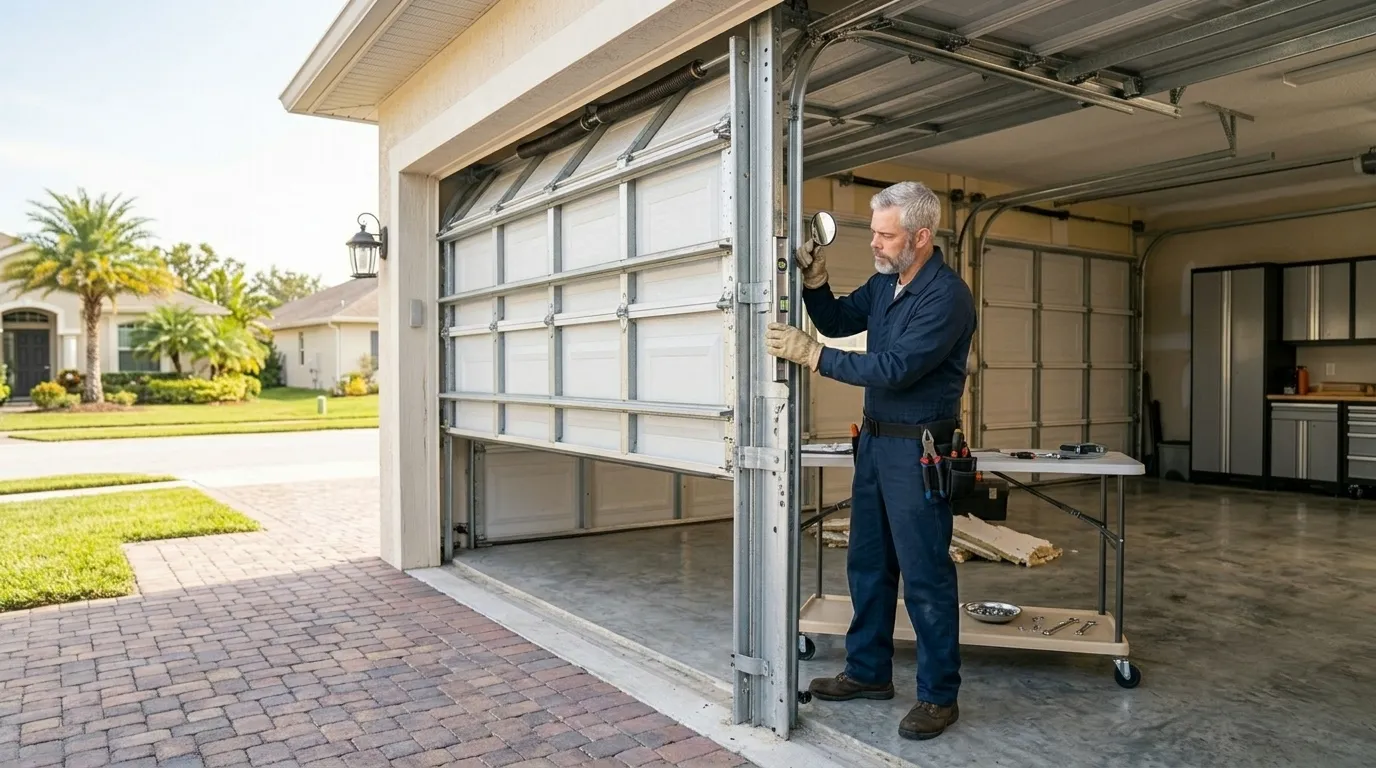
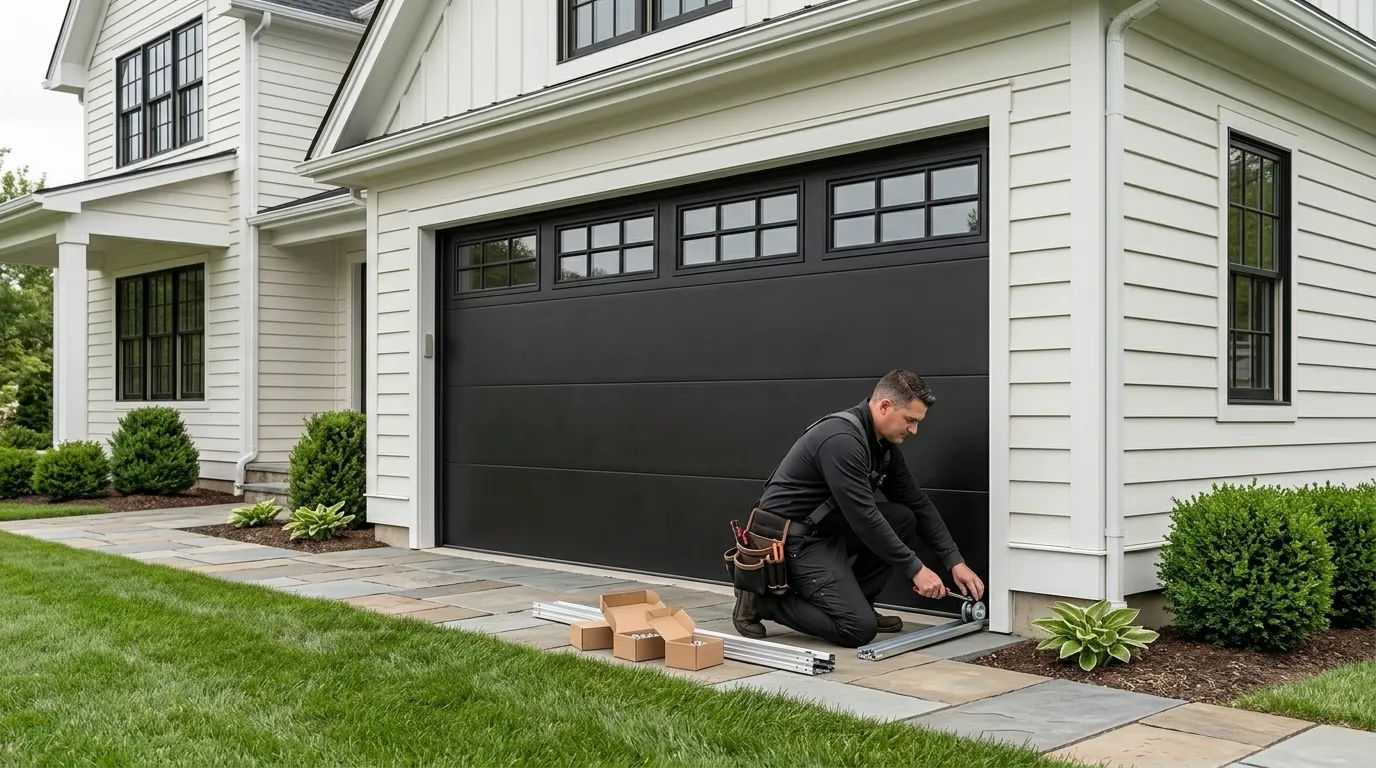
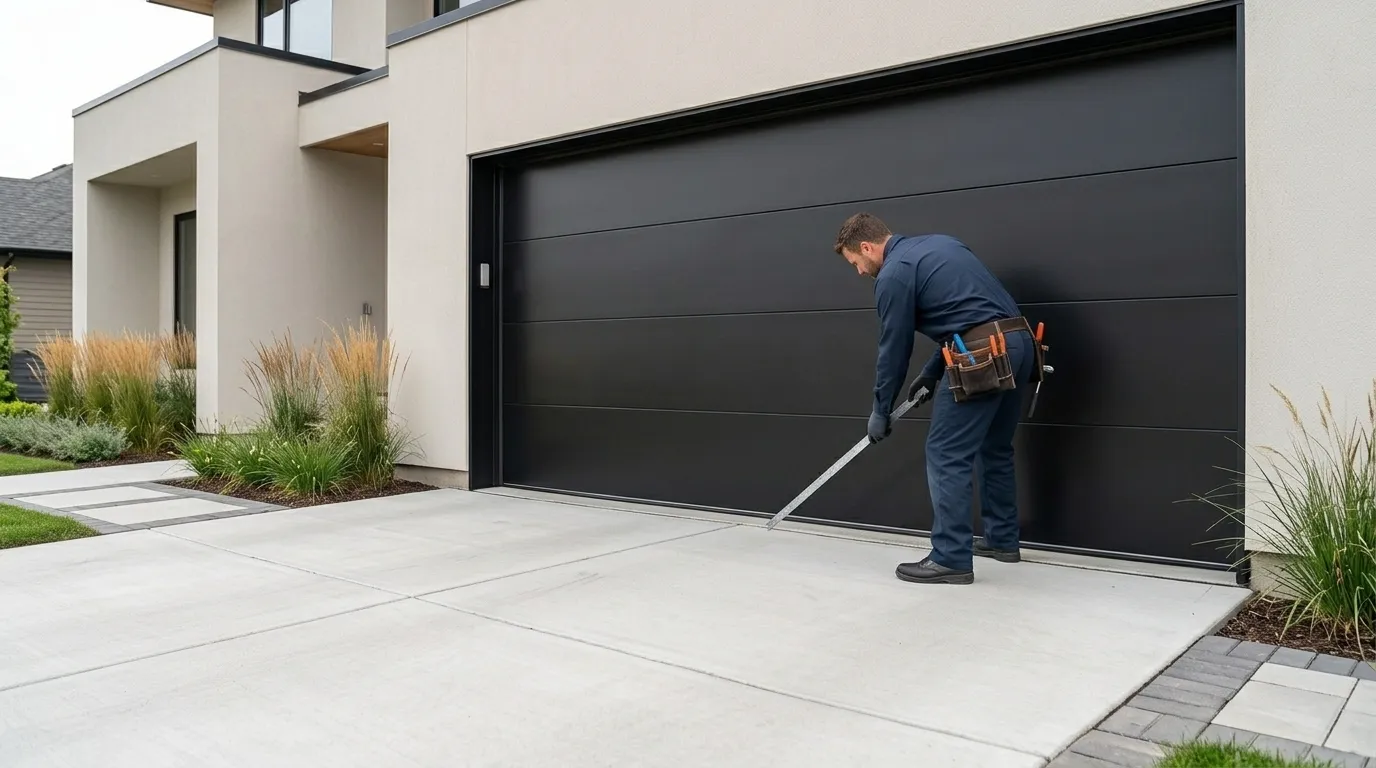
Across the 54 named communities we cover, from Little Havana and Overtown a mile or two out to Kendall and Miami Lakes further west, most of the housing dates to the 1960s and 70s. That matters more than any cold snap. A spring installed on a house built in that window has had fifty-plus years to accumulate cycles, and even if it was swapped once along the way, humidity and heat take a slower toll than people expect - moisture works into the coil finish over time and speeds up fatigue even without a hard freeze to blame. So the local story isn't ice on the tracks, it's decades of steady use in a climate that never really lets hardware rest. If you're in Brownsville, Gladeview, West Little River, or anywhere in that 4-to-9-mile ring around us, the age of your door is a better predictor of a coming spring failure than any weather forecast. We don't get the dramatic cold-morning snap stories you'd hear from a Midwest company, but we get plenty of calls from doors that have simply run out their years.
What to Look At First
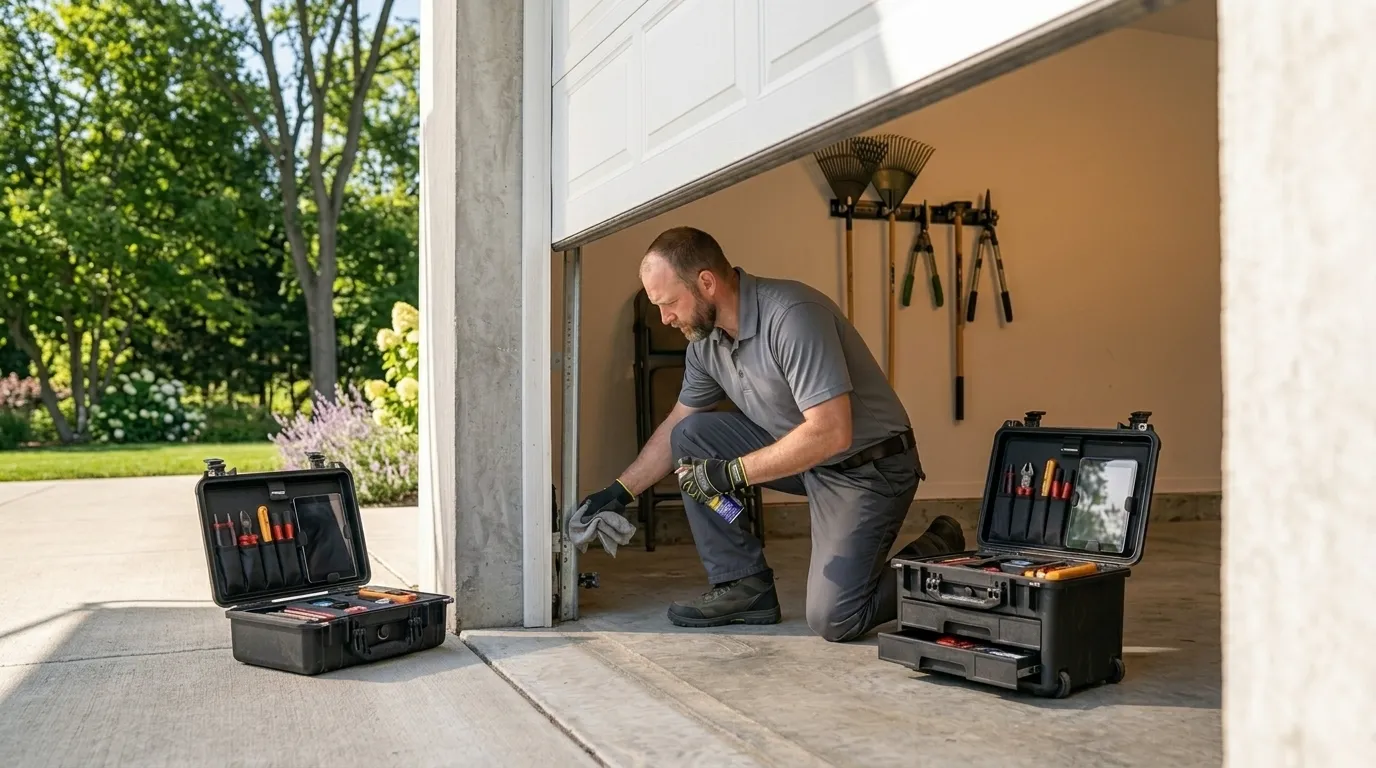
Before you assume a spring is about to go, look at the coil itself. A gap opening up between the coils, visible rust along the spring body, or a door that feels noticeably heavier to lift by hand than it used to are the real warning signs here - not temperature. Check the date on the door if you have paperwork or a permit sticker; if the house was built in the 1960s-70s window that makes up most of this area's stock and the spring looks original, treat it as due regardless of how it's performing today. Listen for the door struggling partway up, or the opener straining and reversing - that's the spring no longer carrying its share of the door's weight. One thing we won't do is talk you into replacing a spring that still has good life left just because the house is old; if the coil's tight, unrusted, and cycling smoothly, it can keep going. We'd rather tell you it's fine than sell you a job you don't need yet.