Why This Fails Locally
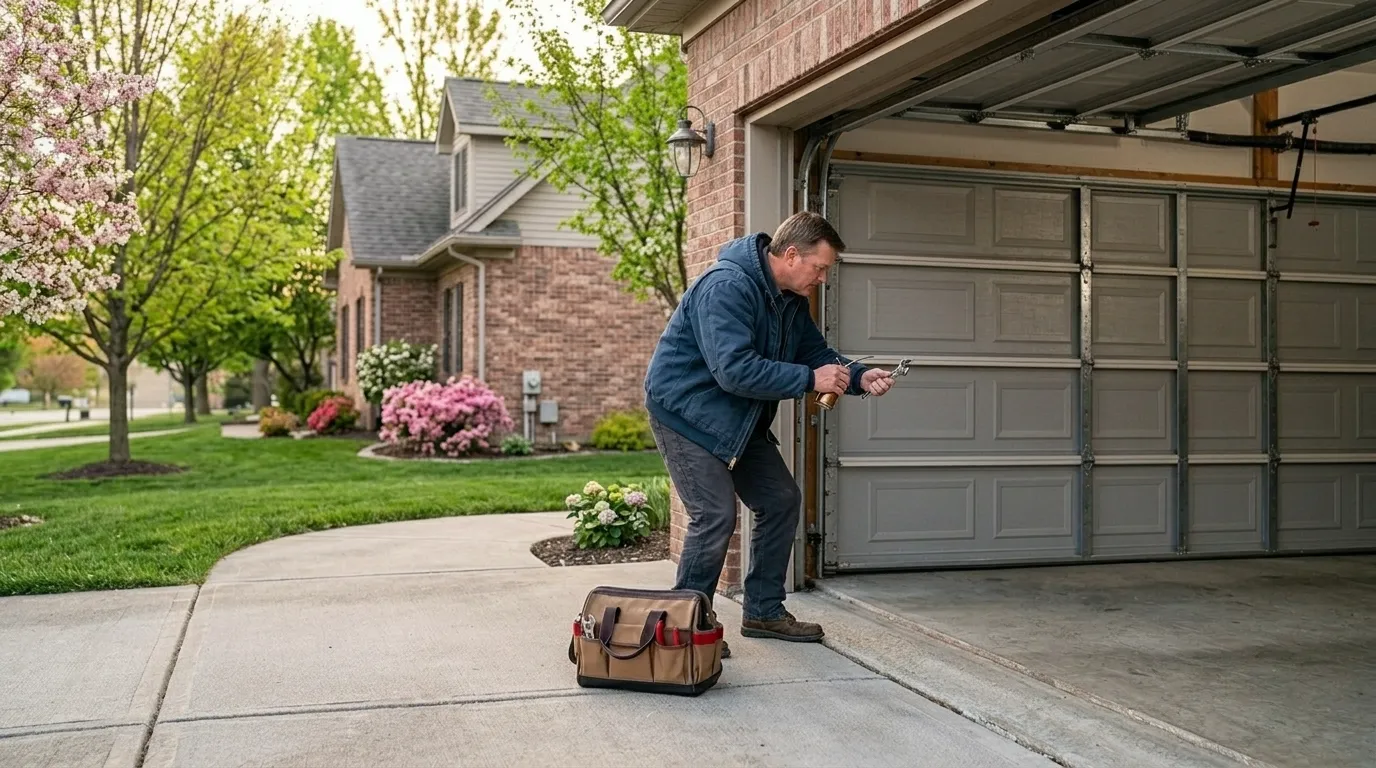
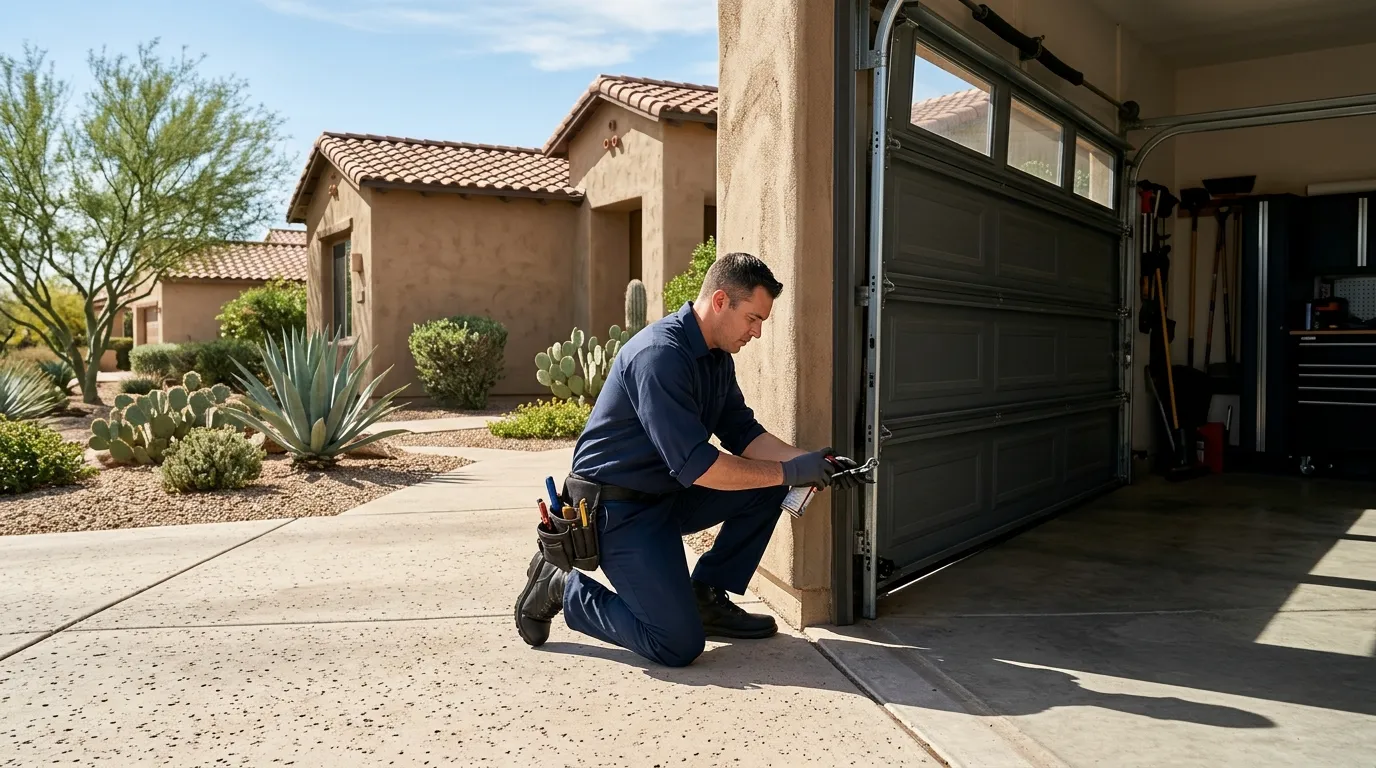
Miami sits in a mild temperate band, which sounds like an easy climate on a door, and in some ways it is - no freeze-thaw cracking, no snow load. But mild here still means constant humidity and salt air working steel and wood year-round, without a cold season to dry things out or slow corrosion. A door built for a drier climate rusts at the hinges and track bolts faster here, and wood-composite panels from the 1960s-70s stock swell at the seams. Combine that with openings framed decades before current wind-rating requirements, and you get doors that were fine when installed but are now undersized for both the weather load and the track hardware sold today. This is why a straight swap - same size, same mount - often doesn't hold up as well as a proper reinstall matched to the actual opening and current hardware standards.
What the Fix Involves
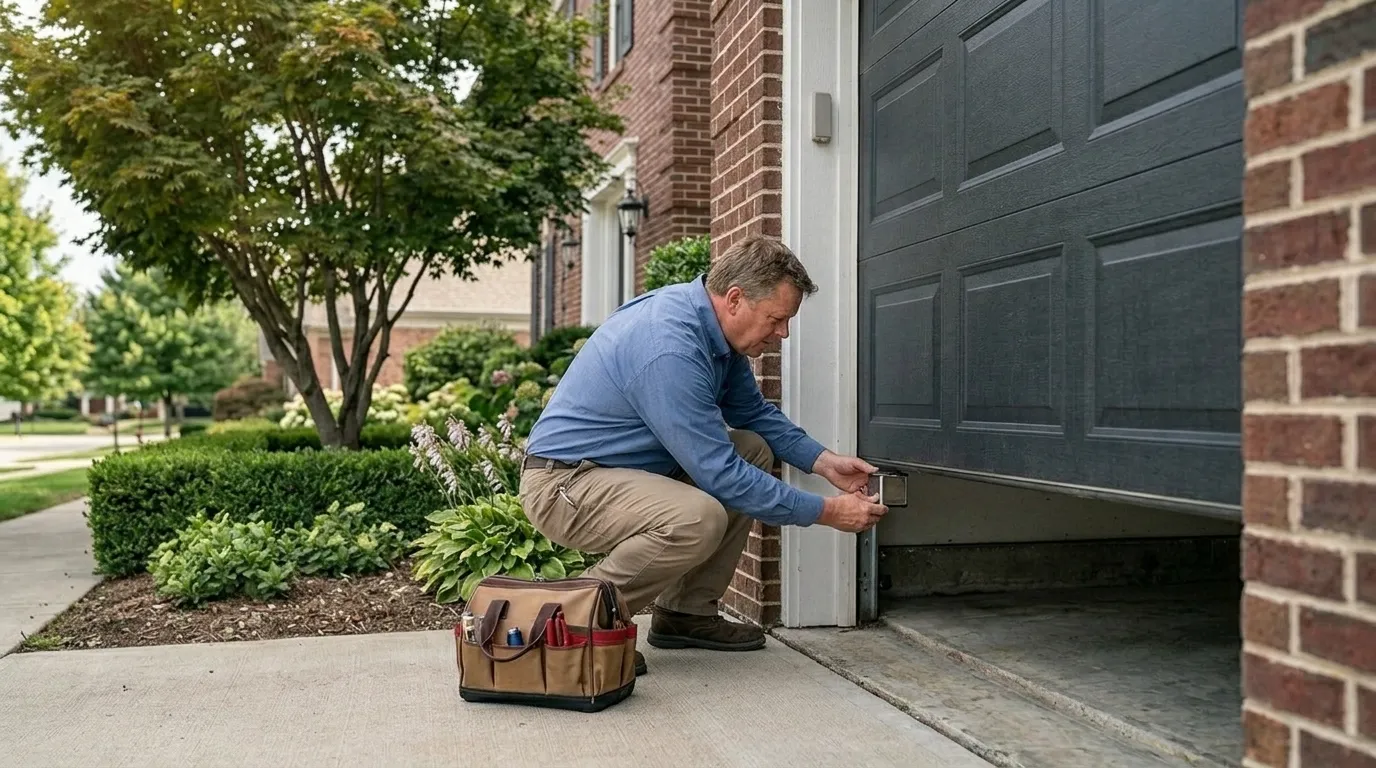
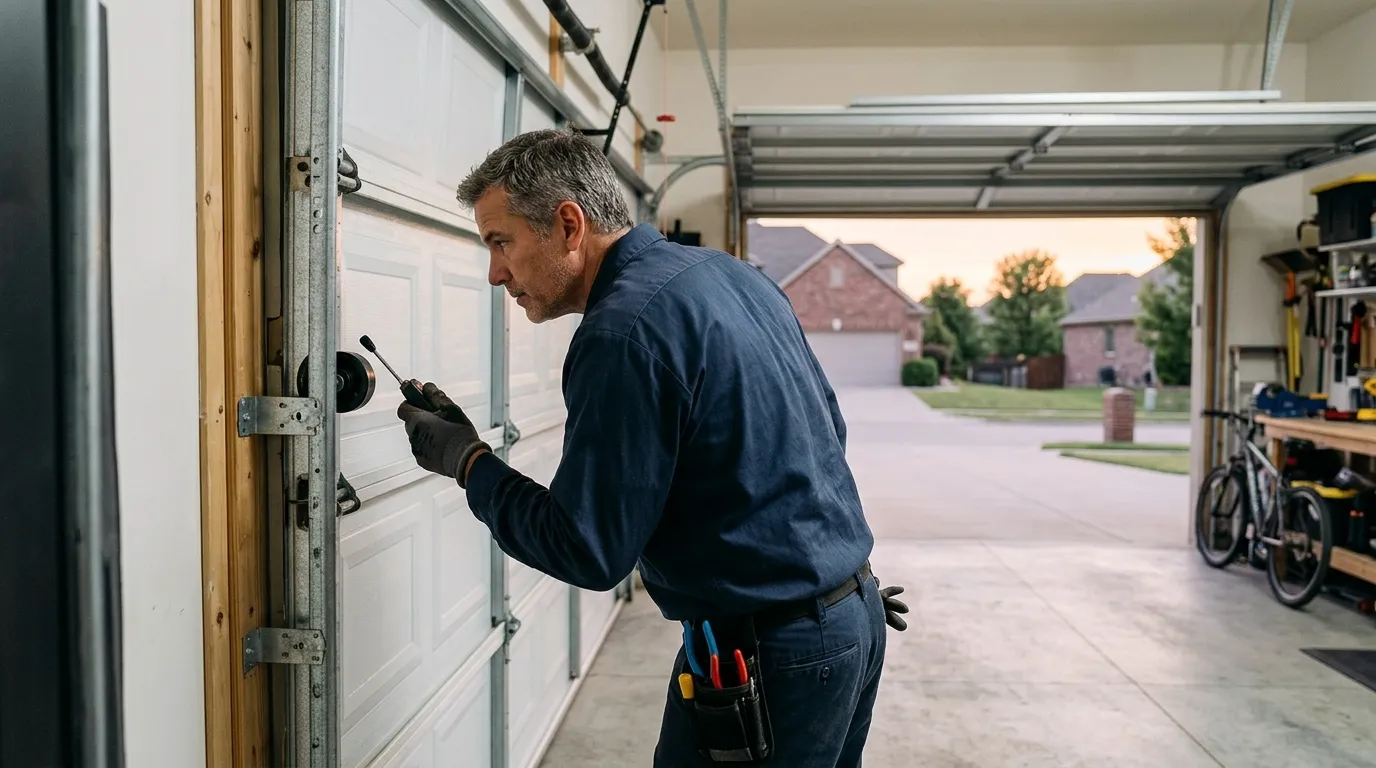
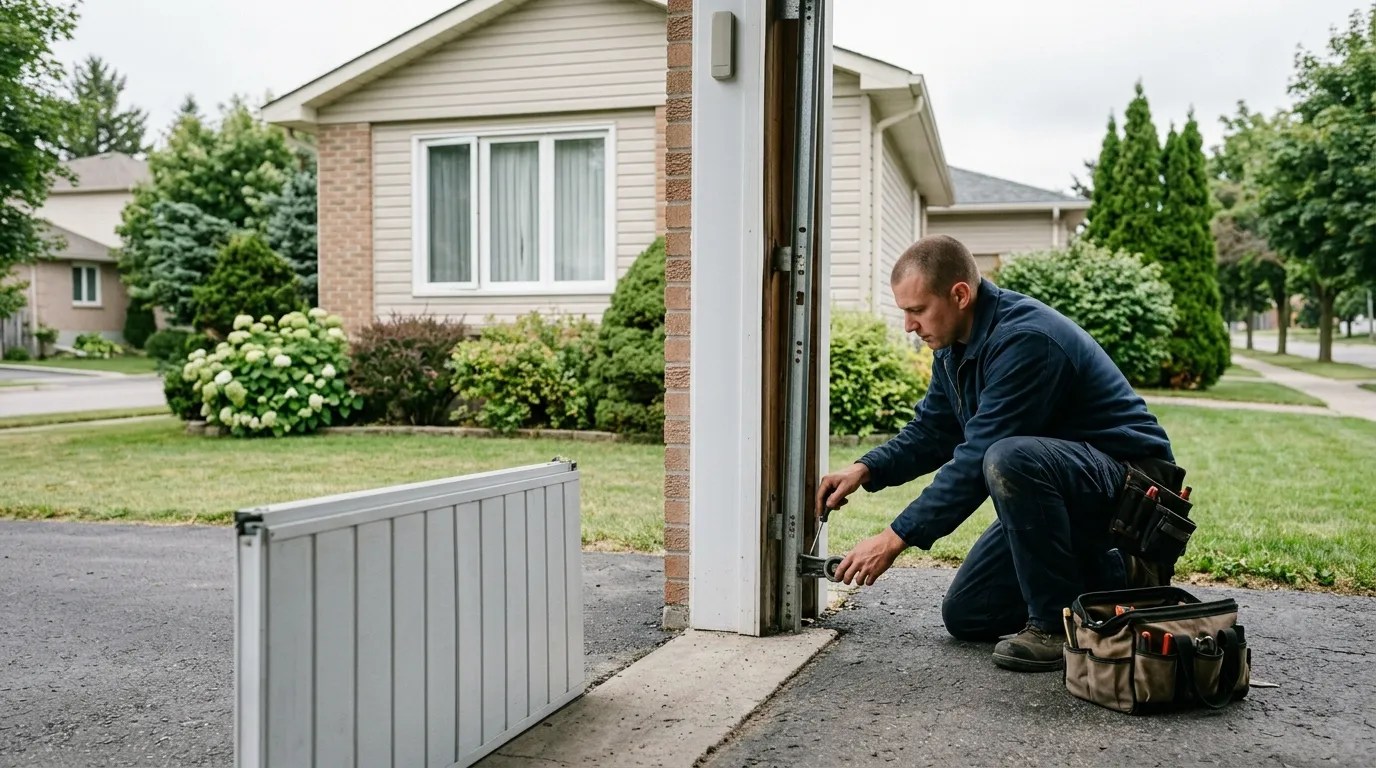
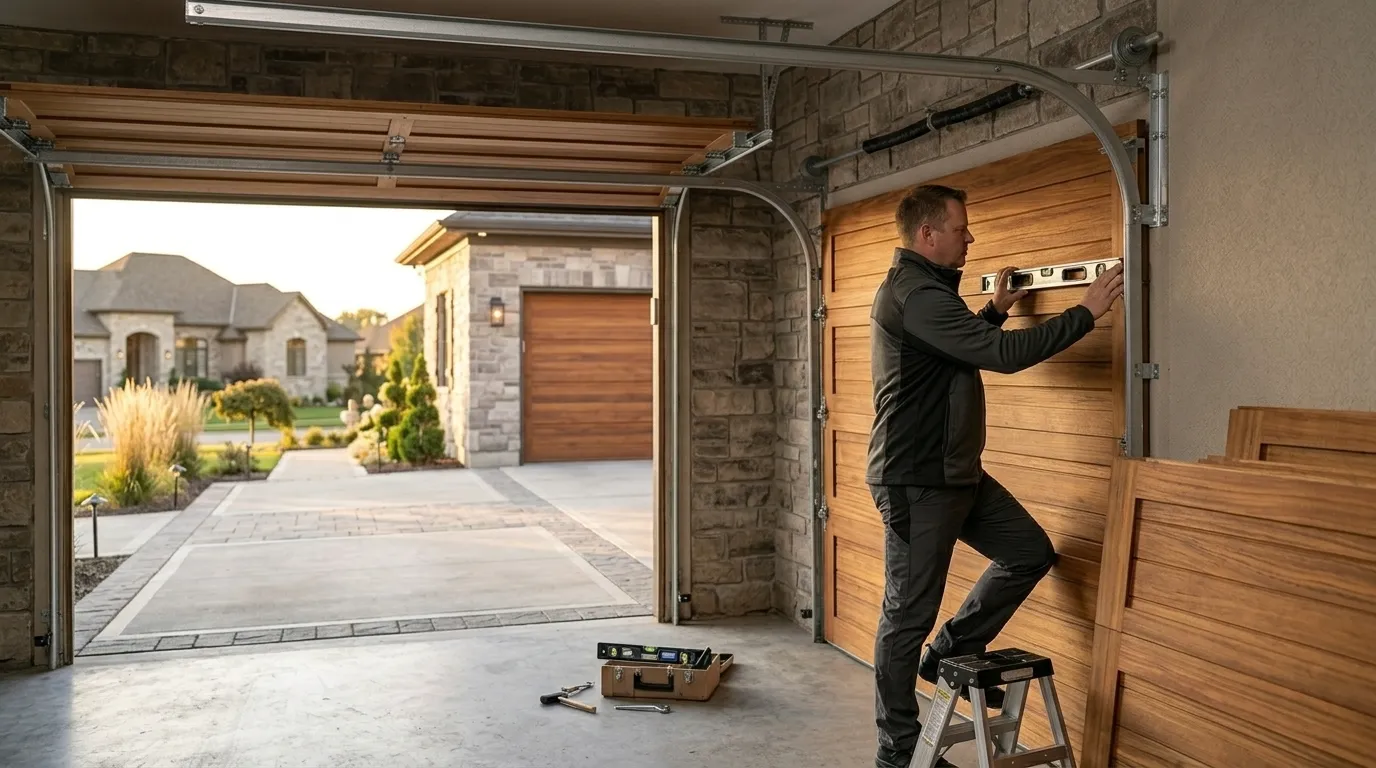
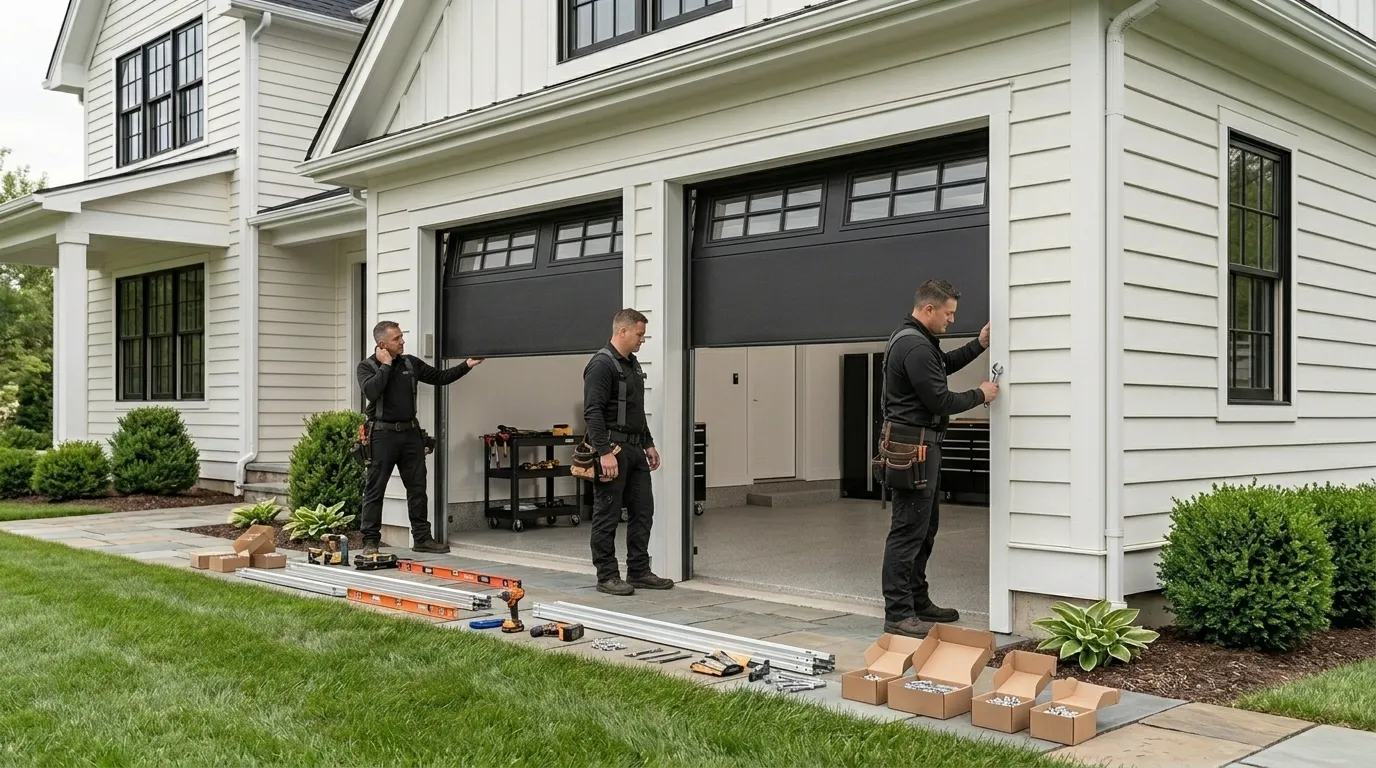
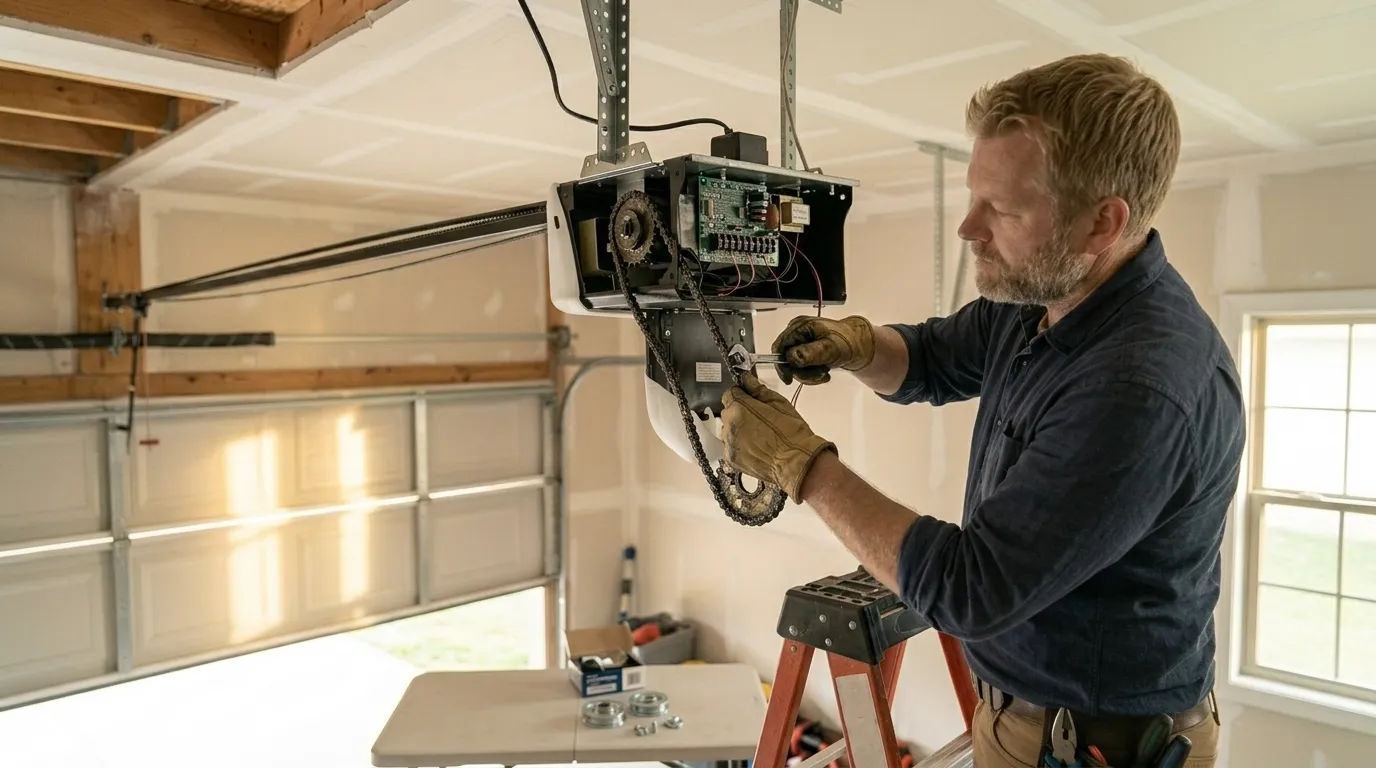
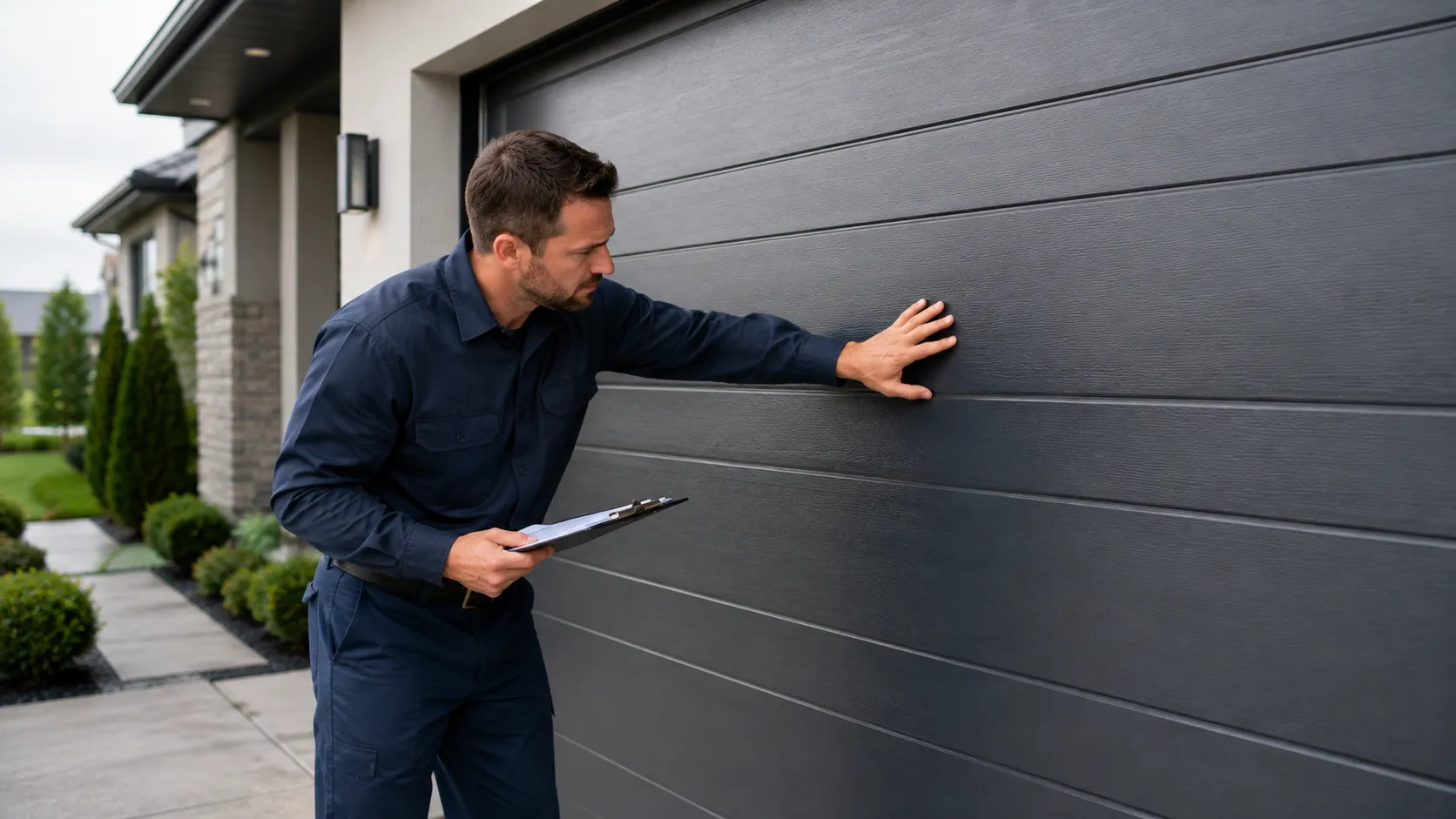
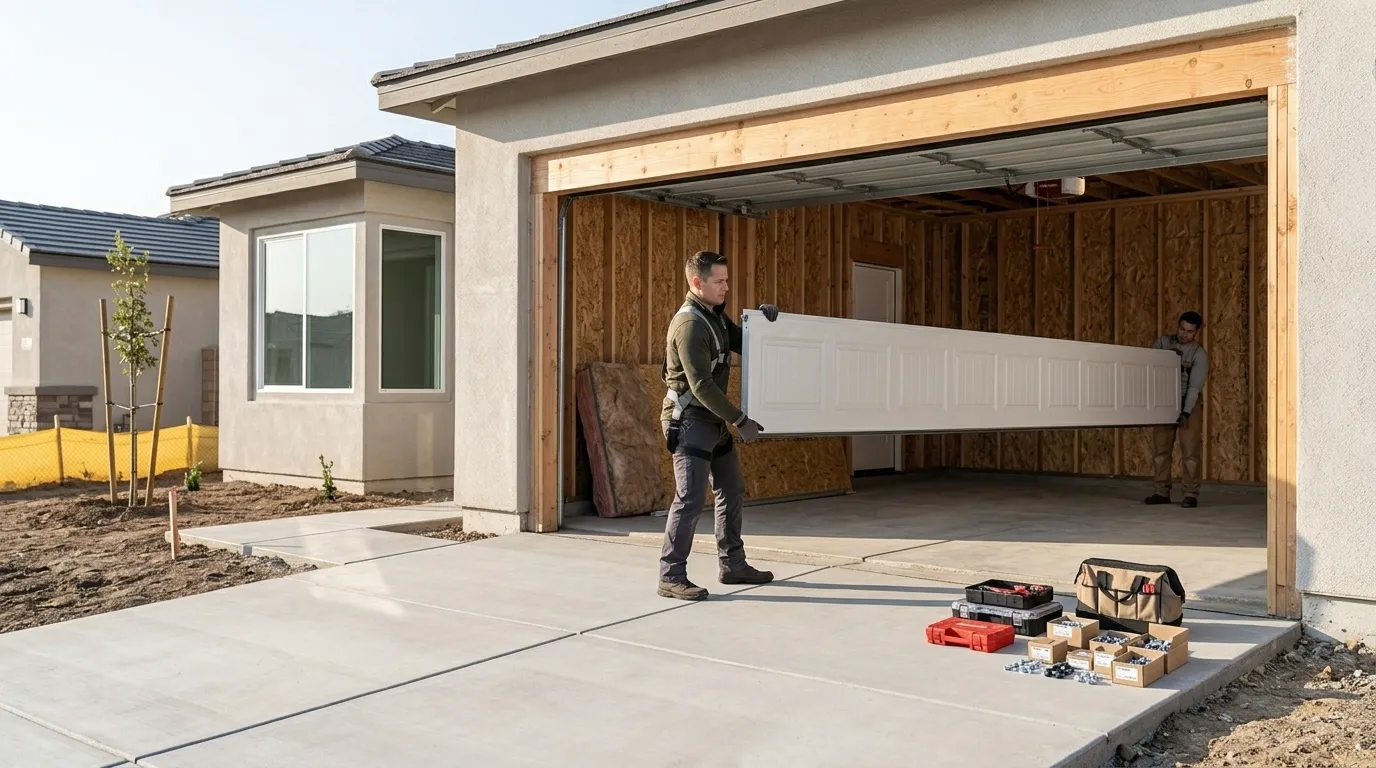
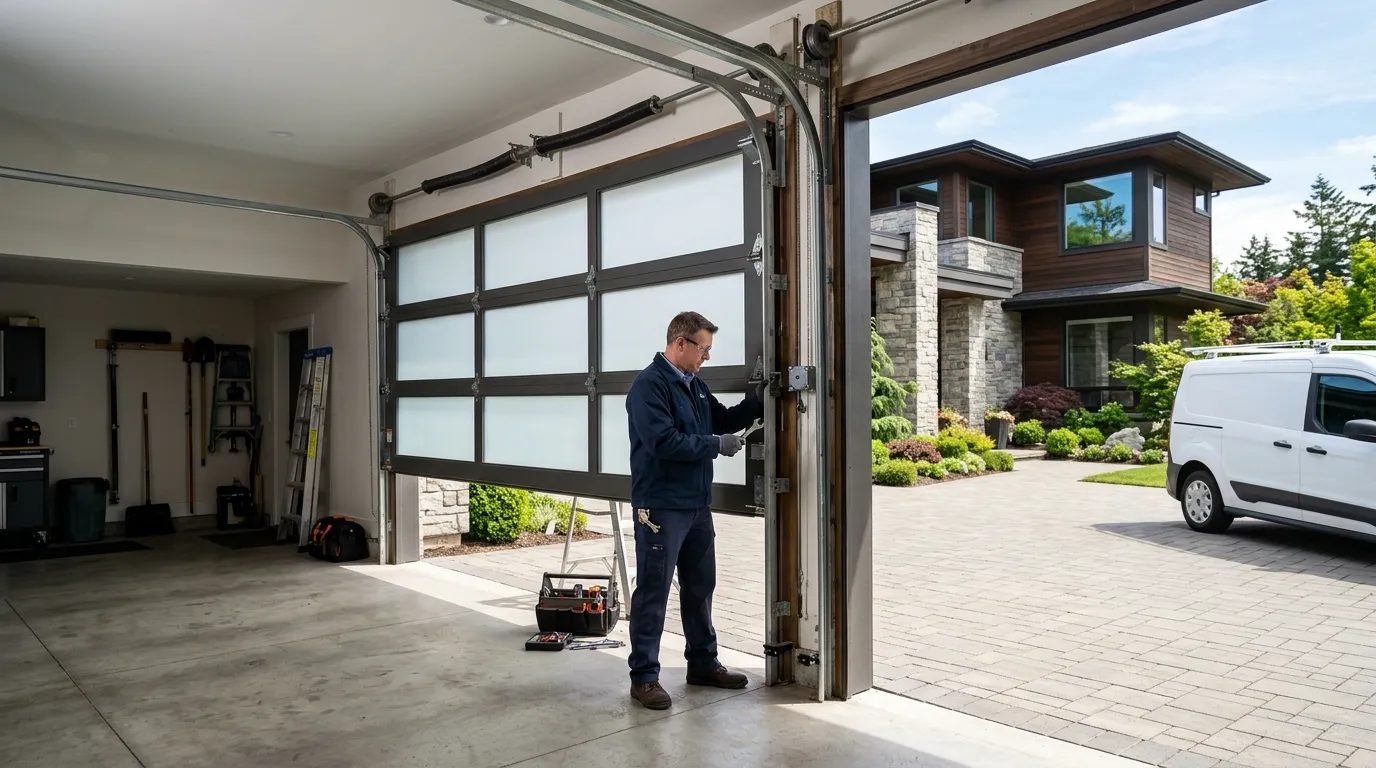
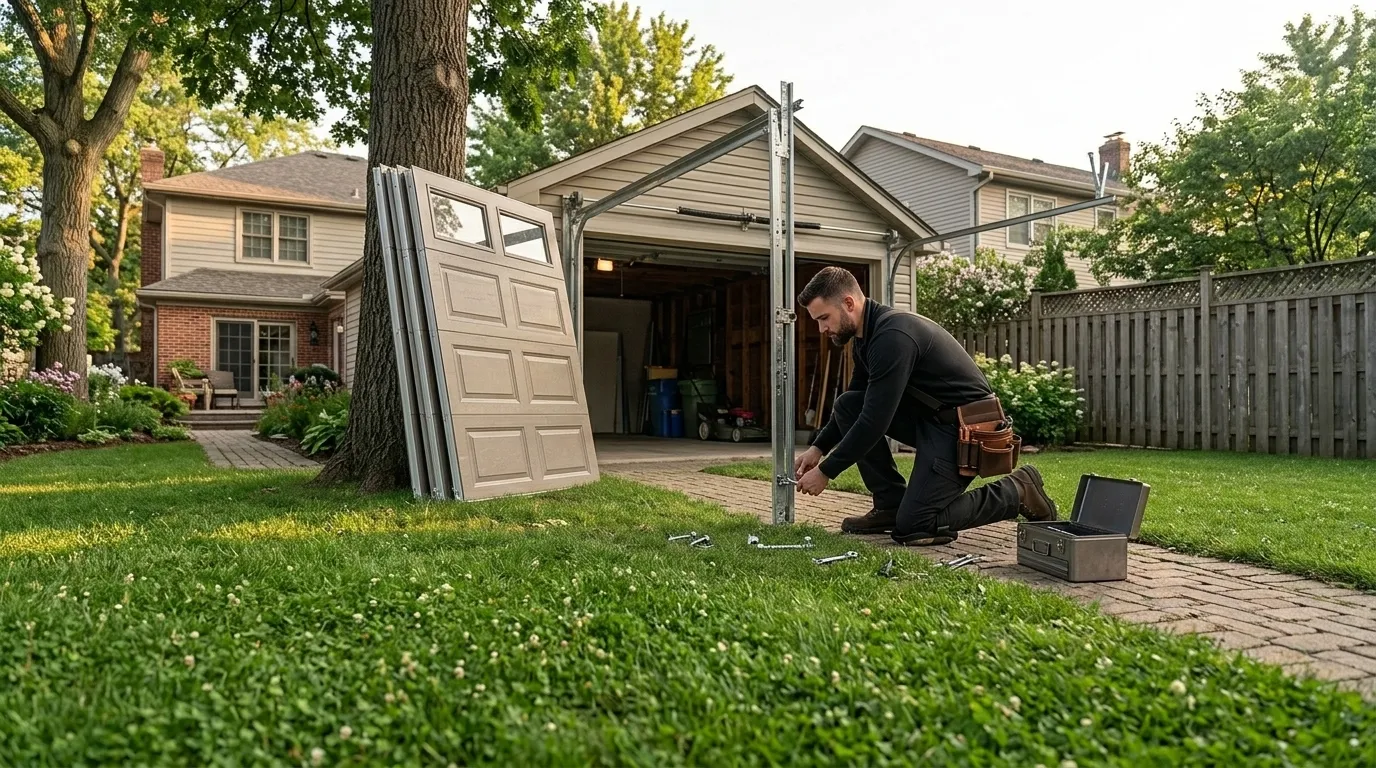
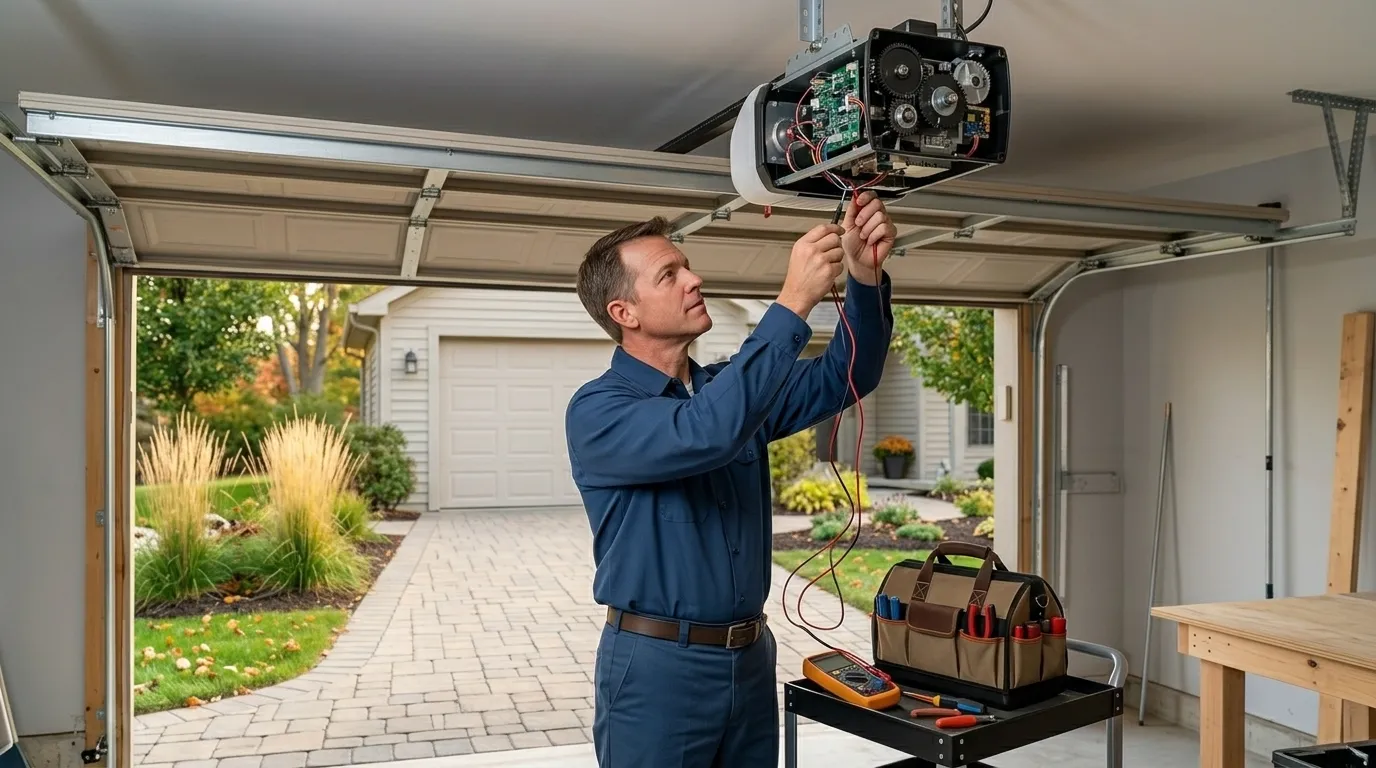
A real installation starts with measuring the existing jamb and header against the new door's rated size, not assuming the old numbers still apply. On a 1960s-70s opening that usually means adding or shimming track brackets, checking the header for rot or corrosion before hanging anything on it, and re-torquing the spring system to match the new door's actual weight rather than reusing the old spring count. We also check the slab and threshold - settling is common in older Miami-area construction, and a door hung level to a header that's shifted from the slab won't seal no matter how new it is. Where the opening is close to code but not quite right, we tell you before we start, not after. One limit worth saying plainly: we don't reframe structural openings. If the header or jamb needs carpentry work beyond shimming and bracket resets, that's a separate job for a contractor, and we'll say so rather than force a door into a bad frame.