
Straight Answers
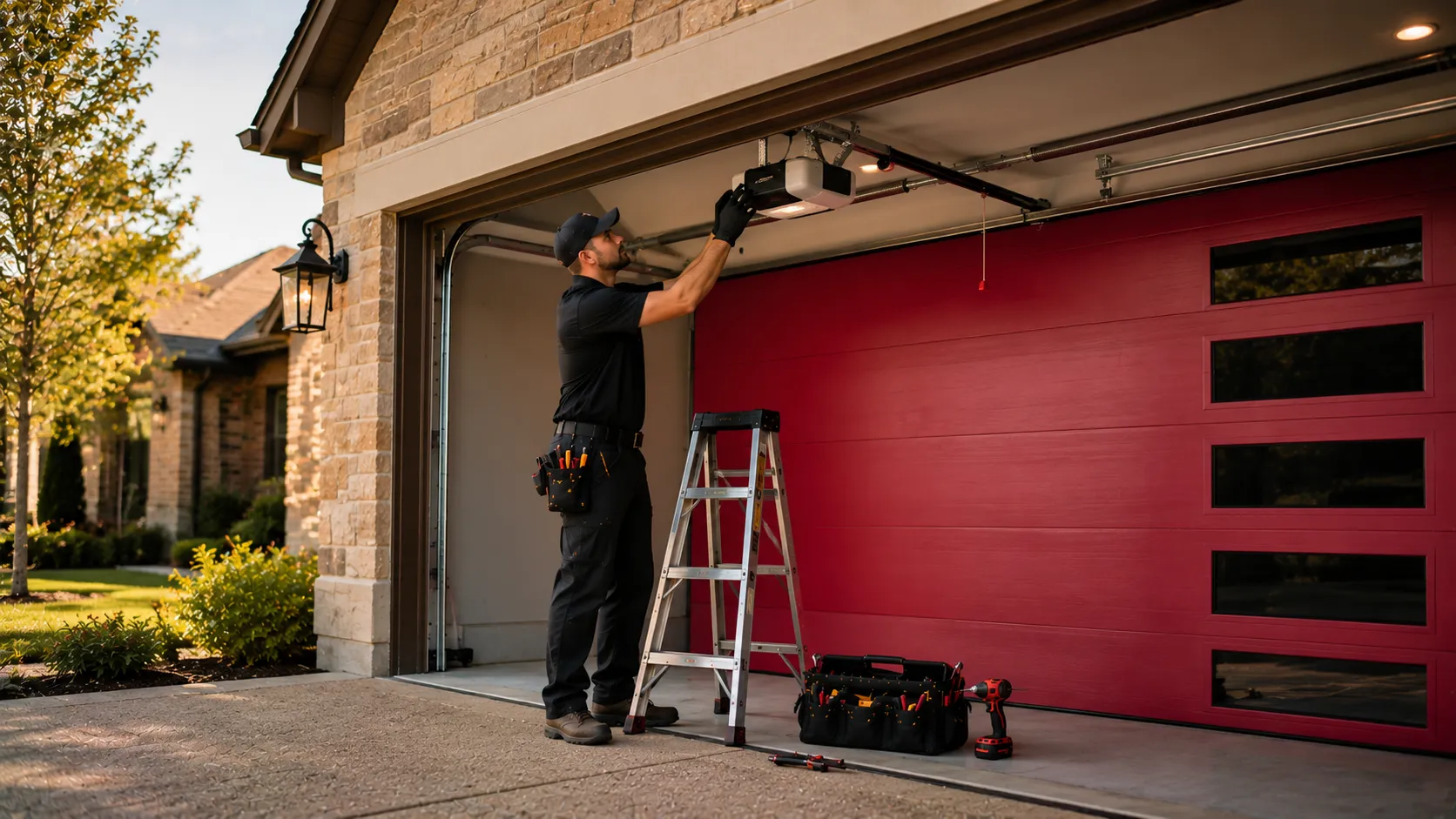
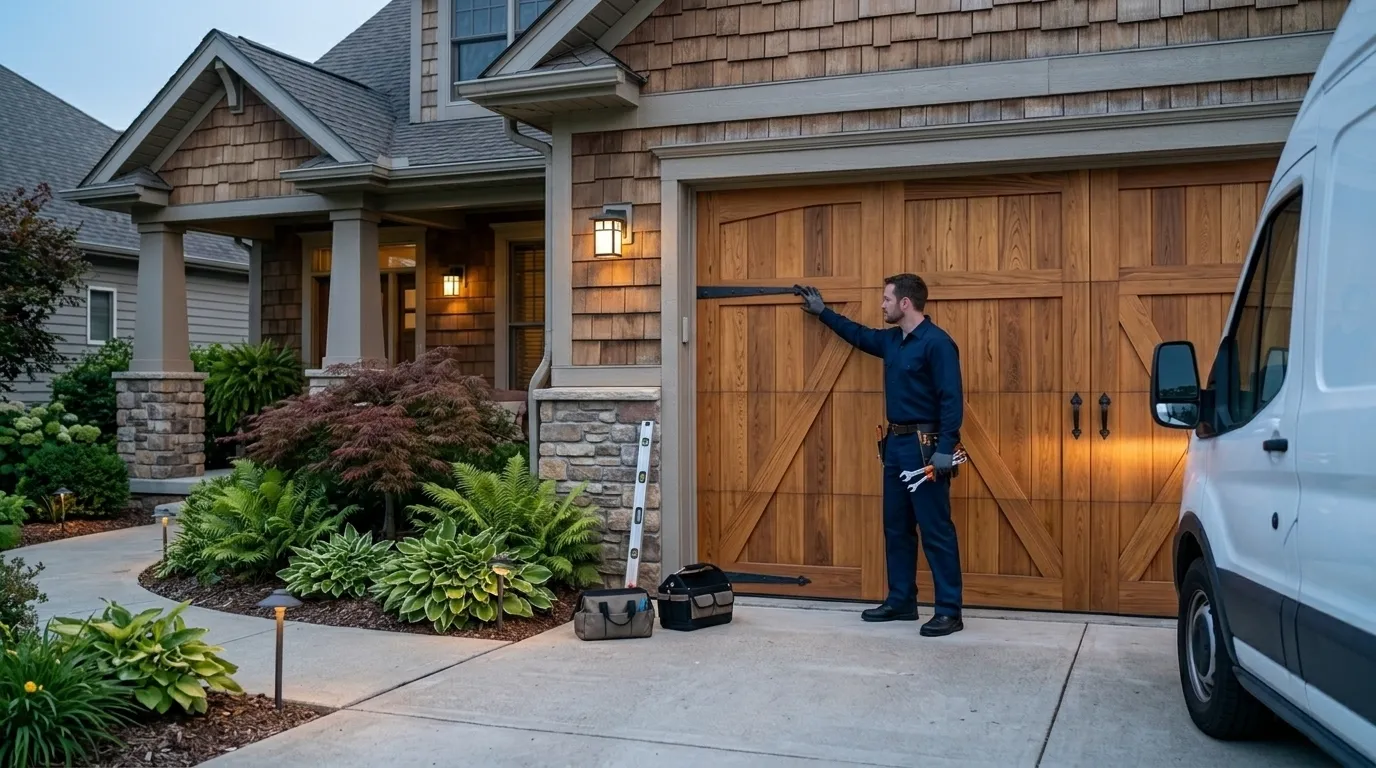
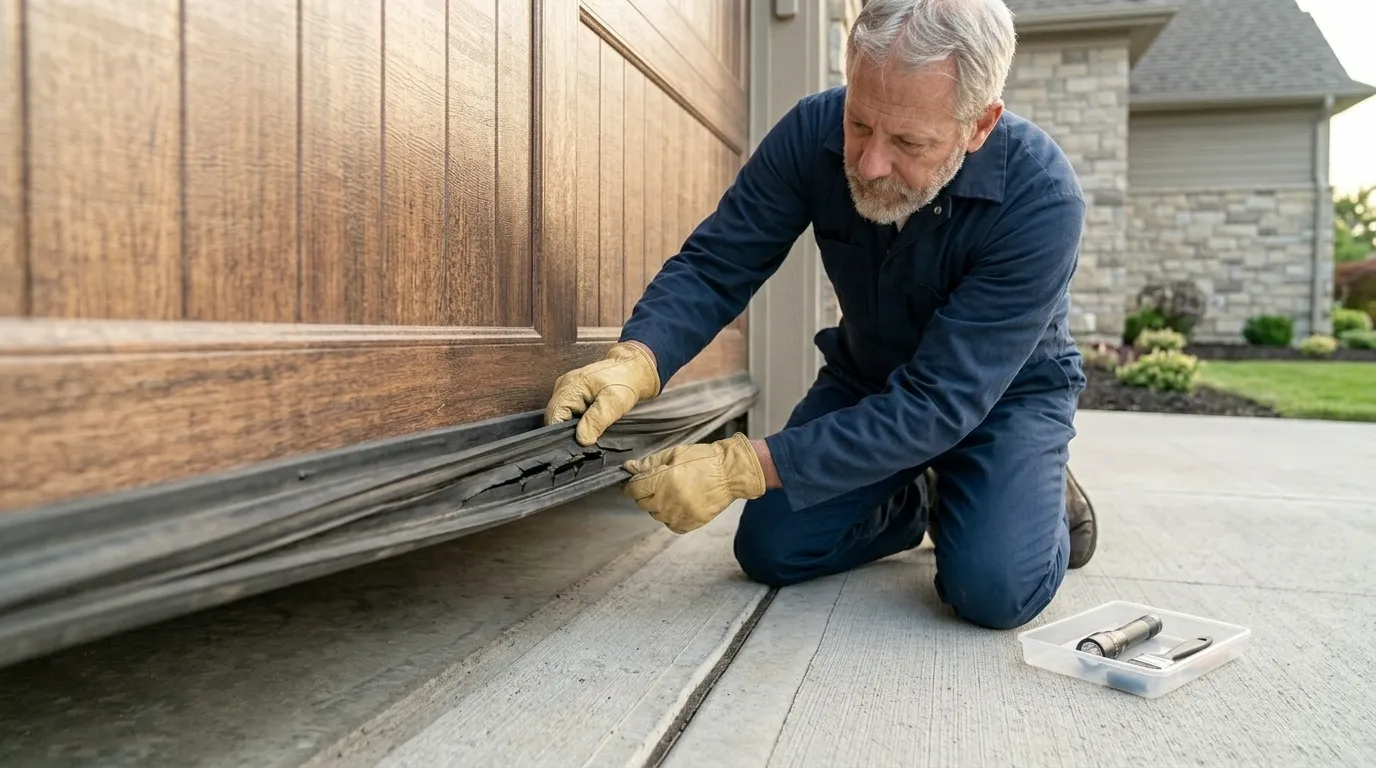
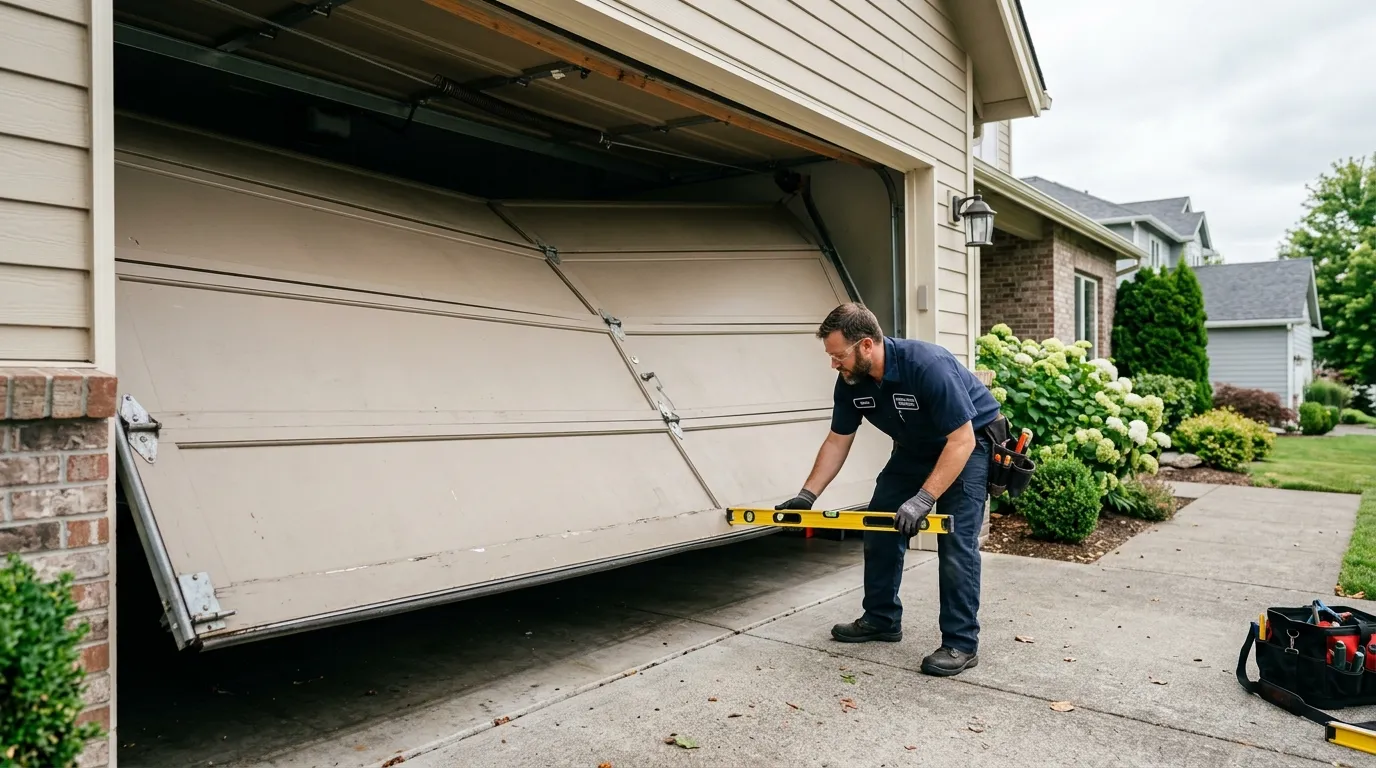
The mild temperate climate here is easier on hardware than a lot of the country deals with - no freeze-thaw cycles cracking bottom seals, no road salt eating at springs - so when something fails on an older Coral Gables door, it's almost always wear or a mismatch from a past repair, not weather damage. That's the honest read, and it also means a door that's original to a 1960s or 70s build can often be repaired rather than replaced, if the track and frame are still square.
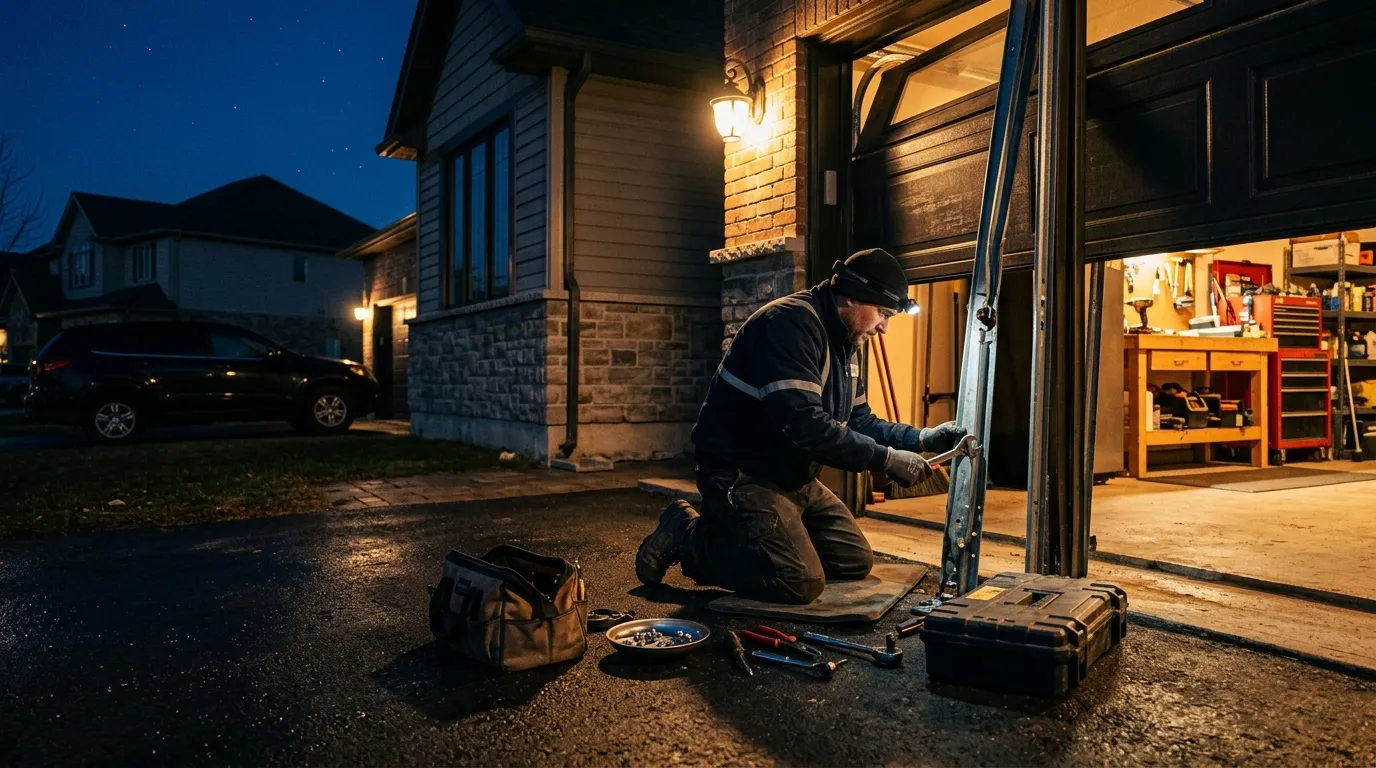
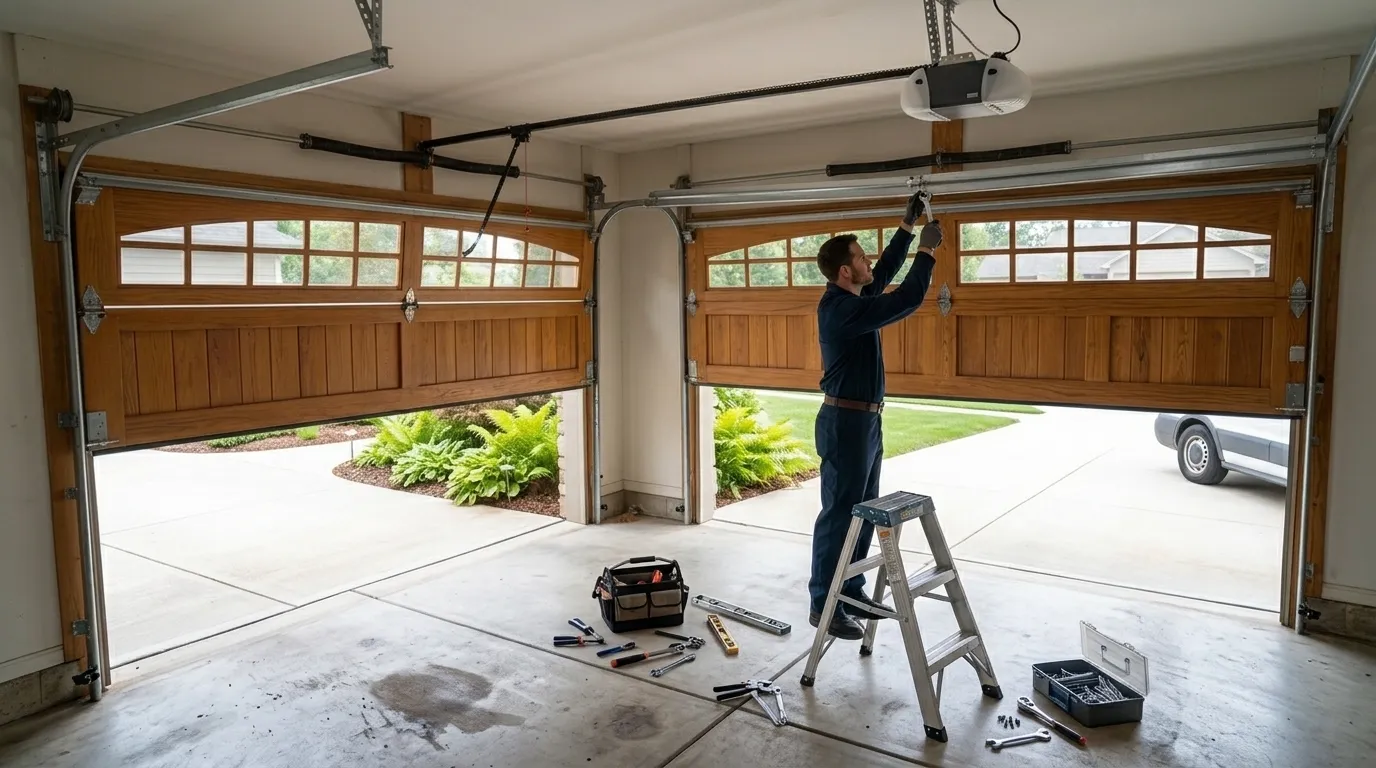
Where we draw the line: if the frame has racked out of square or the panels are rusted through at the bottom section, replacement is the better use of your money, and we'll say so instead of patching around it. We don't stock every legacy spring size on the truck - some of the older torsion setups use dimensions that aren't common anymore, and those can mean a short wait on parts. We'd rather tell you that up front than promise a same-day fix we can't back up. If your door is original hardware from that mid-century run, expect us to talk through what's original versus what's been replaced before we quote anything.
Where This Is
Coral Gables sits about five miles west-southwest of downtown Miami. It's ringed by other established residential sections - Riverside and Little Havana are closer in toward the center, South Miami and Sunset sit further out to the south and southwest, and Coconut Grove and Northeast Coconut Grove are along the bay side to the southeast. We work this stretch of the county regularly, across roughly 616,000 households and over 183,000 owner-occupied houses in the broader service area, so the mix of building ages here - from original 1950s construction through later infill - isn't unfamiliar territory.
We don't have a landmark list or street-by-street map to hand you here, and we're not going to invent one just to sound local. What we can tell you is the pattern that holds across this part of Miami: older torsion hardware, panel swaps that don't match the original spring rating, and a housing stock old enough that most doors have had at least one repair before we ever see them.