Common Jobs Here
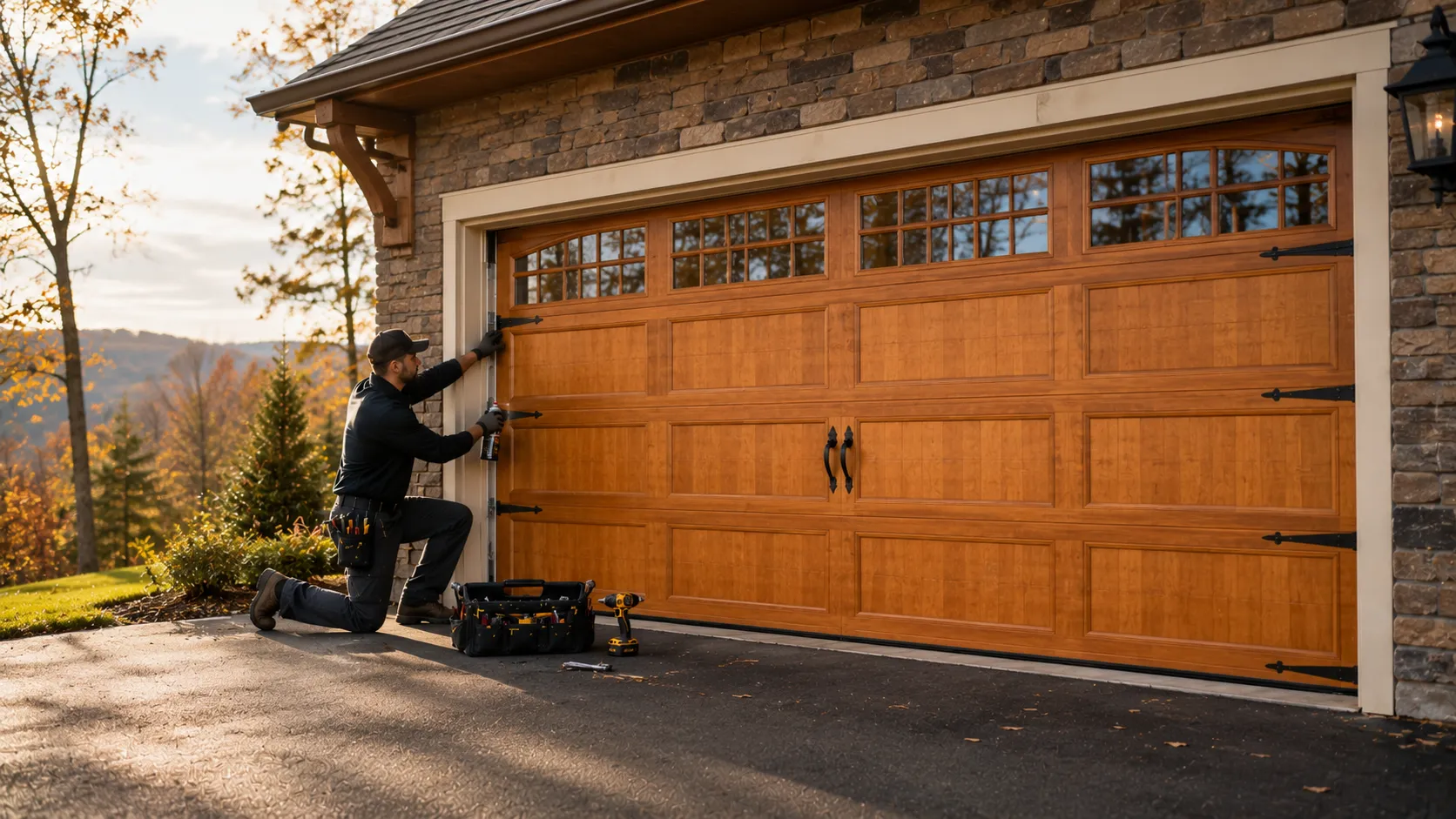
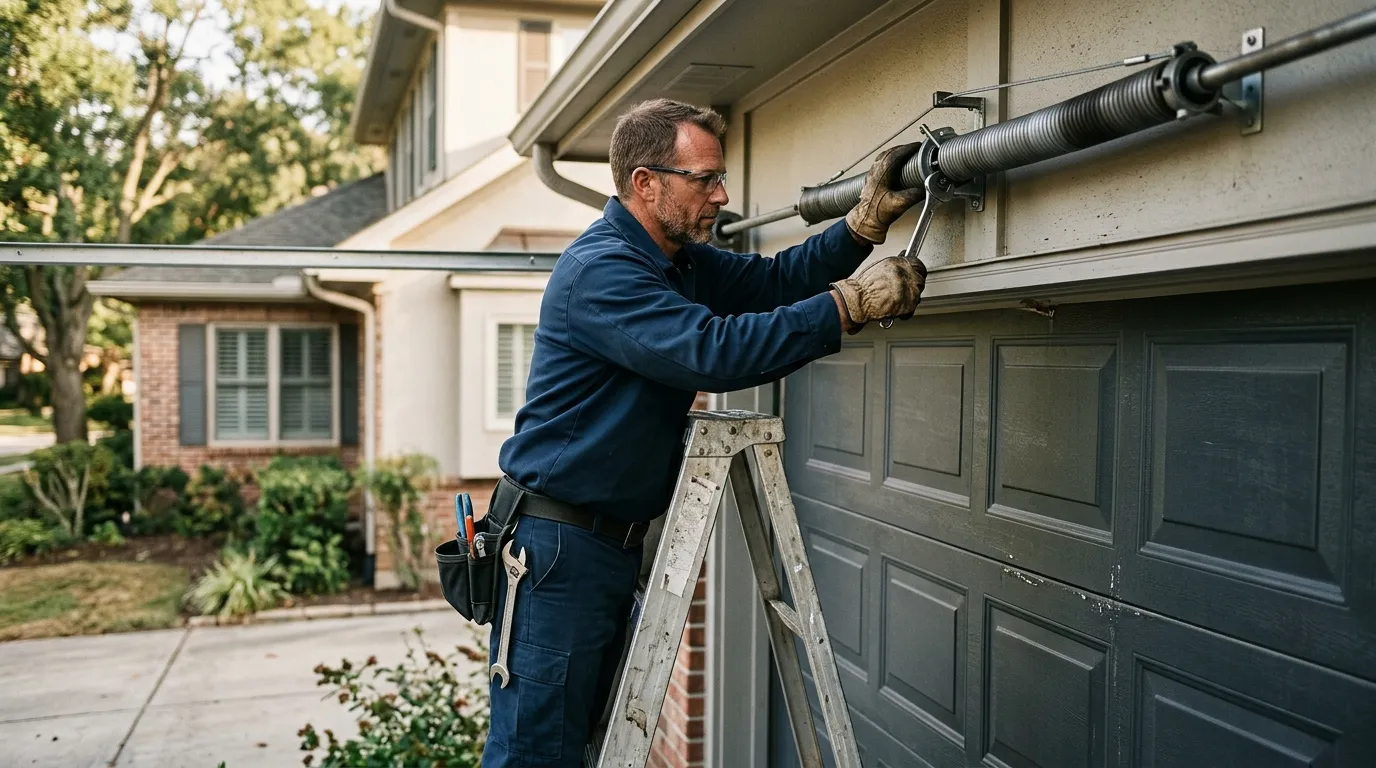
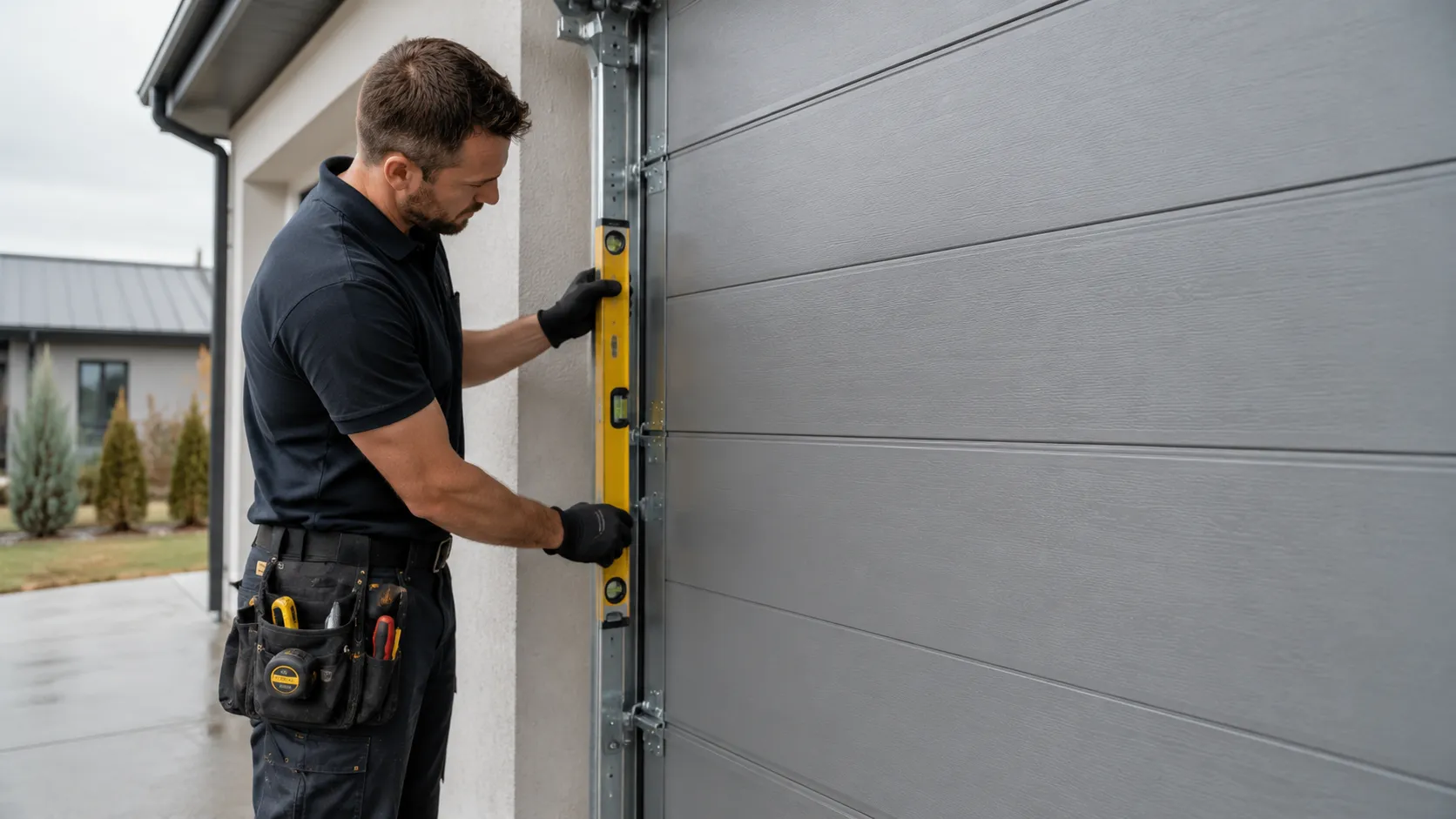
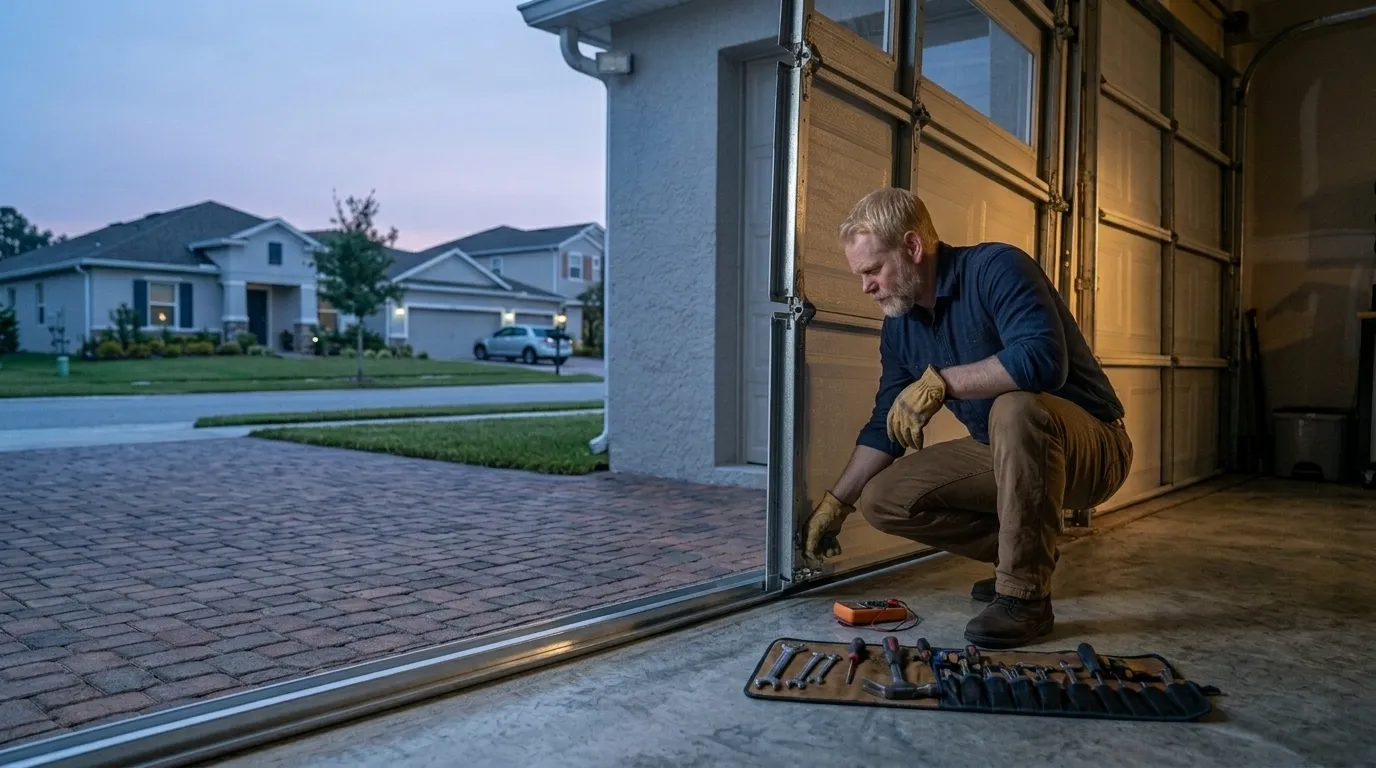
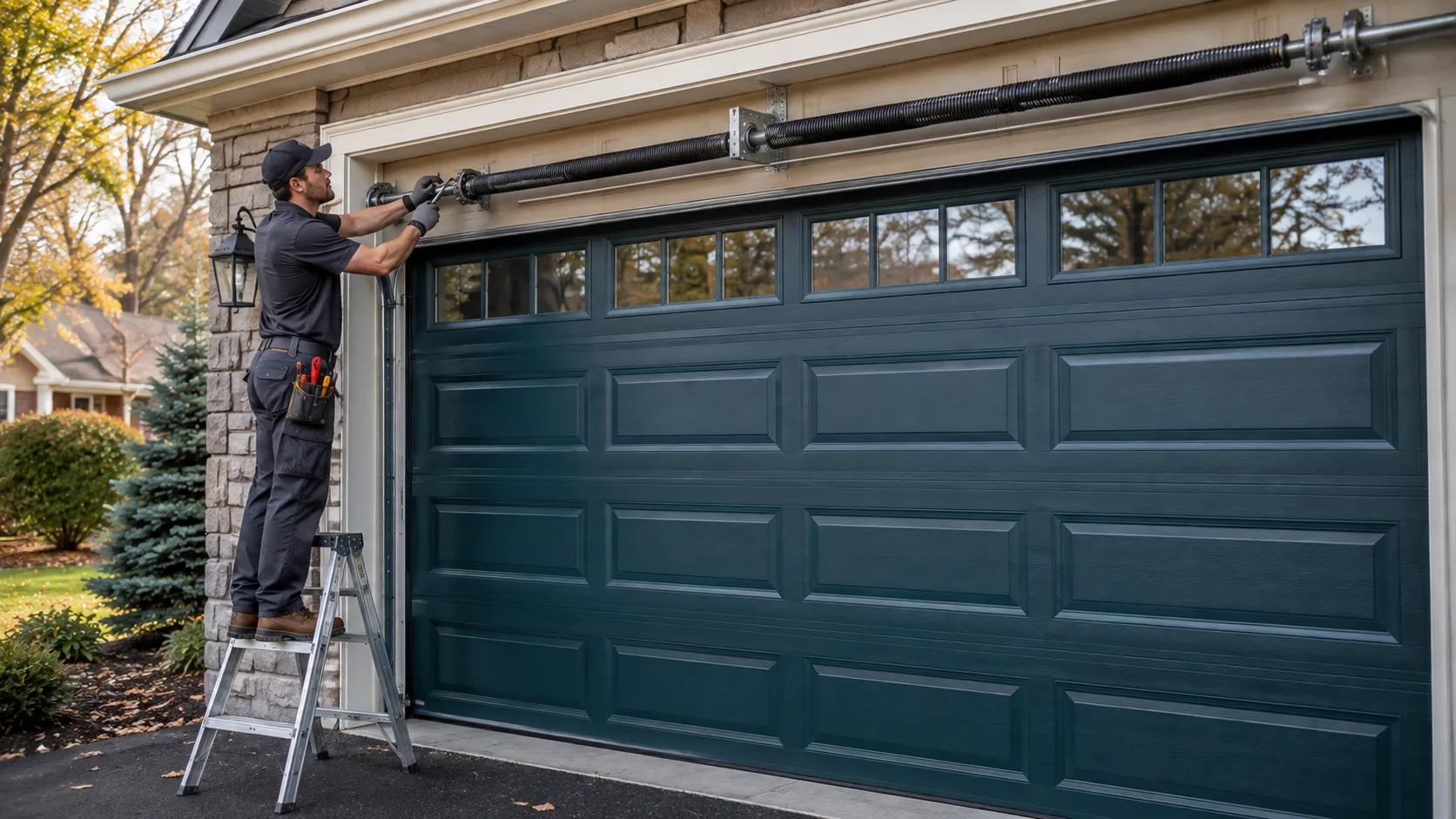
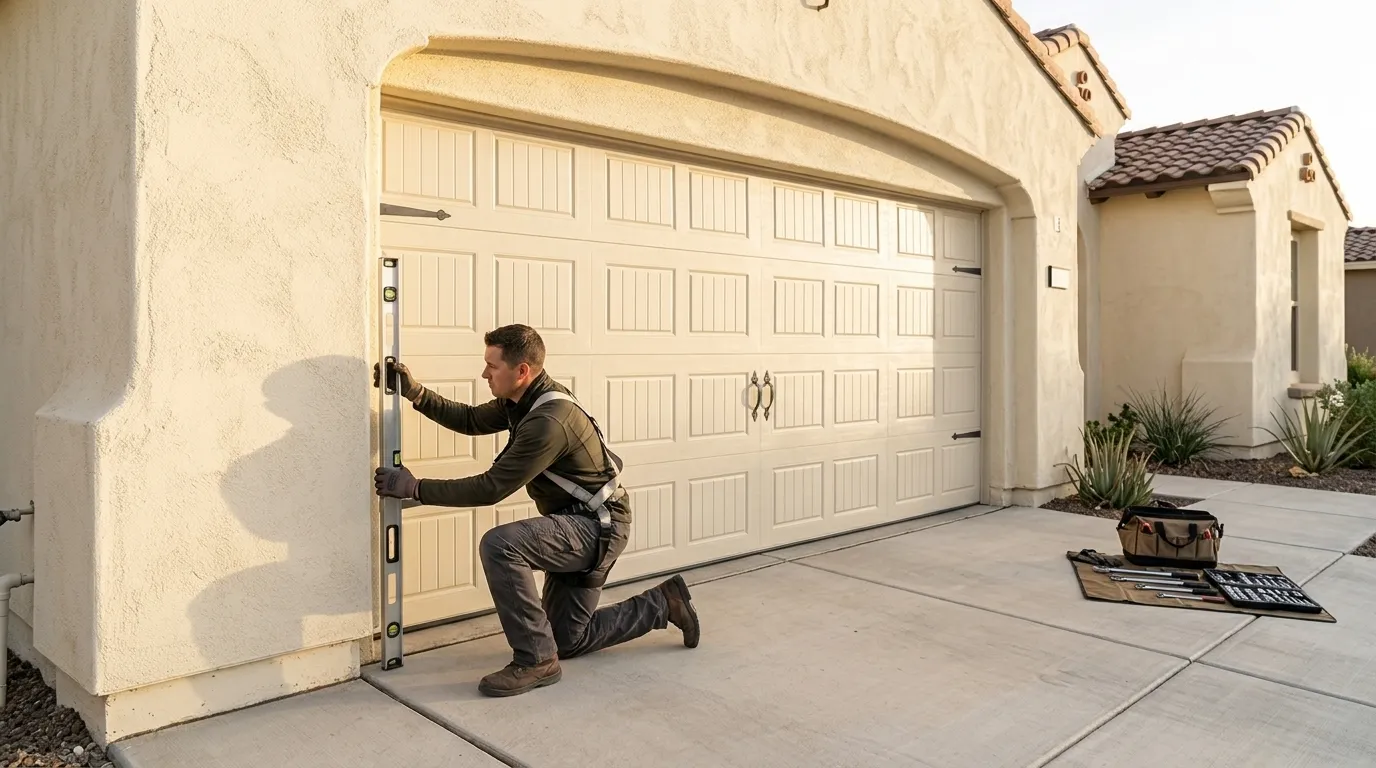
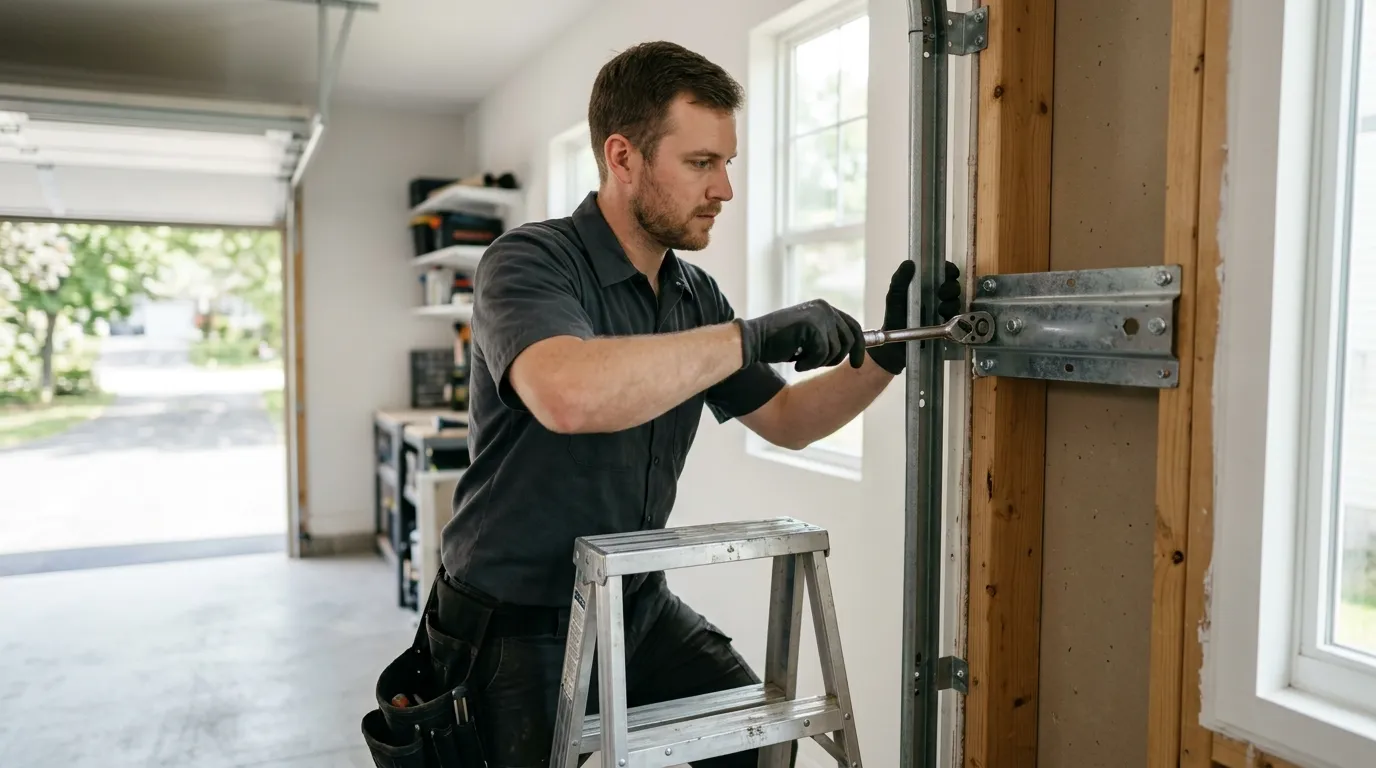
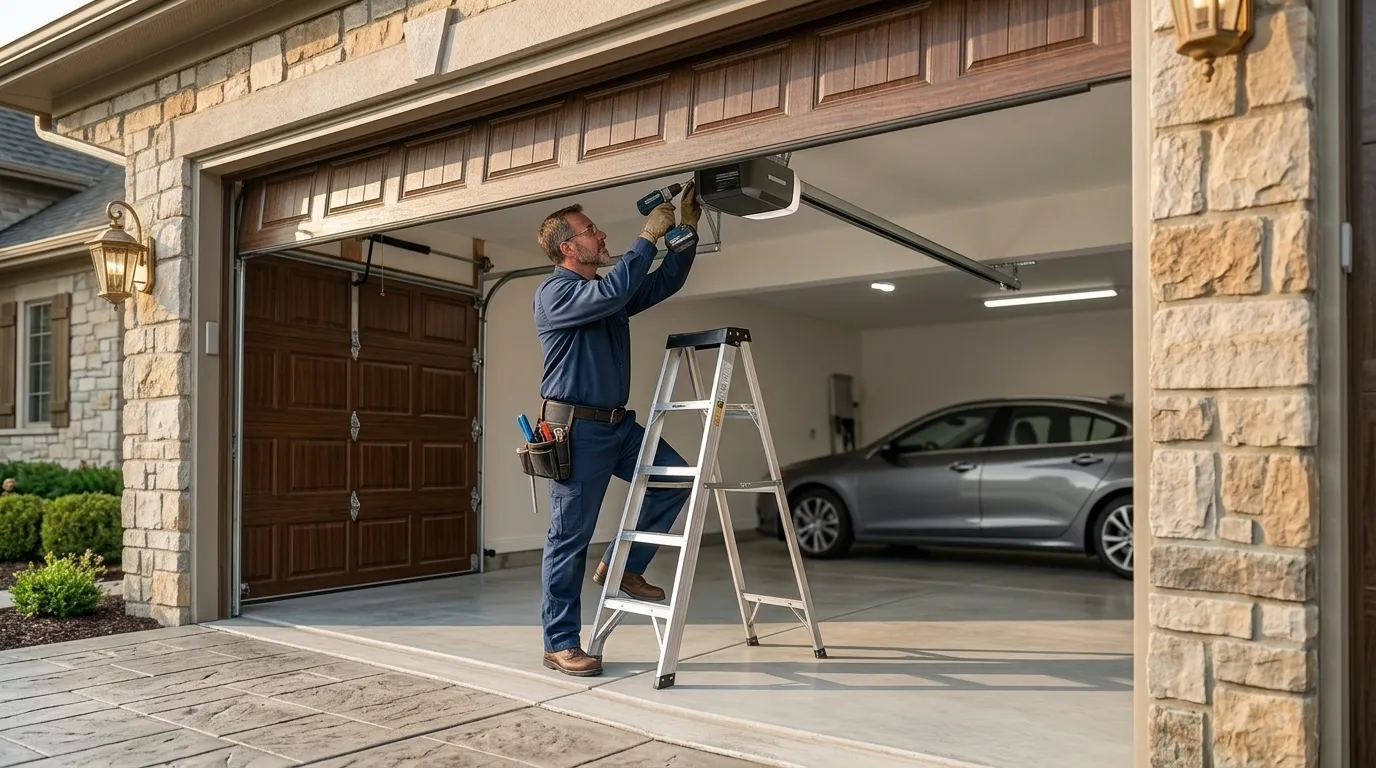
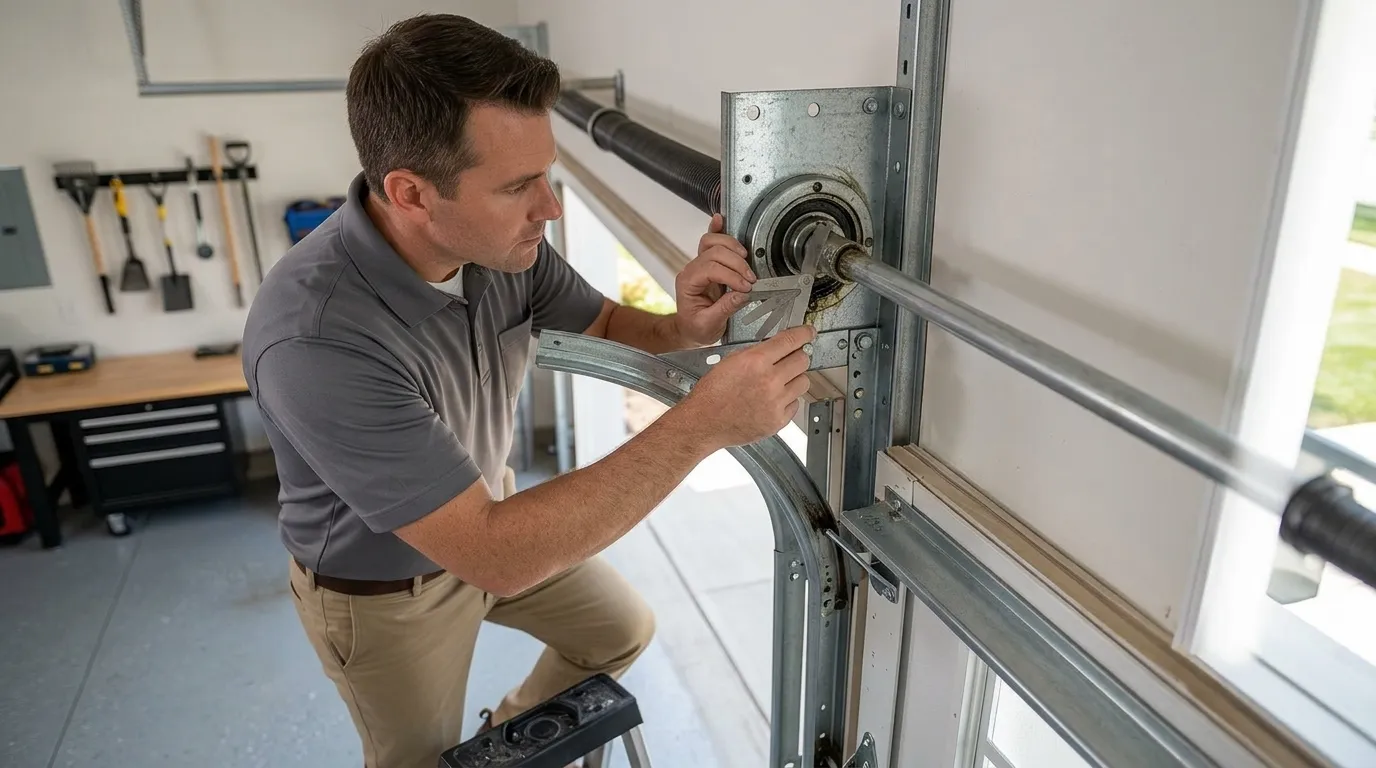
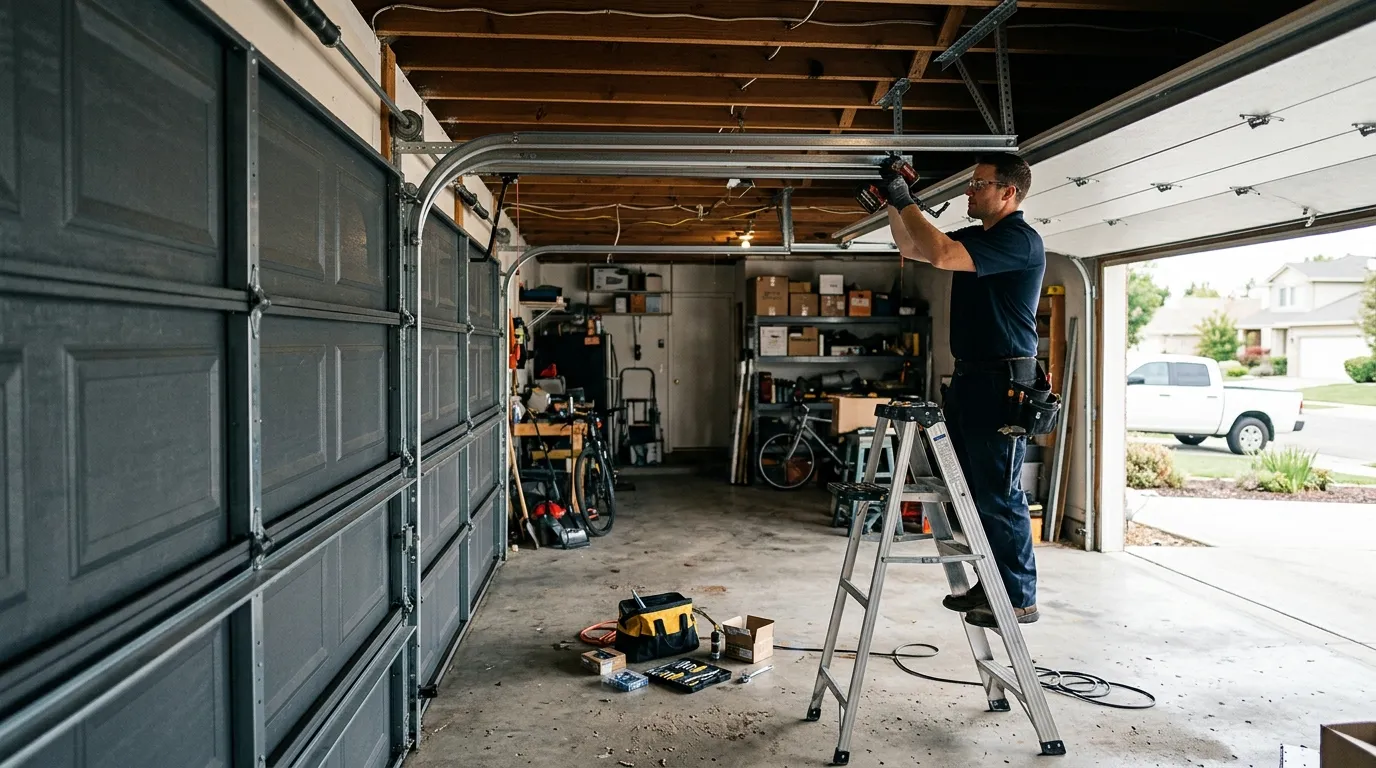
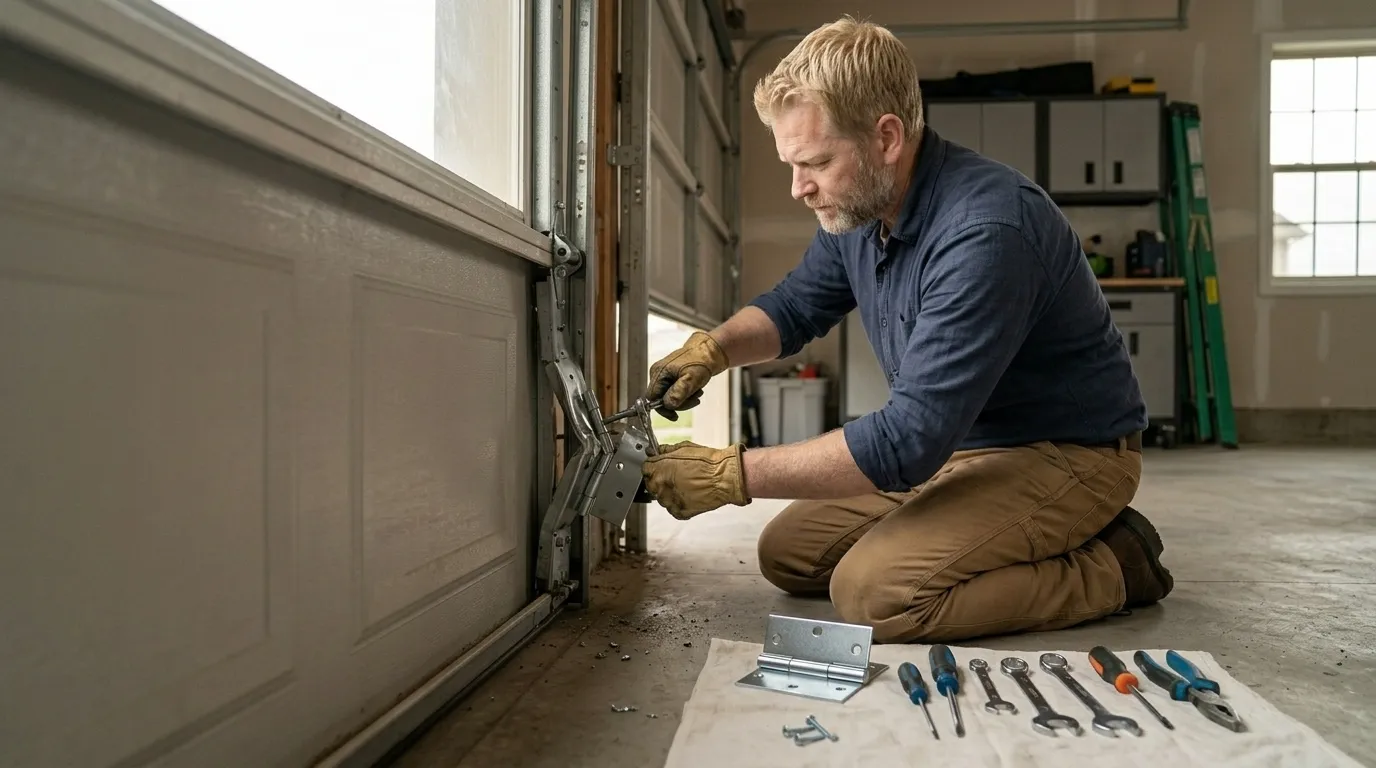
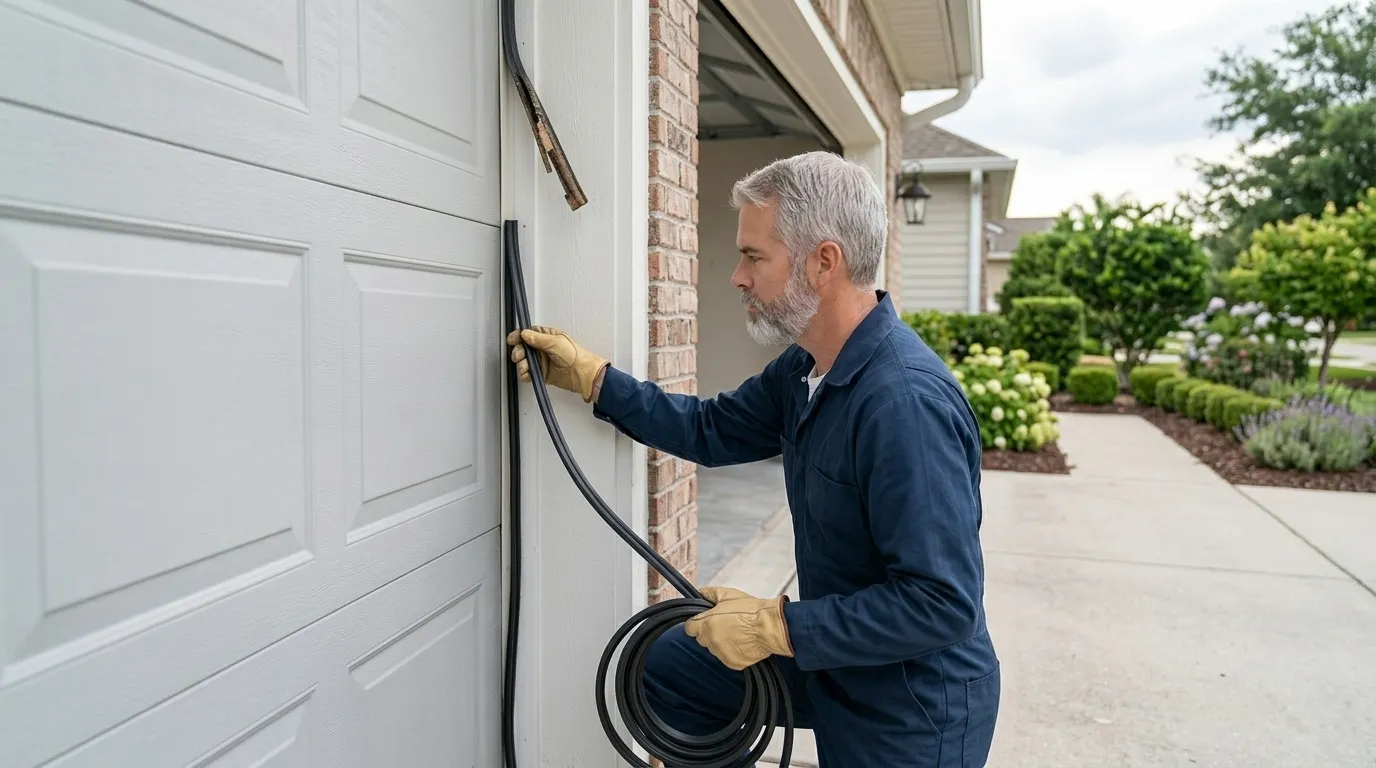
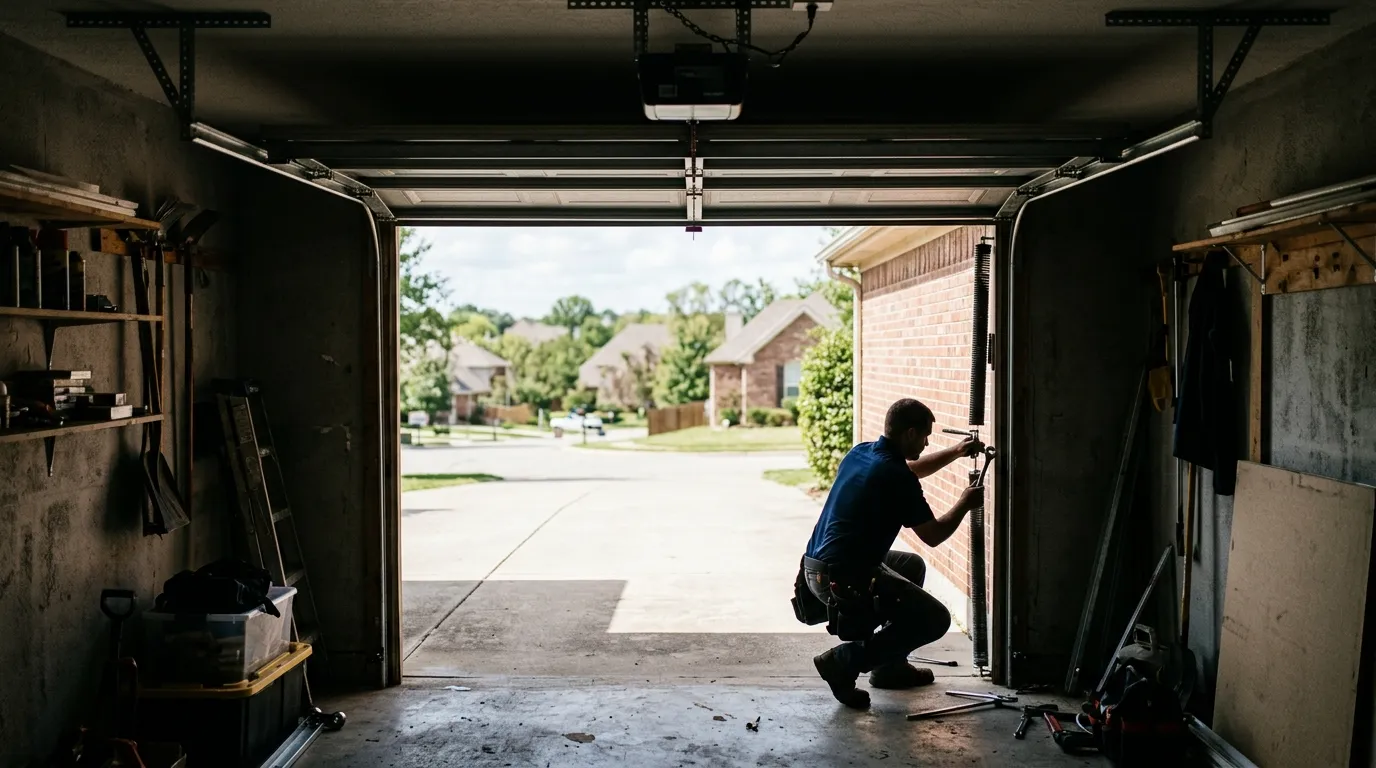
Bal Harbour's housing stock centers on 1978, which puts a lot of these garages a full generation past the builder-grade doors going up in older, denser parts of the county. That later build year means more sectional steel doors and extension or torsion setups than the raw one-piece slab doors you'd find on 1950s stock elsewhere in the service area. The jobs we see out here run toward opener boards and circuit failures on units that are 20-plus years old, torsion springs that have finally worn through their cycle count, and hardware - hinges, rollers, track bolts - that's corroded faster than it would inland because this is barrier-island coastal air, not the general mild-temperate climate the rest of the county gets. Salt air eats galvanized coating quicker than paint eats through it anywhere ten miles inland. We also get calls for panel dents and track misalignment tied to the tighter setbacks and shared-wall construction you find on smaller coastal lots. One honest note: if a spring has already stripped the winding cone or the drum is scored, we're replacing the pair, not patching one side - mismatched spring age on a door this size just means a second call in a year.
What the Housing Means for Your Door
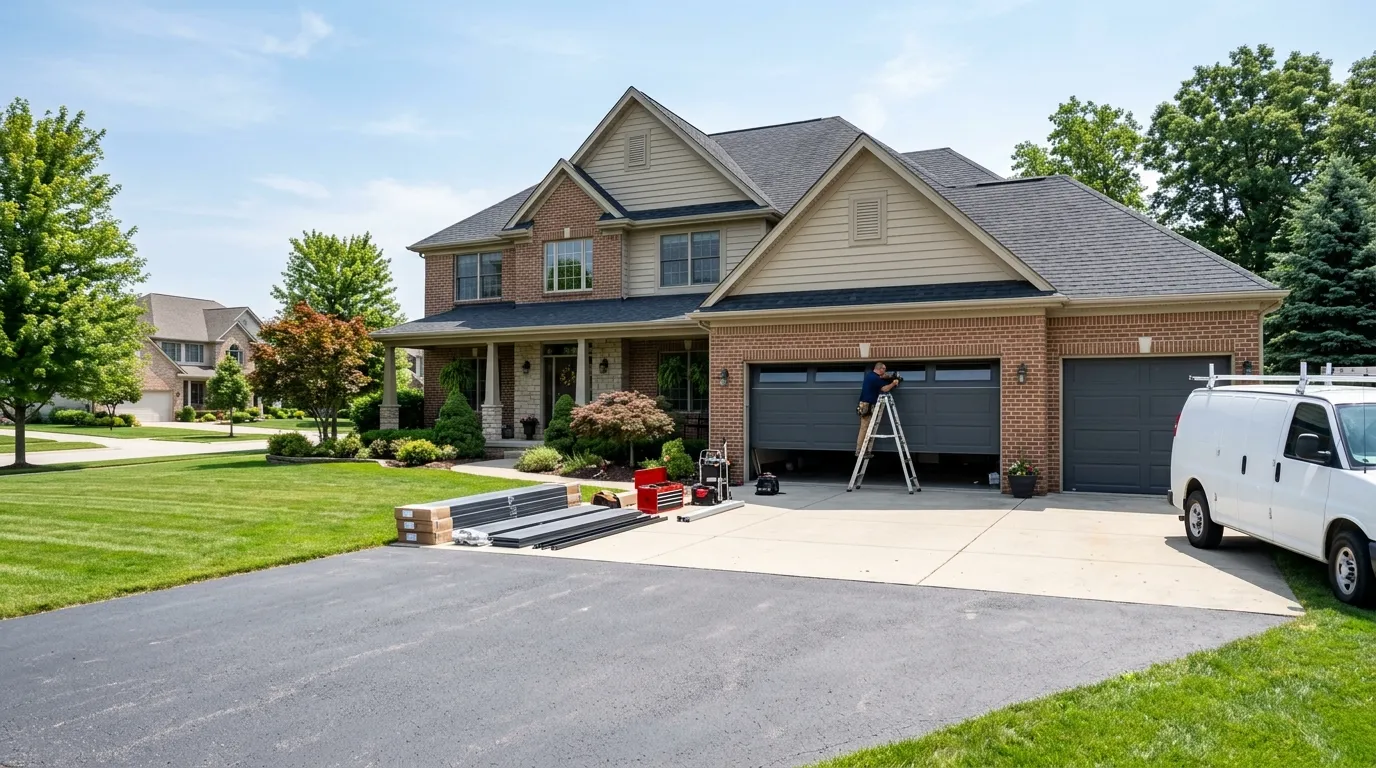
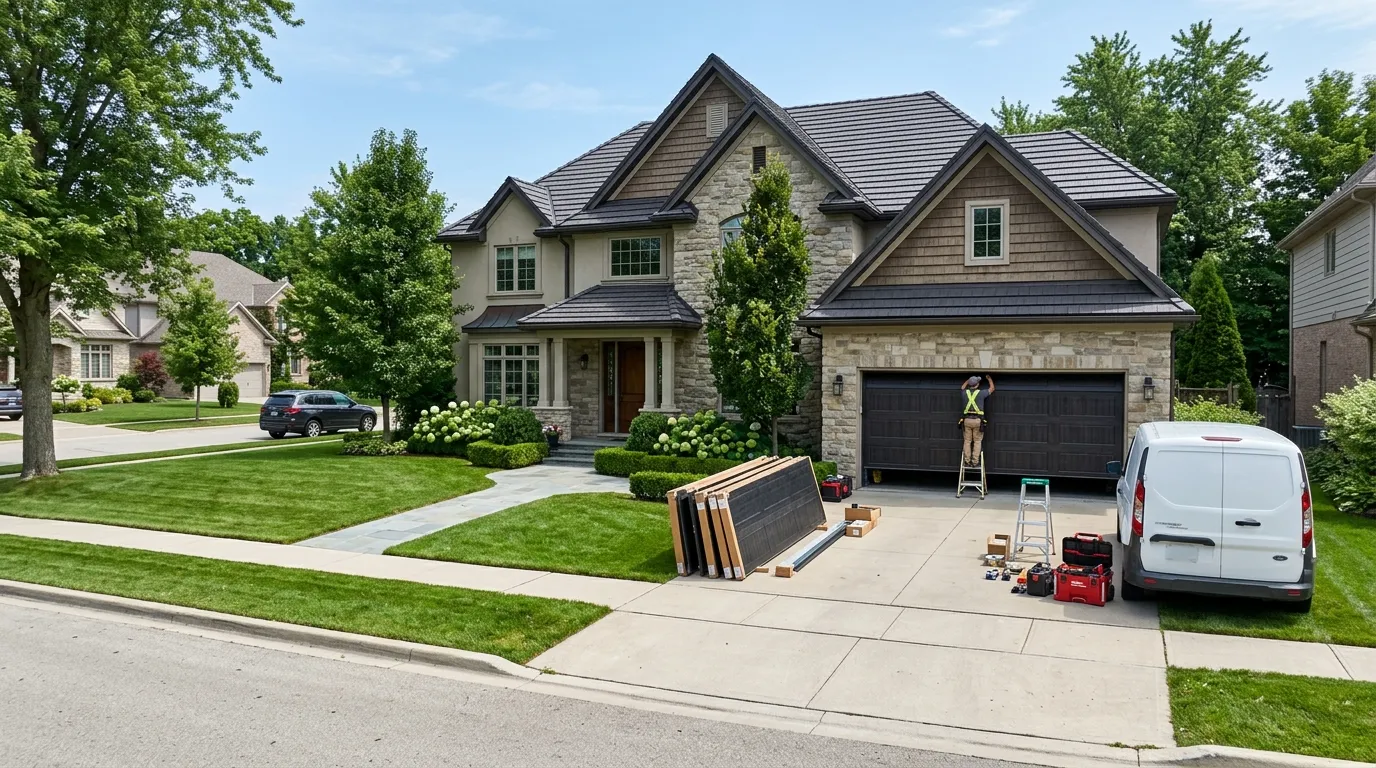
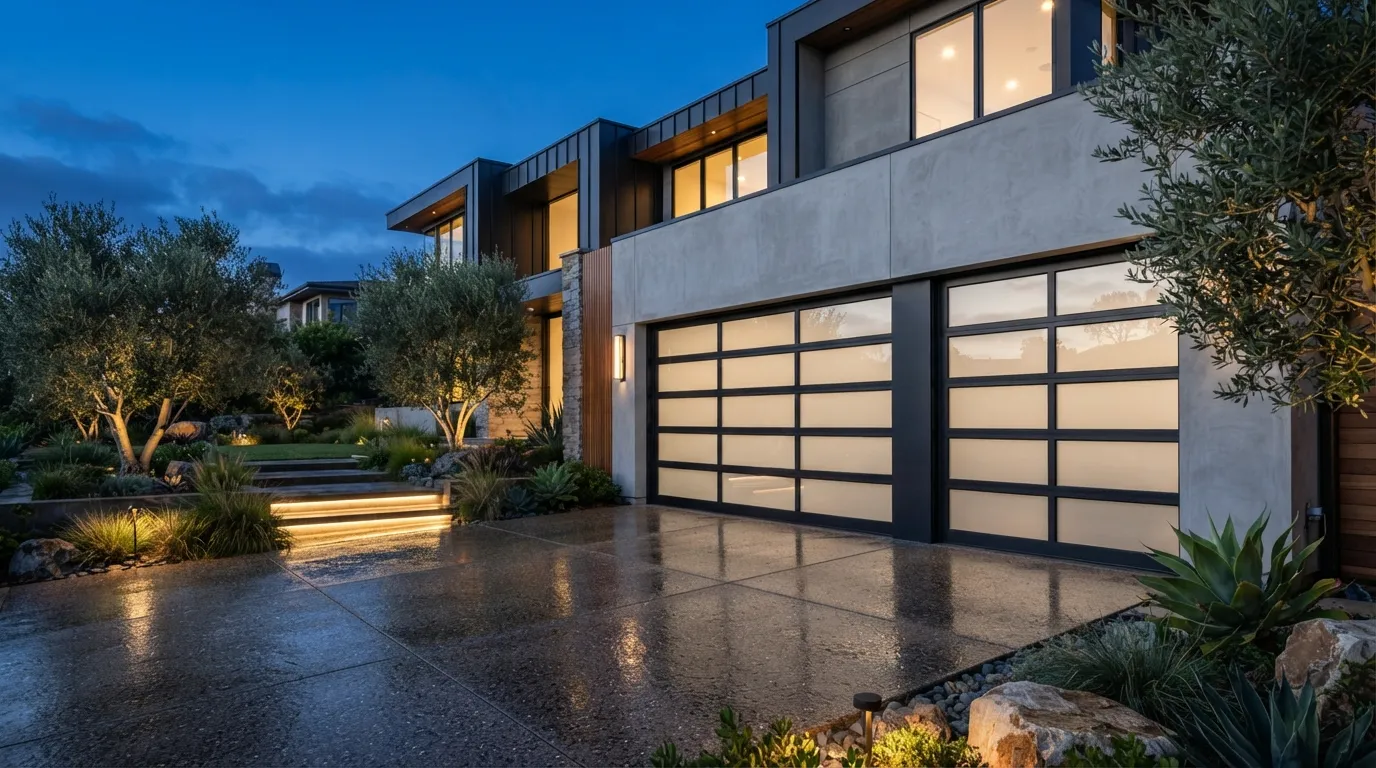
With roughly 1,339 households in Bal Harbour and a median income of $91,061 - well above the $71,020 median across the broader service area - the doors here tend to be higher-spec than what we replace in older, lower-density parts of the county: insulated steel or aluminum sectional doors, heavier-duty openers, and in some cases custom widths for wider coastal garage bays. That's good news and bad news. Good, because the base hardware is usually better made. Bad, because parts for a custom-width or higher-end door aren't sitting on a generic shelf, and if a track or panel is a nonstandard size, we may need to order rather than swap from stock on the truck. We tell people that upfront rather than promise a same-visit fix on anything outside a standard 8 or 9-foot opening.