Common Jobs Here
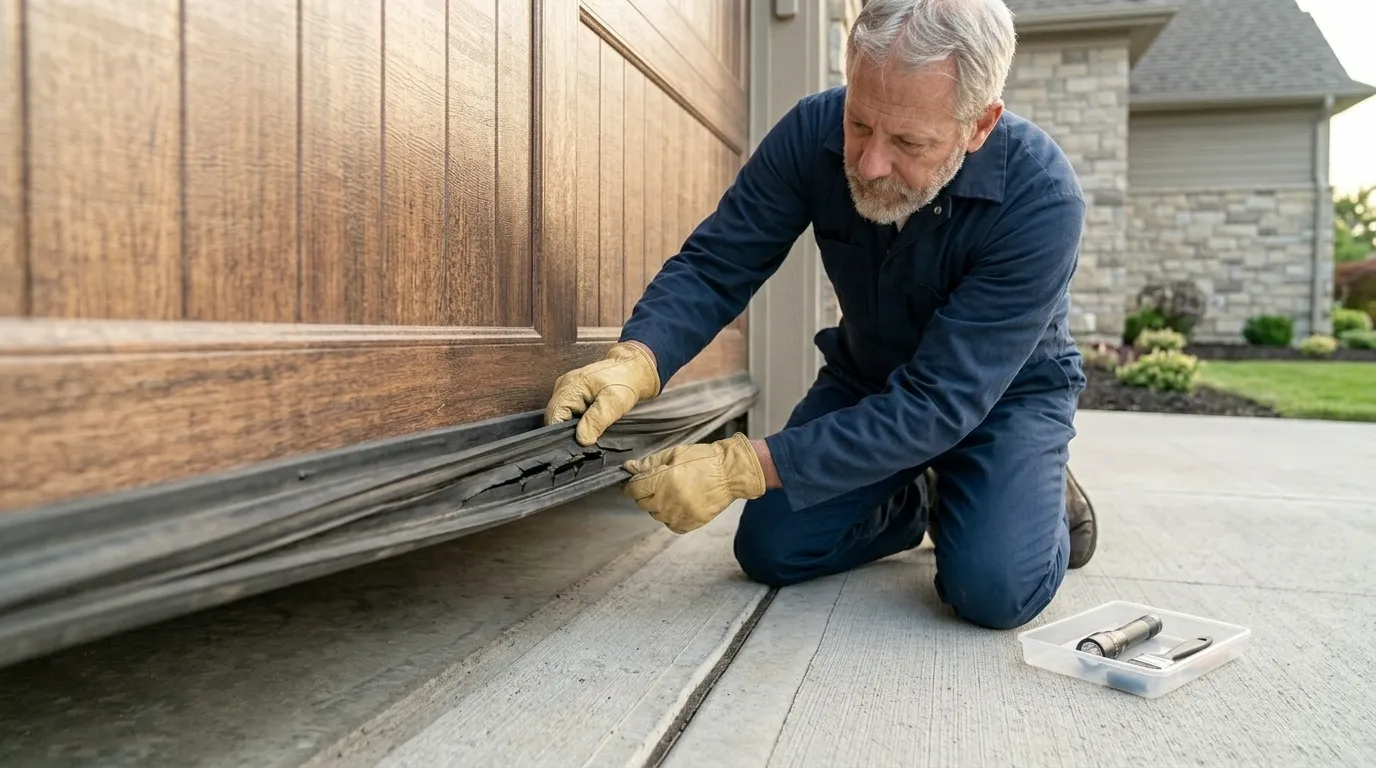
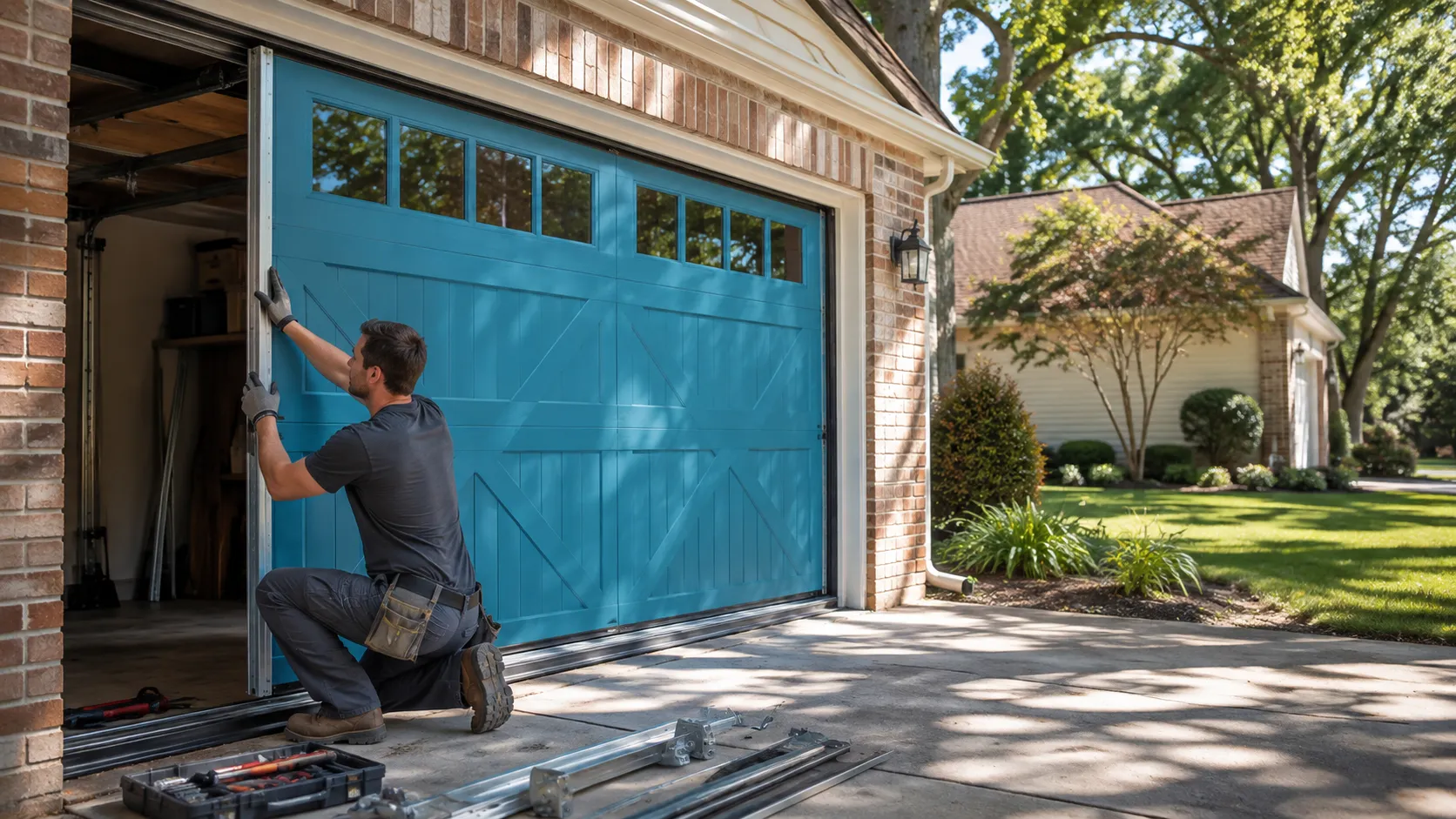
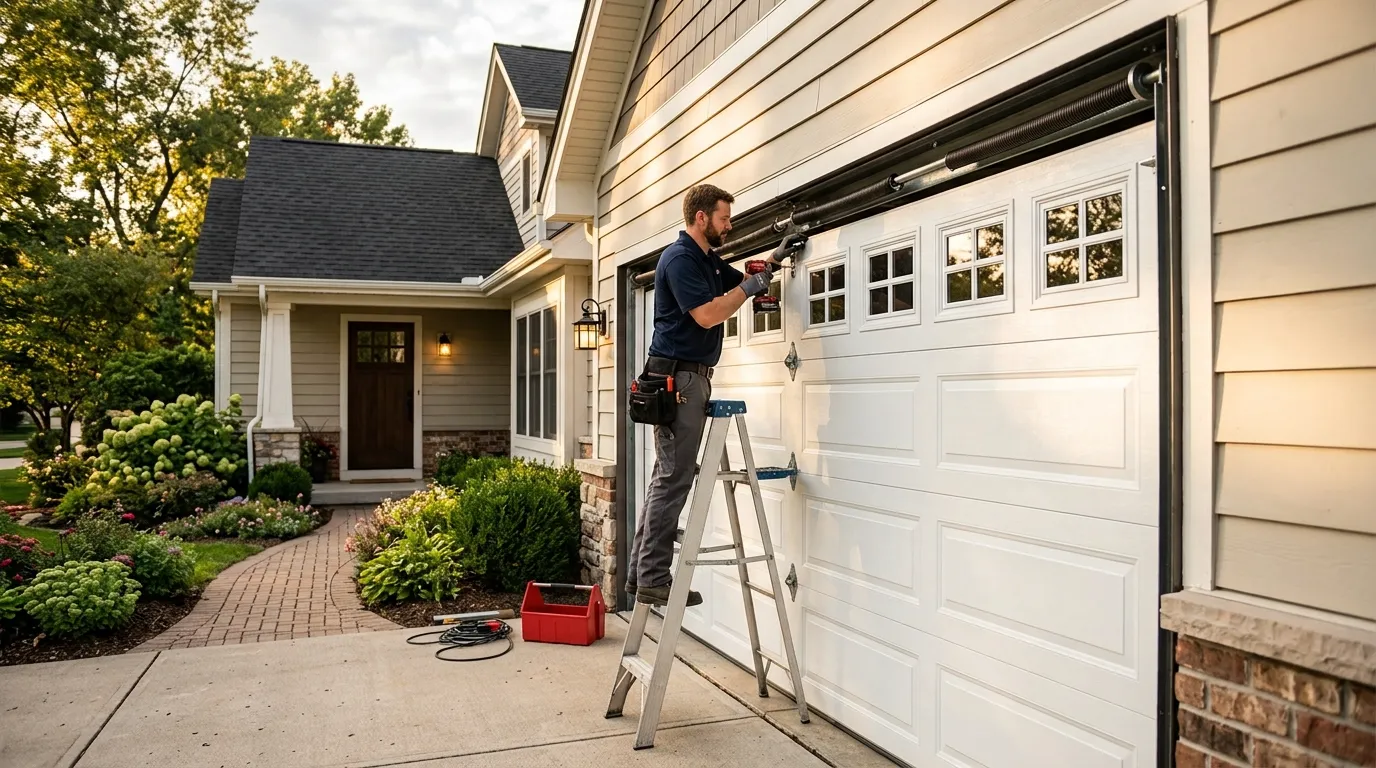
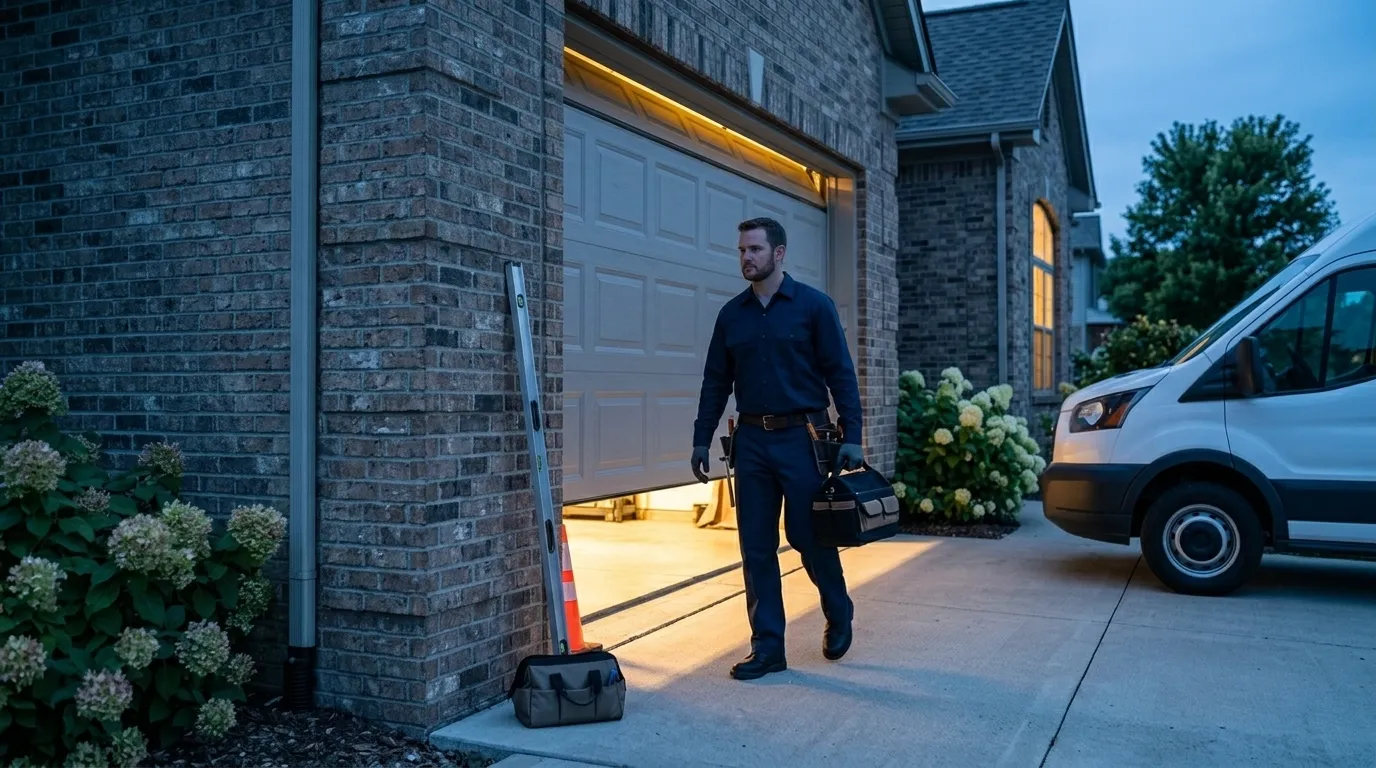
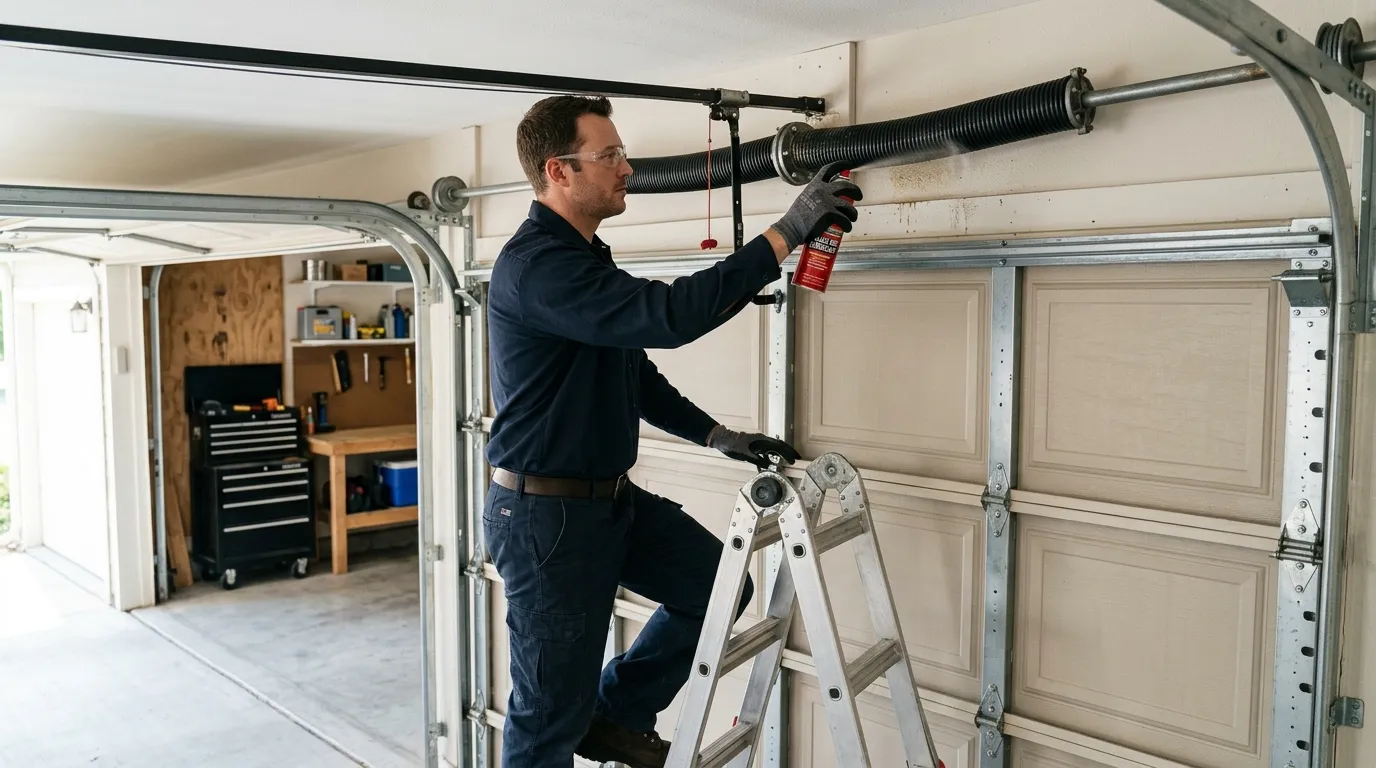
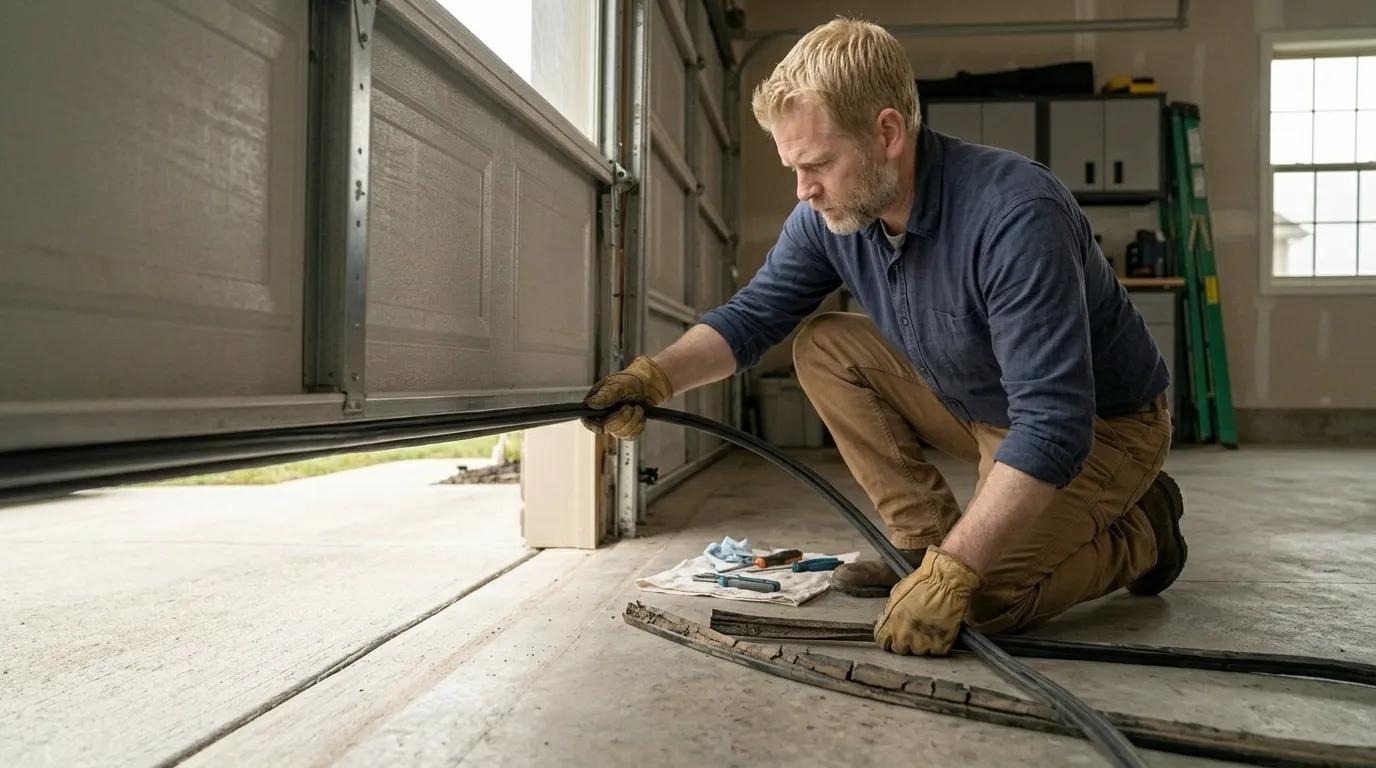
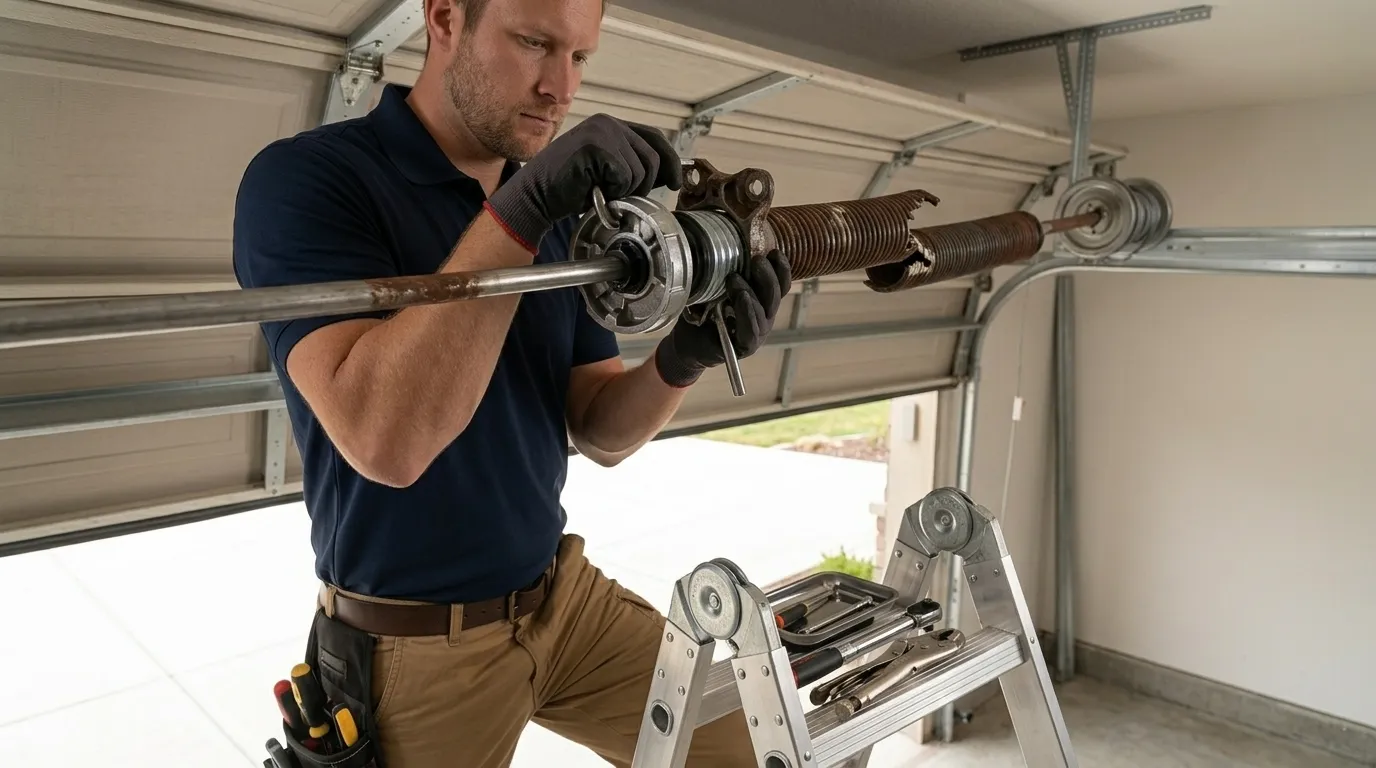
The median home in Brownsville was built around 1964, noticeably older than the roughly 1976 median across the wider service area. That gap shows up on the job site. We see more single-panel and early sectional doors here than we do closer to the newer subdivisions, and a lot of the original torsion setups are still in place - just tired. Typical calls: torsion springs that have finally given out after decades of cycles, rollers worn enough to bind in the track, and openers that predate today's safety-reversal standards and need swapping rather than patching. With household income in Brownsville around $38,460, well under the roughly $71,020 median for the broader area, we try to be straight about when a repair makes sense versus when the door's age means you're chasing the next failure in six months anyway. We won't upsell a full replacement if a spring swap solves it.
What the Housing Means for Your Door
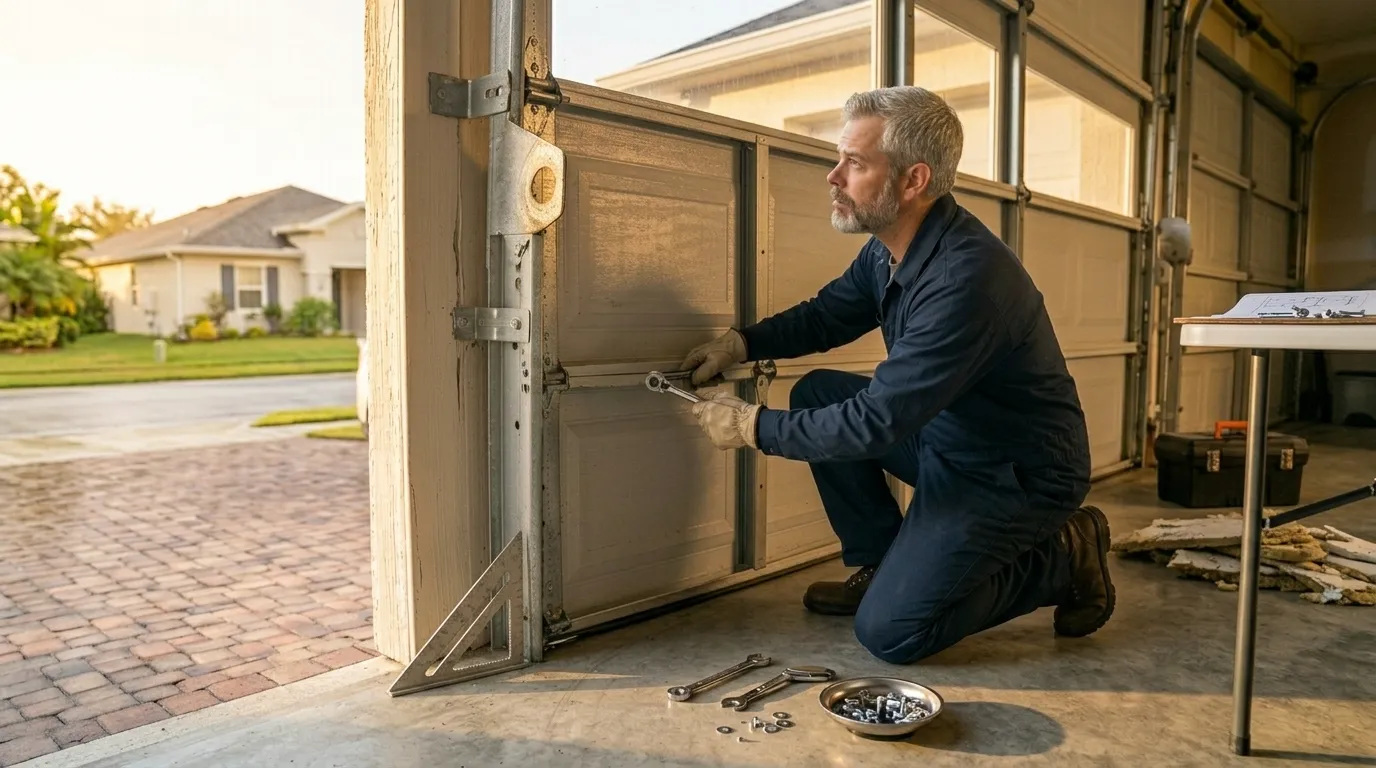
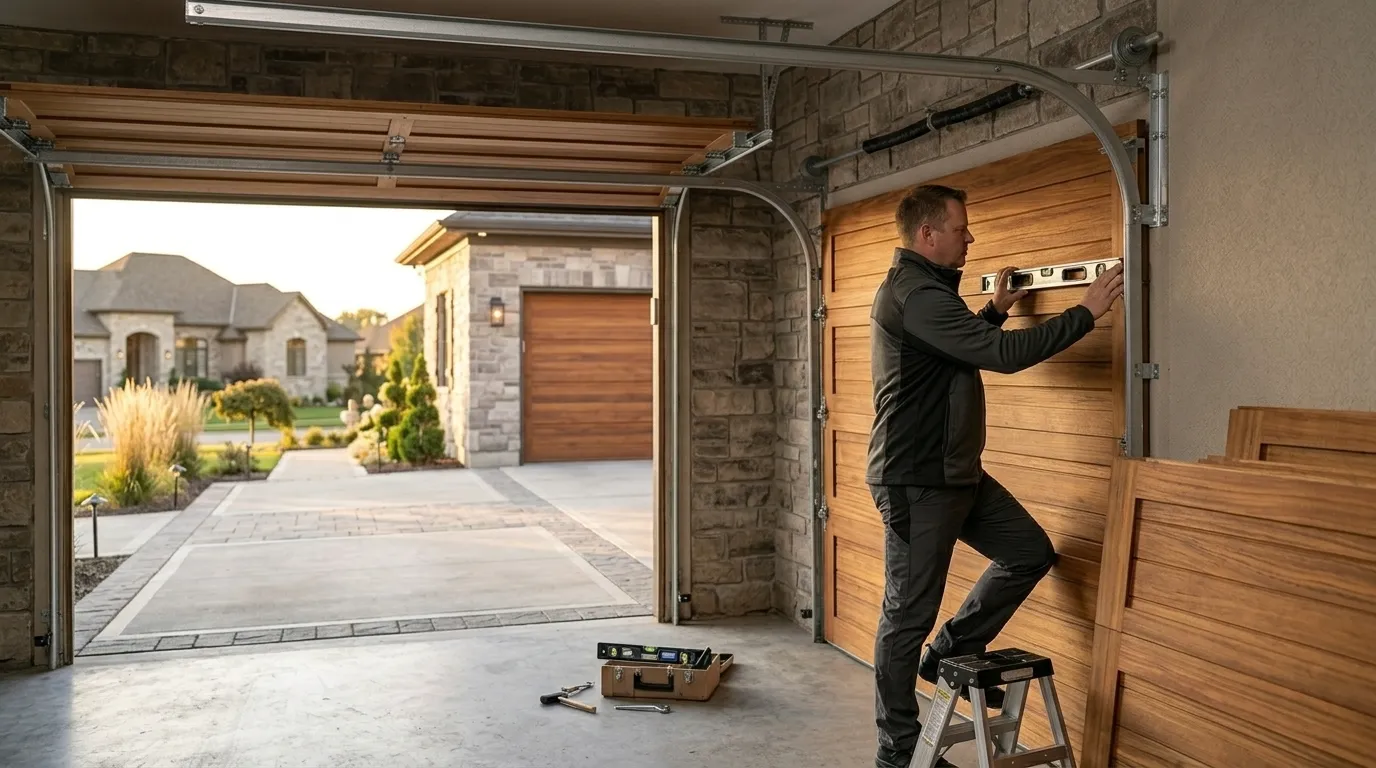
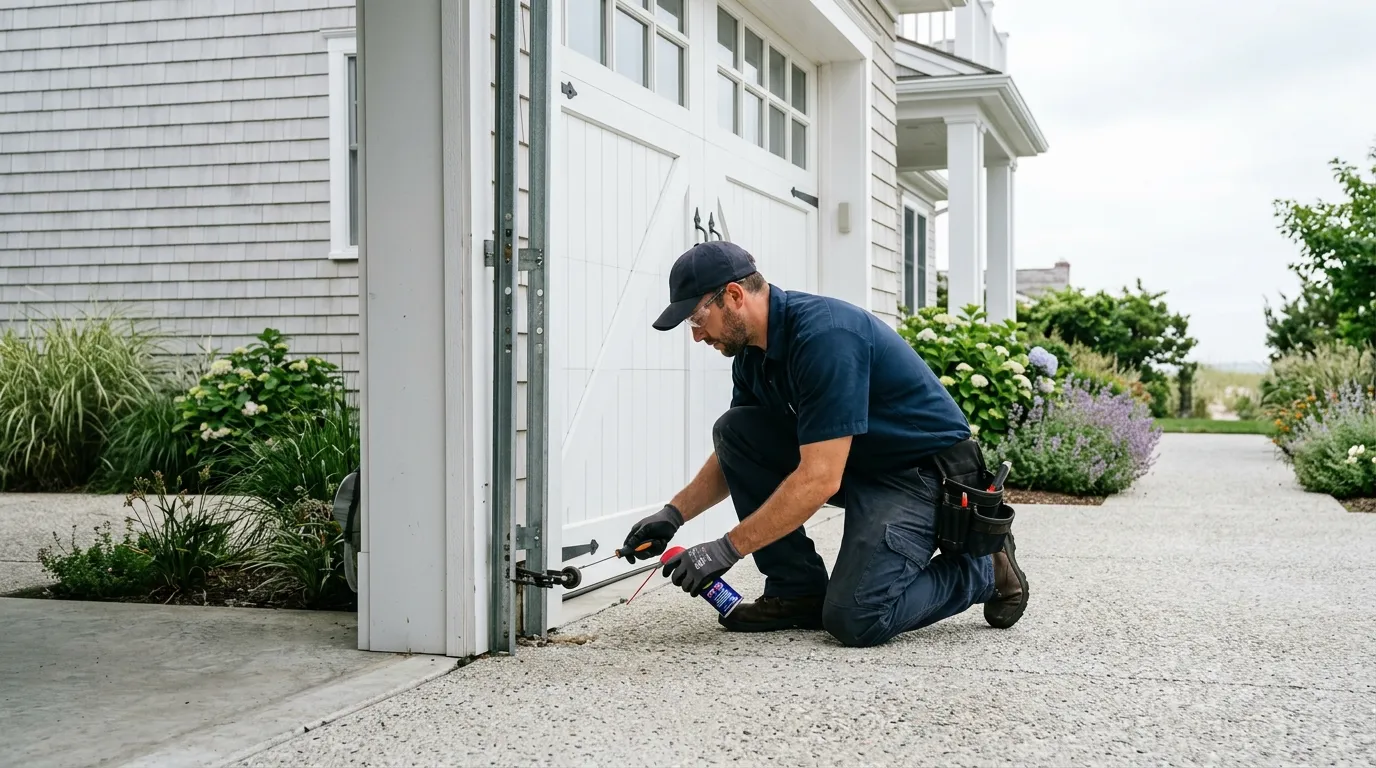
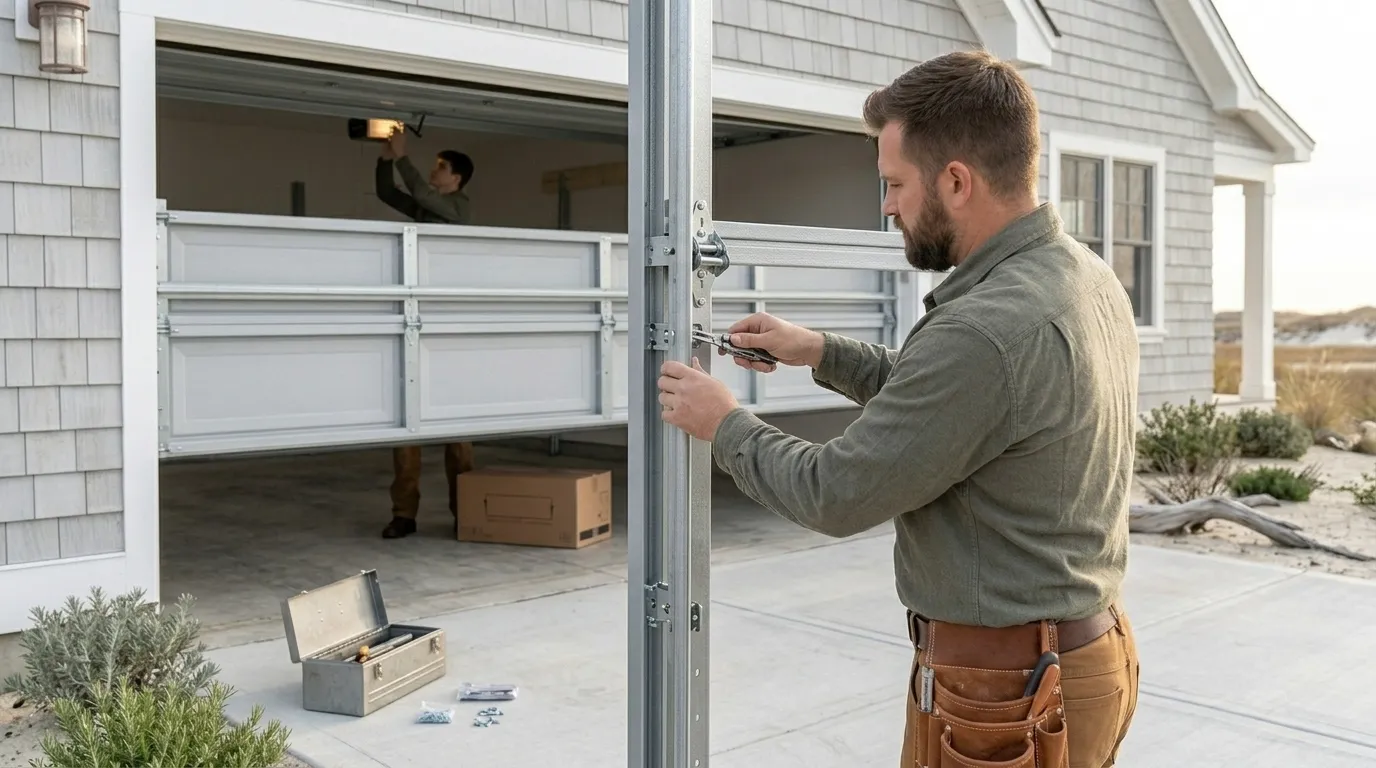
A door built to mid-1960s standards was never engineered for the openers, insulation, or wind-load expectations that came later. In Brownsville, that means older track widths, hardware sized differently than what's stocked for newer sectional doors, and in some cases wood-frame jambs that have shifted enough over sixty years to throw the door out of square. None of that is a fast fix - squaring a frame before a new door goes in takes real time on site, and we tell customers that up front rather than rushing the install. On the plus side, the mild coastal climate here hasn't put the same stress on hardware that harsher climates do; we're not fighting rust from freeze-thaw cycles, mainly humidity and salt air over the long haul. That's a small mercy on doors this old.