Common Jobs Here
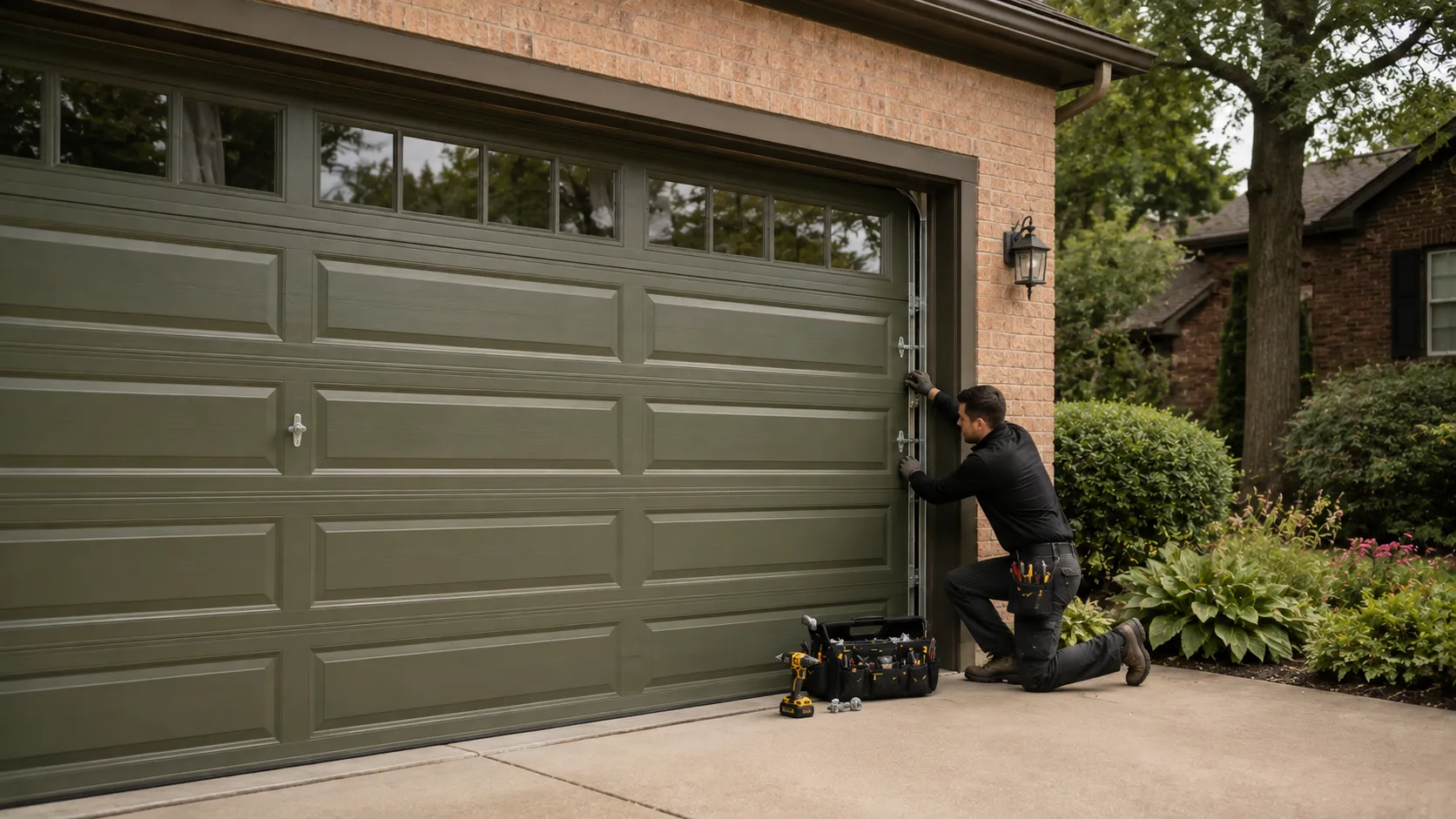
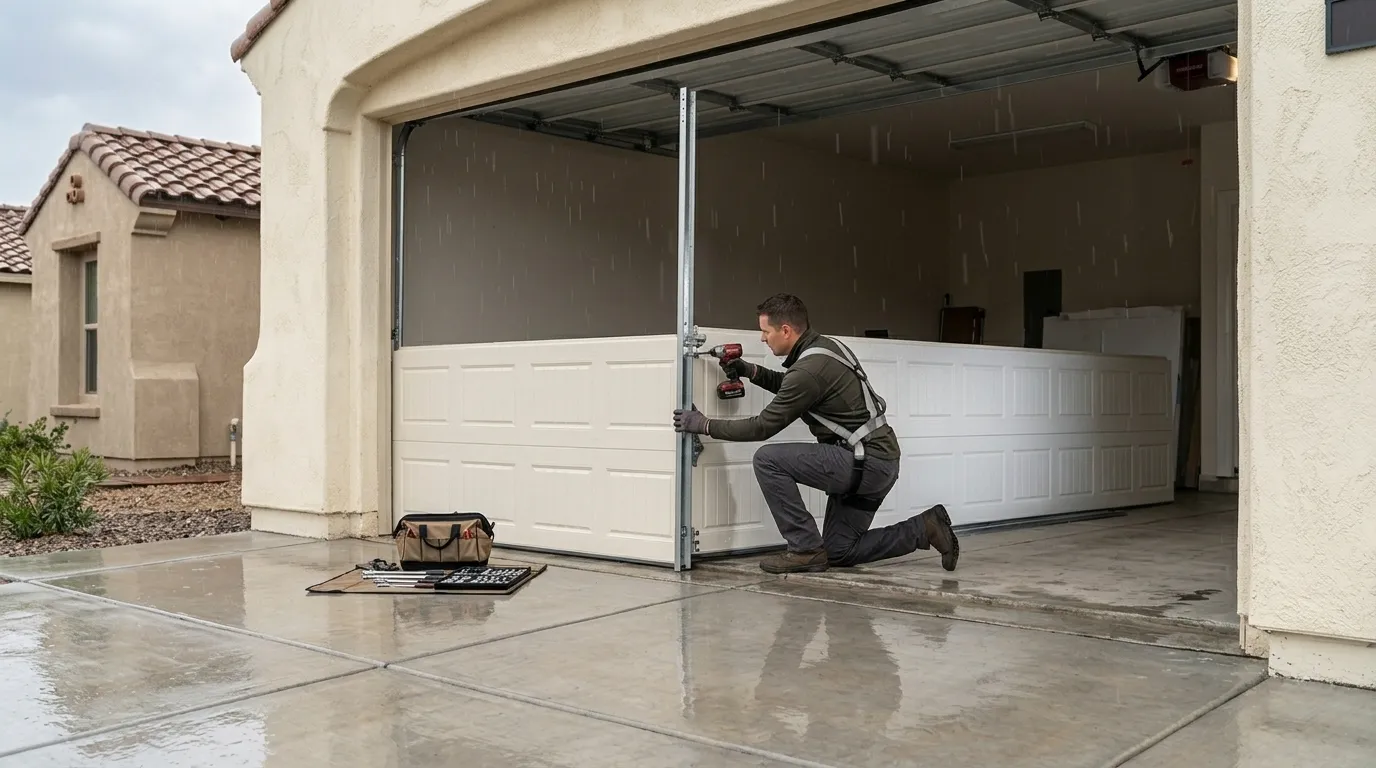
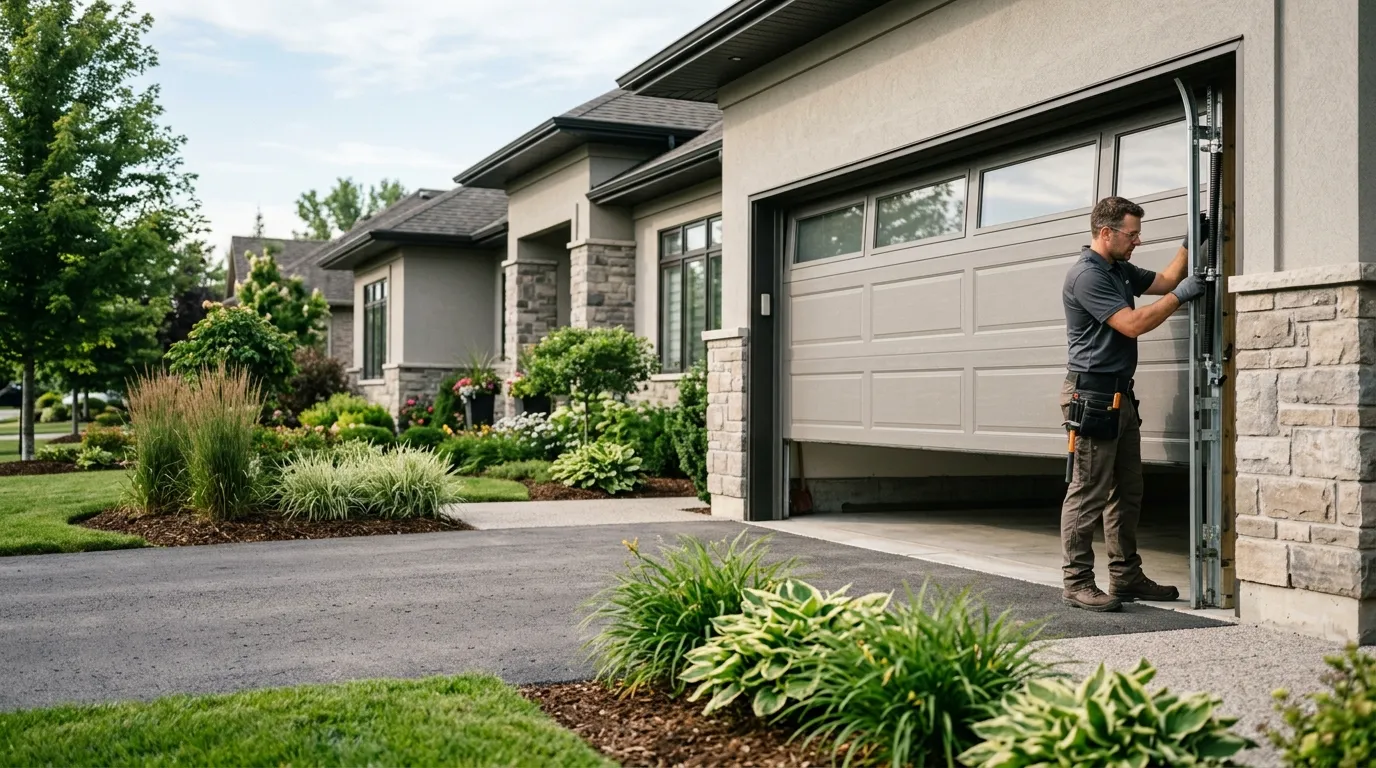
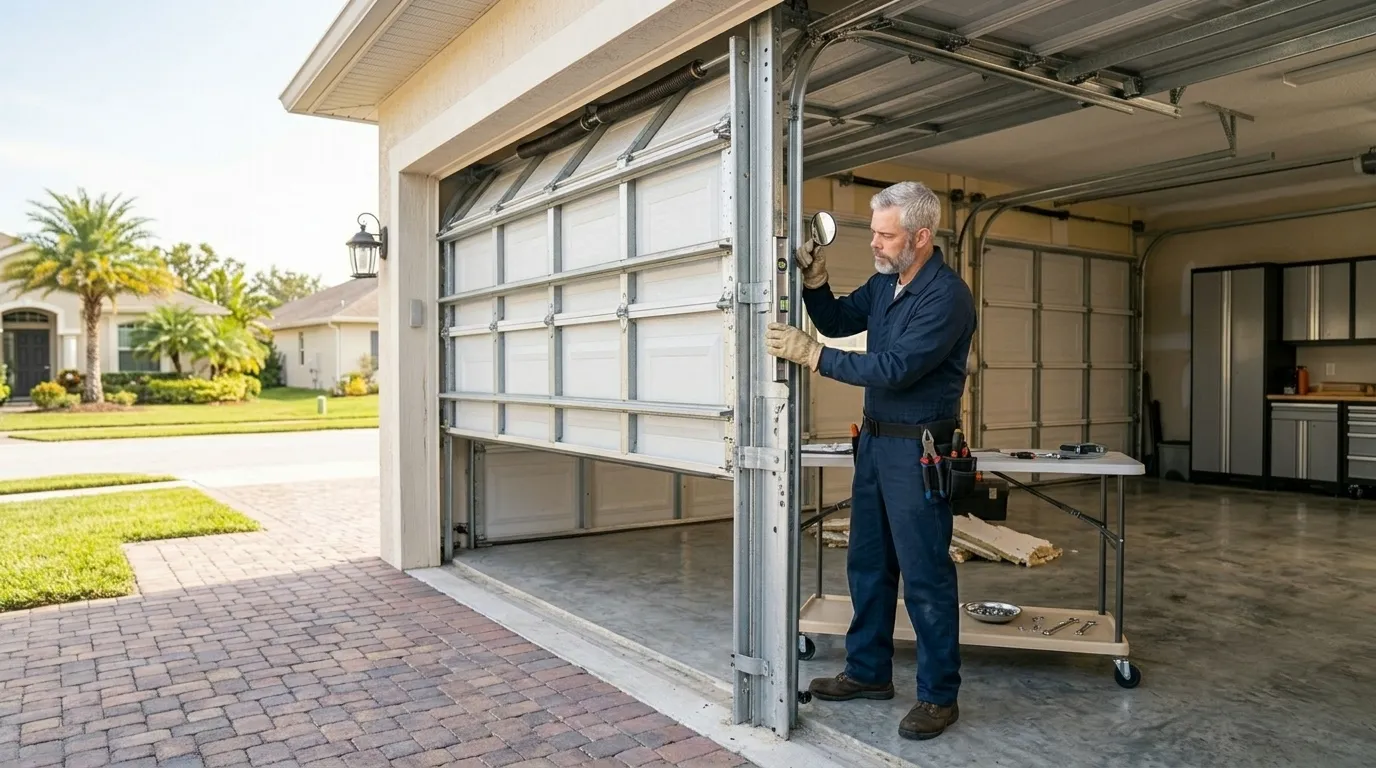
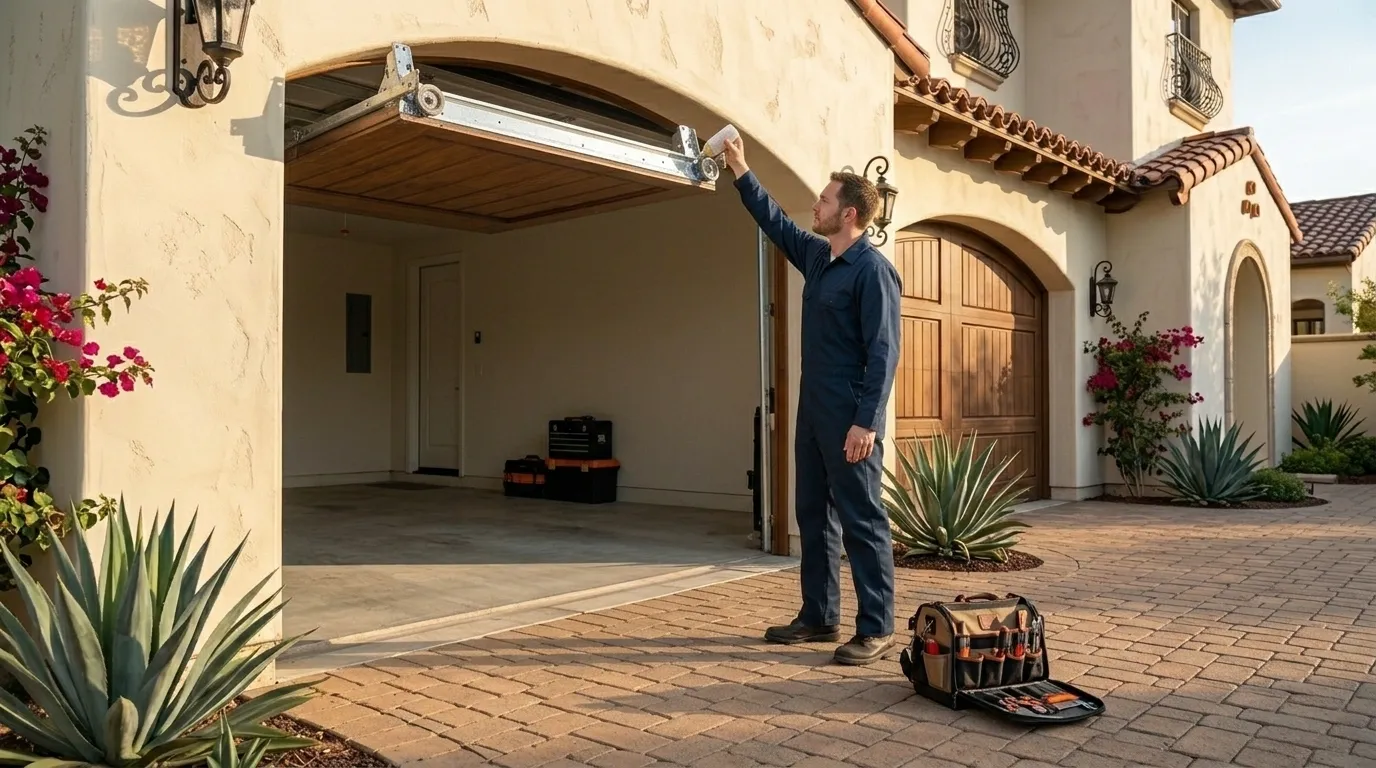
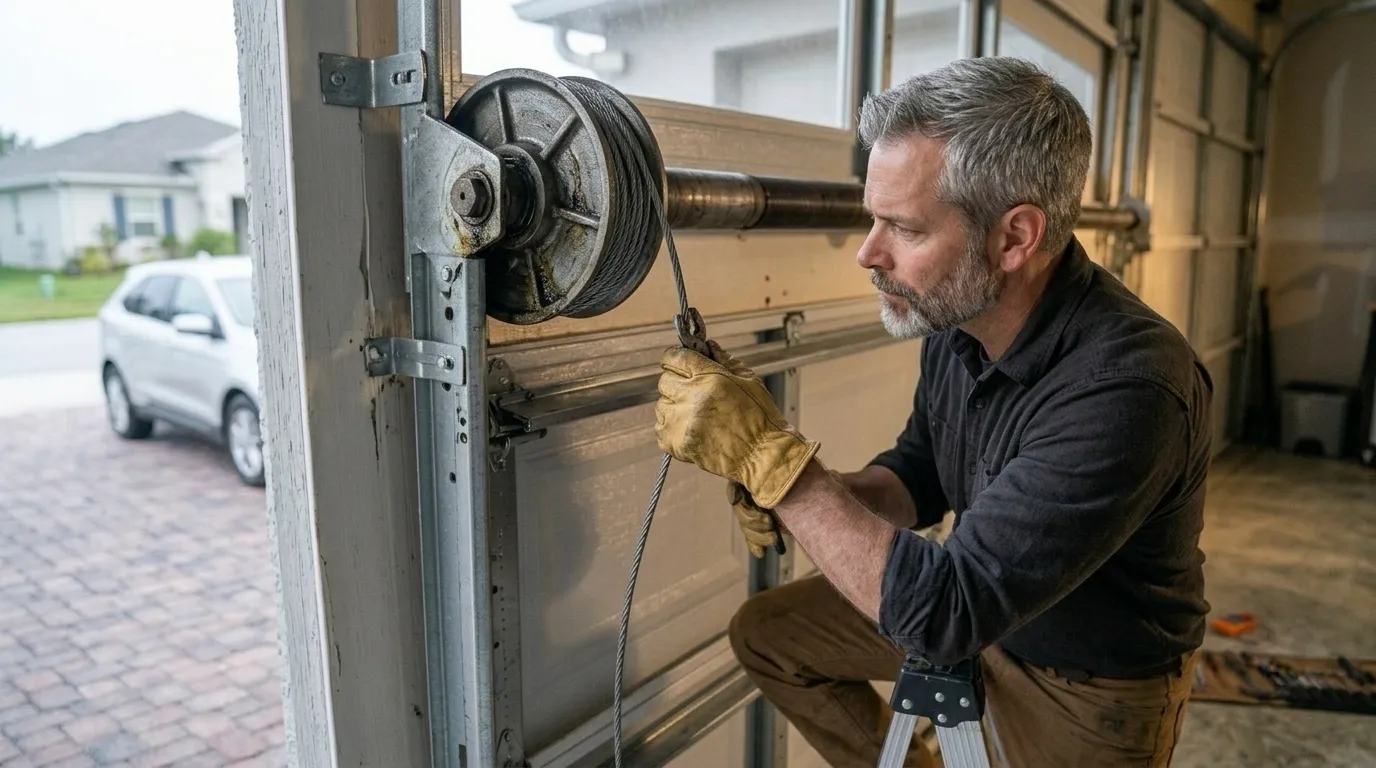
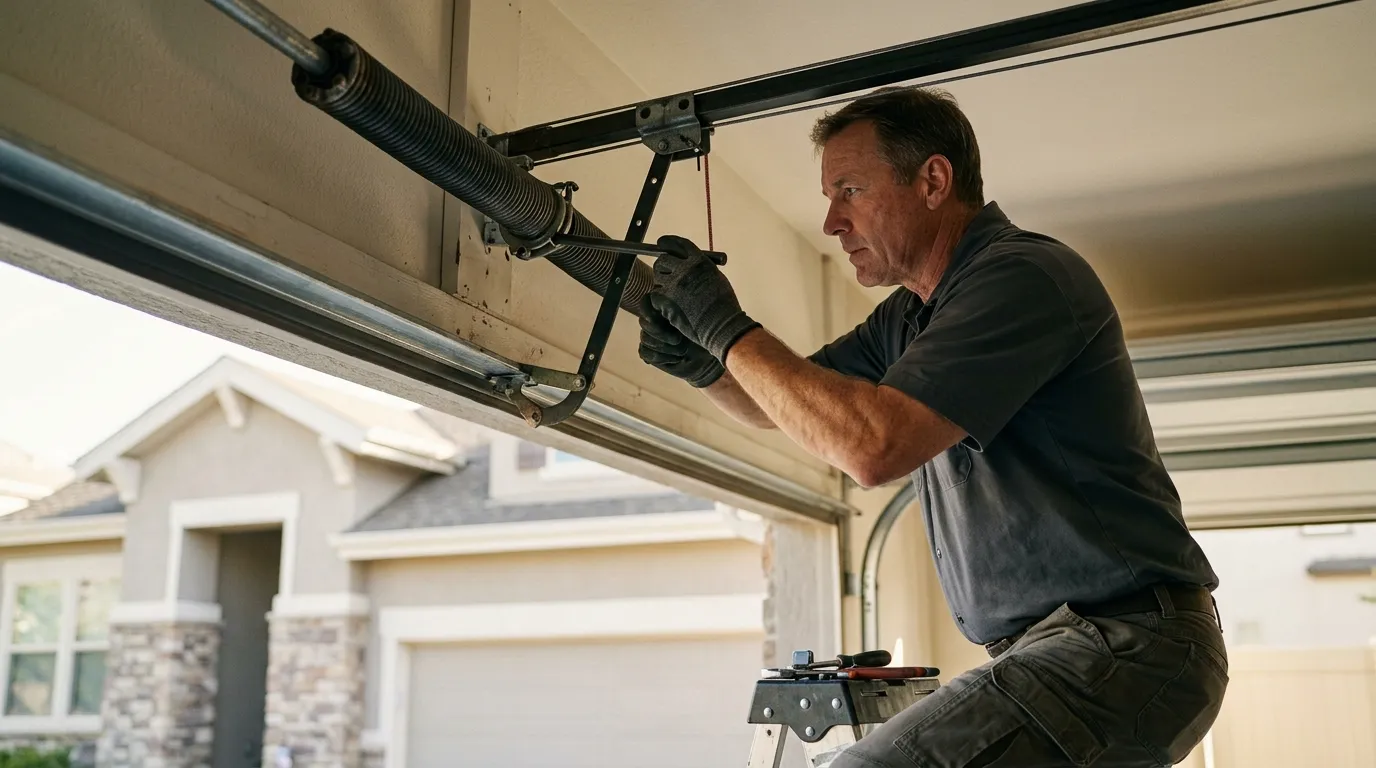
The median home in Coral Terrace went up around 1958, which is nearly two decades ahead of the wider service area's 1976 median. That gap shows up on every job ticket. We're pulling a lot more single torsion springs off center-mounted shafts here than the newer two-spring setups you see in later builds, and we're replacing more galvanized rollers that were never swapped for nylon.
Garage openings from this era also tend to run narrower - single-car bays were standard, and where a house has been converted to a two-car door, the header and track were often retrofitted rather than built for it from the start. That means the drum sizing and cable length can be non-standard, and it's worth having a tech check the setup before ordering a stock replacement panel. We also see a fair number of openers here that were bolted onto original wood jambs decades after the door itself was installed, so the mounting hardware doesn't always match what's on the opener box.
What the Housing Means for Your Door
A door installed to fit a 1958 opening doesn't behave like one built for a 1990s tract house, and that's the whole story on this side of the city. Torsion springs on these older setups are usually undersized for anyone who's added insulation or a heavier steel replacement panel over the years, which means the spring wears out faster than the homeowner expects. We size replacements to the door that's actually hanging there now, not to what the house was built with in 1958.
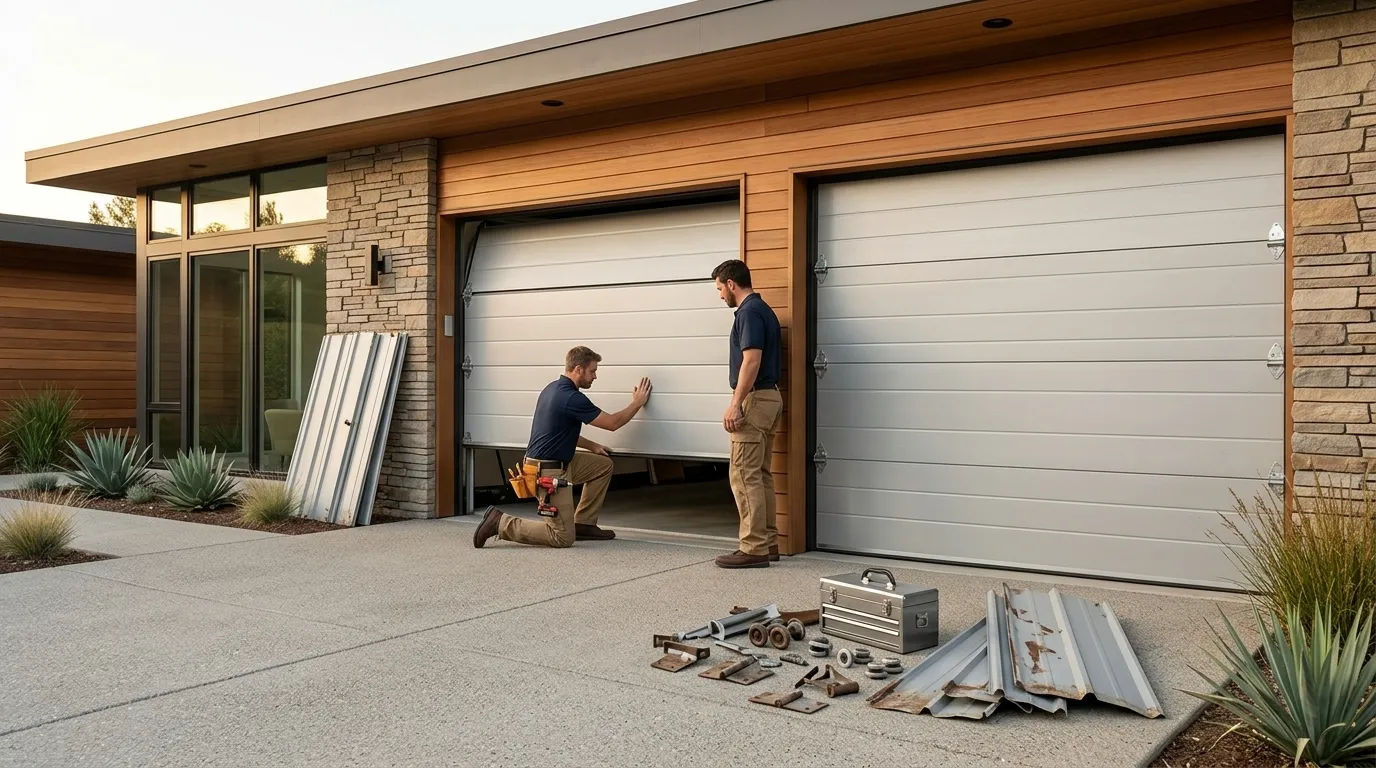
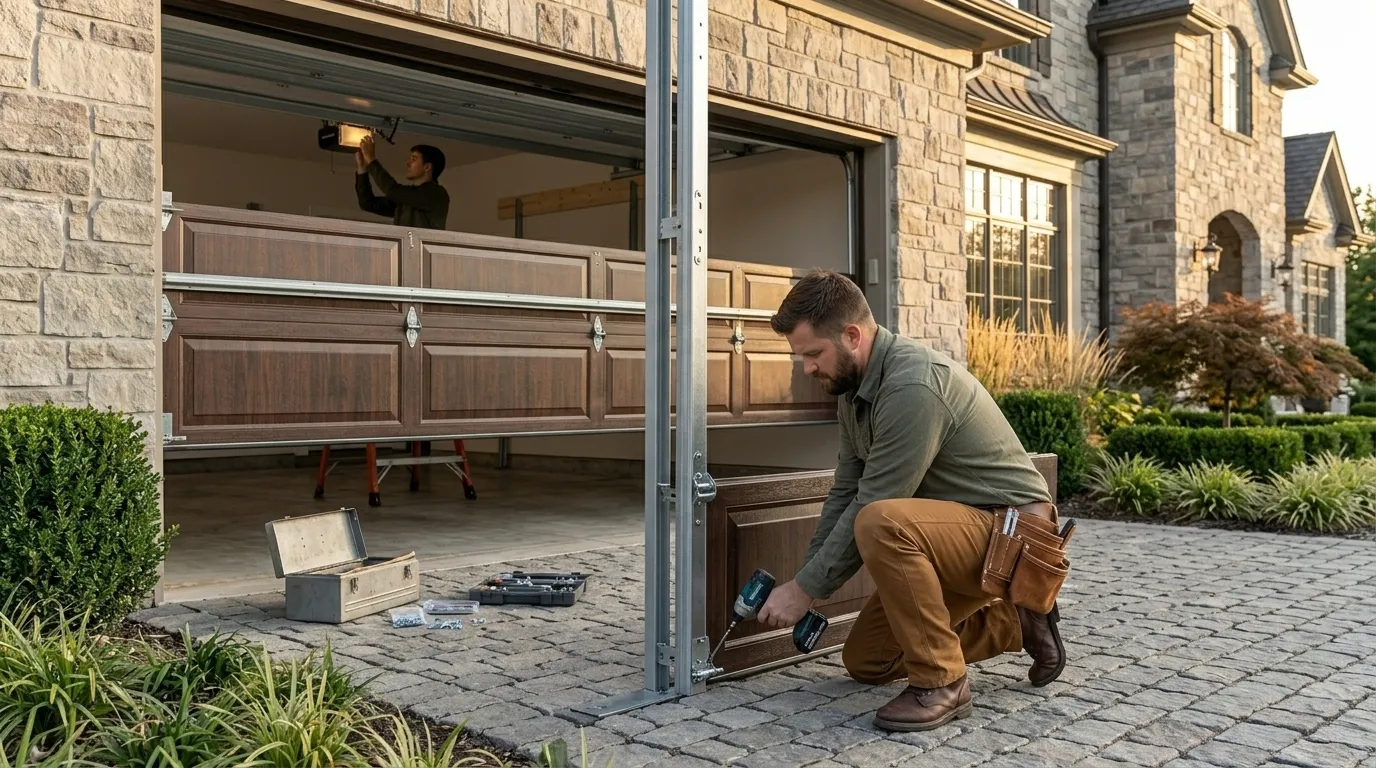
The area's median household income sits at $77,396, a bit above the wider service area's $71,020, and we see that reflected in more insulated steel replacements than bare single-layer panels - owners here are more often upgrading rather than patching. Still, on a house this age, a straight spring swap on original hardware is often the right call over a full replacement, and we'll tell you when that's true rather than sell up.