Common Jobs Here
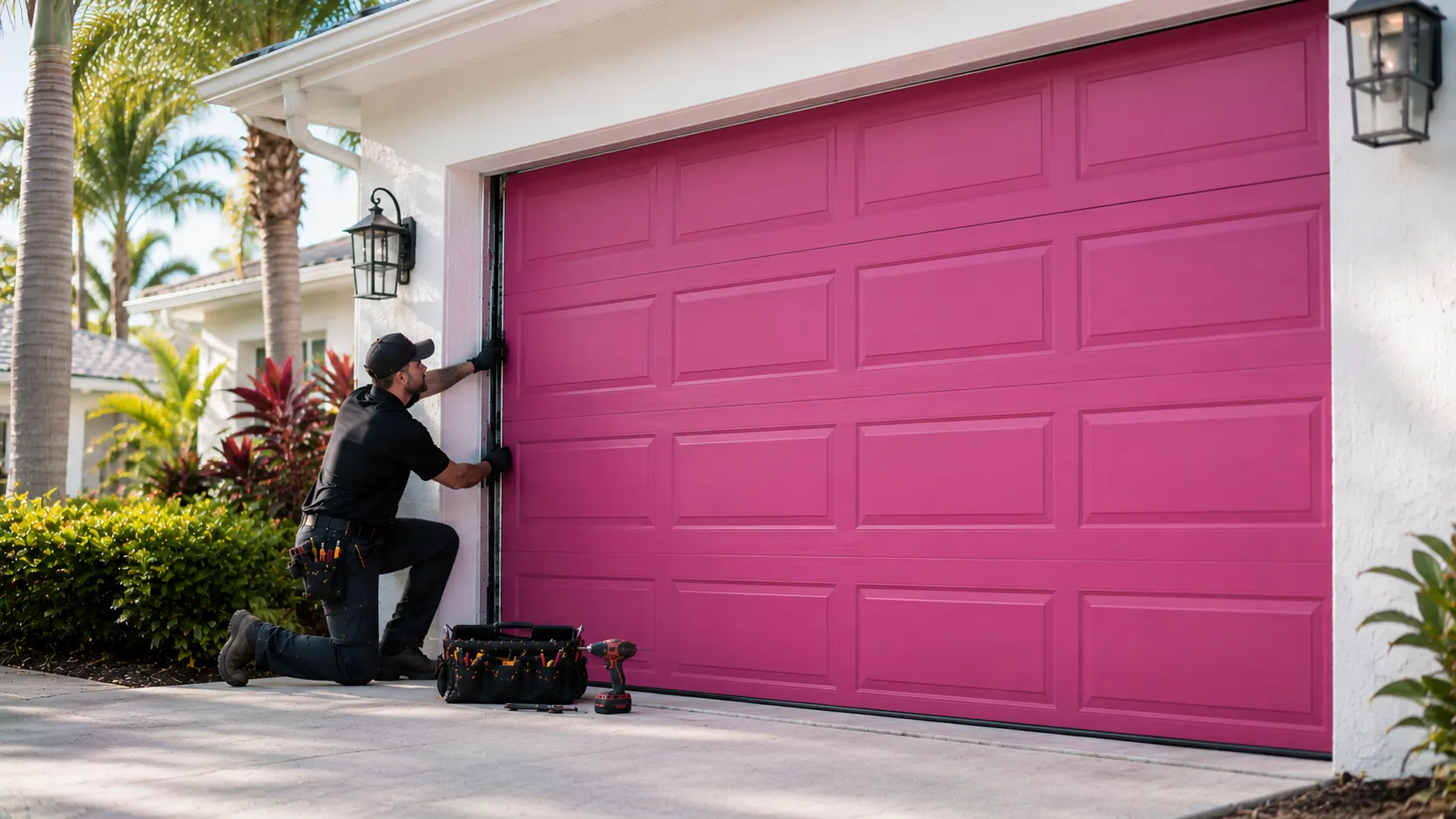
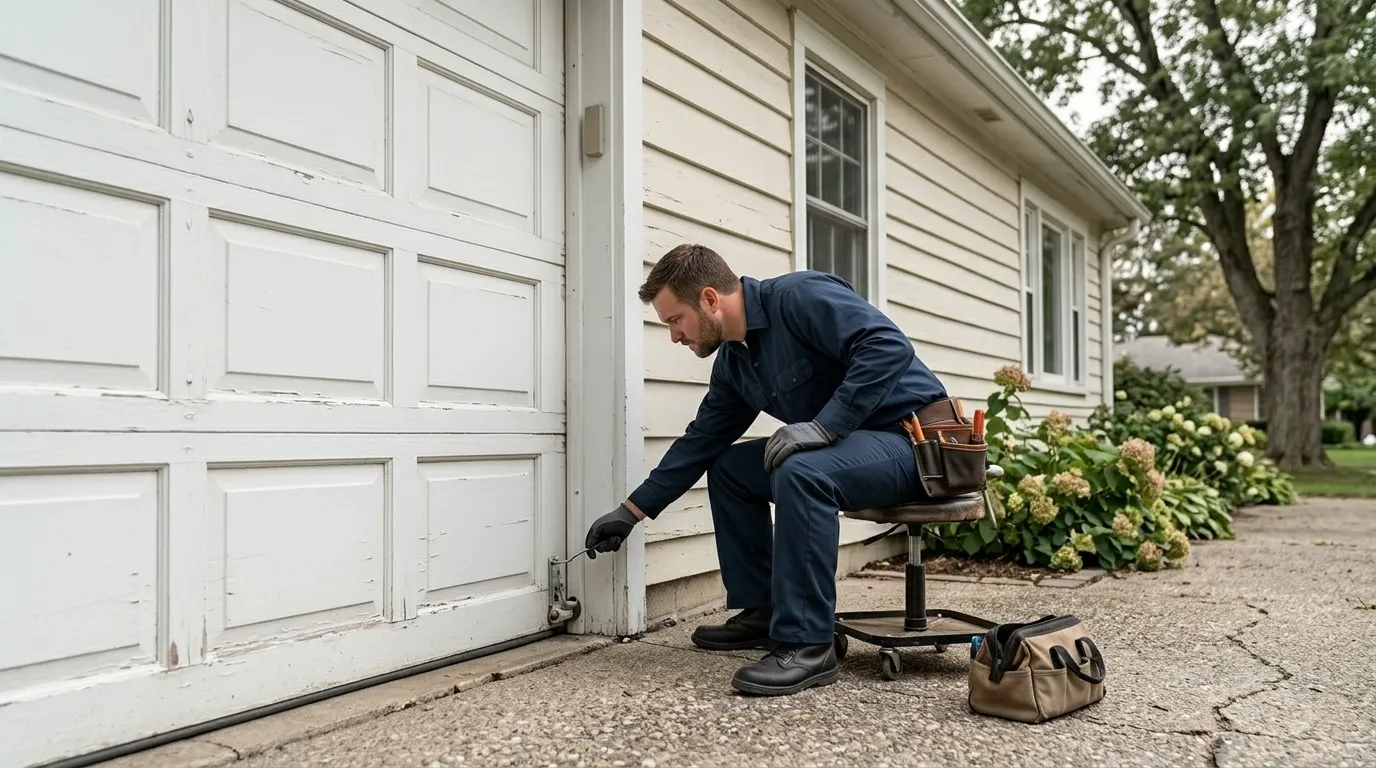
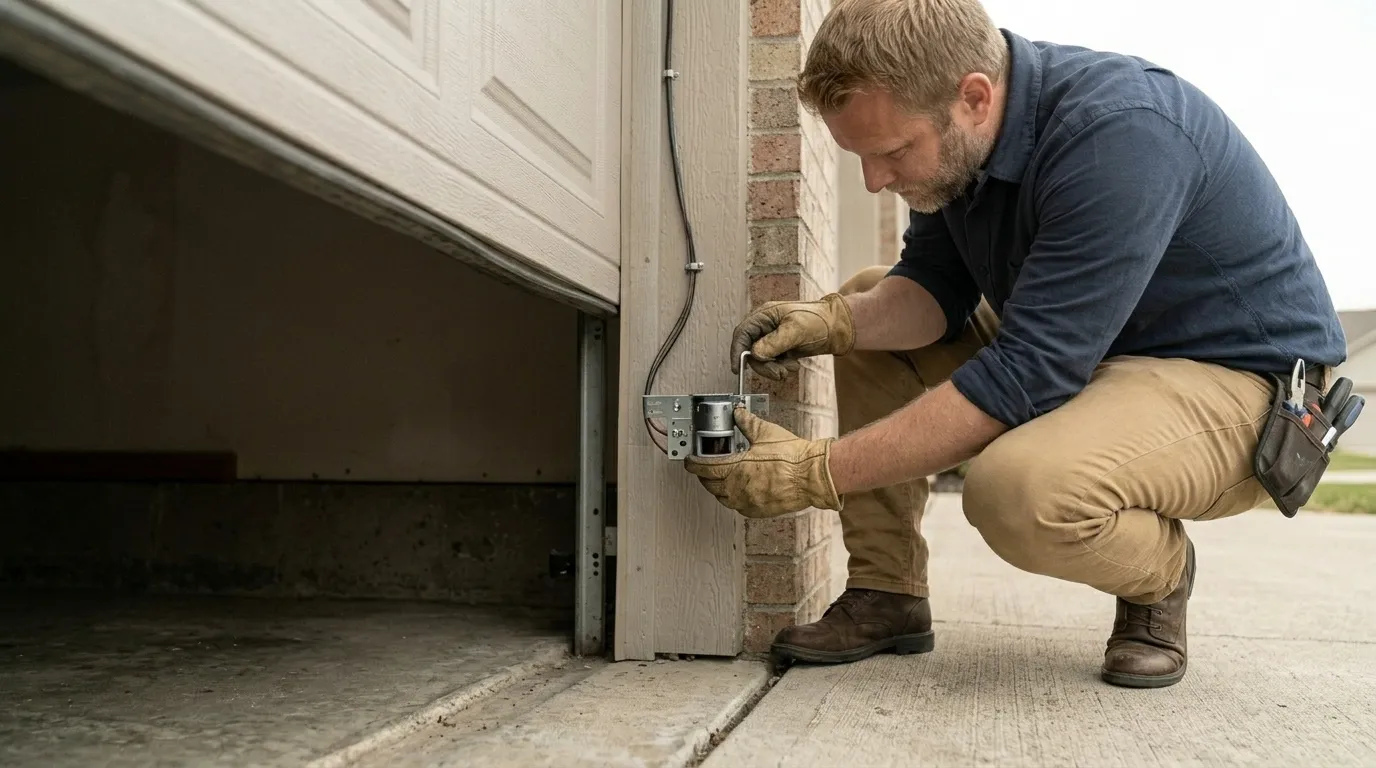
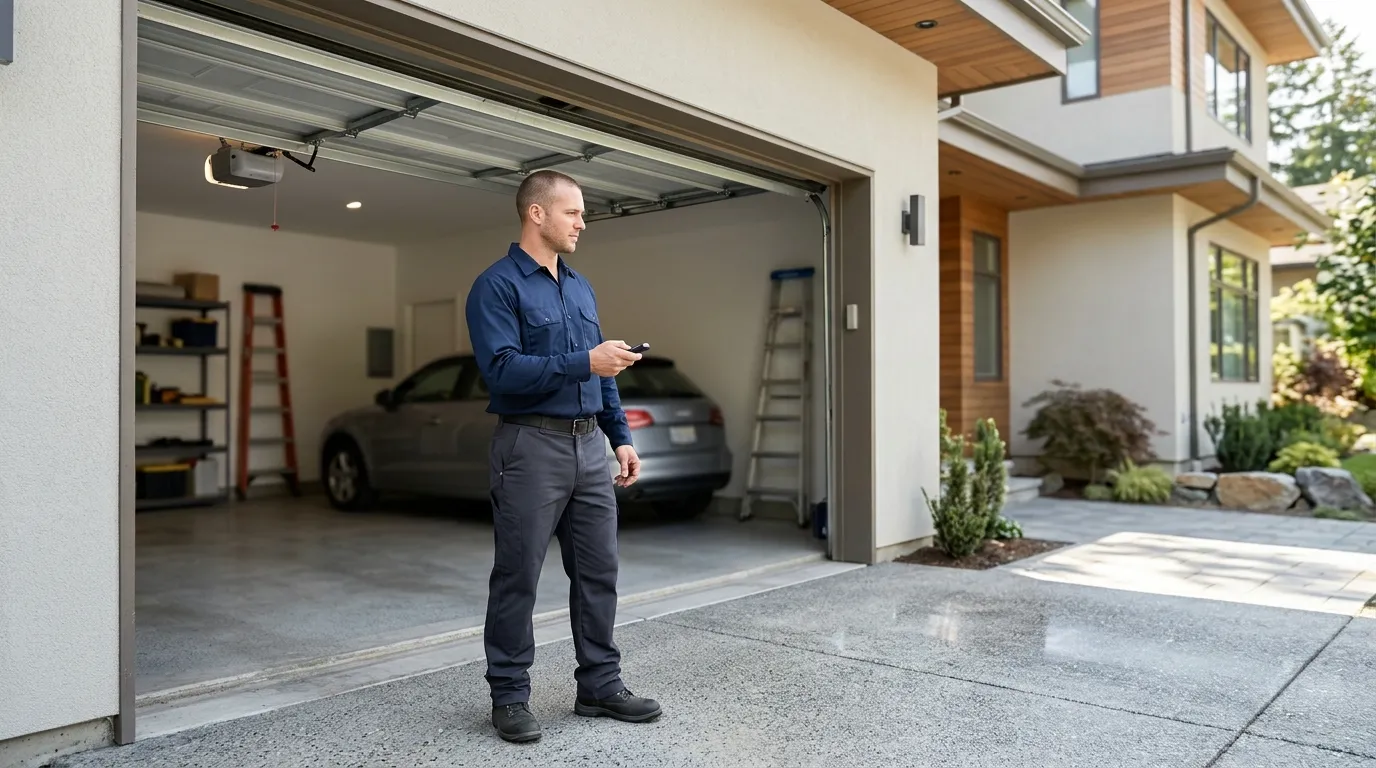
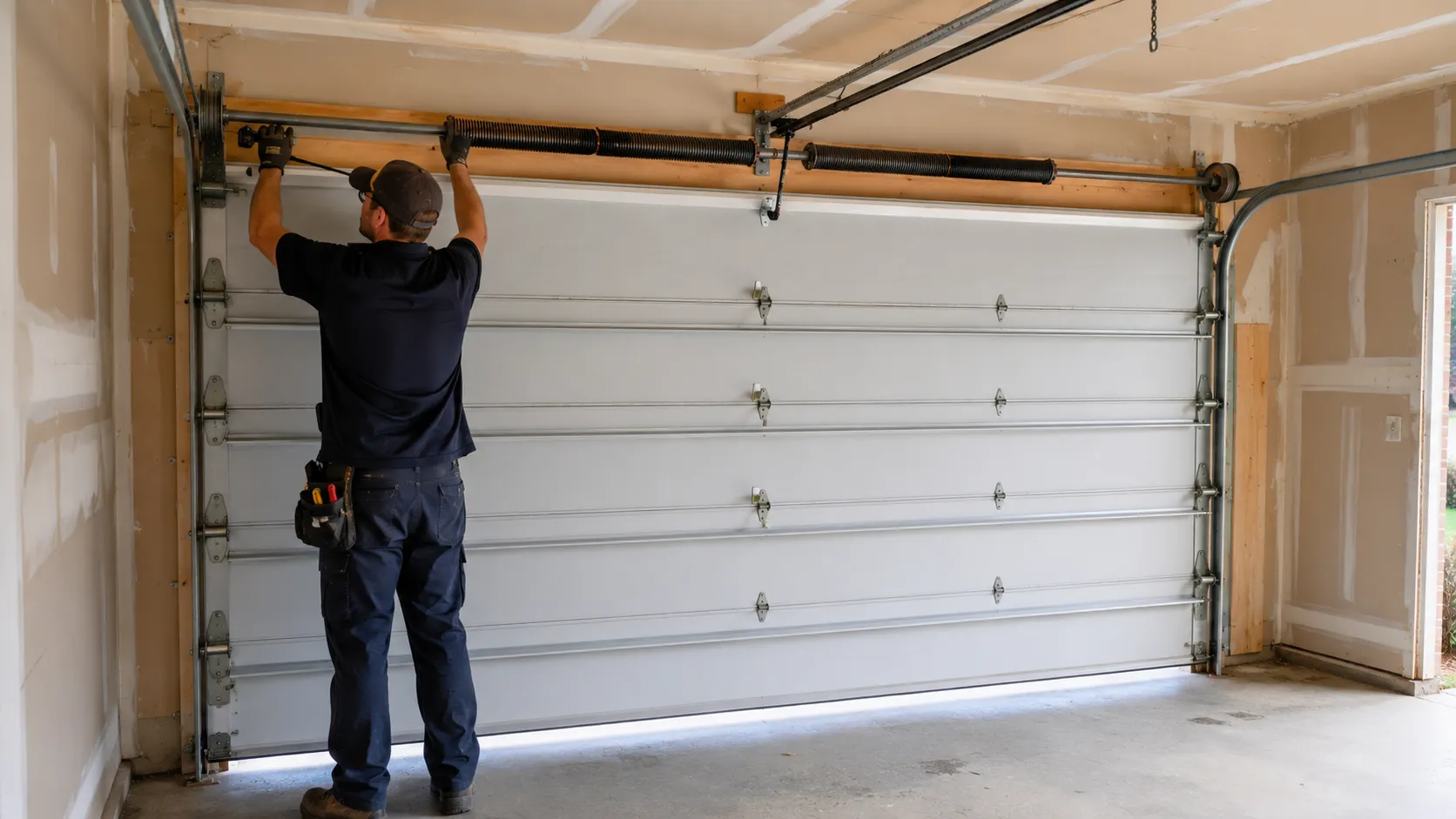
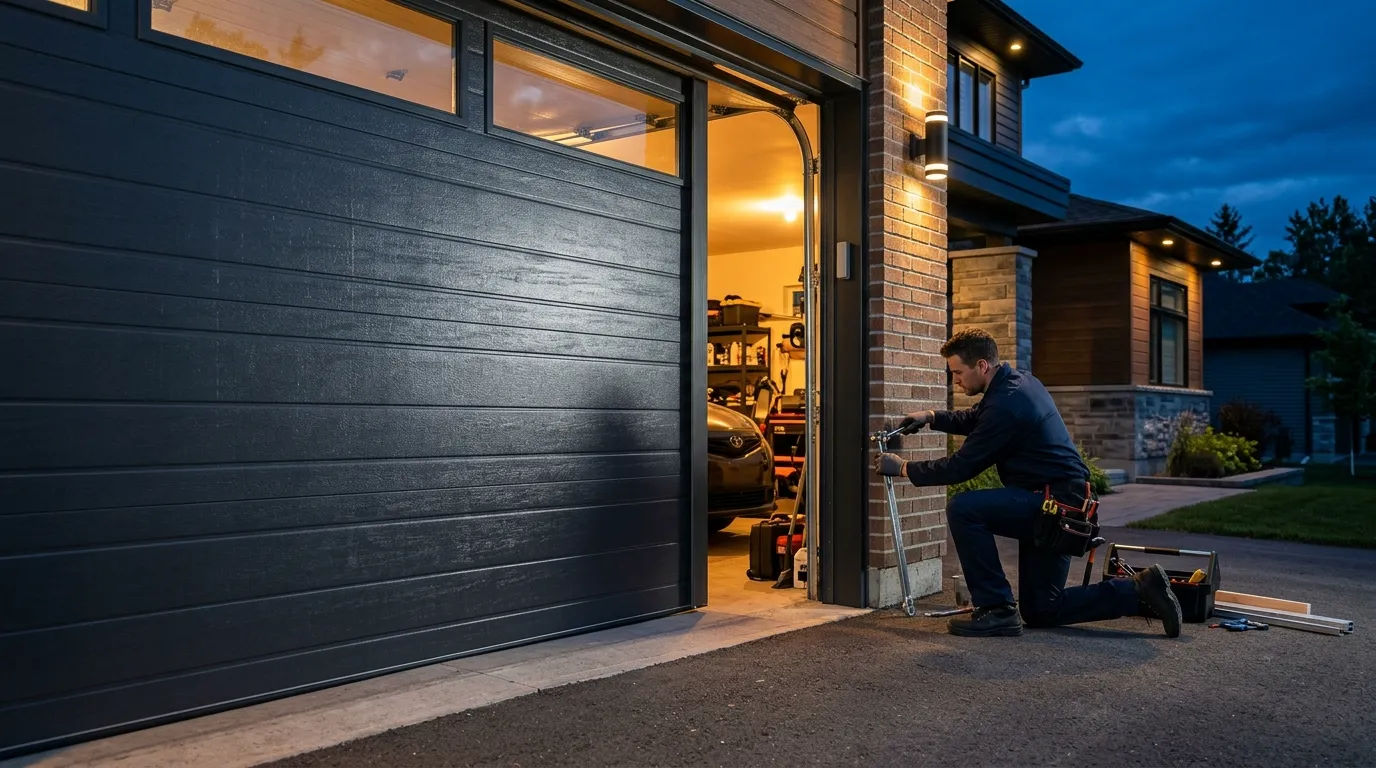
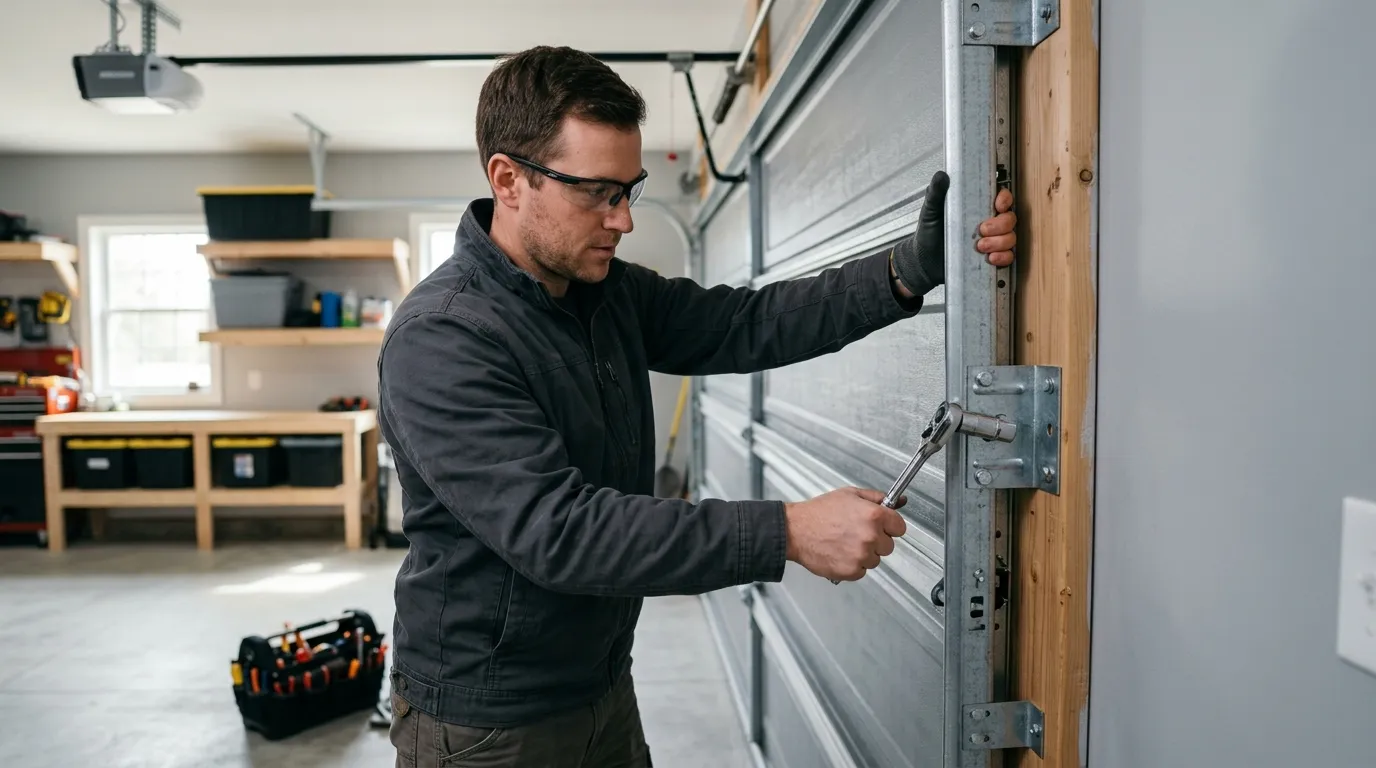
The median home in Country Walk was built around 1996, which puts most doors and openers here a full generation newer than what you'd find on the older streets closer to Miami, where the housing stock centers on 1976. That gap matters. Doors from the mid-90s typically run on steel torsion springs sized for lighter insulated panels, with chain or belt-drive openers that are now old enough for the drive gear or capacitor to be the first thing to go, rather than the spring itself. We see more opener logic-board failures and worn nylon drive gears out here, and fewer of the ancient extension-spring setups that plague pre-1970s garages elsewhere in the county. Rollers on 90s-era steel doors also tend to wear evenly and predictably, so a full roller swap is often a planned job rather than an emergency one. What we don't do is push a full door replacement on a 25-30 year old unit just because it's not new - if the track's true and the panels aren't rusted or bent, a spring and opener service usually gets more years out of it than starting over.
What the Housing Means for Your Door
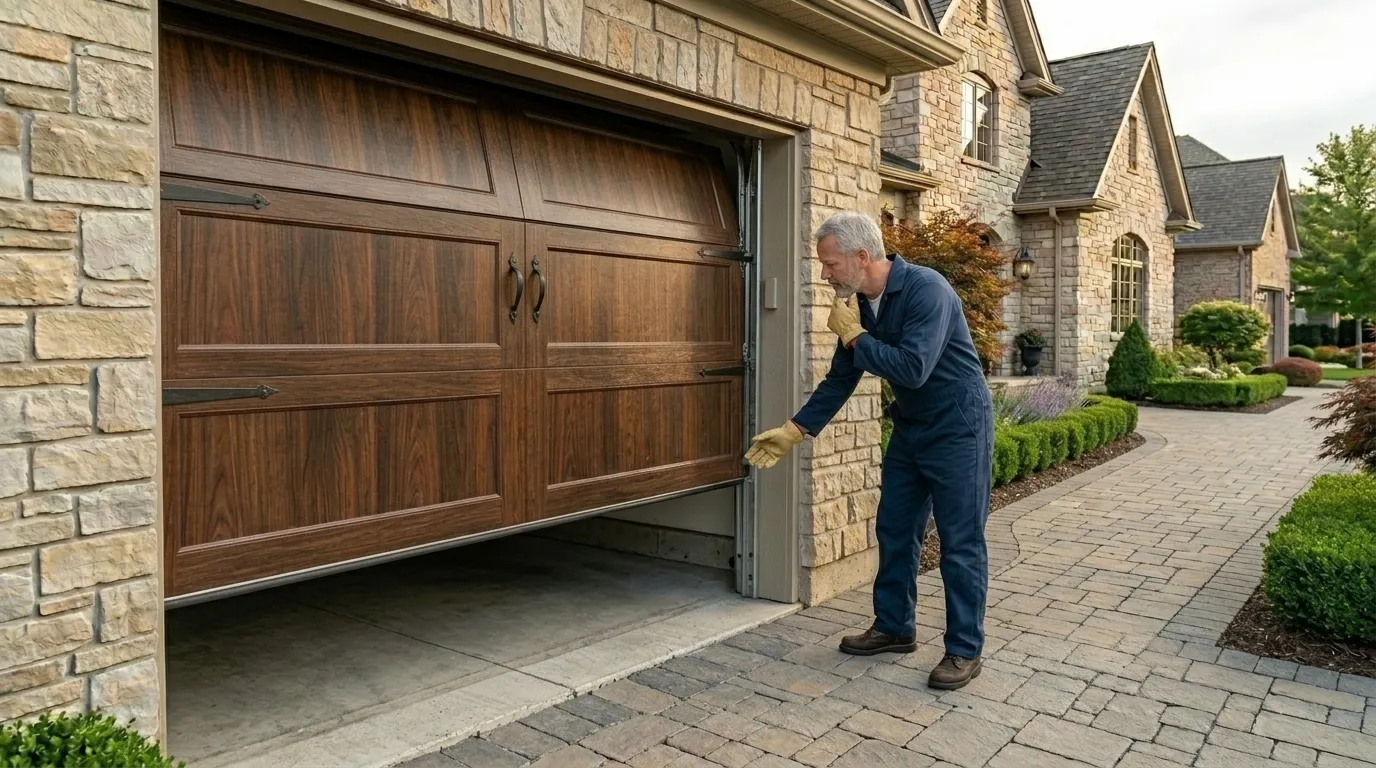
Because Country Walk's housing dates mostly to the 1990s rather than the mid-1970s median across the wider service area, the doors here were built to a later, tighter set of wind and material codes than what governs a lot of older Miami-area stock. That generally means better-anchored track brackets and heavier gauge hardware out of the factory, which is good news structurally - but it also means when something does fail, it's less likely to be a rusted-through bracket and more likely to be a worn opener part or a spring that's simply logged its cycle count. In this mild coastal climate, corrosion isn't the main enemy the way sun-baked hardware wear is in harsher climates; springs and cables here tend to fail from fatigue rather than rust. If your door was installed with the house in the mid-90s and hasn't been serviced since, the spring is very likely past due regardless of how the door looks.