Common Jobs Here
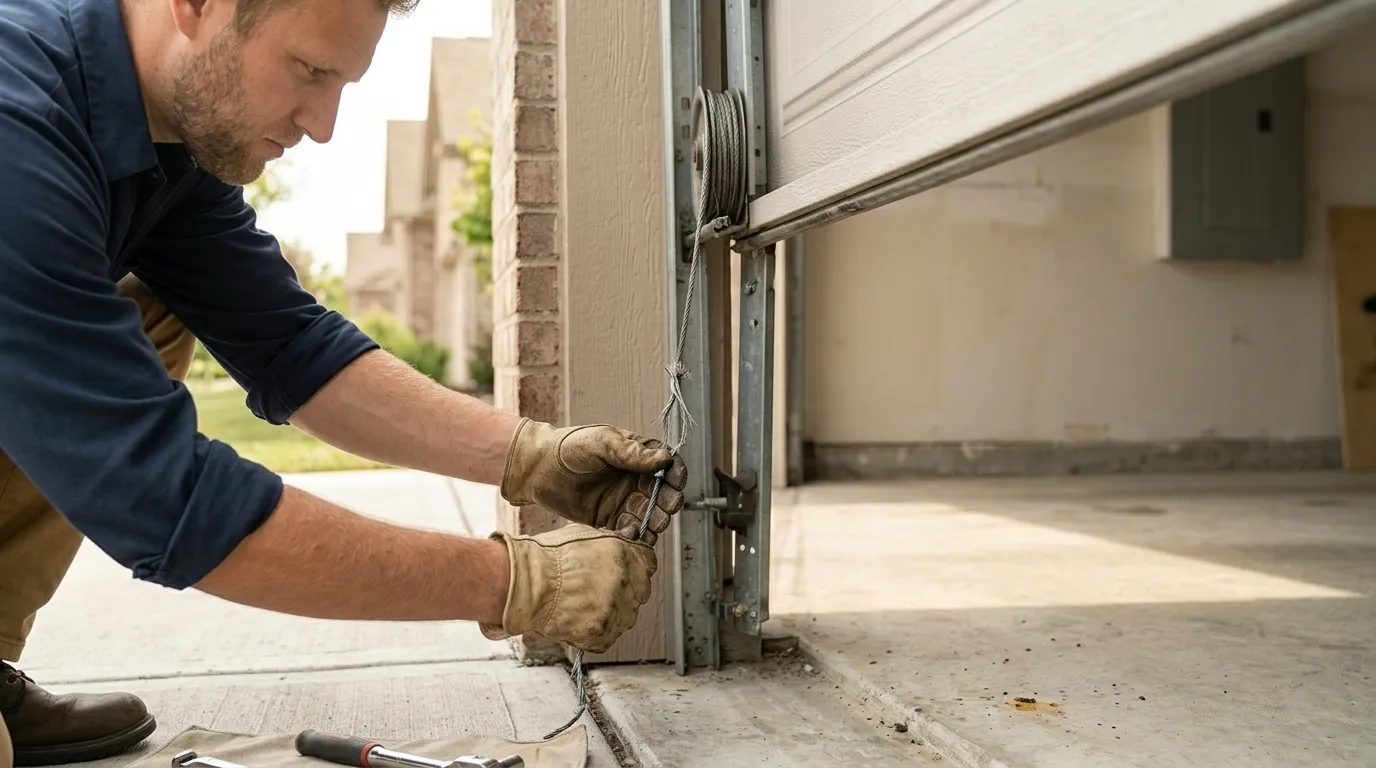
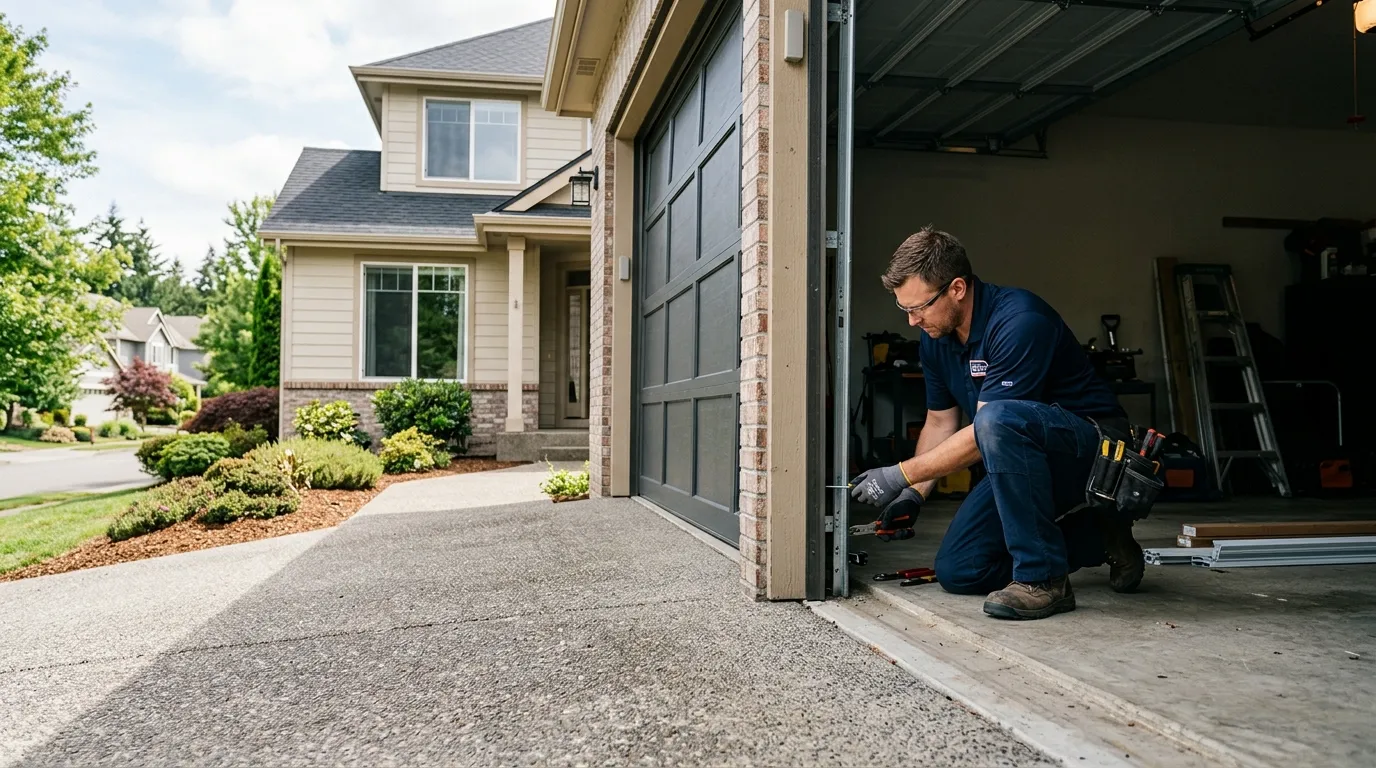
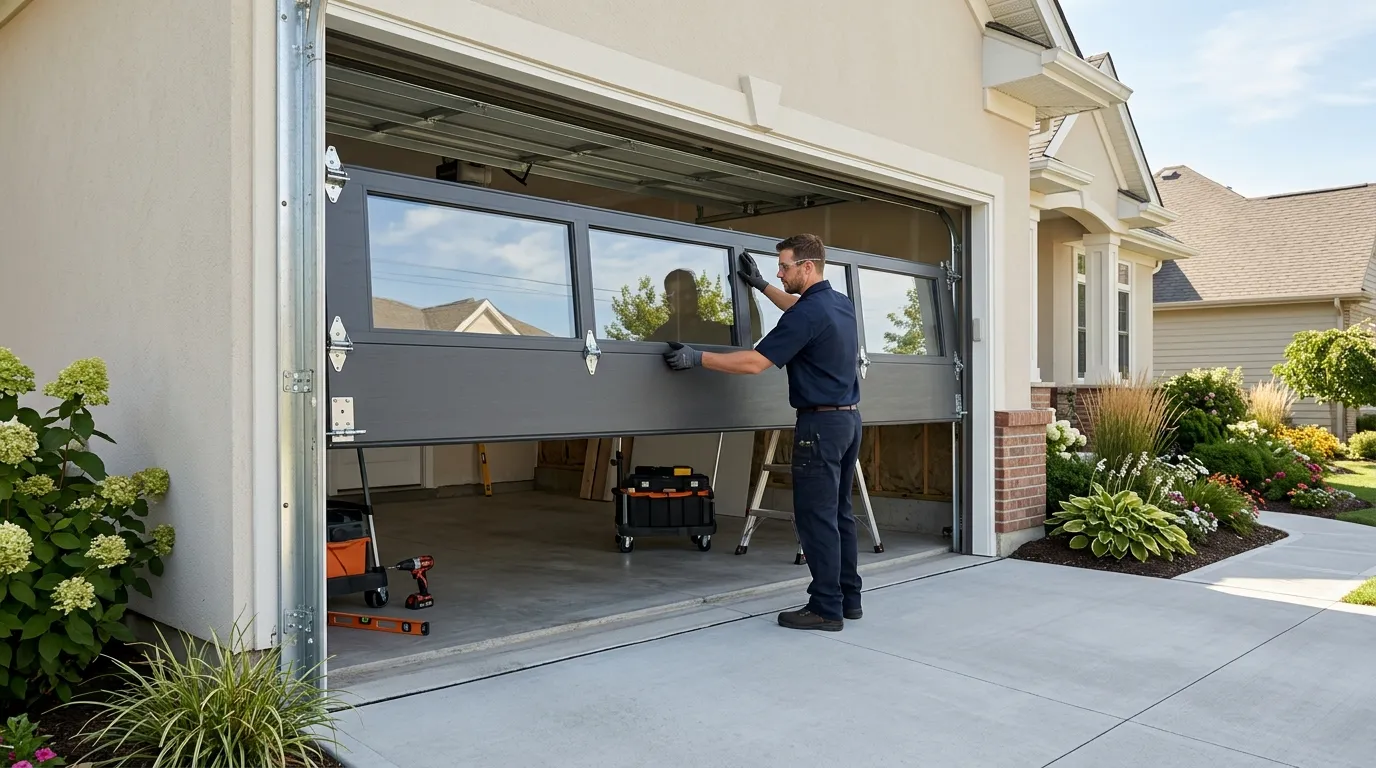
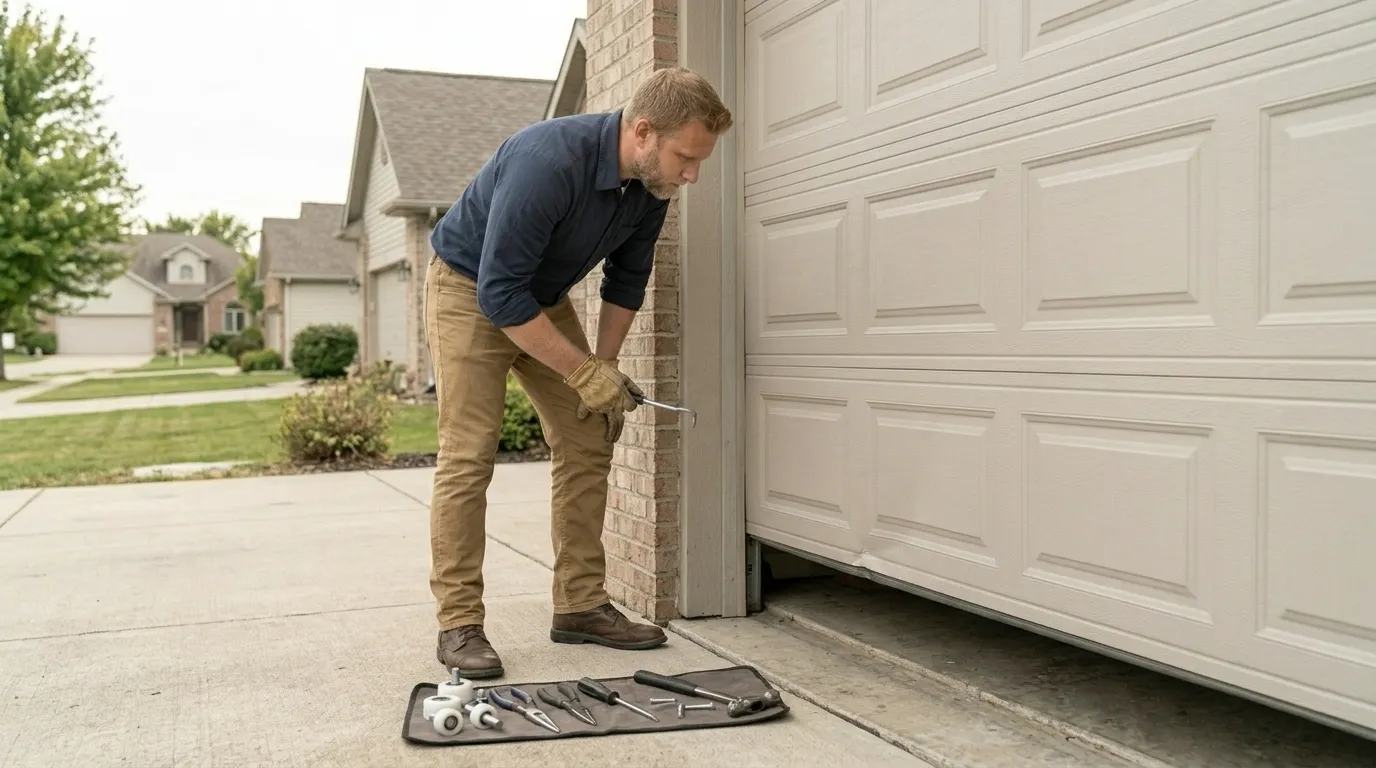
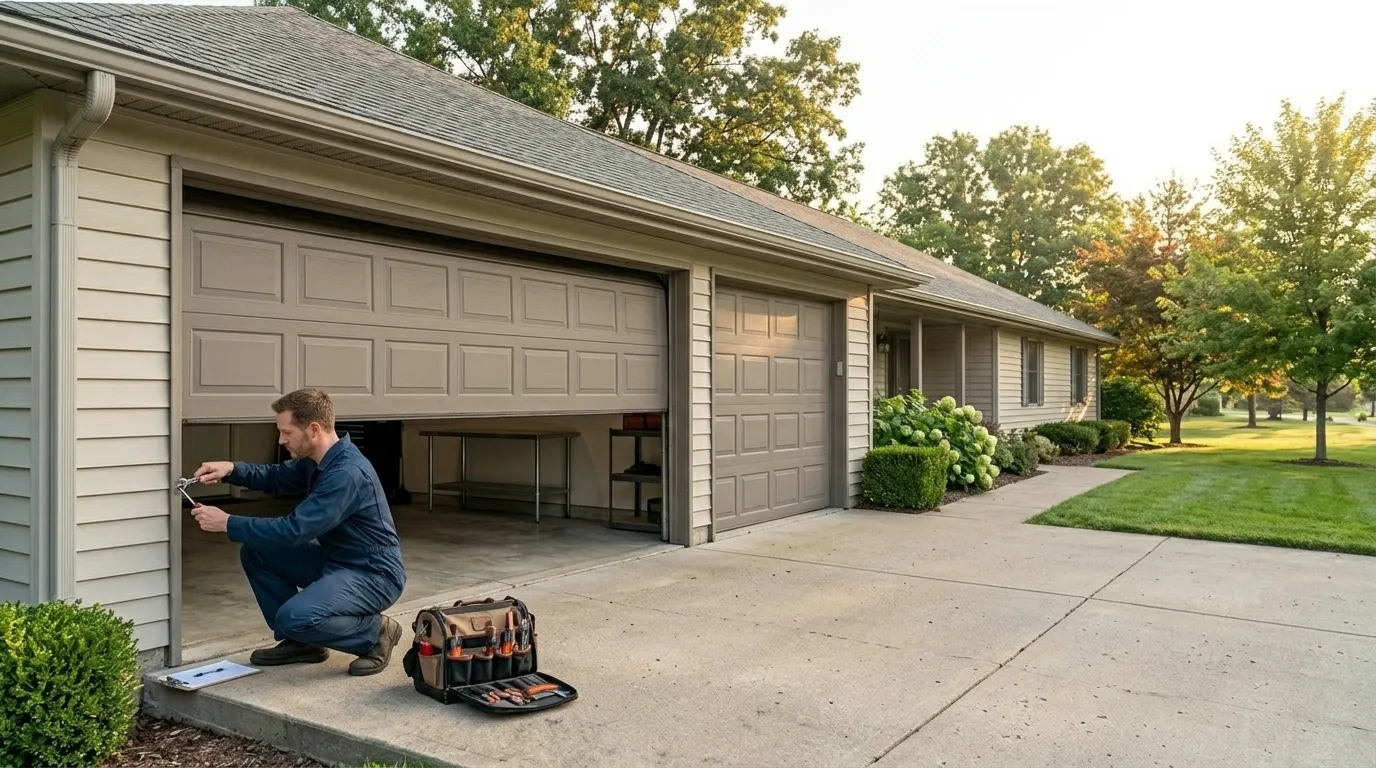
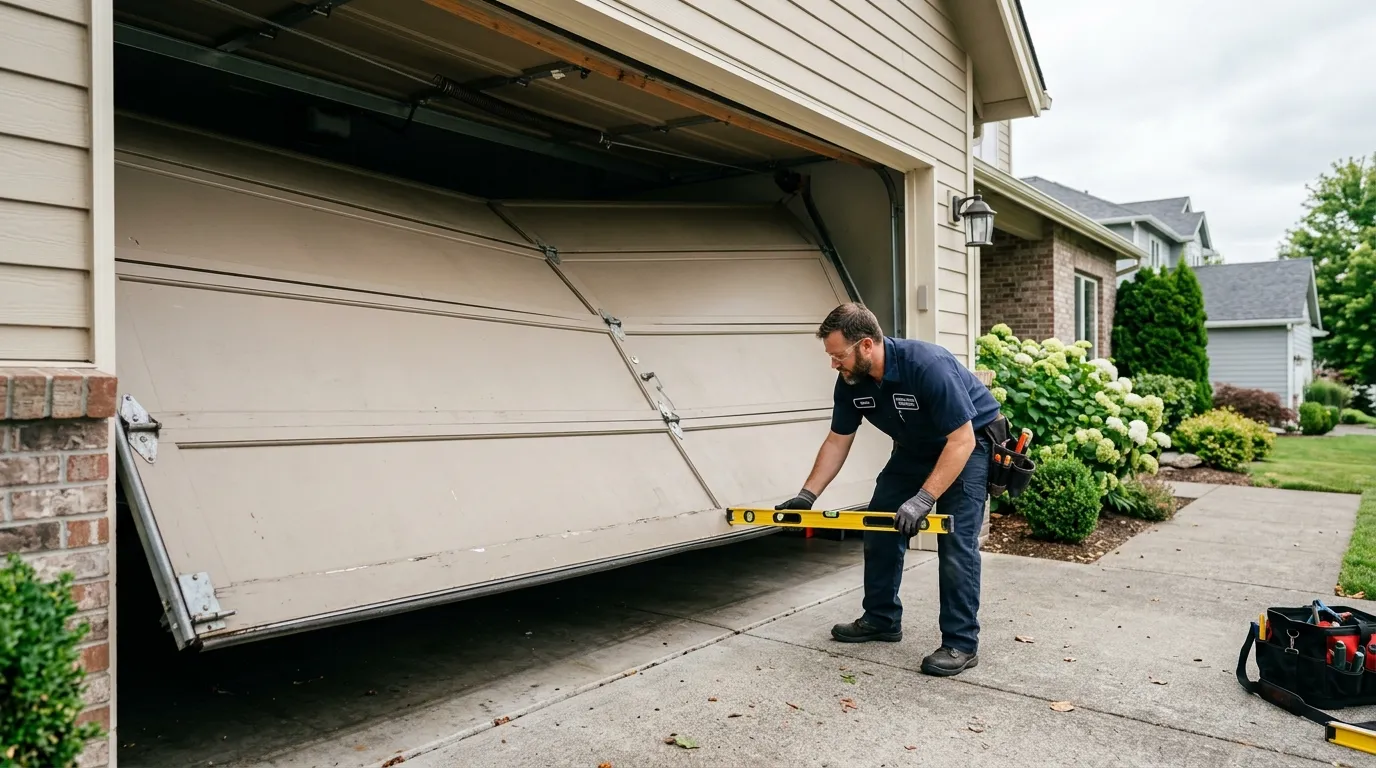
Cutler Bay's housing stock centers on 1985, which puts most garage doors here squarely in the steel sectional era - not the older wood or fiberglass panel doors you'd find in a neighborhood built decades earlier. That means the failures we see are typical of galvanized steel: rust starting at the bottom panel where water sits, hinges that have loosened from thermal expansion and contraction, and torsion springs that are original or one replacement in, now reaching the end of a normal service life. Openers from that build era, or their later replacements, often show worn drive gears or a logic board that's finally quit after running for years in a hot, humid garage. We also get calls for off-track doors after a bottom roller seizes in its track - a common issue on doors that haven't been lubricated in a while. One honest limitation: if a panel is severely rusted through or an opener's circuit board is long discontinued, replacement is usually the better call than chasing a repair that won't hold. We'll tell you which situation you're in before we quote anything.
What the Housing Means for Your Door
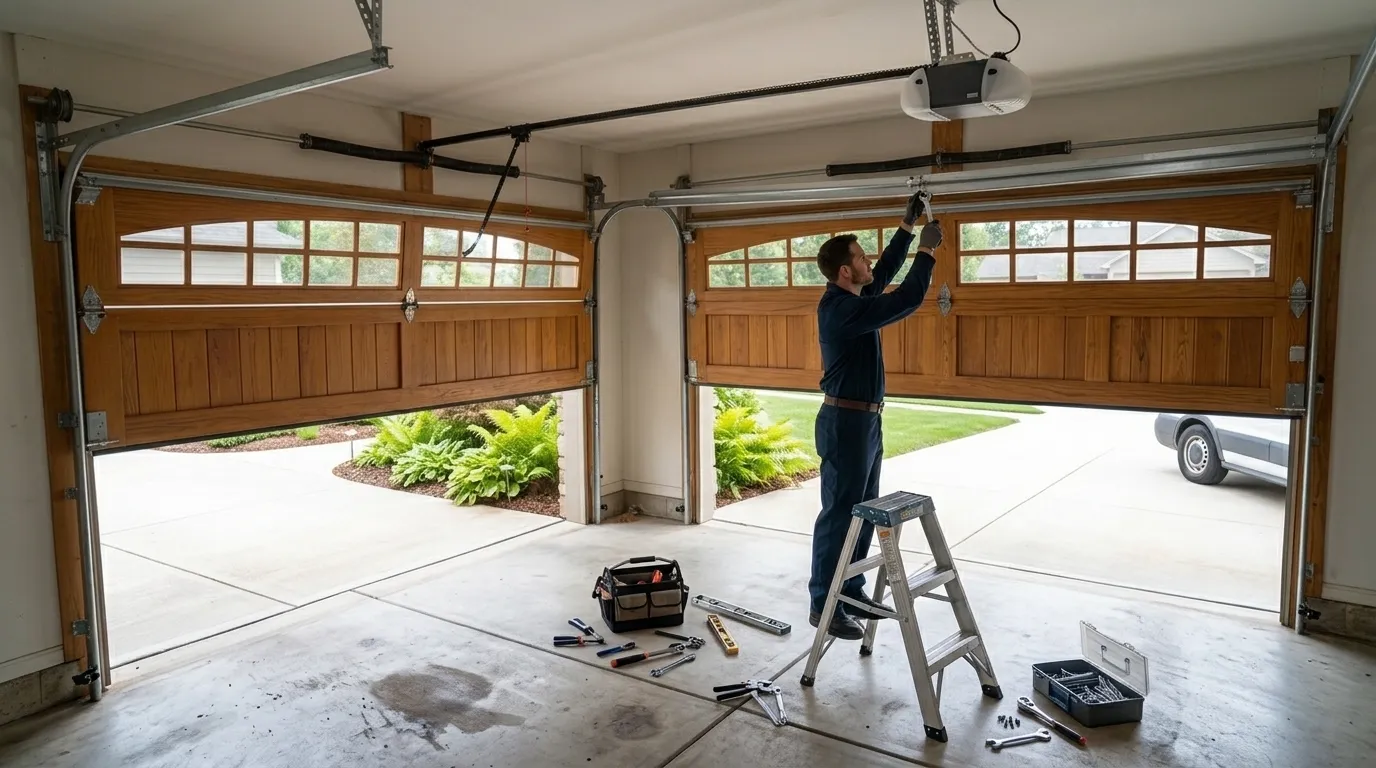
Cutler Bay's median build year of 1985 runs about a decade newer than the wider service area's 1976 median, and that gap matters more than it sounds like it should. A house built in the mid-80s was framed for a garage door and opener setup that's still recognizable today - standard 16-foot double-door openings, steel sectional panels, extension or torsion spring systems that a modern replacement part will actually fit. That's different from working on a 1950s or 60s garage, where you're often up against a narrower opening or hardware nobody manufactures anymore. In practice, it means most repairs here are straightforward swaps: springs, cables, rollers, openers, done with parts we can source without a special order. It doesn't mean every job is simple - thirty-plus years is enough time for tracks to bend out of alignment or for a cheap builder-grade opener to fail entirely - but the bones of the system are usually workable rather than obsolete.