Common Jobs Here
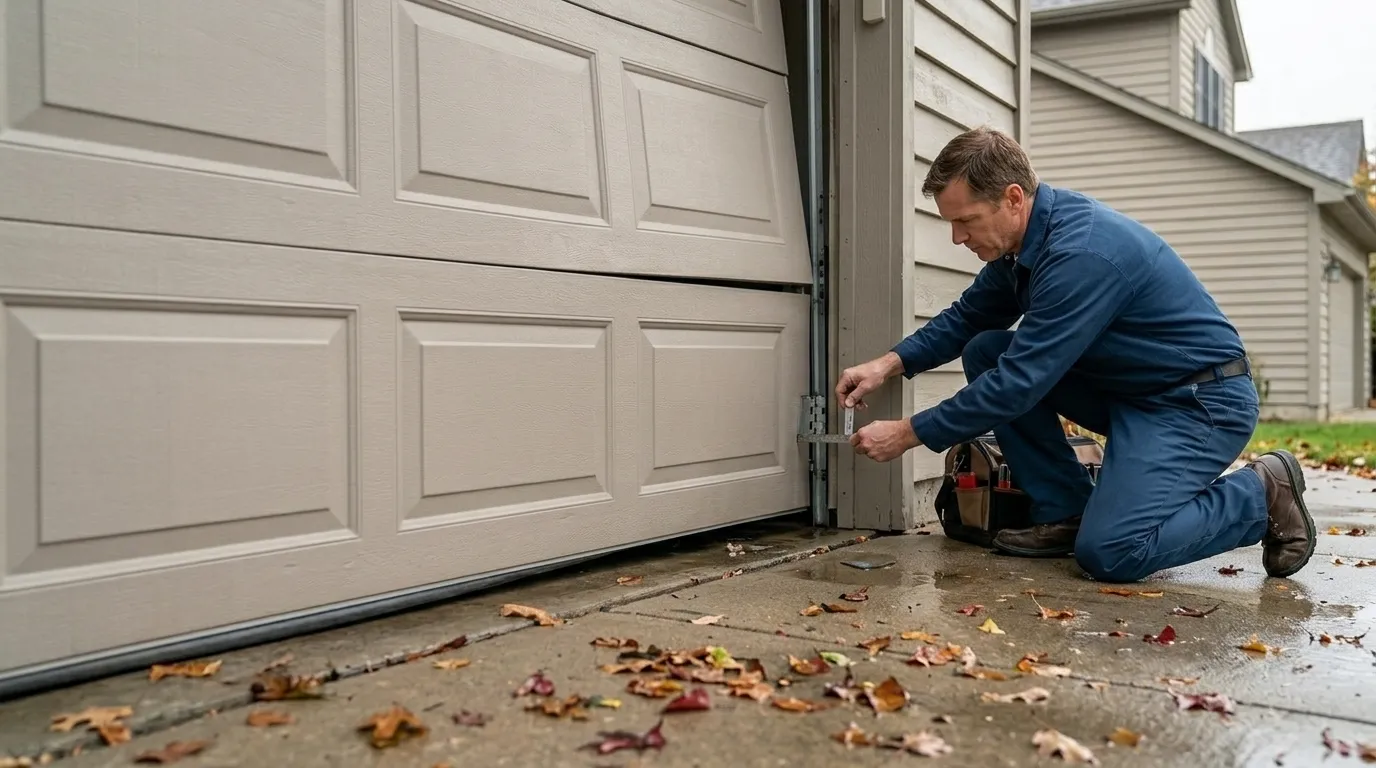
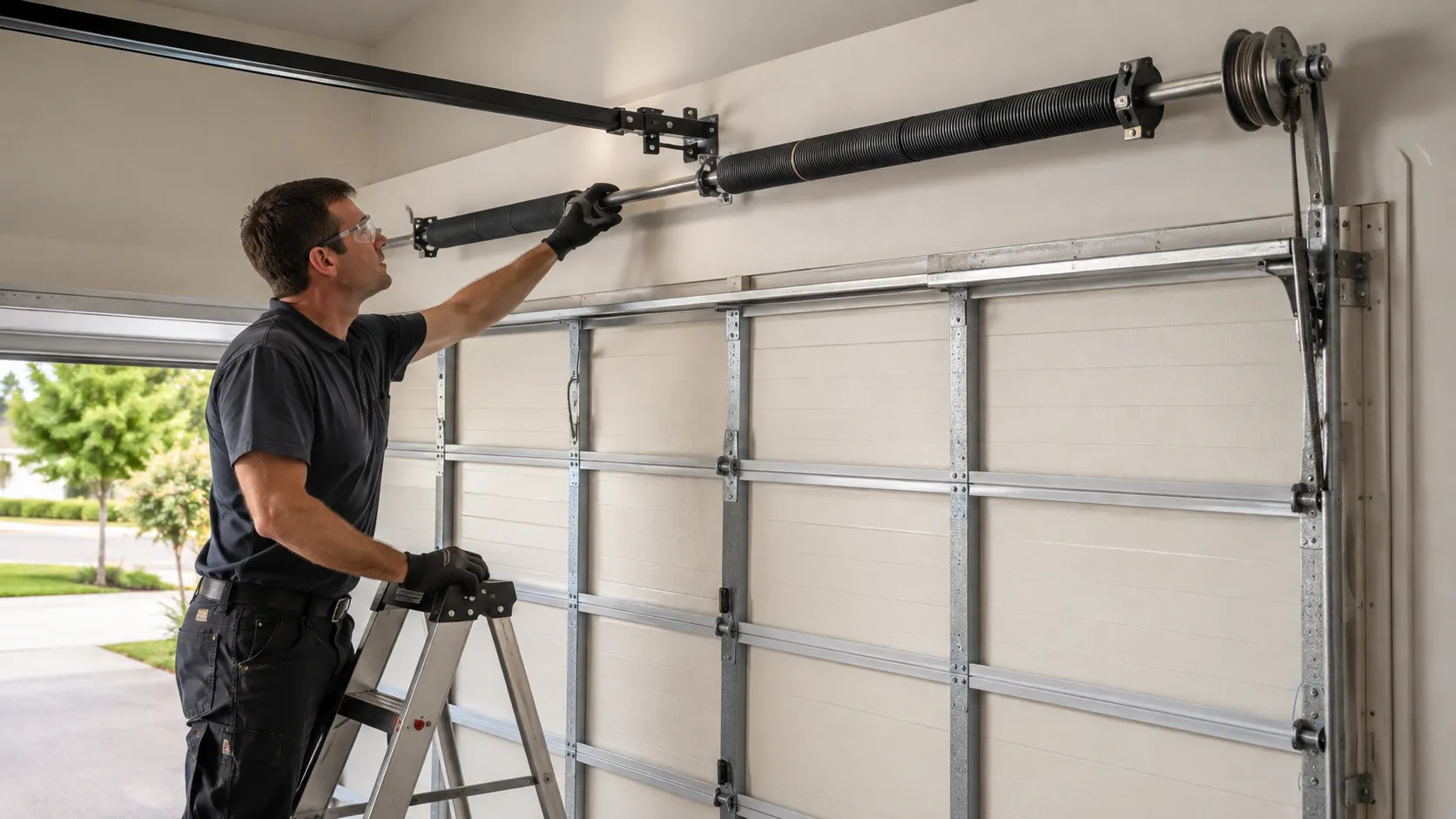
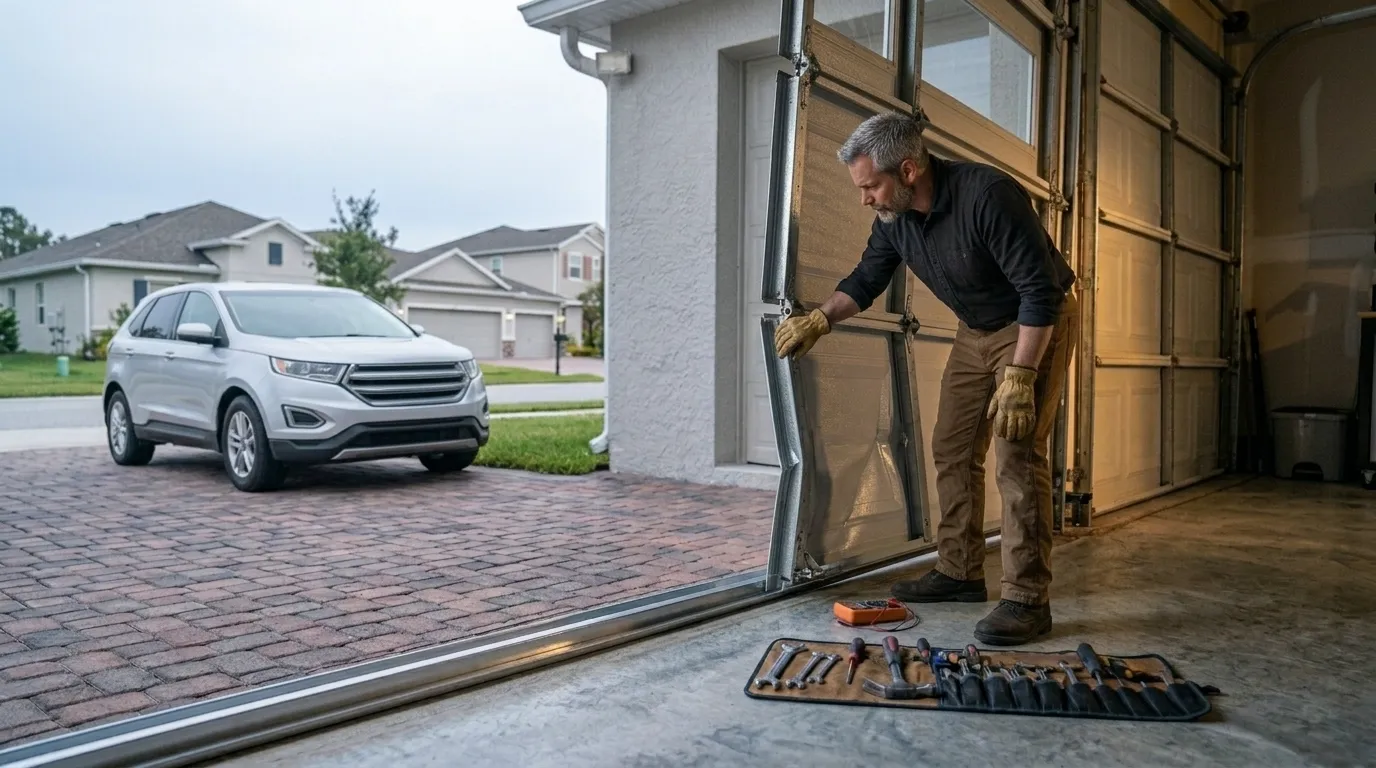
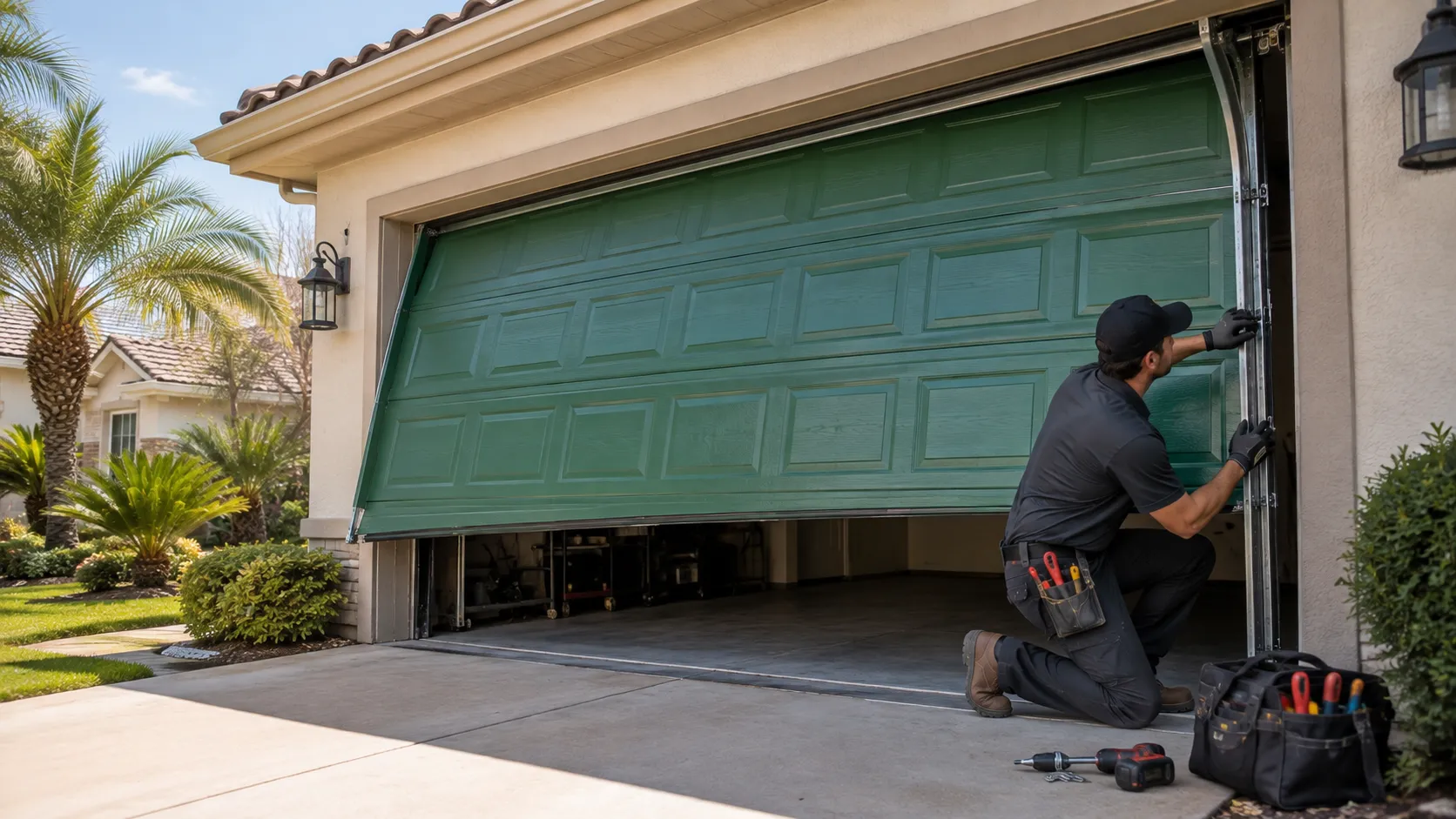
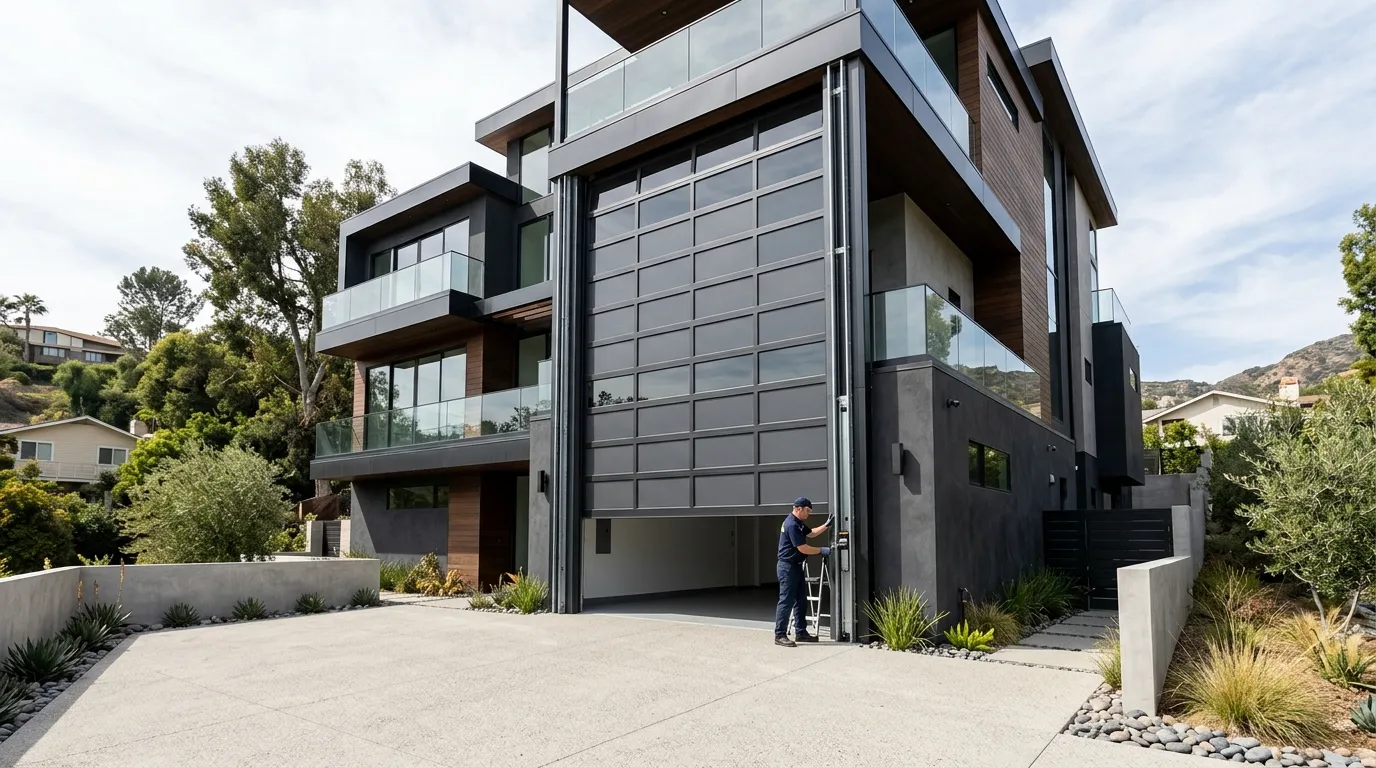
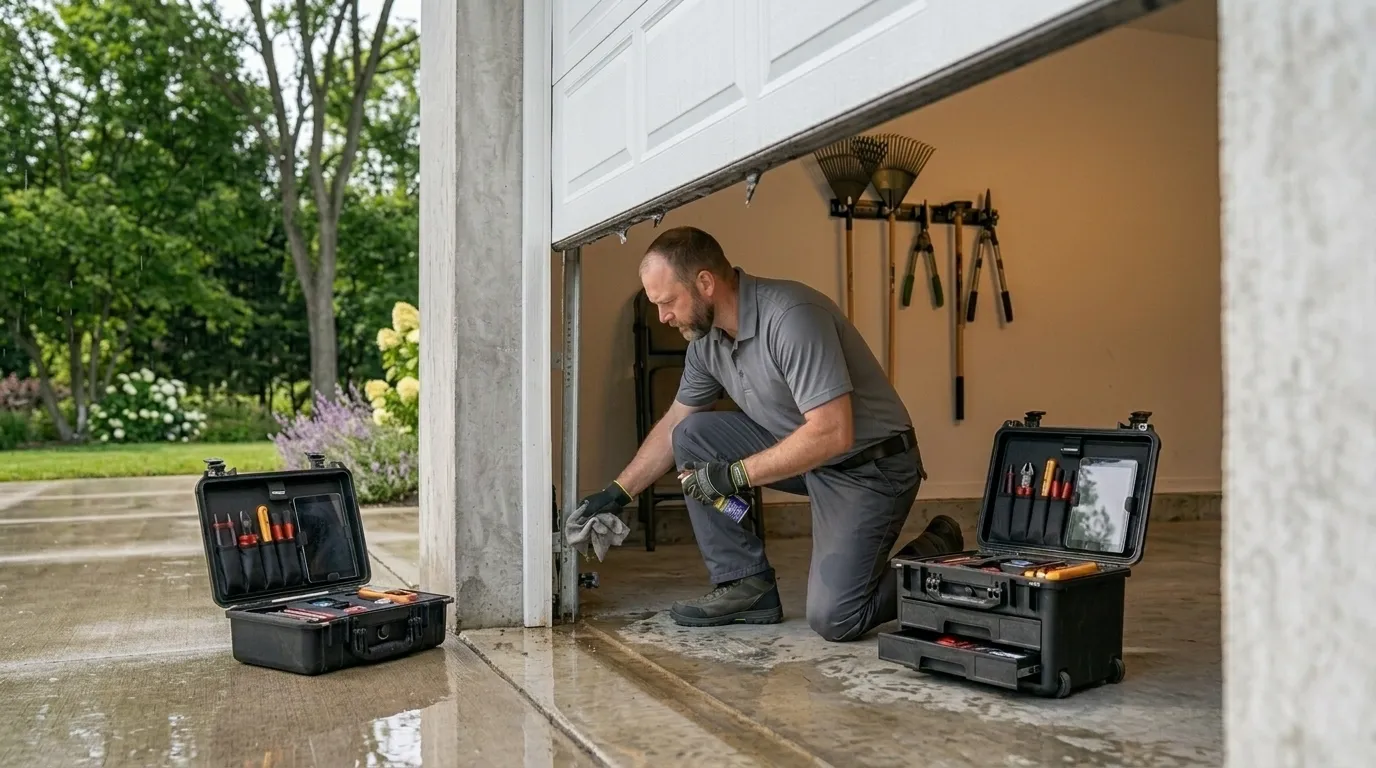
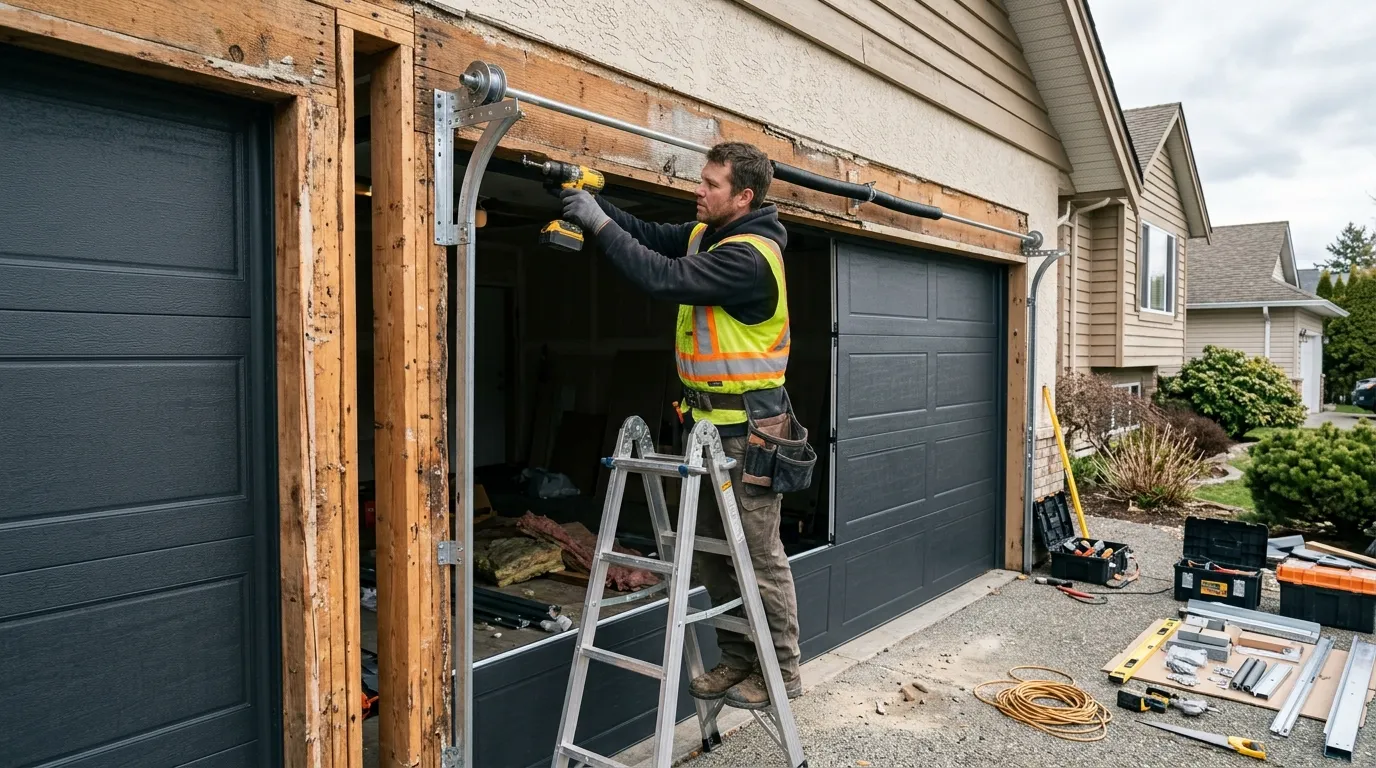
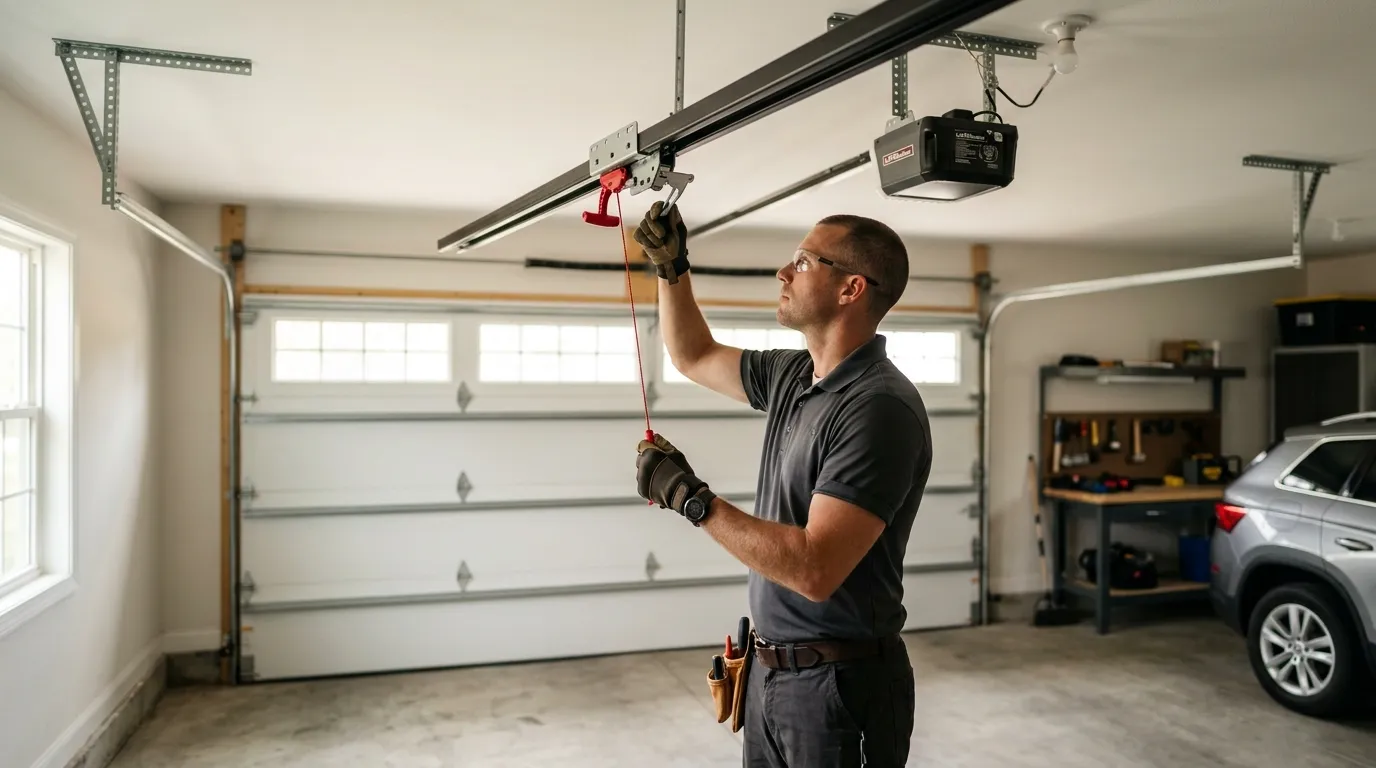
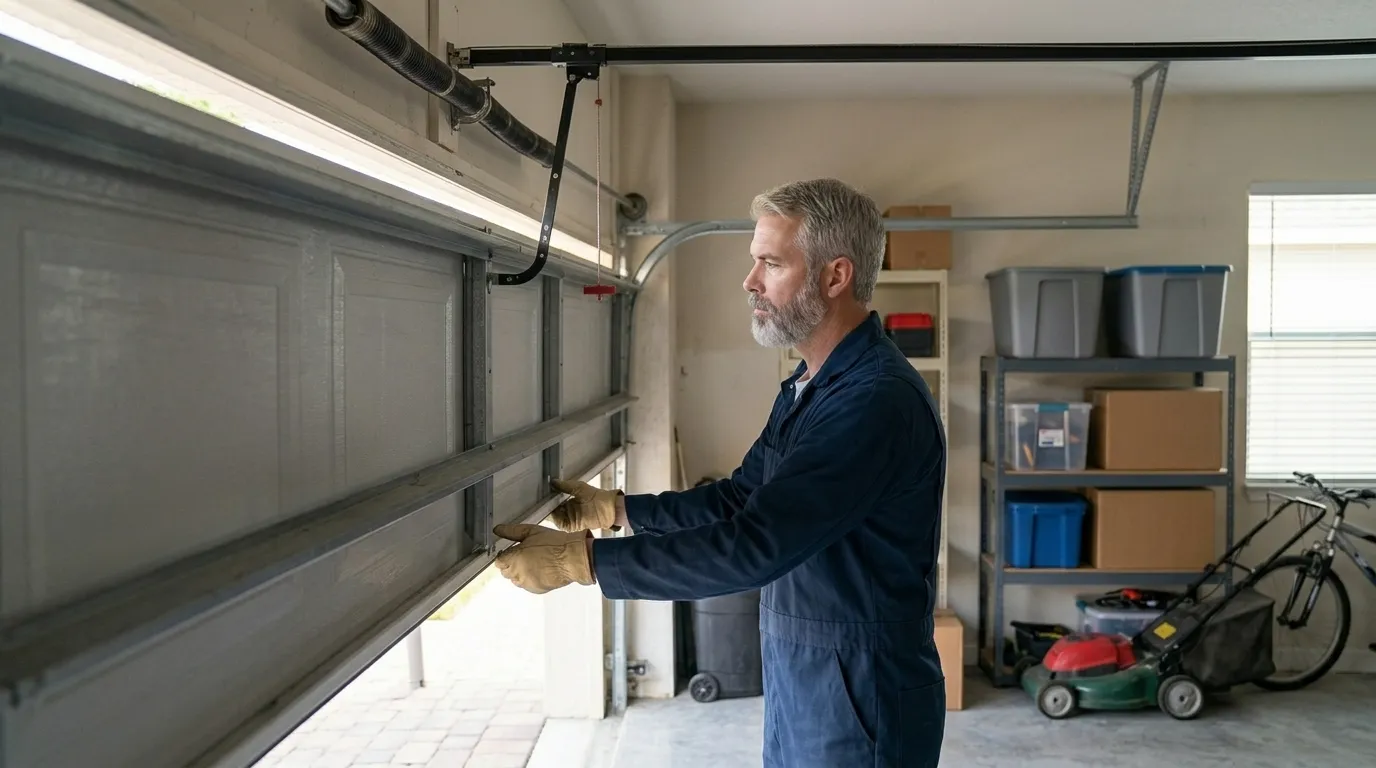
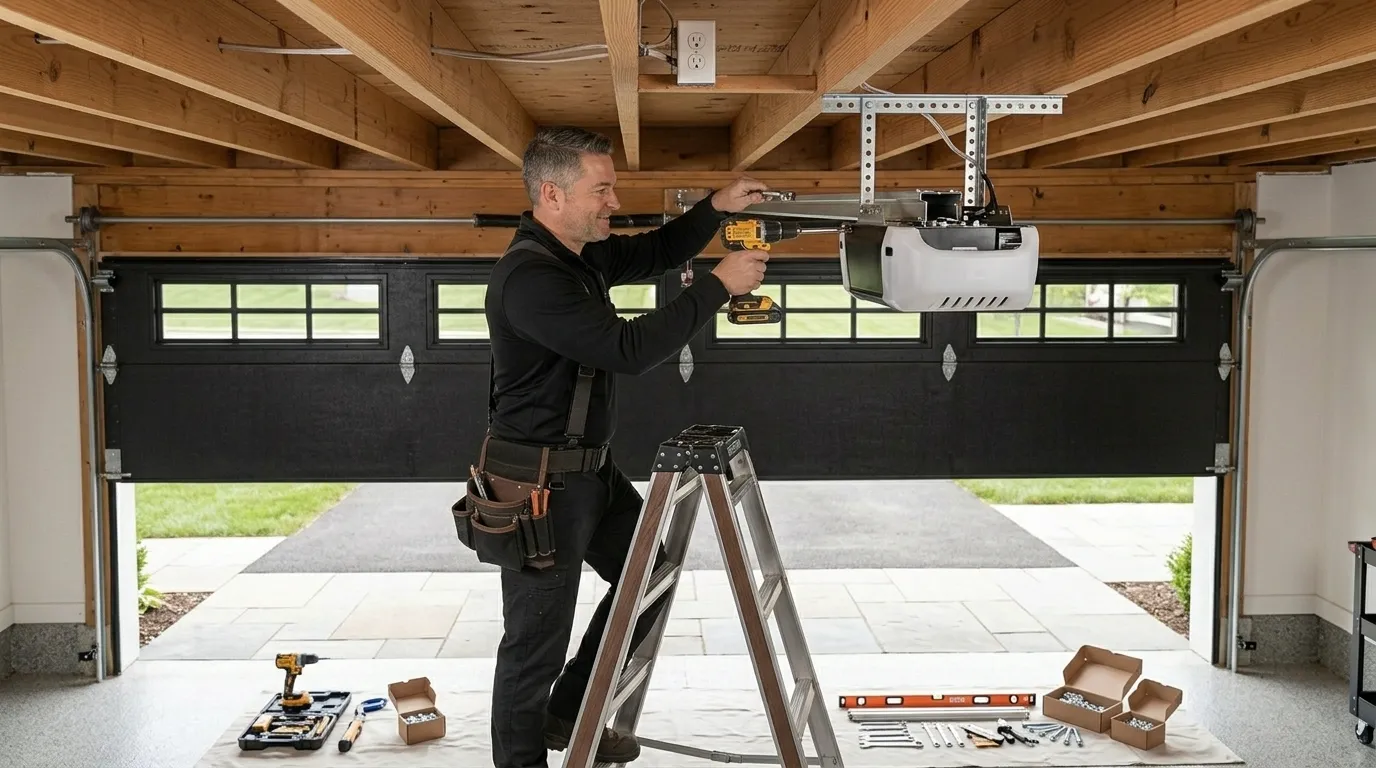
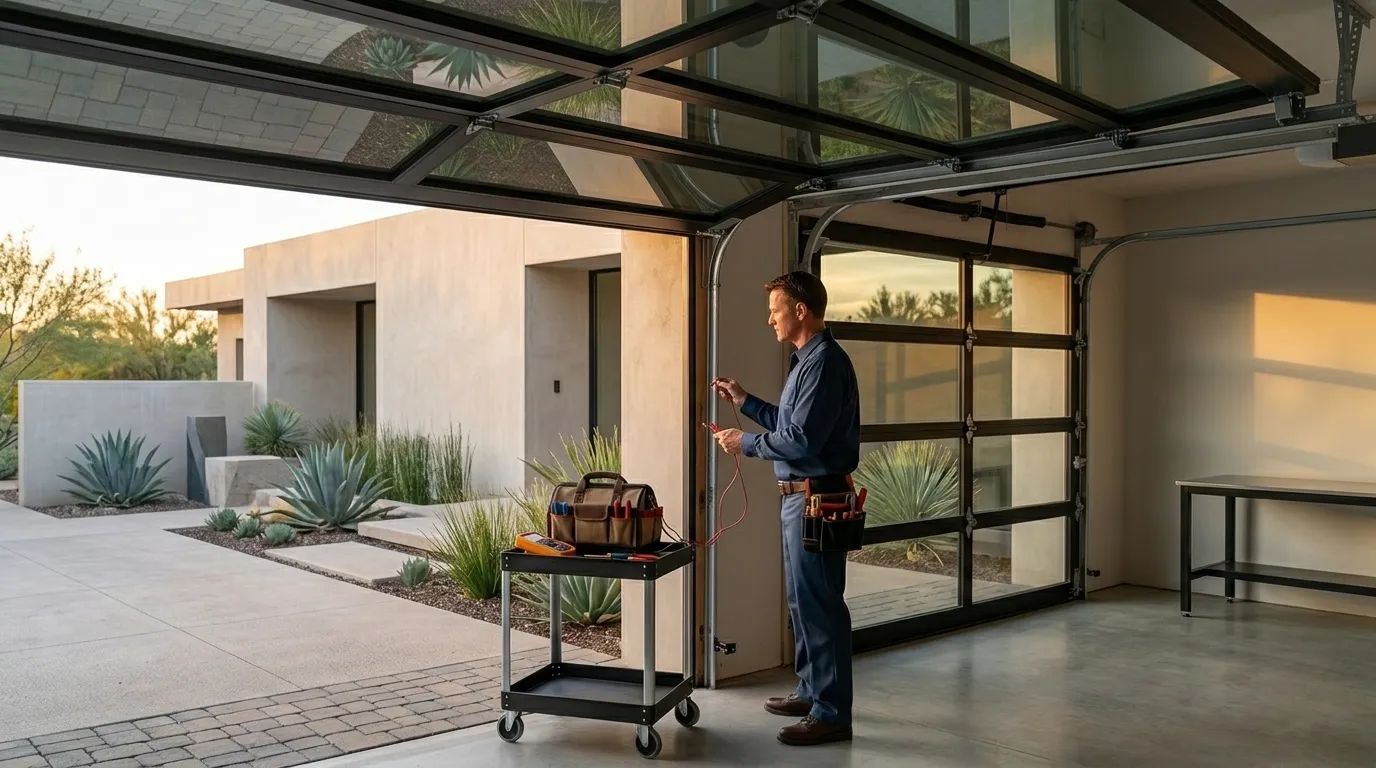
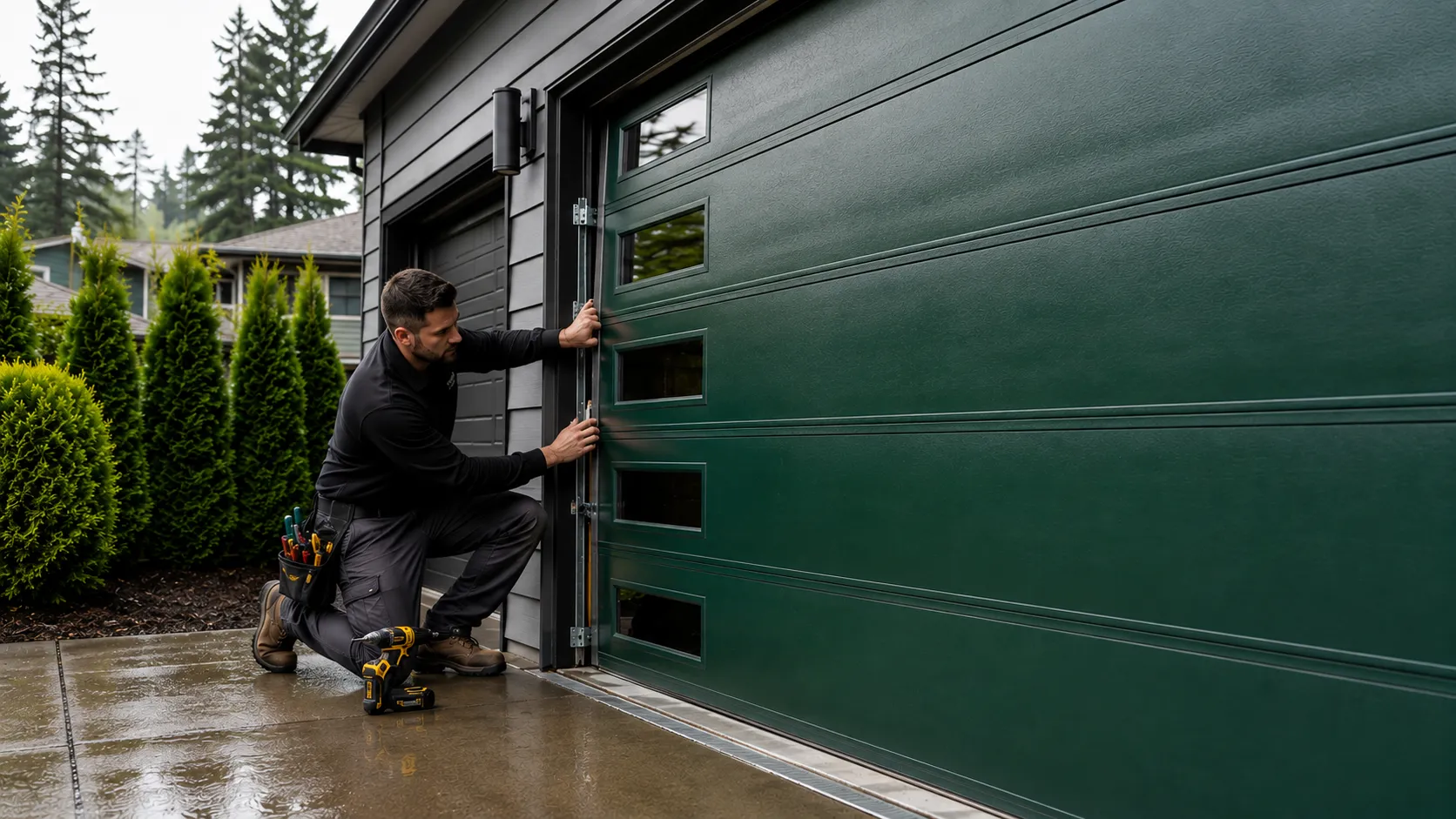
Doral's median build year is 2005, decades newer than the 1976 median across the wider service area, and that shows up in what we get called for. Instead of the seized, decades-old torsion springs we see on older stock, most Doral jobs are opener circuit boards past their service life, worn nylon rollers on doors that have cycled tens of thousands of times, and photo-eye sensors knocked out of alignment by landscaping crews or a bumped ladder during a remodel. Springs still break here, but they're usually the door's original set finally giving out rather than a mismatched replacement from a prior owner. We also see more insulated steel sectional doors with steel-backed panels than the older wood-composite doors common closer to Miami's core neighborhoods - different weight, different spring calibration, different failure points. One limitation worth saying plainly: if your opener board is an older proprietary model tied to a specific builder-grade brand, the replacement board can have a longer lead time than the visit itself, and we'll tell you that before we start rather than after.
What the Housing Means for Your Door
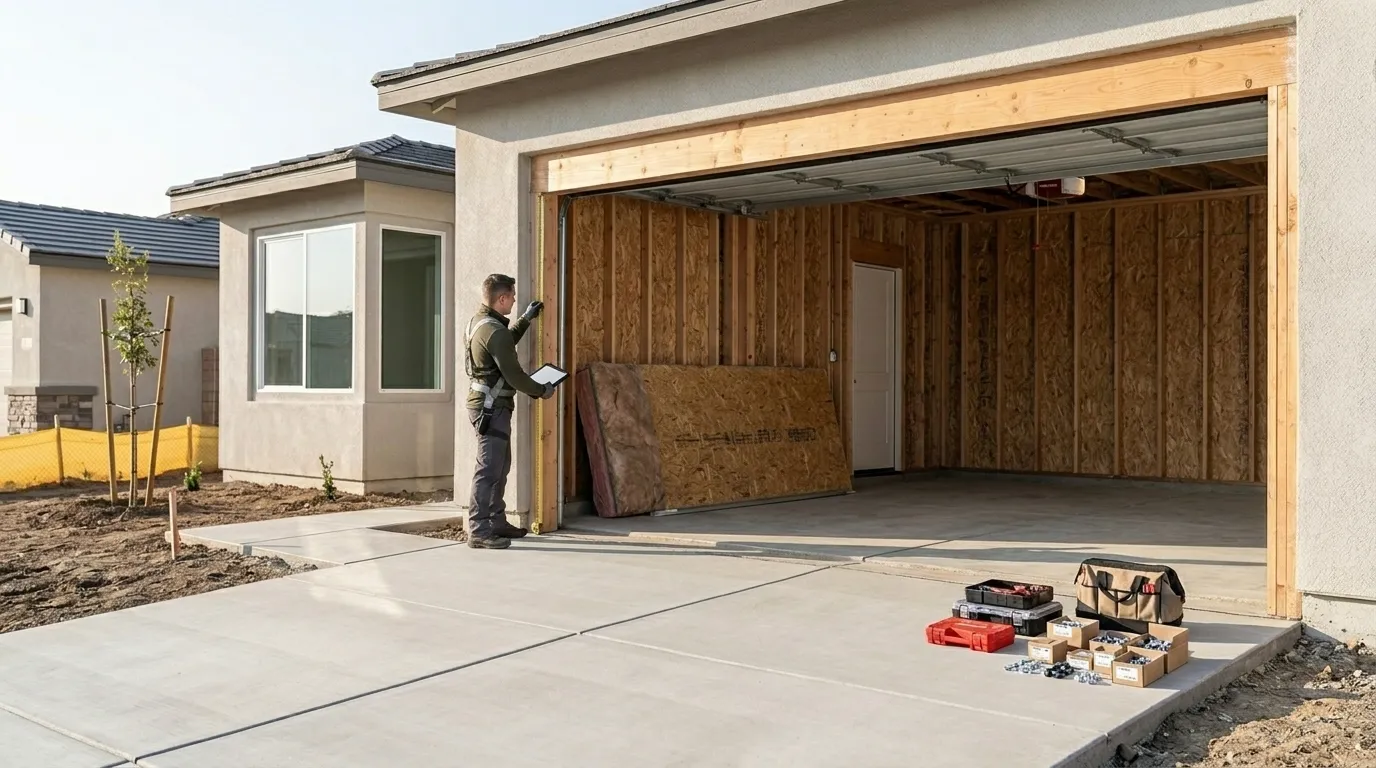
With a median household income of $88,474 in Doral, well above the $71,020 median across the broader service area, we see more owners opting to replace an aging opener outright rather than patch it repeatedly, and more requests for insulated doors suited to the mild coastal climate rather than the cheapest available panel. Newer construction also means standardized garage openings and modern lift hardware, which makes parts sourcing more predictable than on older, non-standard framing. That said, newer isn't trouble-free: doors built after 2005 often carry heavier insulated panels on standard-duty springs sized for the builder's original lighter door, which is a mismatch we find during inspections more often than homeowners expect. It's worth a look even if nothing's broken yet.