Common Jobs Here
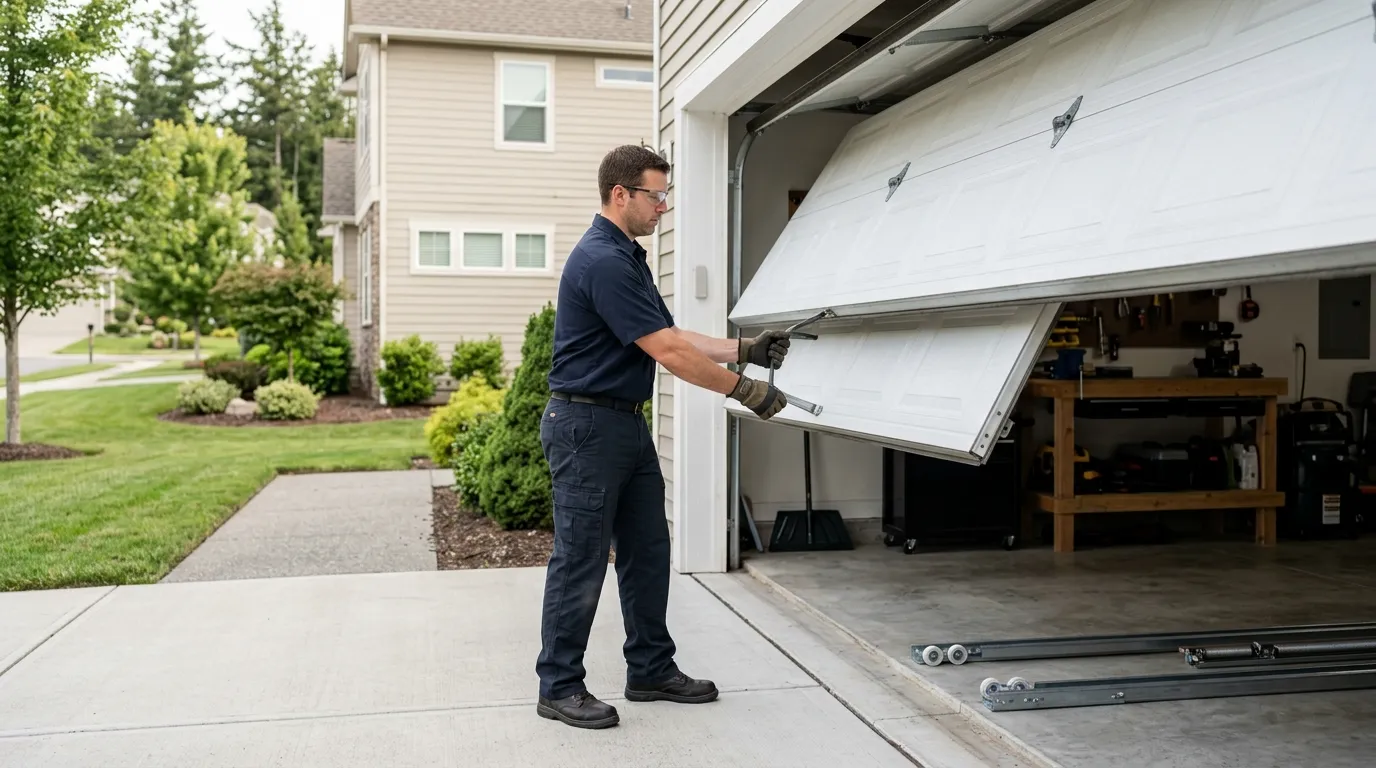
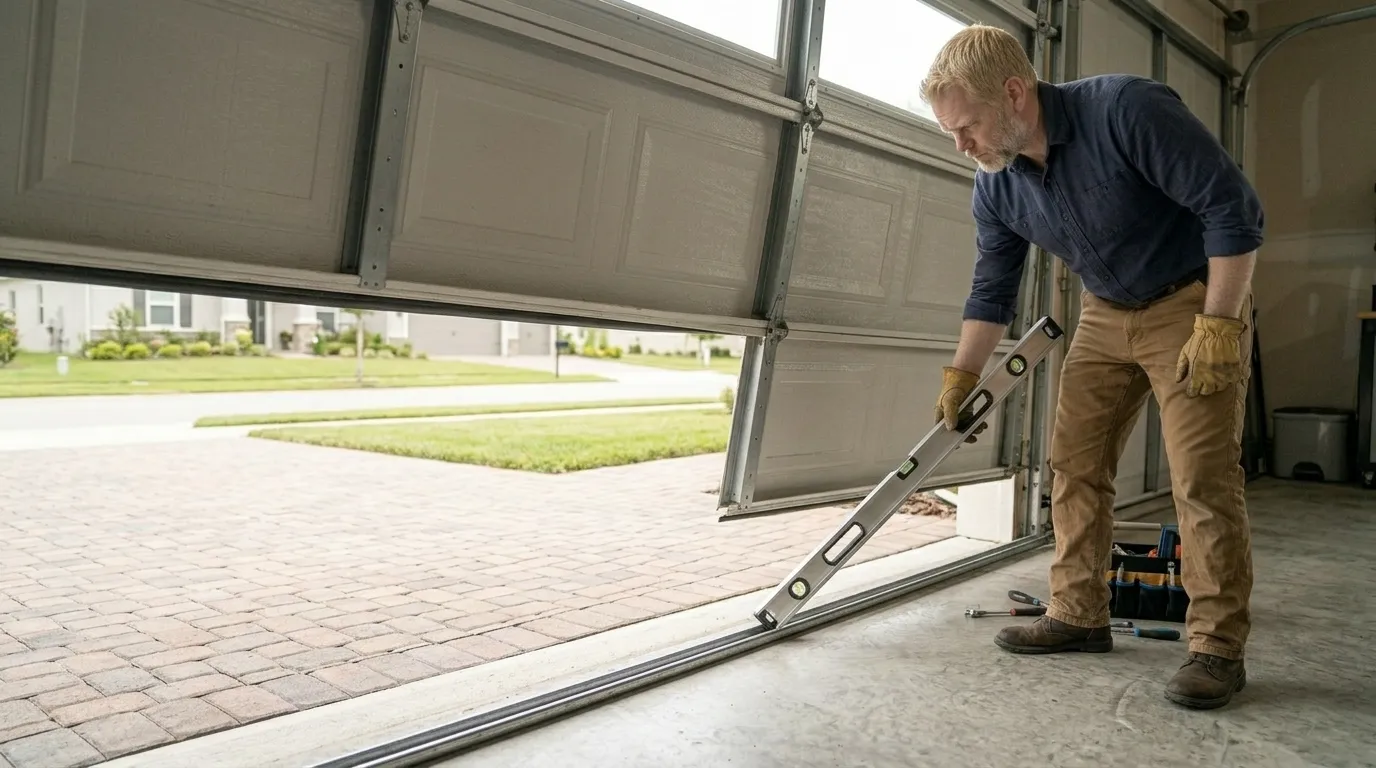
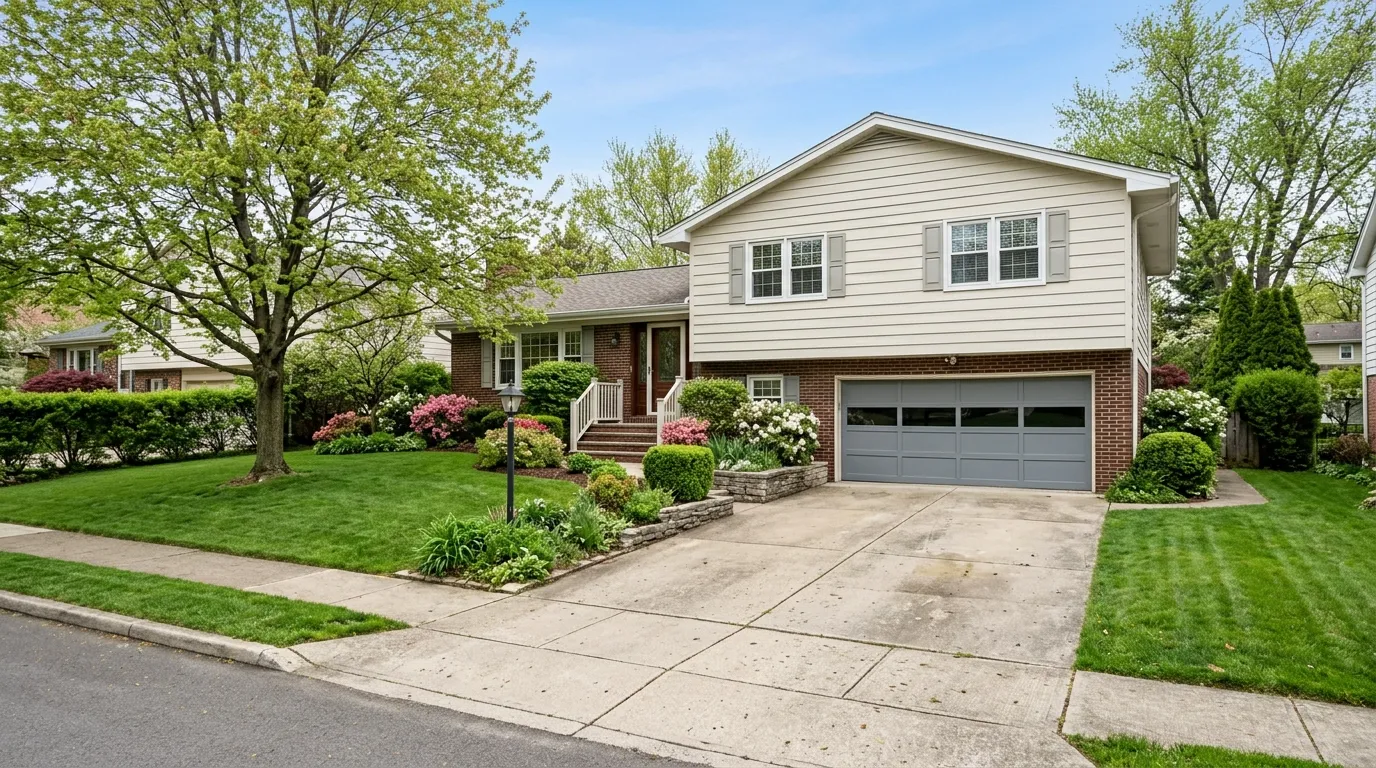
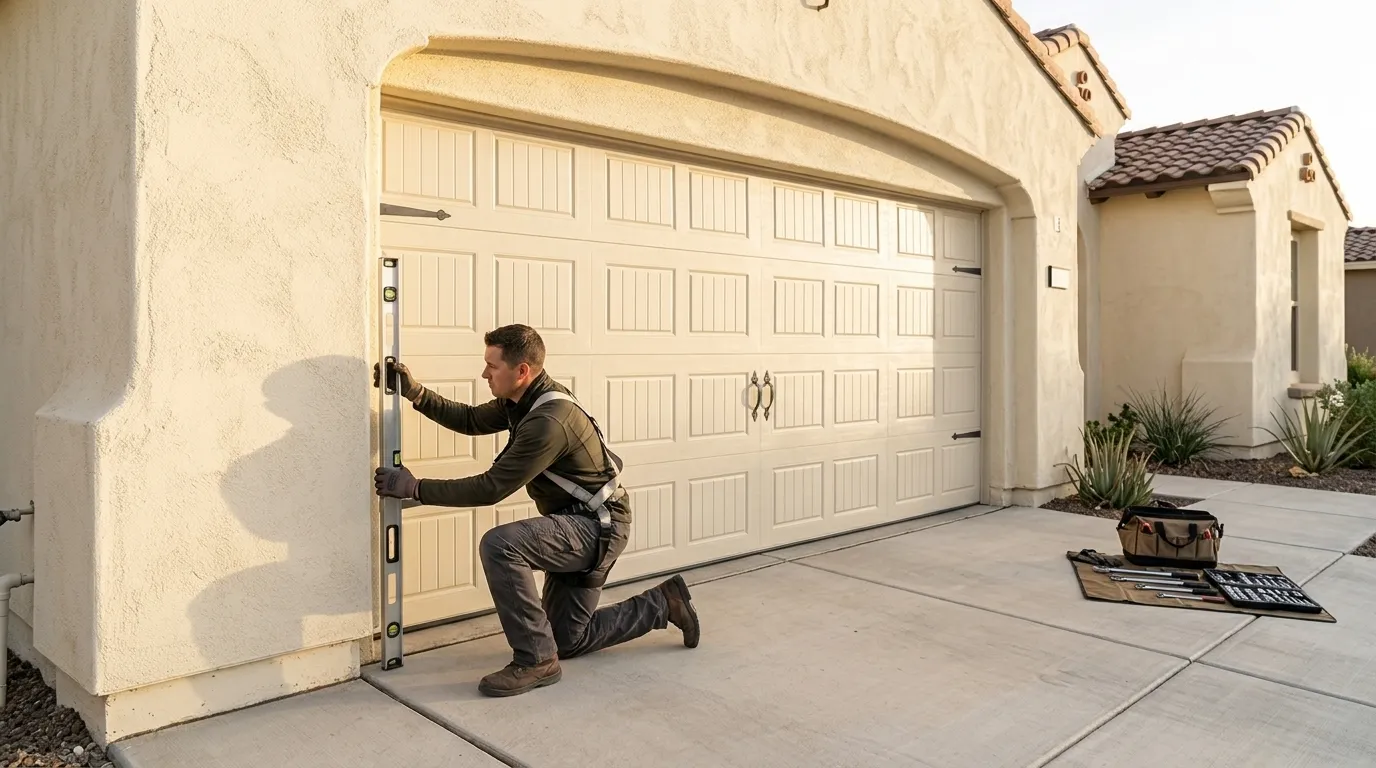
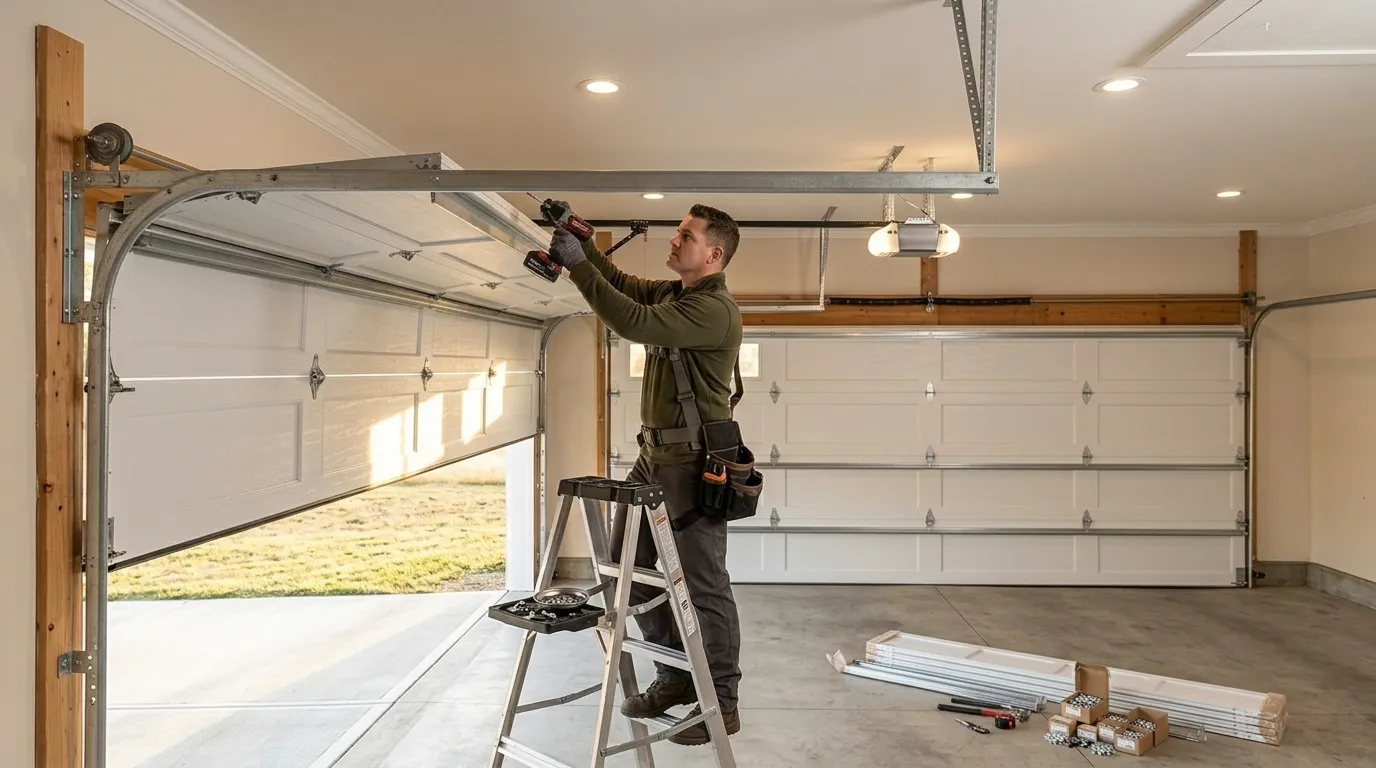
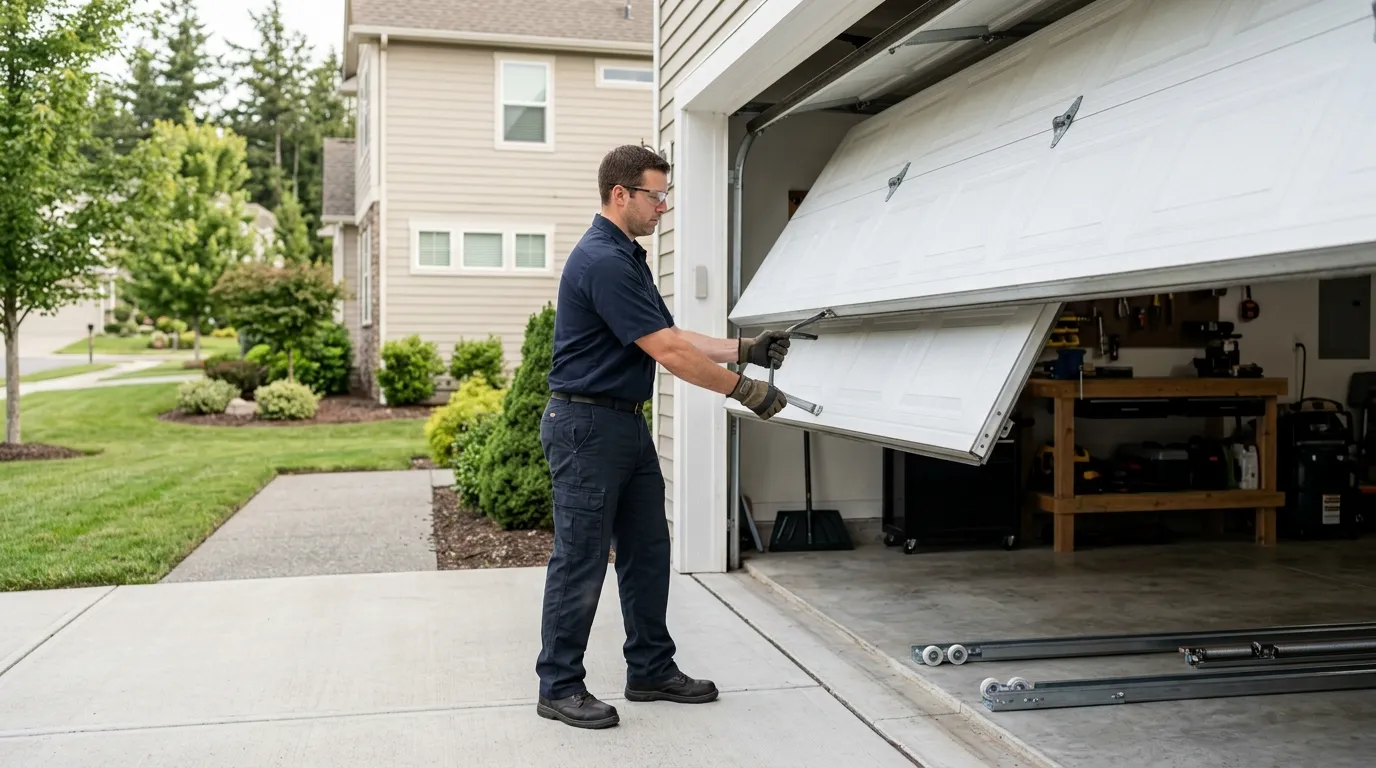
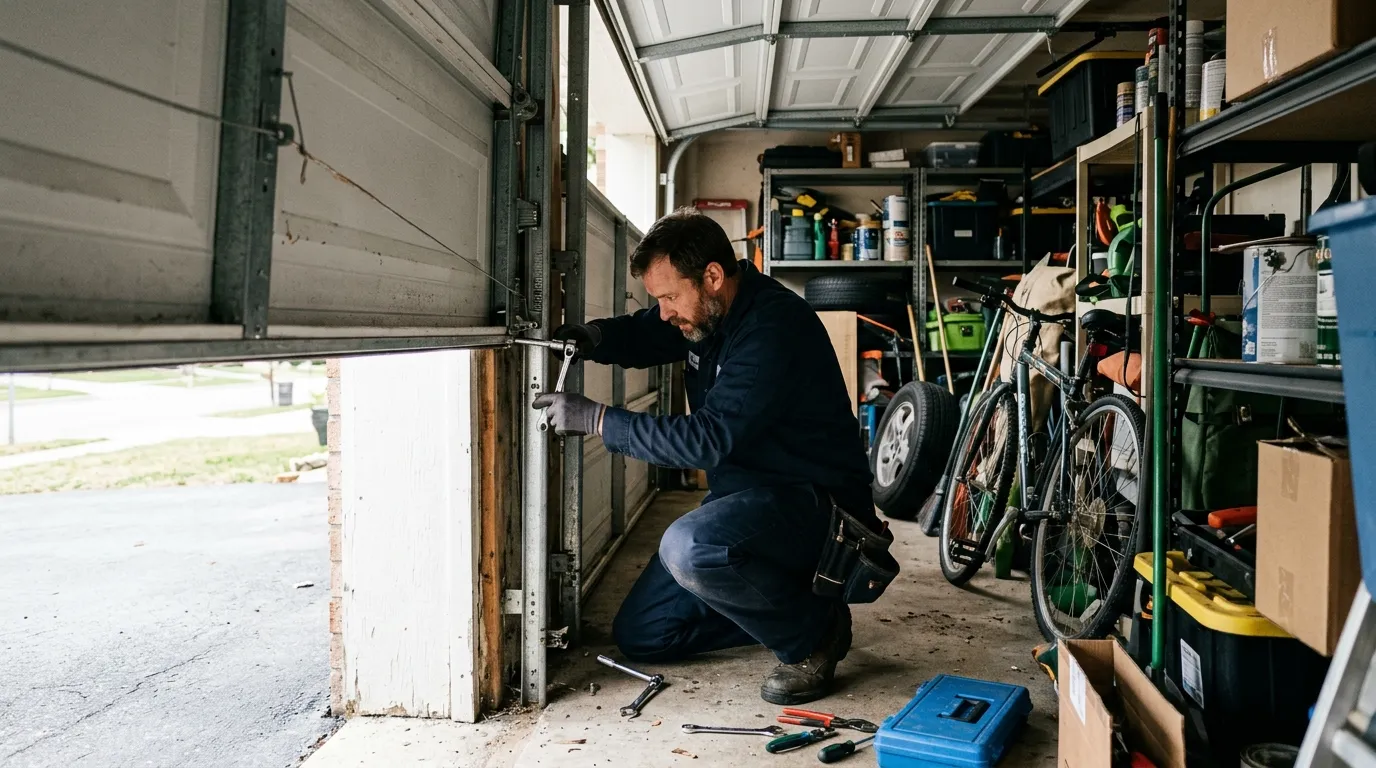
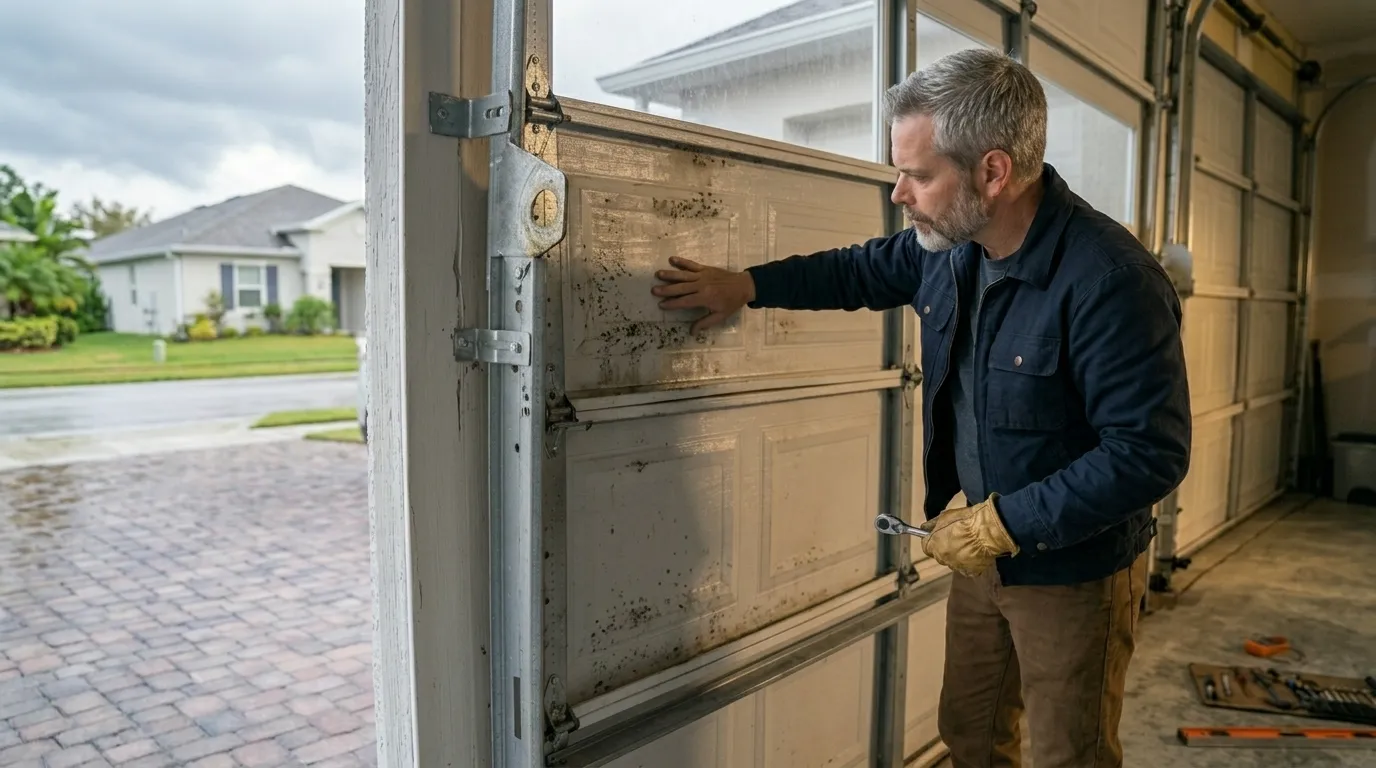
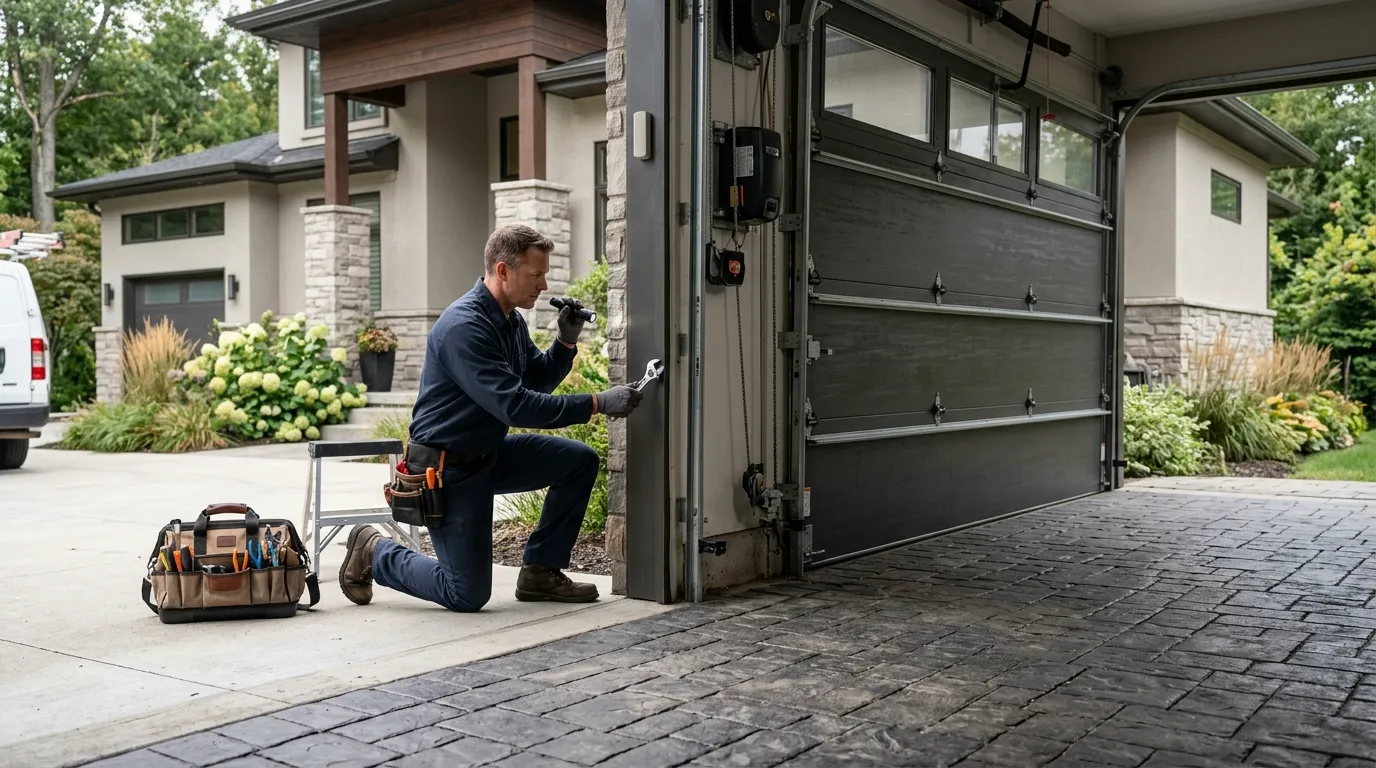
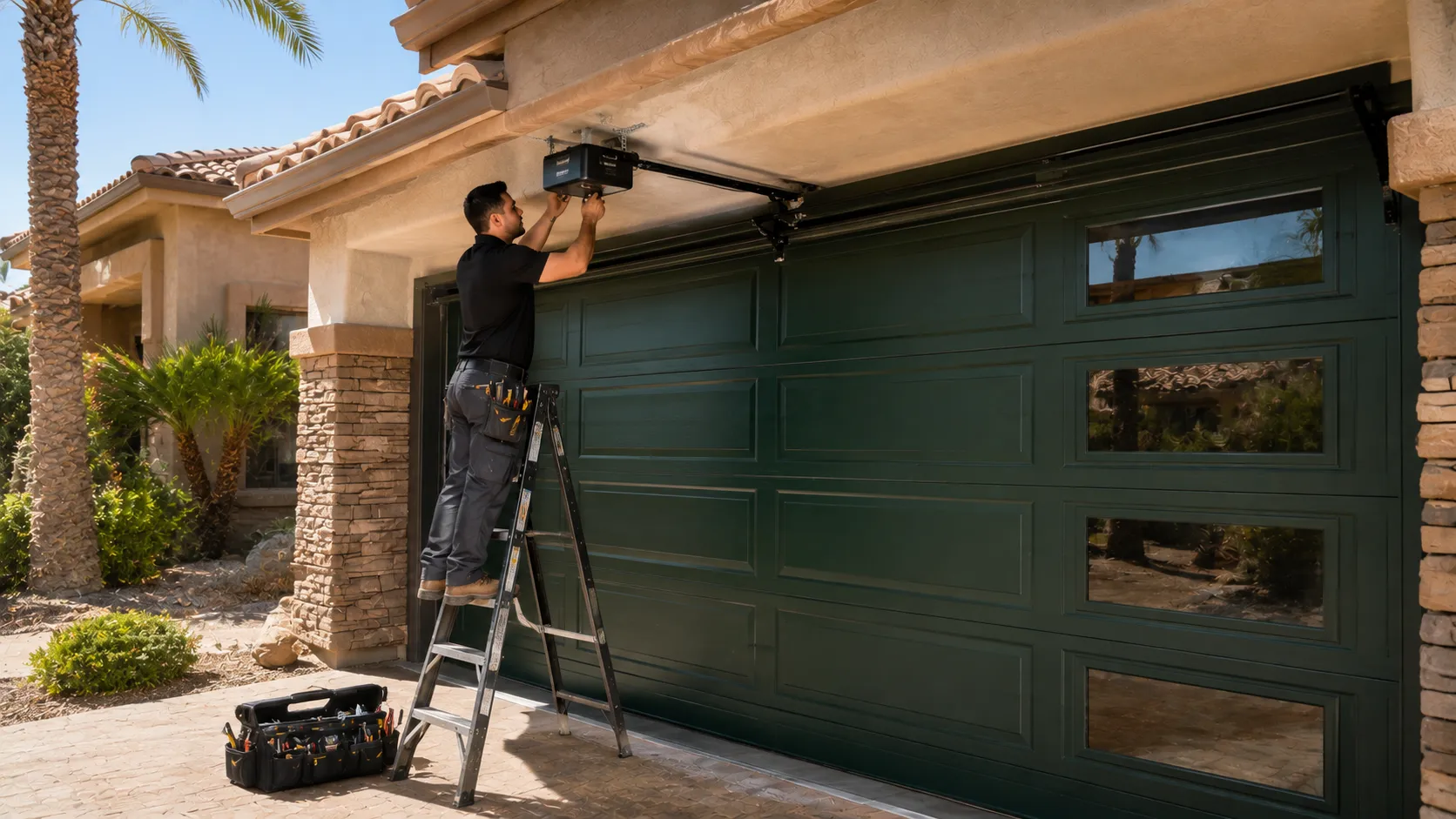
The median home in Gladeview was built around 1972, which puts a lot of doors here on older extension-spring setups or early torsion conversions rather than the newer torsion-only systems standard since the 1990s. That shows up as worn-out extension springs with no containment cable, a fault we still see fairly often on this vintage of house and one that's a real safety fix, not just a nuisance repair. We also get openers original to a later remodel rather than the house itself, paired with track hardware that's been reset or shimmed over the years - so alignment complaints (door drifting, chain slap, reversing on its own) are common. With median household income here at $44,560, we try to be straight about repair-versus-replace: a lot of these jobs are a spring and cable fix, not a full door swap, and we'll say so instead of upselling a new install.
What the Housing Means for Your Door
Gladeview's housing stock is noticeably older than the median across the wider service area, which runs 1953 to 2005 with a midpoint near 1976. At roughly 1972, Gladeview sits right at that midpoint, which in practice means original door openings sized to older single-piece or narrow sectional doors, and hardware brackets mounted for spring weights that don't match what's sold off the shelf today. If your opener or springs have never been touched, they're likely original or a like-for-like replacement from decades back, and parts for that generation aren't always something we can grab same-day - sometimes we're waiting on a supplier for a specific spring wire size. Miami's mild temperate climate has been kind to steel track and hardware here compared to freeze-thaw regions, so corrosion tends to be the slower failure mode, with fatigue on the springs themselves being the more common reason we get called.