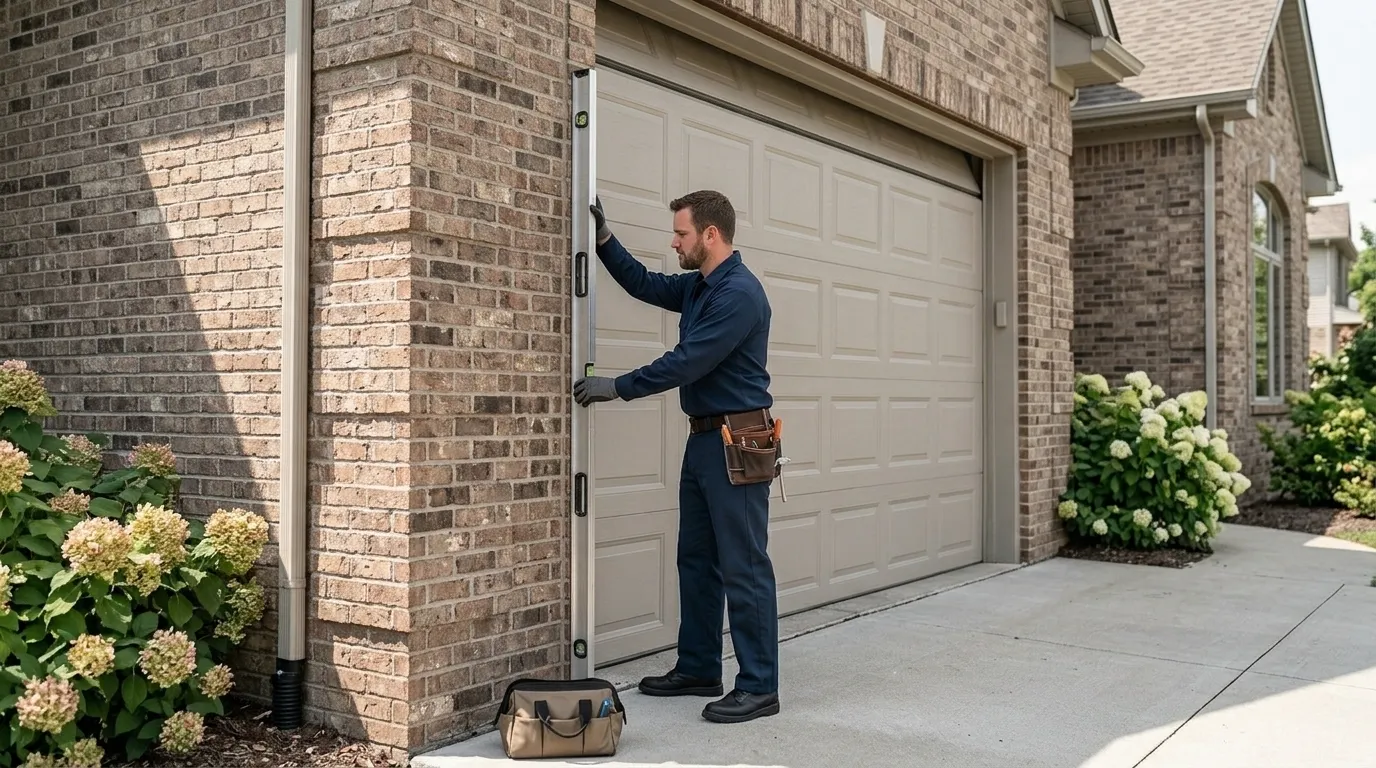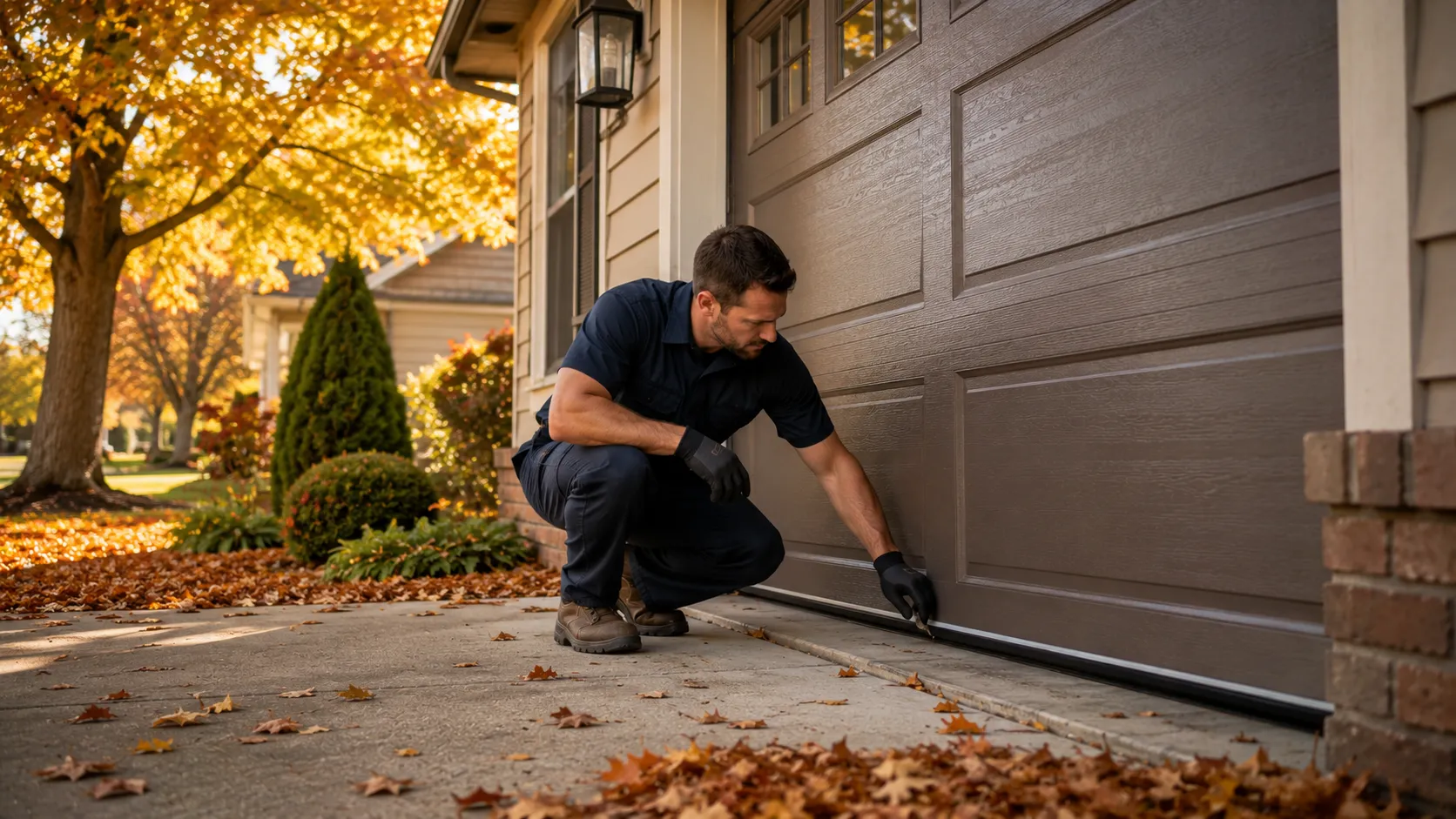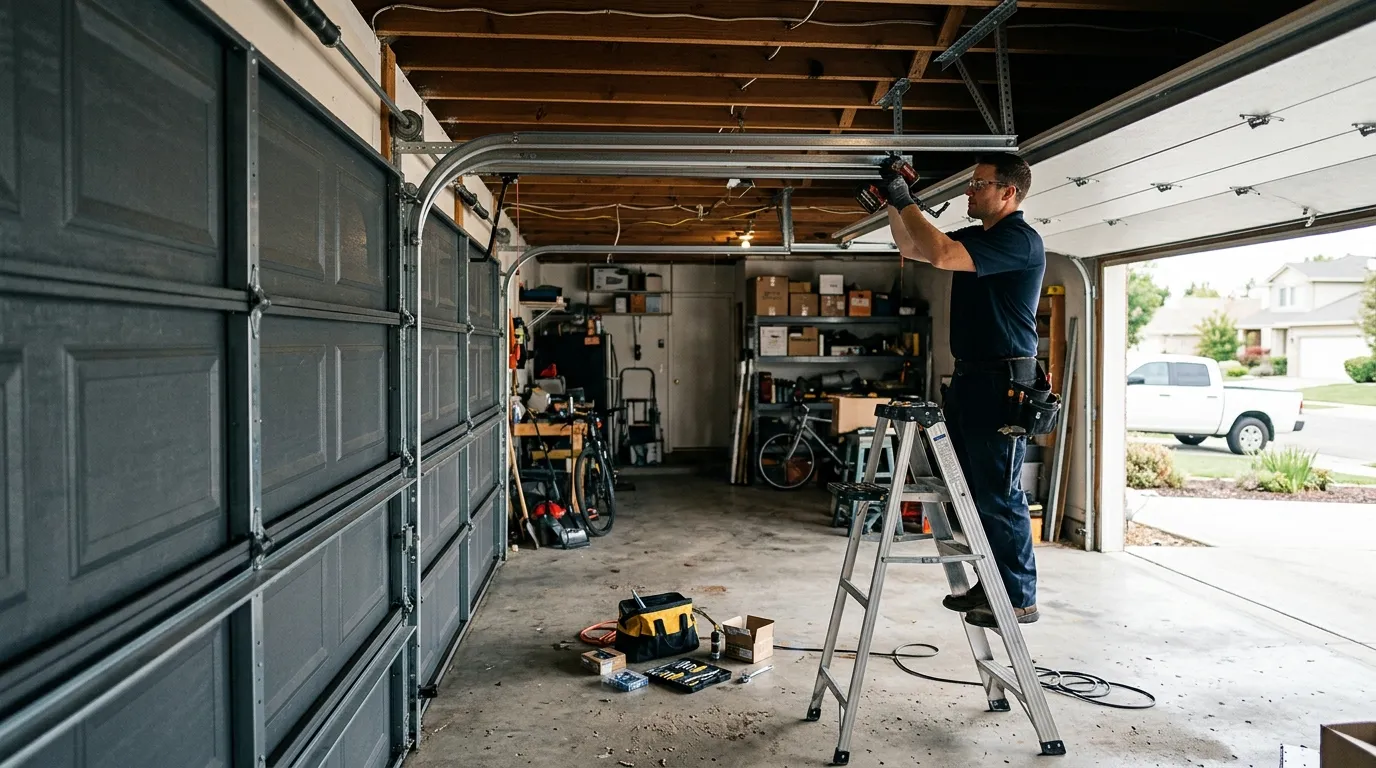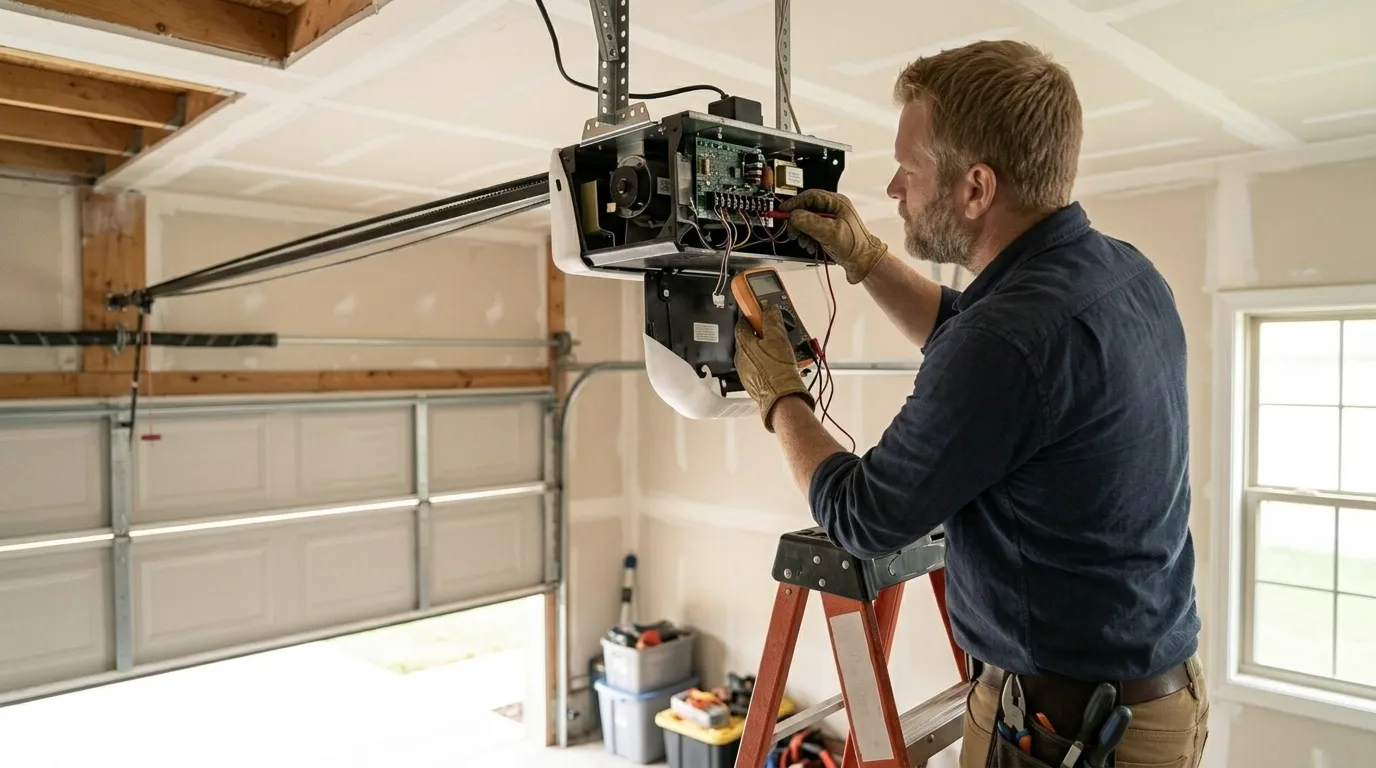
Common Jobs Here
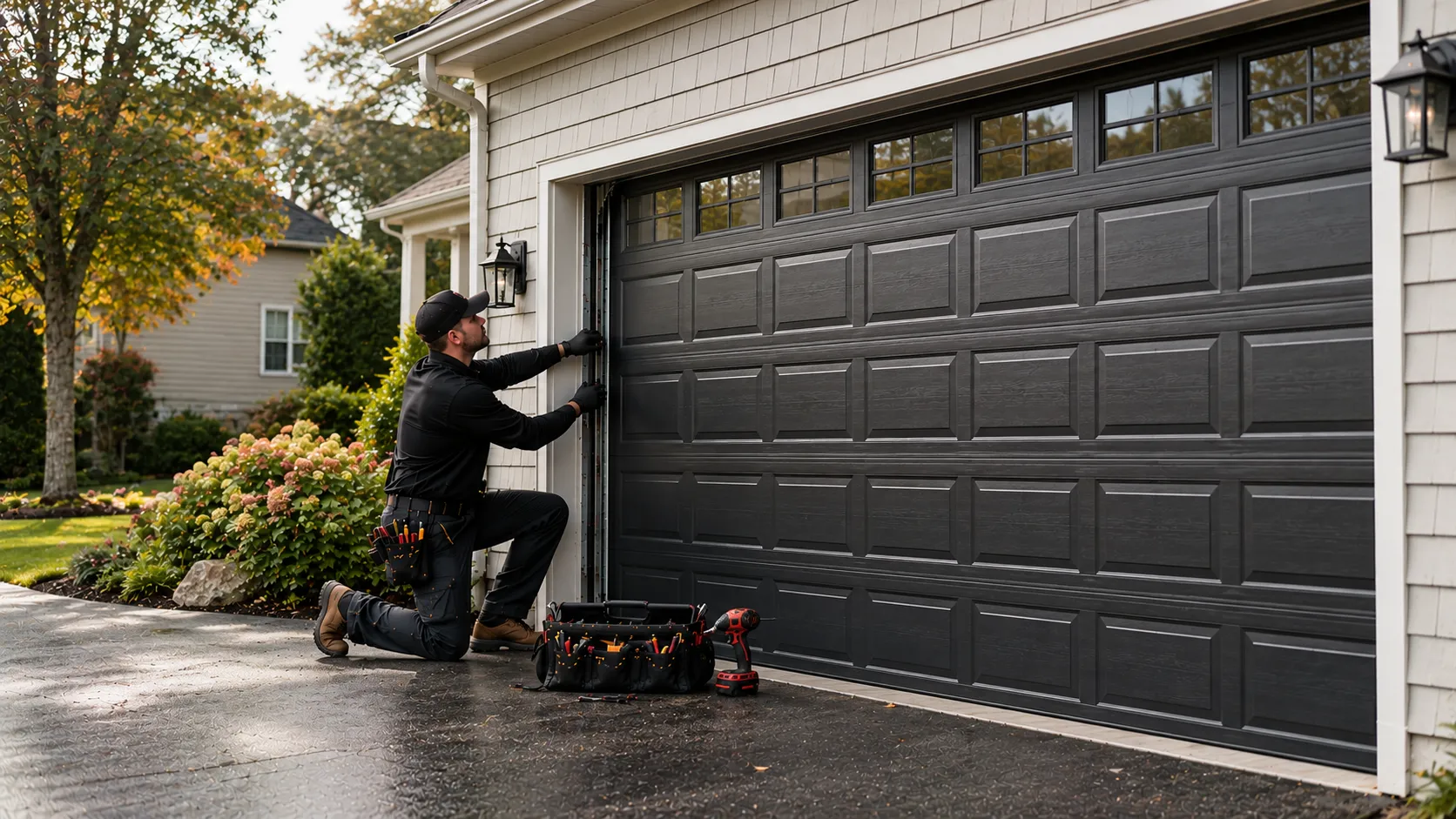
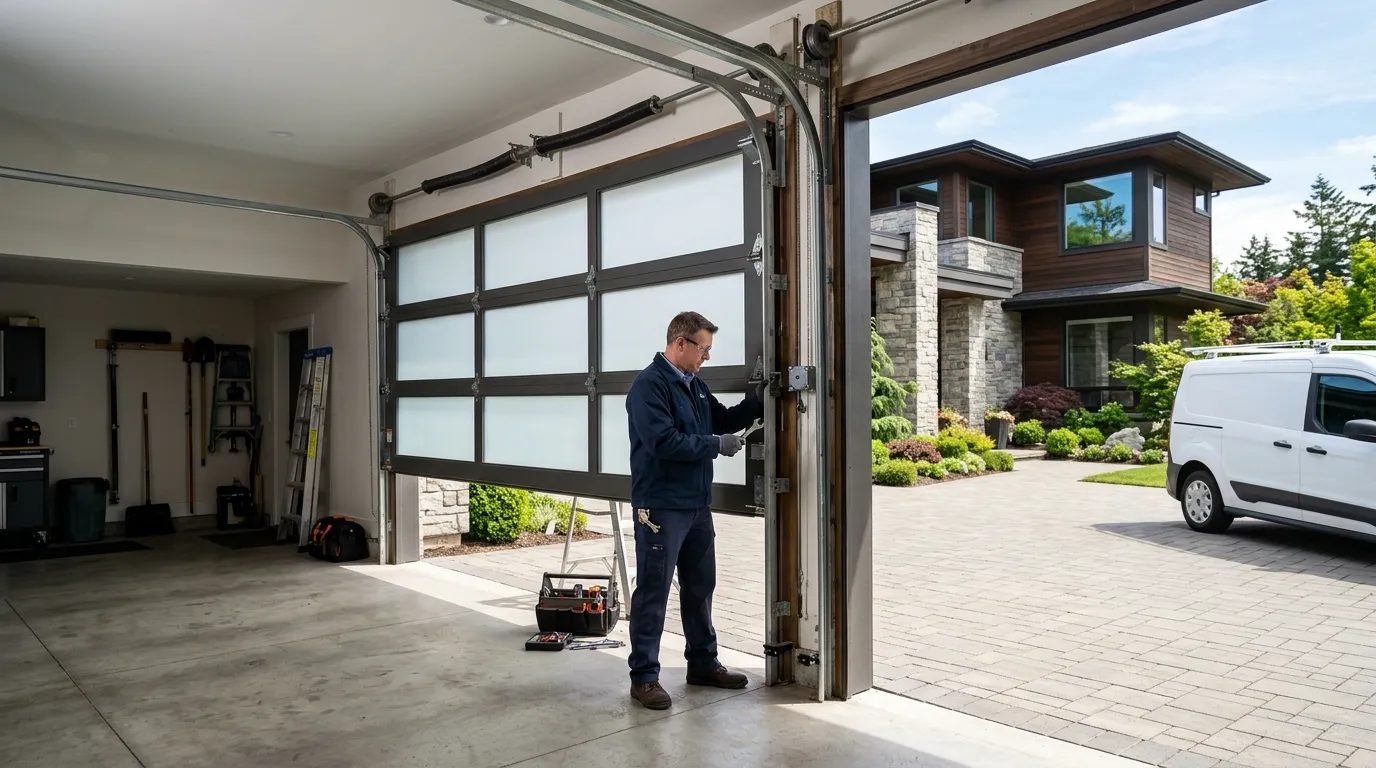
Houses in Glenvar Heights cluster around a median build year of 1978, which puts most garage doors and openers here squarely in the second or third replacement cycle. That means we see a lot of torsion springs that were swapped once already in the 1990s or 2000s and are due again, plus openers with chain drives that are original to a mid-2000s upgrade rather than the house itself. Steel sectional doors from that era used lighter gauge panels than what's sold today, so dents and bowed bottom sections show up more here than in newer subdivisions.
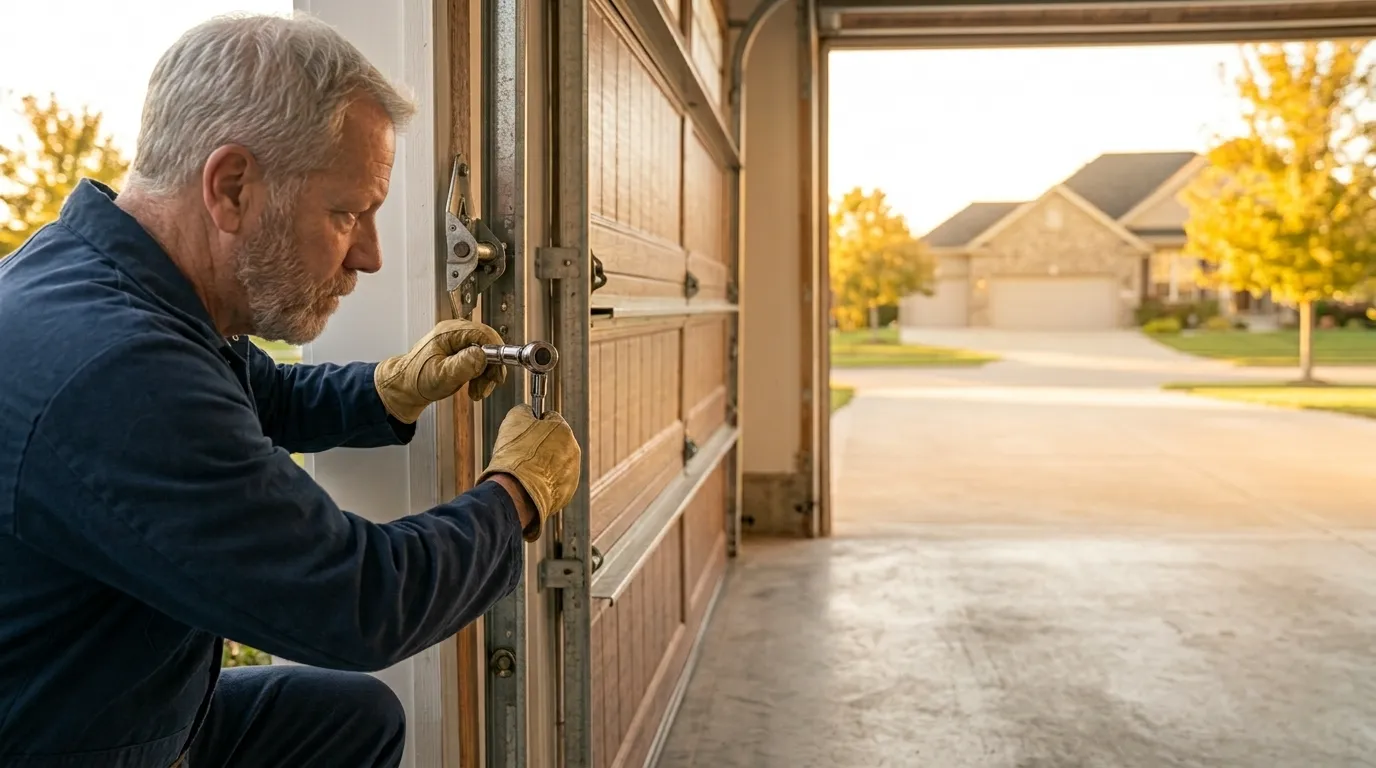
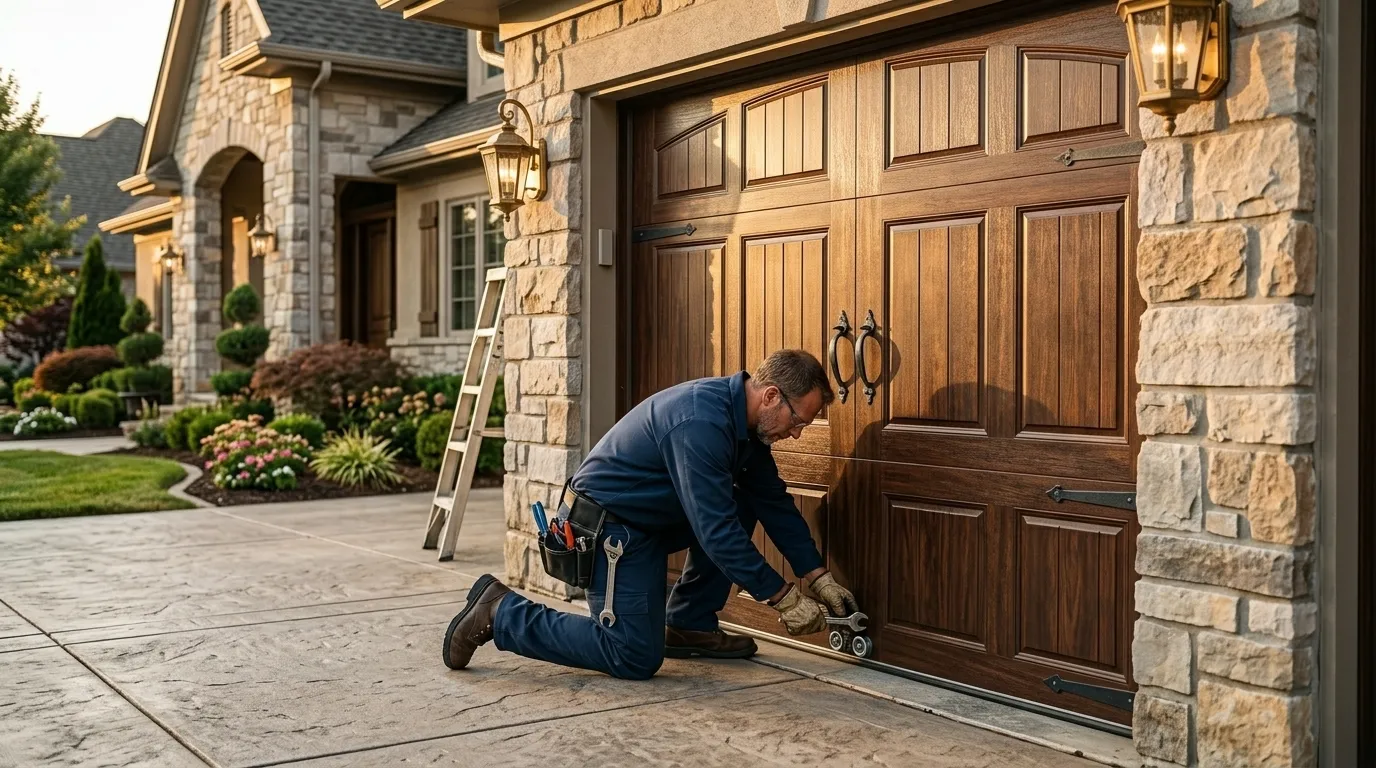
We also get called for rollers that have gone loud - nylon rollers from a 1980s or 90s install don't hold up forever, and Glenvar Heights has enough of that vintage stock that it's one of our steadier repair categories in the area. Cable fraying near the drum is another one we watch for on doors that haven't been serviced since installation.
What the Housing Means for Your Door
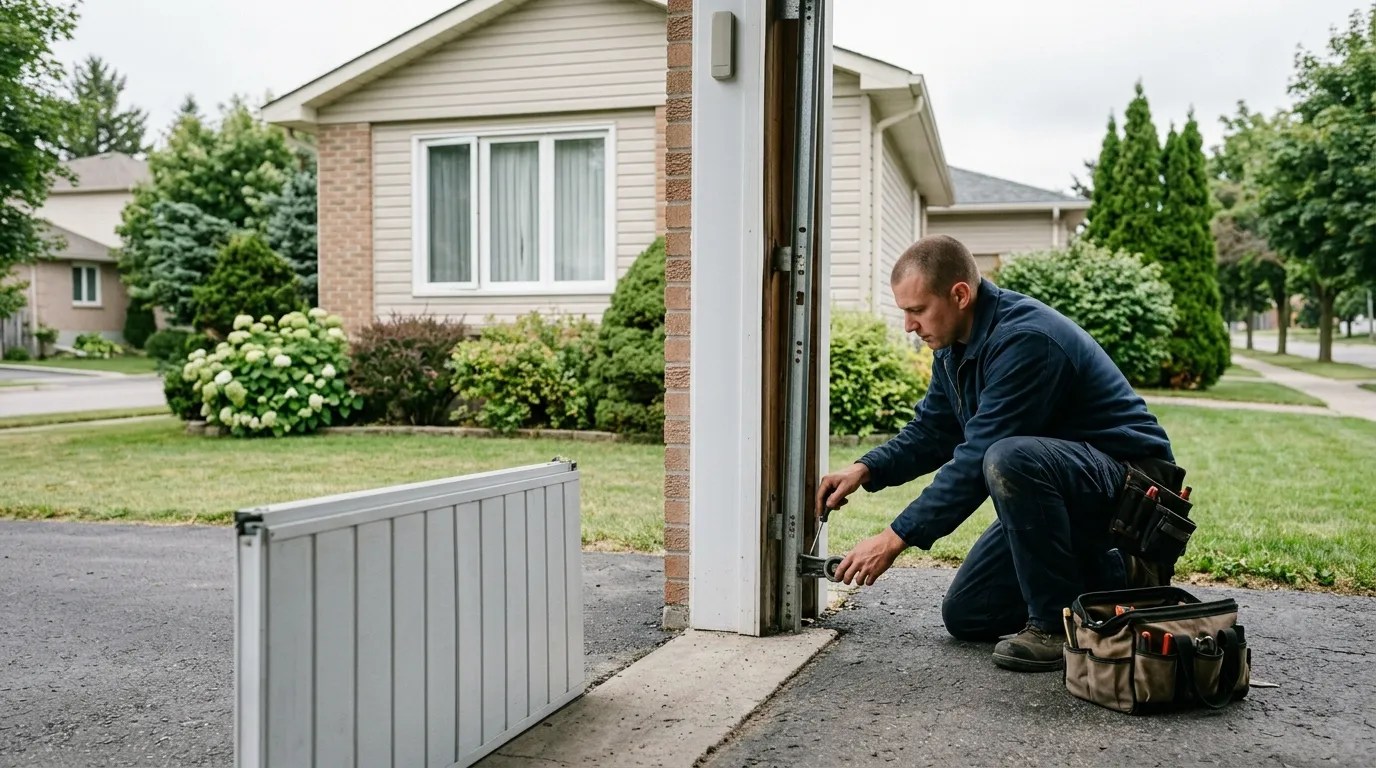
A 1978 median build year means the housing here predates a lot of the standard hardware sizing used in doors built after 2000. Track widths, spring wind counts, and drum sizes from that period don't always match what's on the shelf at a big box store, which is part of why a repair on an older Glenvar Heights door sometimes takes an extra step to source the right part rather than grab a universal one. We carry a range of springs and cable stock on the truck for exactly this reason, but we won't pretend every odd-size part is a same-day fix - some older torsion assemblies need parts we have to order, and we'll tell you that upfront rather than jury-rig something that won't hold.
The area's mild temperate climate is easier on garage door hardware than it is in places with real freeze-thaw cycles, so corrosion and cracked seals aren't the main issue here. What we see instead is straightforward mechanical fatigue - springs, rollers, and cables that have simply done their cycle count.