
Common Jobs Here
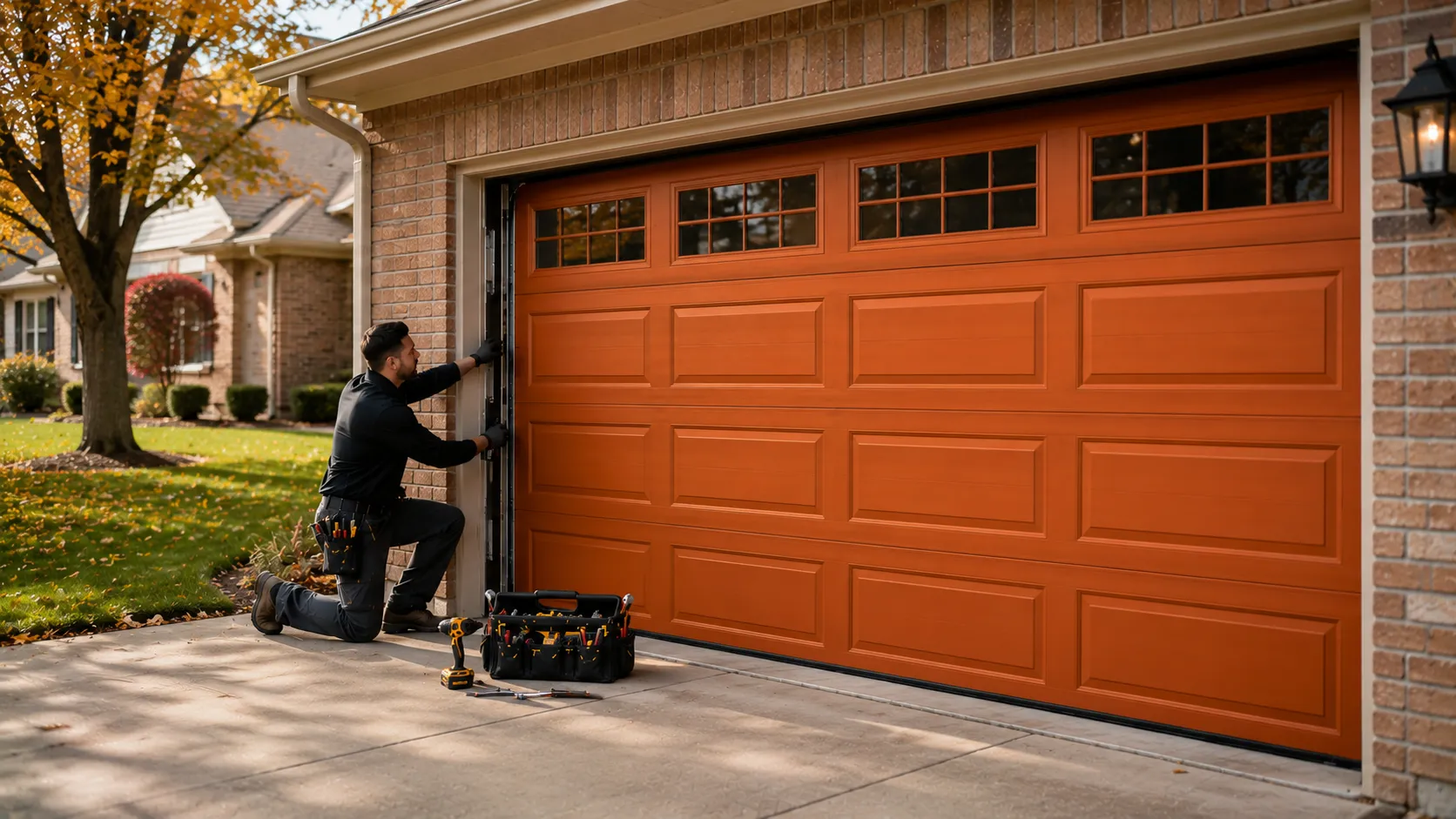
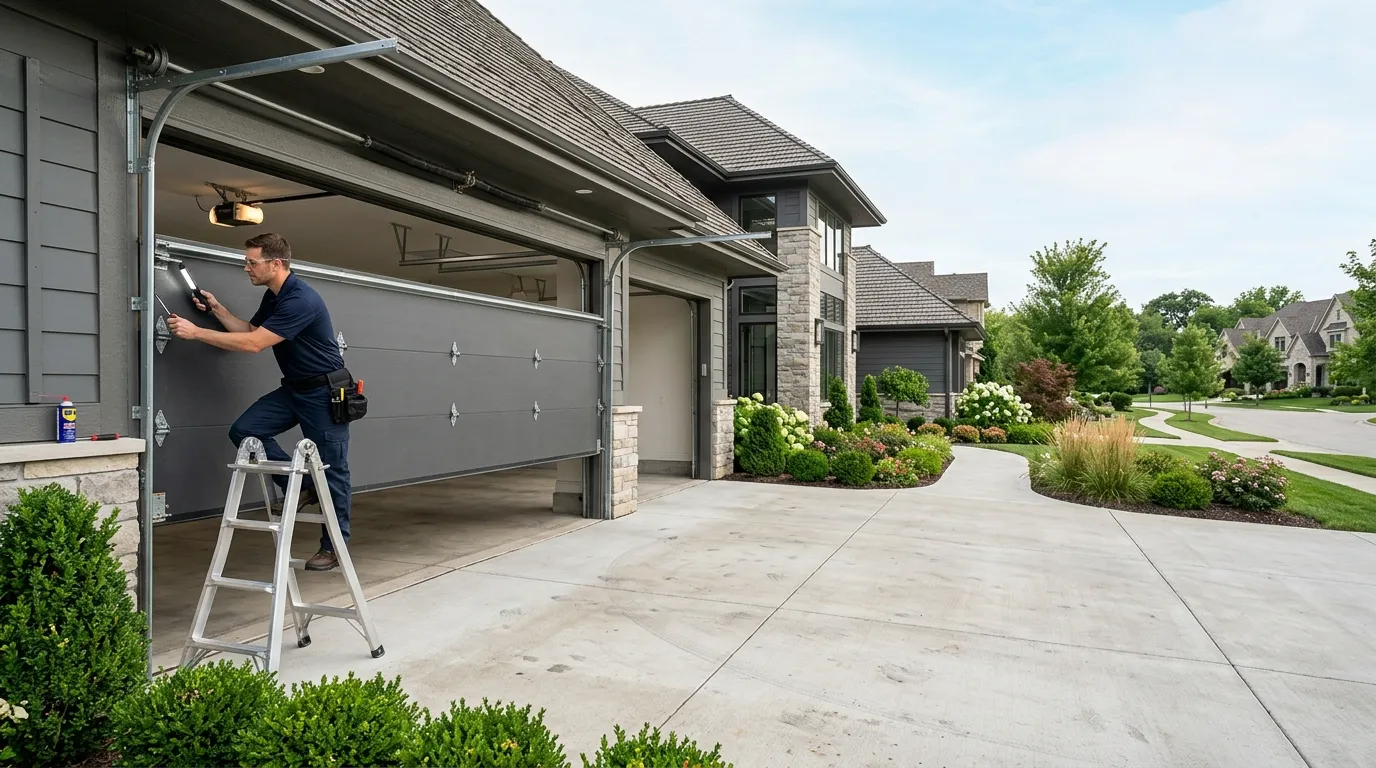
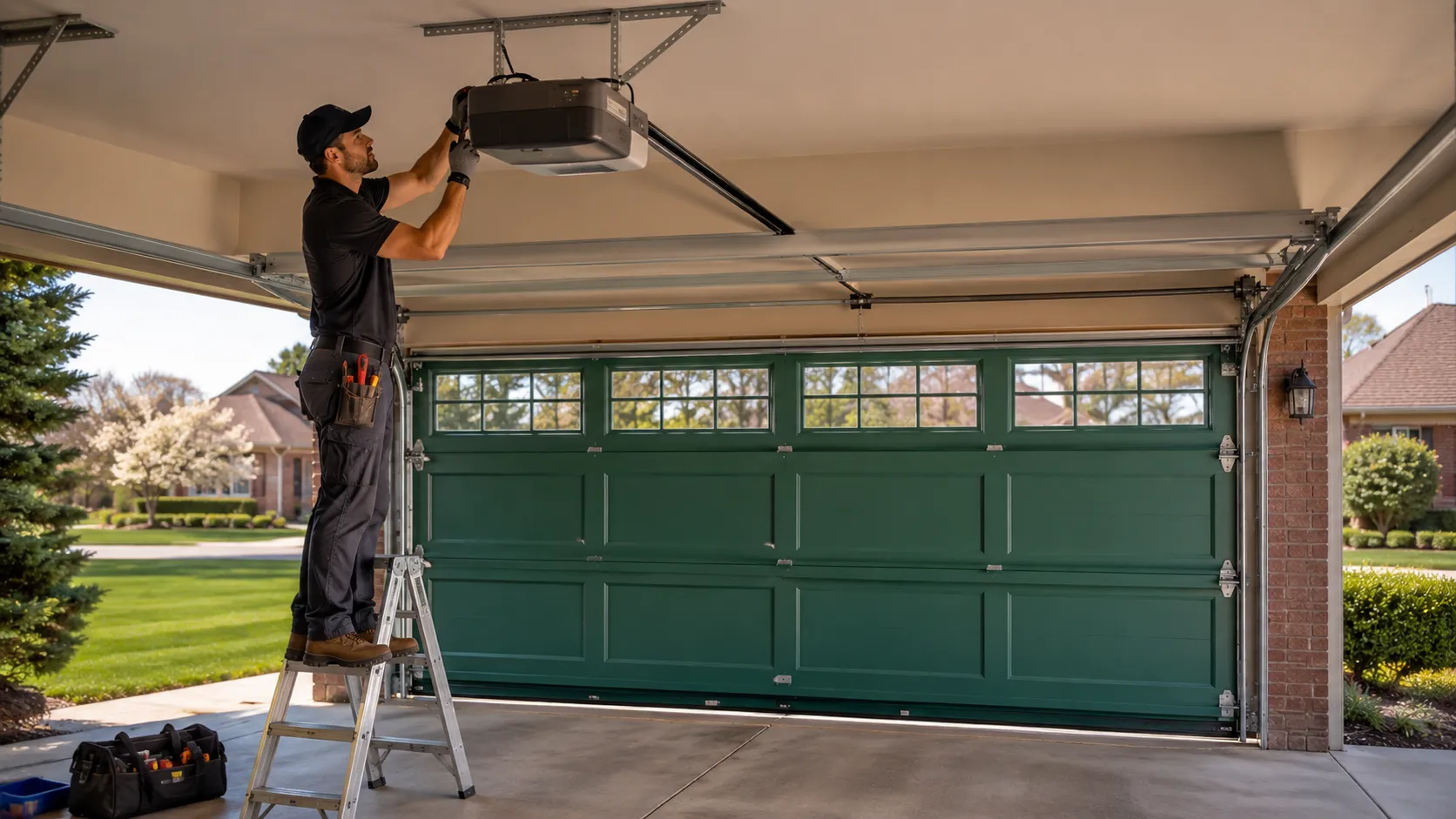
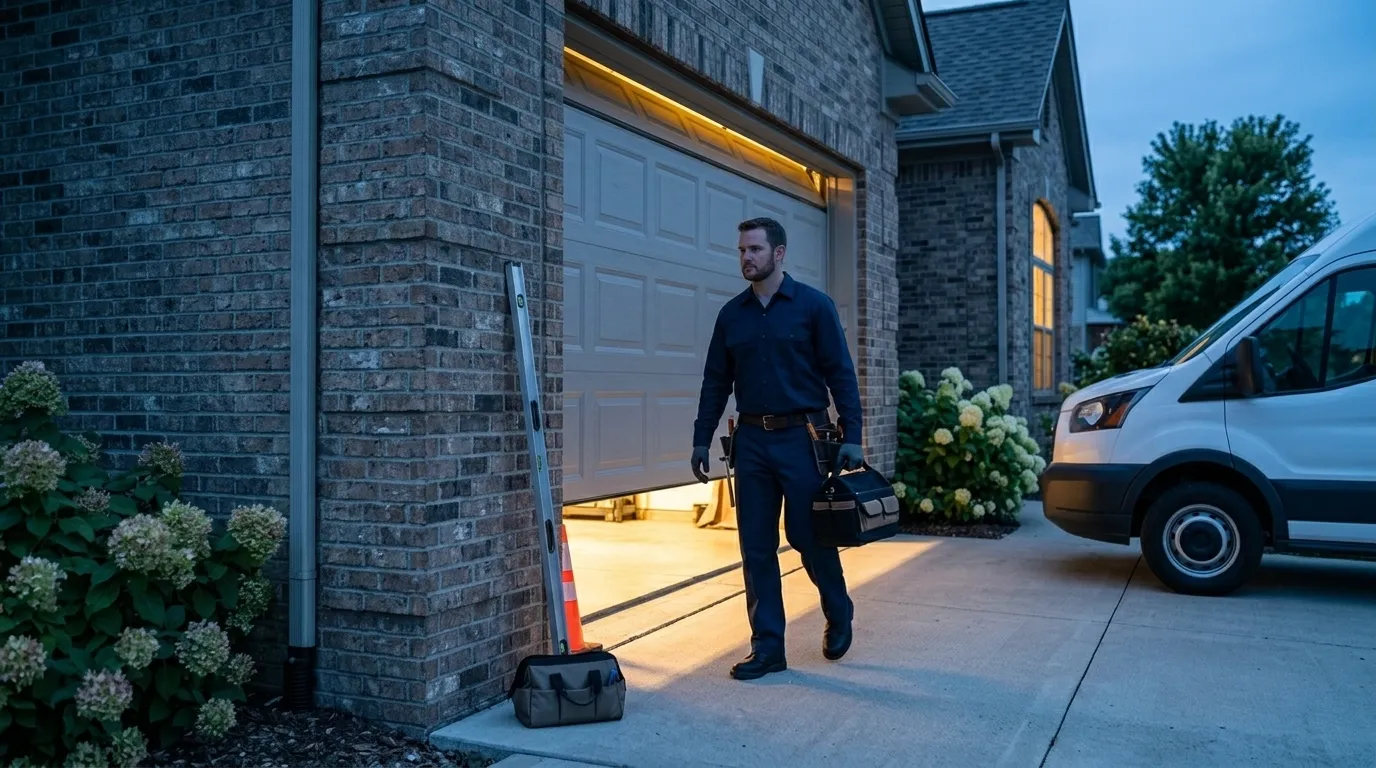
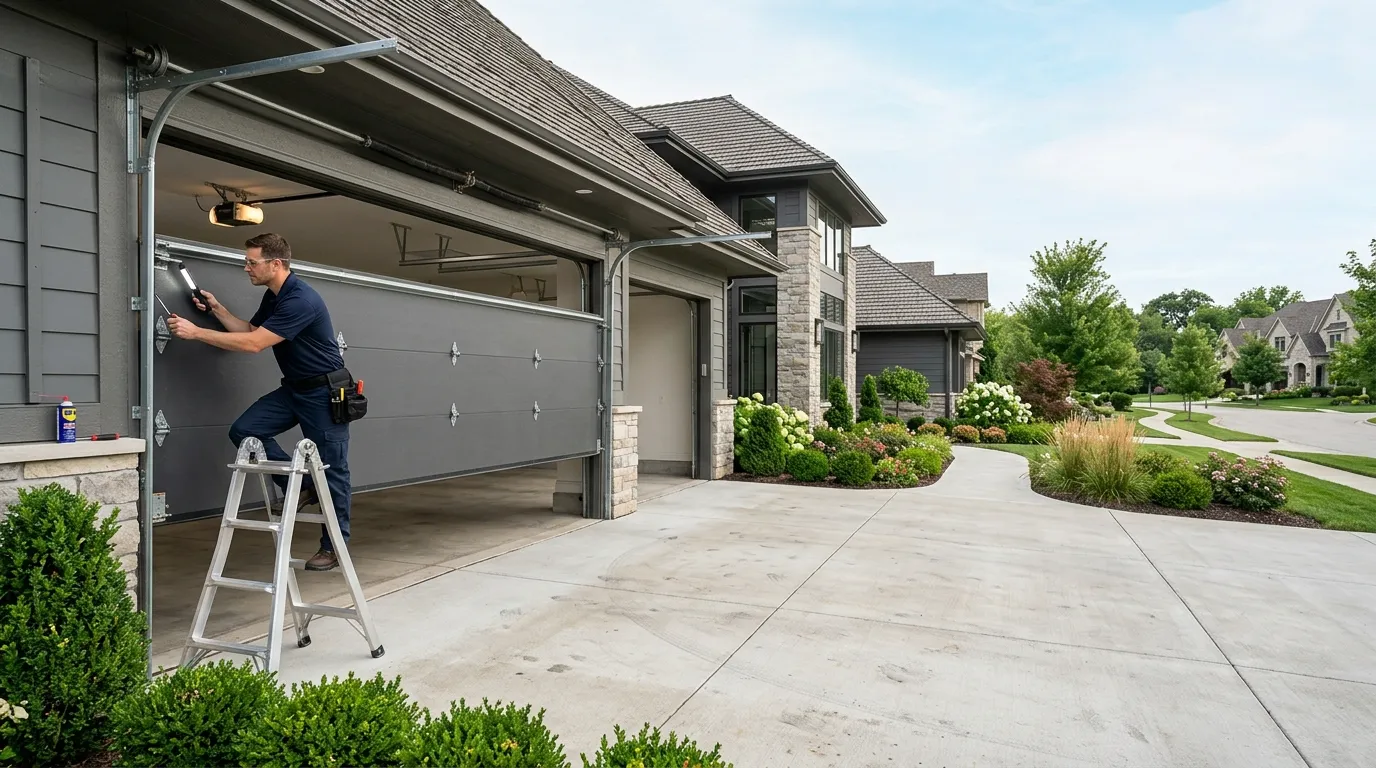
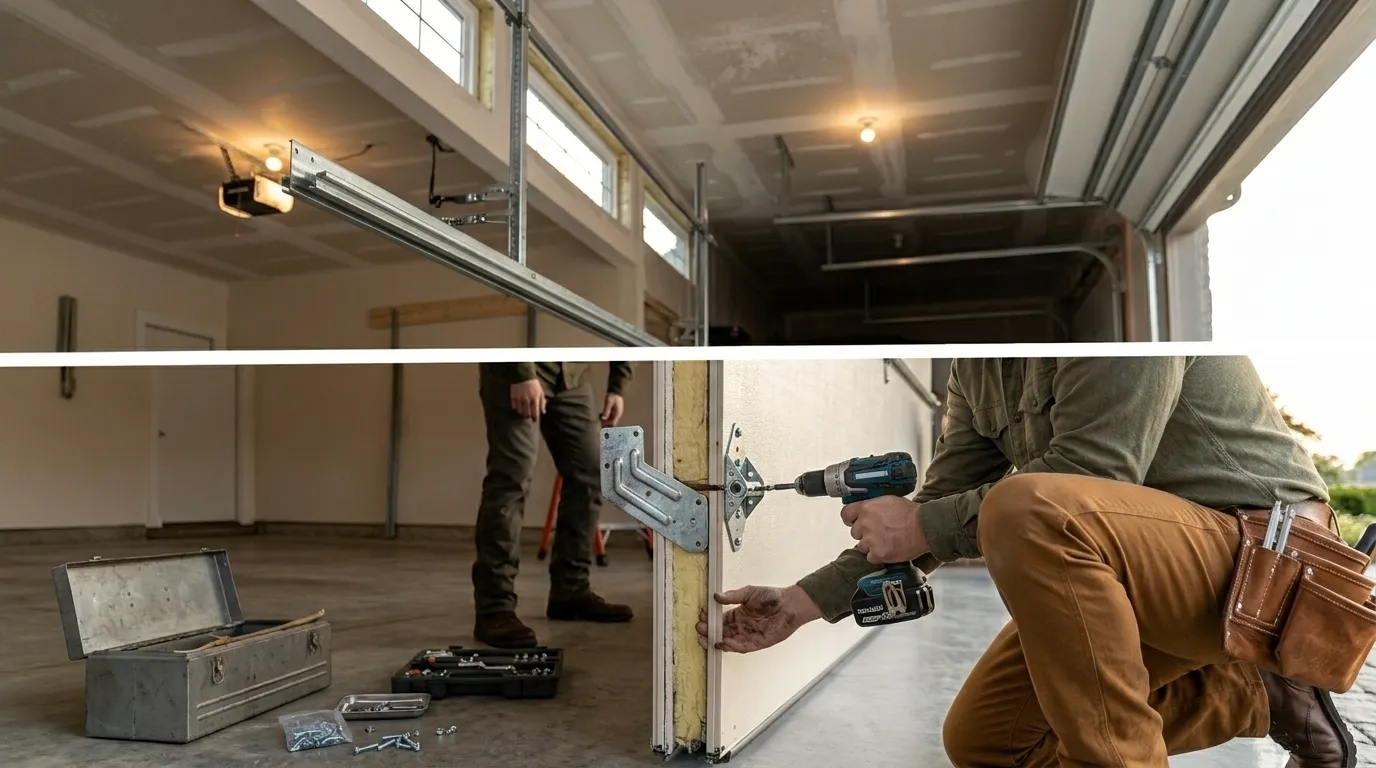
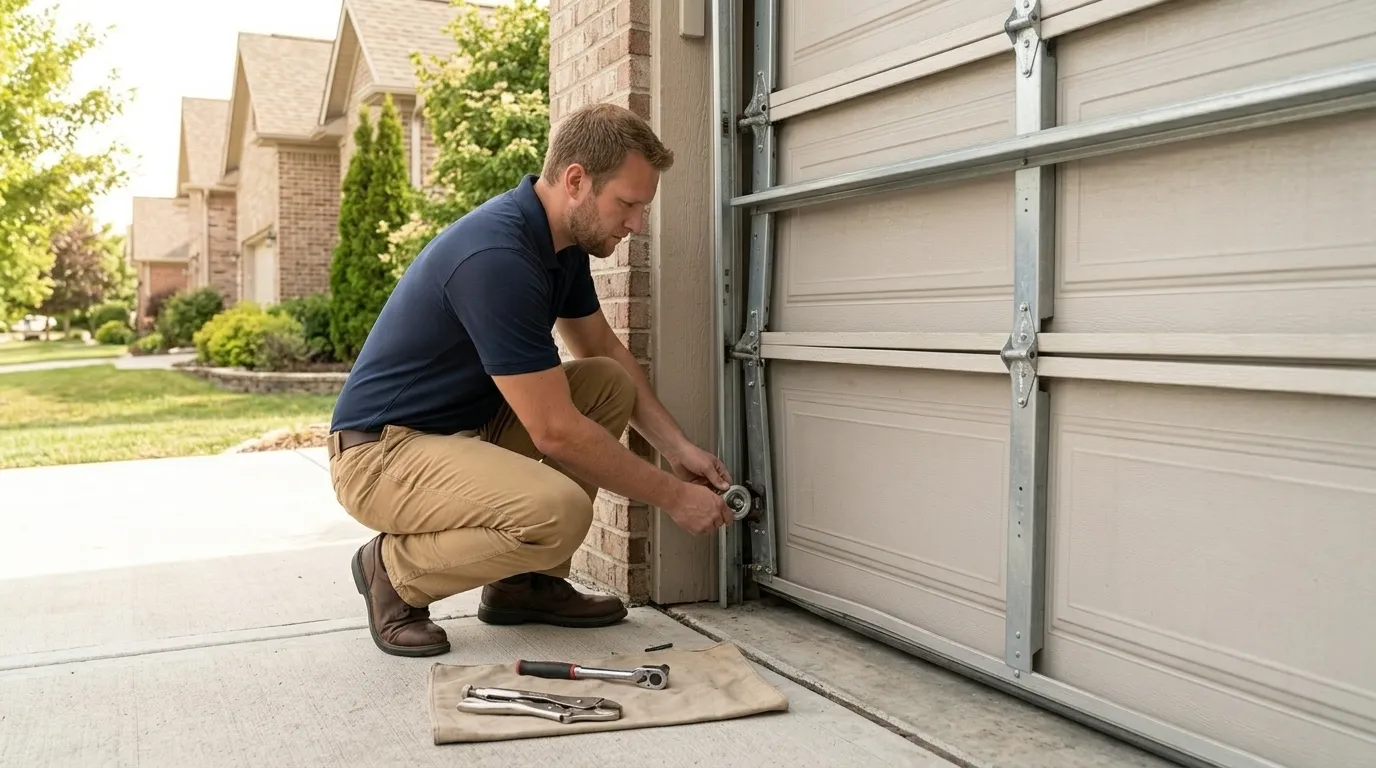
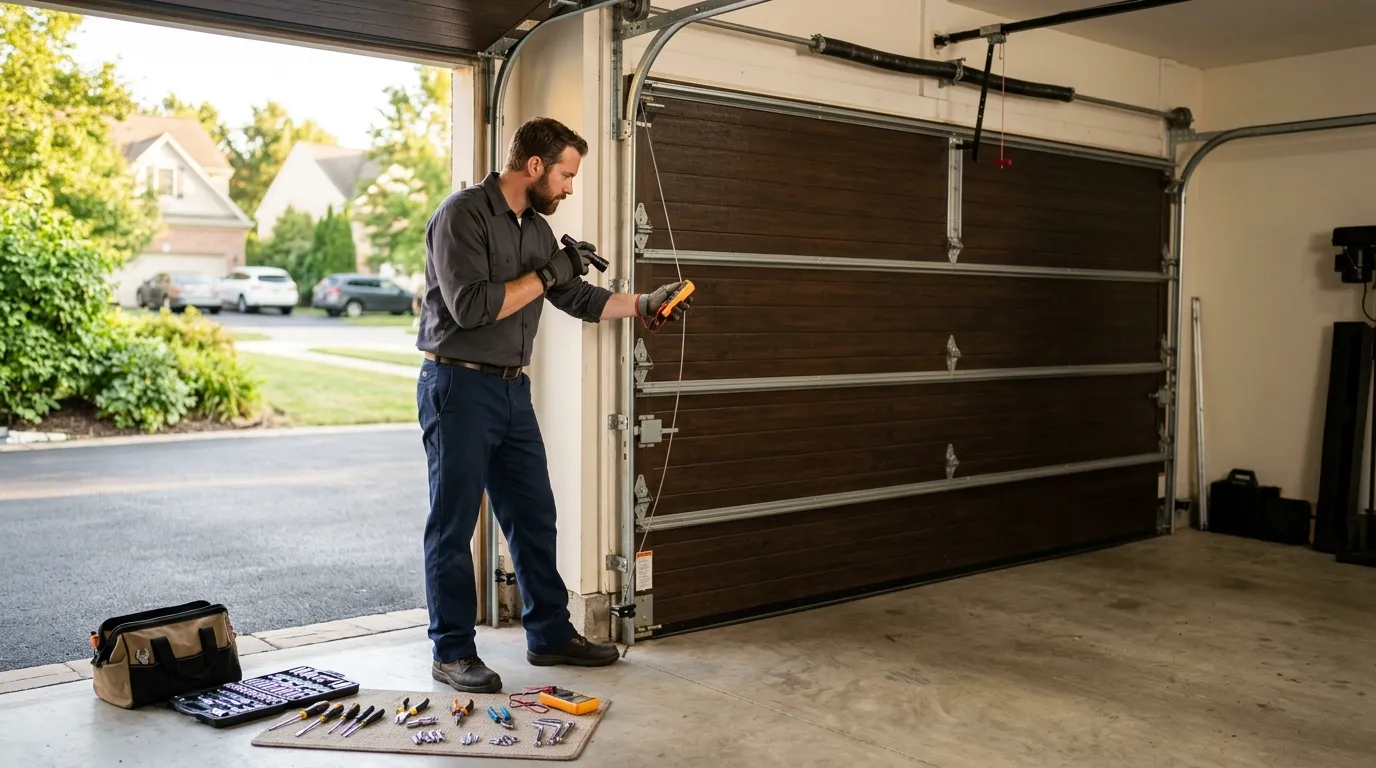
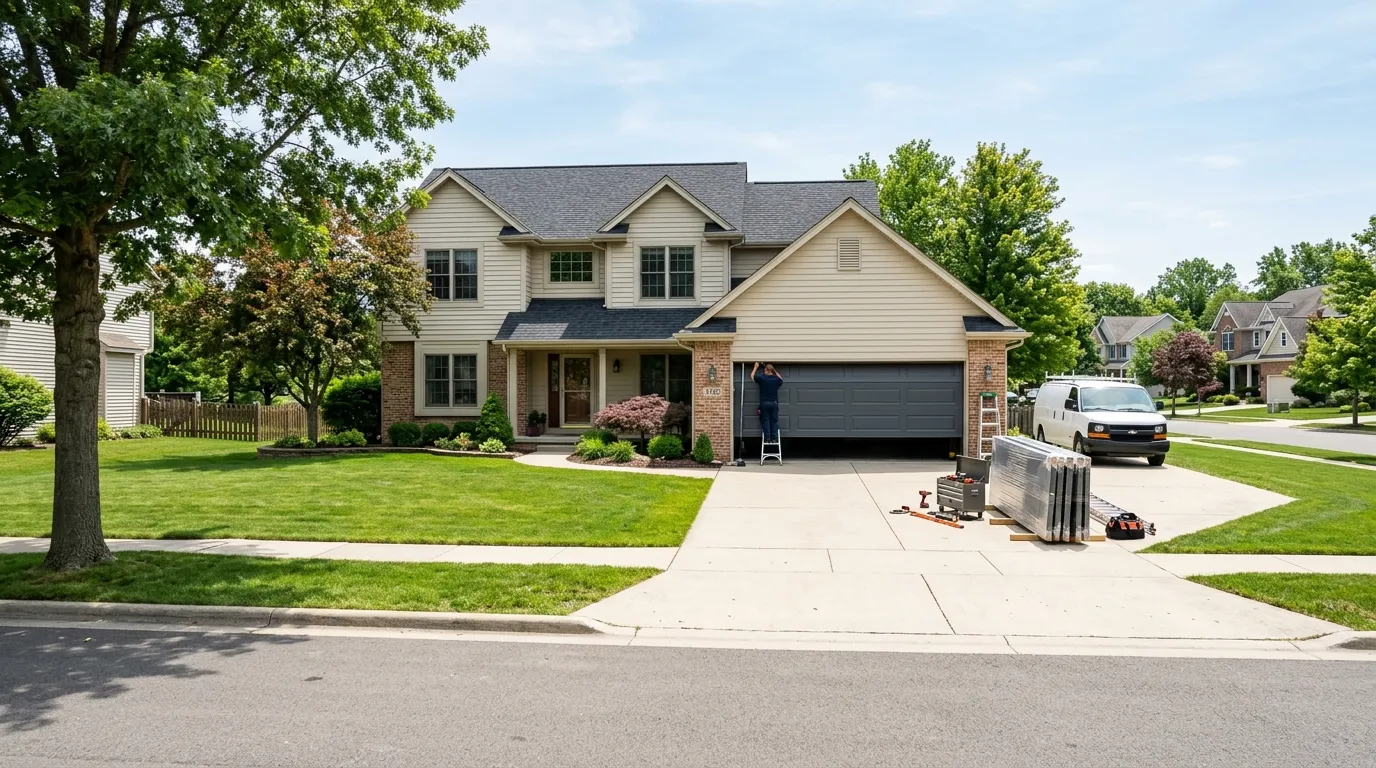
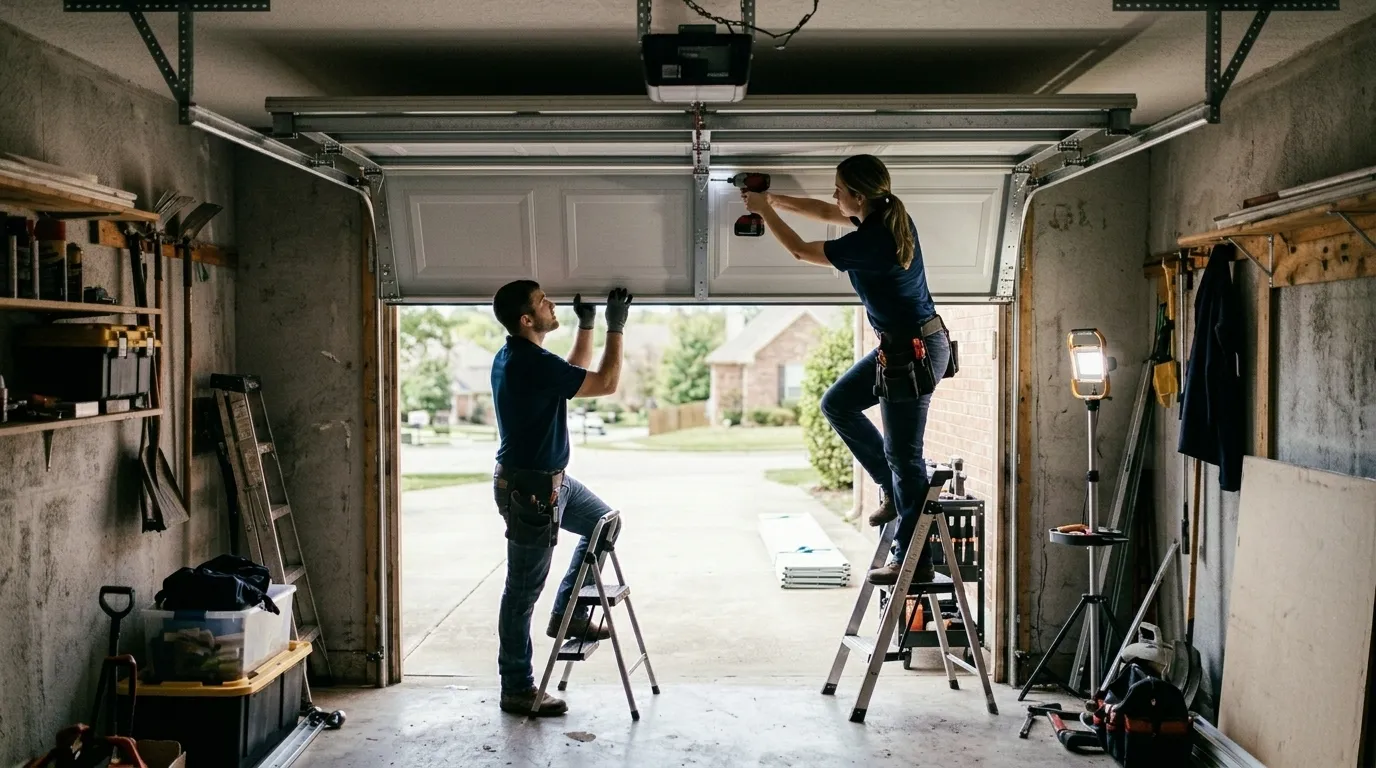
With roughly 9,846 households in this area and a median income of $67,841, a lot of what we get called for here is repair over replacement - fixing the door that's got ten or fifteen years of life left in it rather than swapping the whole unit. That tracks with houses built around 1984: the torsion springs on those doors are original or one replacement in, which puts a chunk of them right in the window where a spring finally lets go without warning. We also see a fair number of chain-drive openers from that era still running, which means worn drive gears and stripped sprockets are a routine call, not a rare one. Rollers on 40-year-old track are usually the cheap steel kind, not nylon, so noise complaints are common. We'll tell you straight when a repair isn't worth it - if the door itself is warped or the track is bent from years of a misaligned opener, patching it just delays the same call a year out.
What the Housing Means for Your Door
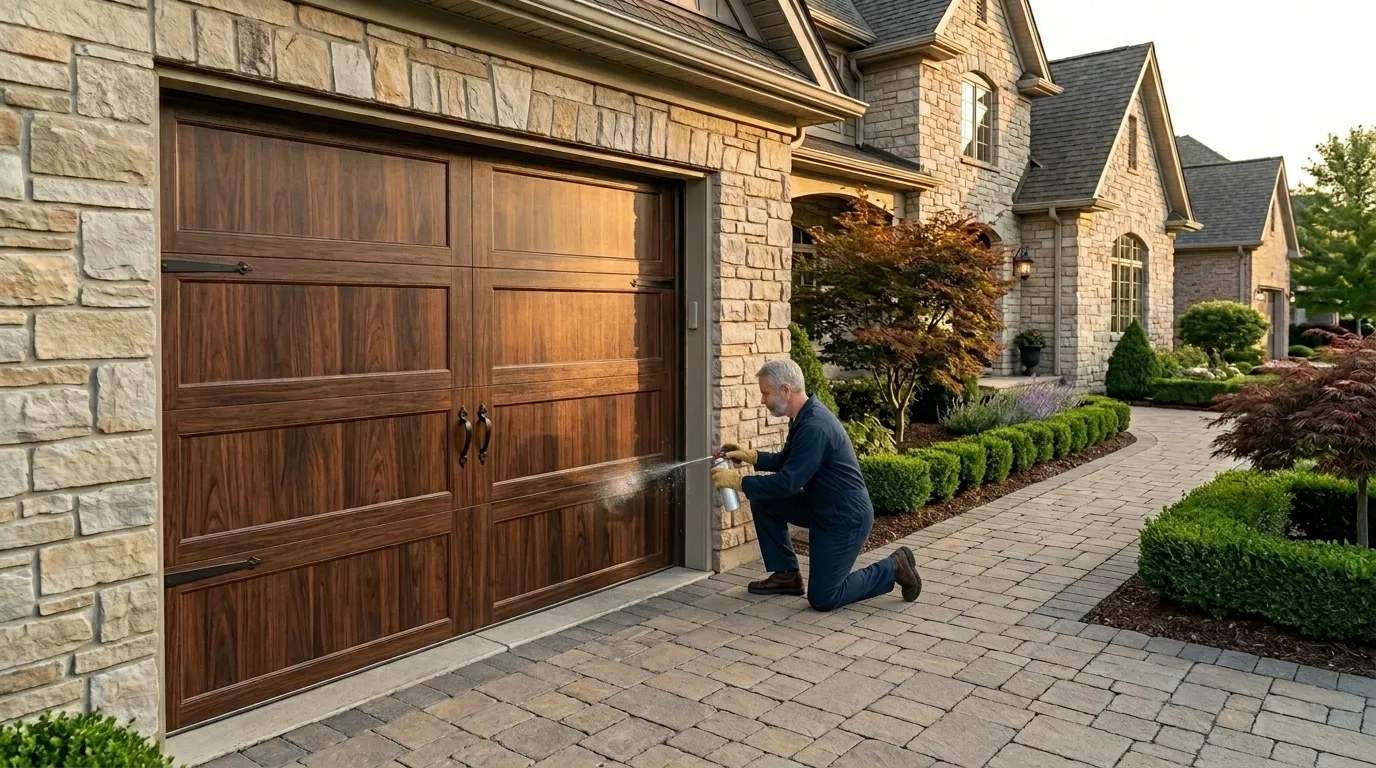
The median build year here is 1984, a decade newer than the 1976 median across the wider Miami service area, and that gap matters more than it sounds like it should. A door and opener installed in the early-to-mid 1980s predates rolling-code remotes, predates most photo-eye safety sensors, and often runs on hardware sized for lighter, thinner steel panels than what's sold today. When a torsion spring on one of these doors breaks, matching the wire gauge and drum size to 40-year-old hardware isn't always a shelf-grab - sometimes it means adapting current stock to older mounting brackets. The mild temperate climate this area sits in doesn't bring hard freezes or big swings, so the metal itself isn't fighting expansion and contraction the way it would up north. What it does bring is steady humidity, and on doors this age we usually find the corrosion sitting low, at the bottom panel and the track's floor bracket, rather than up at the spring.