Common Jobs Here
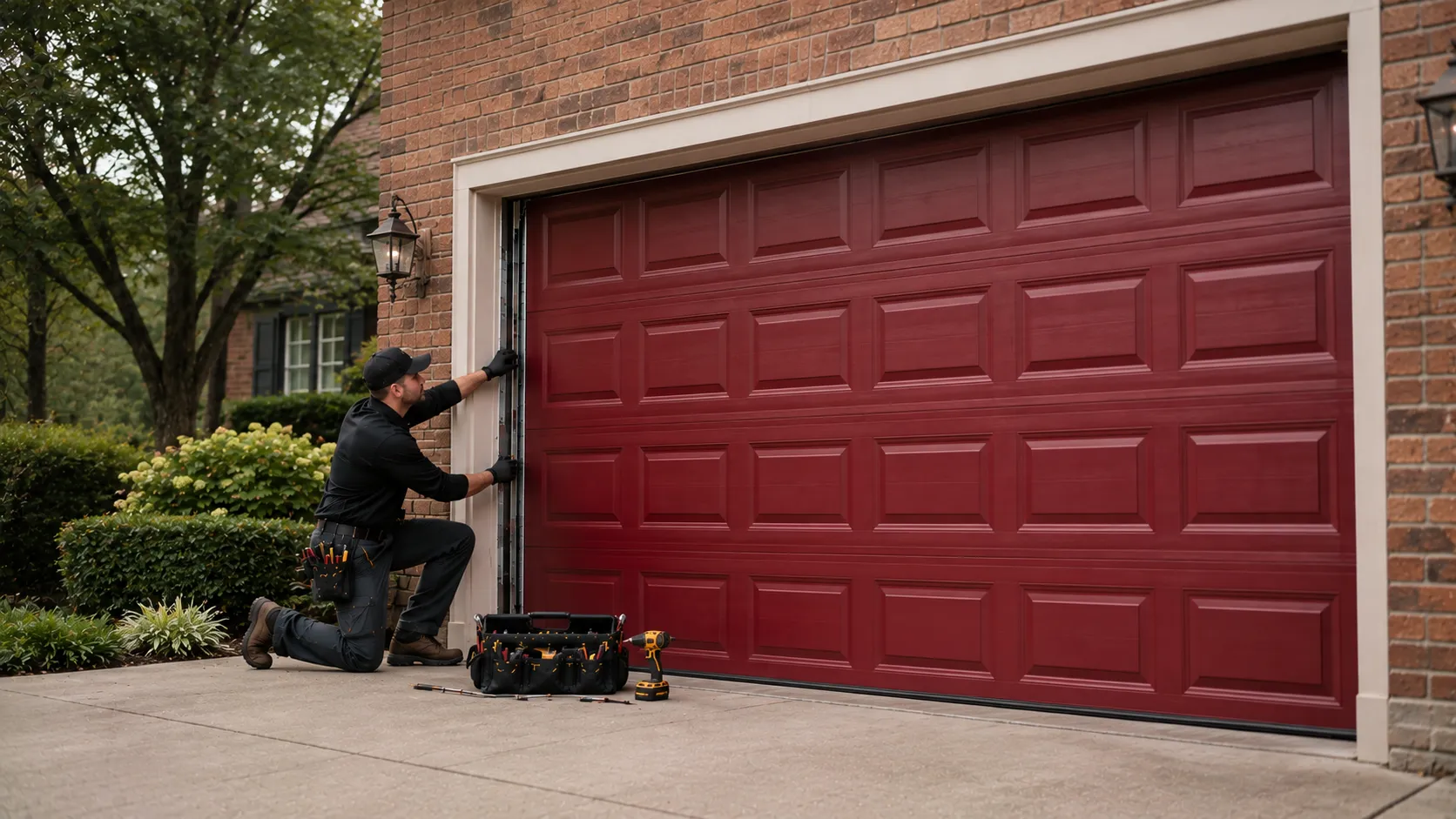
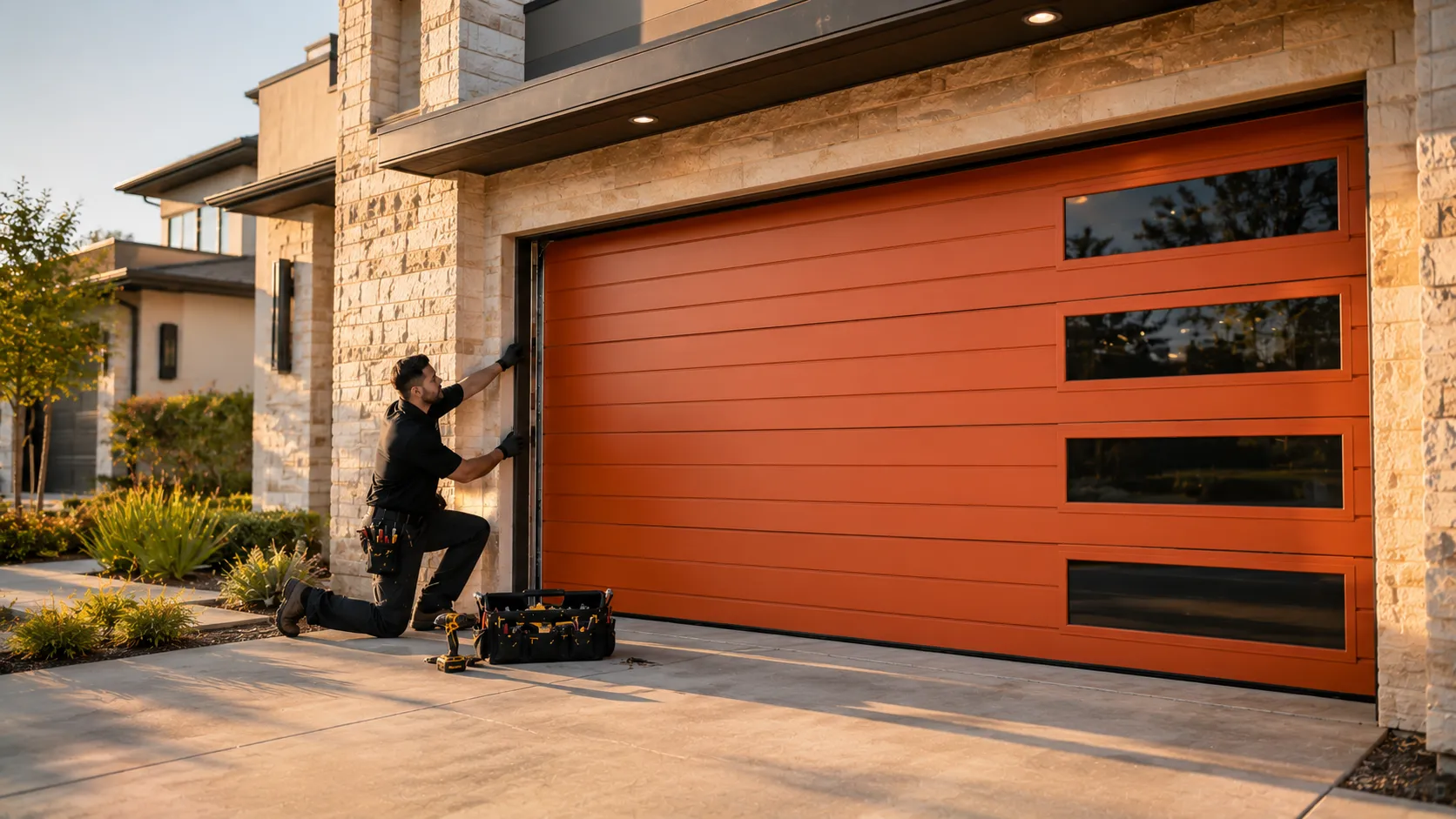
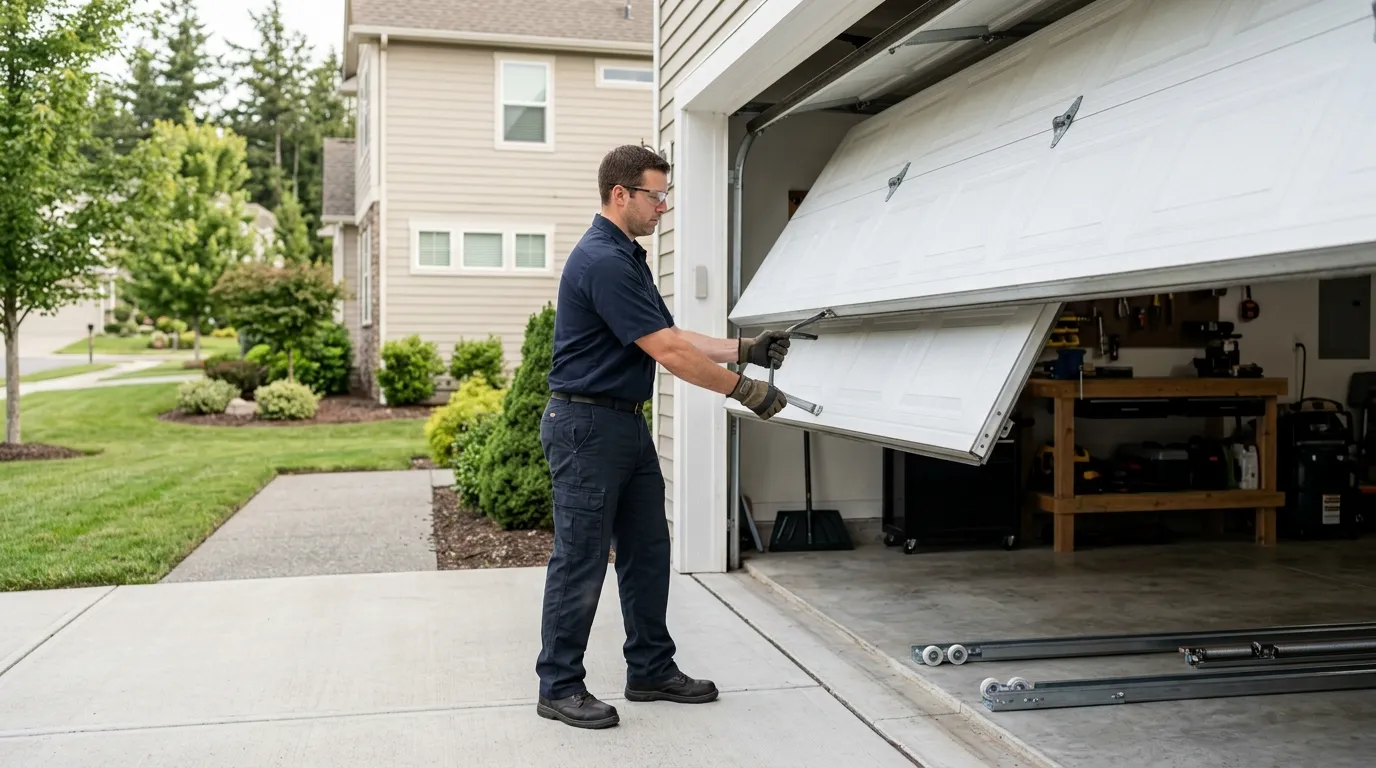
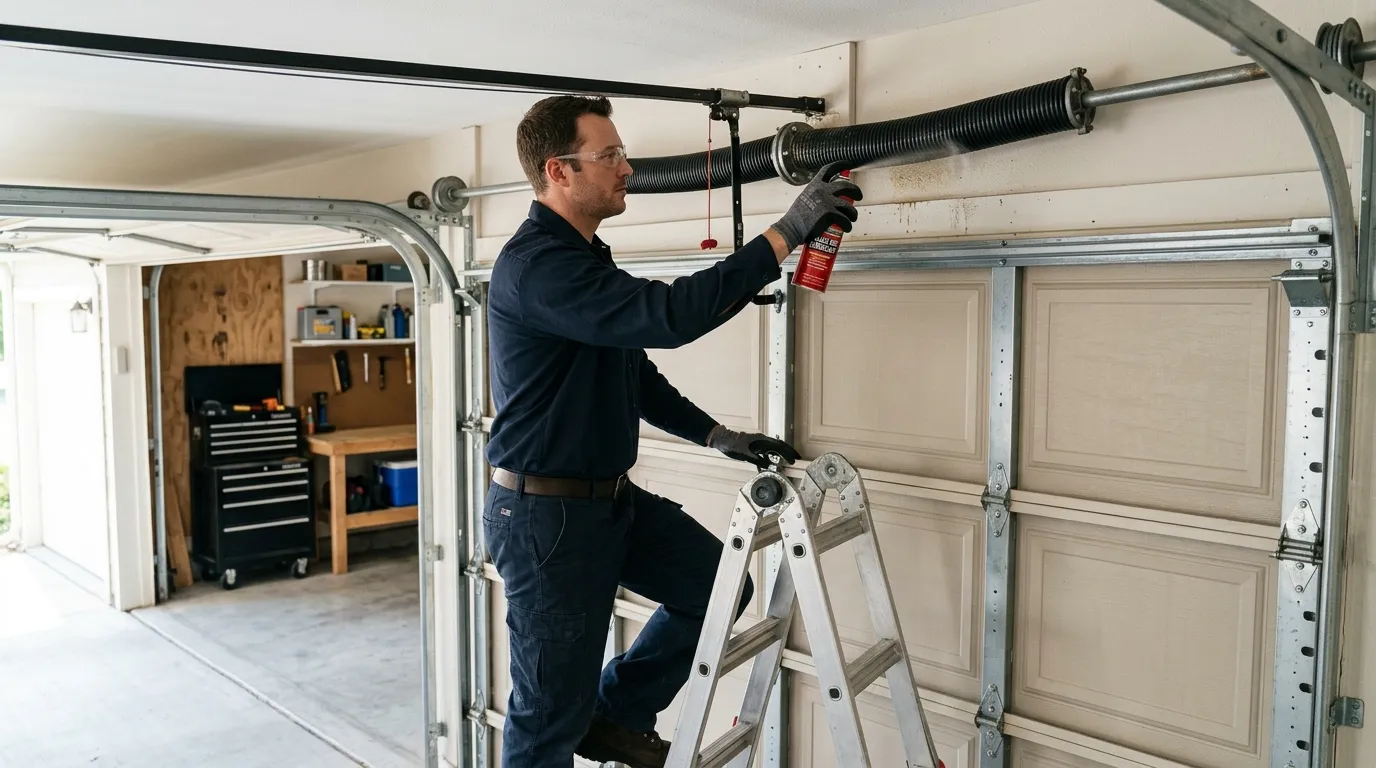
The median home in Miami Gardens went up around 1969, which is older than the 1976 median across the wider service area. That seven-year gap matters more than it sounds. Doors and openers installed in the late 1960s and early 1970s were often single-panel or early sectional steel, running on hardware that's since been replaced twice over in most manufacturer catalogs. We get called out here more often for torsion springs that have outlived their wind-cycle rating, for track brackets pulled loose from decades of thermal expansion and contraction, and for openers with chain-drive units that predate any kind of rolling-code safety reversal.
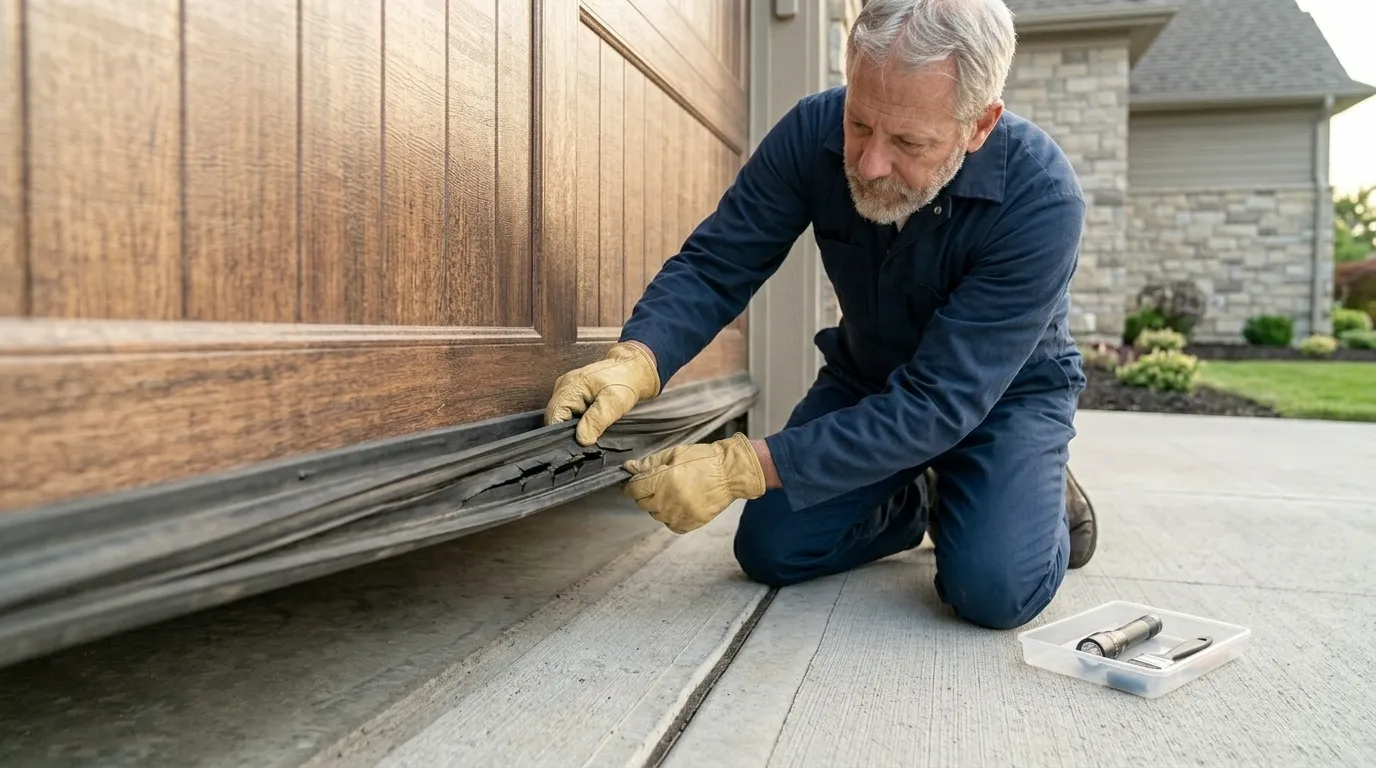
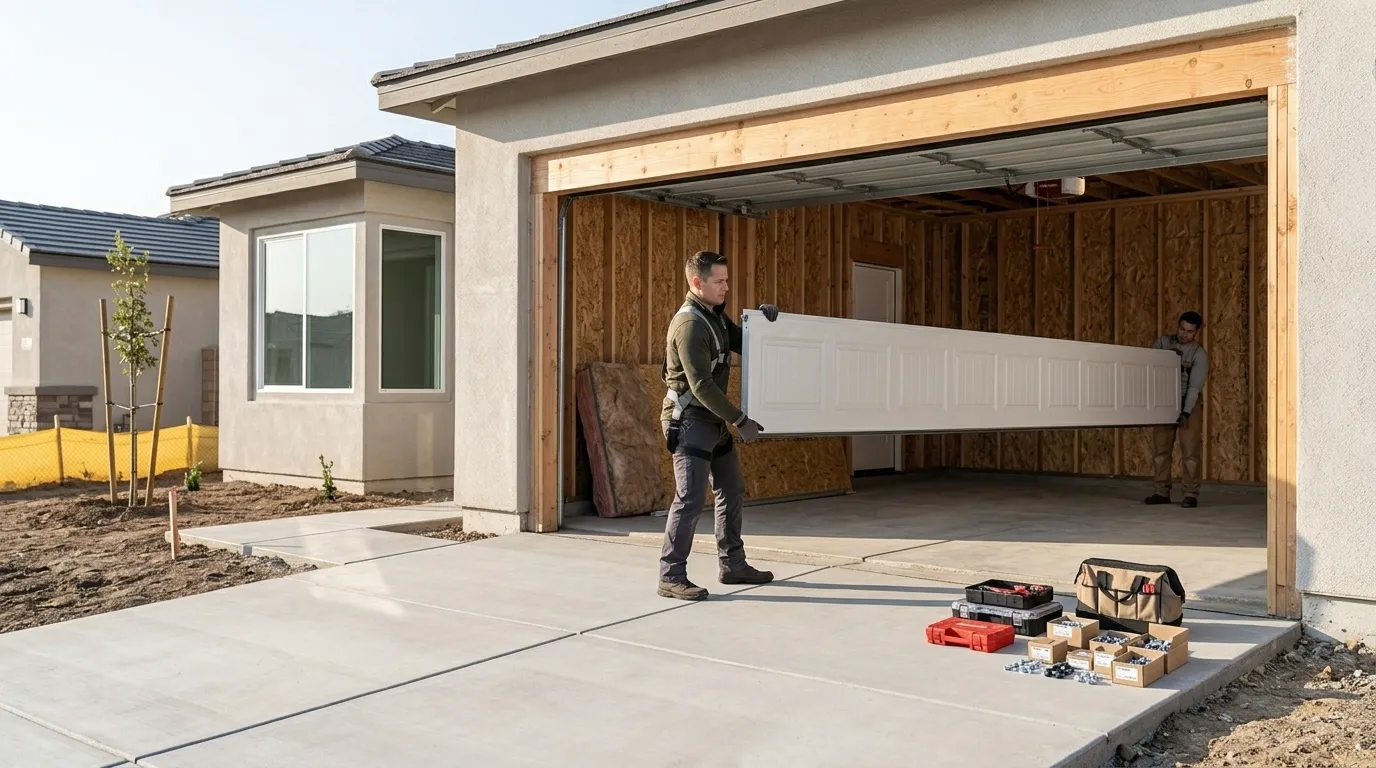
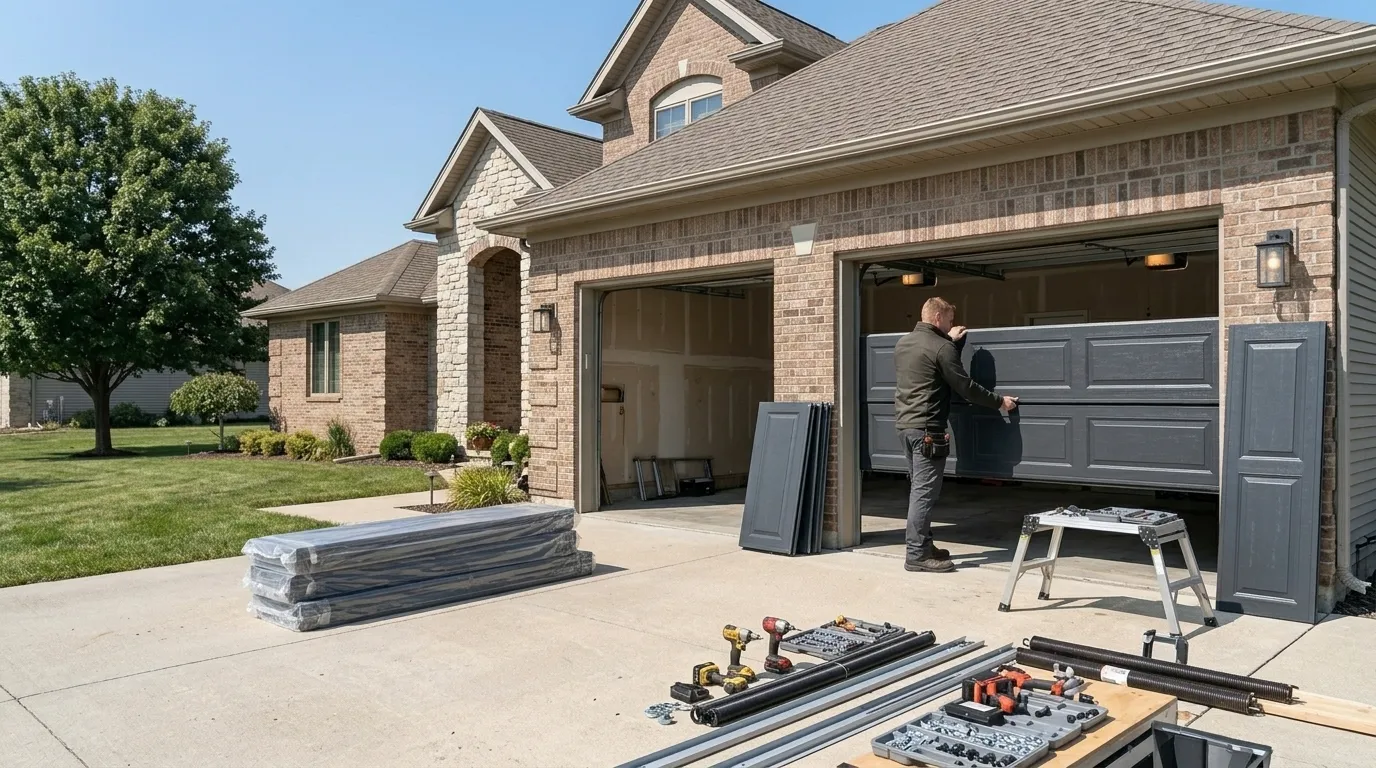
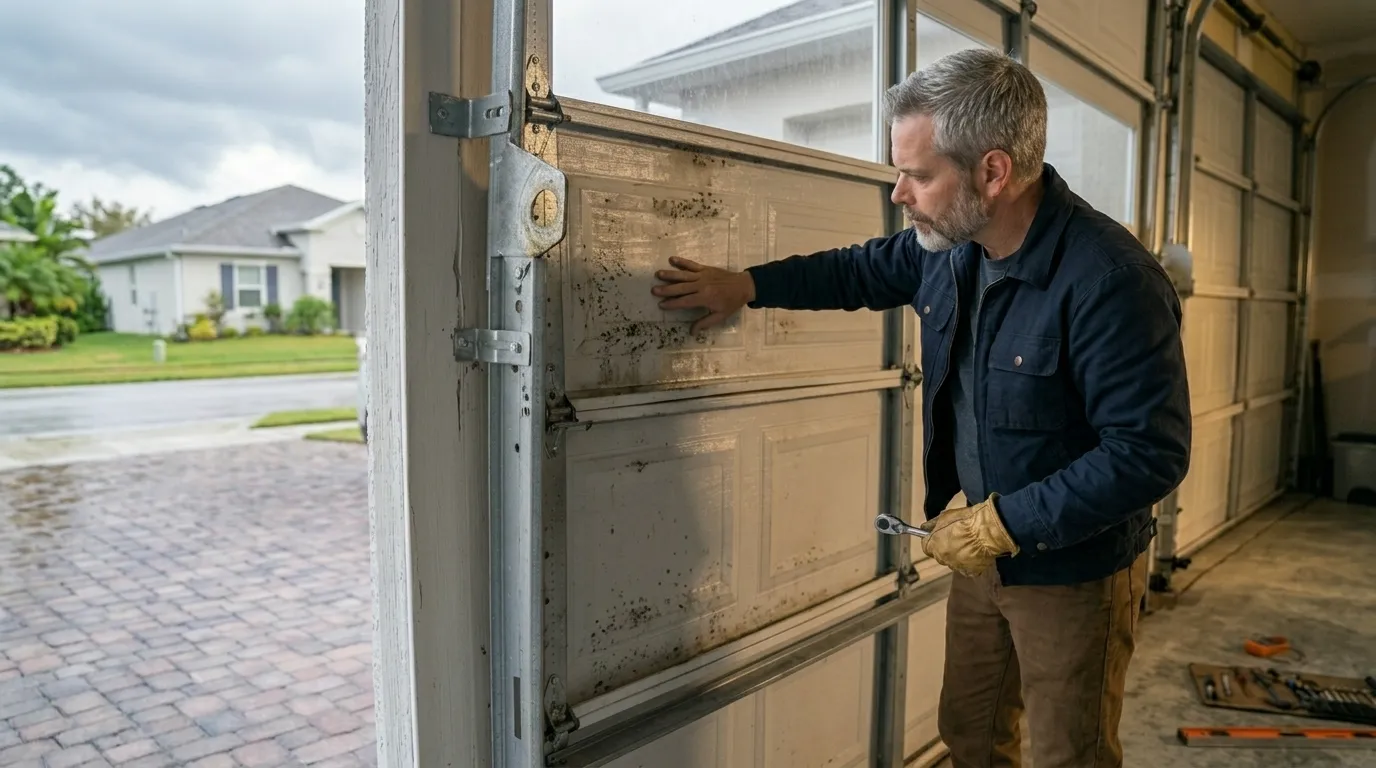
We also see a fair number of panel replacements where the original steel has pitted from age rather than storm damage - nothing dramatic, just fifty-plus years of a mild coastal climate doing slow work on painted metal. If the frame and track are sound, we'll tell you replacement of the panels alone is enough. If the whole assembly is original, we'll say so plainly rather than patch it and have you calling again in a year.
What the Housing Means for Your Door
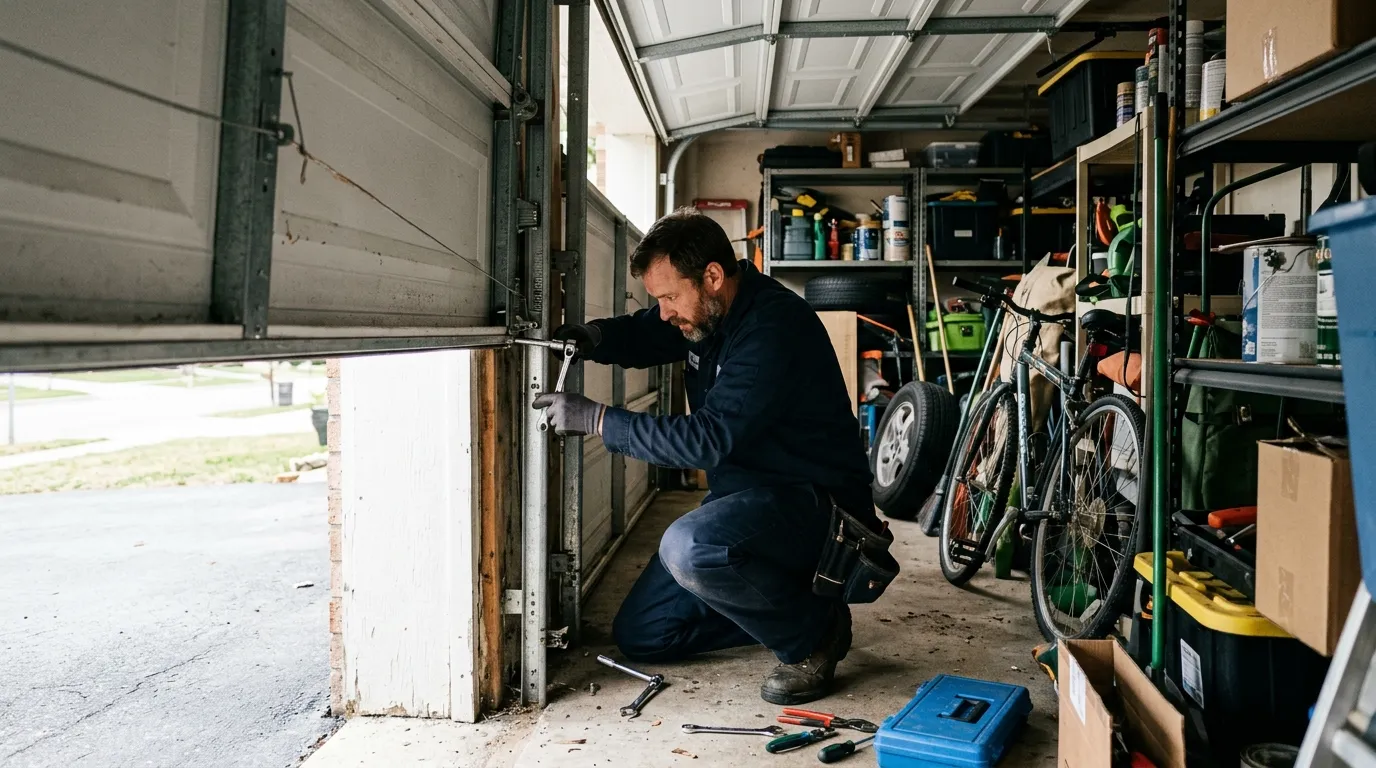
A 1969 median build year means a lot of Miami Gardens garage doors are on their second or third opener but still running on the original track and jamb hardware, which wasn't built to today's spring tension standards. That mismatch is the single most common failure point we find here: a modern opener bolted onto an old bracket that was never rated for it. When that bracket lets go, it usually takes the top section of the door with it.
The area's climate band is mild temperate rather than the harsh freeze-thaw cycles that crack concrete slabs up north, so we're not chasing frost-heaved anchor bolts. What we do find is corrosion on galvanized hardware that's simply been in place a long time - springs, hinges, and roller shafts that have worn past spec rather than snapped from cold. If your door is original to a 1960s-era Miami Gardens house, a full hardware inspection is worth more than a single spring swap, because the spring is rarely the only part at the end of its life.