Common Jobs Here
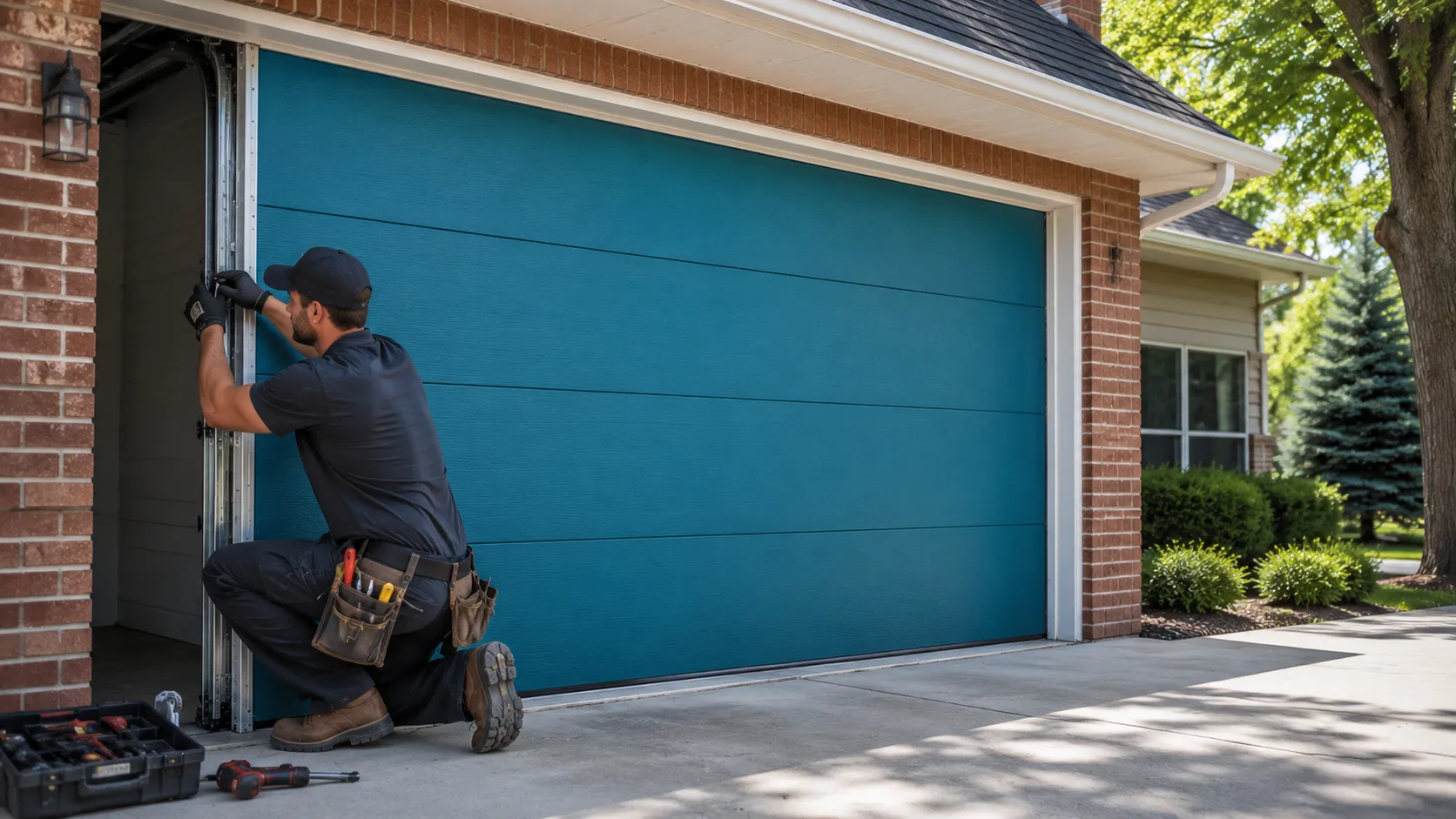
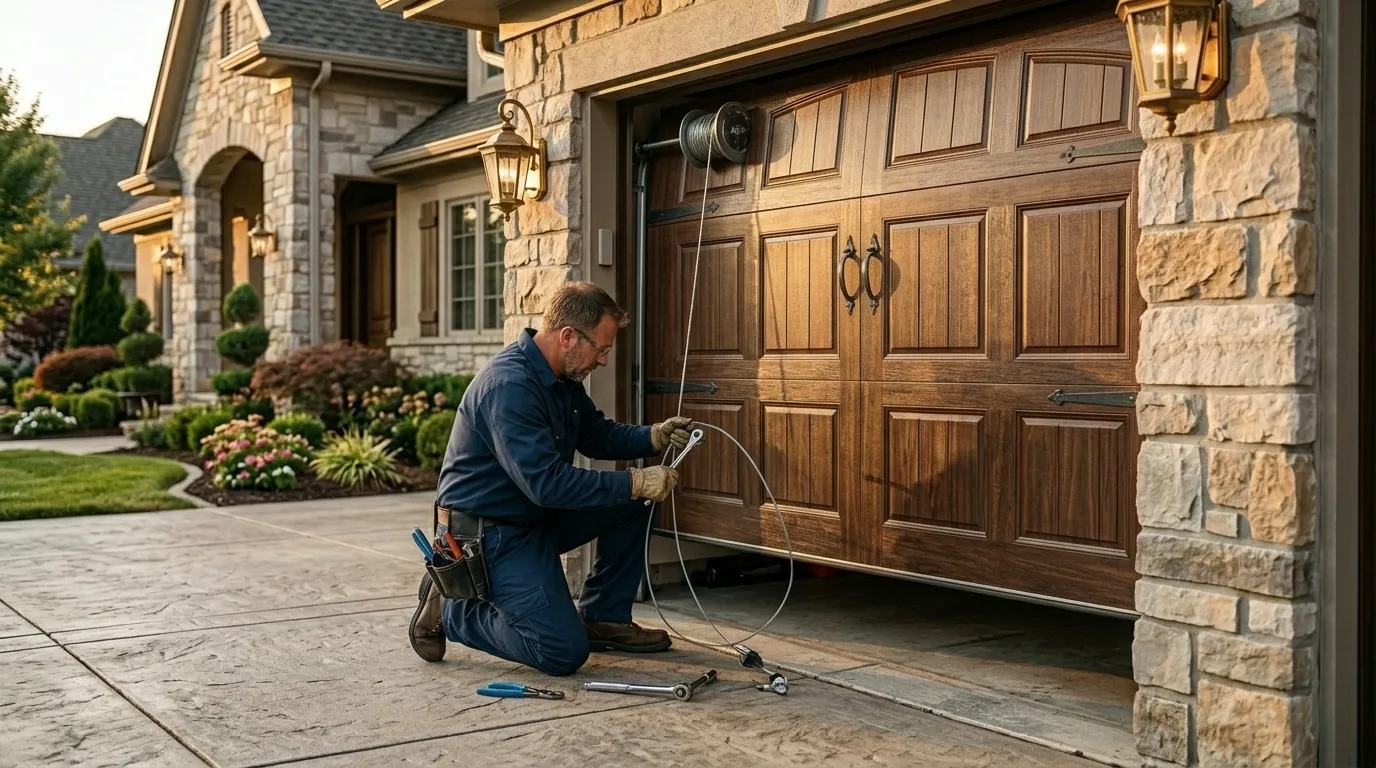
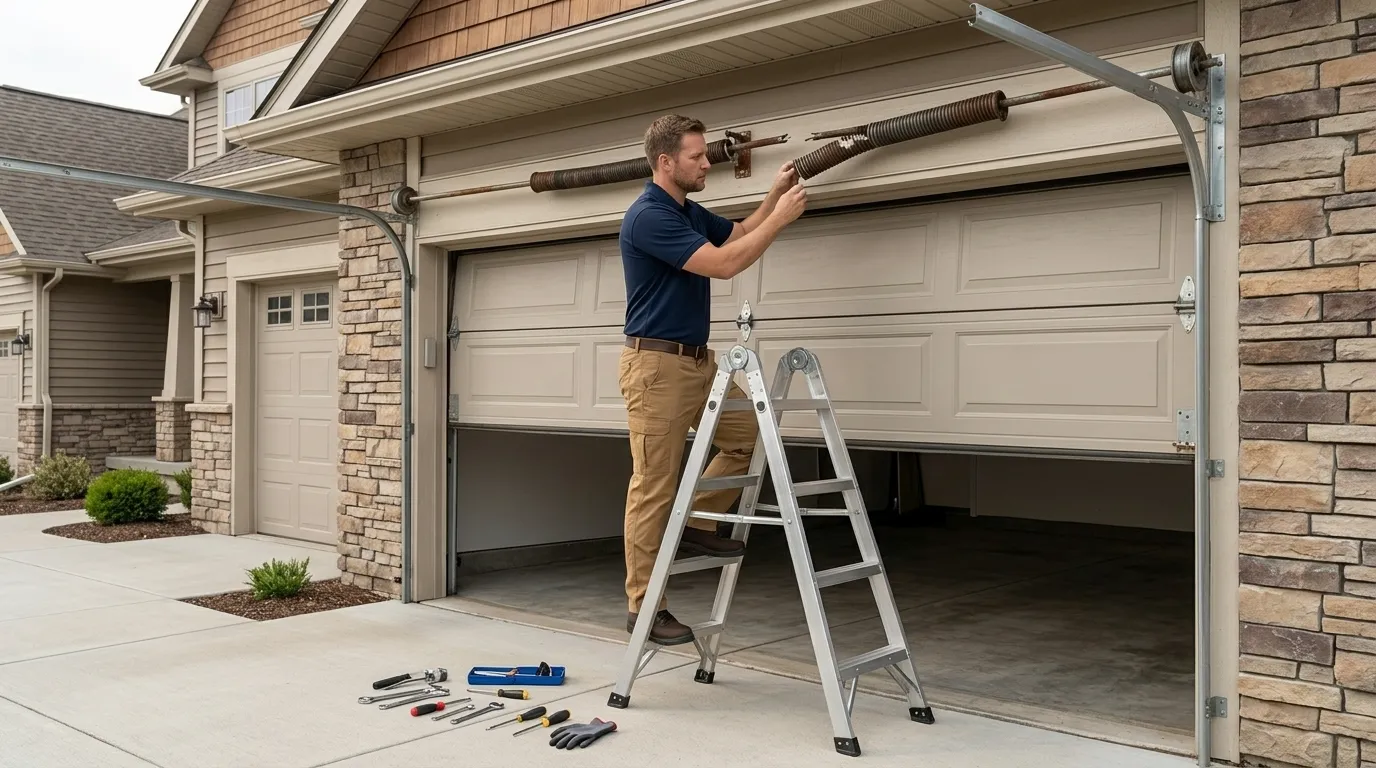
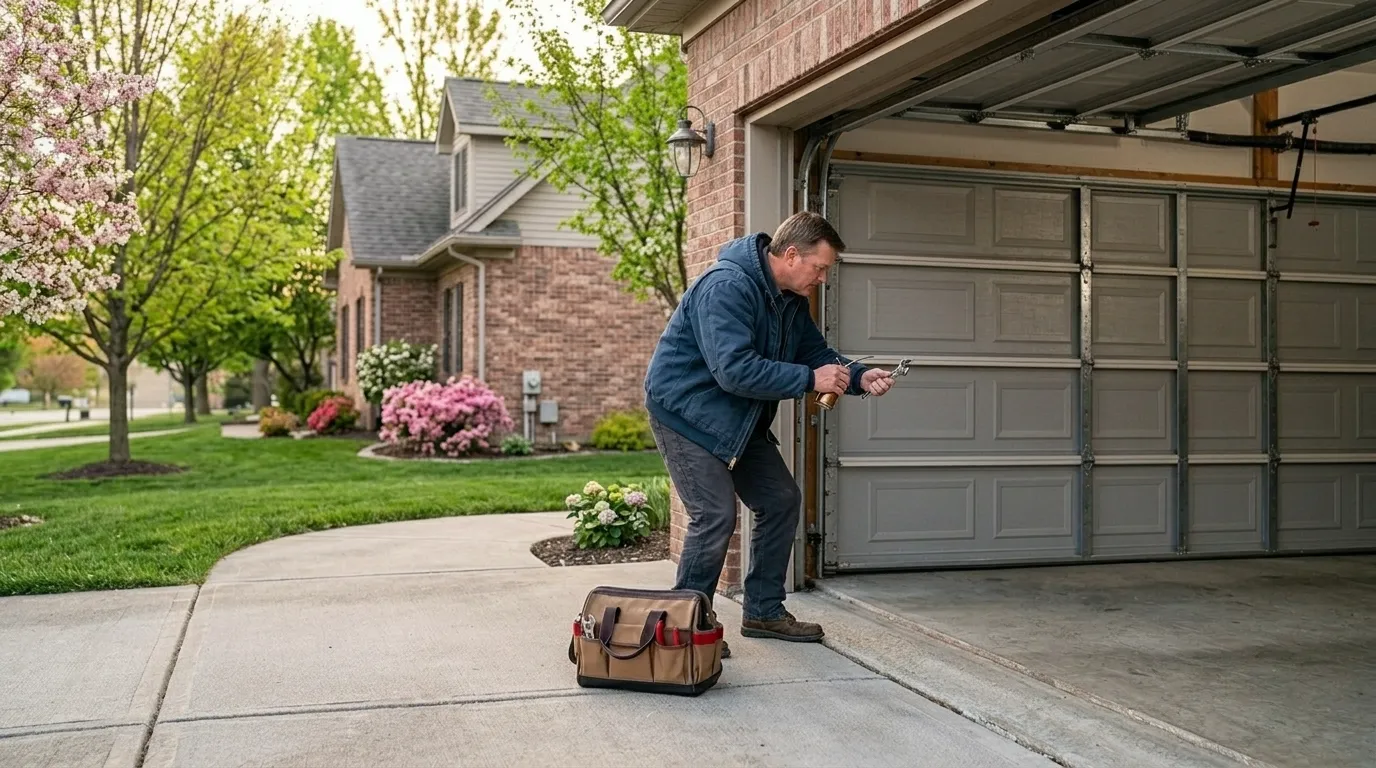
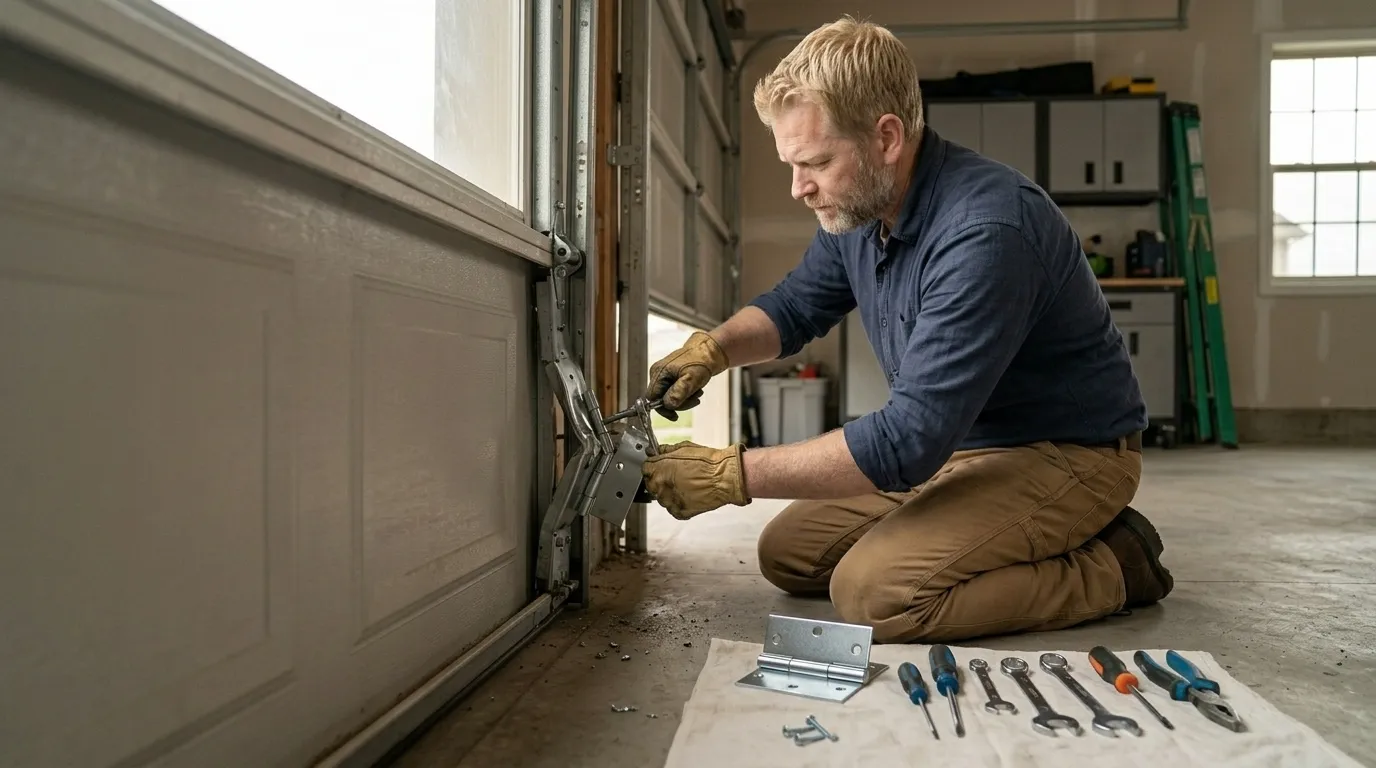
With a median build year of 1958, a lot of the garage doors in Miami Springs are original installs or first-generation replacements on hardware that predates the torsion springs and safety cables you'd find on anything built in the last twenty years. We see a lot of extension-spring setups here, often without the safety cables that later code required - that's usually the first thing we flag on an inspection. Rollers seized from age rather than heavy use, wood-frame tracks that have shifted with the house settling, and openers with drive systems that no longer have parts on the shelf. The mild climate here doesn't rot doors the way freeze-thaw states do, but salt air and humidity still work on unprotected steel and old hardware over sixty-plus years. One honest note: if your door and opener are both original to a 1958 build, we'll usually tell you replacement is the better spend than chasing parts for a system that age.
What the Housing Means for Your Door
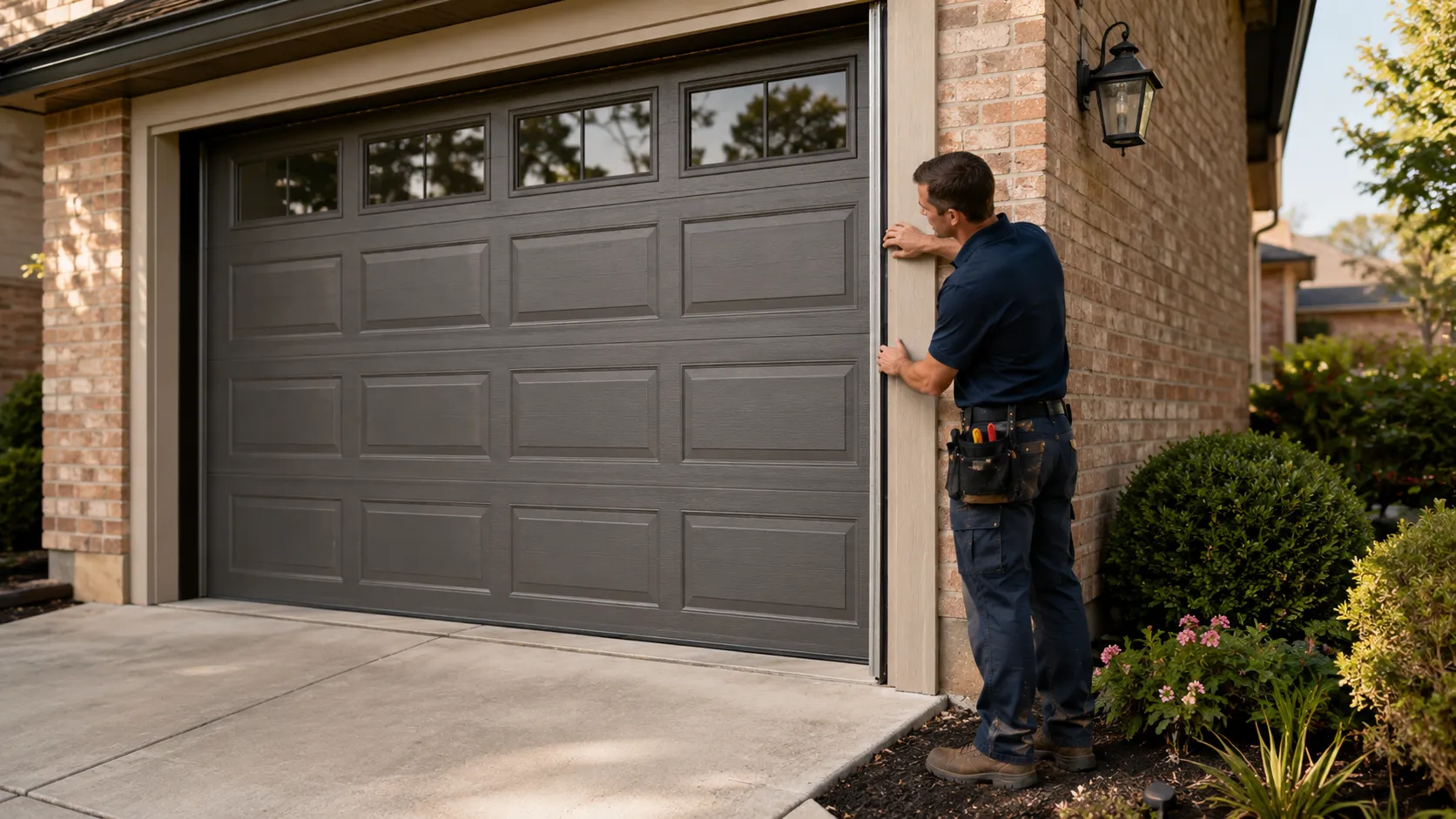
A house built in 1958 was framed for a garage door that's narrower and lighter than what gets installed today, often a single-panel door on a track system that doesn't match anything currently manufactured. That mismatch is the single biggest issue we run into in Miami Springs: a homeowner wants a same-size replacement, but the opening, the header clearance, and the track radius were all built to a spec that stopped being standard decades ago. With around 5,497 households in this pocket and a median income near $88,705, we see a fair number of owners investing in full door replacements rather than patch repairs, which makes sense once you're dealing with hardware this old. It's worth having someone measure the actual opening before you order anything, rather than assuming a modern door will drop in.