Common Jobs Here
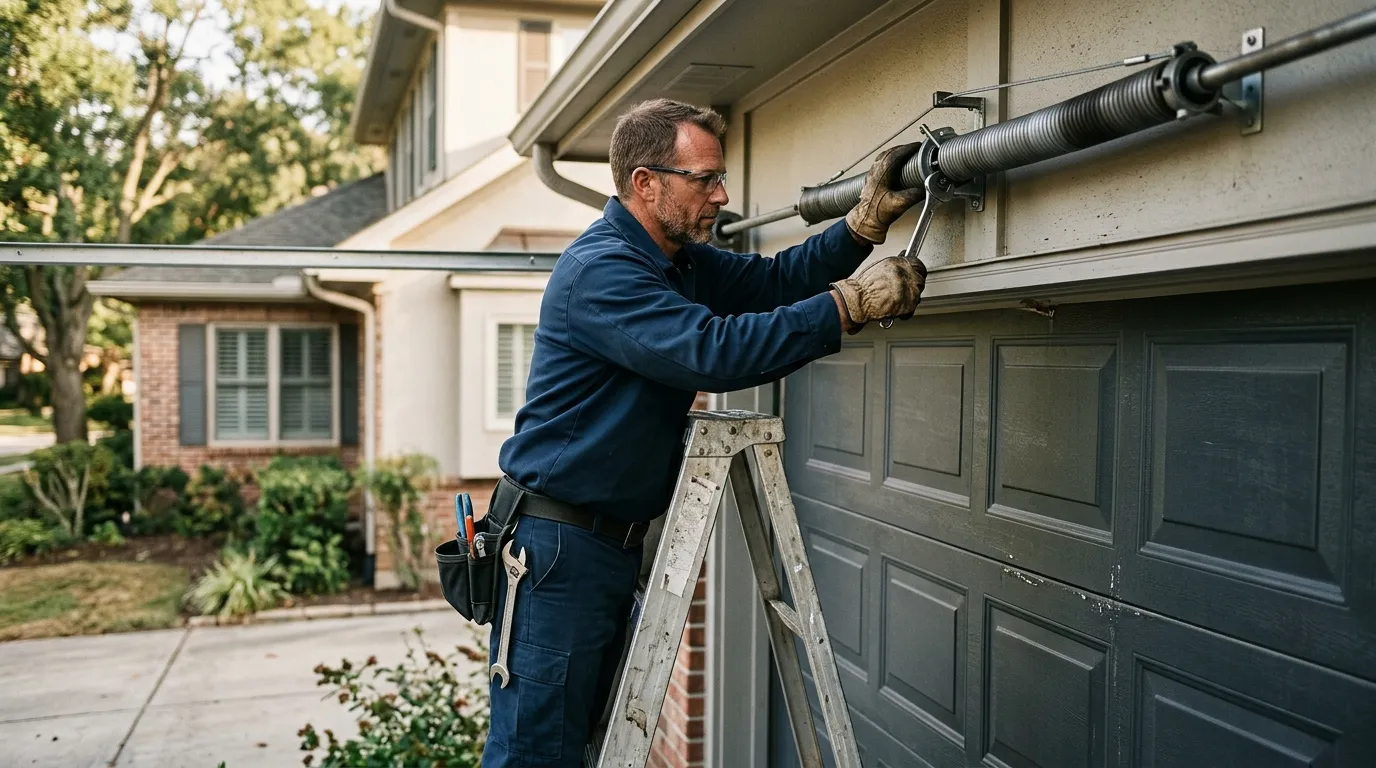
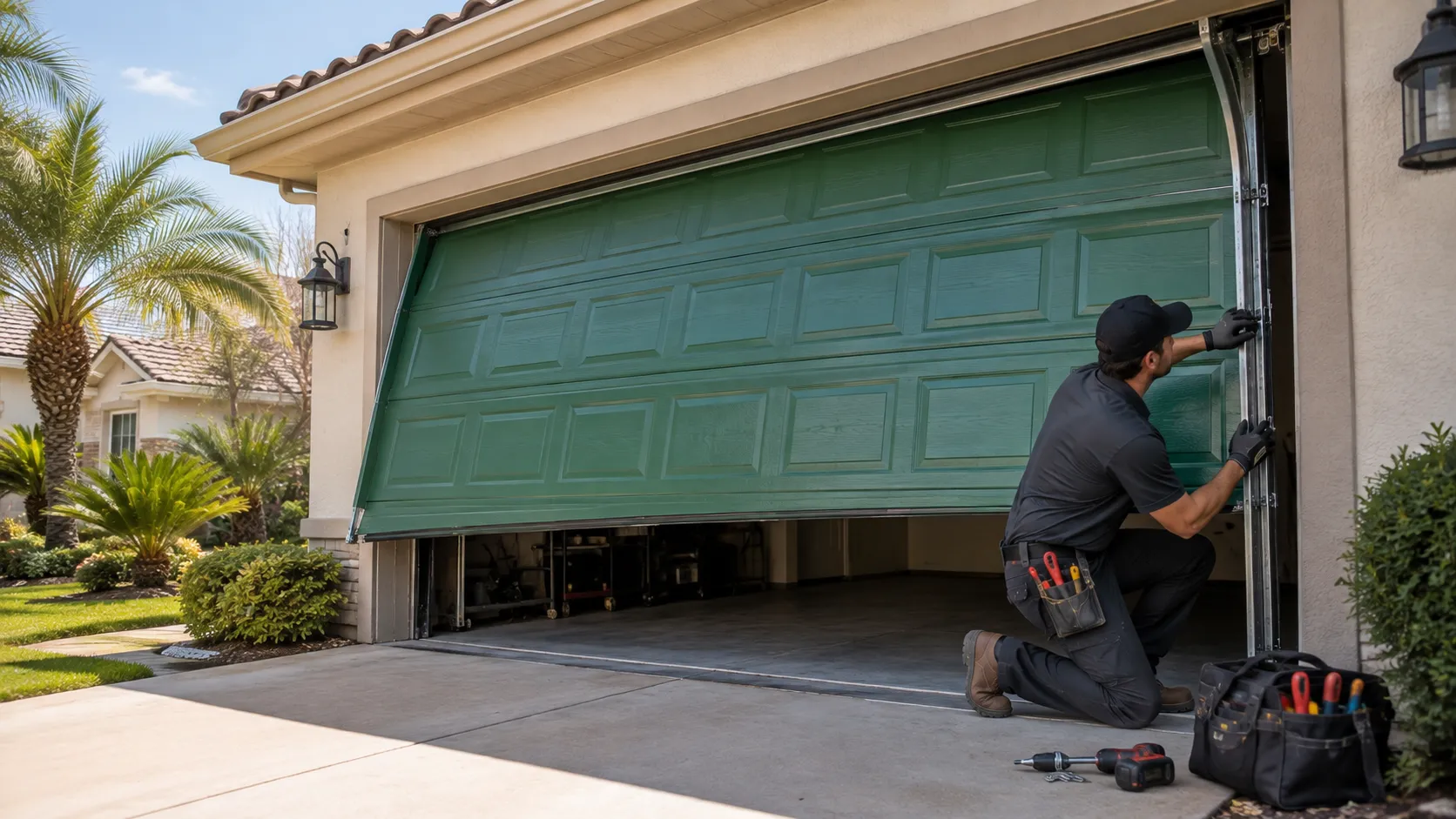
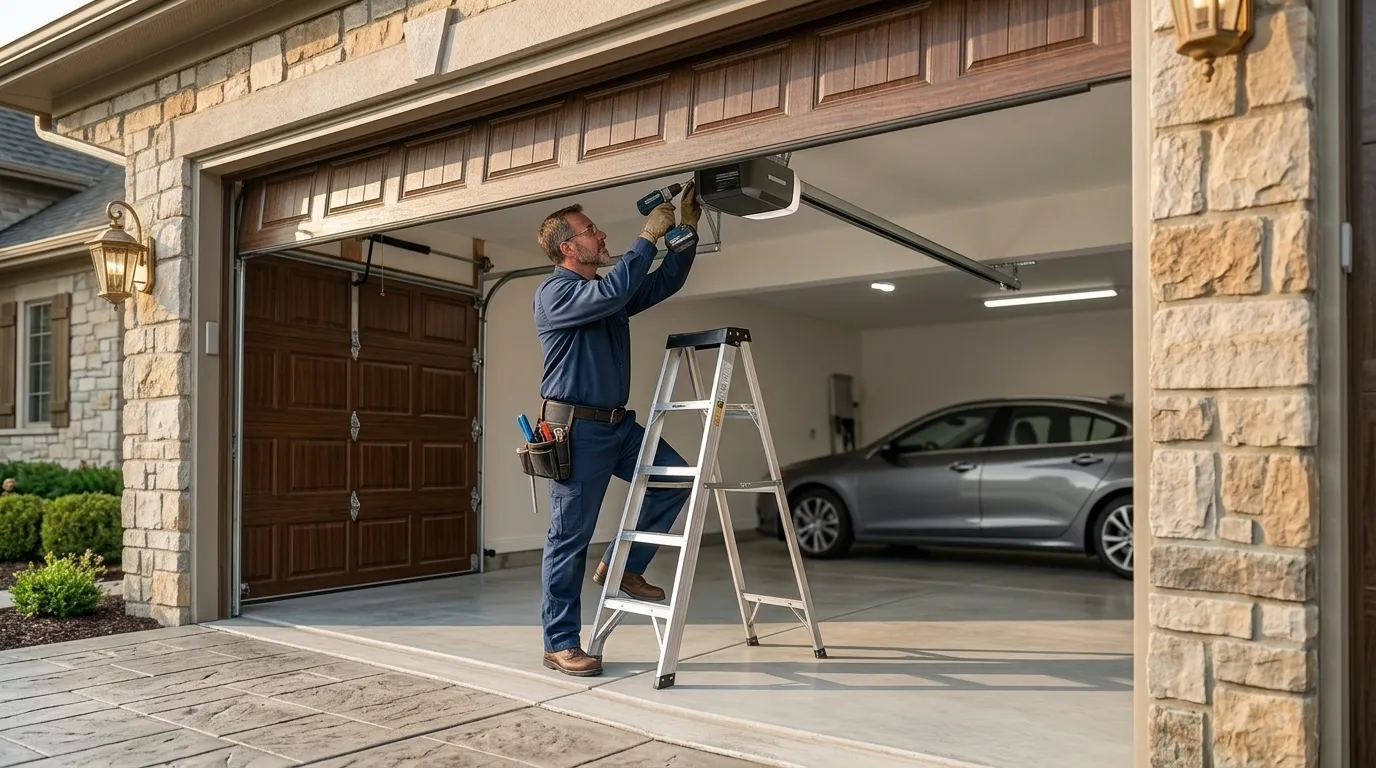
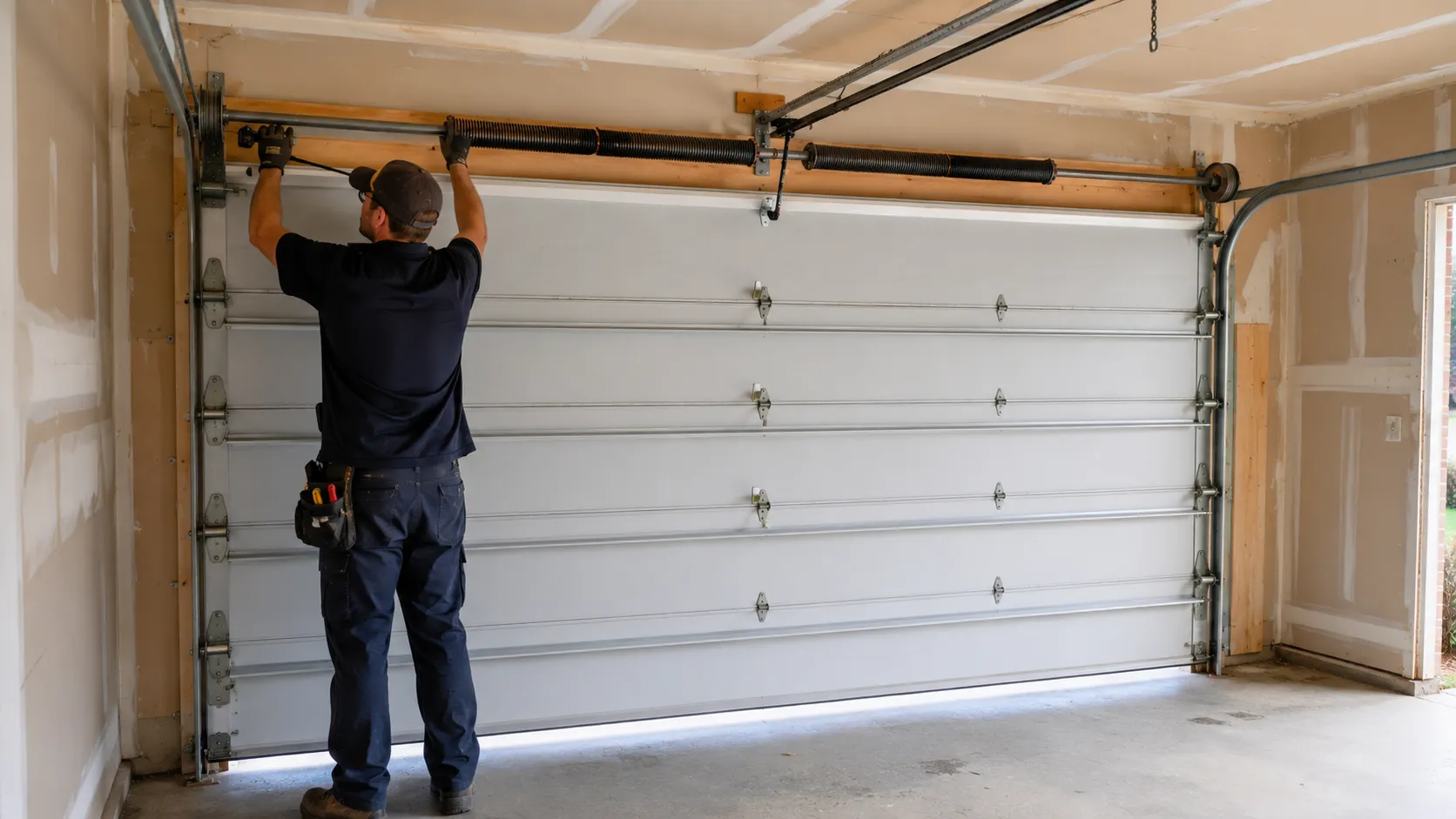
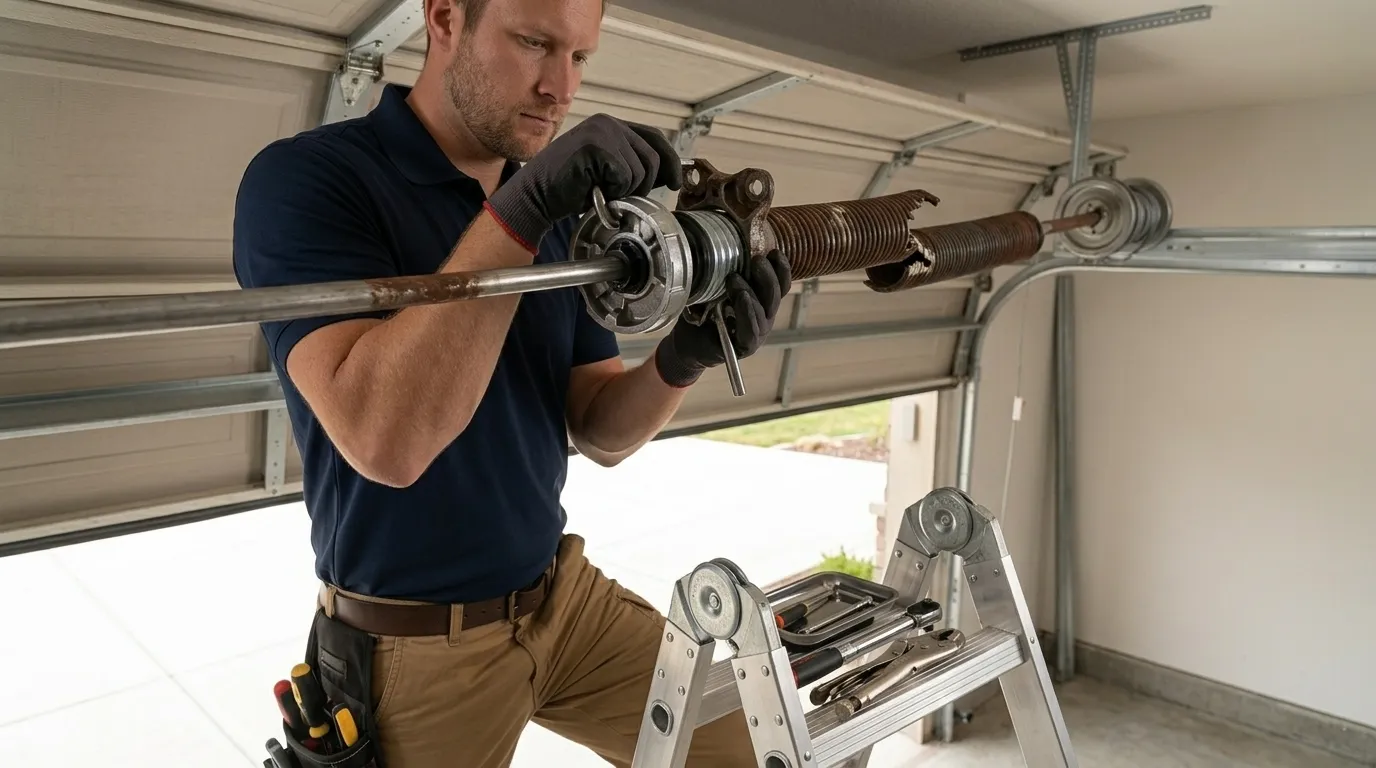
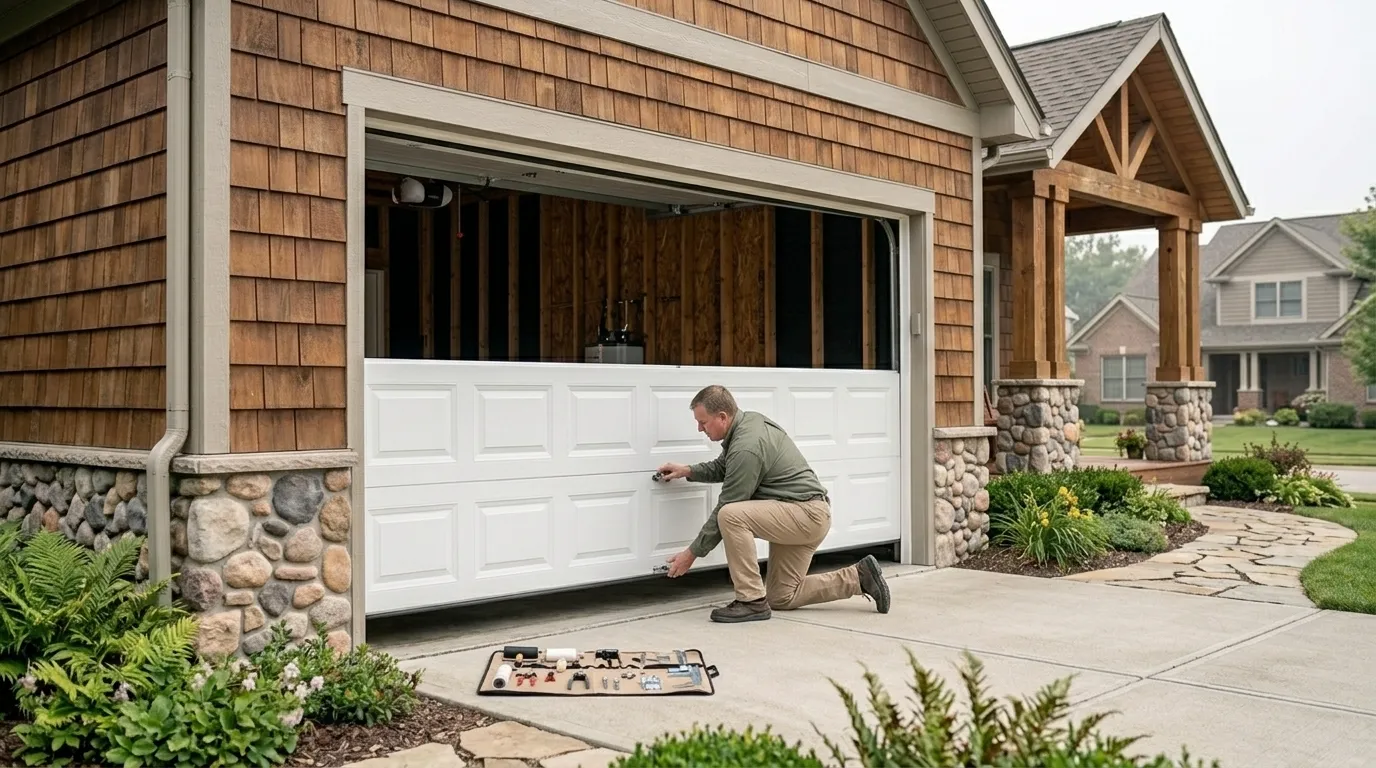
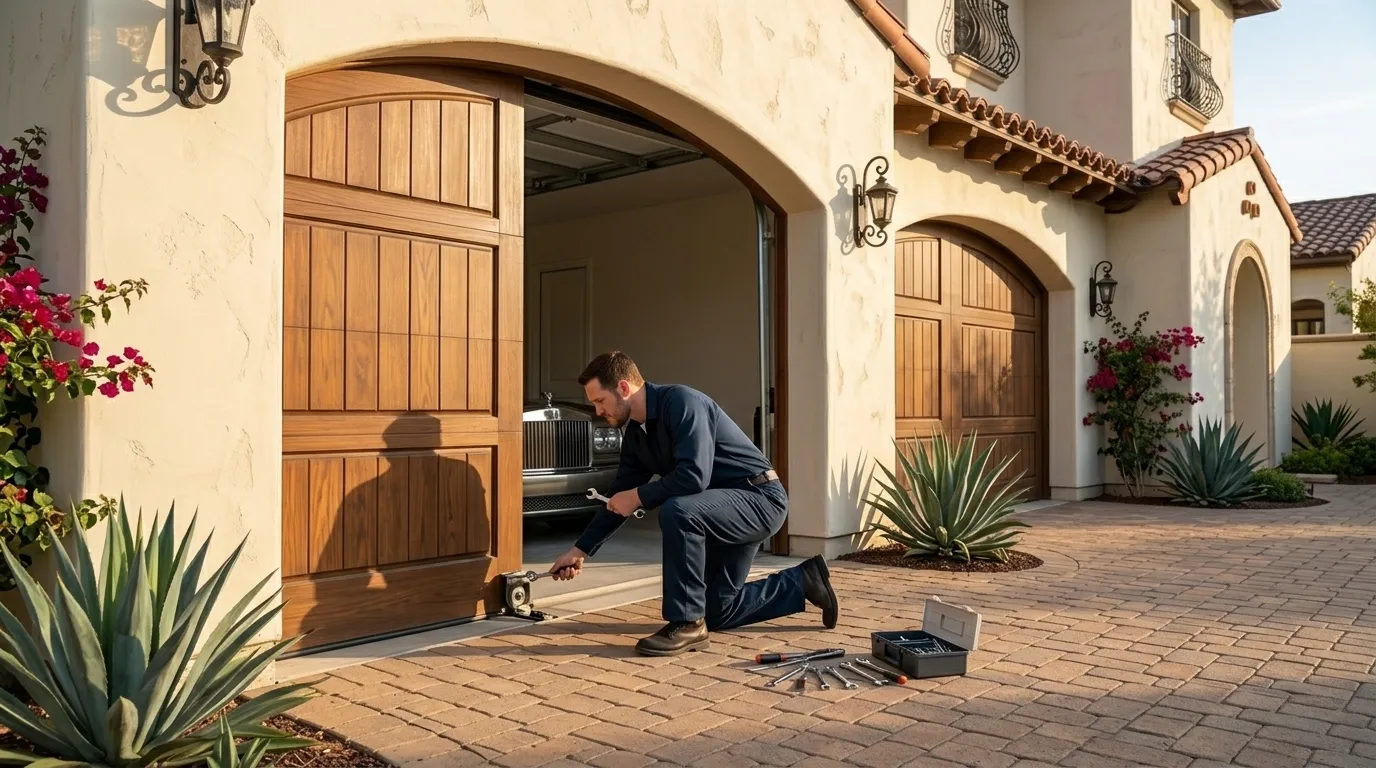
The typical North Bay Village house was built around 1981, which puts most garage doors and openers here squarely in the post-1970s wave - chain-drive openers nearing or past their working life, torsion springs rated for a duty cycle that's usually already been exceeded, and steel sectional doors that have seen forty-plus years of salt air off the bay. That combination shows up as noisy openers, springs that let go without warning, and rollers that have worn oval instead of round. Compare that to a neighborhood like Coral Gables or Pinecrest with older or newer housing stock and the failure points shift - here, it's consistently spring fatigue and opener drivetrain wear, not foundation settling or panel rot from very old wood doors.
What the Housing Means for Your Door
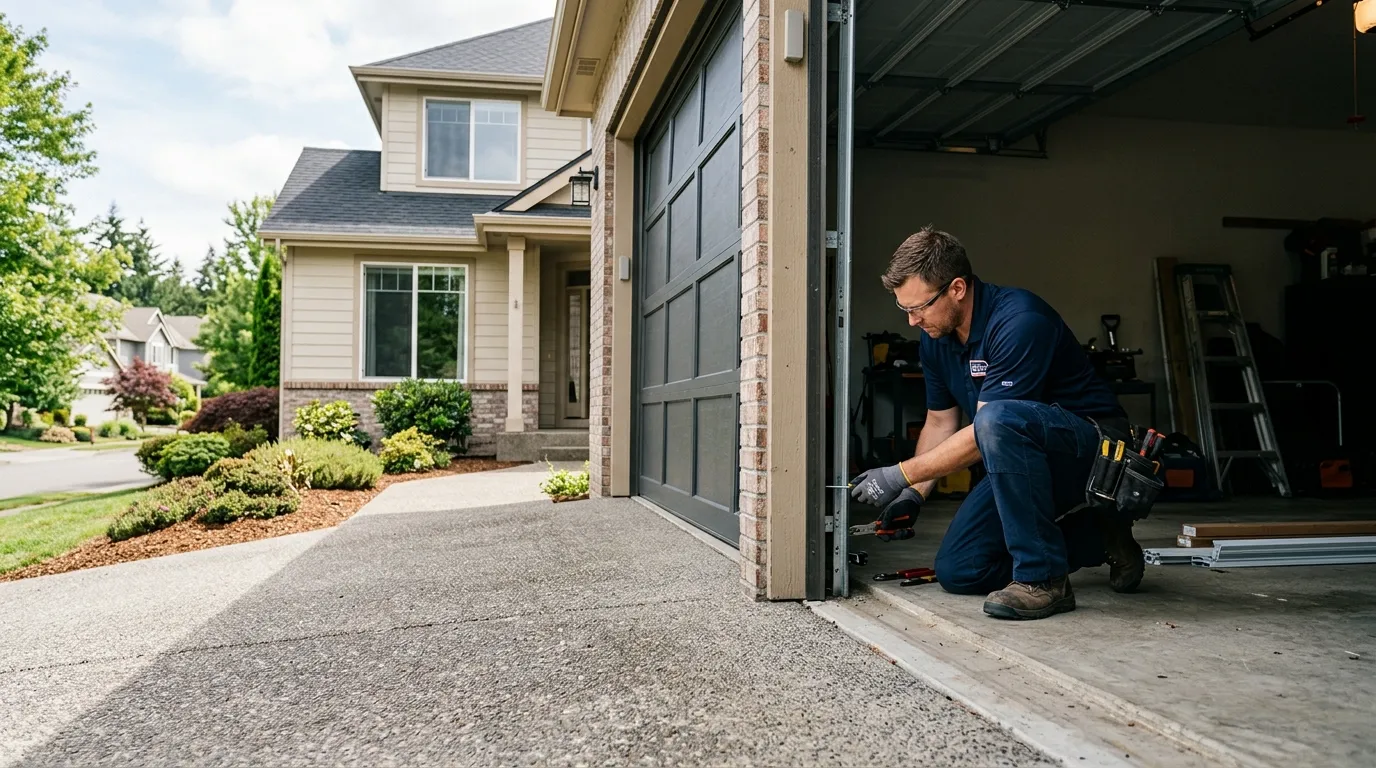
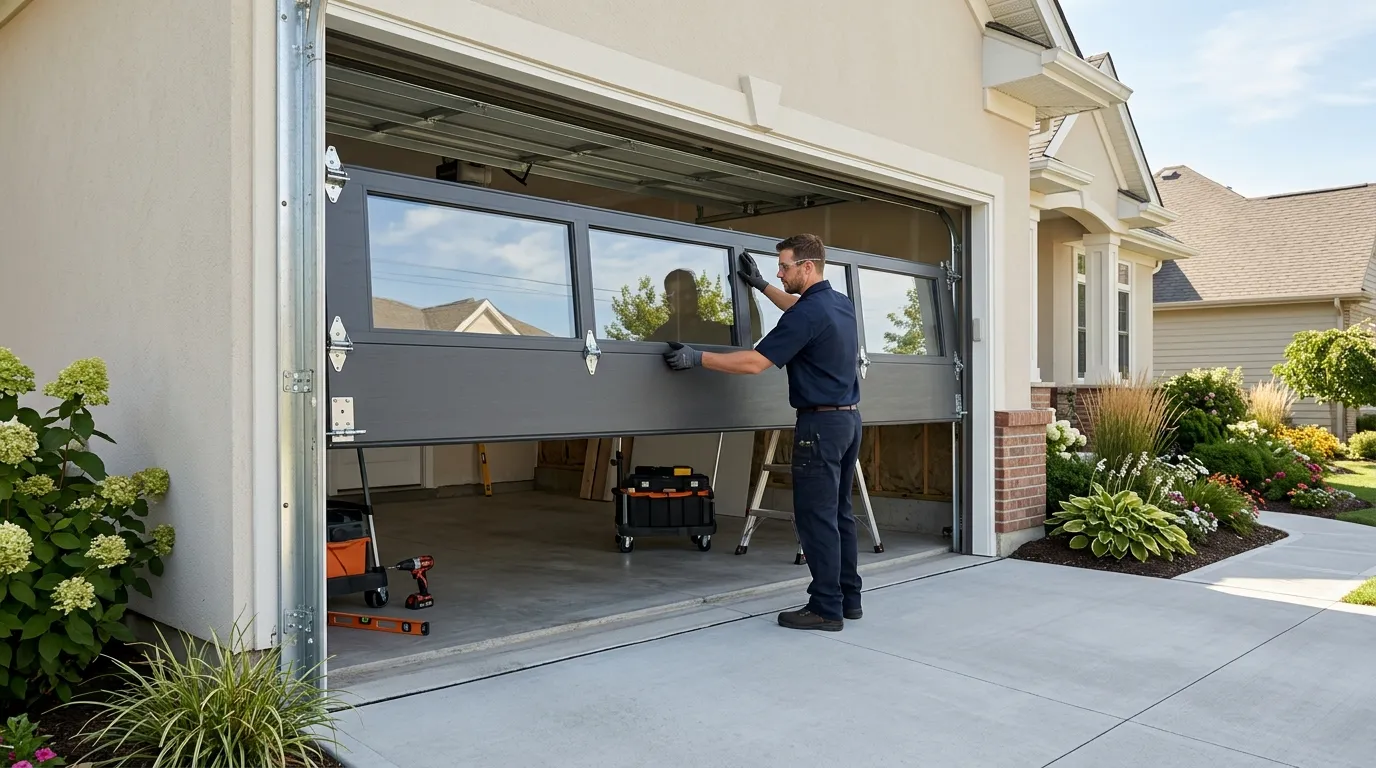
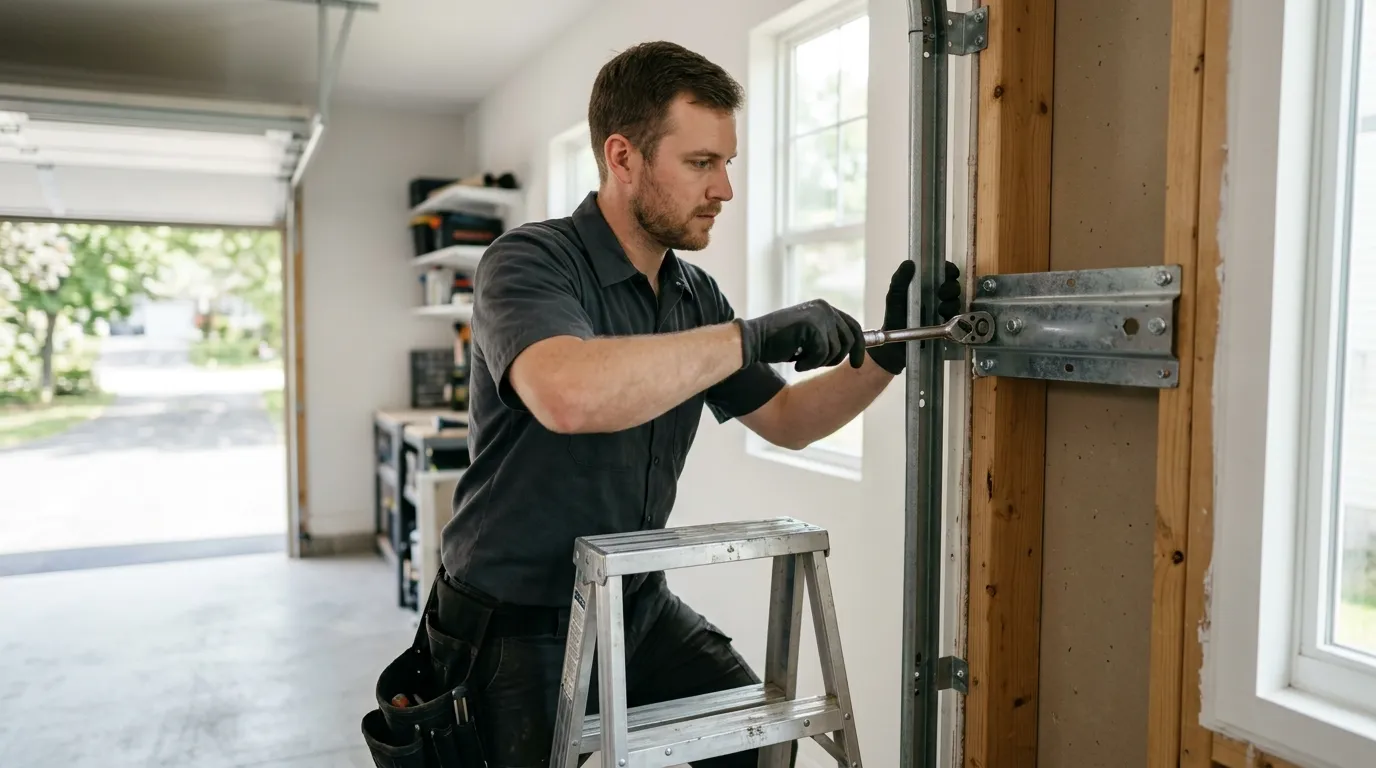
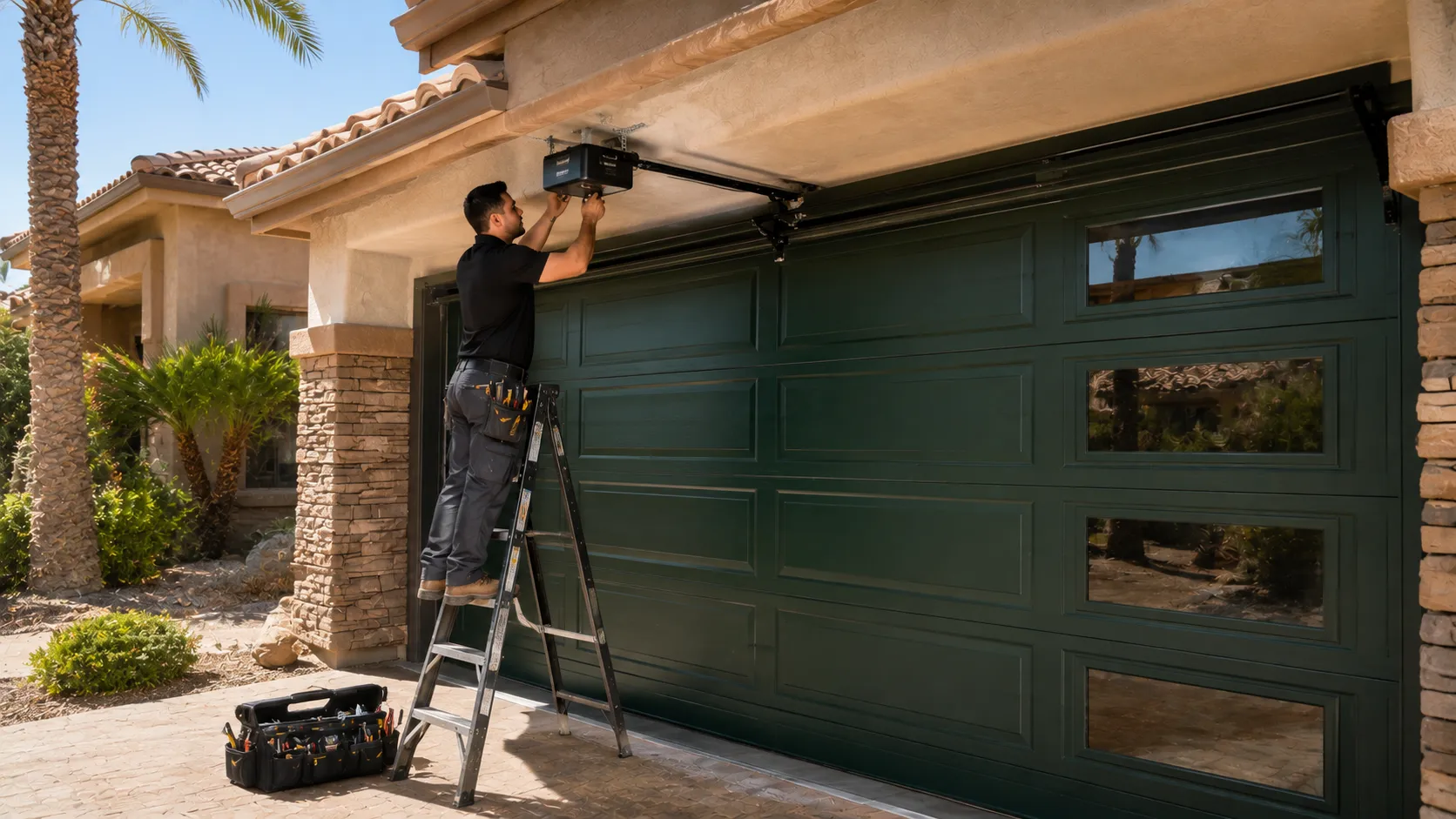
A house built in 1981 was almost certainly built to the codes and materials standard of that decade - lighter-gauge steel doors, torsion springs sized to older weight assumptions, and openers with none of the safety reversal sensors required today. That's the honest limitation: on some of these original setups, we can't just swap a part and call it done, because the opener predates the sensor mandate entirely, and patching around that isn't a repair we'll do. Where the door itself is sound, we replace the opener with a current unit and keep the original door and track. Where the springs are original, they're due regardless of whether they've failed yet - a 40-plus-year-old torsion spring on a door used daily is living on borrowed cycles. With median household income here at $80,761, most owners we talk to choose full opener replacement over patching a sensor-less unit, since parts for that generation of opener are getting harder to source.