Common Jobs Here
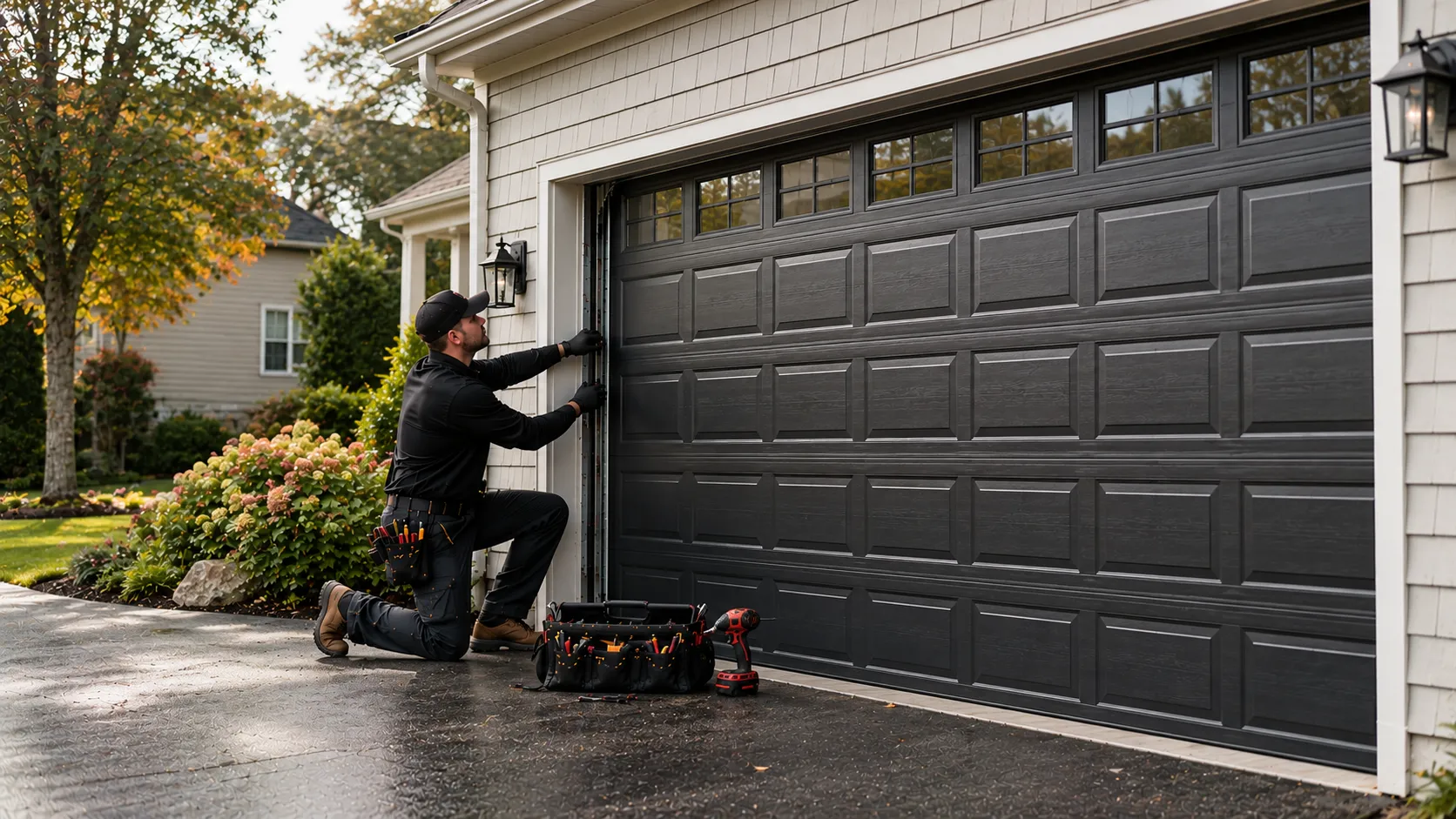
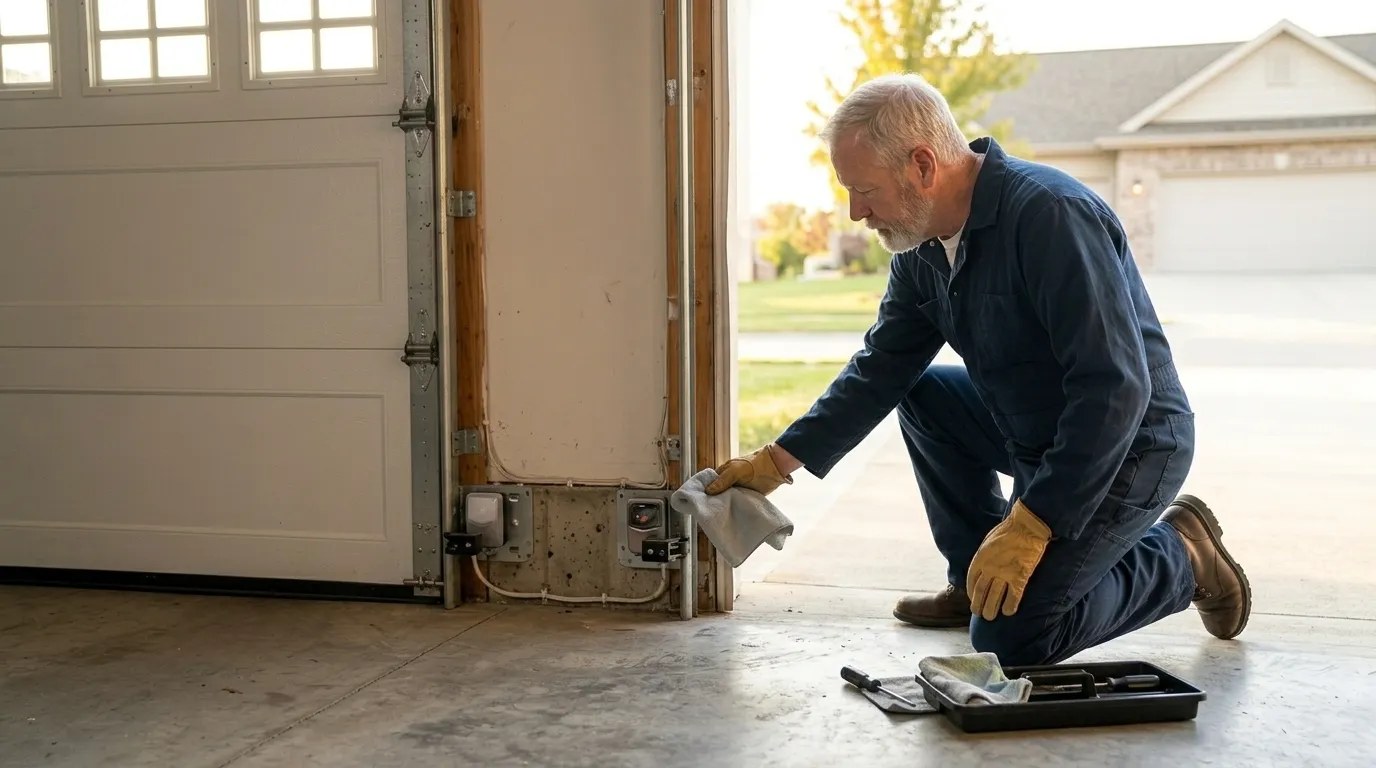
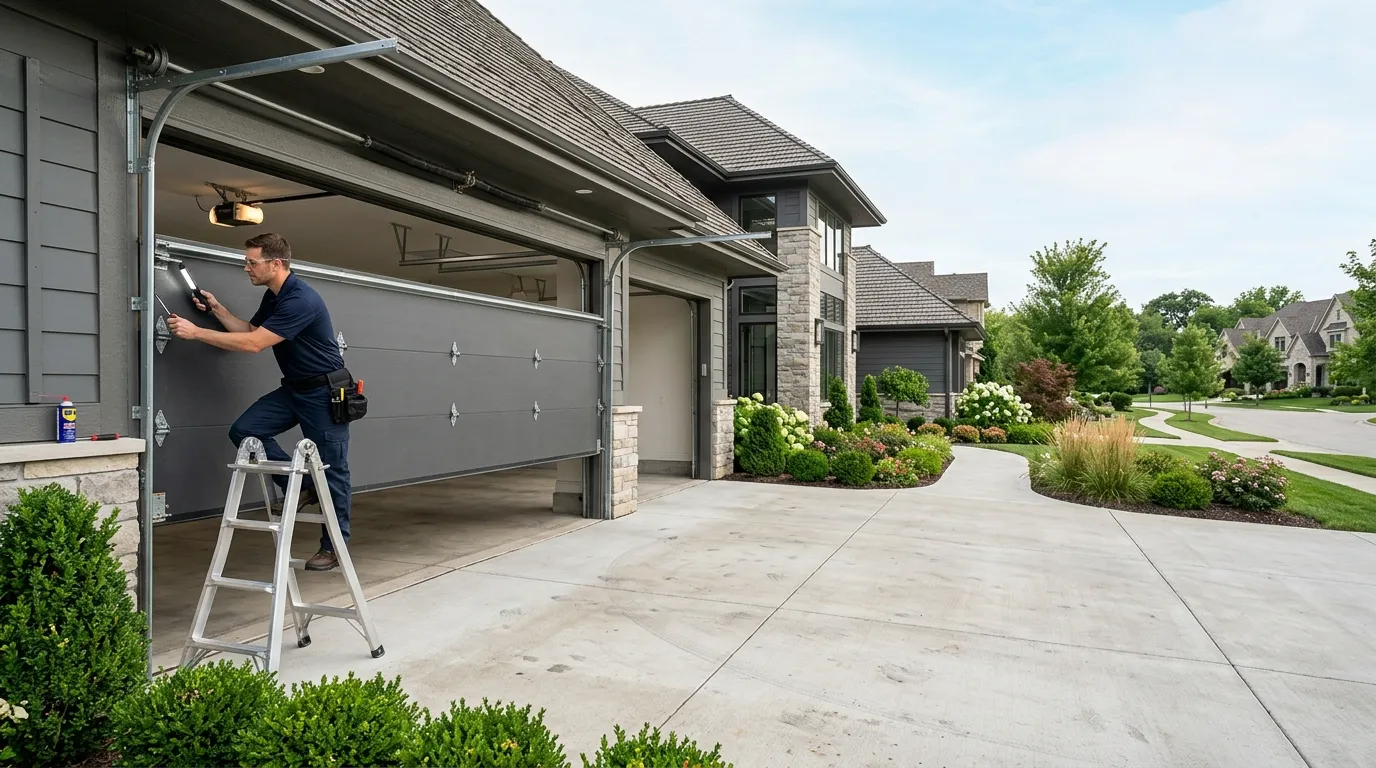
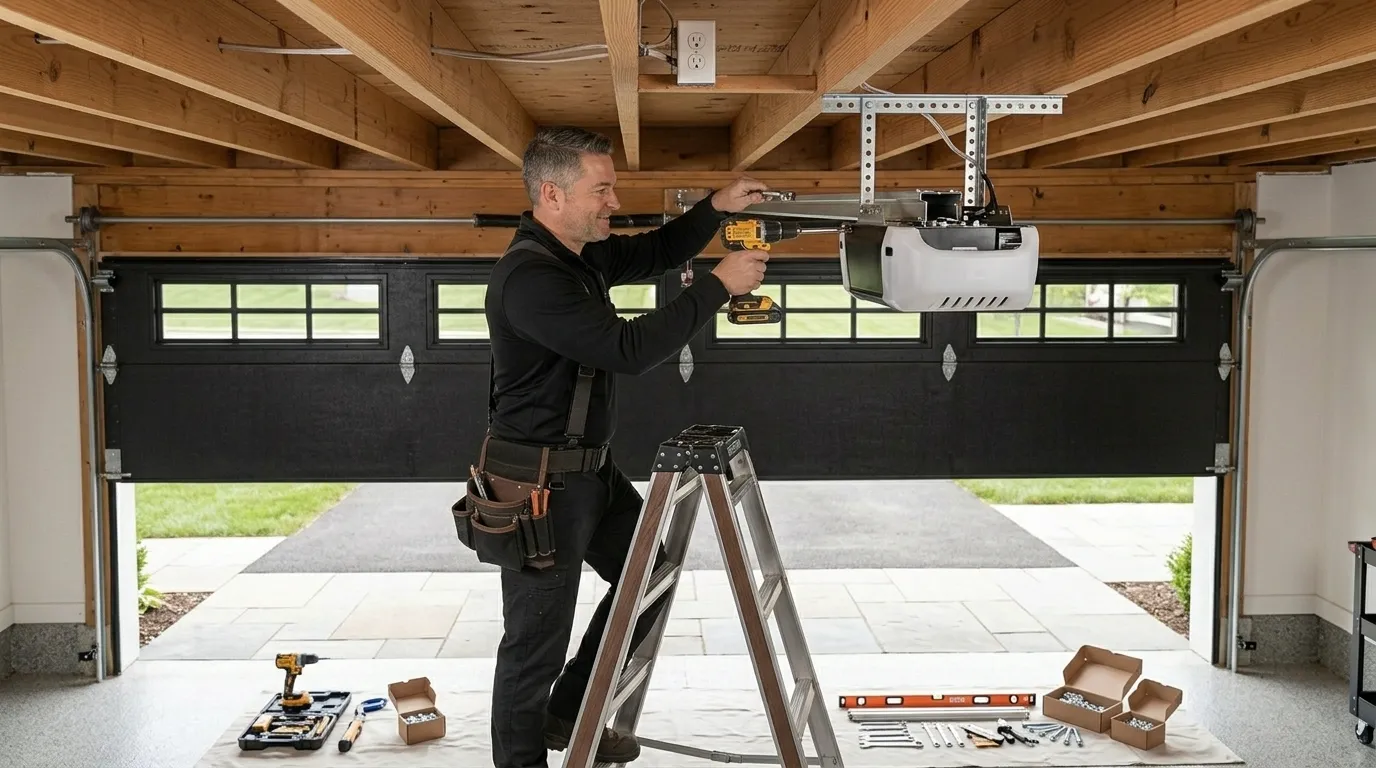
North Miami's housing stock centers on 1966, which puts a lot of these garages a decade ahead of the citywide median of 1976. That earlier build year shows up in the calls we get: torsion springs that have simply outlived their cycle count, worn rollers on tracks that were never updated to nylon, and openers that are the second or third unit on original hardware that was never designed for a modern chain-drive.
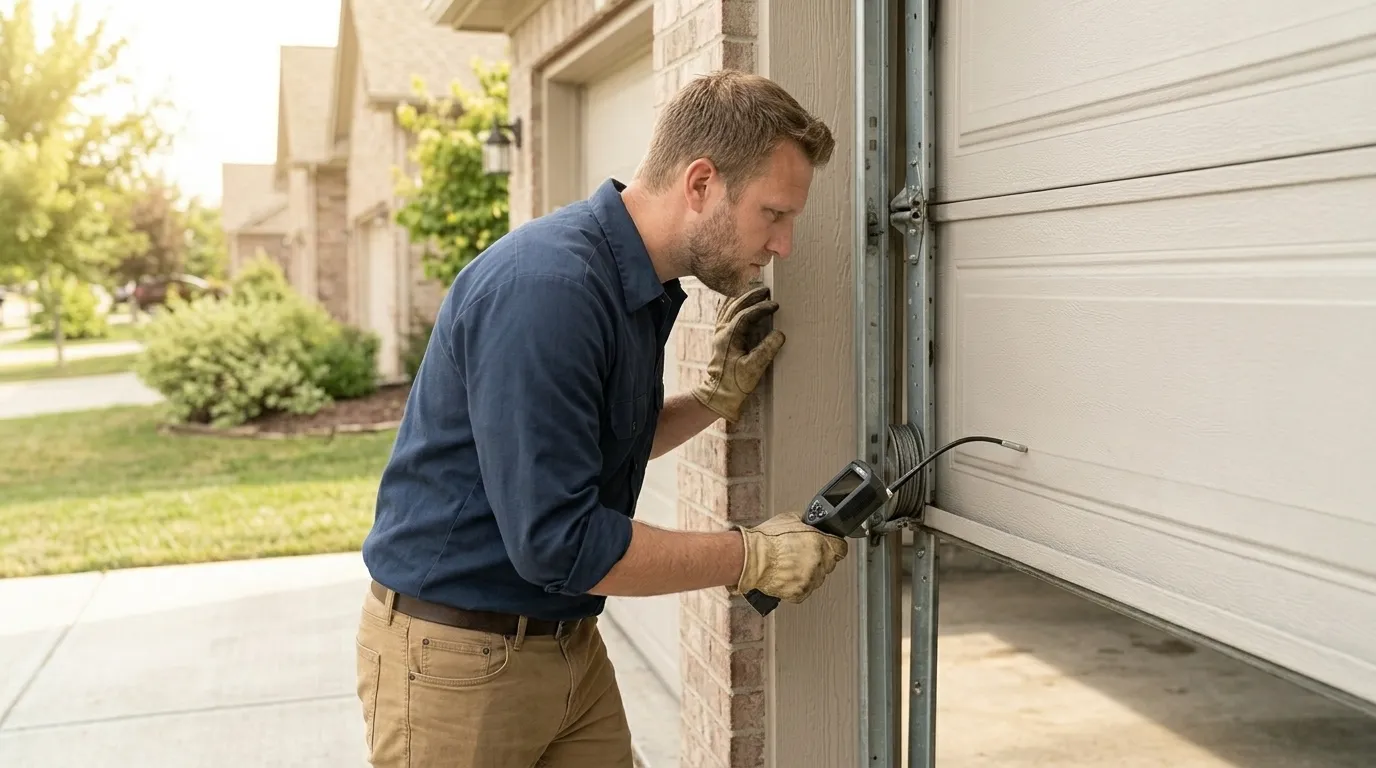
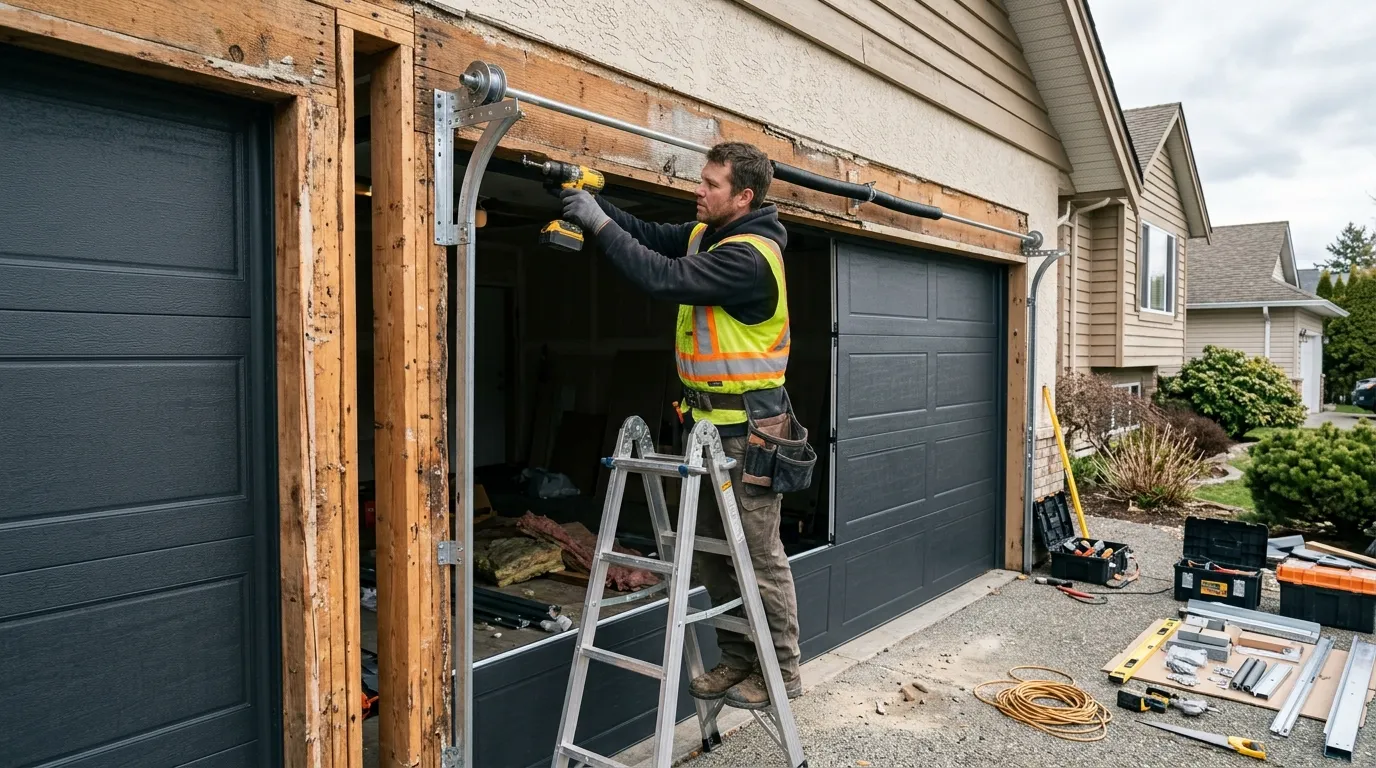
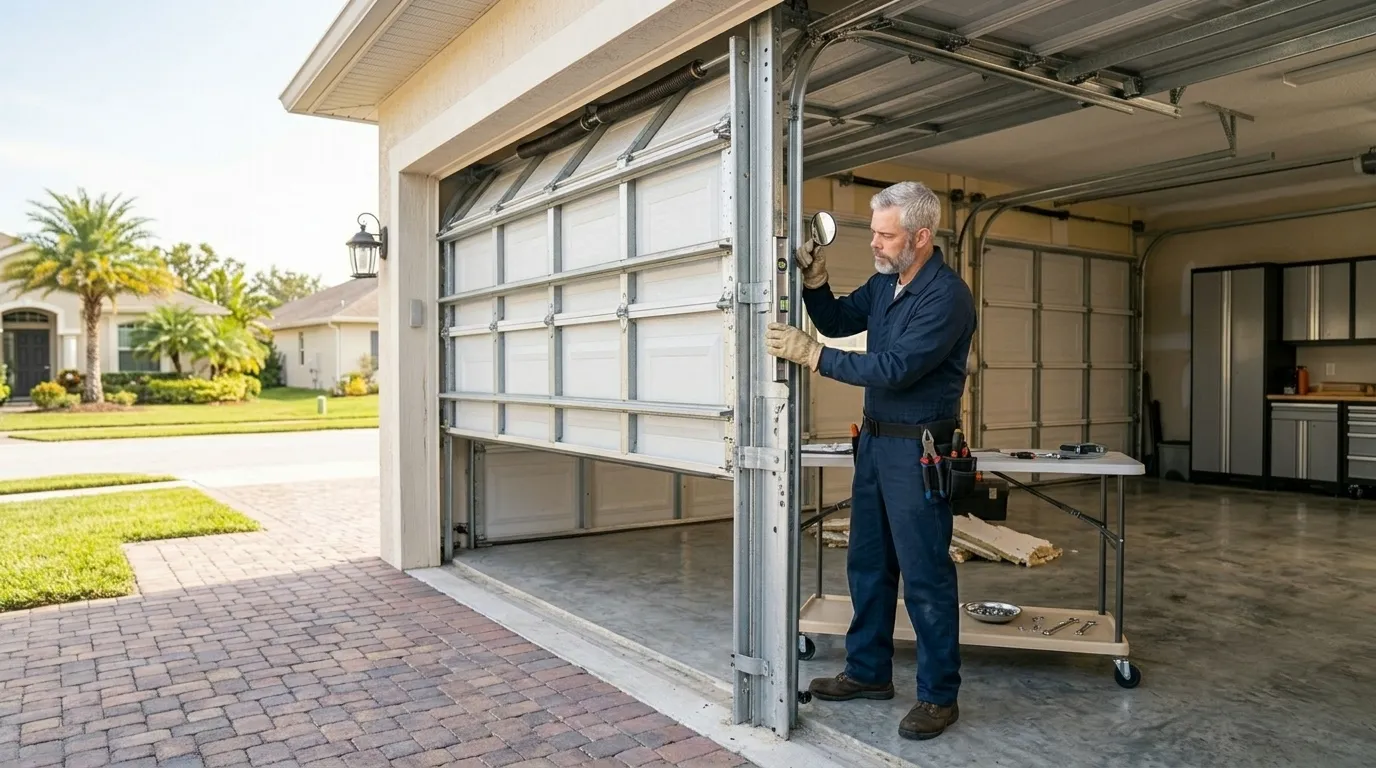
We also see more single-spring setups on double doors out here than in newer pockets of the service area - a detail from when that spring size was standard, not a shortcut anyone took later. Swapping a single spring for a matched pair when one fails is usually the right call rather than patching the old one, since the second spring is close behind it in wear. We'll tell you straight when a repair is the better move and when it isn't worth it on a door this old.
What the Housing Means for Your Door
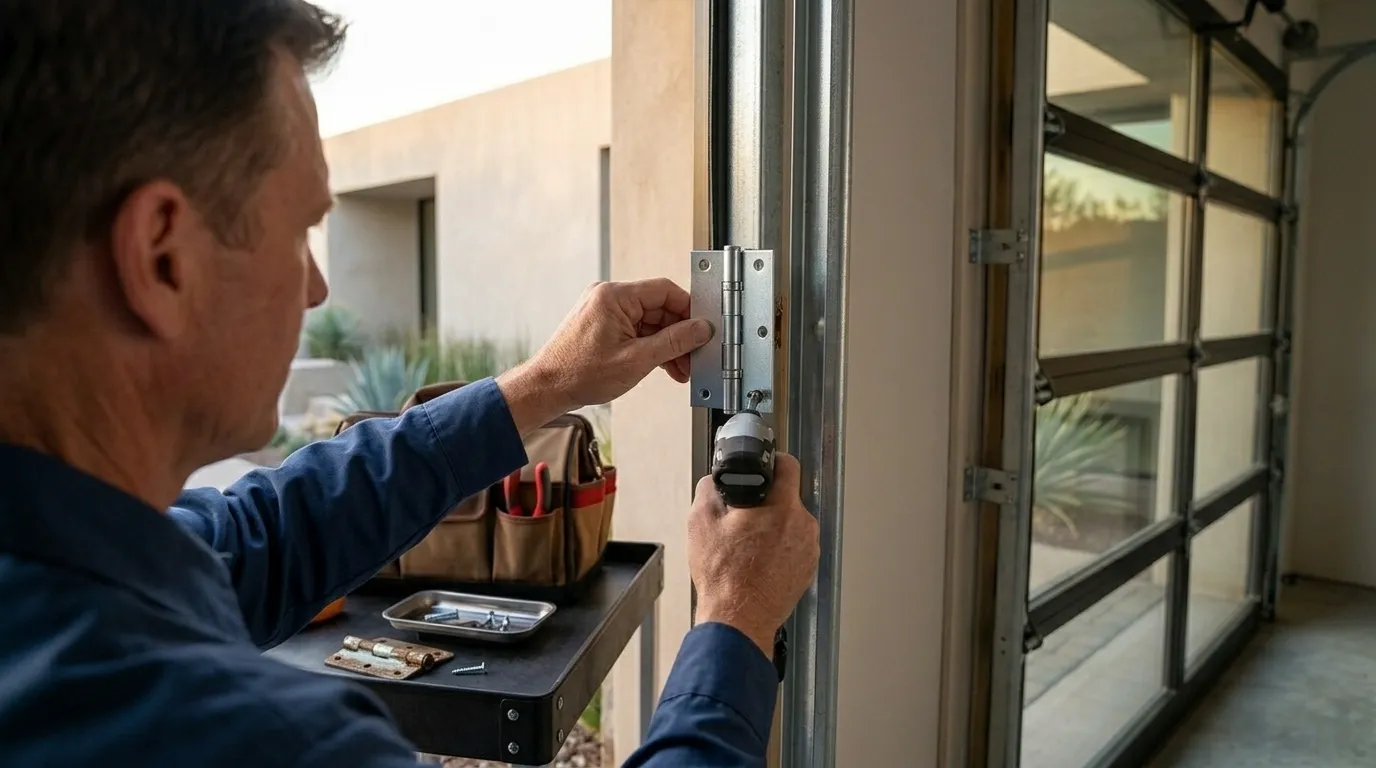
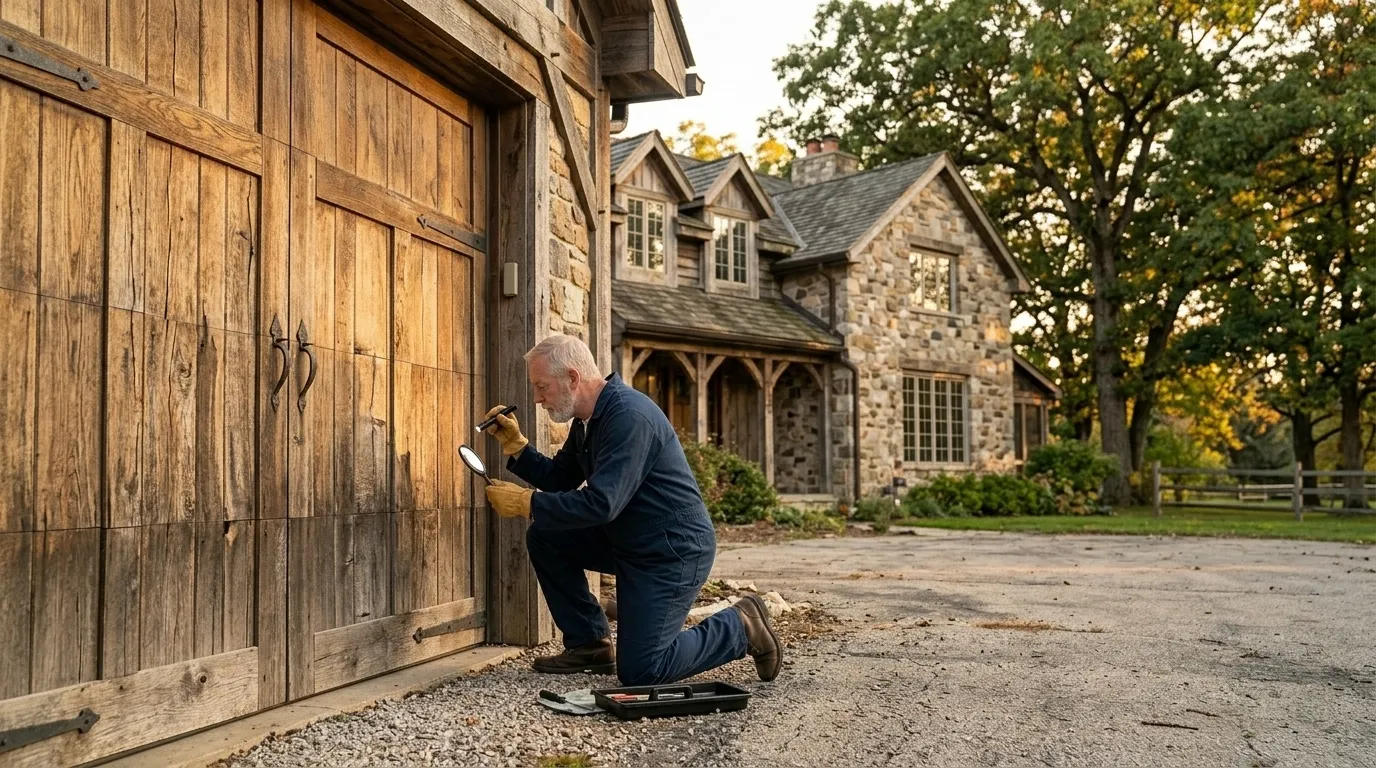
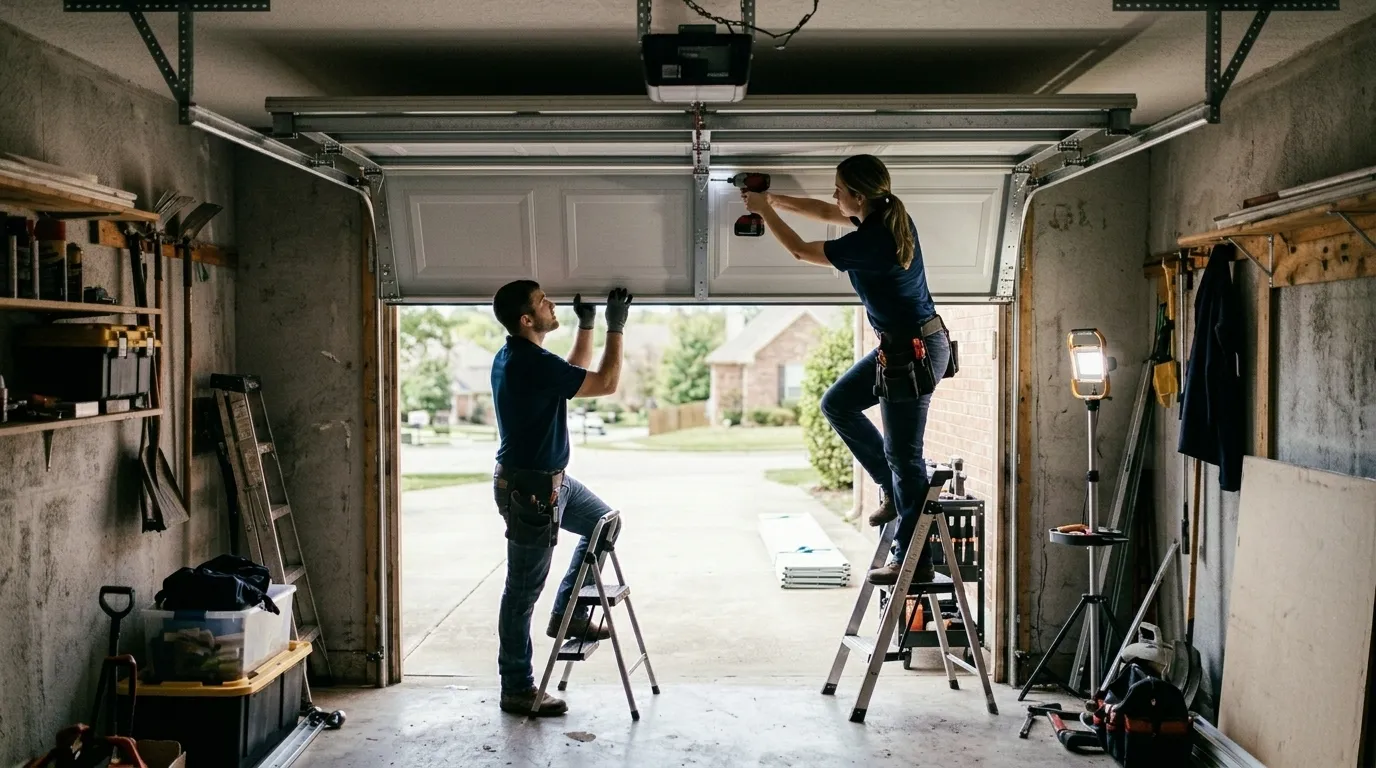
A door installed around 1966 was built to different sizes and hardware standards than anything sold today. Track width, drum size, and the spacing on the end bearing plates have all shifted over sixty years, so a replacement part off the shelf doesn't always bolt straight onto original hardware here. That's the single biggest reason a repair on one of these older doors takes longer than the same fix on a house built in the 1990s - matching parts sometimes means adapting, not just swapping.
The climate here falls in the mild temperate band, which is kinder to steel and wood than harsher regions, but it doesn't stop hardware from aging on its own schedule. A spring rated for a set number of cycles wears out on those cycles whether the weather helped or not. Given the age of the housing in this pocket, we'd rather quote you an honest number for parts and labor upfront than guess and revise it once we're under the door.