Common Jobs Here
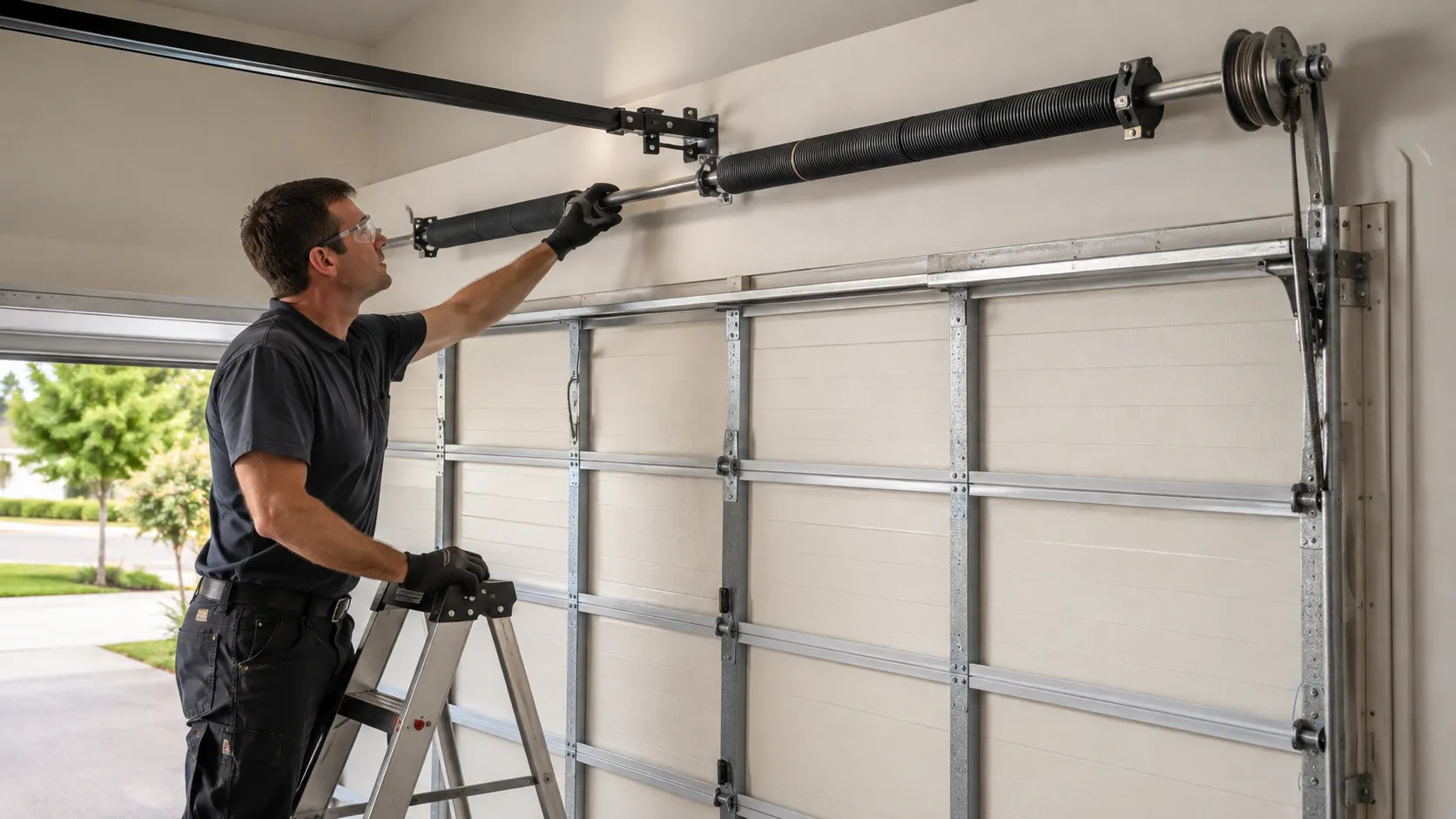
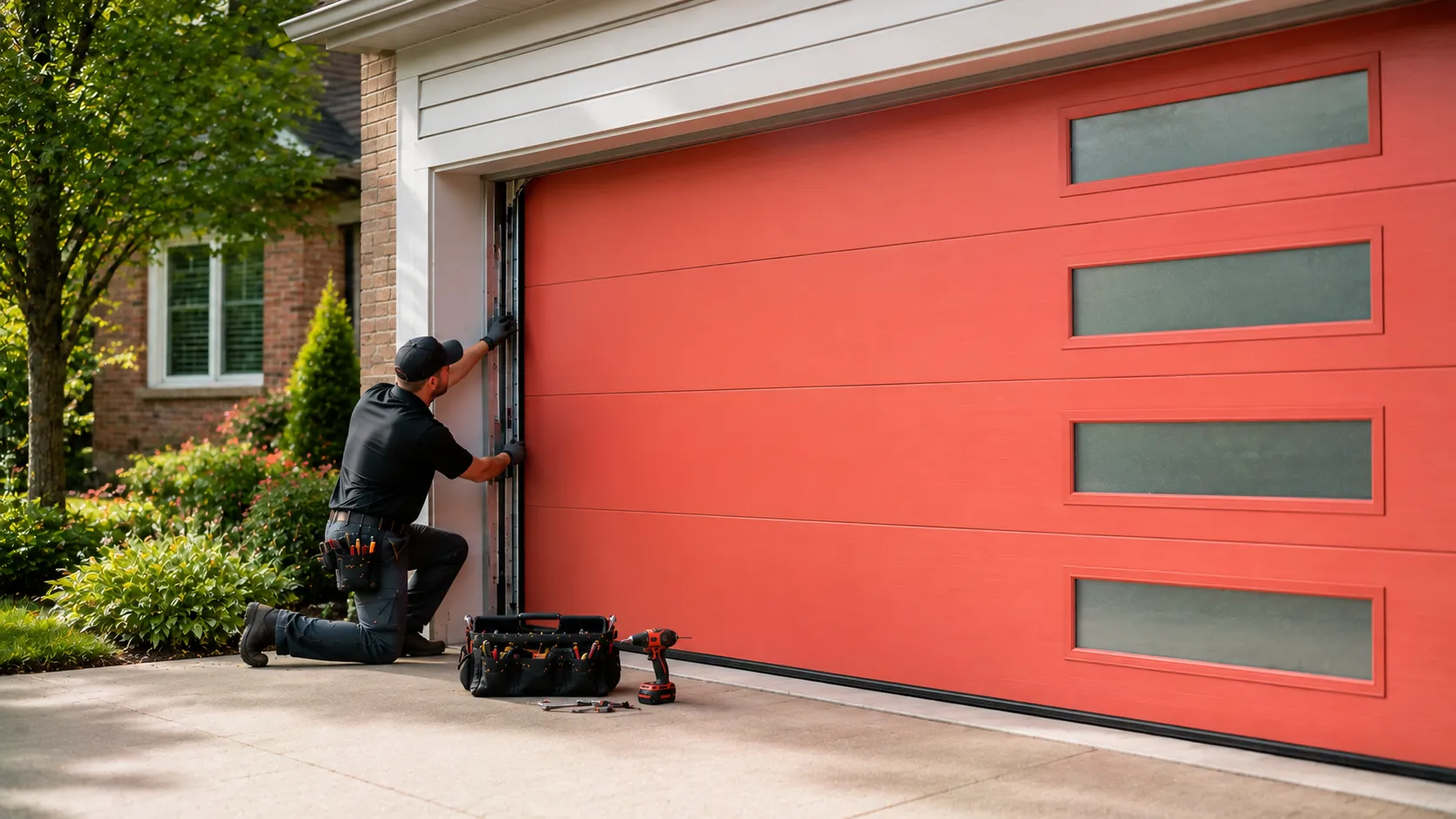
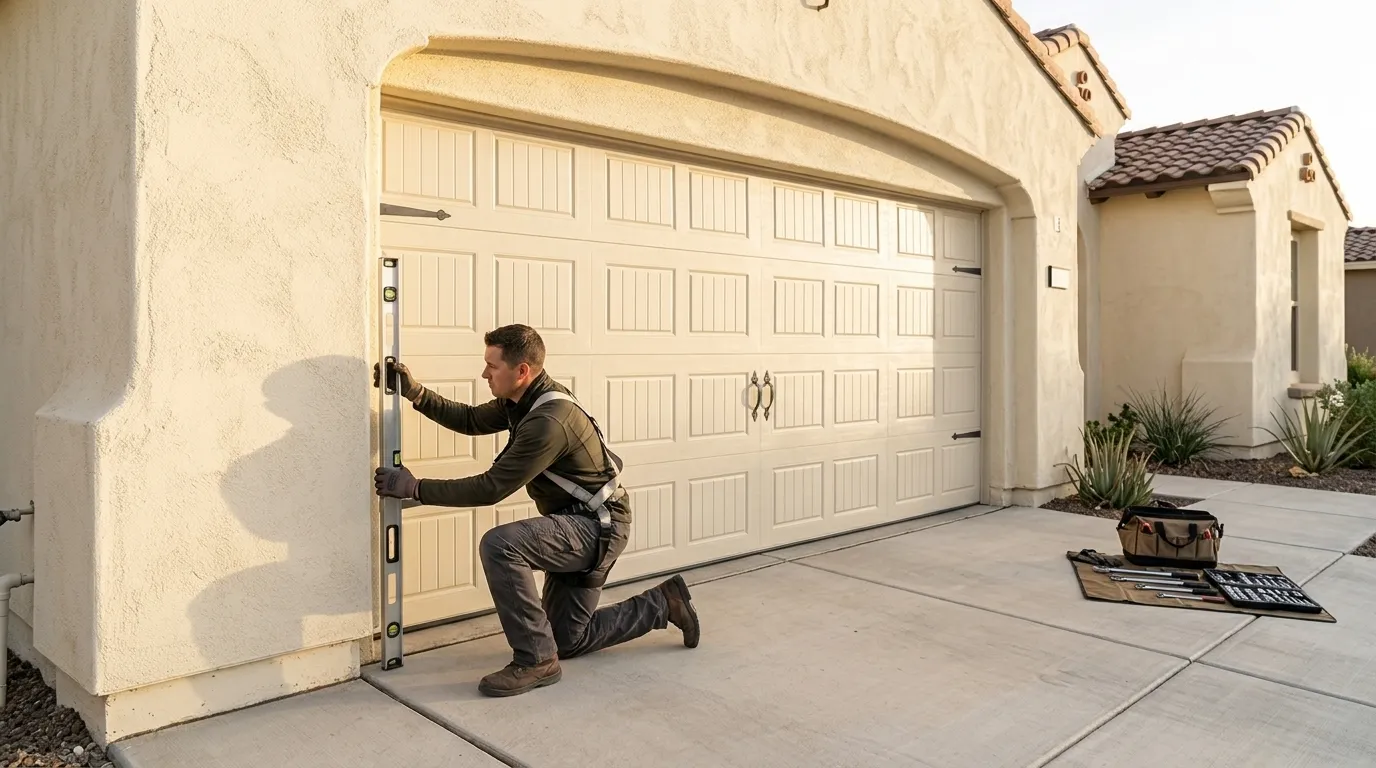
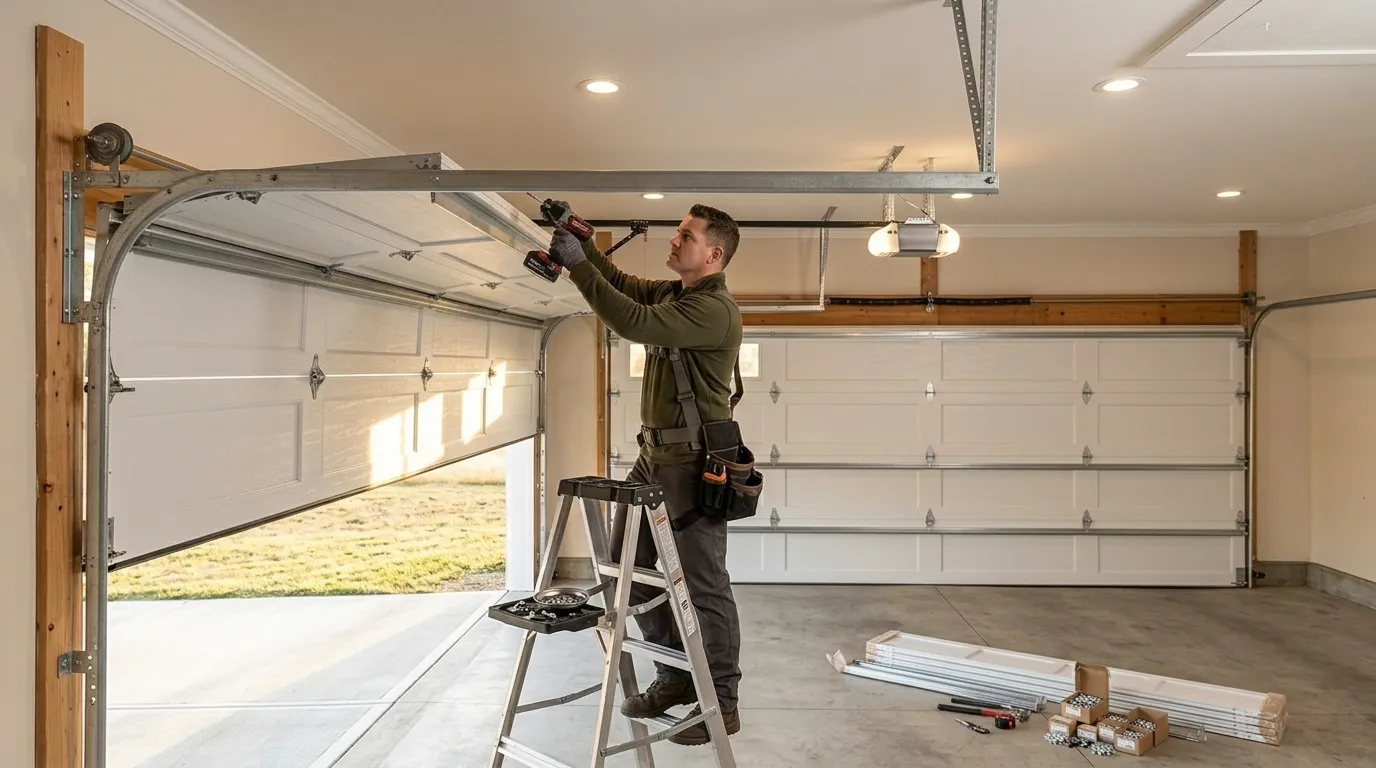
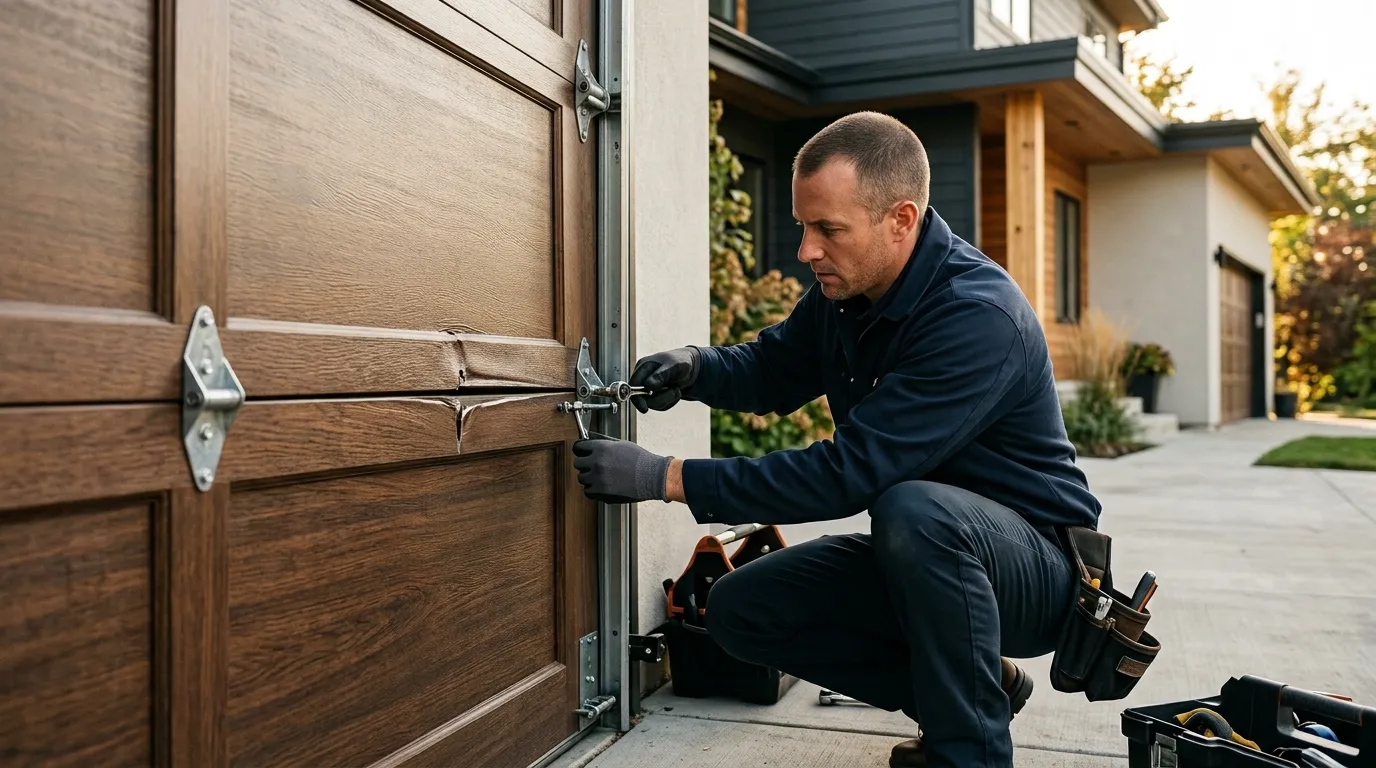
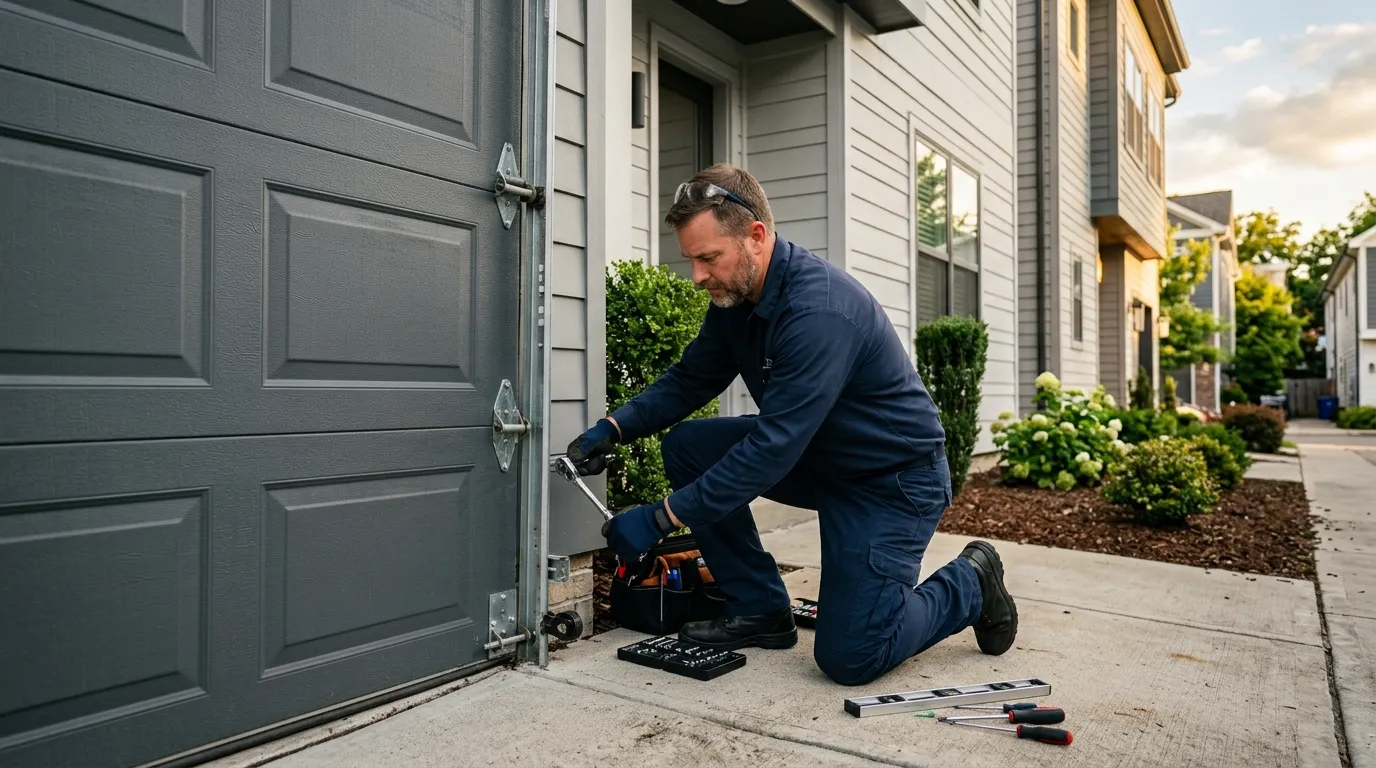
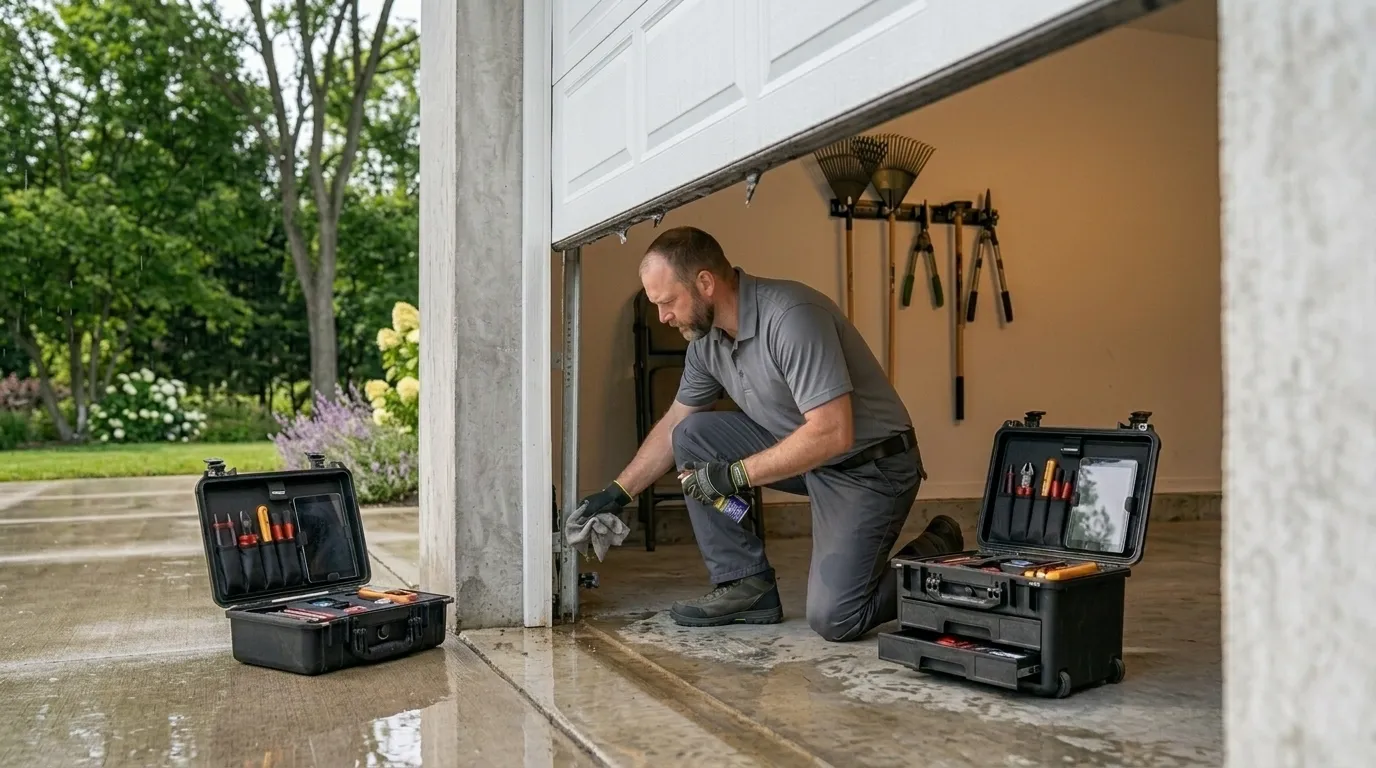
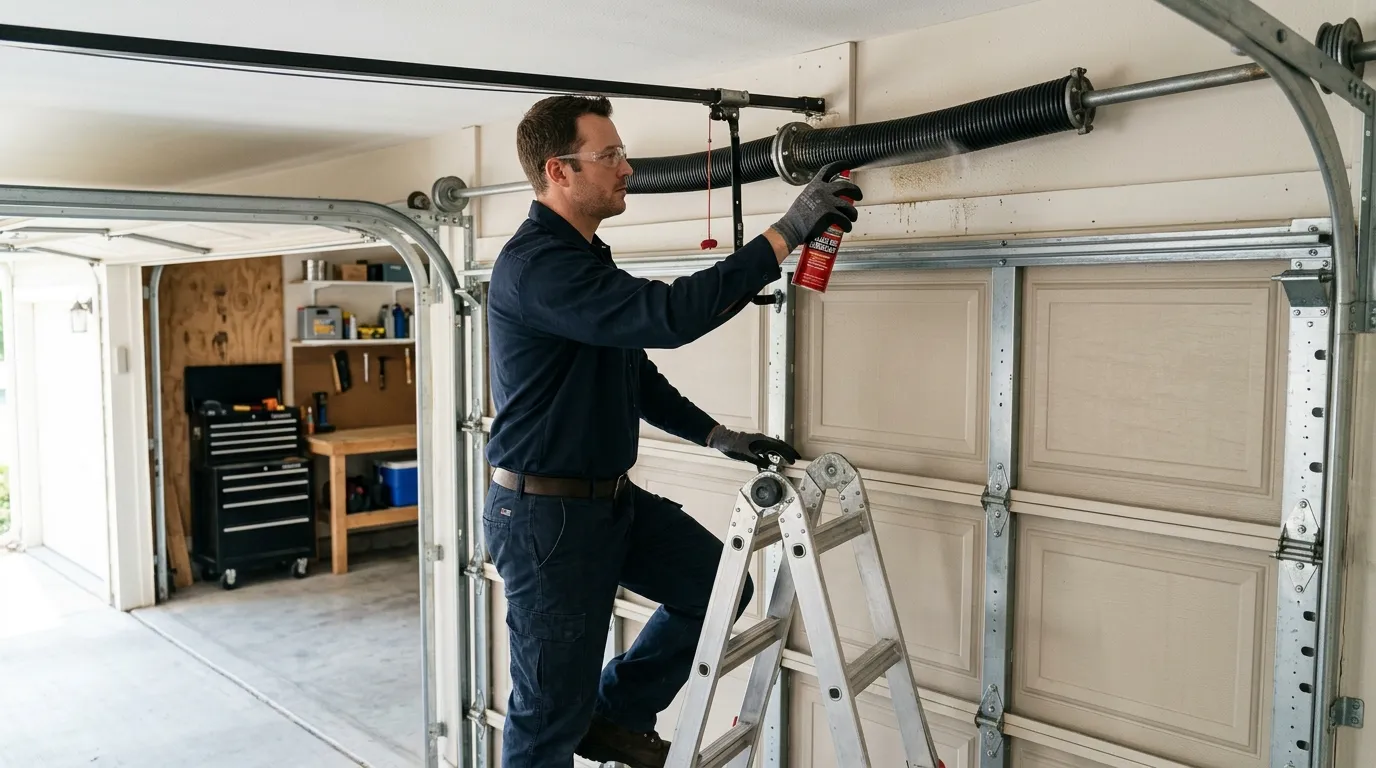
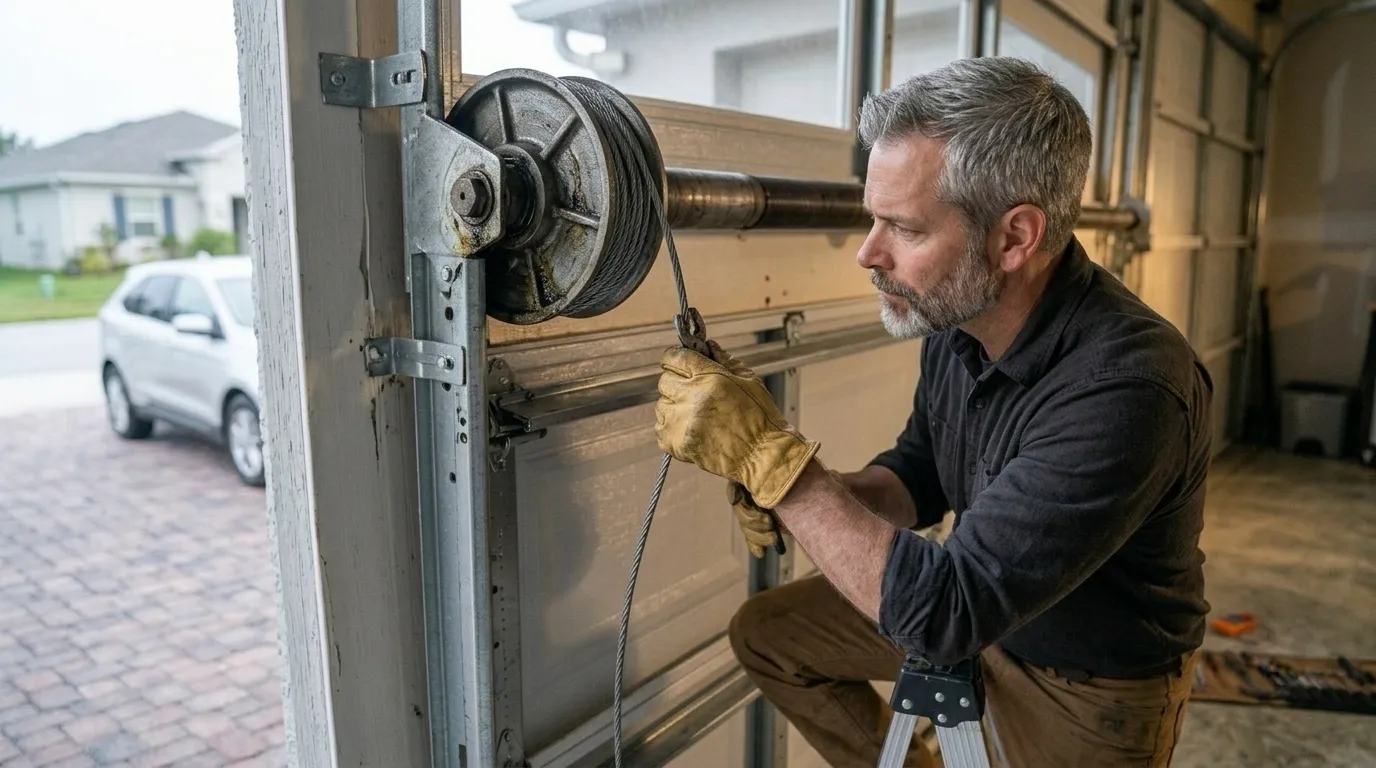
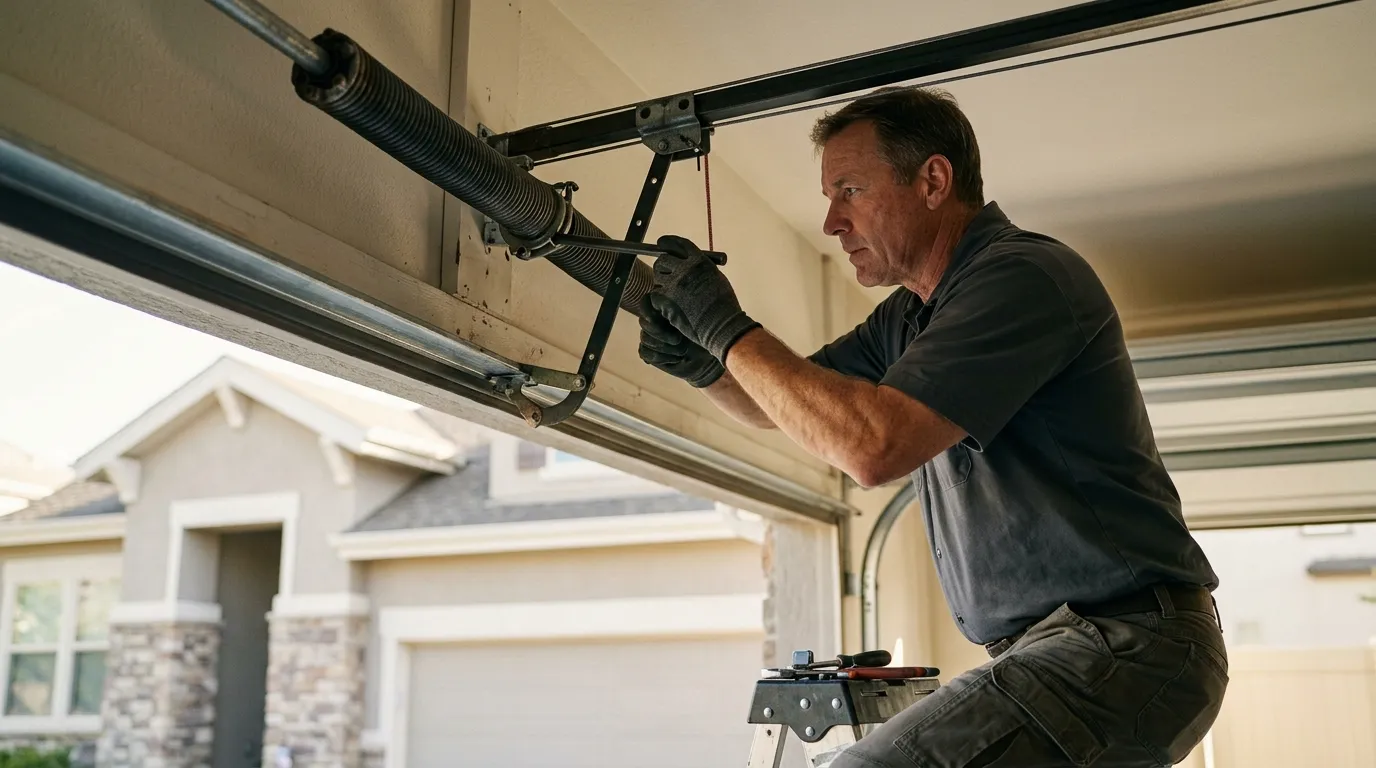
With roughly 6,818 households in this pocket and a median household income of $64,667, most of what we get called out for isn't a luxury upgrade - it's a door that's simply aged out. Torsion springs on doors installed when this area was mostly built out (median year 1970) are well past the point where they should be trusted; a spring built to spec for 1970s hardware is not a spring you want failing over a car.
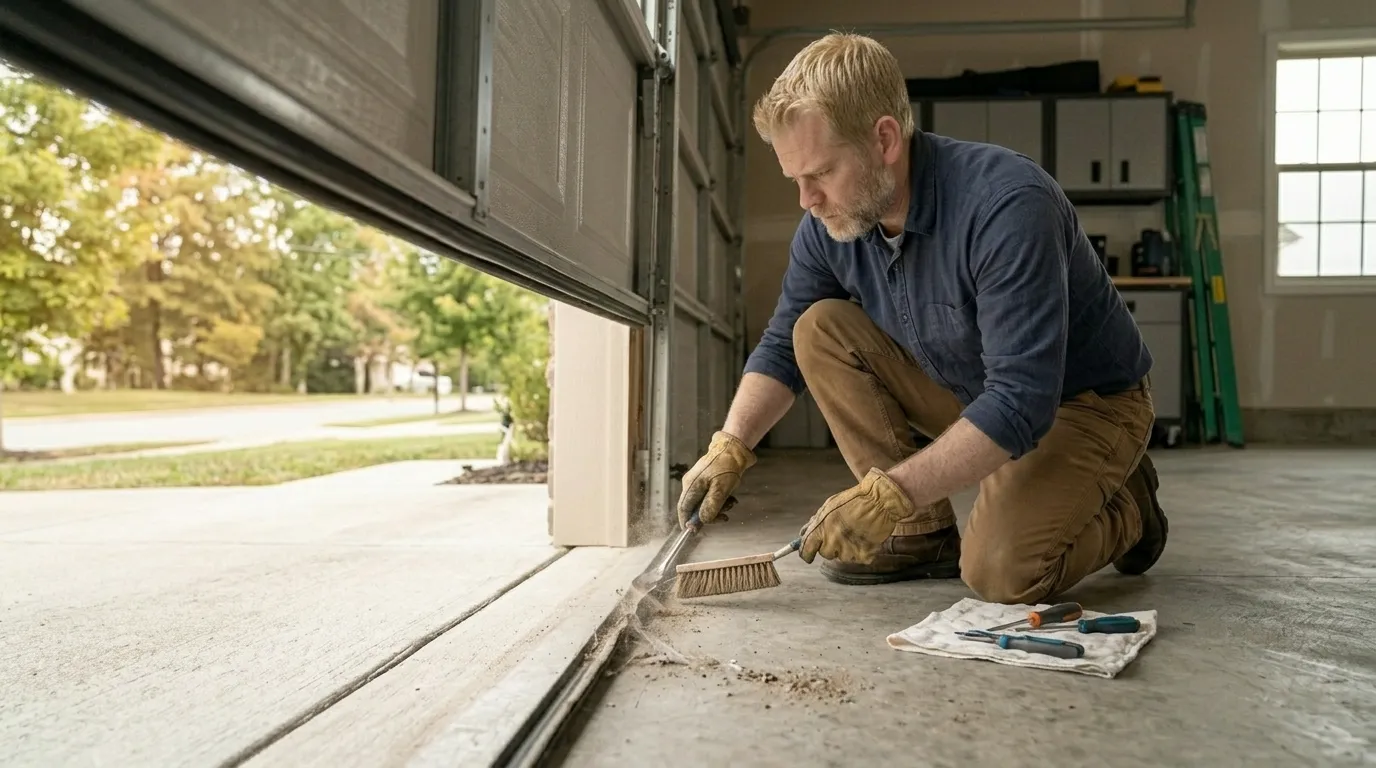
Rollers and hinges on doors from that era were often steel-on-steel with no nylon sleeve, so the noise complaints we hear from Ojus tend to be a specific kind of grinding rattle rather than a soft rumble. Openers from a later retrofit era sometimes don't match the original track spacing, which shows up as binding on one side. We don't upsell a full door replacement when a spring and a roller set will get another decade out of the door - that's a call we make on site, not over the phone.
What the Housing Means for Your Door
Ojus's housing stock centers on a median build year of 1970, which puts it squarely in the 1960s-70s wave that shaped much of this part of the county. Doors from that period were almost never insulated, and hardware was sized for lighter single-layer panels, not the heavier steel or insulated doors that became common decades later.
That matters because a lot of the openers sold today assume a modern door weight. Bolt one onto an original 1970s panel and it can work fine - or it can strain, because the balance point was never recalculated after a partial upgrade somewhere along the way. The mild temperate climate here doesn't stress hardware the way freeze-thaw regions do, so the failures we see are almost always age and wear, not weather damage. That's actually good news: it means most of what fails here is predictable and fixable, not a structural surprise.