Common Jobs Here
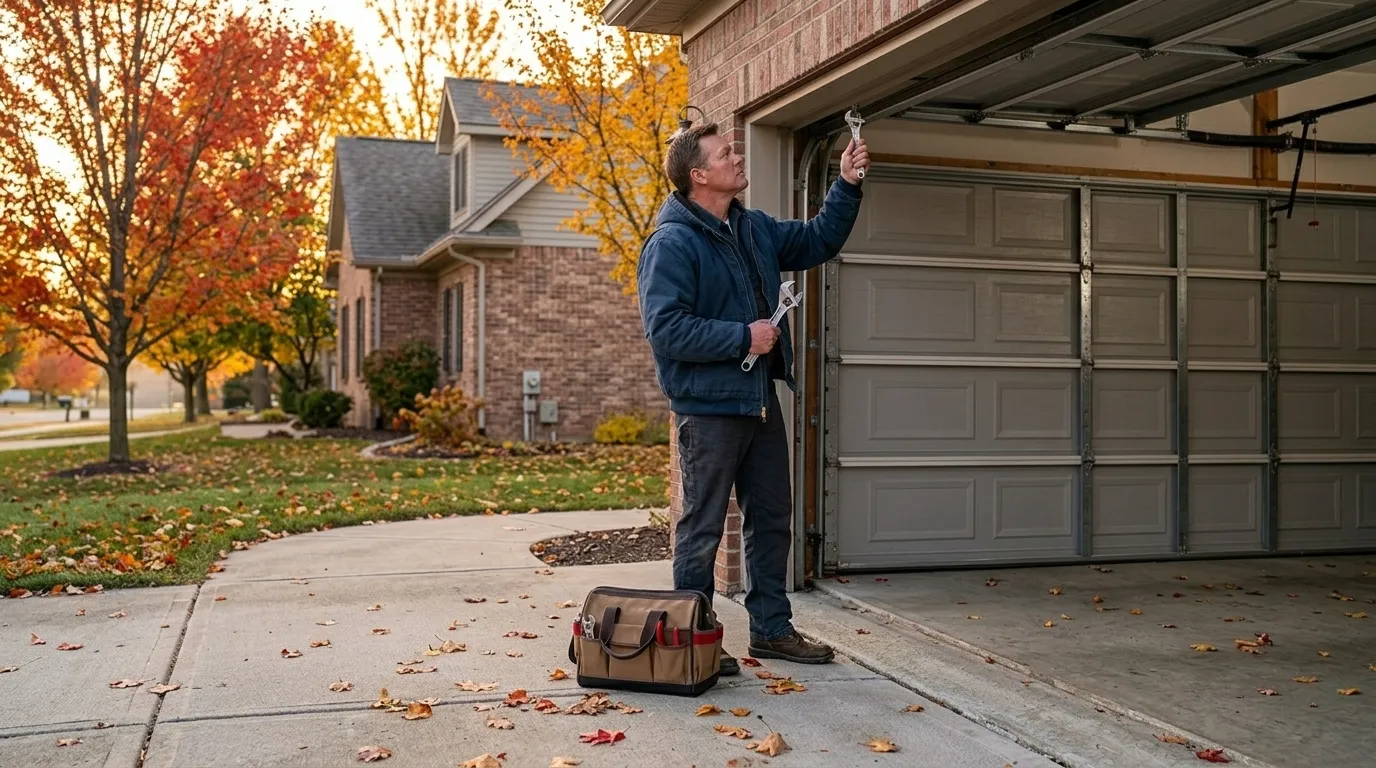
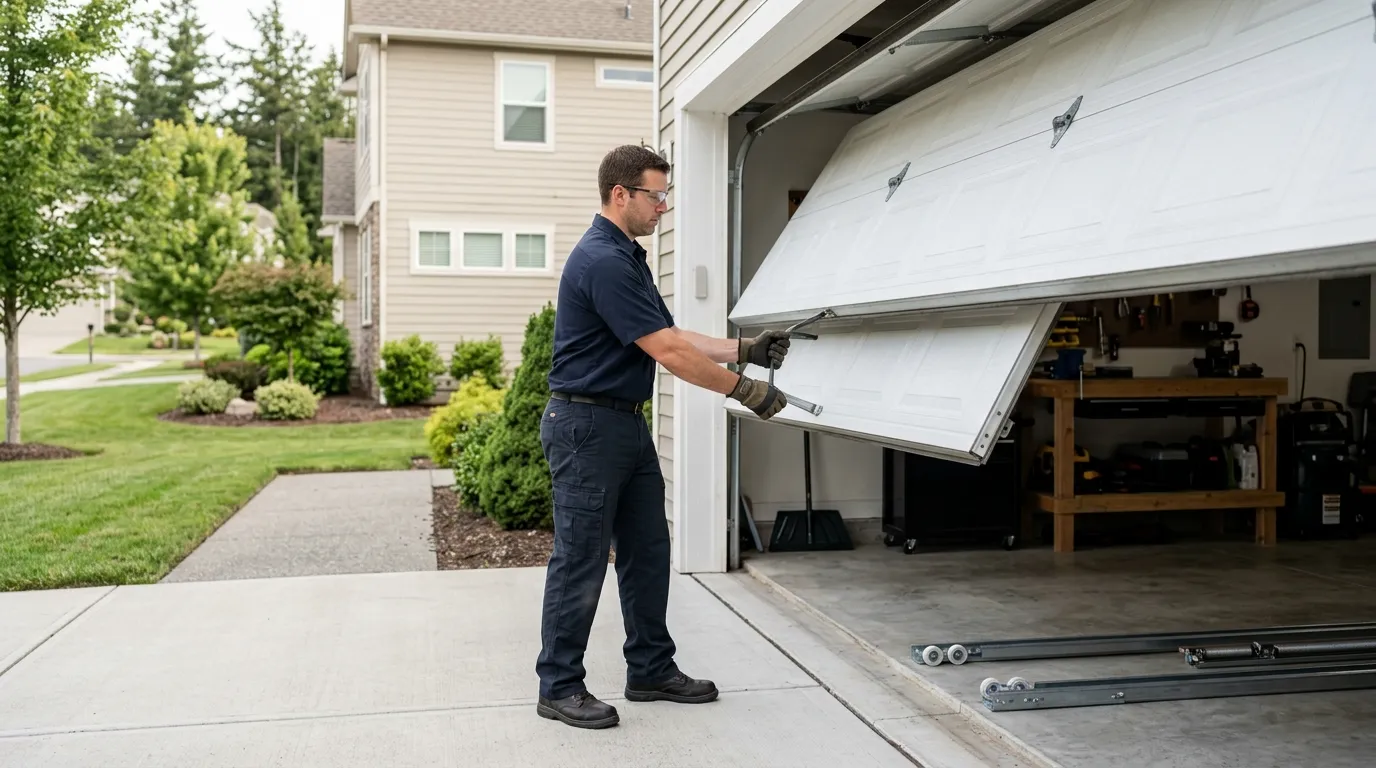
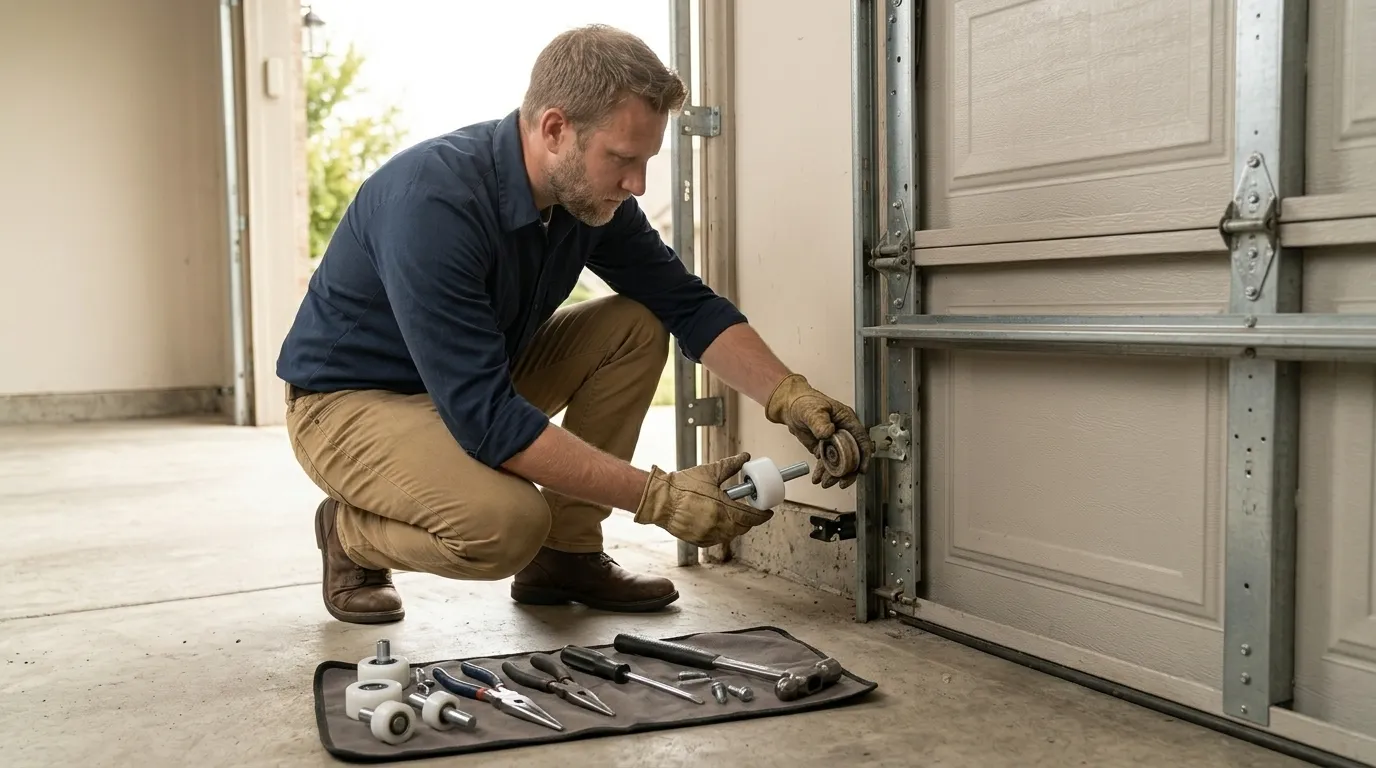
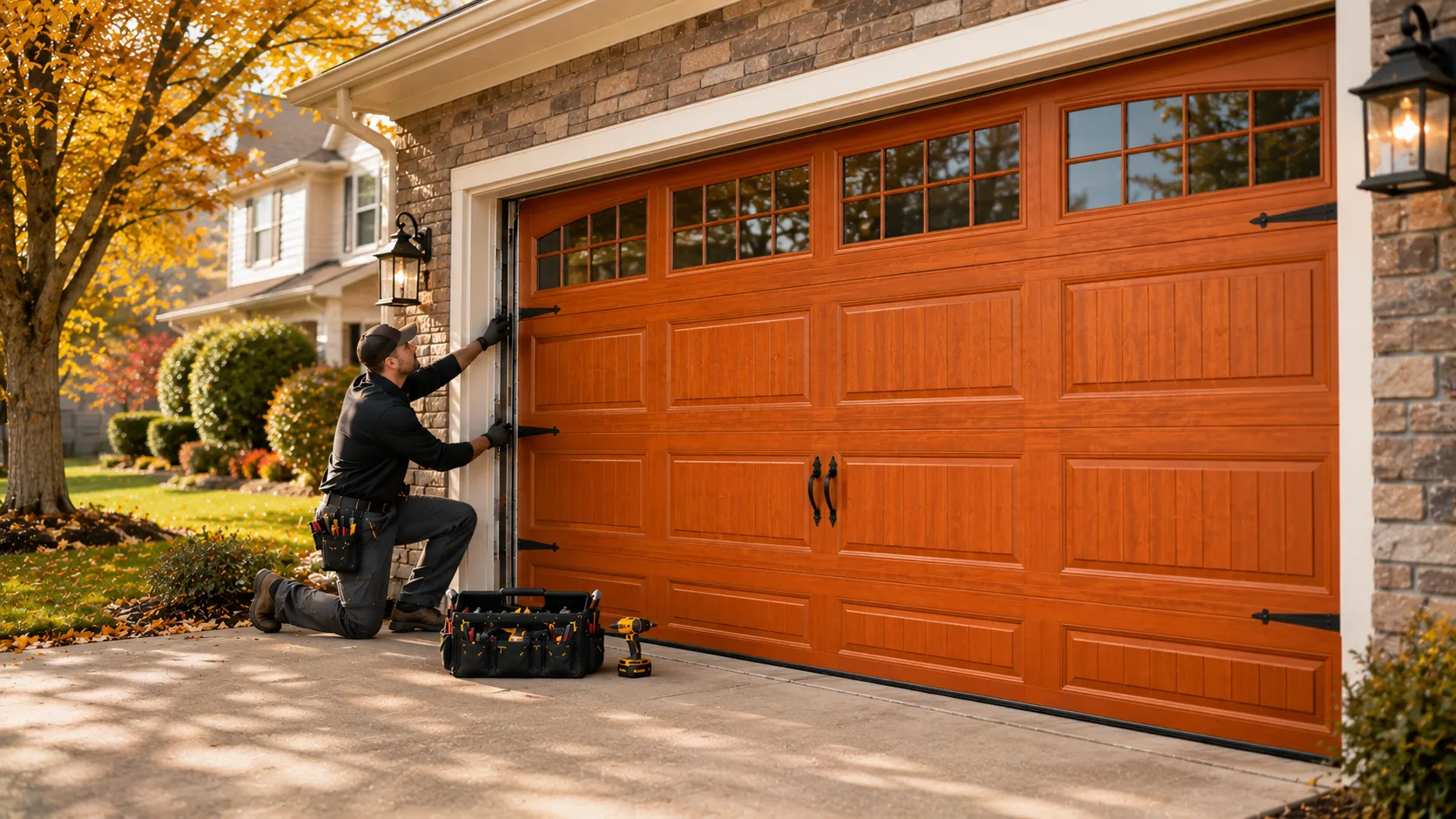
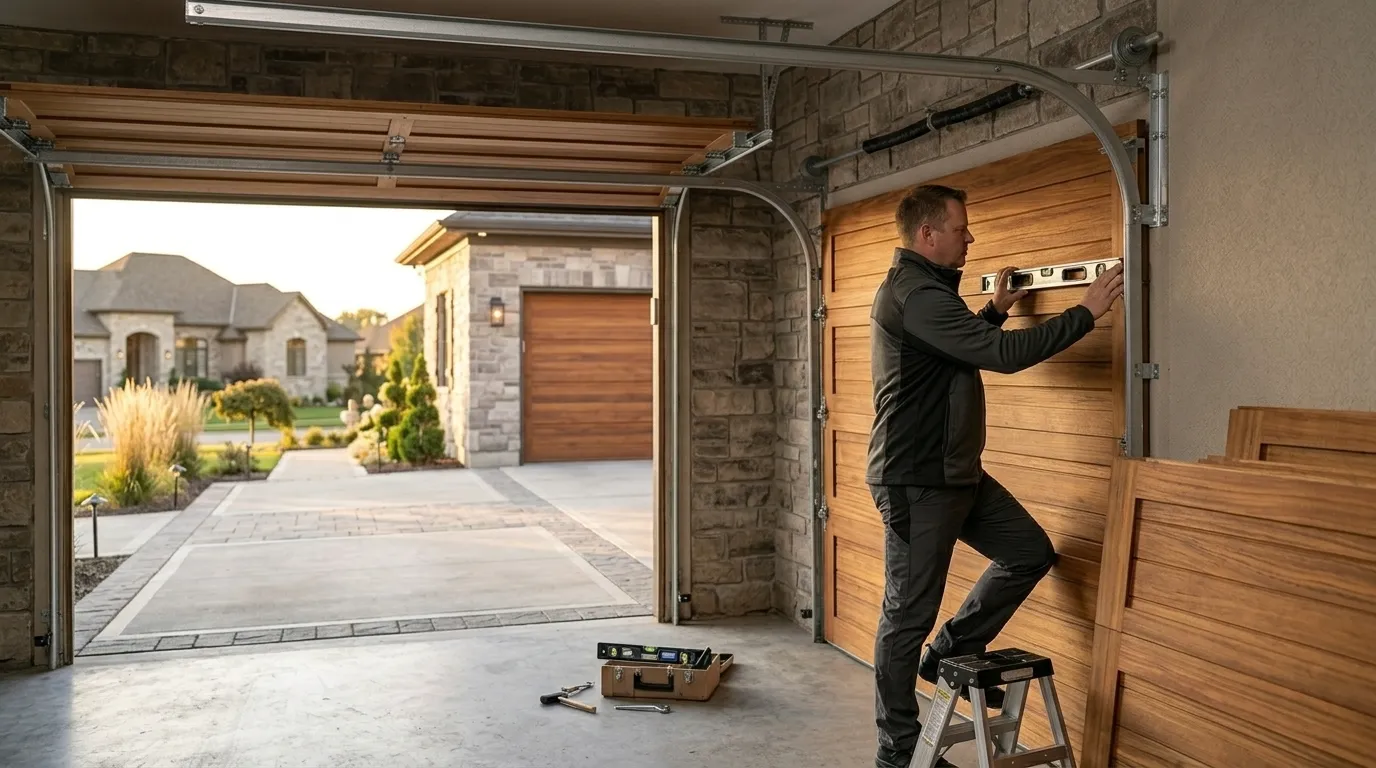
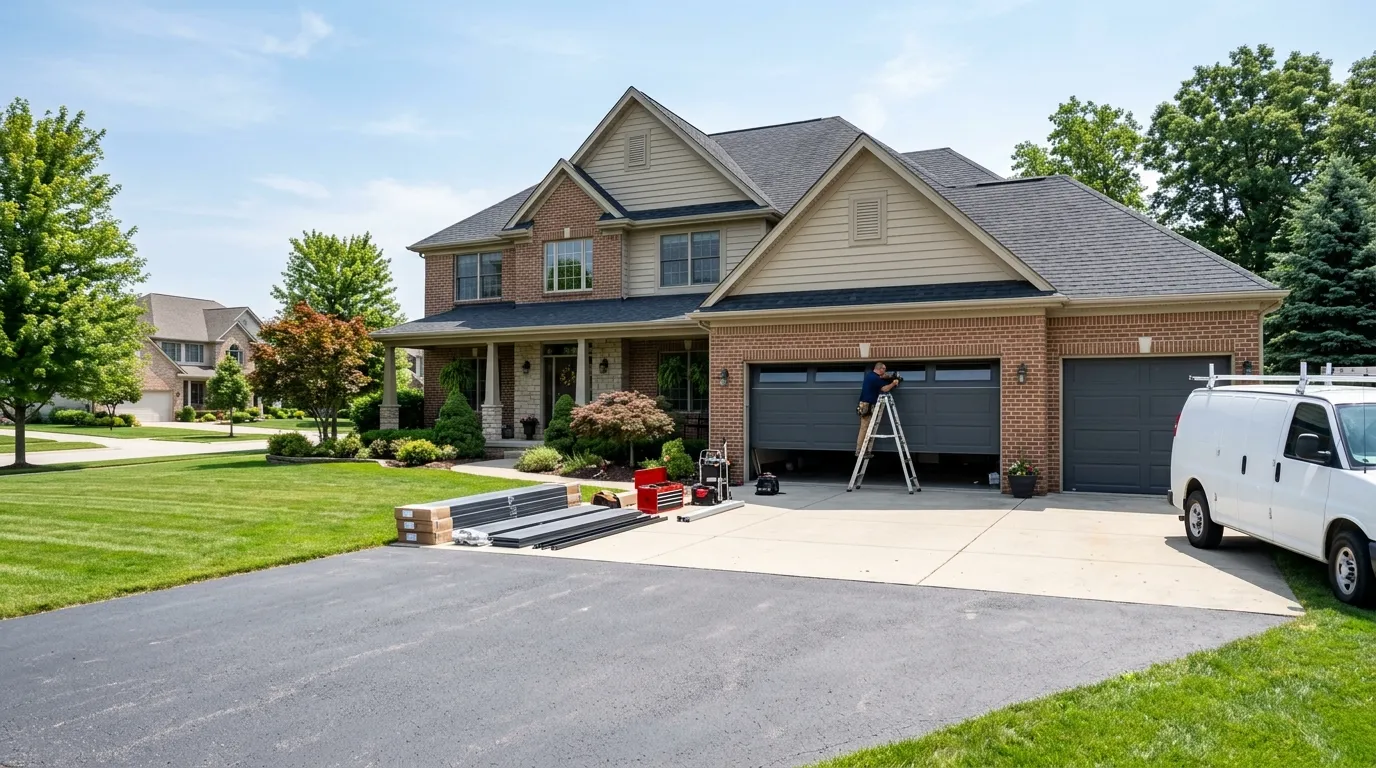
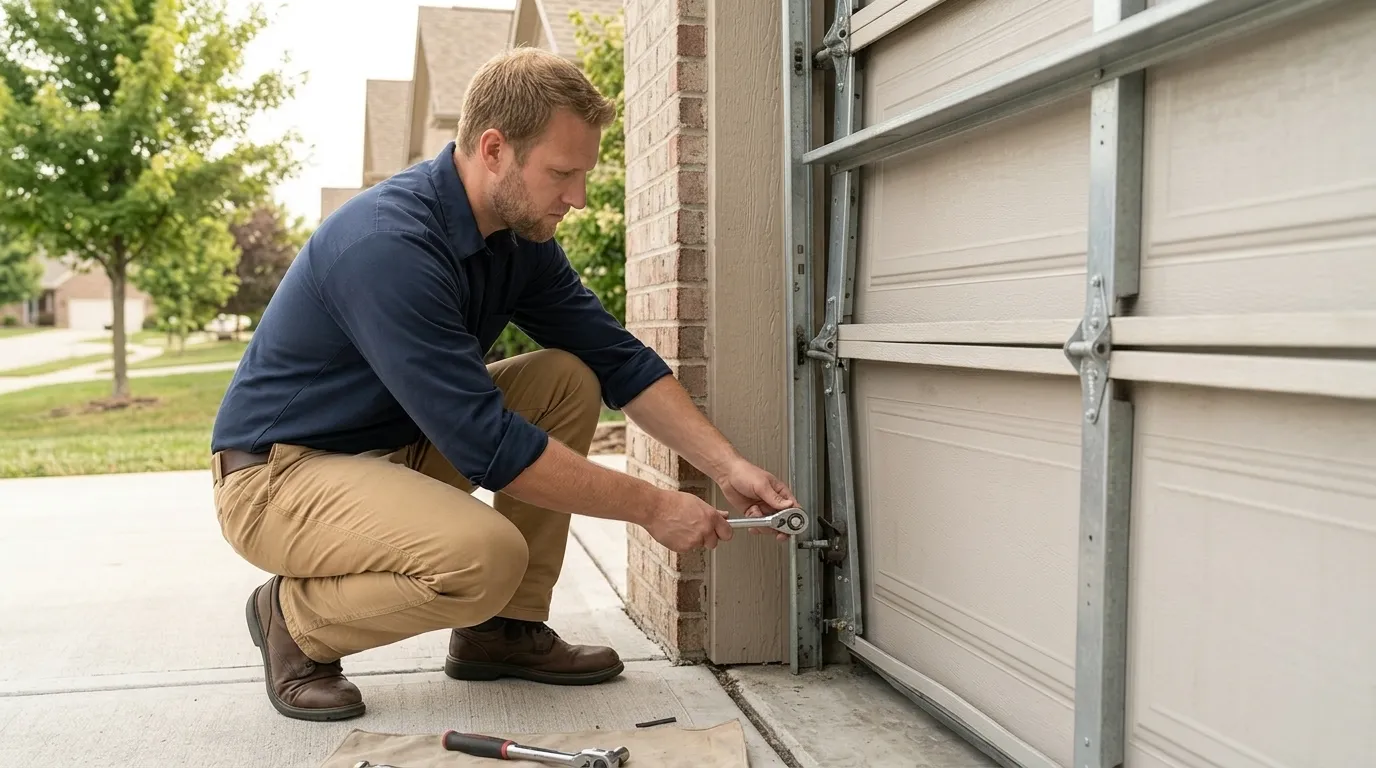
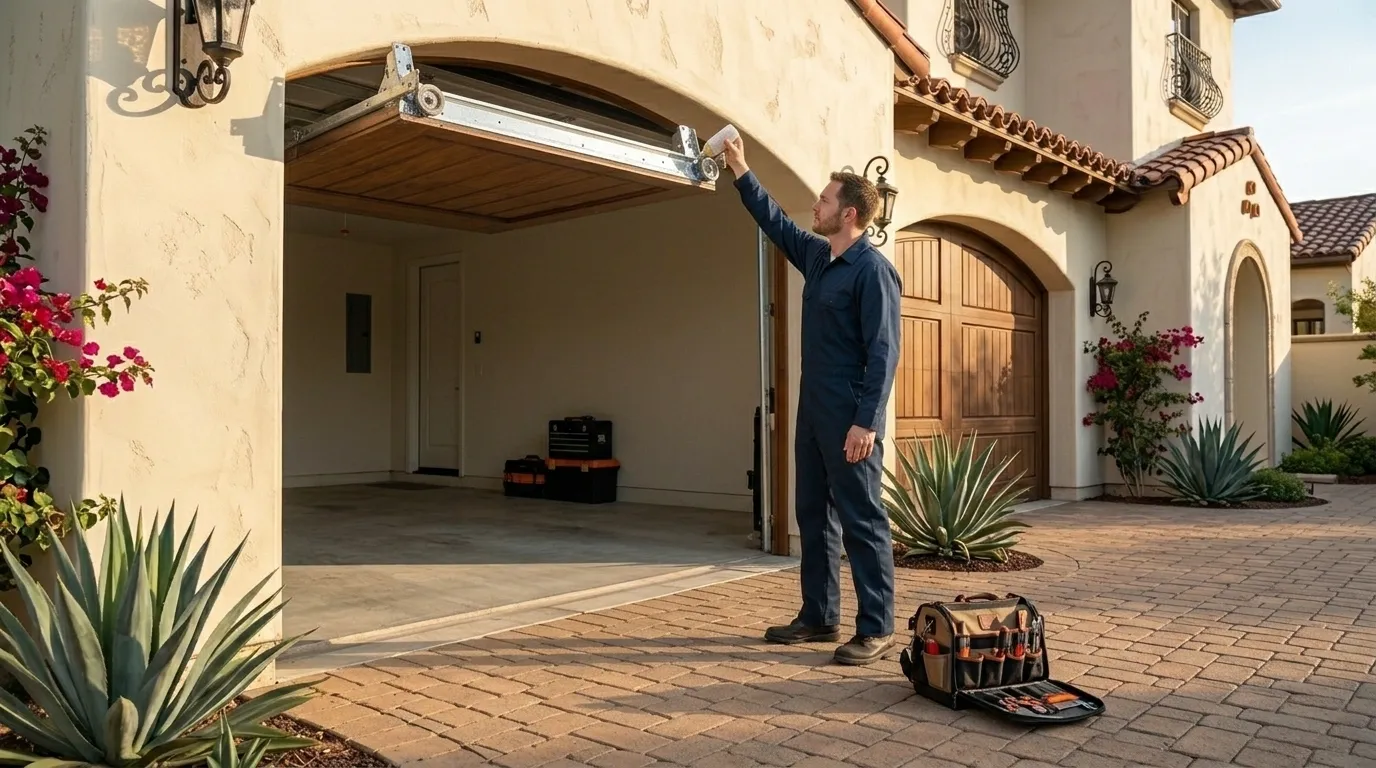
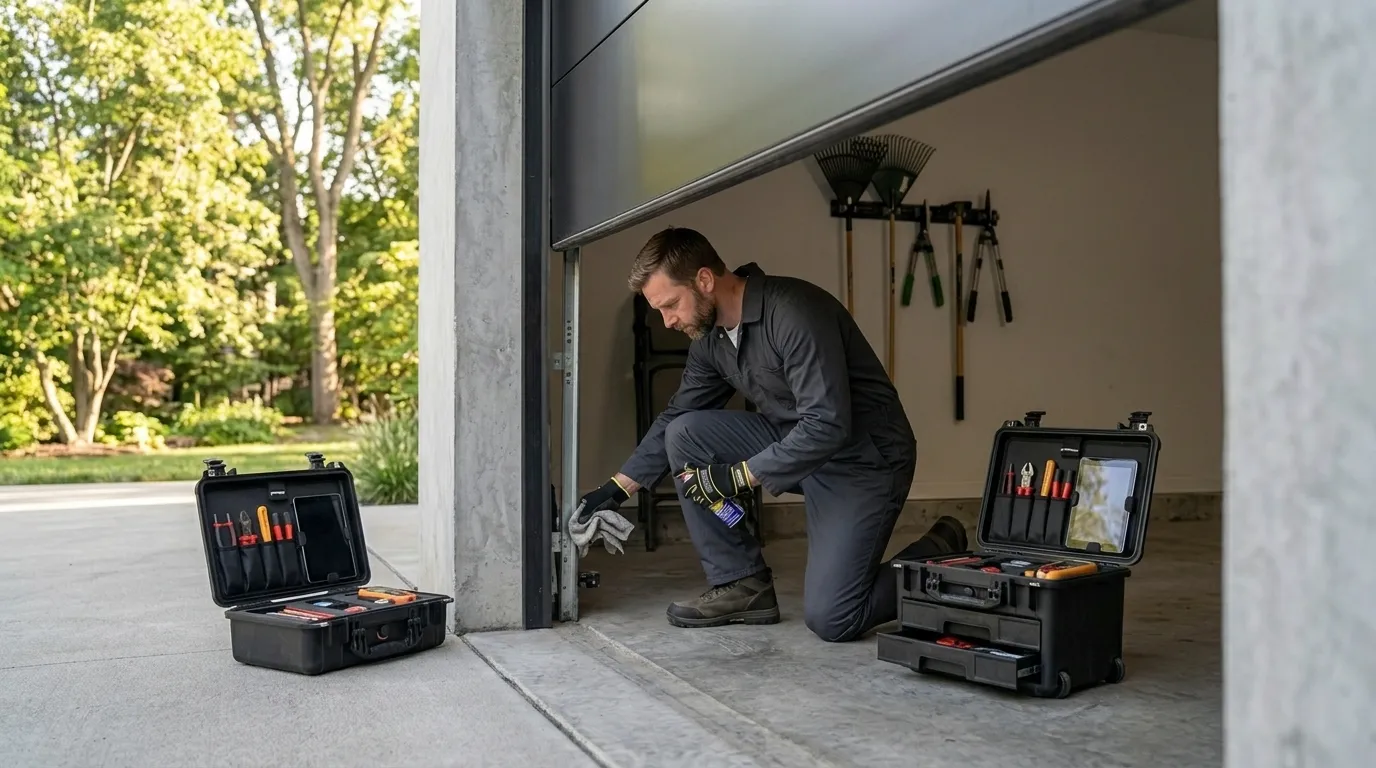
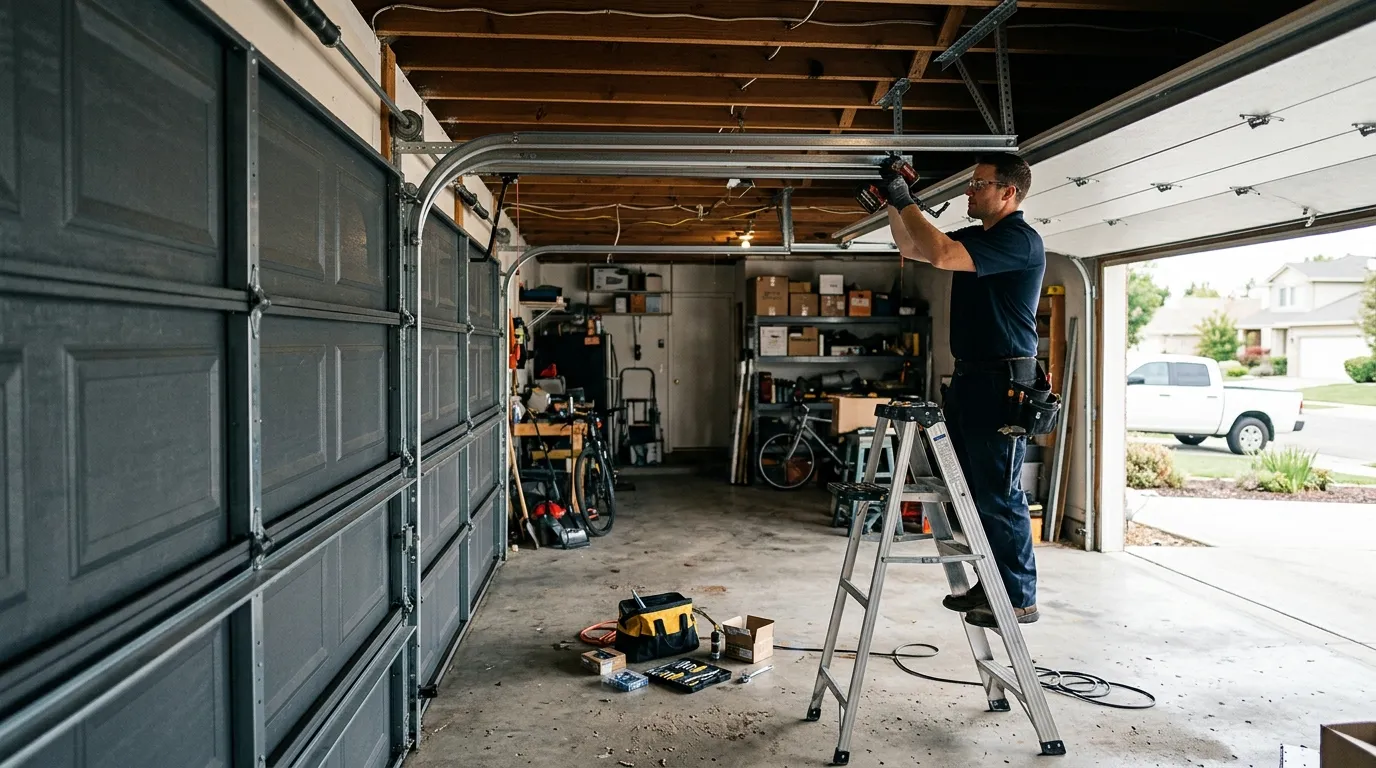
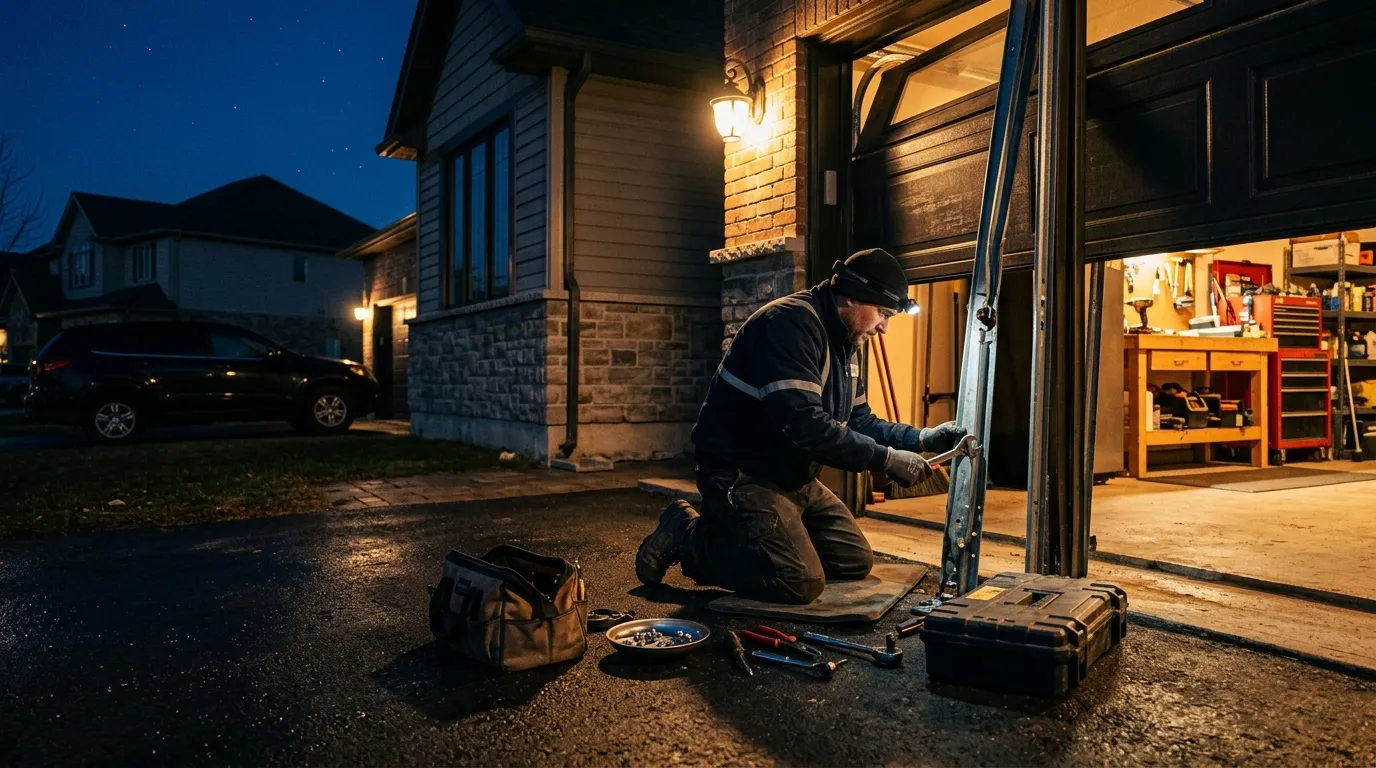
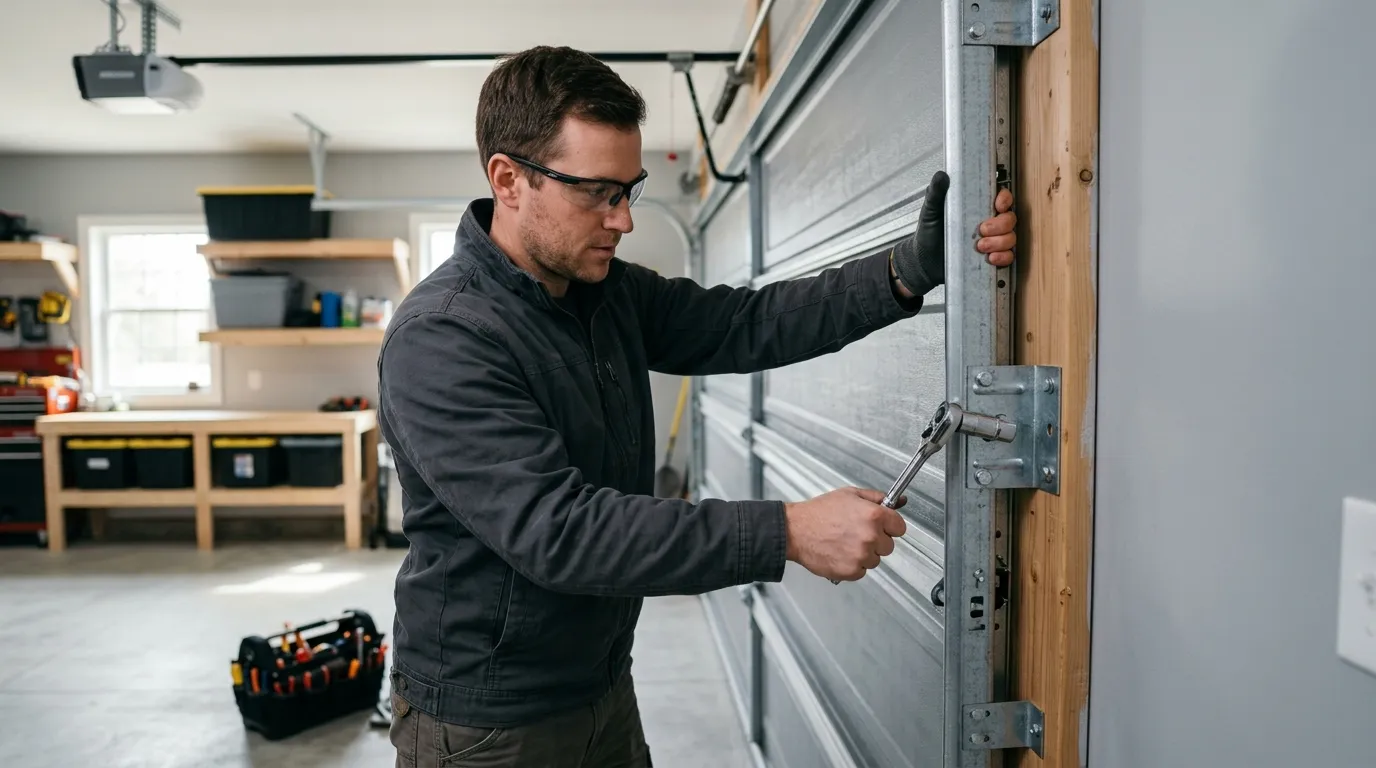
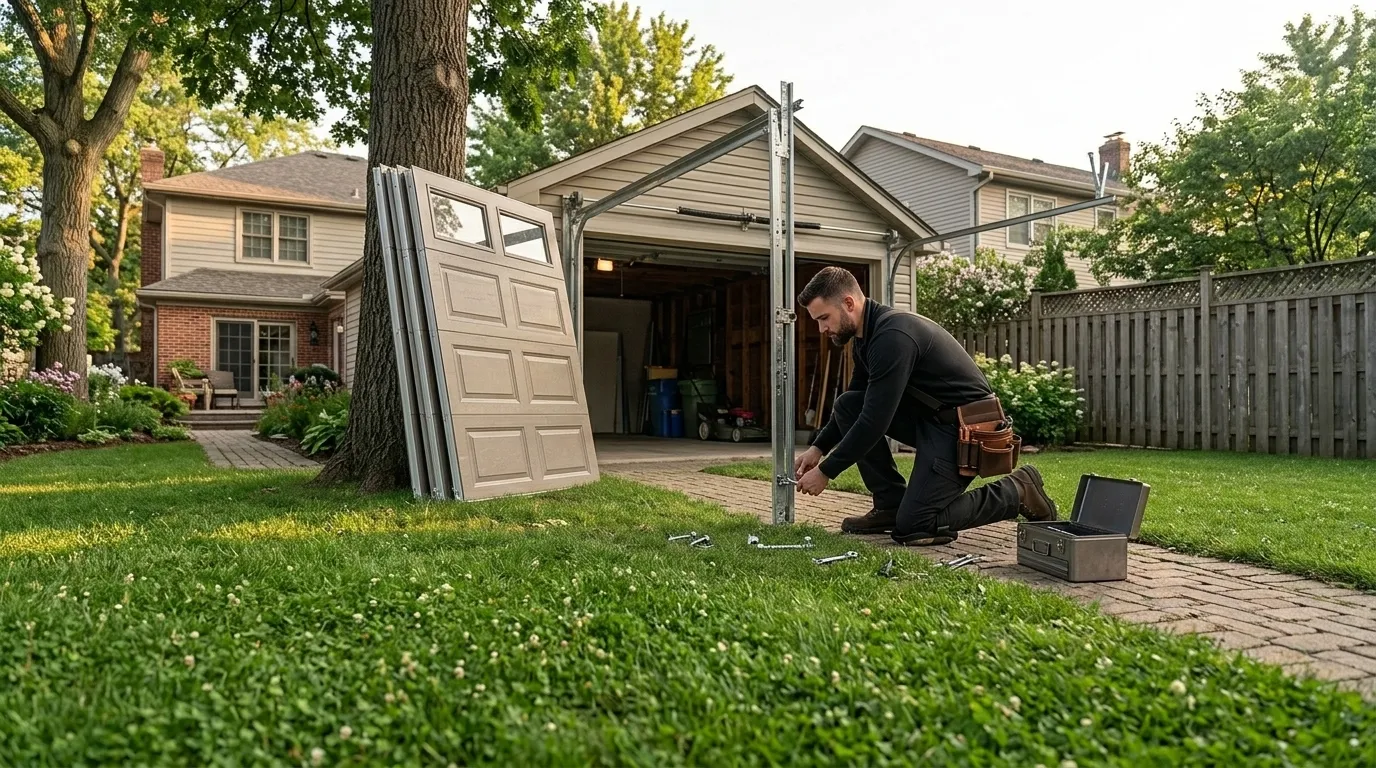
Because Olympia Heights homes cluster around a 1958 build year, well ahead of the 1976 median for the wider service area, the doors we replace out here tend to be on their second or third opener, not their first. Torsion springs sized for lighter, older single-panel doors are a frequent call - they were never built for today's heavier insulated steel panels, and when a homeowner upgrades the door without upgrading the spring, the new door sags or won't hold at the top of the track. We also see galvanized rollers that have simply outlasted their lubrication schedule by a decade, and drums that don't match modern cable gauge. None of this is exotic work, but it's different work than what we'd do on a house built in 1995. One honest note: if the opener is original to a 1958 structure, we're not sourcing parts for it - at that point replacement is the only real option, and we'll say so instead of quoting a repair that won't hold.
What the Housing Means for Your Door
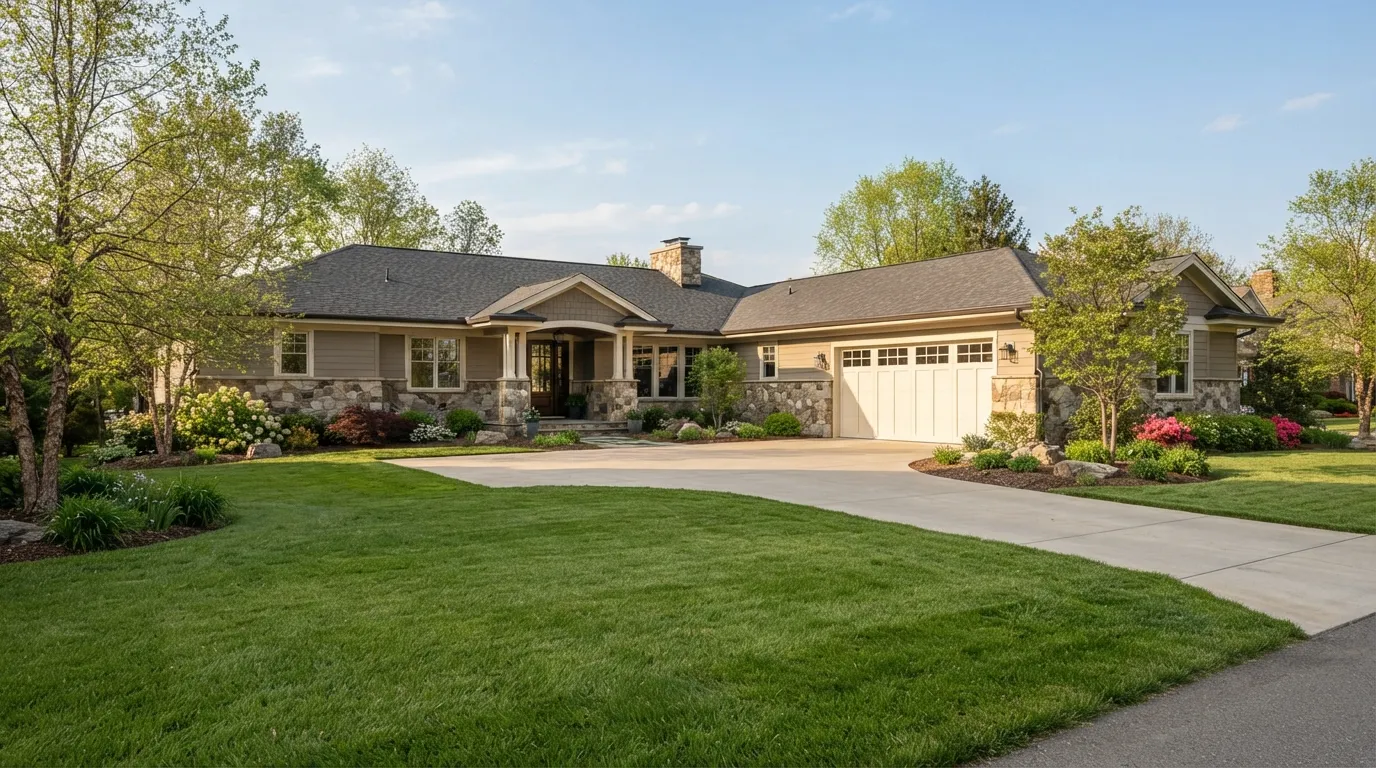
A house built in 1958 was framed for a garage door that looked nothing like what's sold today - narrower openings in many cases, lighter panel material, and hardware mounted for a door roughly half the weight of a modern insulated one. When we get called to Olympia Heights, the first thing we check isn't the spring or the opener, it's whether the header and track were ever upgraded when the door was. A lot of them weren't. That mismatch is what turns a simple spring swap into a full hardware reset - new drums, new cable, sometimes a new track gauge - because the old parts were sized for a door that's no longer there. Miami's mild year-round climate means we're not fighting frozen tracks or ice-locked springs the way a colder market would, so the wear we see here is mechanical fatigue and rust from humidity, not weather-cracked seals. That's a smaller list of failure points, which is one reason repairs on these older doors are often more straightforward than owners expect.