Common Jobs Here
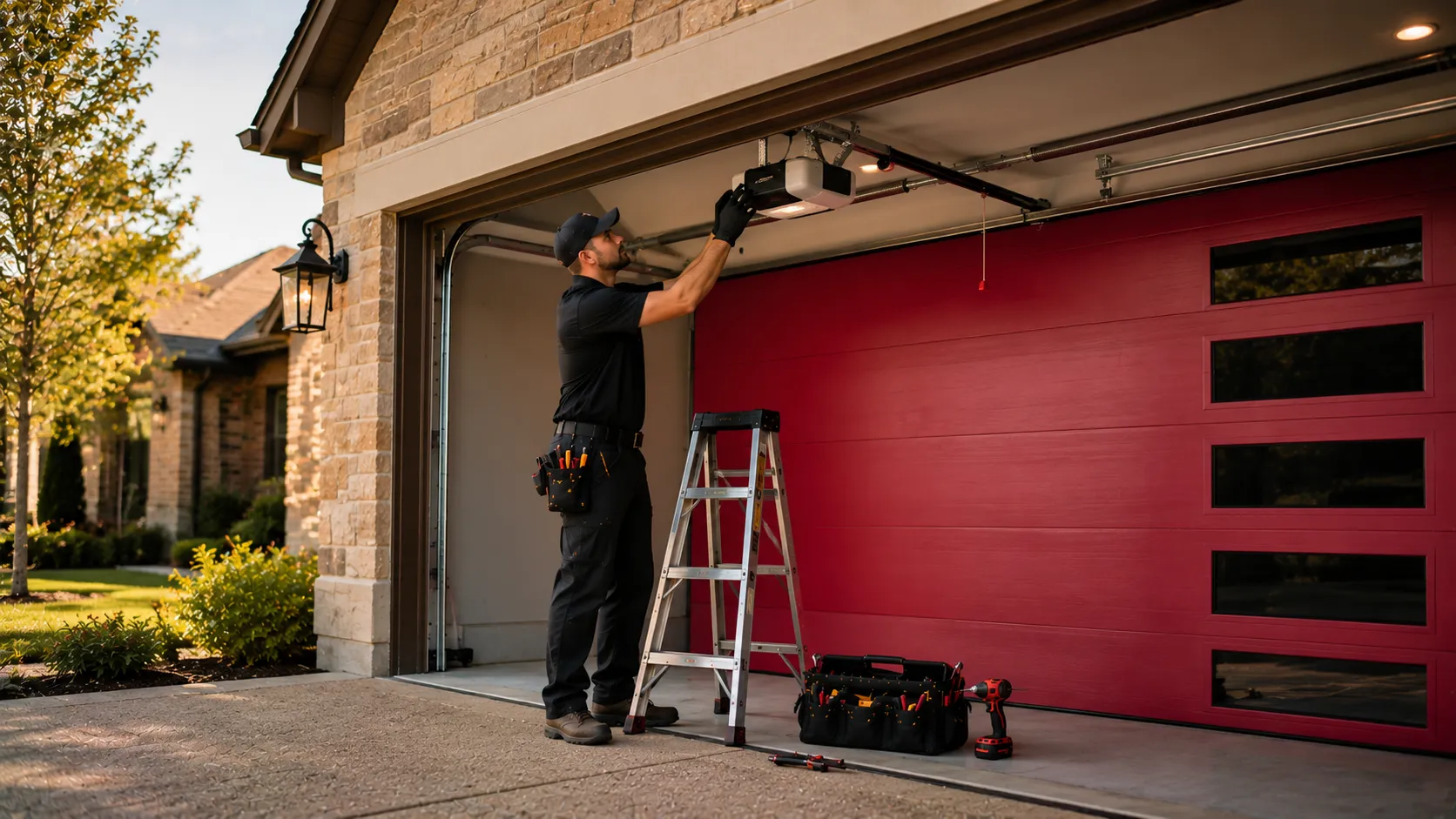
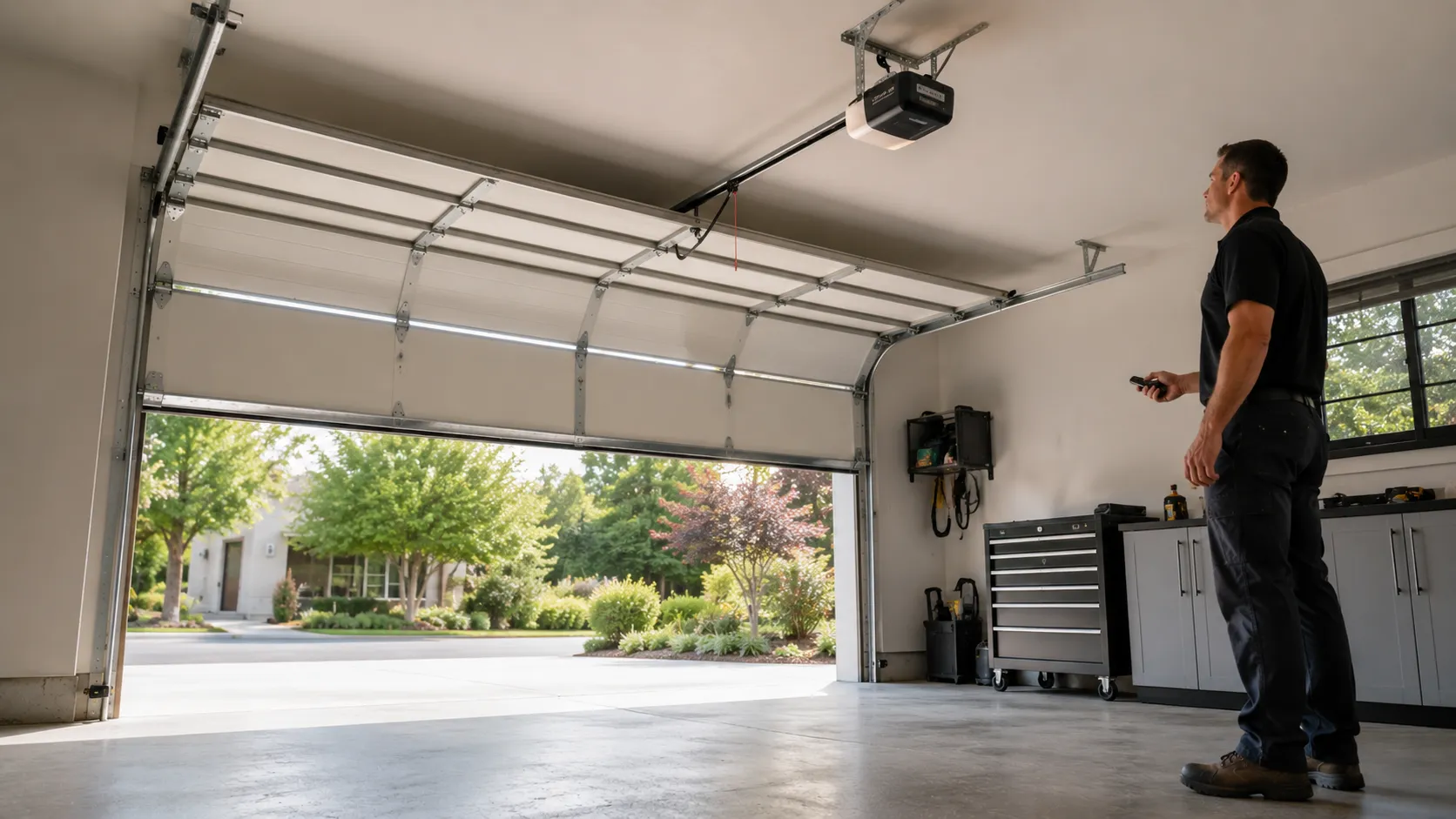
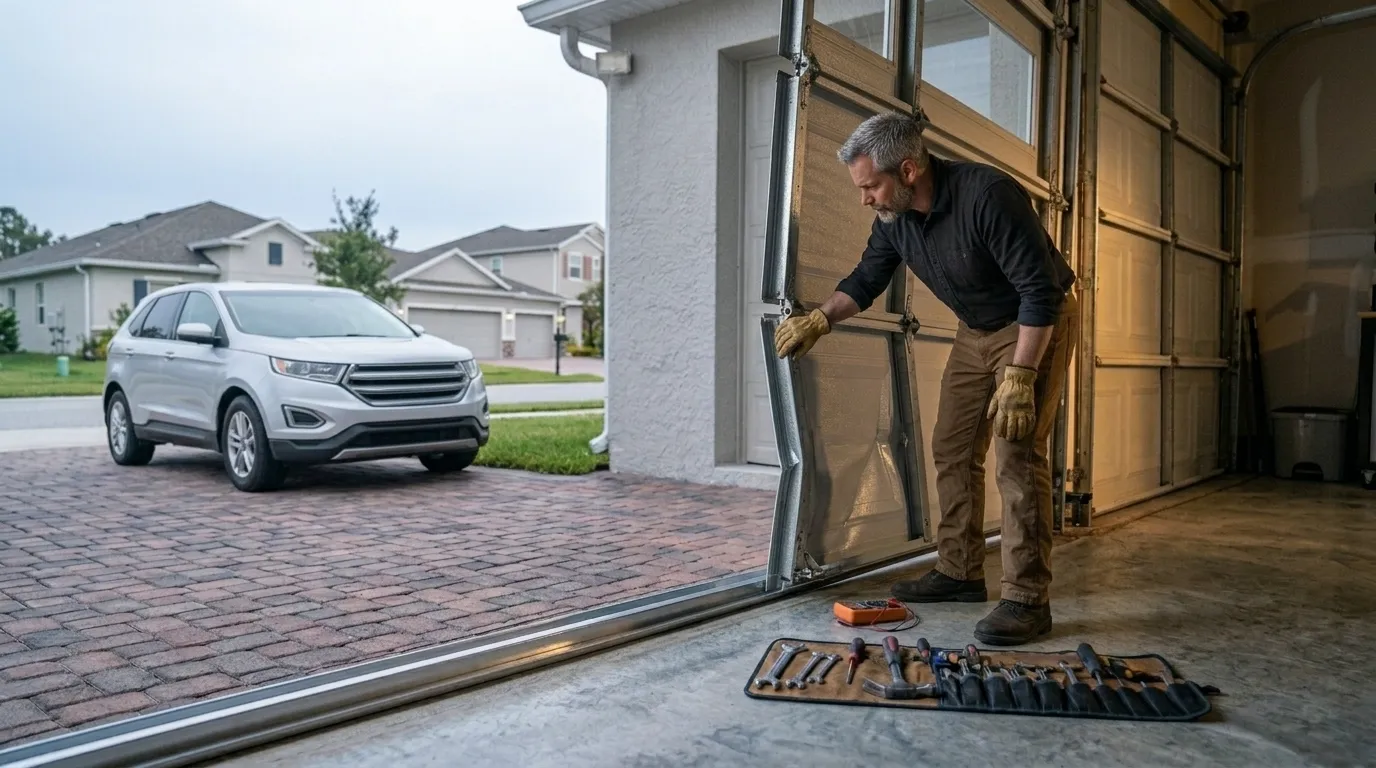
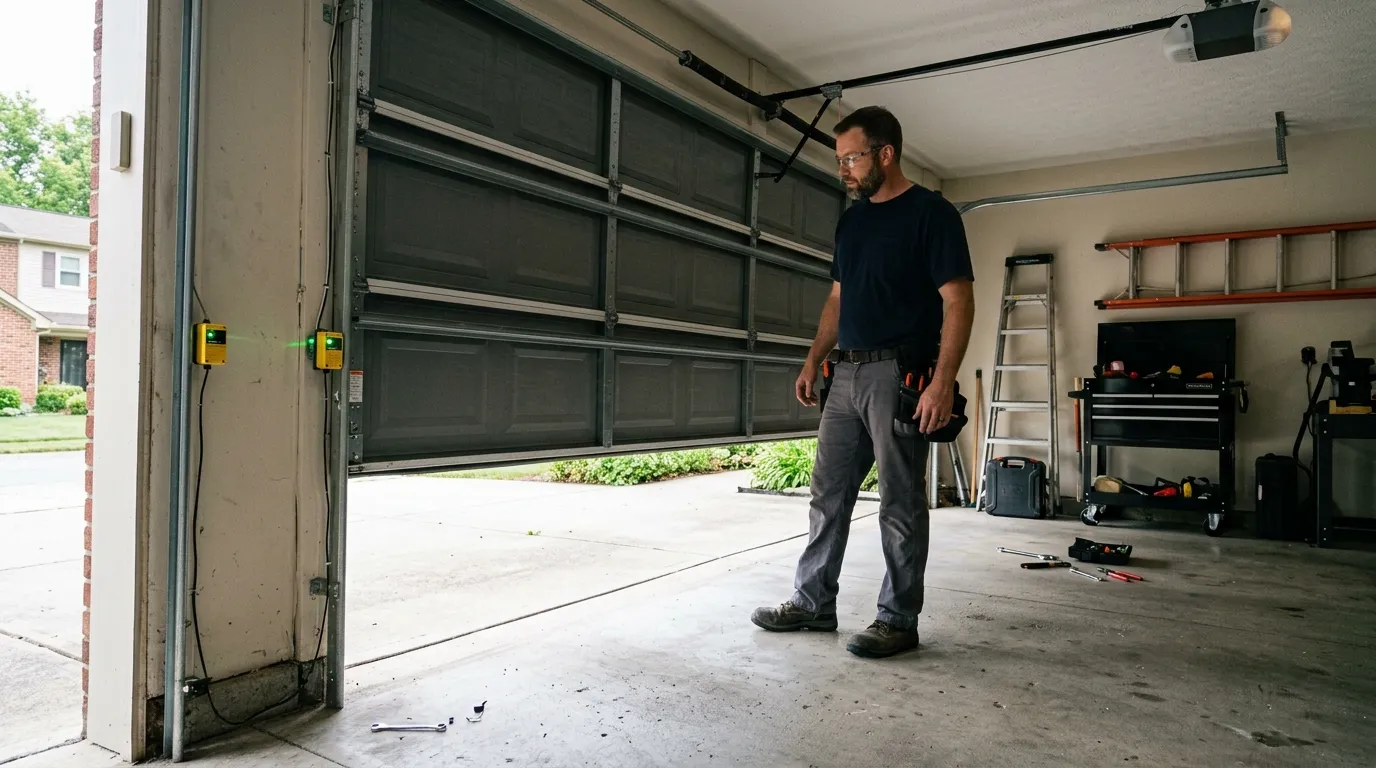
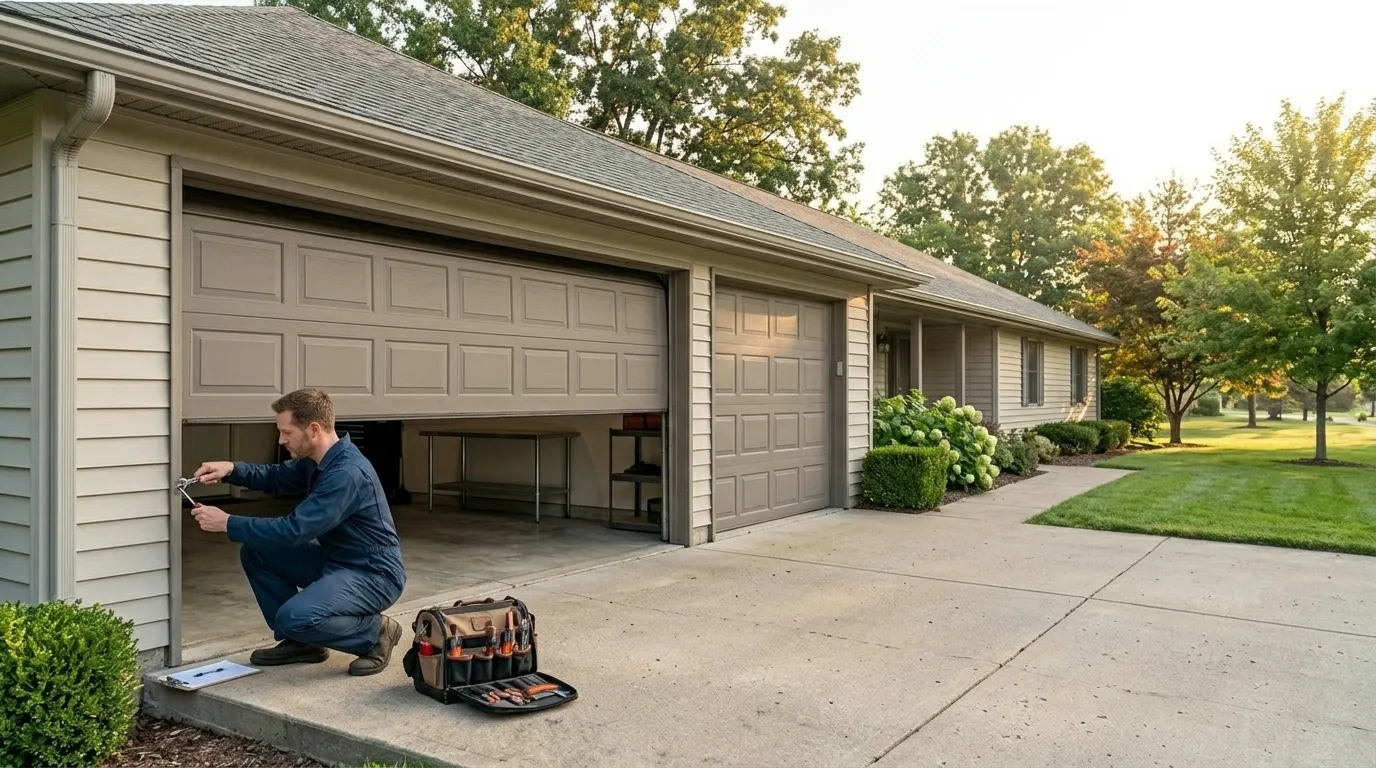
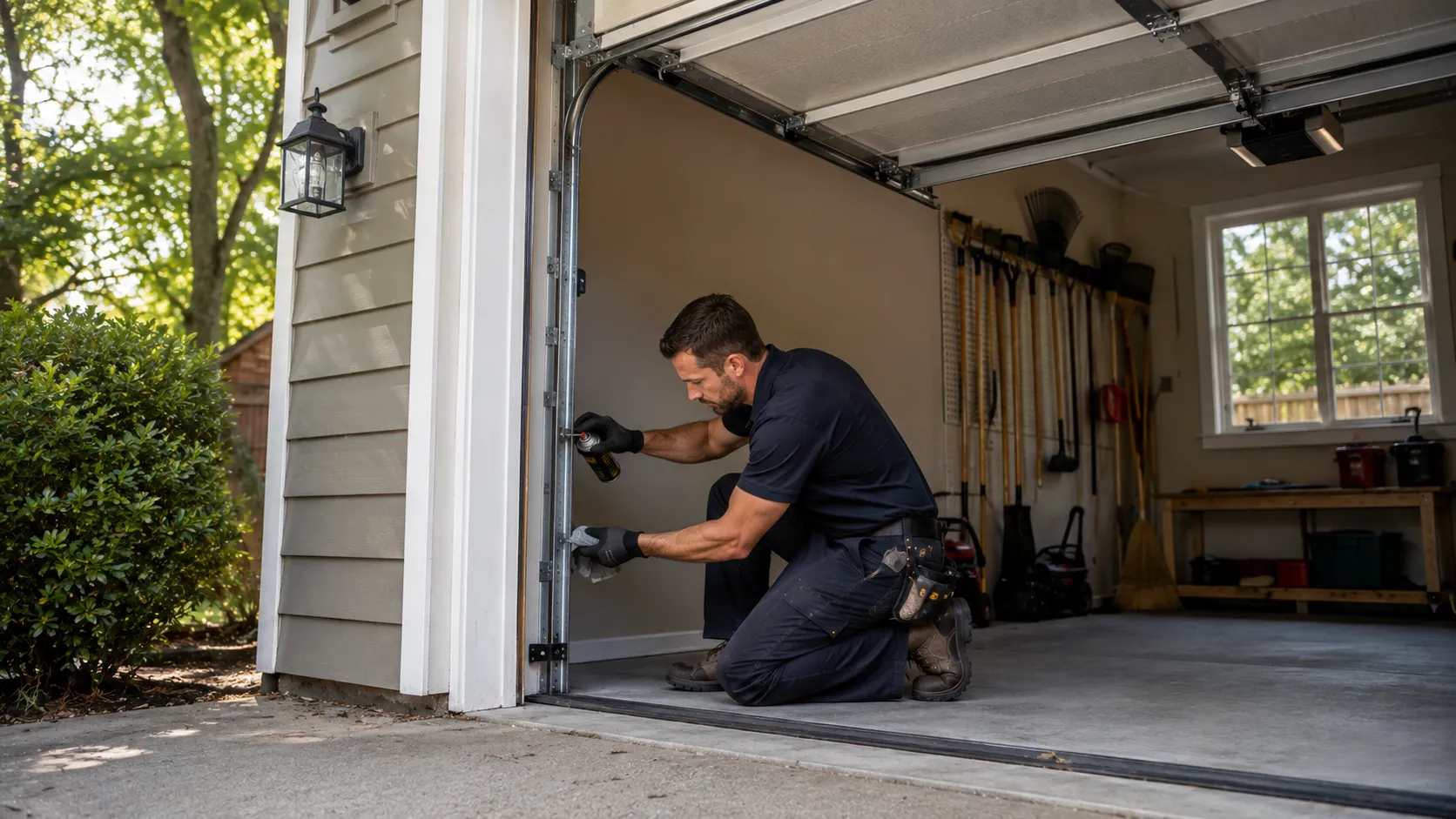
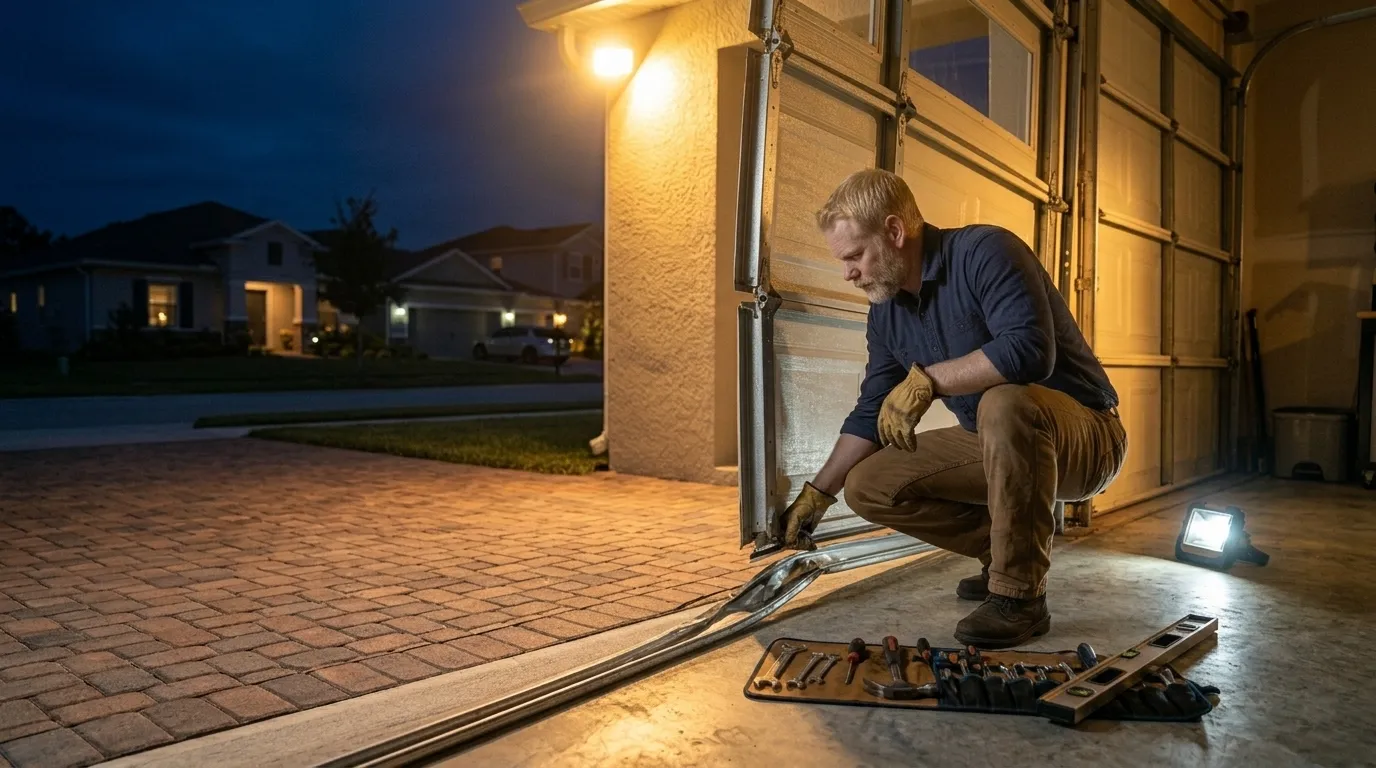
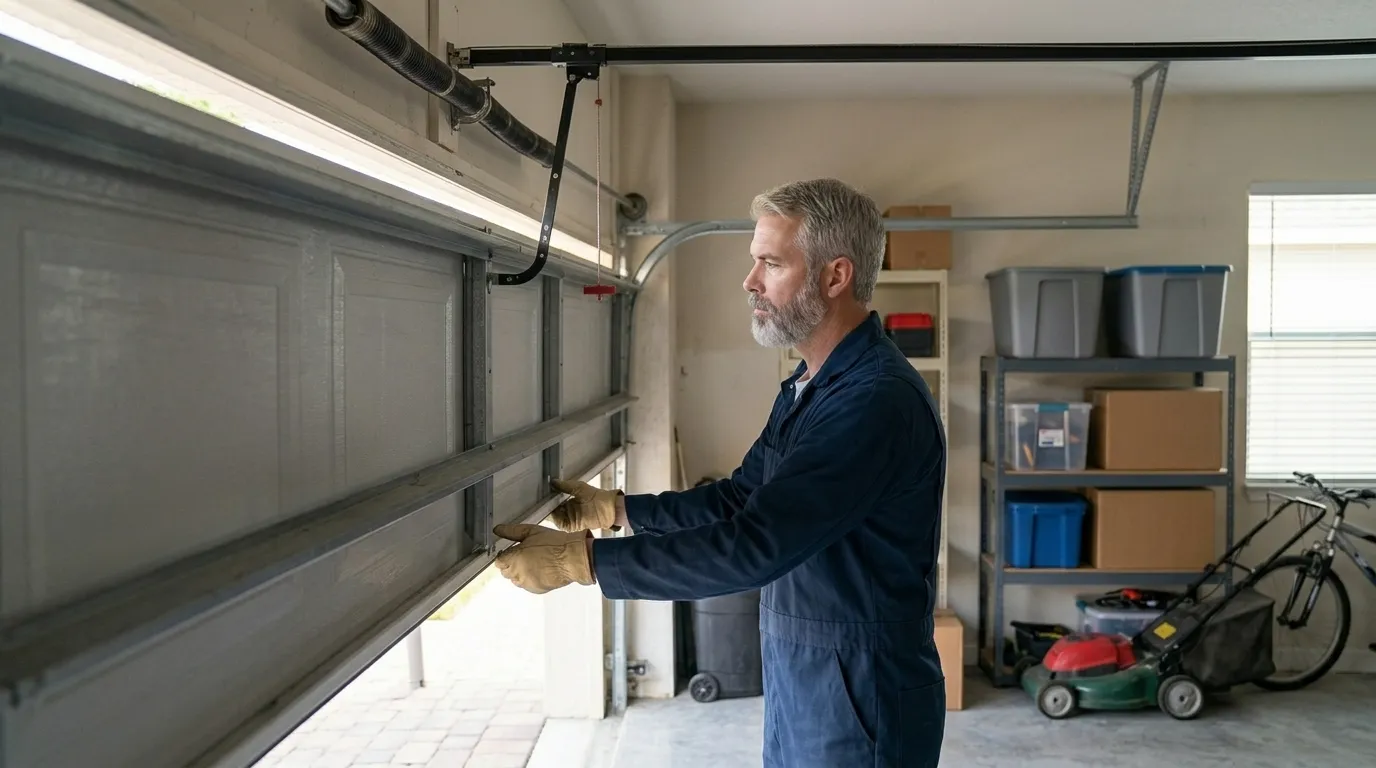
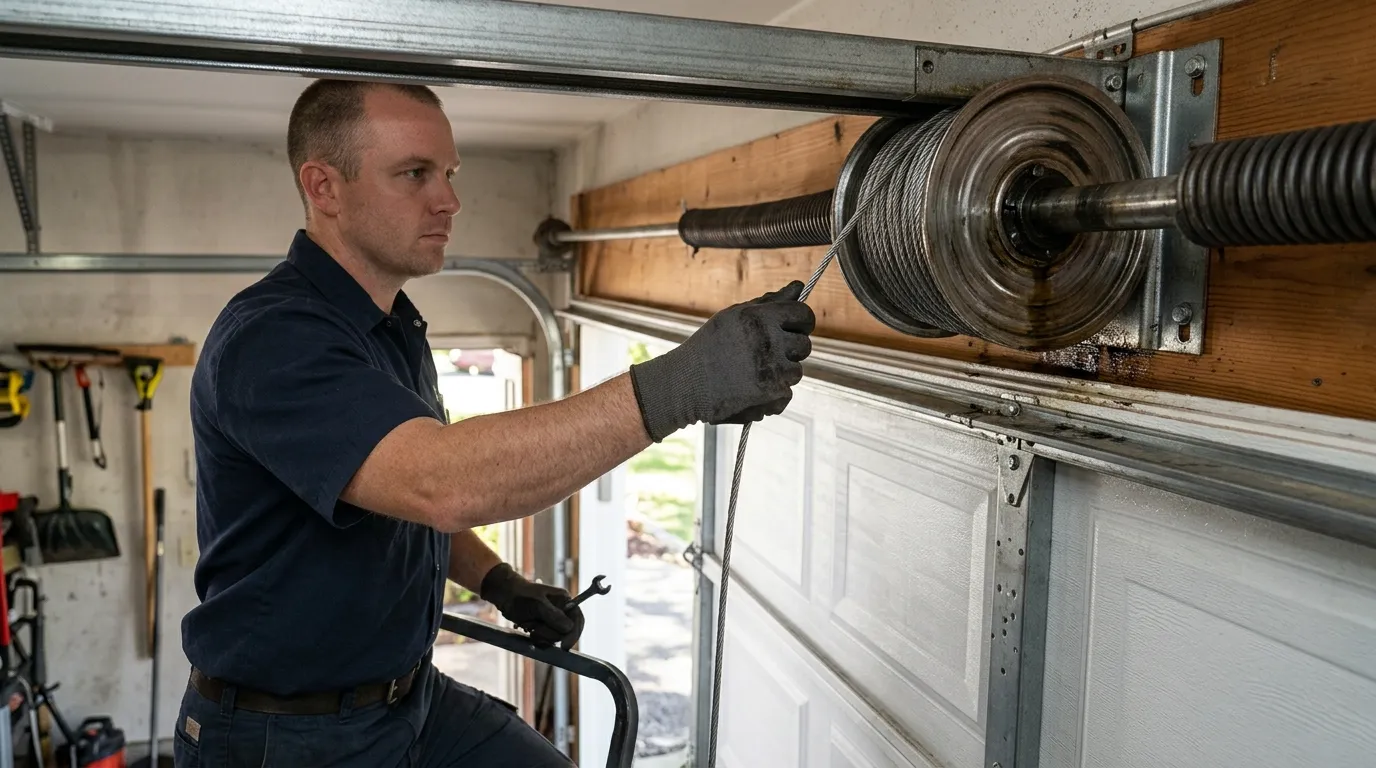
The median home in Palmetto Estates was built around 1973, which puts a big share of these garages a few years ahead of the broader Miami-area median of 1976 - not a huge gap, but enough to matter on hardware. Doors from this era are commonly steel or early aluminum panel sets on torsion springs mounted on a single center bracket, not the dual-spring setups you'll find on newer builds. We get called out for cables that have frayed at the drum after decades of cycling, torsion springs that finally give out after their rated cycle count, and rollers that have worn oval instead of round. Openers on these houses have usually been swapped at least once already, so we're often matching new opener electronics to old track and rail that was never designed for them - that mismatch is where a lot of the noise and binding complaints come from. We also see galvanized track that's pitted from decades in a coastal-mild climate, which throws off roller travel even when the roller itself is fine.
What the Housing Means for Your Door
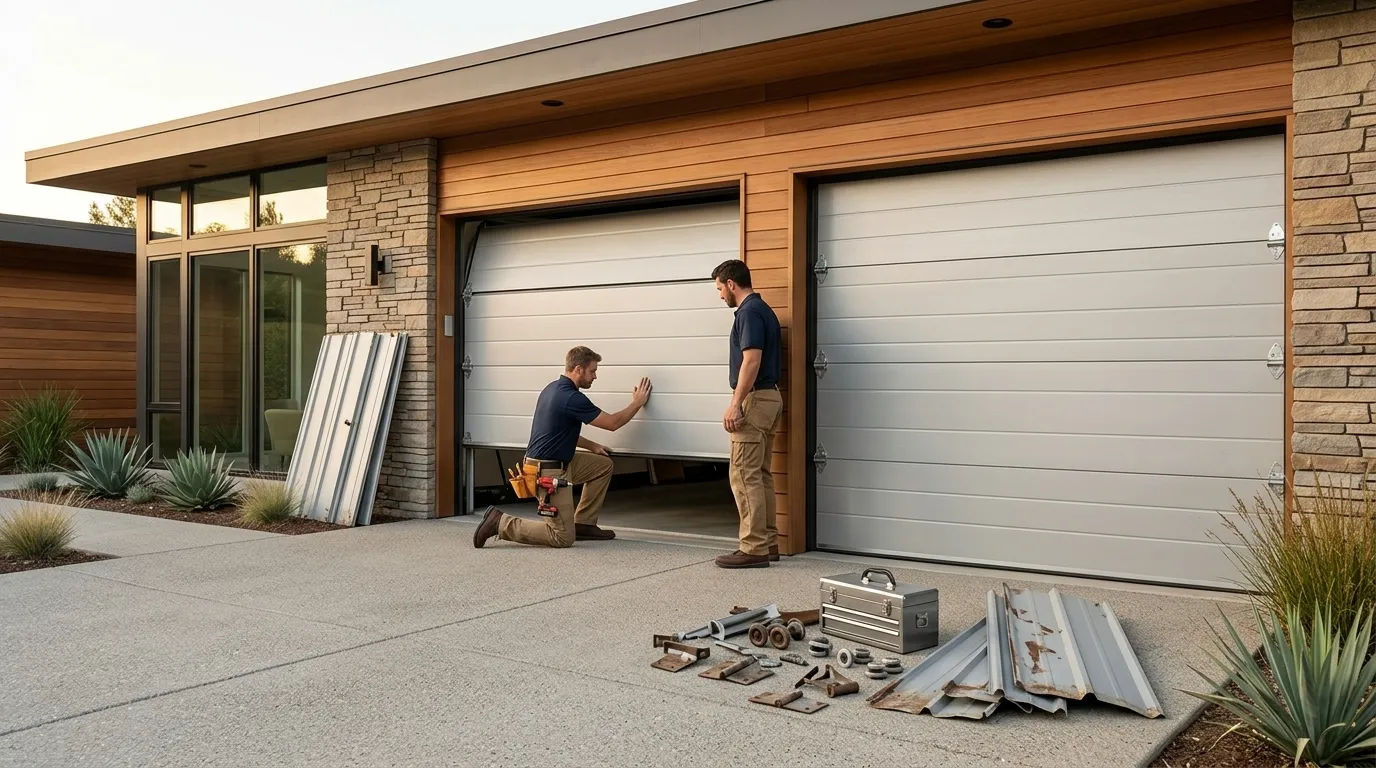
A 1973 build date means the garage was framed before some of the wind-load and impact-glazing standards that show up in newer South Florida code got written into the original structure. That doesn't mean the door itself is unsafe, but it does mean we frequently find original jamb hardware and header framing that was never built with a heavier reinforced door in mind. If you're replacing a door here rather than repairing it, we have to check the opening before quoting, because a straight swap for a modern insulated door sometimes needs bracket or header work the original 1973 frame doesn't have. Palmetto Estates sits in the same mild temperate band as the rest of the county, so we're not dealing with freeze-thaw cracking or snow load - the wear here is steady humidity and UV on hardware, not sudden extremes. That's part of why springs and rollers fail from slow fatigue rather than a single bad winter. It's a quieter kind of wear, but it adds up the same.