
Common Jobs Here
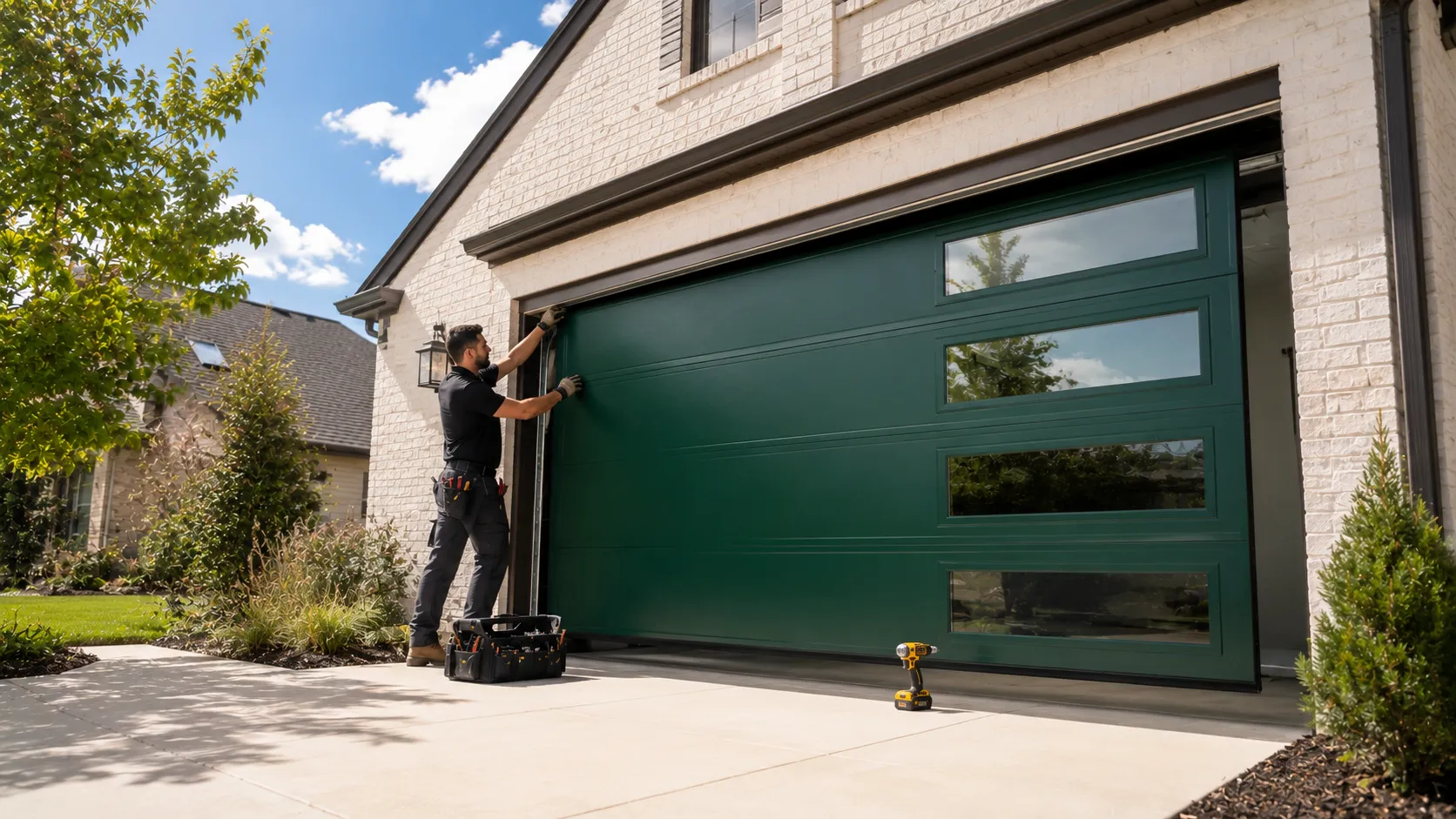
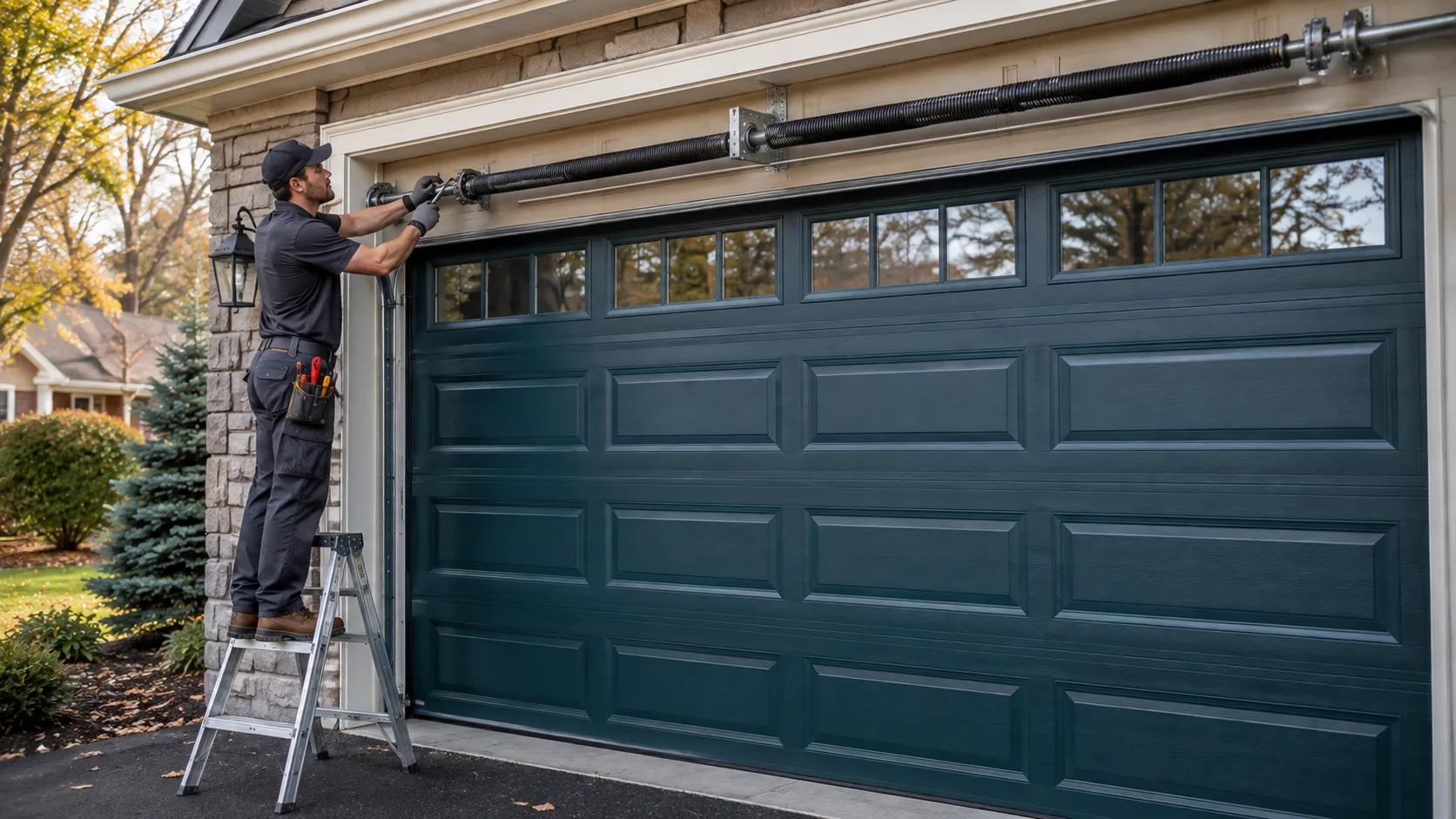
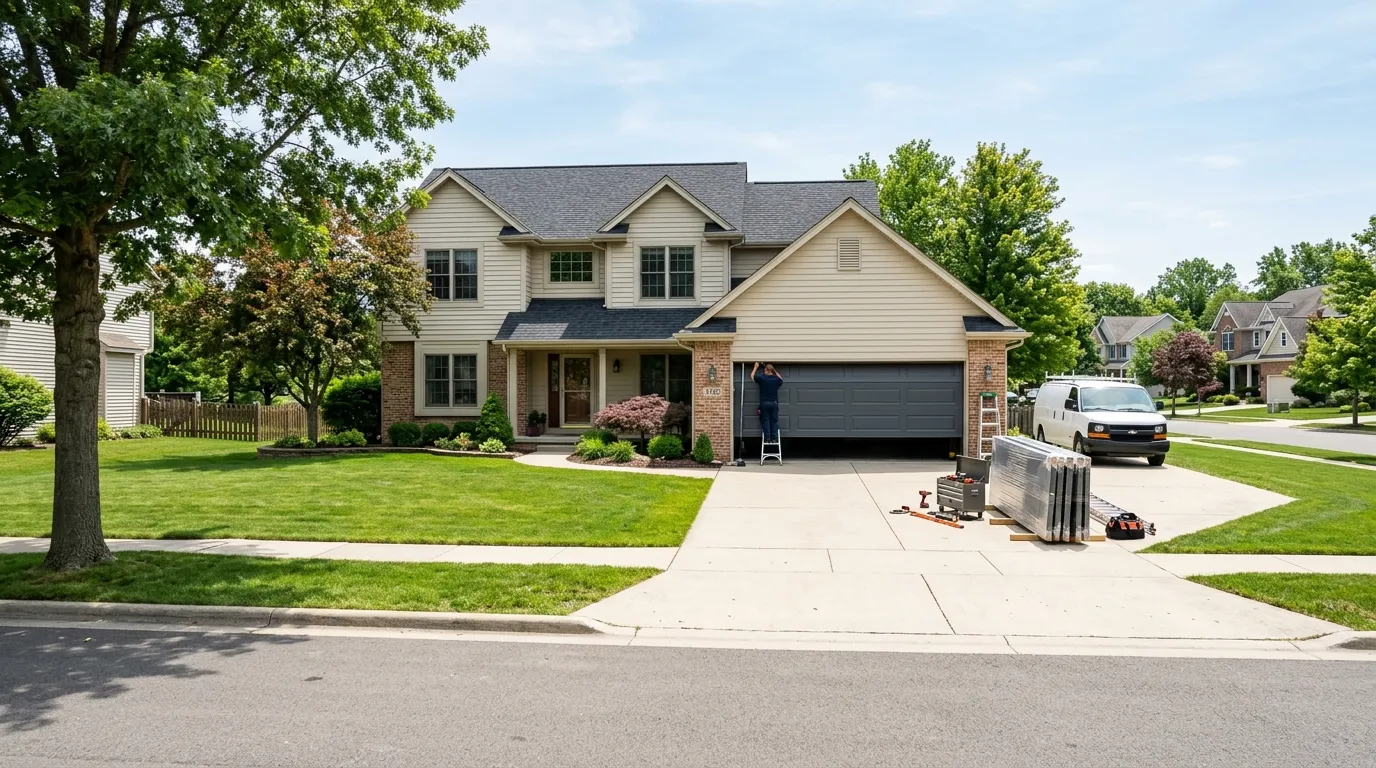
Pembroke Park's homes cluster tightly around 1977, and that single number tells us most of what we need to know before we even open the truck. Doors installed in that era are almost never the torsion-spring setups you see on newer construction. They're steel sectional panels running on extension springs mounted along the horizontal track, with the kind of pulley-and-cable hardware that manufacturers stopped putting on new installs decades ago.
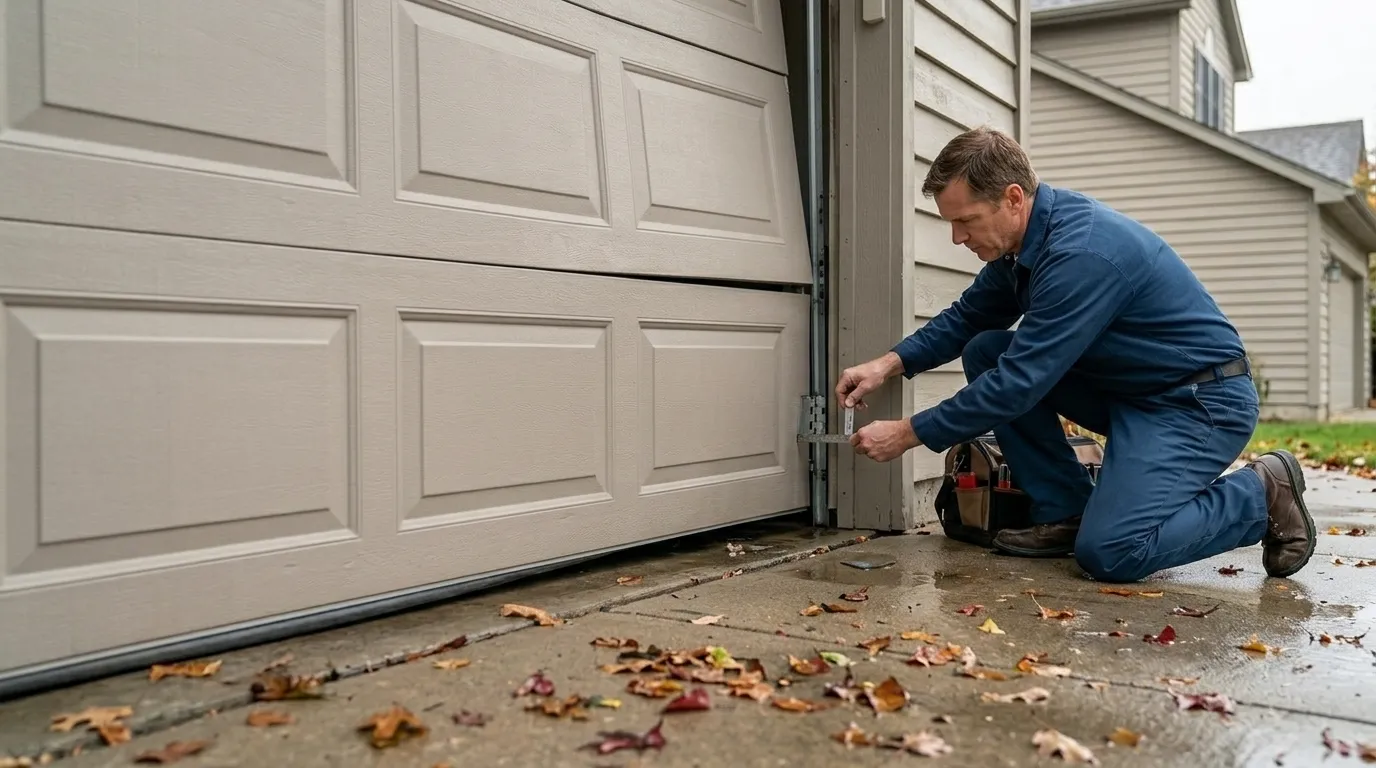
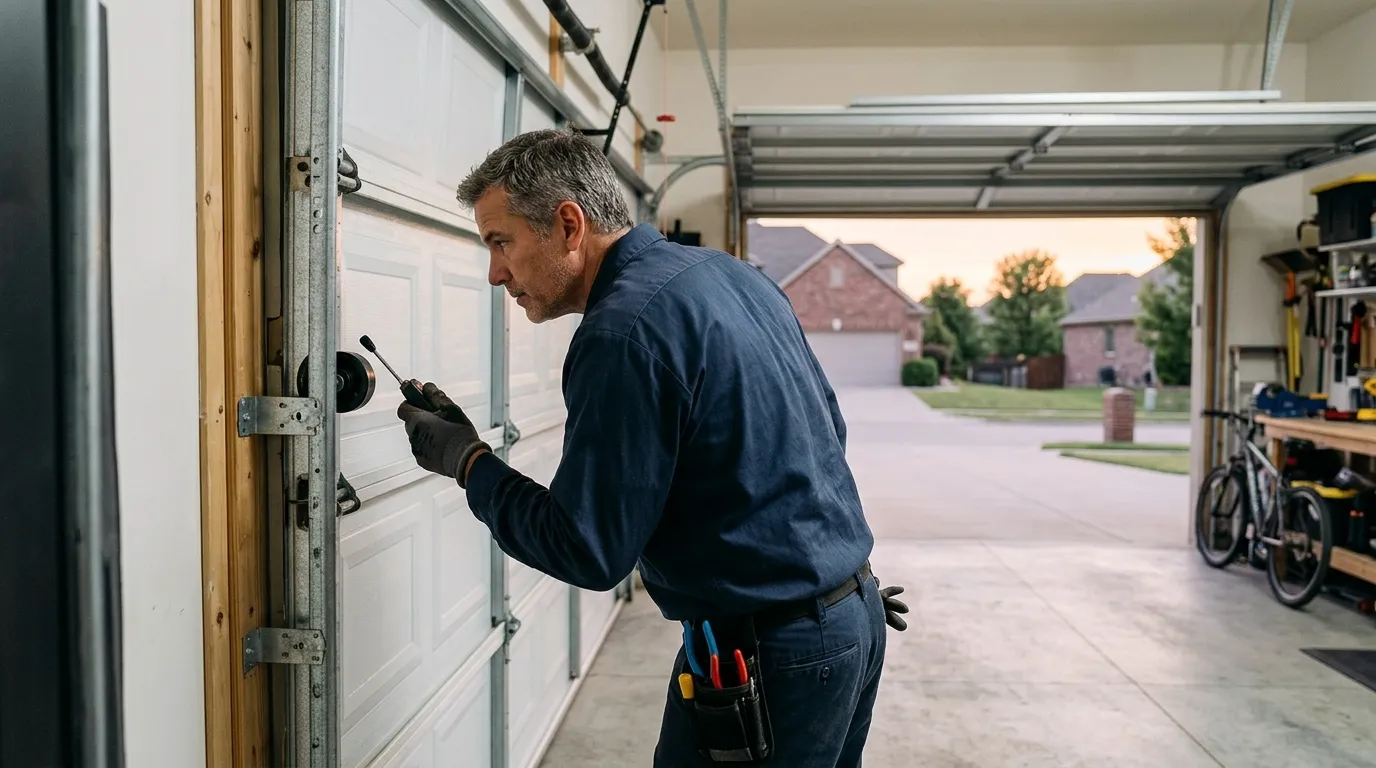
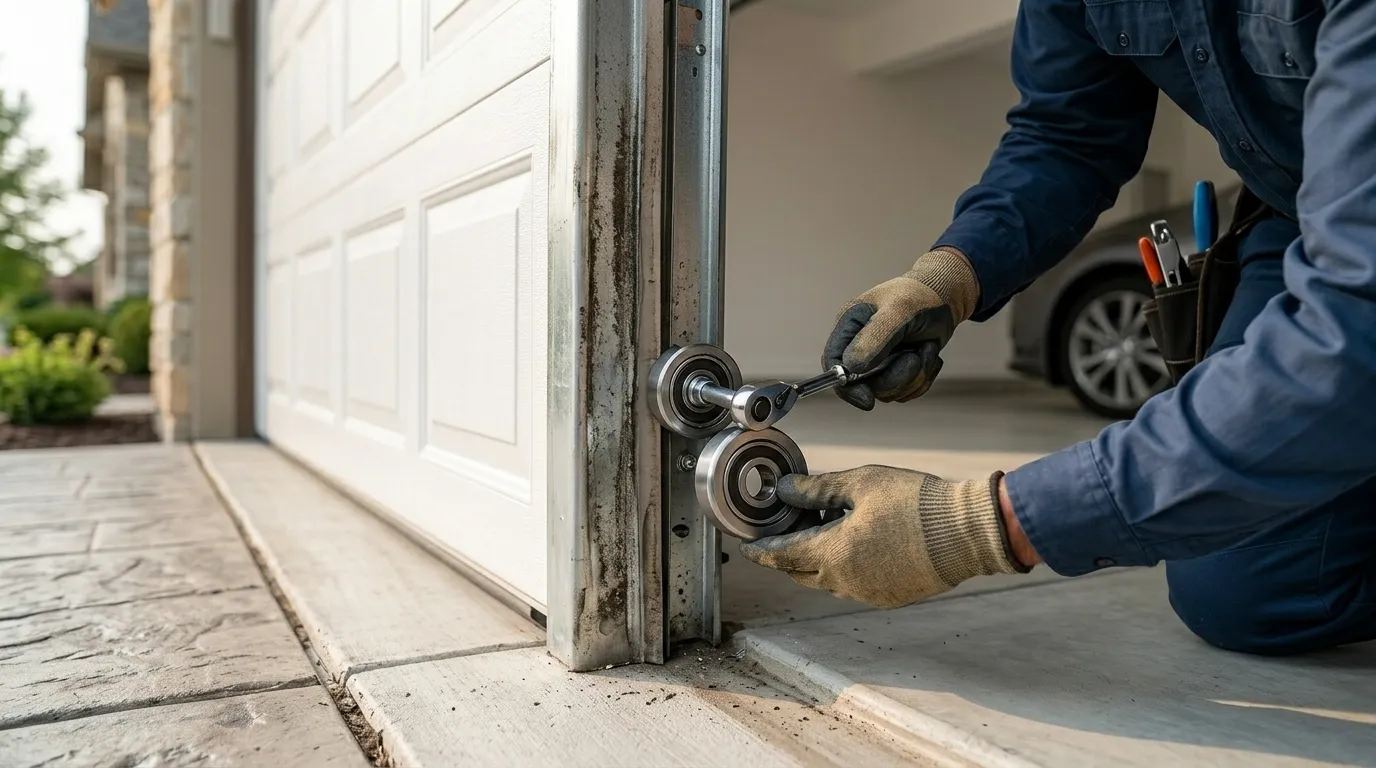
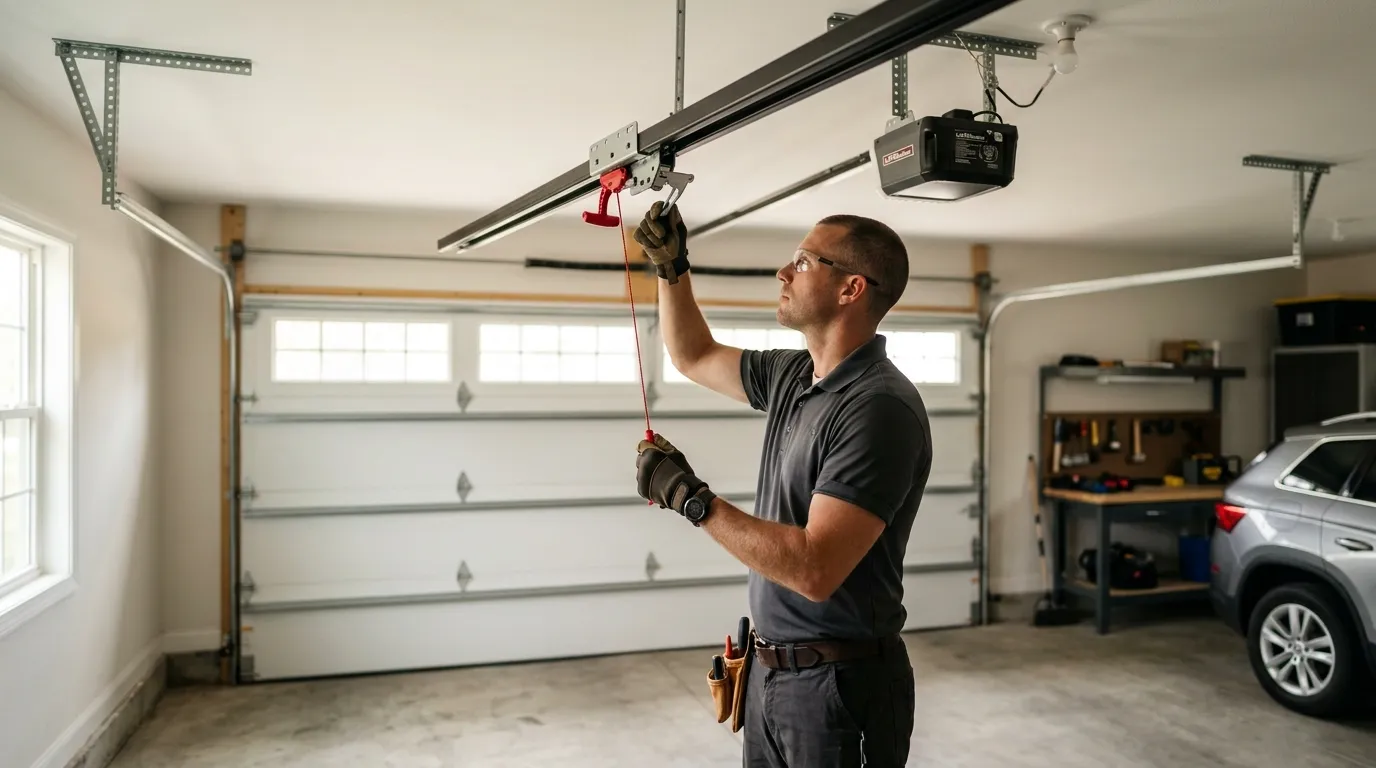
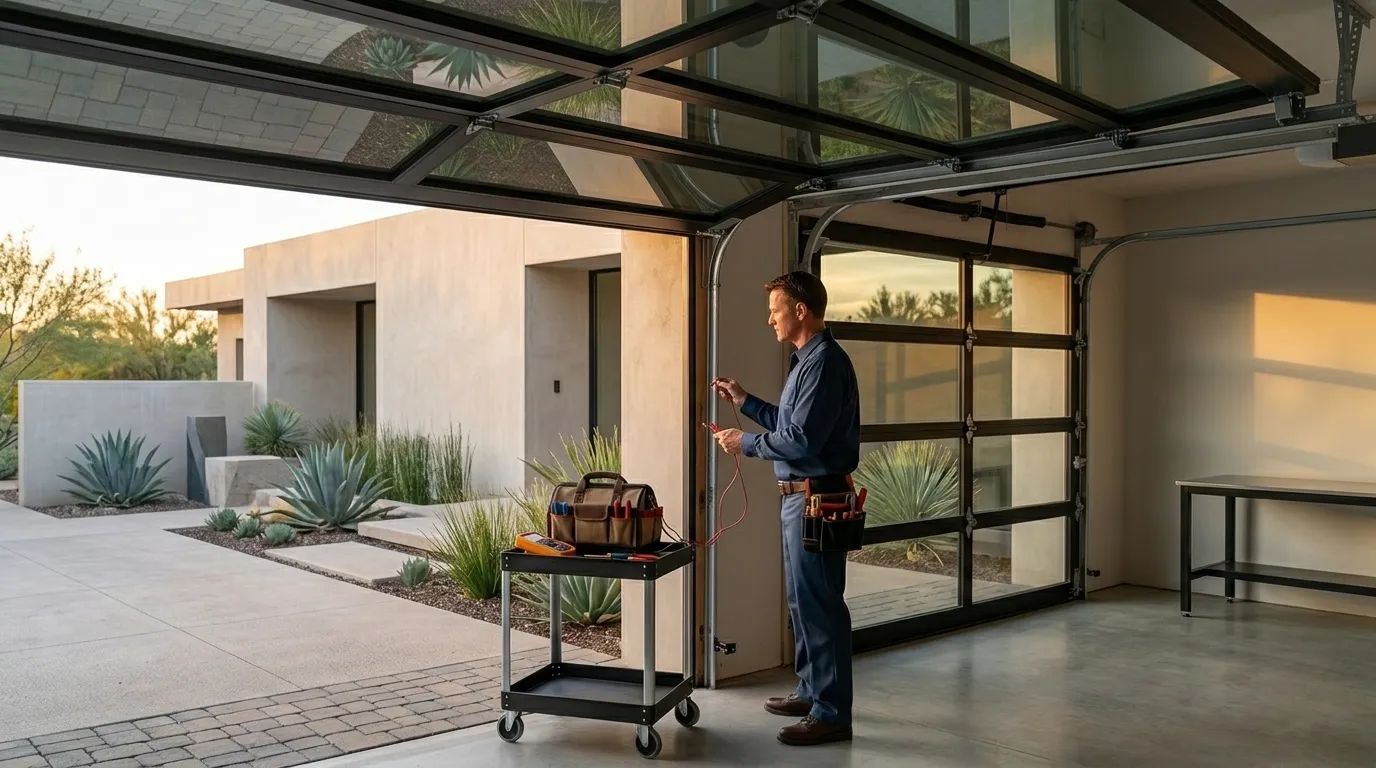
That means the calls we get from this area skew toward frayed or snapped extension cables, sagging safety cables (if the door even has them - plenty of these installs predate that requirement), and rollers that have worn oval instead of round after forty-plus years of use. We also see openers original or close to original to the house, chain-drive units that grind before they finally quit.
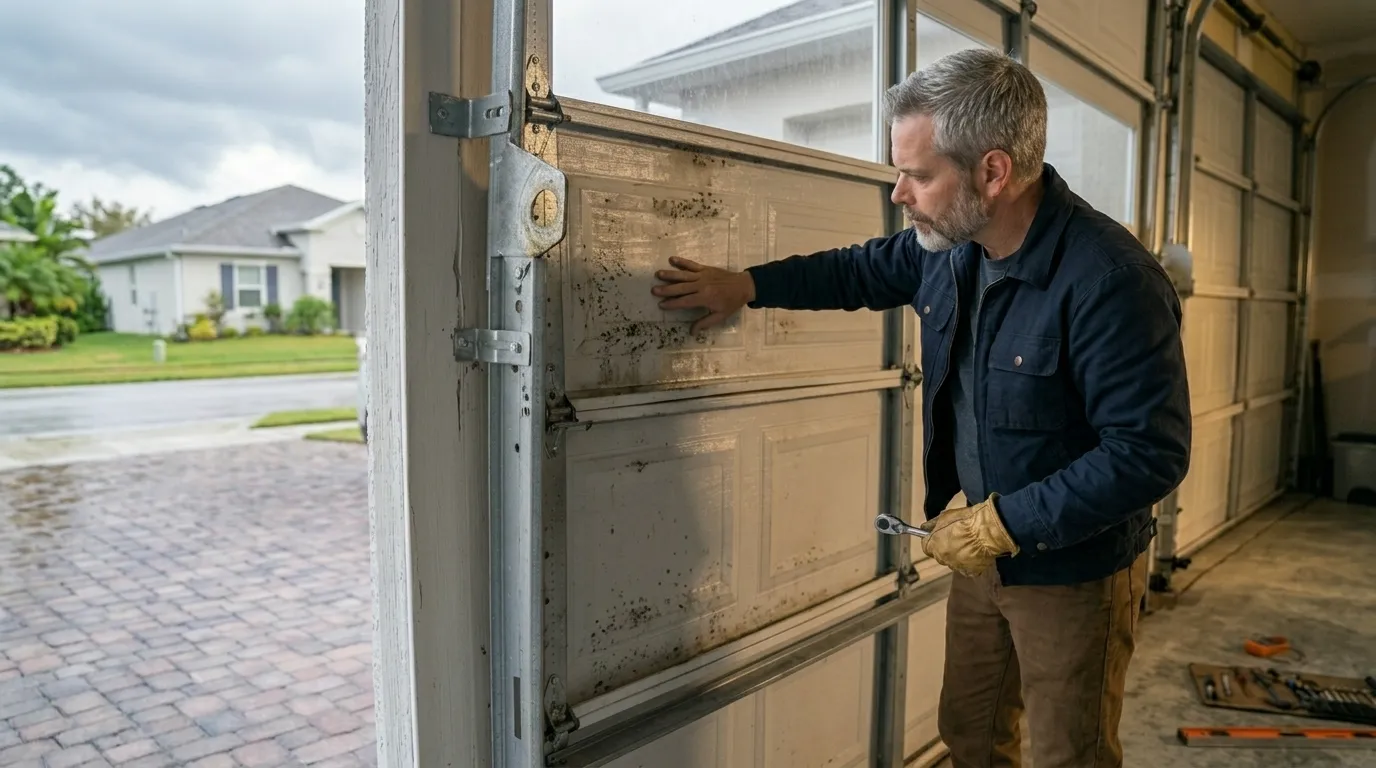
One honest limit: not every panel from a 1970s steel door is still made. If a section is dented or rusted through and the manufacturer's discontinued that profile, we're either sourcing a compatible used panel or talking you through a full door swap instead of a patch job.
What the Housing Means for Your Door
A door built or last replaced around 1977 has had roughly five decades to sit in Miami-area humidity, and the mild temperate climate here is forgiving compared to freeze-thaw regions, but it's not doing your hardware any favors either. Salt-tinged air and steady moisture corrode extension springs and cable ends from the inside, so a spring can look fine and still be down to a fraction of its rated cycles.
On a door this old, the fix is rarely just the failed part. If one extension spring has gone, the other is usually close behind, wound the same number of cycles under the same conditions. We'll tell you when it makes sense to just replace the pair rather than have you call us back in six weeks for the second one.
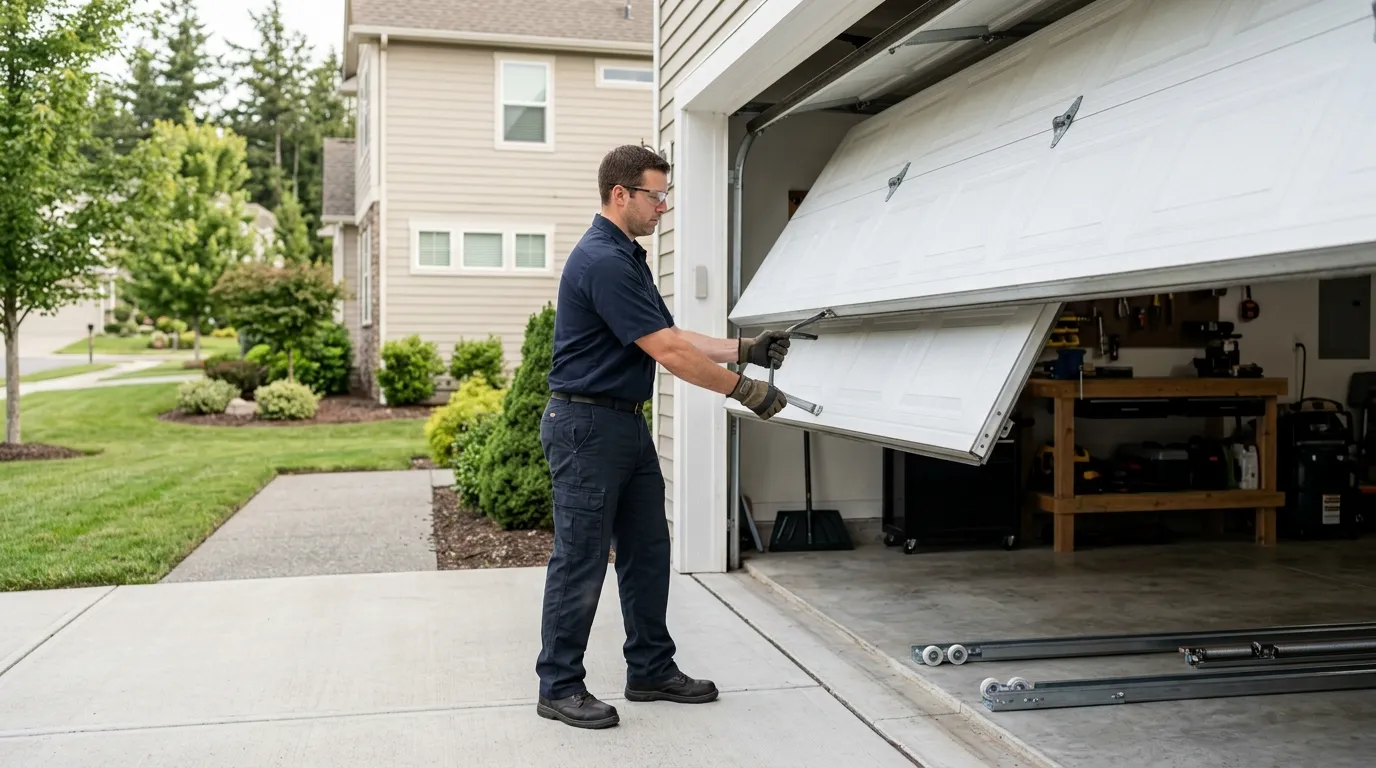
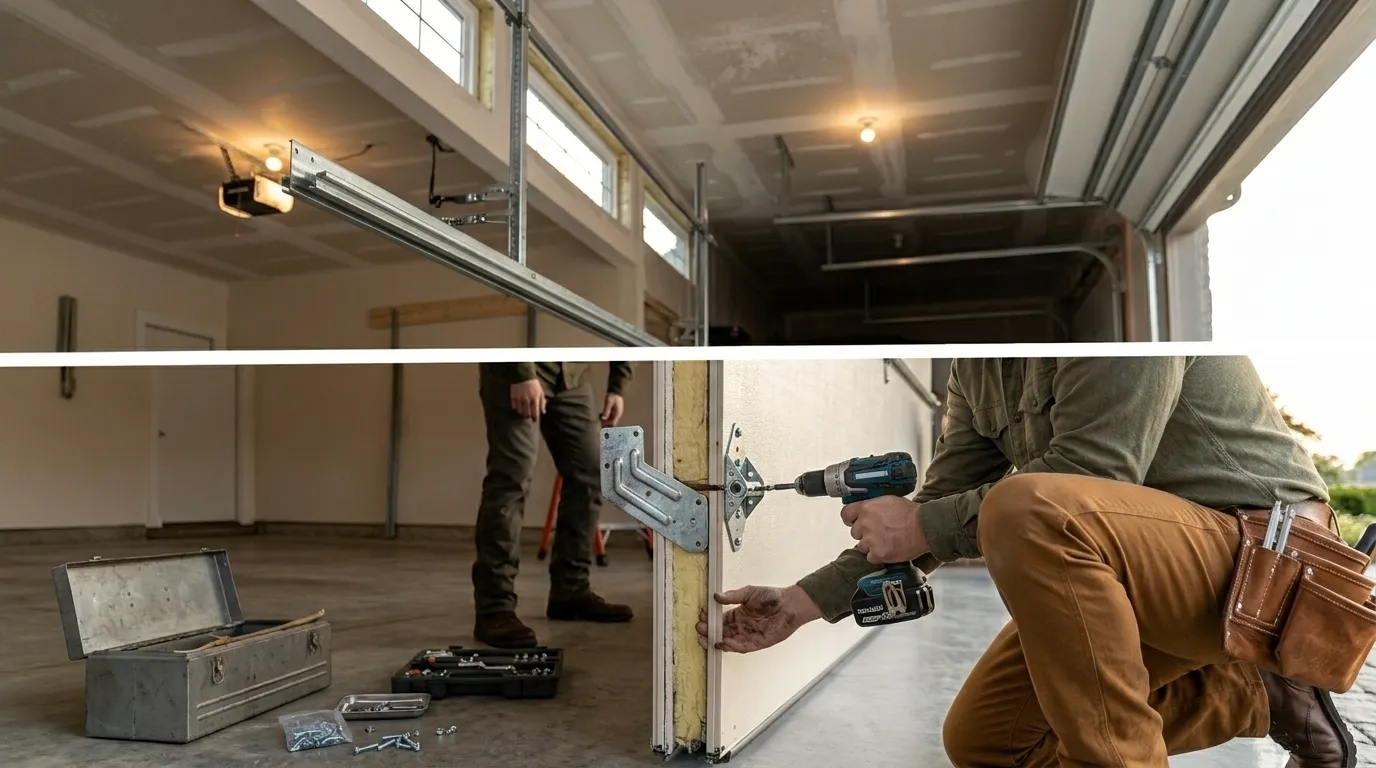
We also check track alignment on these older doors more carefully than we would on a five-year-old install, because decades of settling and minor collisions tend to bow the rails just enough to cause binding that looks like a spring problem but isn't.