Common Jobs Here
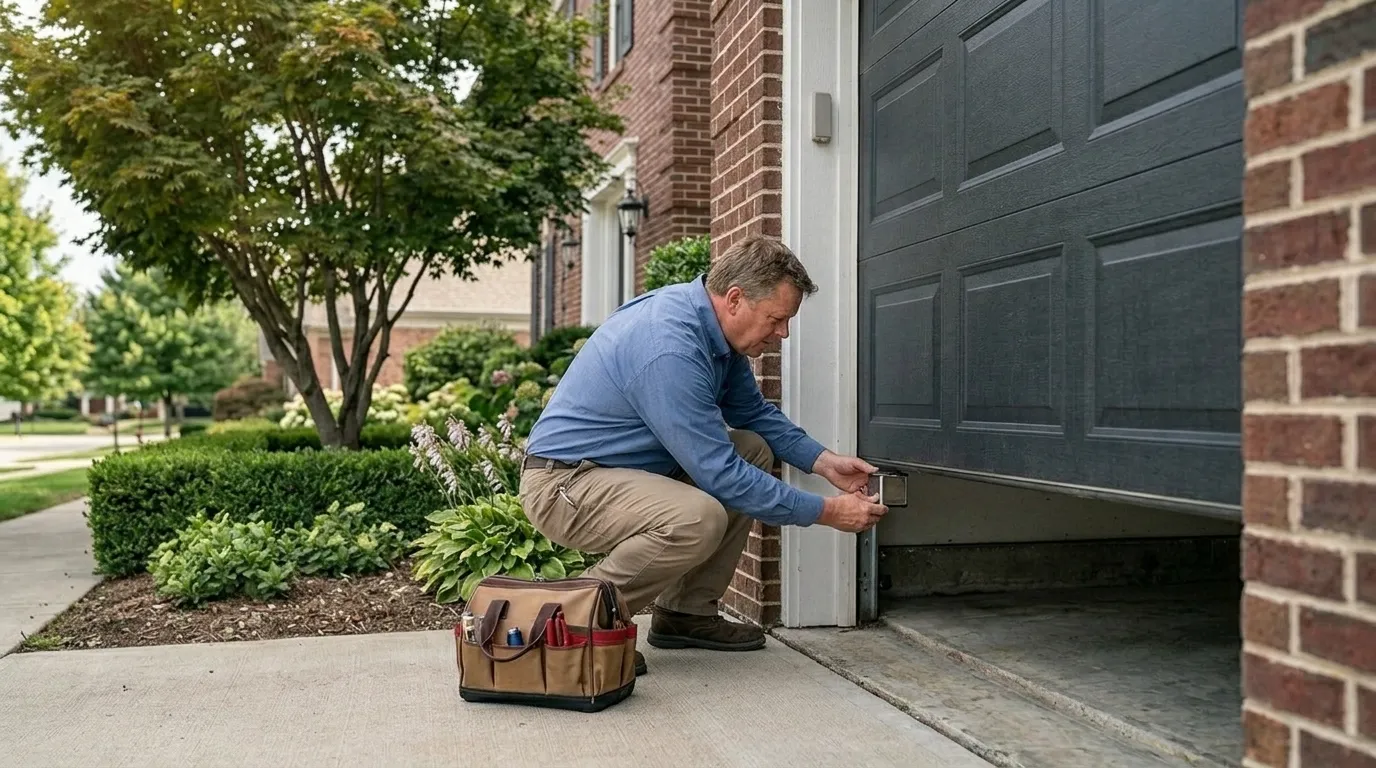
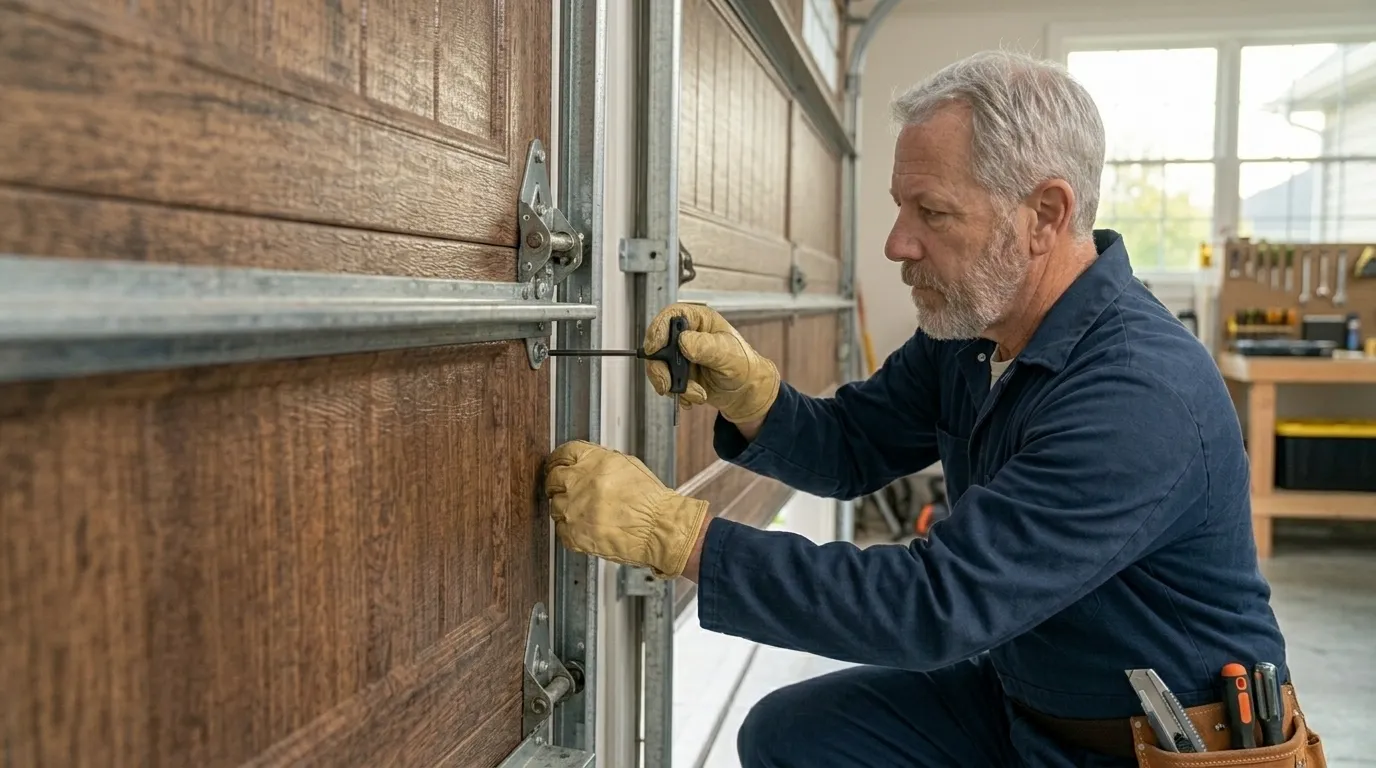
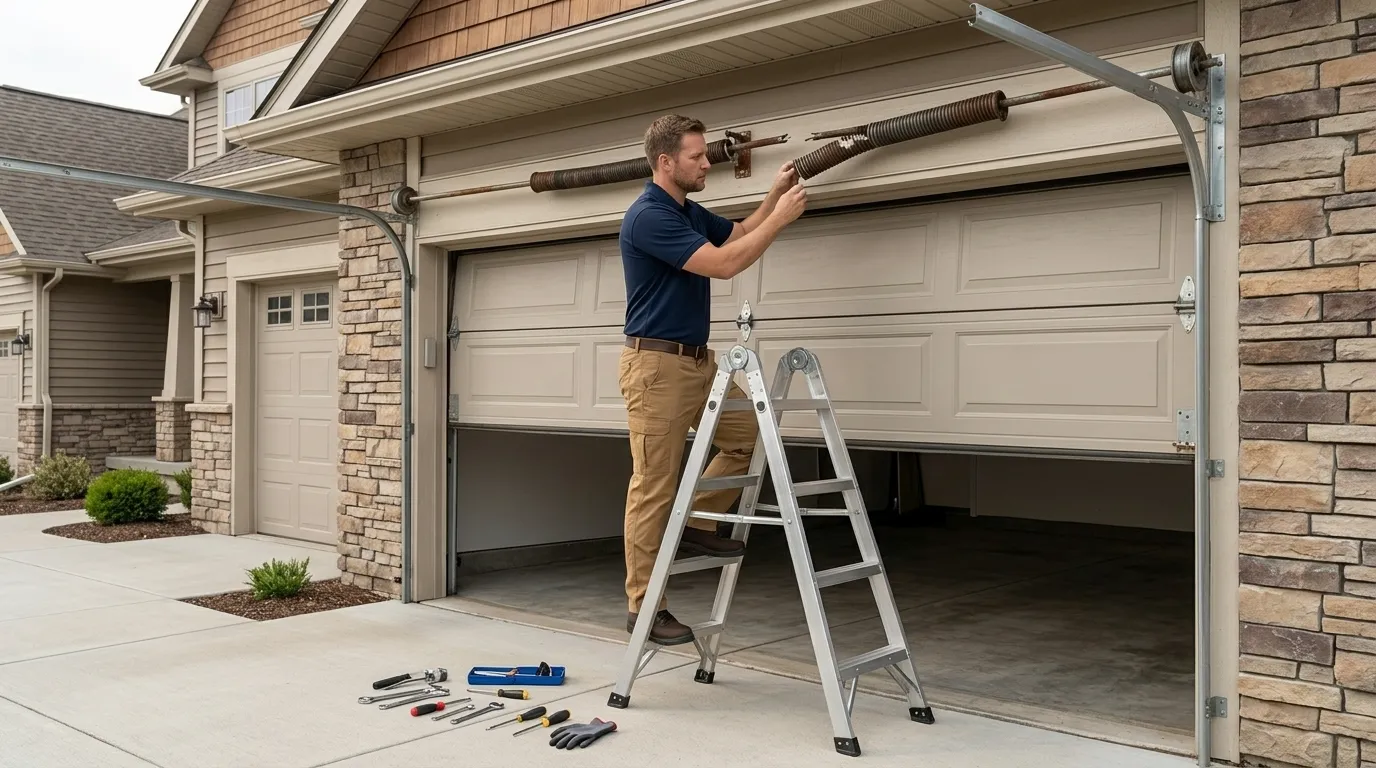
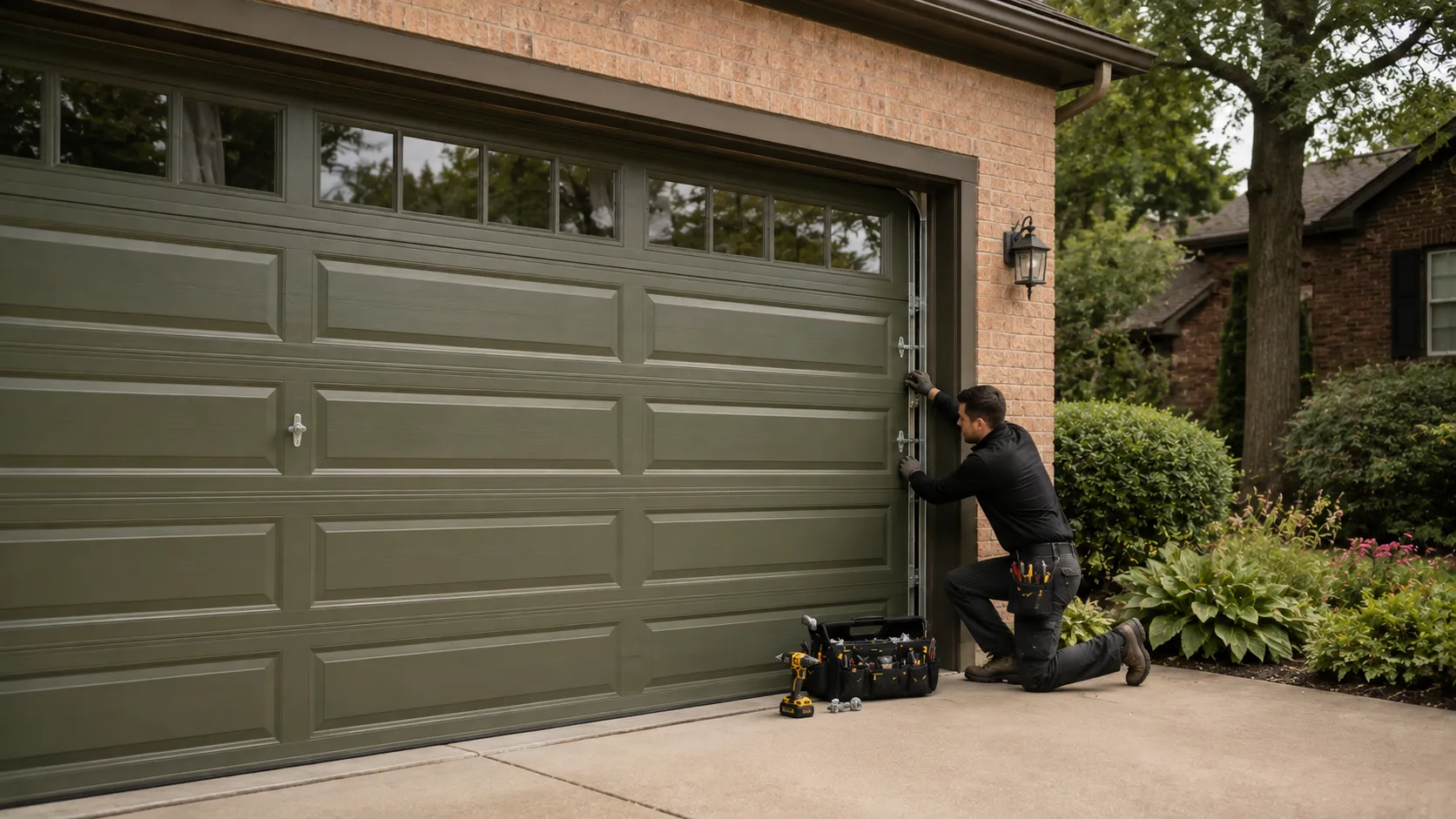
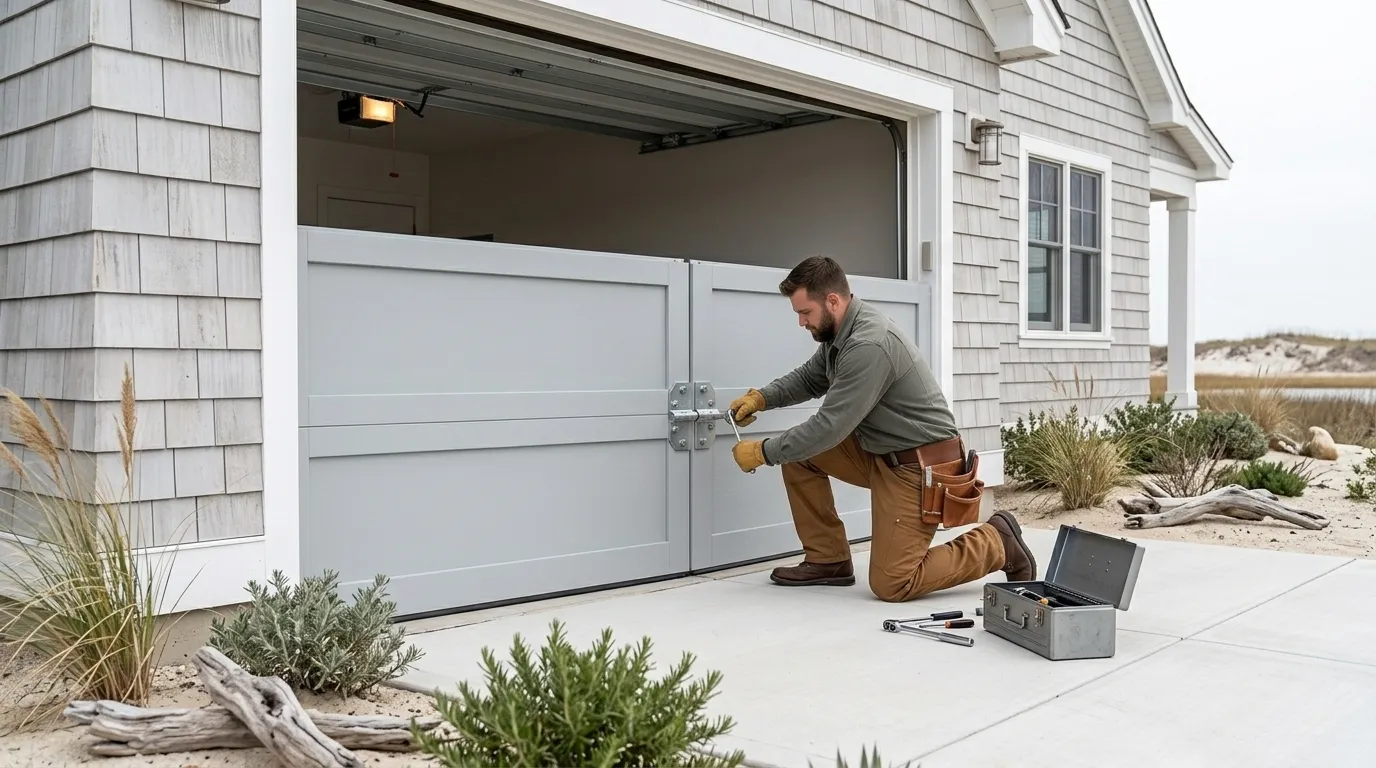
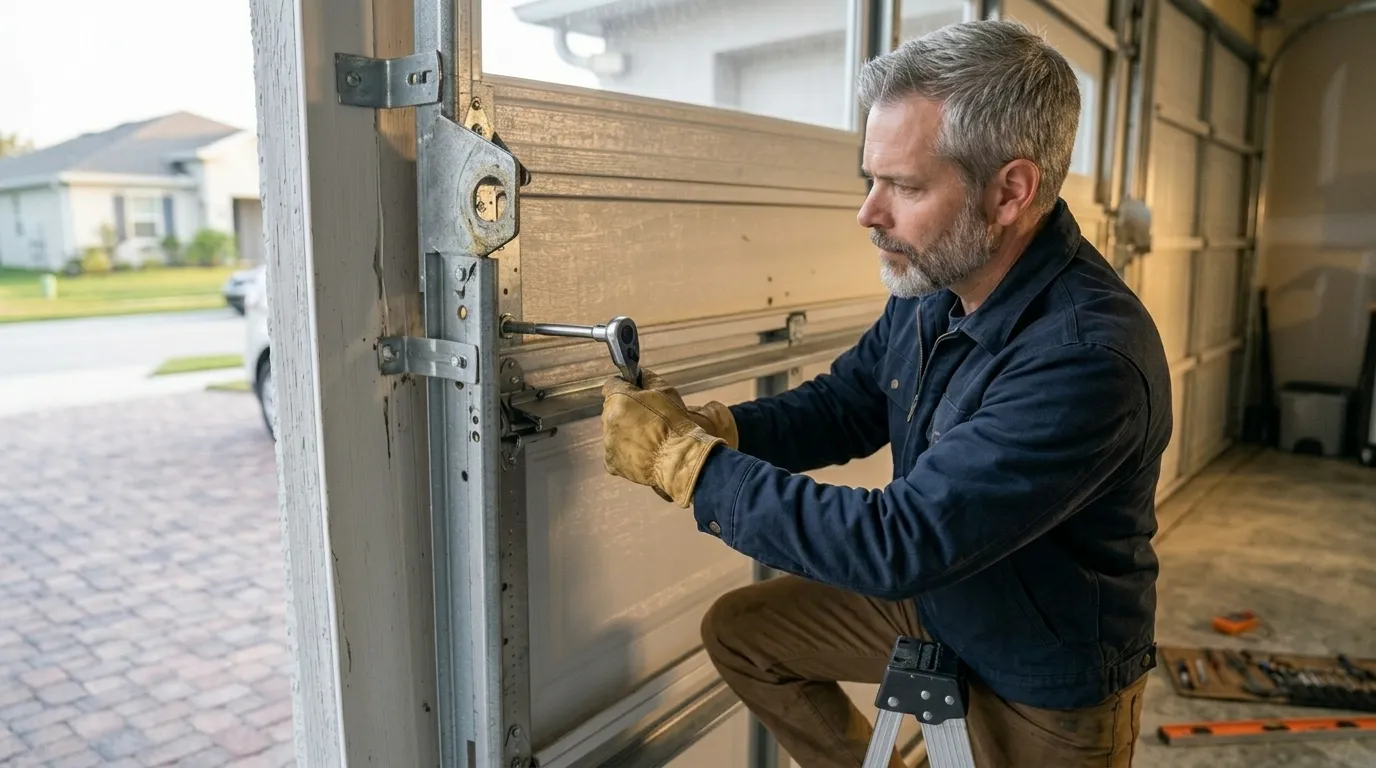
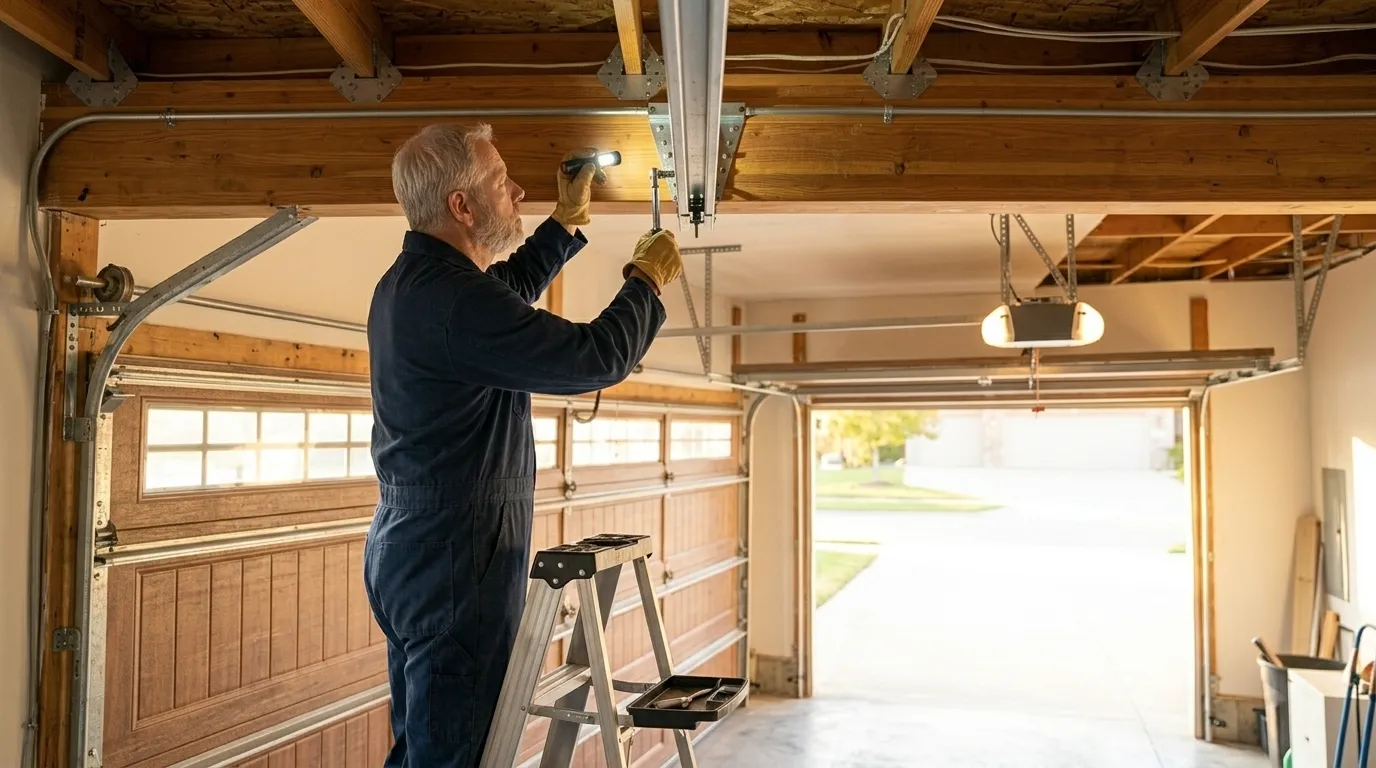
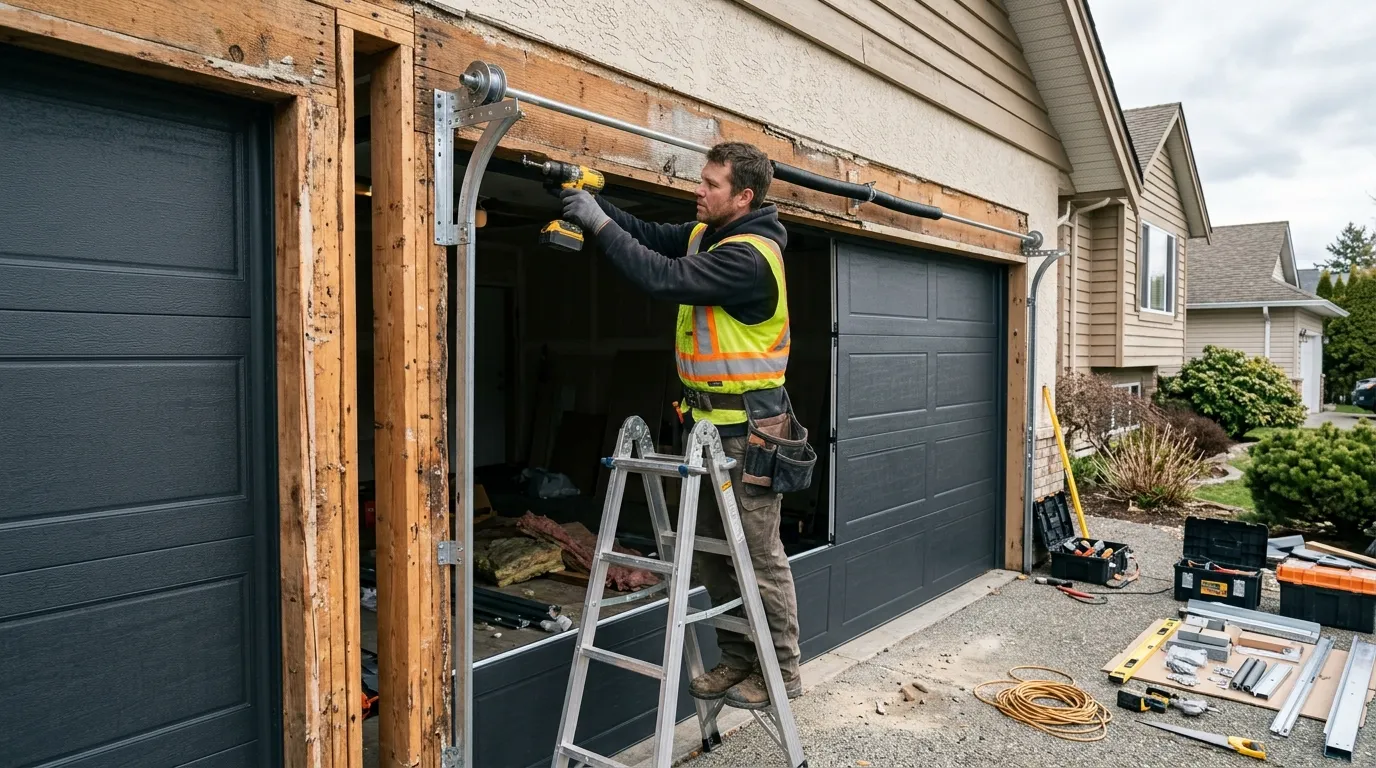
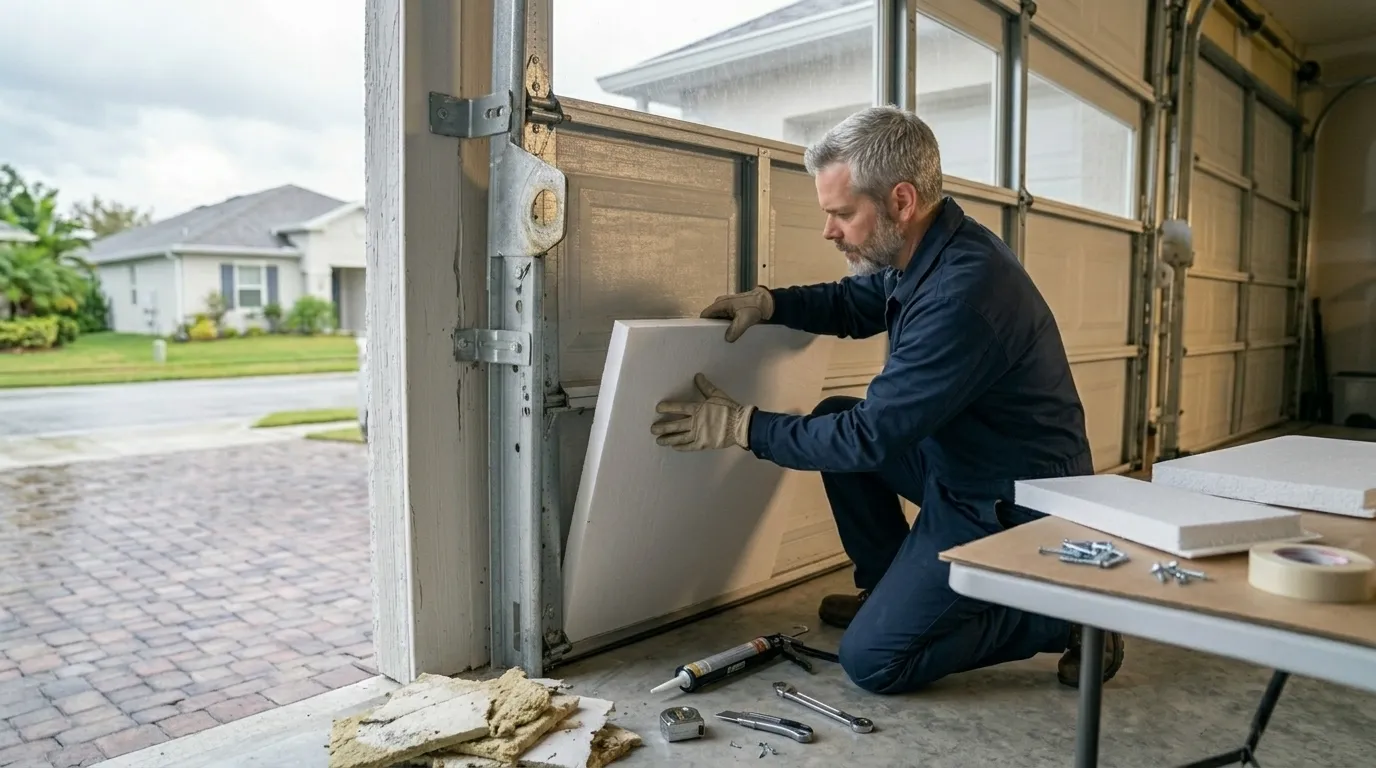
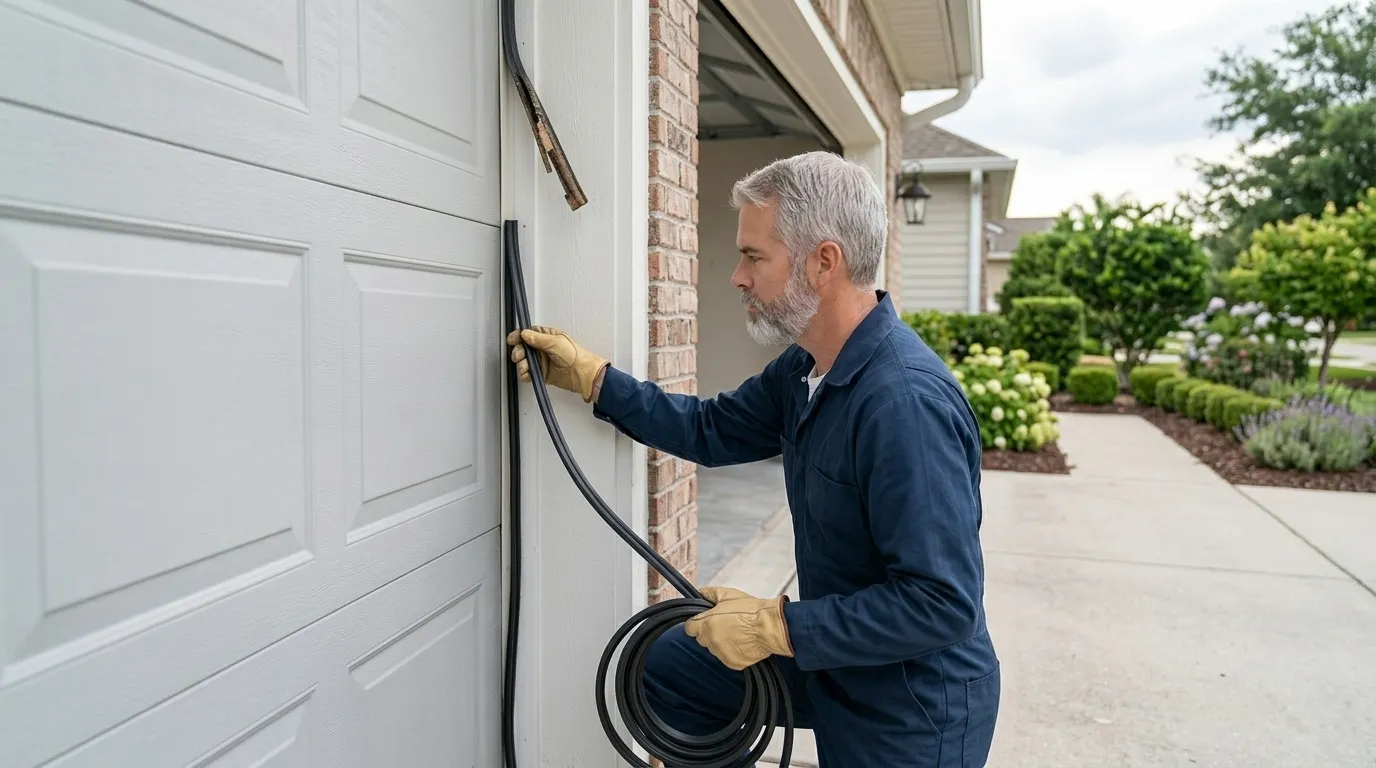
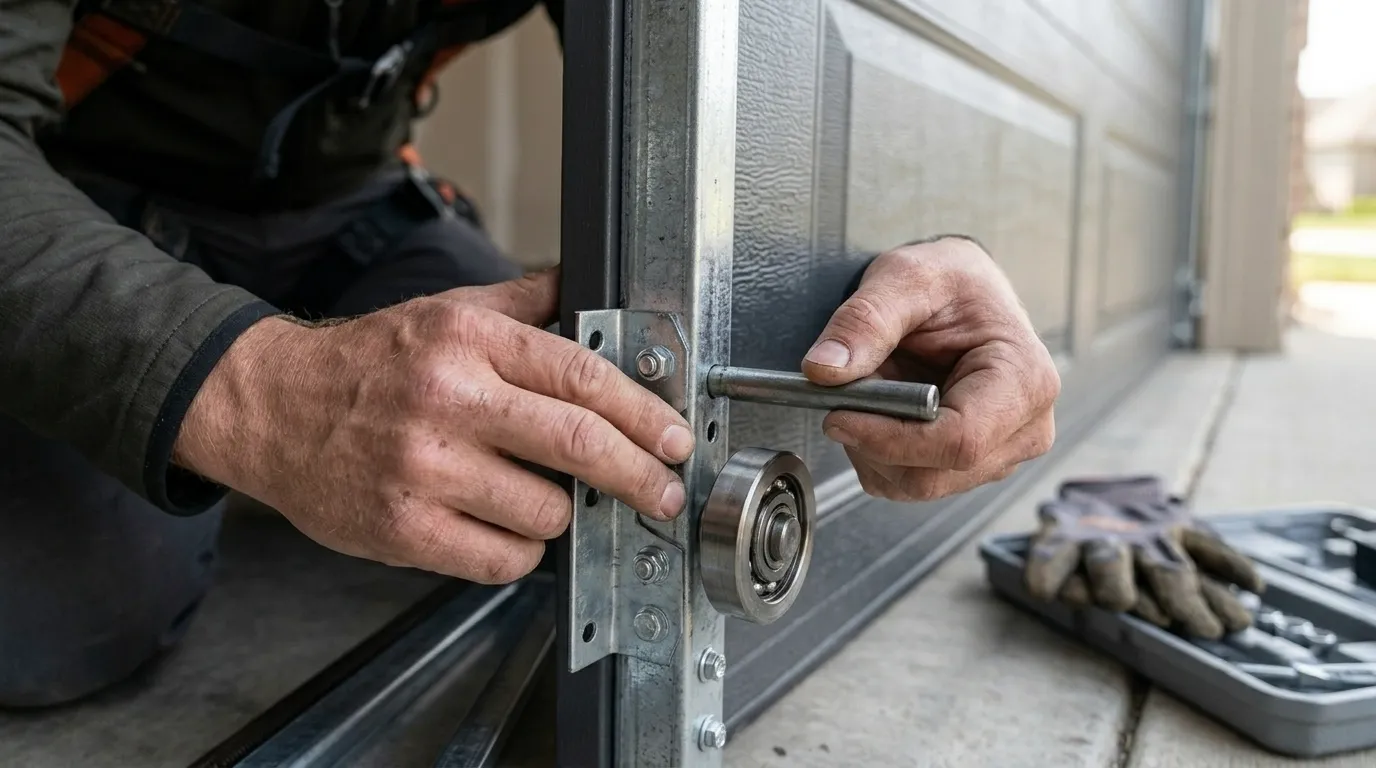
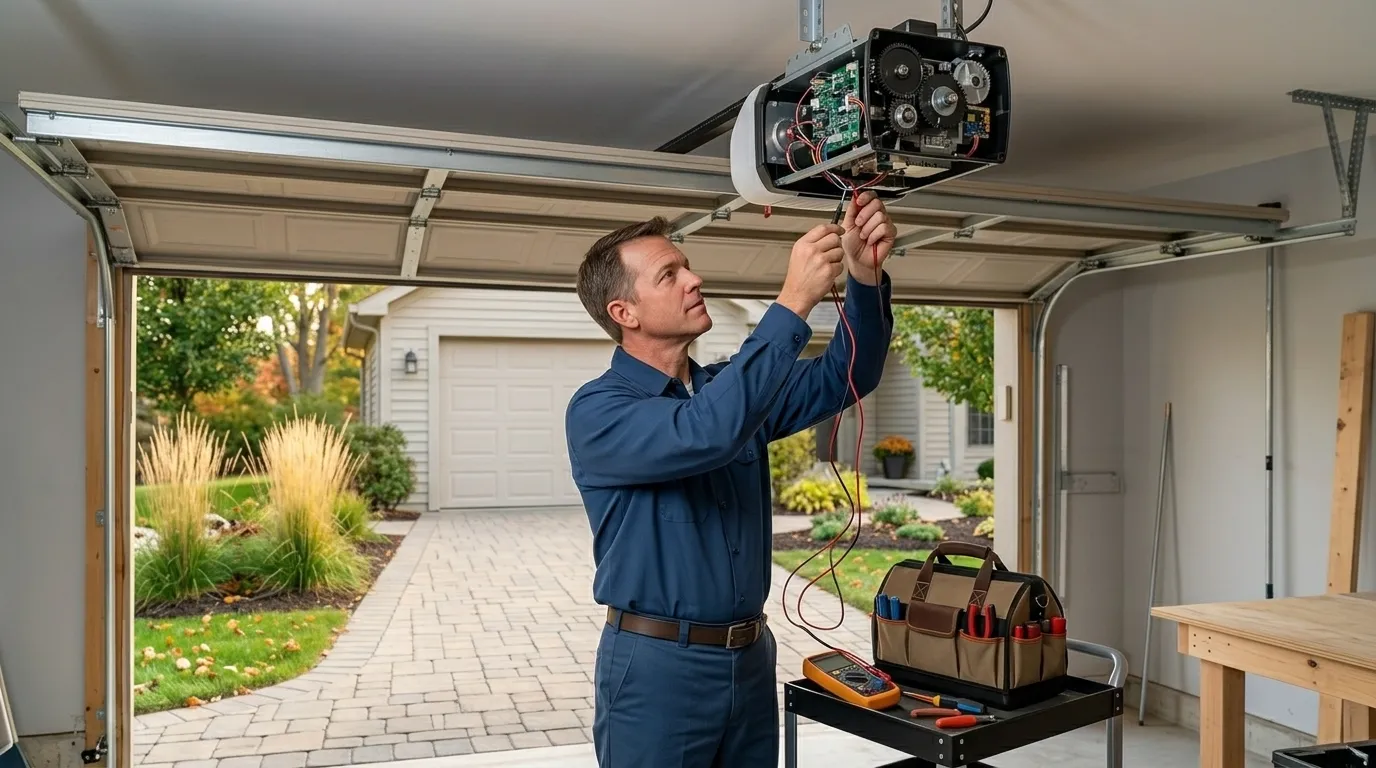
The median home in Richmond Heights was built around 1974, and that number drives most of the service calls we get from this stretch. Original torsion springs from that era are long past their rated cycle count if they haven't already been swapped once, and a lot of the openers we find on these doors are chain-drive units that have outlived at least one motherboard. We see more broken springs and worn rollers here than on newer doors elsewhere in the county, plus track that's been bent from decades of a door that was never quite balanced right to begin with. Panel replacement comes up too, since steel doors from the mid-70s don't match anything currently sold, and finding a compatible section usually means replacing the whole door rather than patching one panel.
What the Housing Means for Your Door
A 1974-built home usually came with a door and opener sized for that generation's standard - narrower tracks, lighter-gauge steel, and hardware mounted for a spring system that's since been redesigned twice over. When we get a call here, we're not guessing at what we'll find under the hood; we're expecting a door that's had at least one repair already, wiring that's been patched into a newer opener at some point, and a torsion spring that was probably never upgraded to today's cycle-rated standard. The area's mild temperate climate has been kind to the metal - you don't get the rust-through and warping we'd worry about somewhere with hard freezes - but 50 years of daily use wears out cables and rollers on schedule no matter what the weather did. We'll tell you straight when a repair isn't worth it: if the door itself is original and the opener has failed twice already, replacement usually costs less over five years than another patch job.