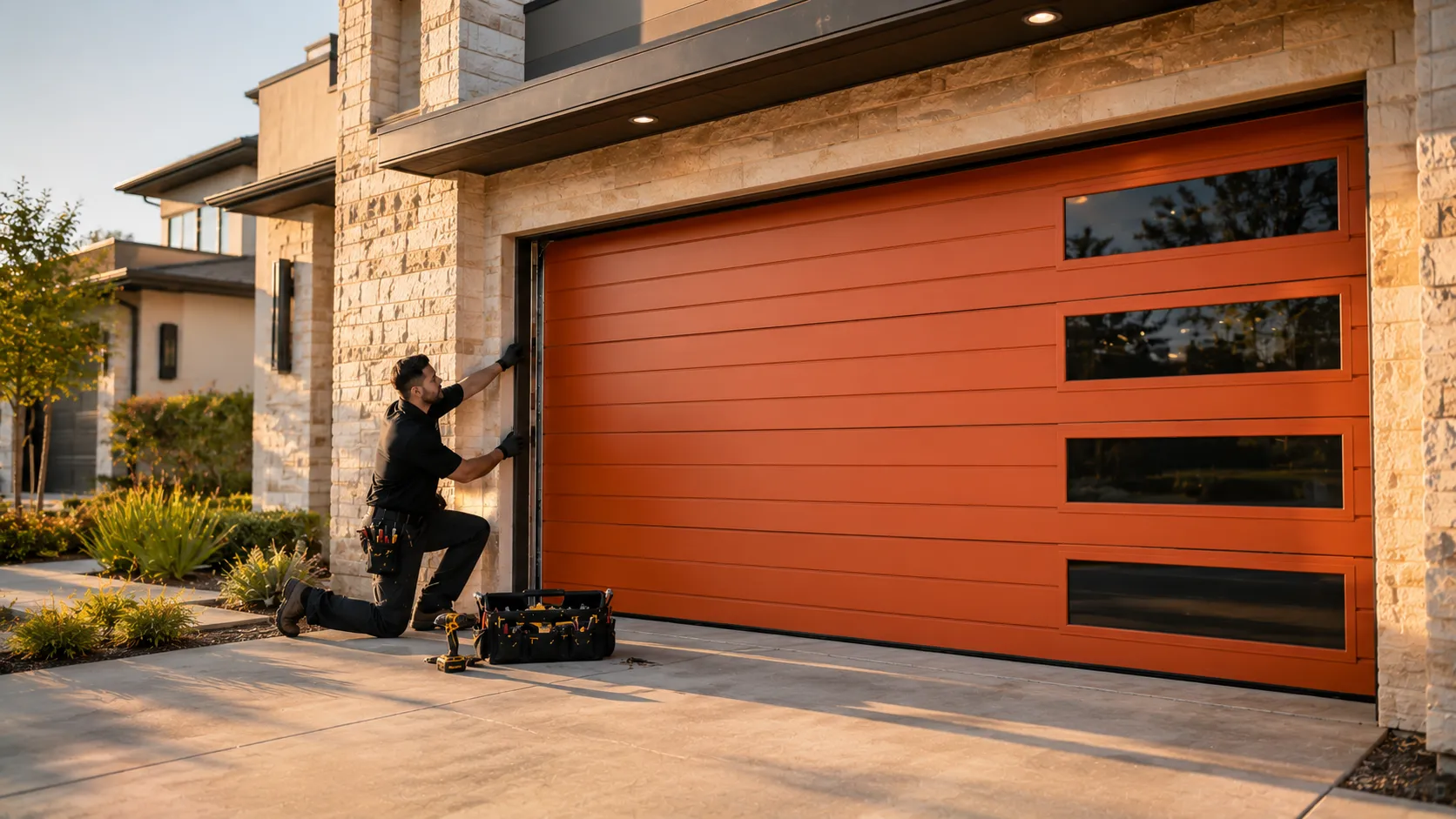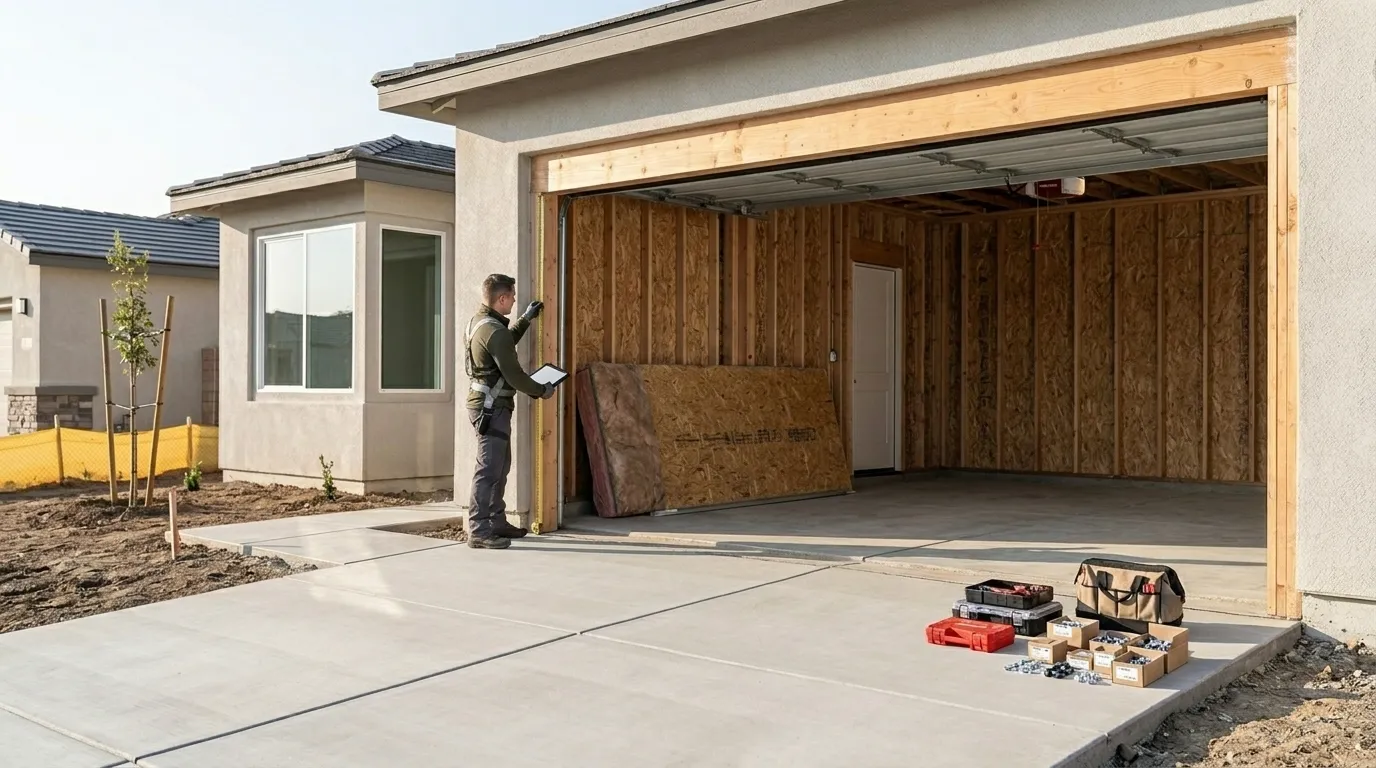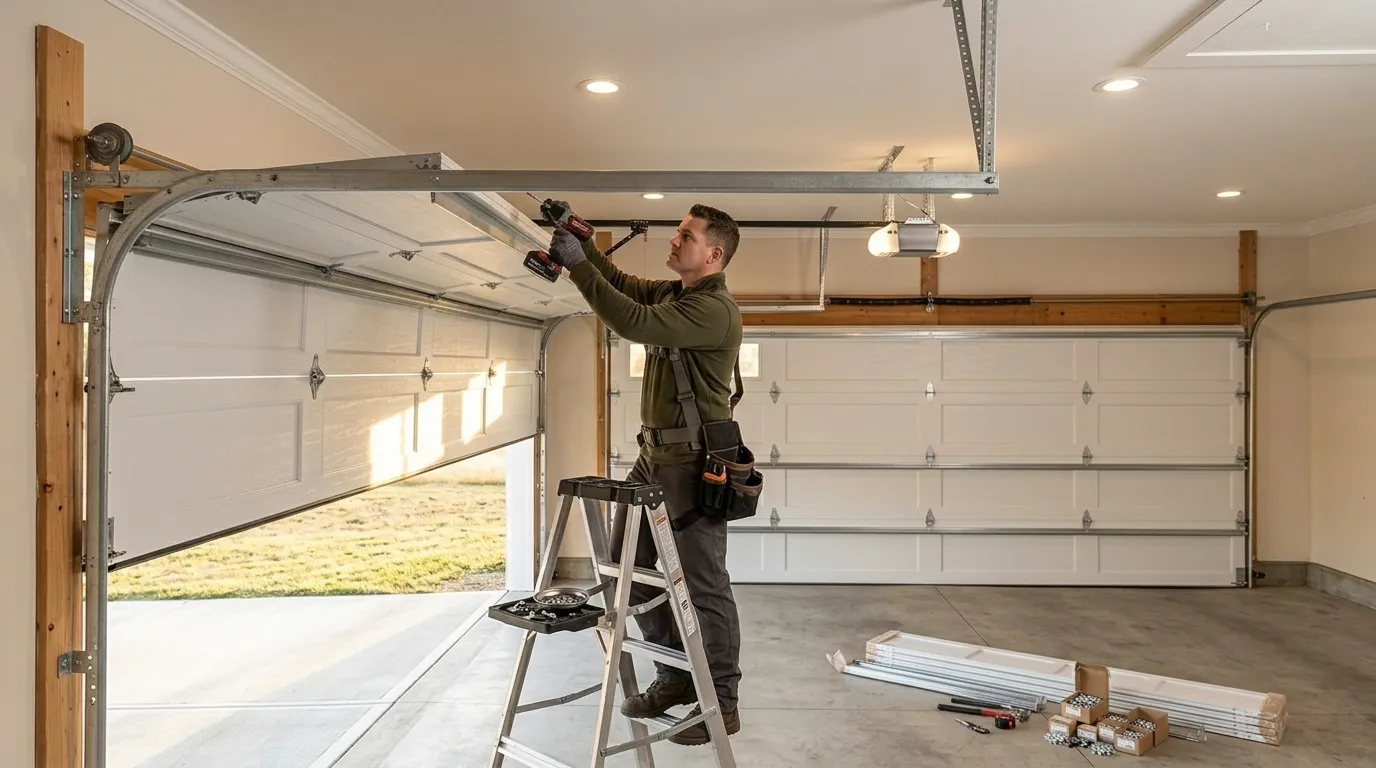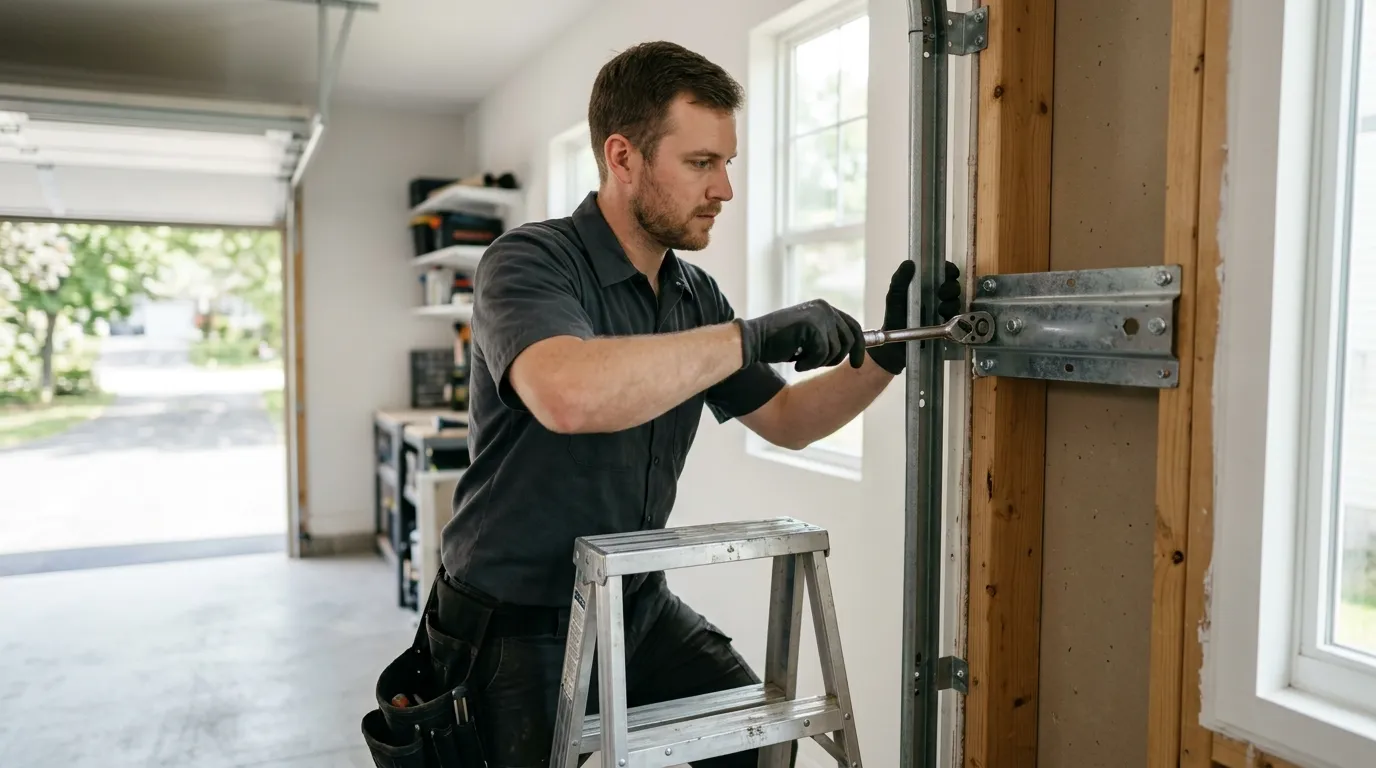
Common Jobs Here
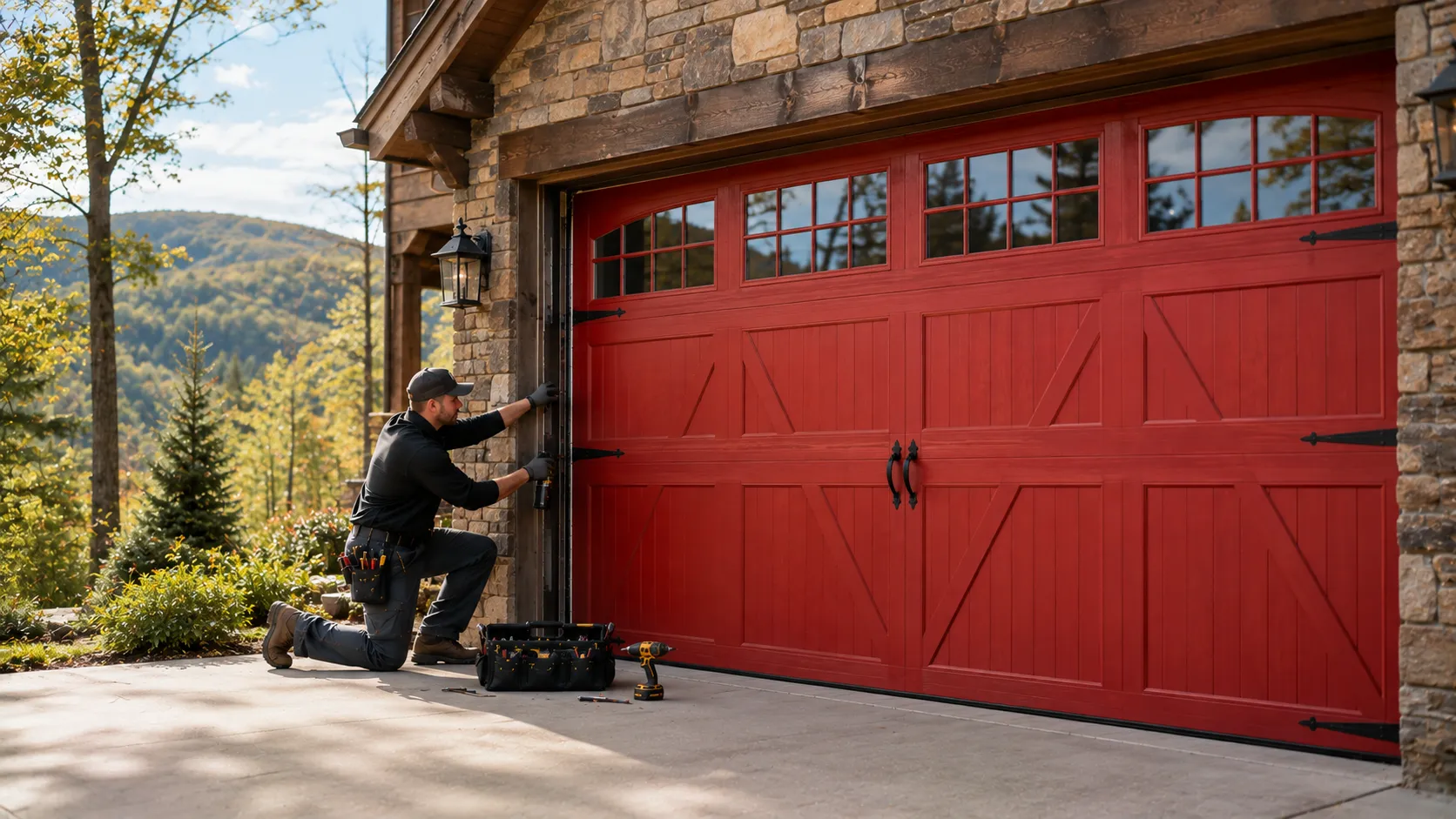
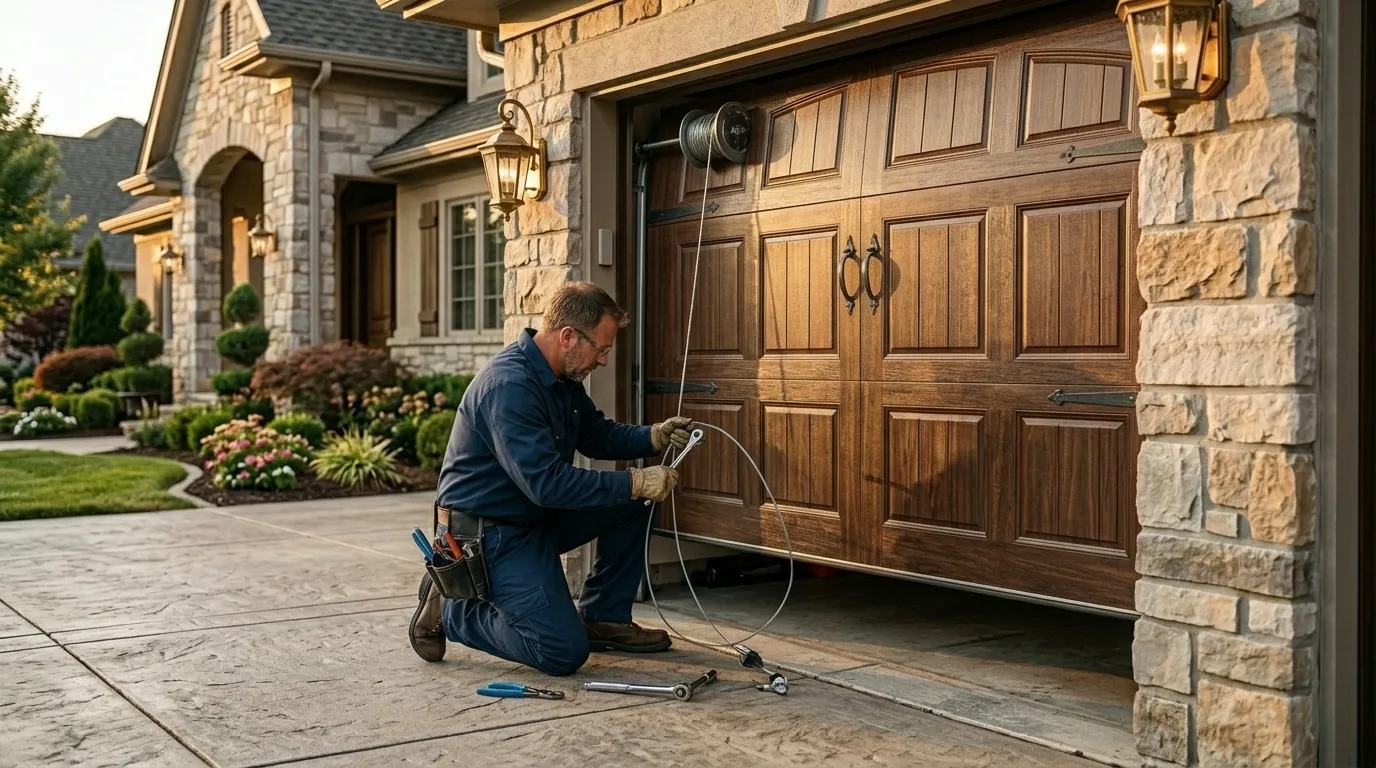
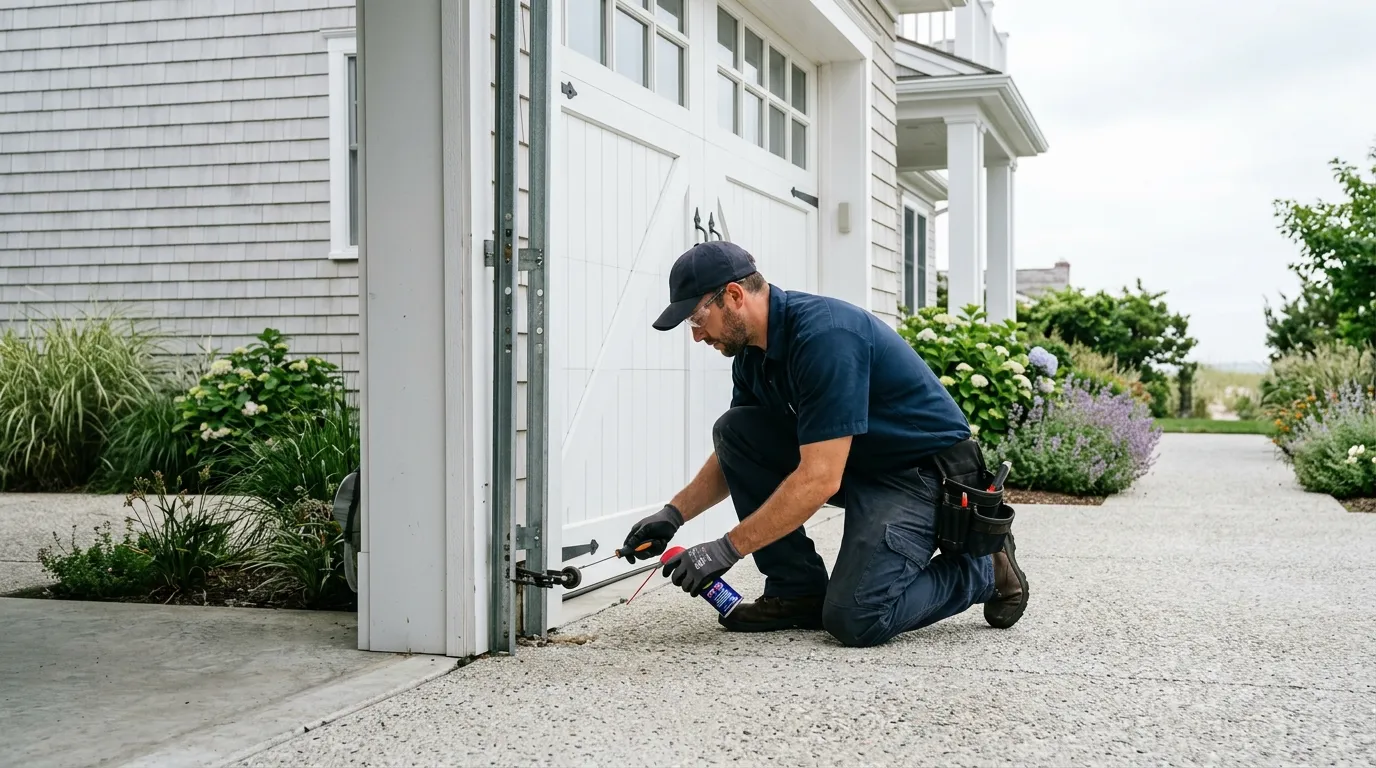
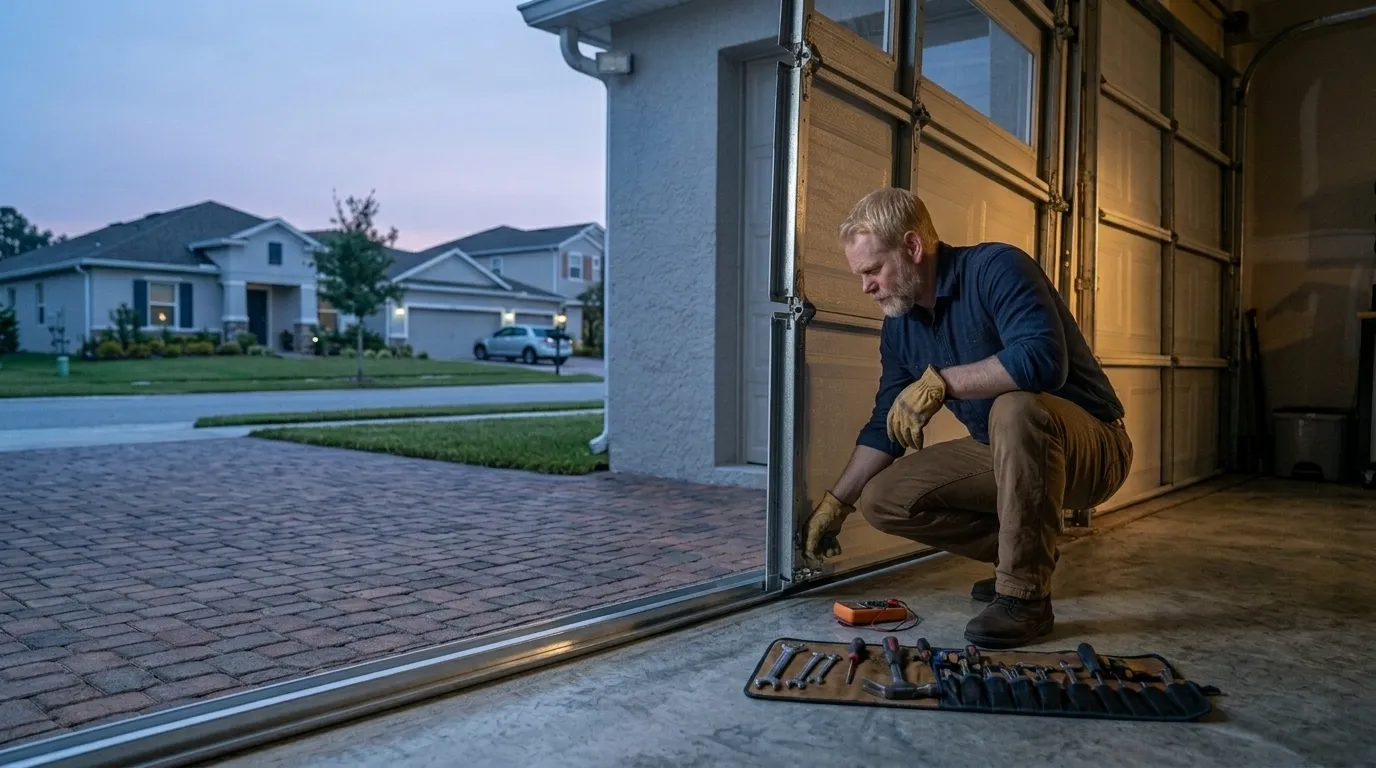
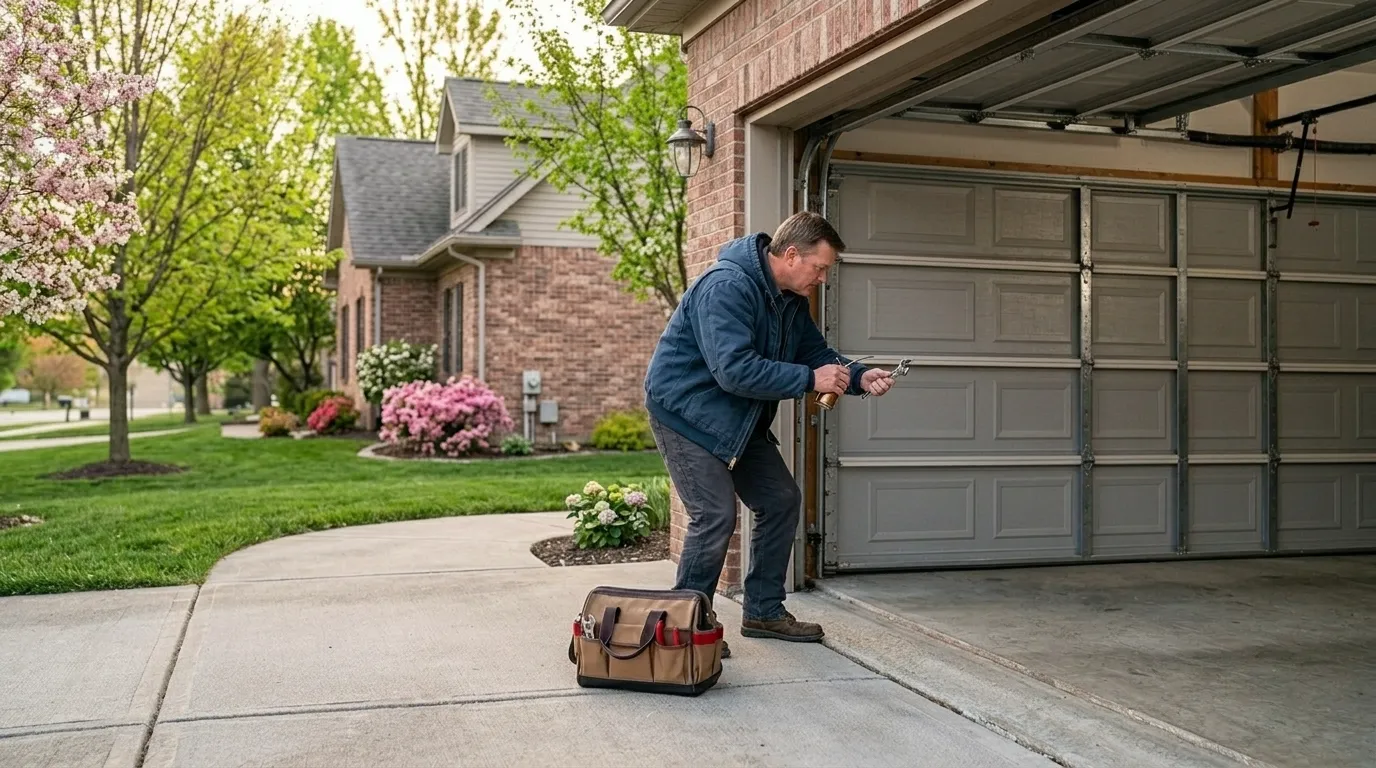
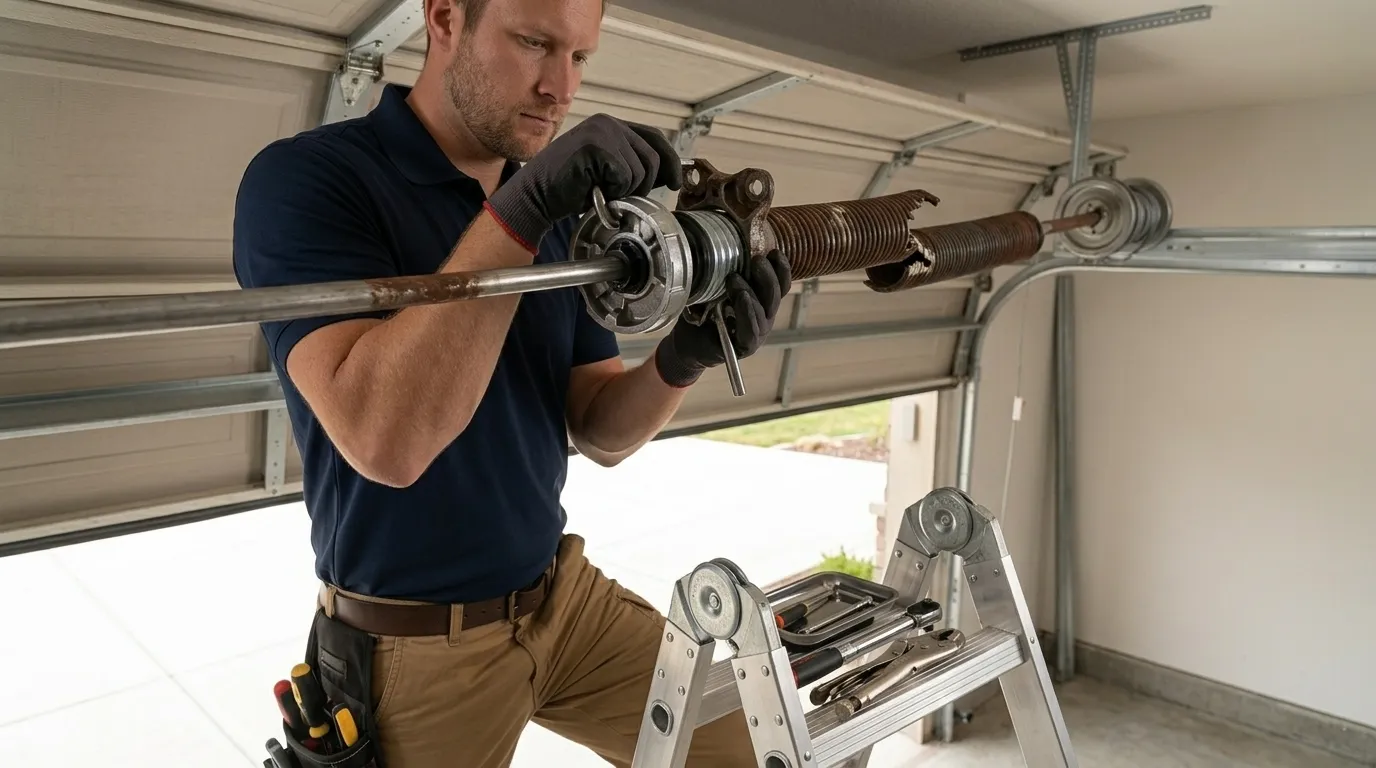
The median home in Richmond West was built around 1996, which puts a lot of original hardware right in the failure window. Torsion springs are rated in cycles, not years, but a spring installed when the house went up in the mid-90s has usually put in two decades-plus of daily openings by now, and that's where we see the snapped-spring calls concentrate here.
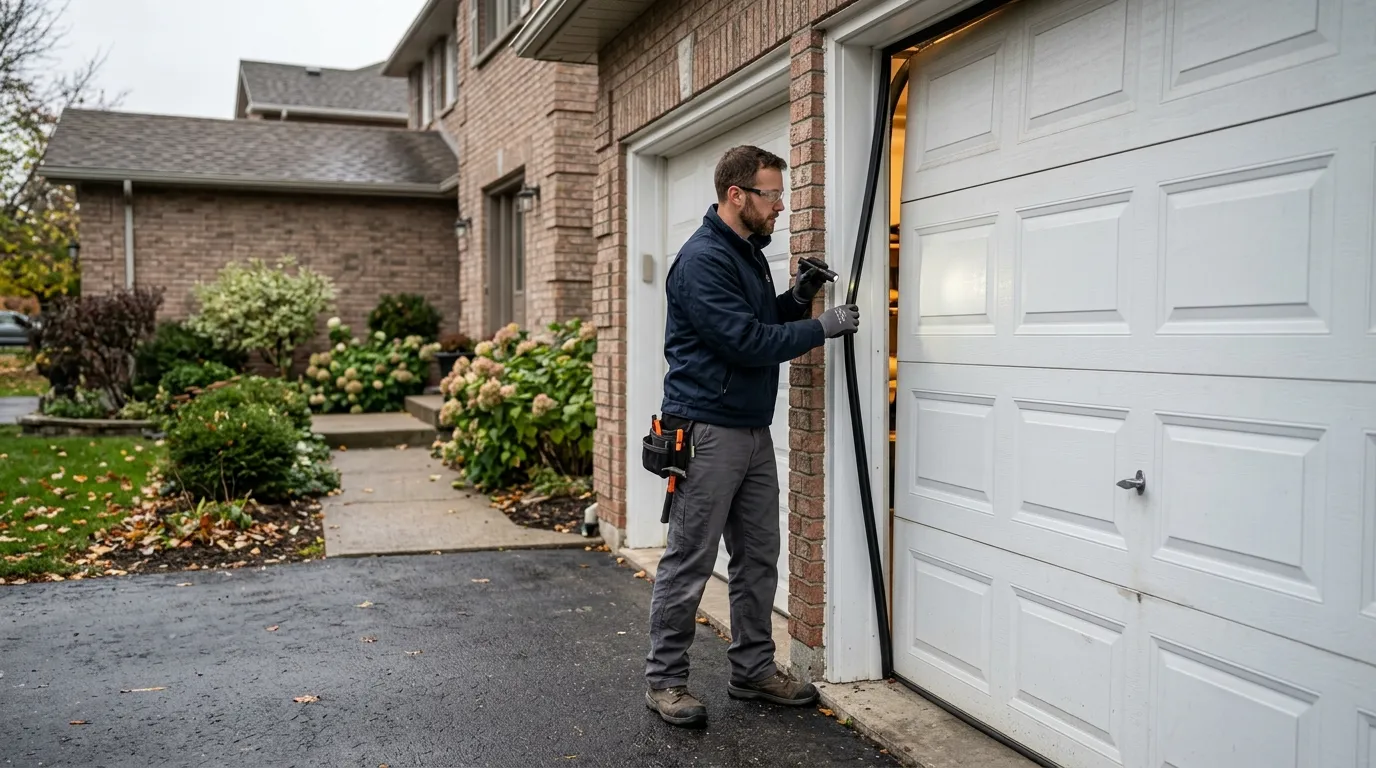
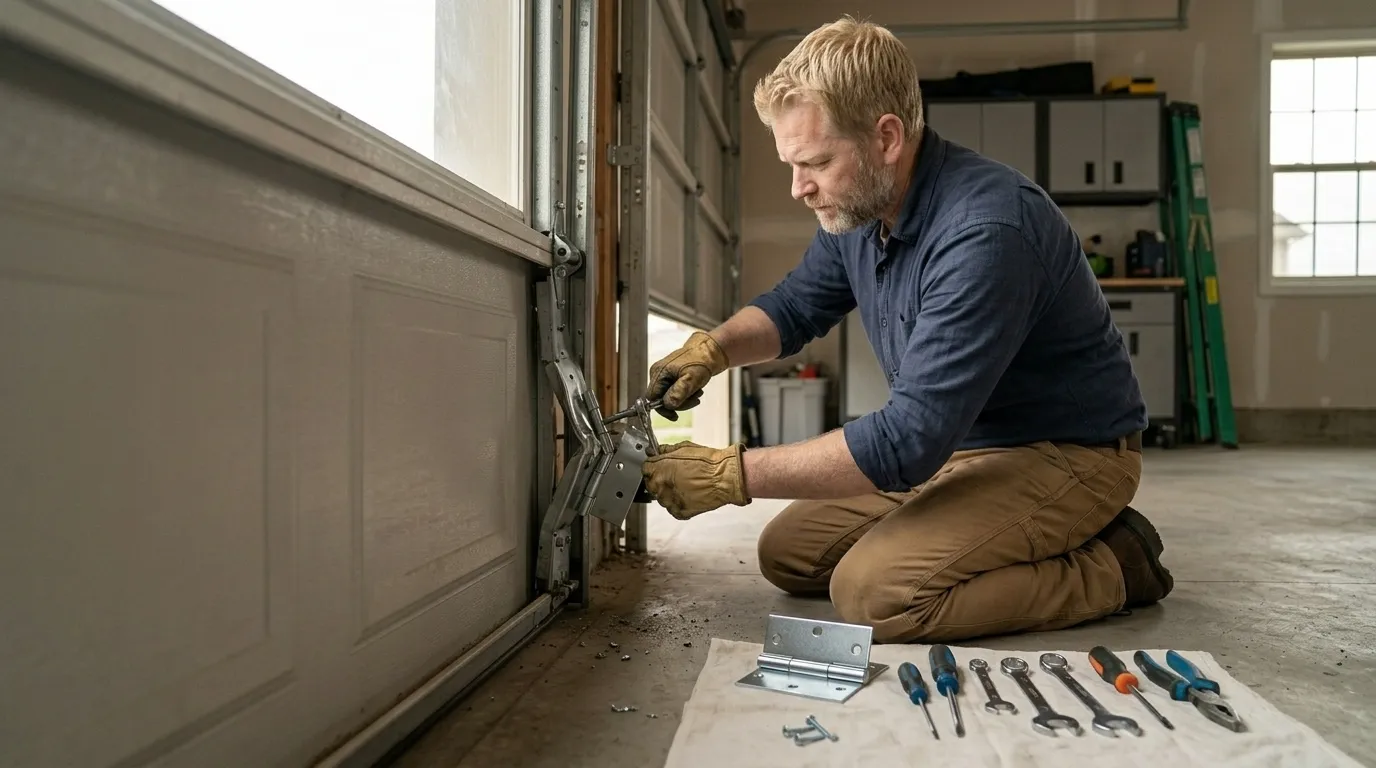
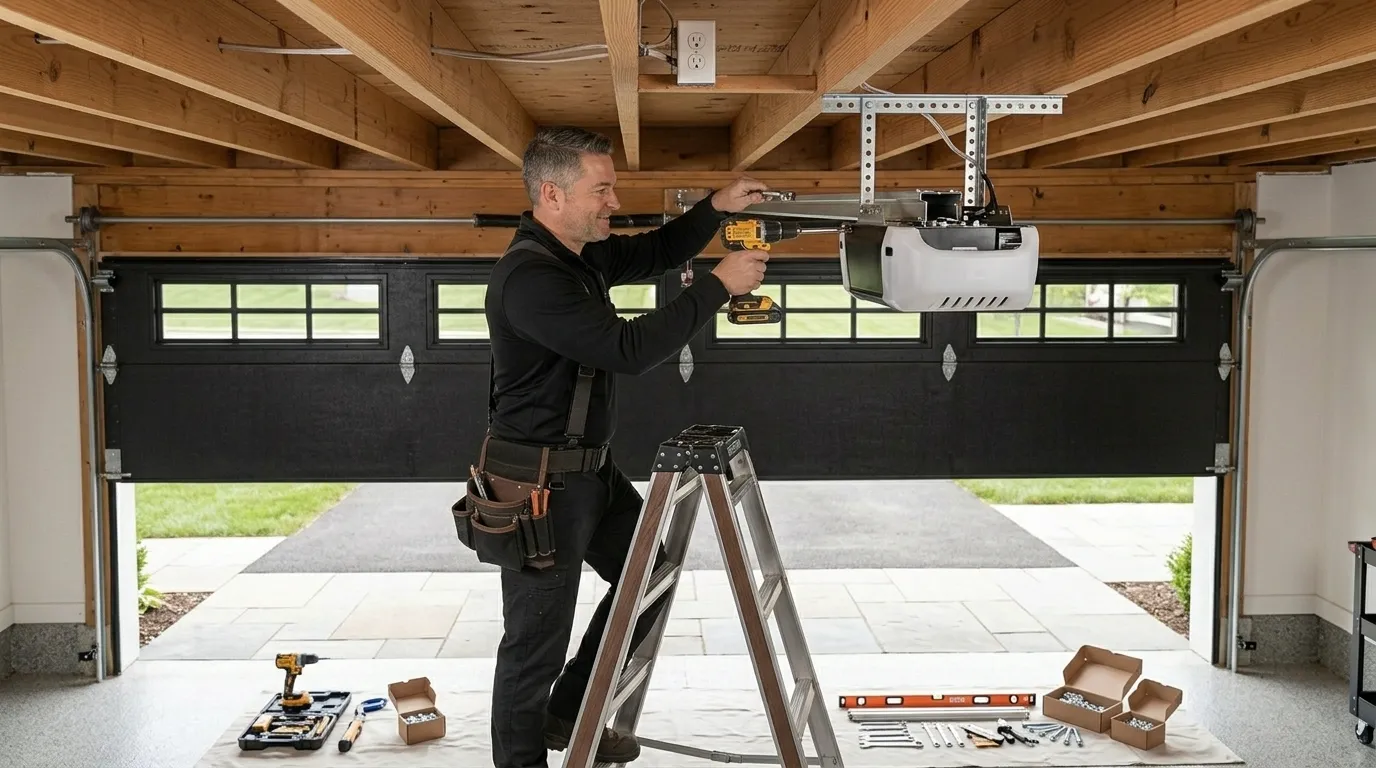
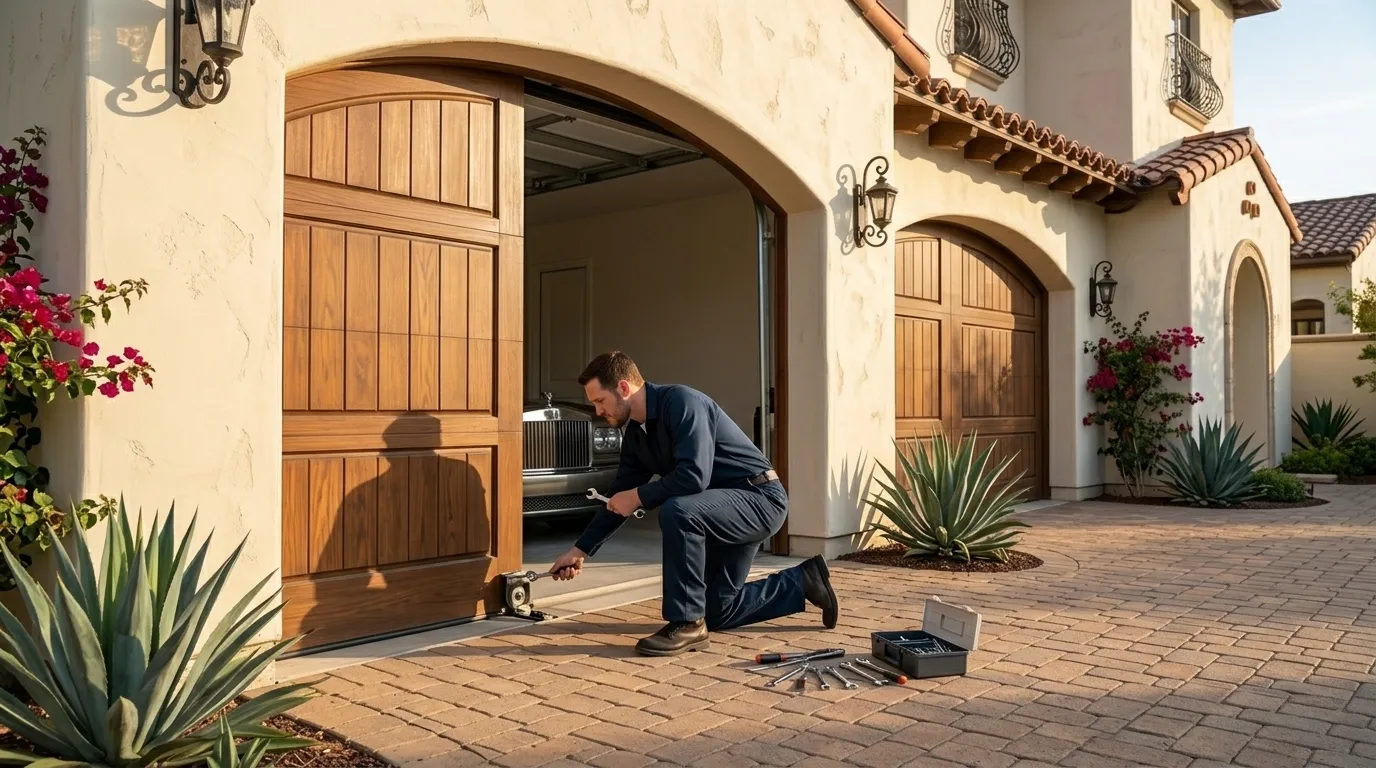
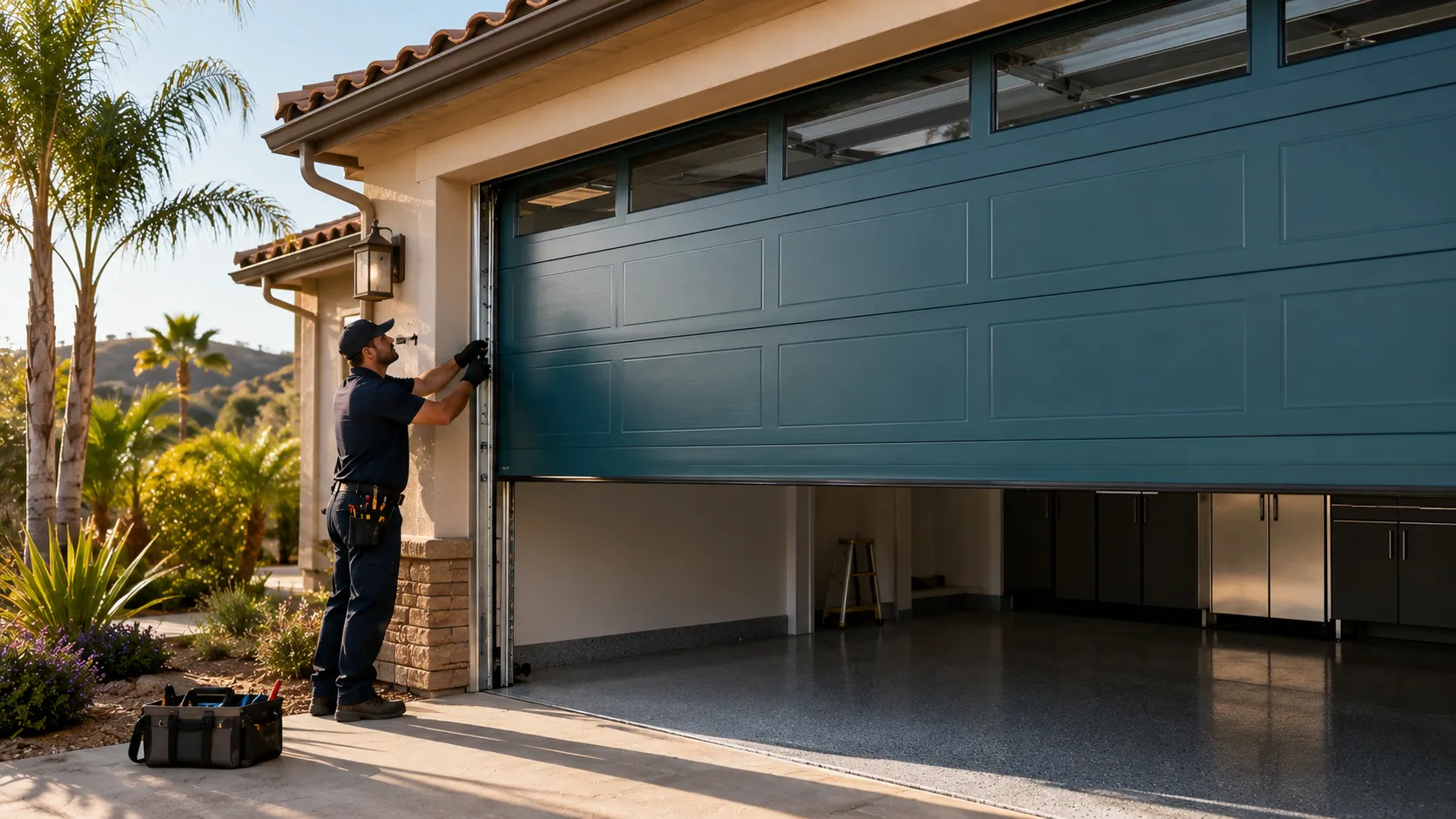
Openers from that same building wave are aging out too - chain-drive units with circuit boards from the late 90s and early 2000s that start showing intermittent remote failure or grinding gears before they quit outright. We also get called for worn rollers and misaligned tracks on doors that have never been touched since installation, which tracks with a neighborhood built in one compressed stretch rather than added onto over decades.
One honest note: if your opener logic board is failing and the model's long out of production, replacement is usually the better call than chasing parts. We'll tell you straight when a repair isn't worth the labor versus a new unit.
What the Housing Means for Your Door
This is the part that actually separates Richmond West from a lot of the service area. Housing across the broader Miami footprint runs from 1953 to 2005 with a median around 1976, meaning a large share of doors we service elsewhere are on 1960s-70s hardware - older mounting styles, older track widths, parts that sometimes take extra sourcing time. Richmond West's median build year of 1996 puts most of its doors two decades newer than that regional midpoint.
Practically, that means standard modern door sizes and more common torsion spring specs, which usually means less waiting on parts than a call to one of the older pockets of the service area. It doesn't mean nothing goes wrong - it means what goes wrong is closer to normal wear (springs, rollers, opener boards) than the layout quirks you get with older one-piece doors and side-mounted hardware.
The climate band here is mild temperate, which is easier on doors than harsher freeze-thaw regions - less hardware stress from temperature swings, though panel and hinge wear still happen on schedule regardless of weather.