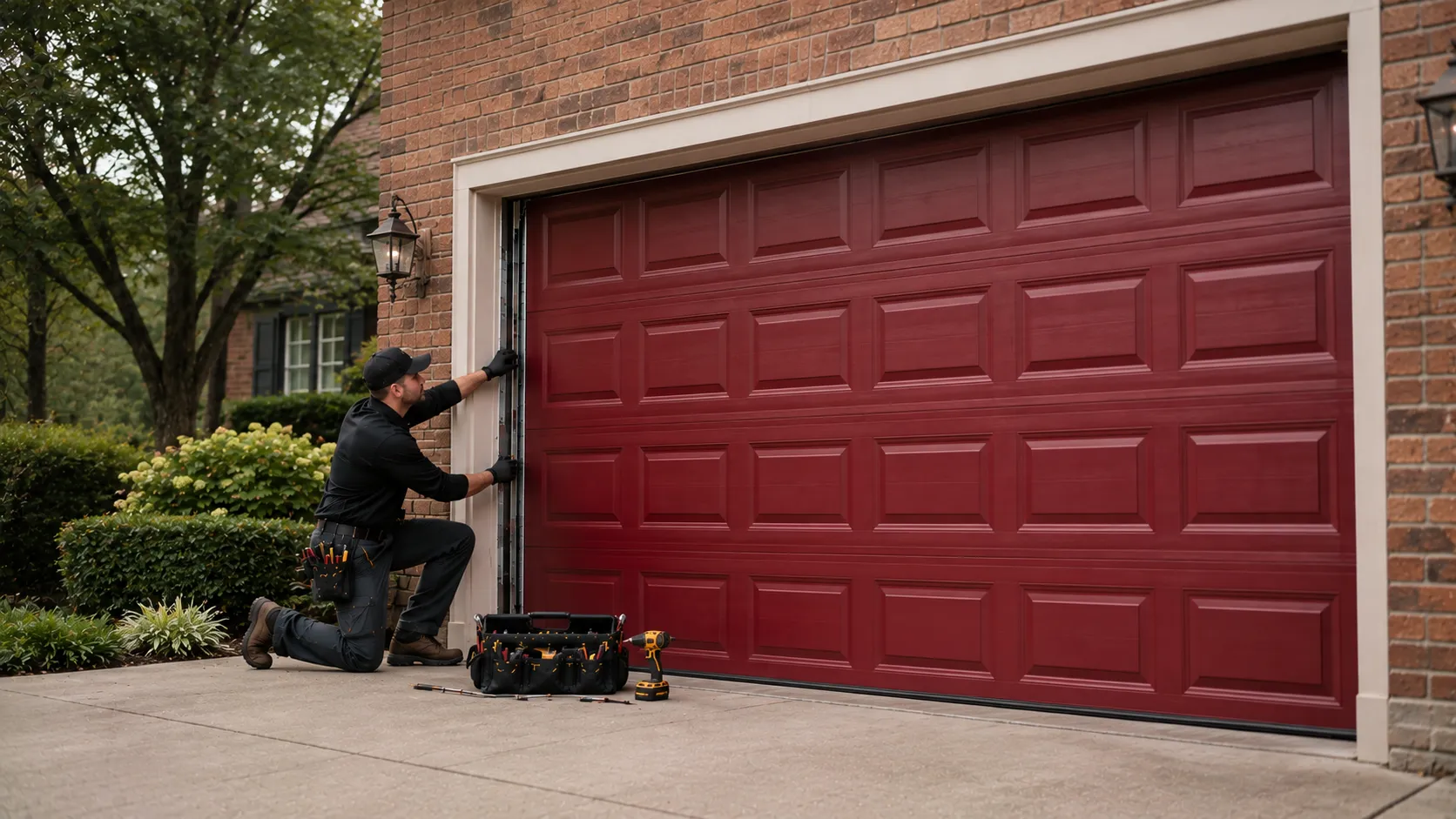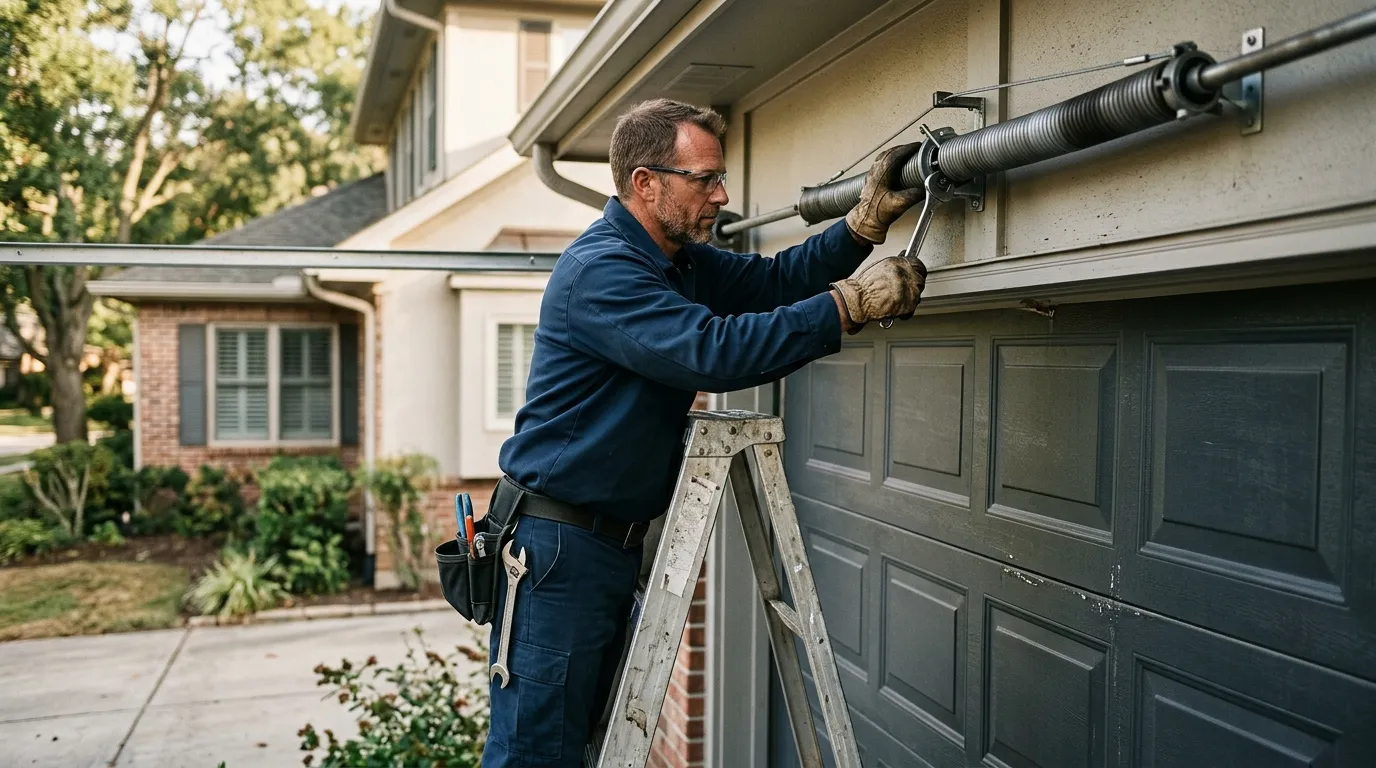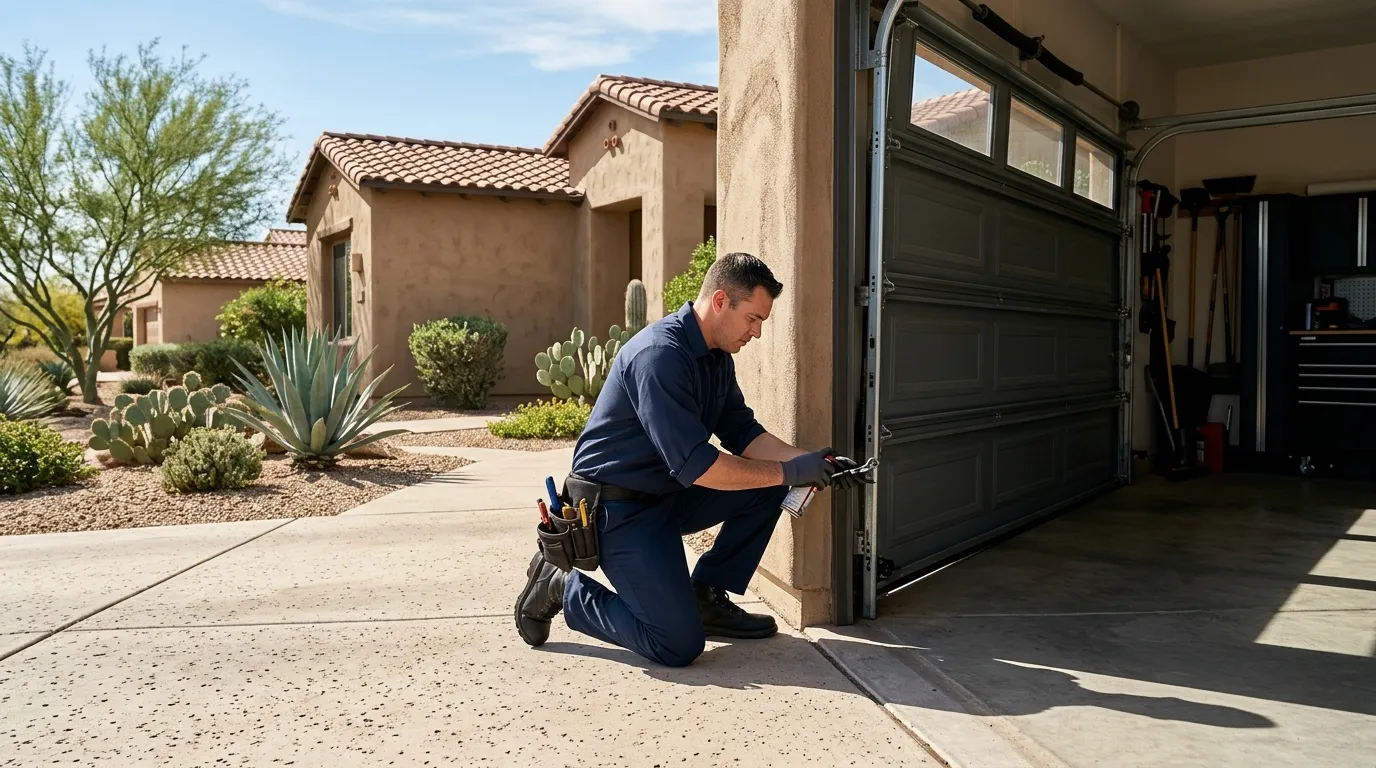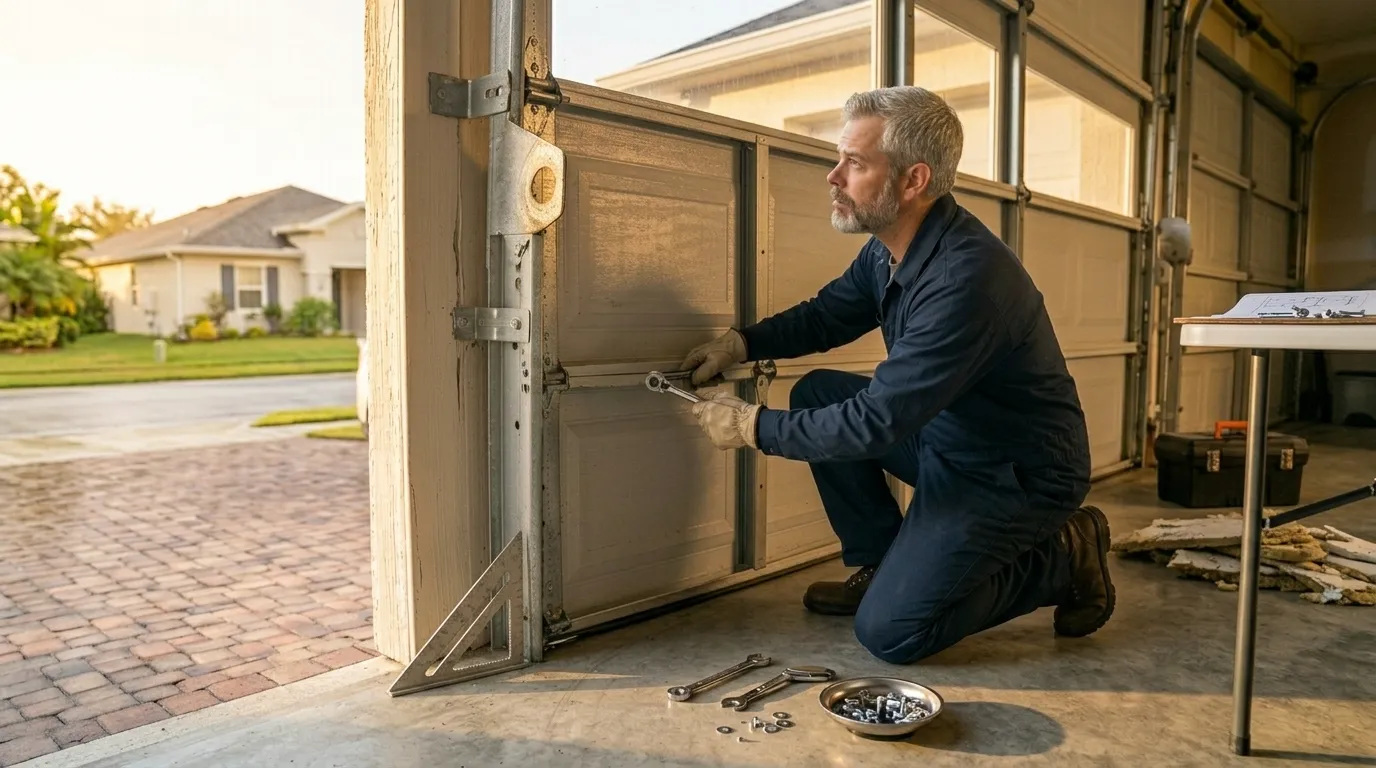
Common Jobs Here
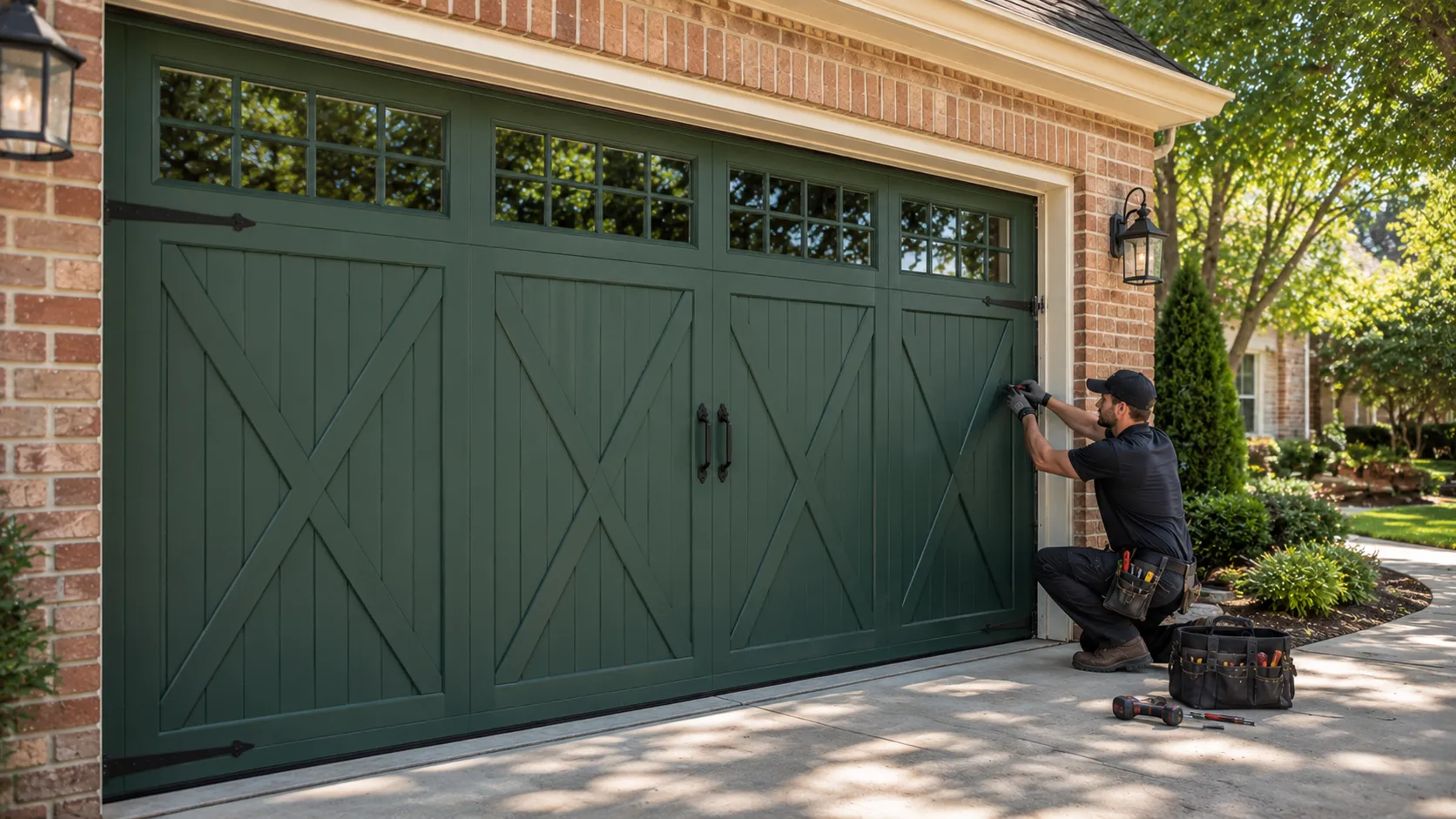
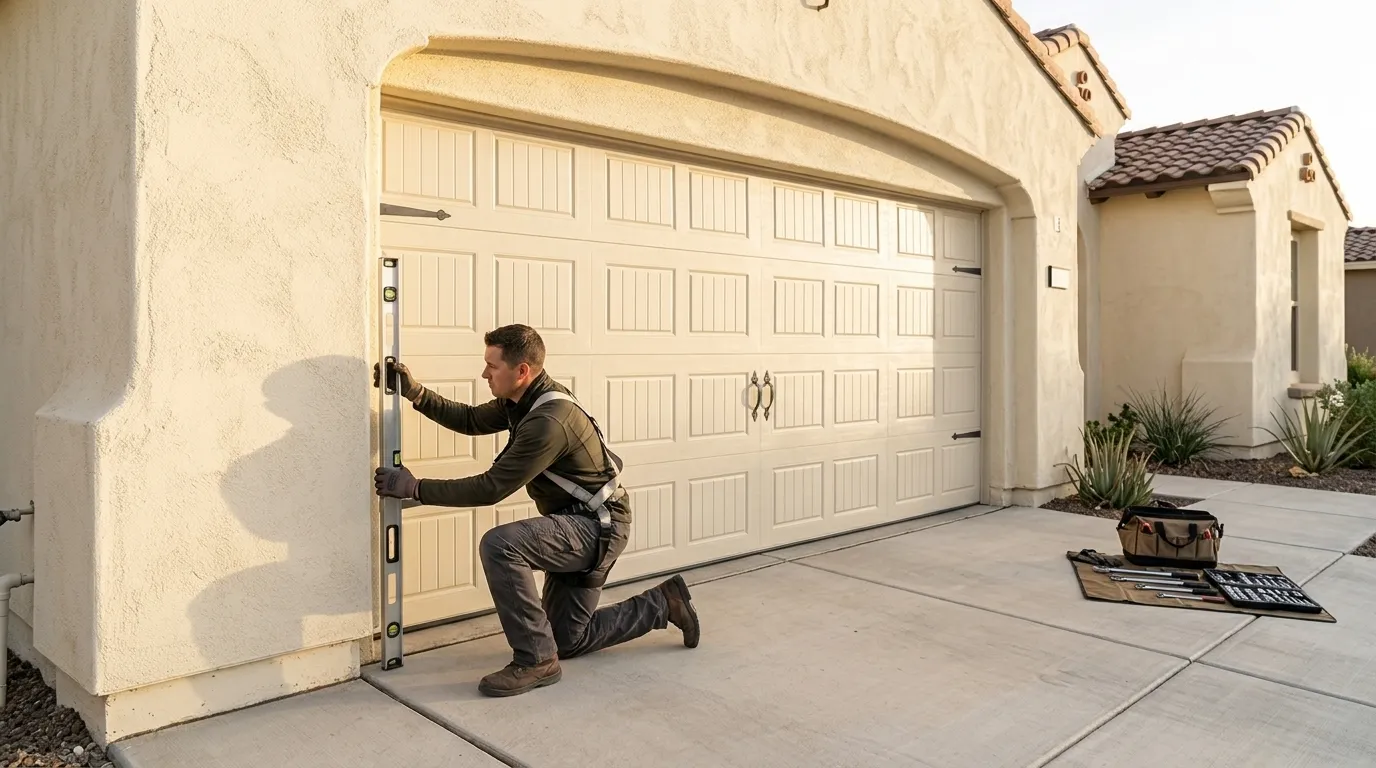
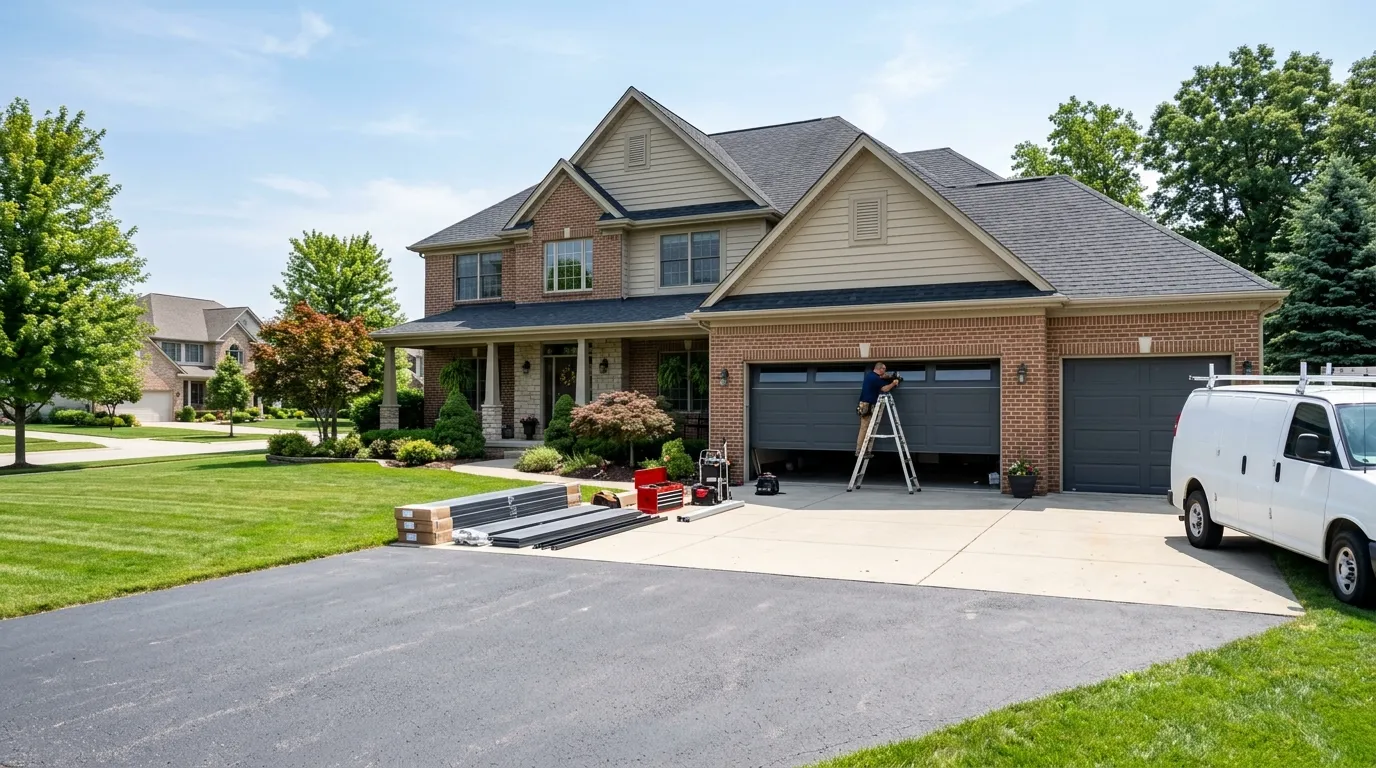
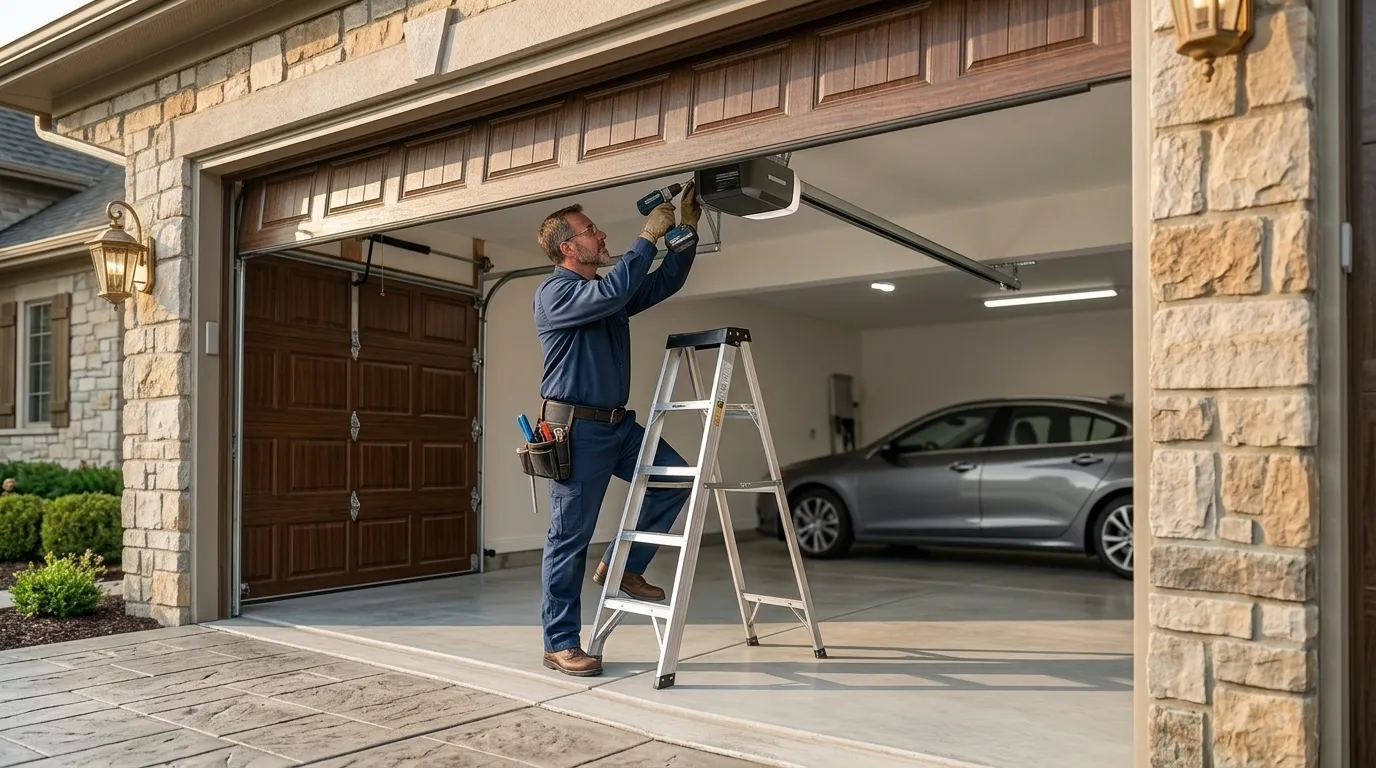
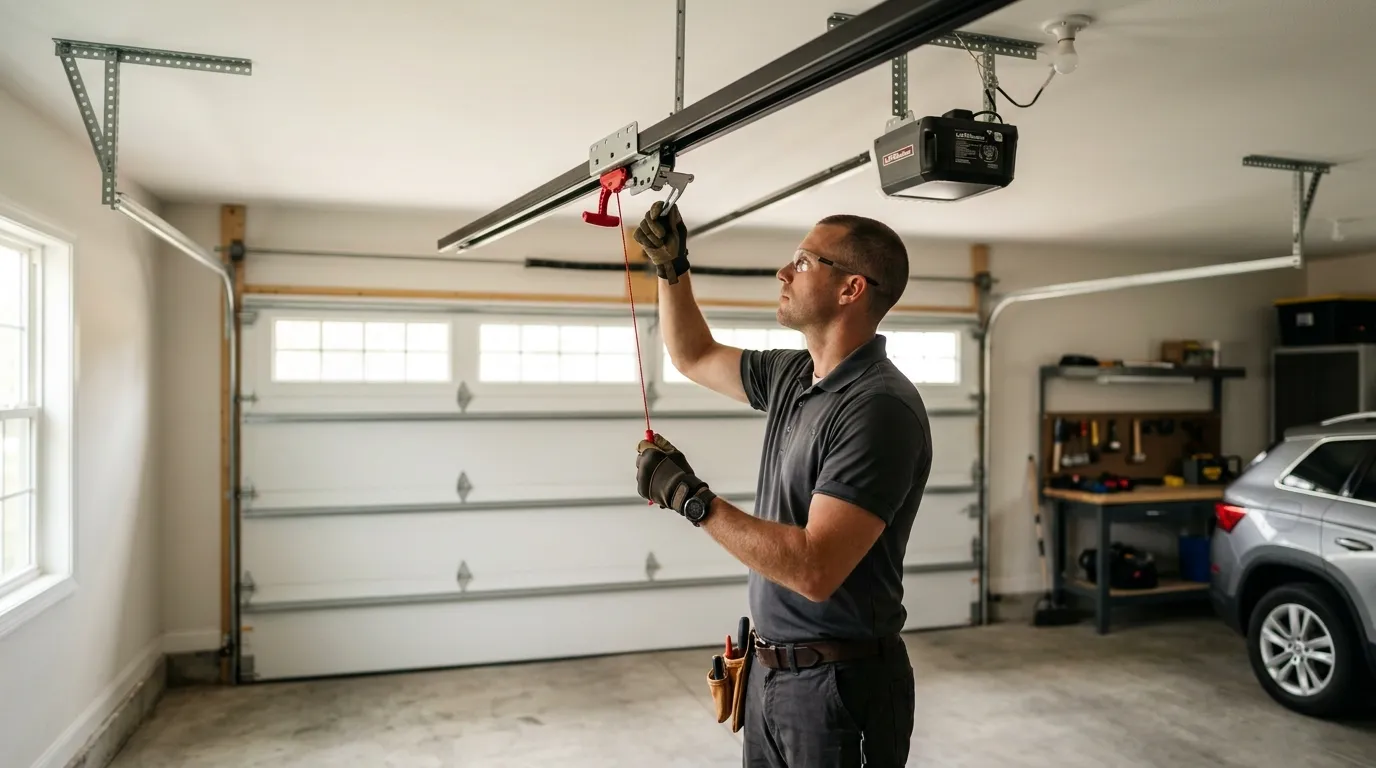
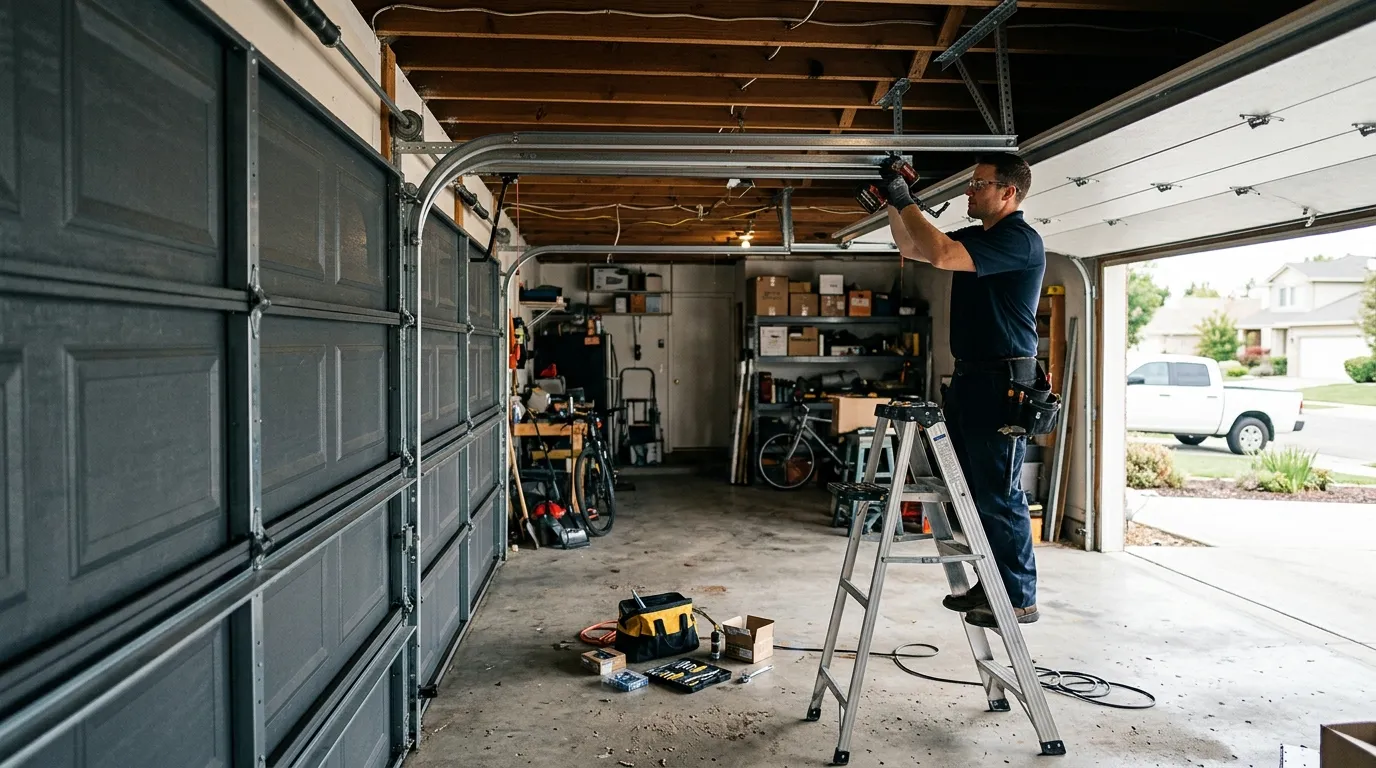
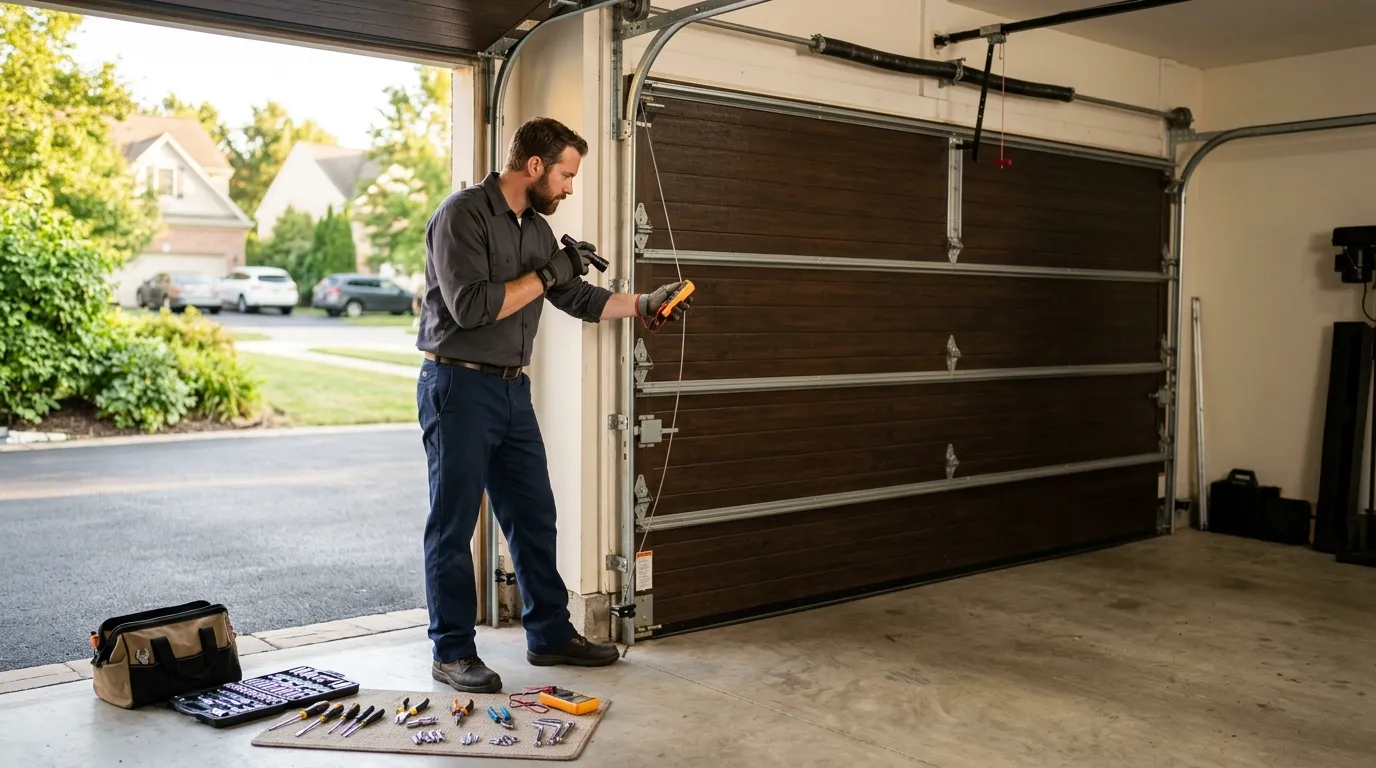
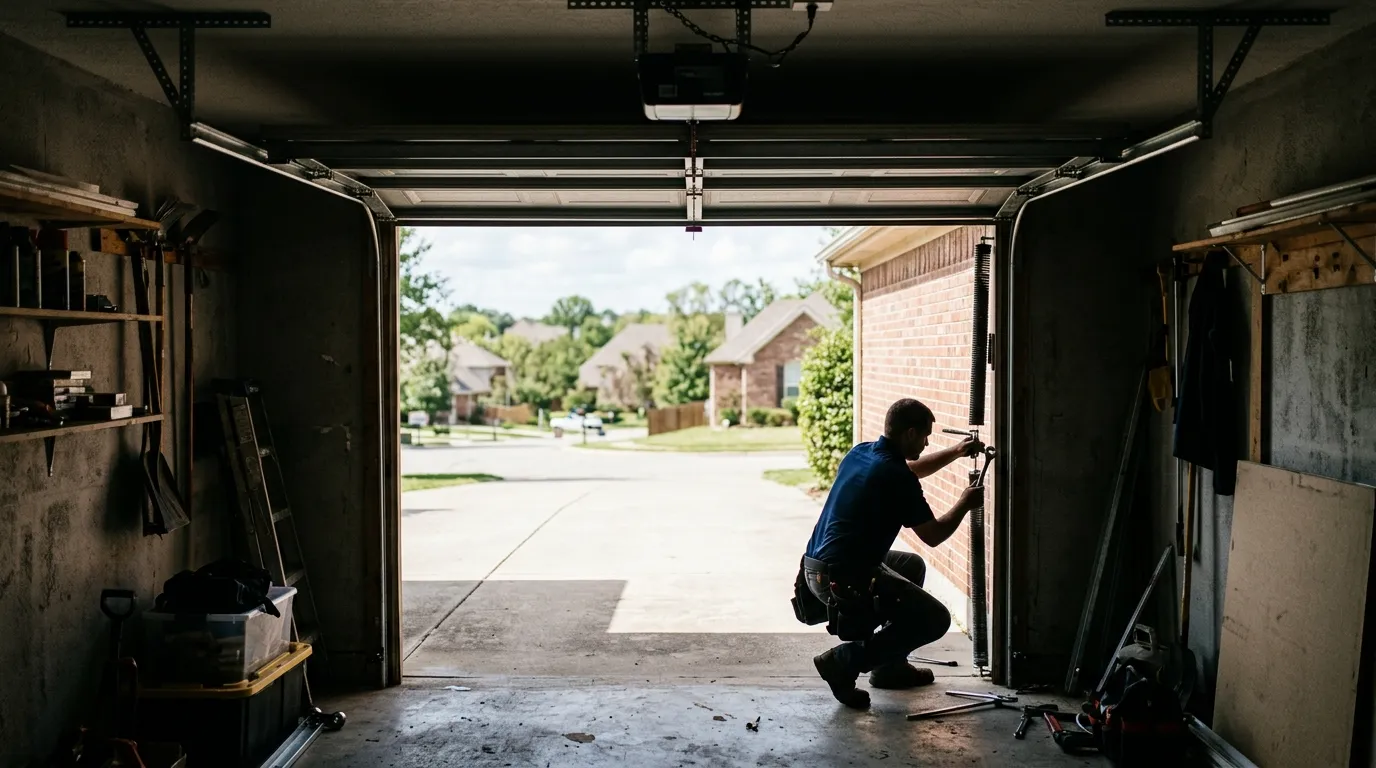
With a median build year around 1979 in South Miami Heights, most of what we see are the second generation of garage doors on these lots - not the original 1950s one-piece slabs you'd find closer to central Miami, but the steel sectional doors and chain-drive openers that went in through the late 70s and 80s as the area filled in. That means torsion springs that are now well past their rated cycle count, and openers old enough that the safety reversing sensors were either added later or never retrofitted at all.
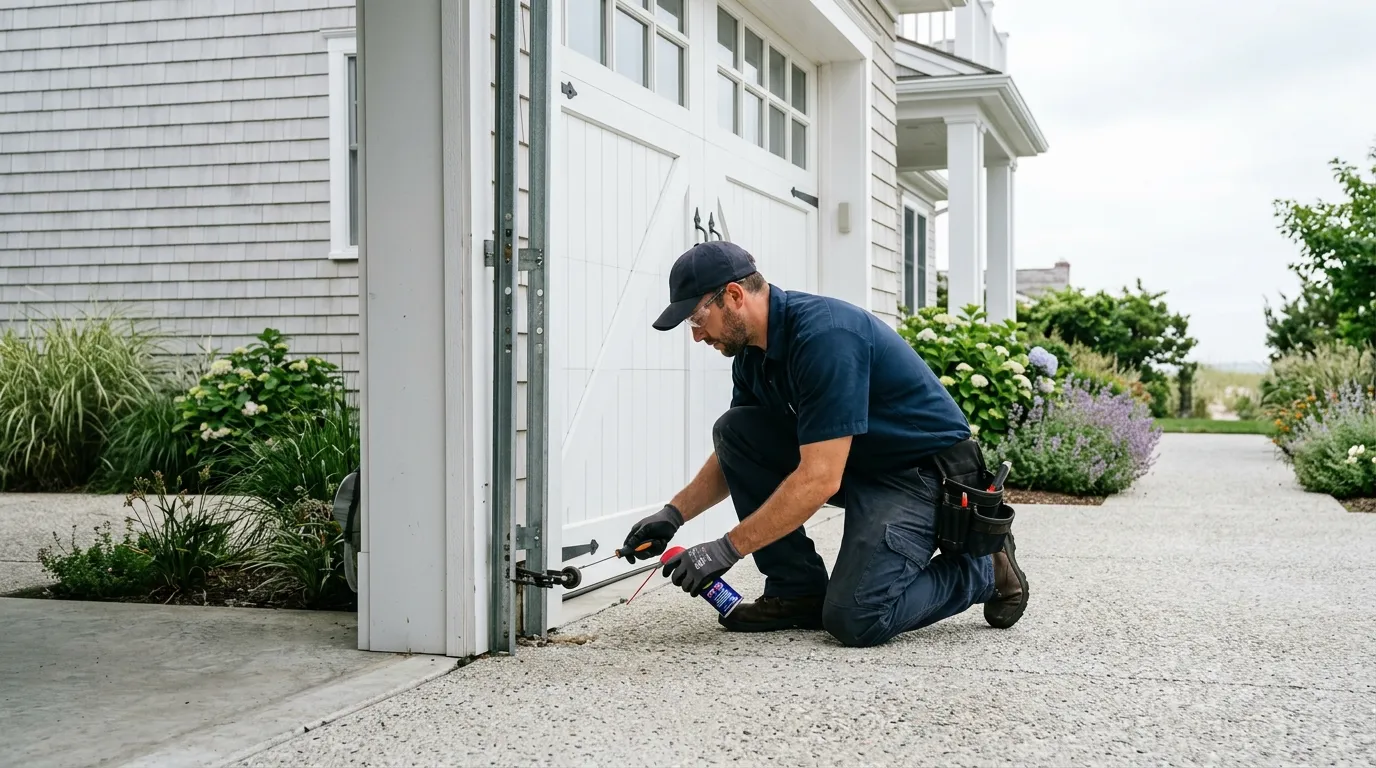
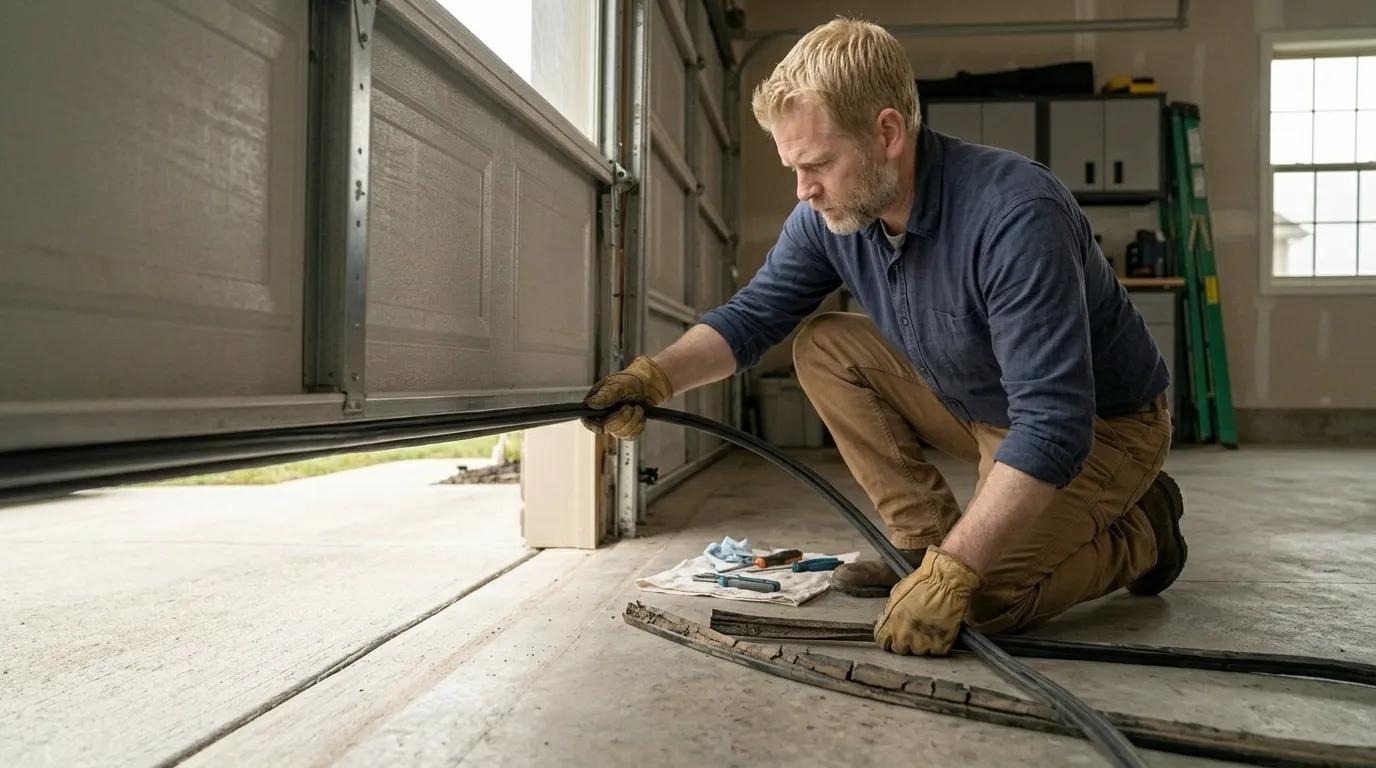
We also see a fair number of rollers and hinges worn from age rather than abuse - the kind of wear you get from thirty-plus years of daily use in a mild coastal climate, not from one bad storm. Rust on the bottom panel and track is common where doors sit low and catch runoff, though it's rarely severe enough to force a full replacement on its own.
One honest limit: if a panel is discontinued and we can't source a match, we'll tell you straight that patch repair means a mismatched door, and full replacement is the better long-term call even though it costs more up front.
What the Housing Means for Your Door
South Miami Heights sits a touch newer than the broader Miami housing stock, which runs 1953 to 2005 with a median around 1976. Locally the median is 1979, so most doors here were installed as builder-grade steel sections rather than the older wood or single-panel doors you'd find in the earliest postwar tracts. That's good news in one way - steel sectional doors are easier to service and parts are more standardized - but it also means a lot of these openers and springs are now 40-plus years into a service life that was never meant to last that long.
The mild temperate climate here doesn't put doors through the freeze-thaw cycling that cracks hardware in colder regions, so when a door fails locally it's almost always wear, not weather damage. Springs lose tension gradually, openers' capacitors and gears wear out, and rollers seize from dried-out lubrication rather than rust-through. That's a simpler failure pattern to diagnose, and usually a cheaper one to fix, than what we see on older housing stock elsewhere in the service area.