Common Jobs Here
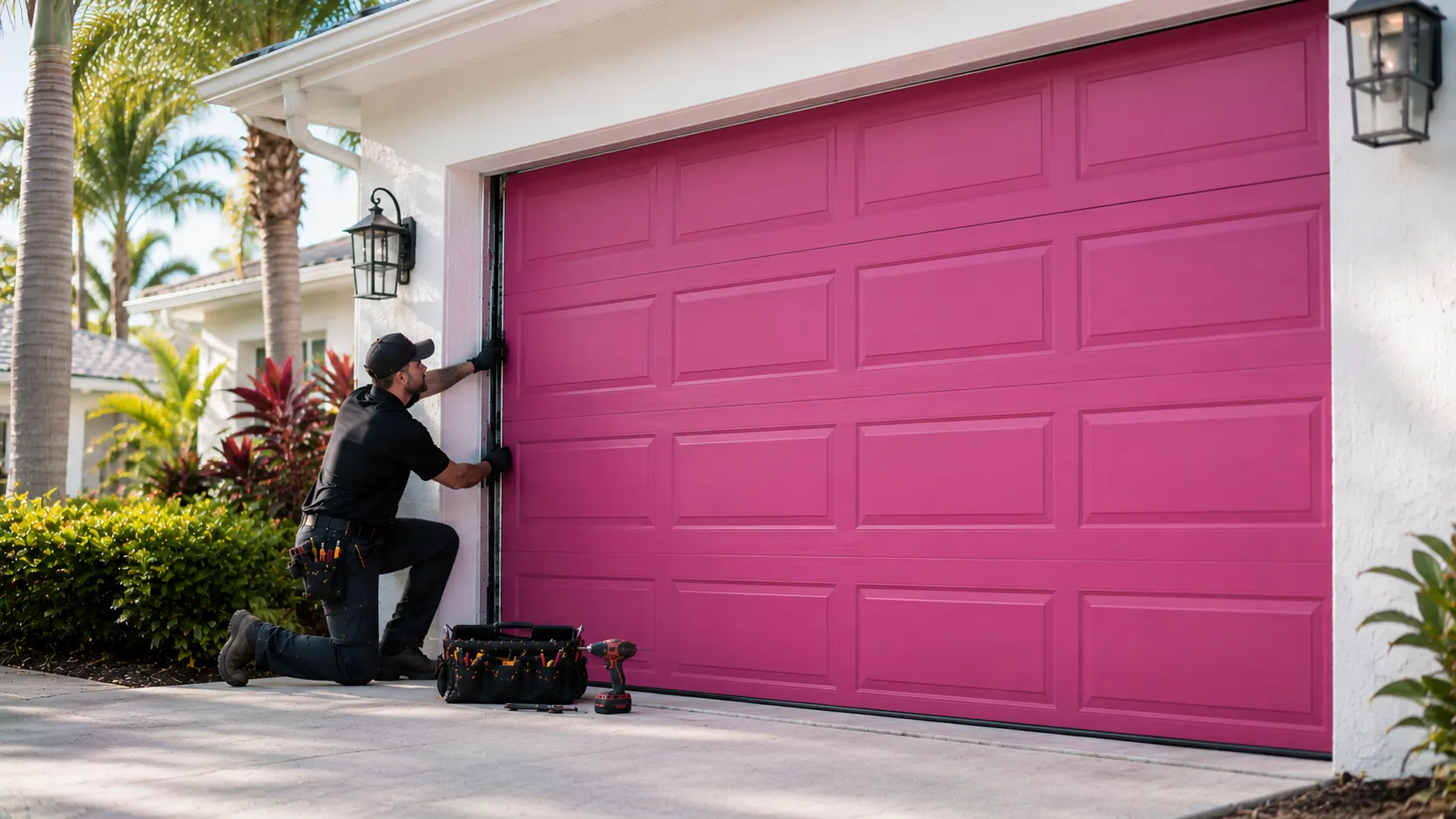
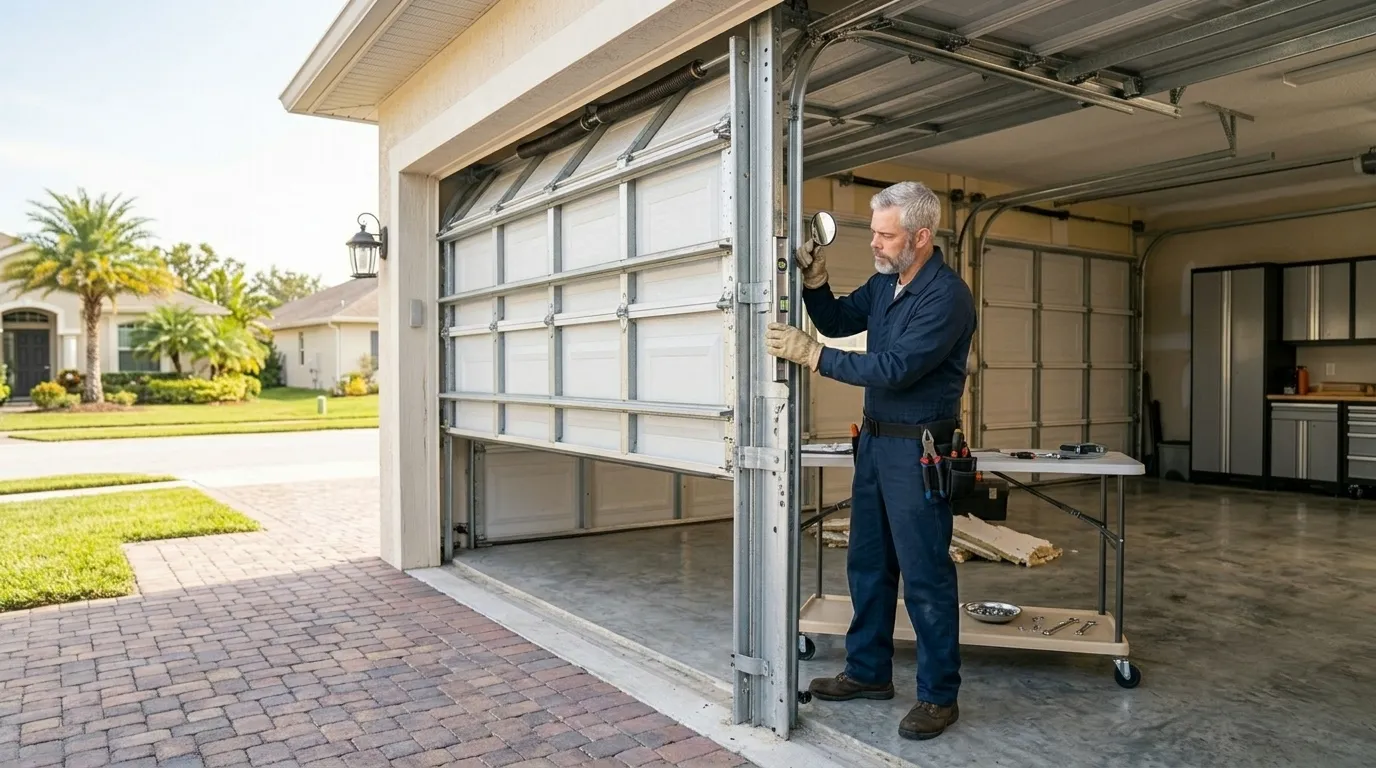
South Miami's housing stock centers on a median build year of 1966, noticeably older than the roughly 1976 median across the wider service area. That decade-plus gap shows up in the calls we get. A lot of these garages still run torsion springs and openers that were swapped in once or twice since the house was built, but the track and header hardware behind the wall is original 1960s steel - narrower rail, different drum sizing than what ships on a big-box door kit today.
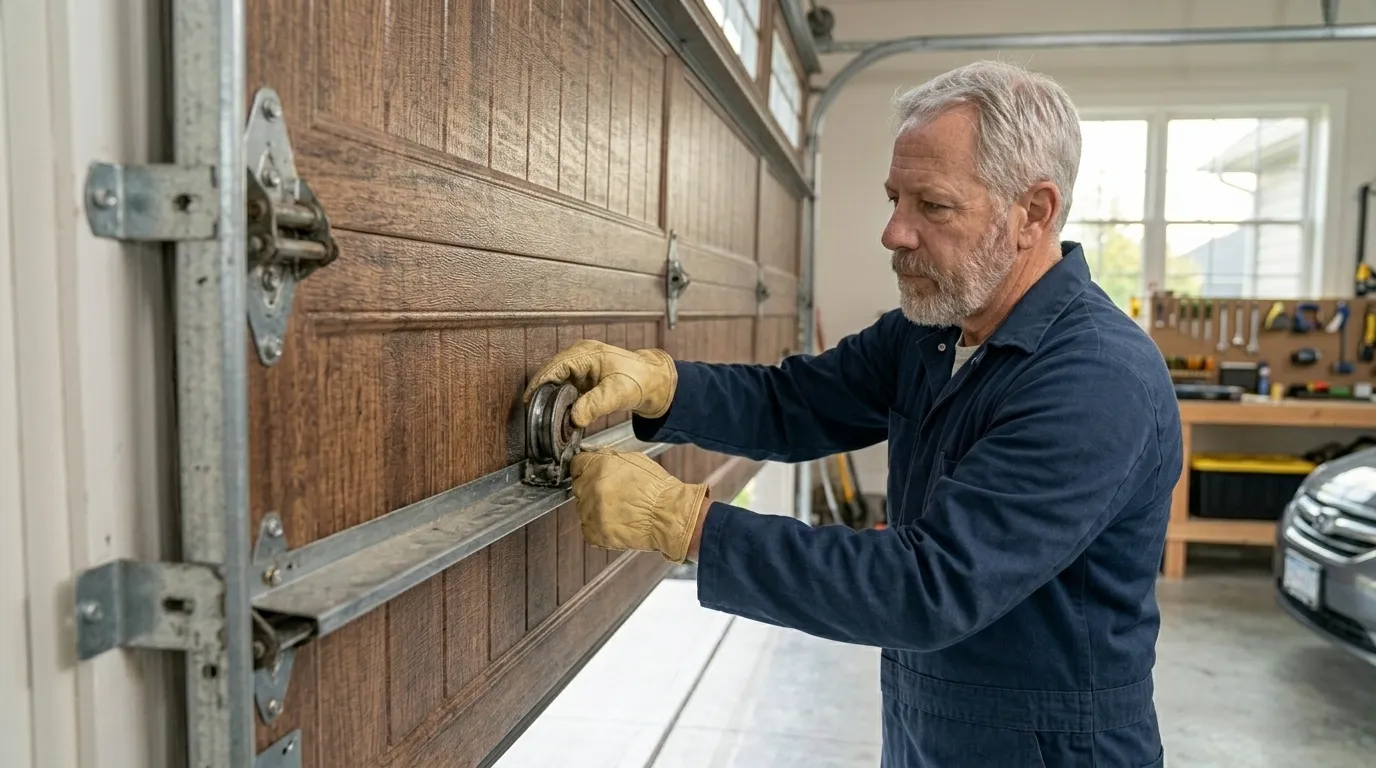
The most common job is a broken torsion spring on a single-car door, followed by cable fraying where an older drum has worn a groove that catches the cable at an angle it wasn't cut for. We also see a fair number of opener replacements where the original chain-drive unit has simply outlived its gears - nothing dramatic, just 50-plus years of a house catching up with itself. Panel damage is less common here than in some of the newer flat-lot suburbs; tighter driveways mean fewer cars clipping a door at speed, but it does mean more dent repair from bicycles, trash cans, and tight three-point turns in a narrow bay.
What the Housing Means for Your Door
A door installed for a house built in 1966 was almost certainly not the door that's on it now - but the opening itself, the track spacing, the header clearance, that's original. When we quote a replacement door in South Miami, the first thing we check is whether the rough opening matches a standard modern size or whether it was framed to an older regional spec that needs a custom cut. It's a five-minute check that saves a homeowner from ordering the wrong door twice.
The area's mild temperate climate keeps most of this straightforward - we're not fighting frozen tracks or ice-jammed springs the way a cold-climate town would, so wear here comes from age and salt-humid air rather than freeze-thaw cycling. That's a kinder failure pattern: springs and rollers go slowly, on a schedule you can mostly plan around instead of one that snaps in a cold snap. Where it gets less kind is corrosion on original steel hardware that's sat through nearly six decades of humid South Florida air - hinges and end bearing plates that look fine but are one stuck roller away from a seized track.